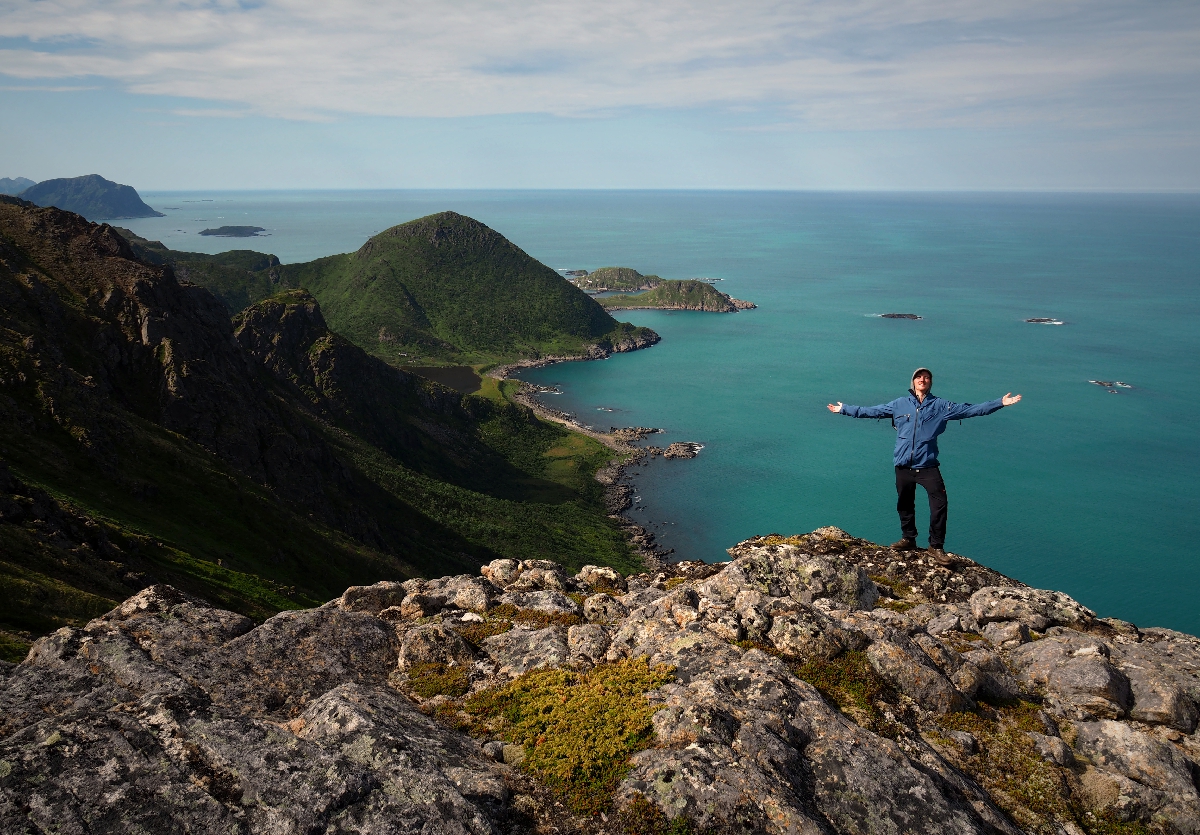
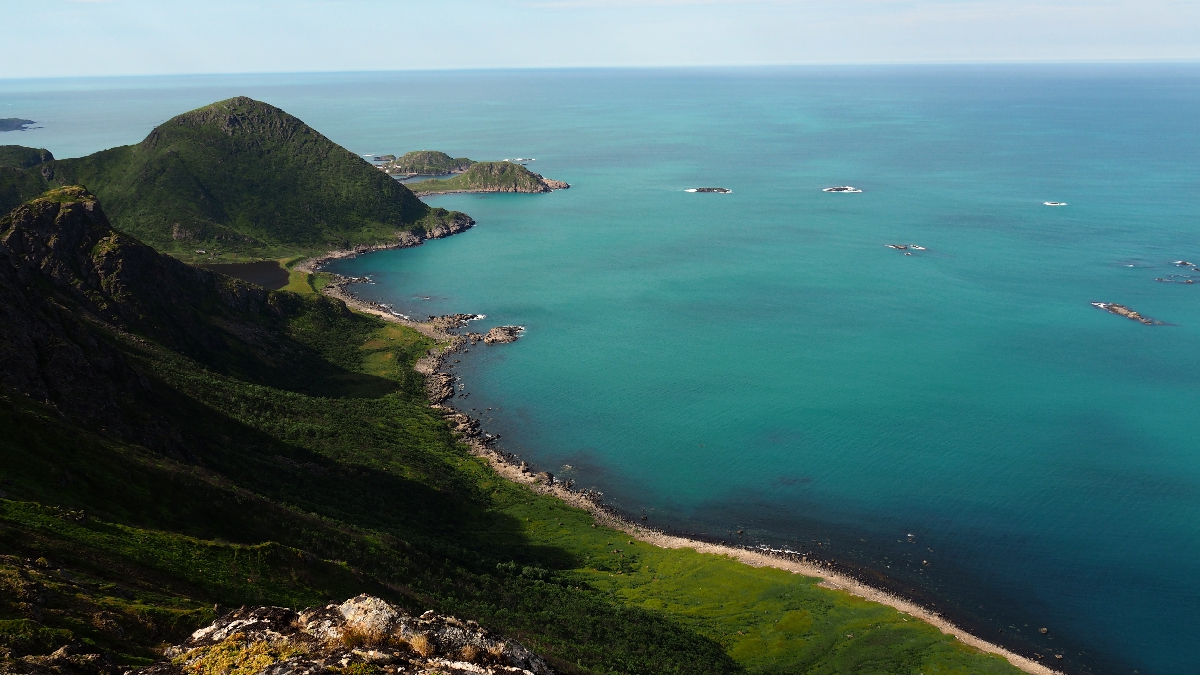
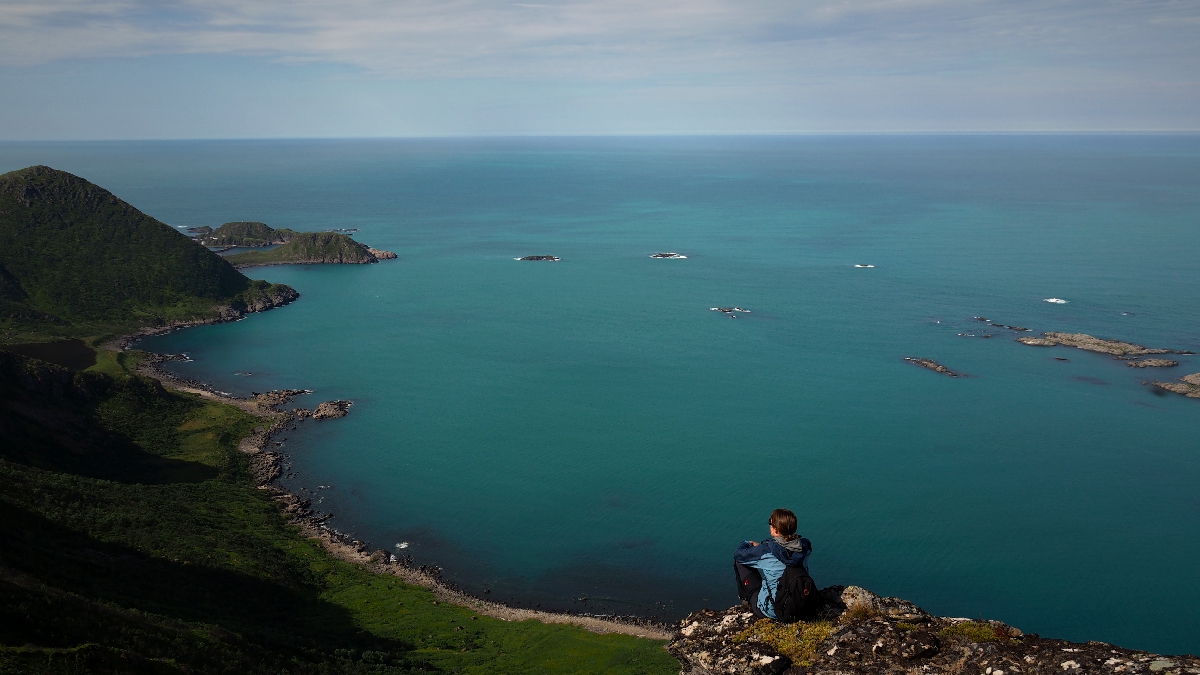
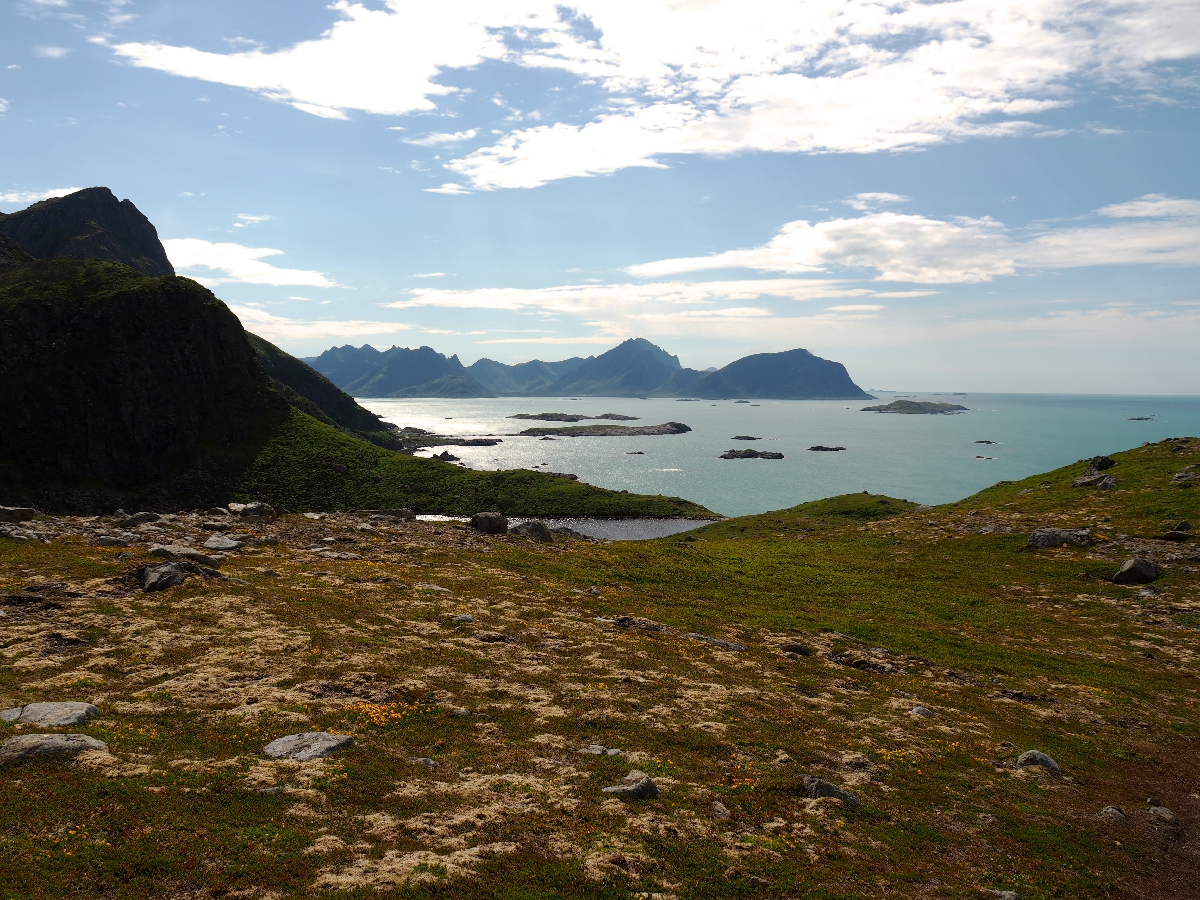
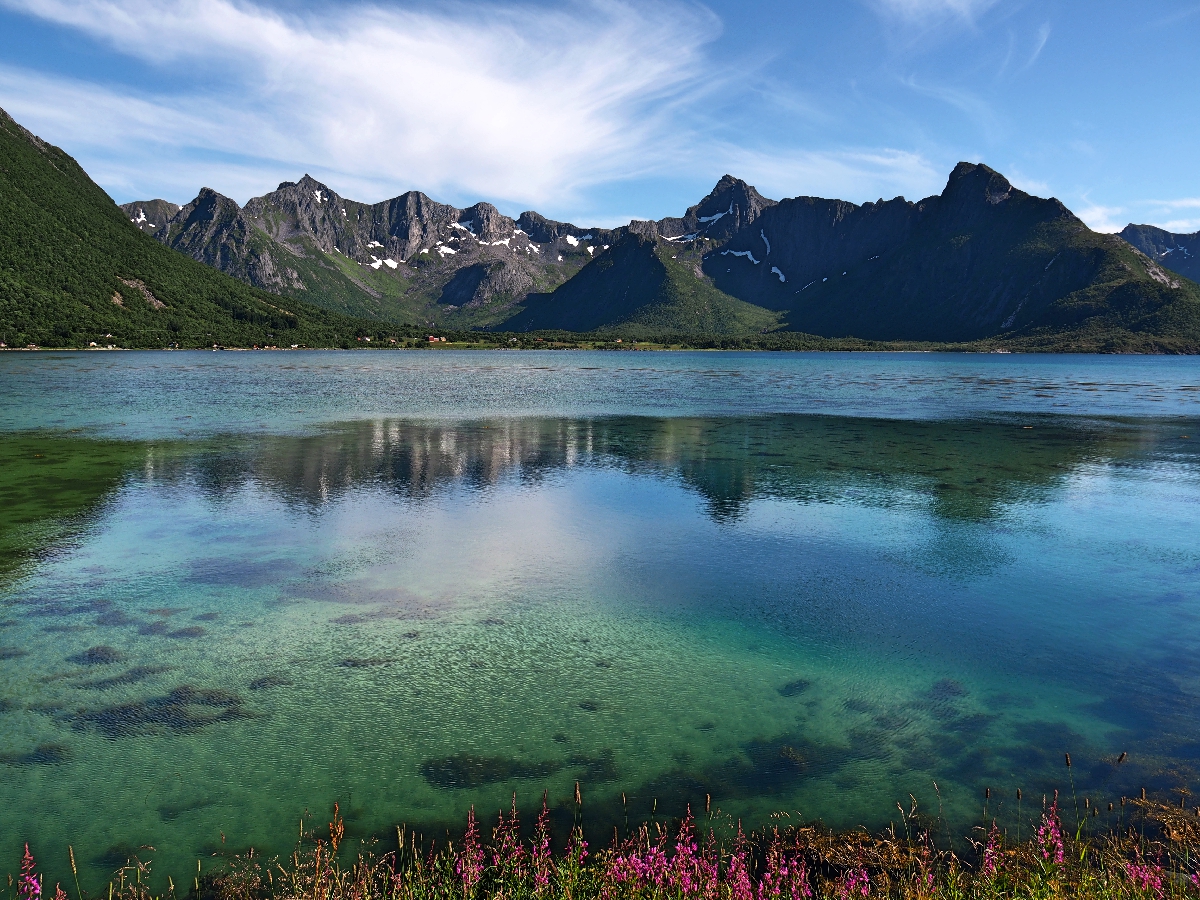
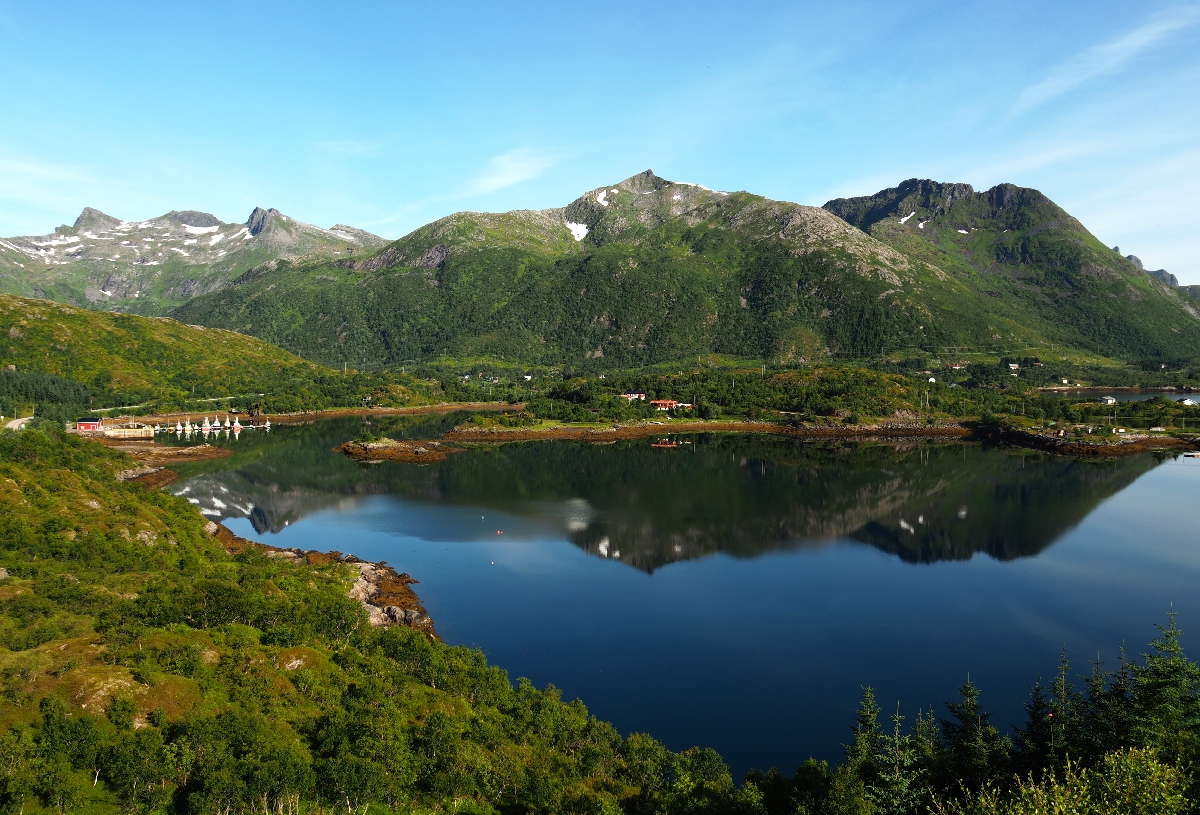
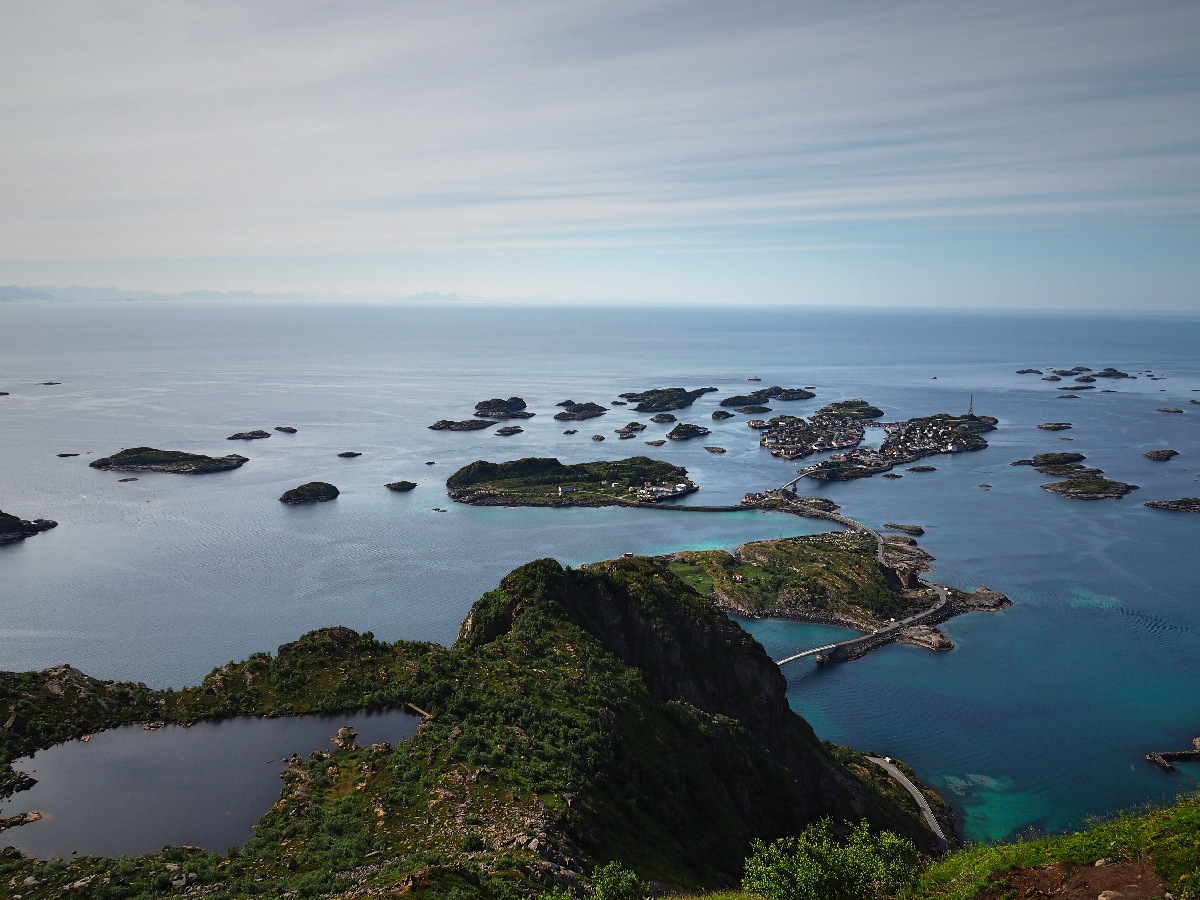
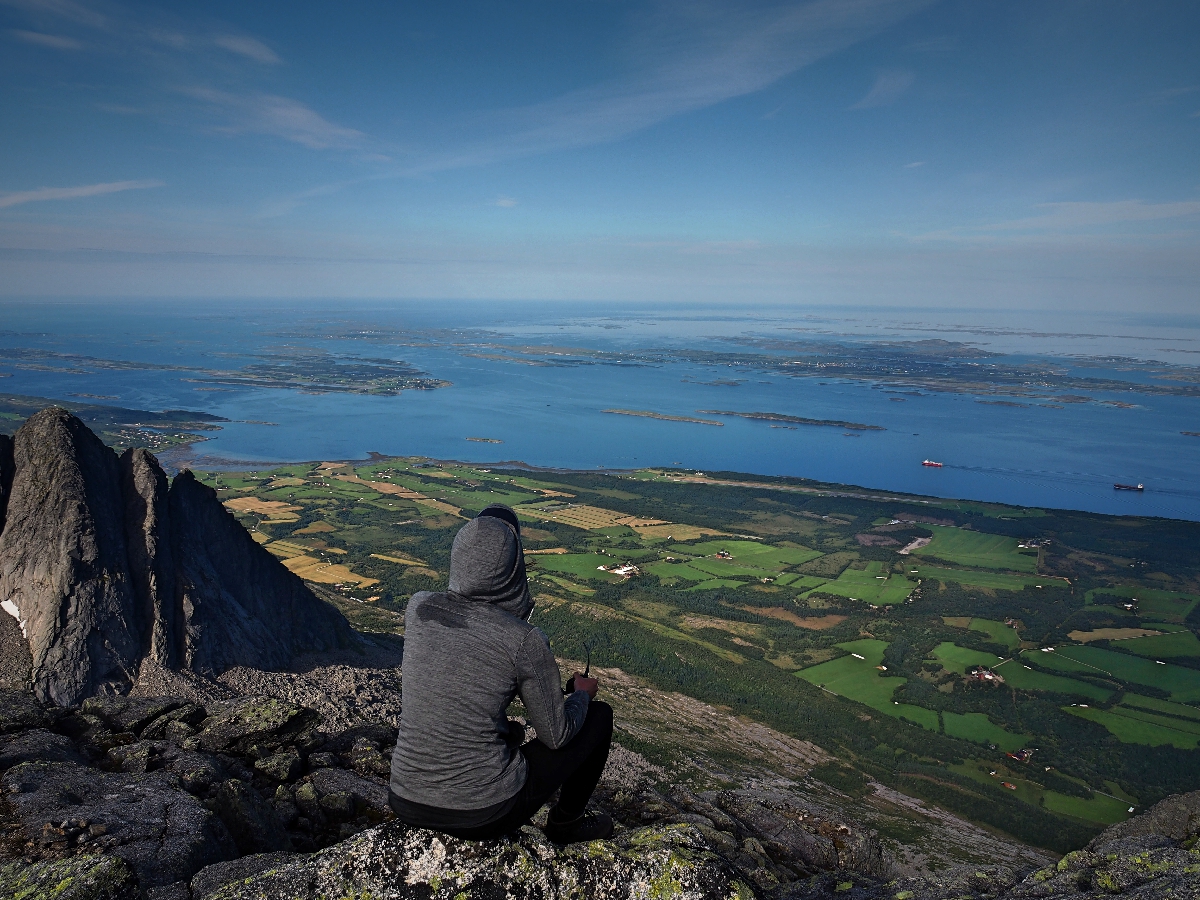
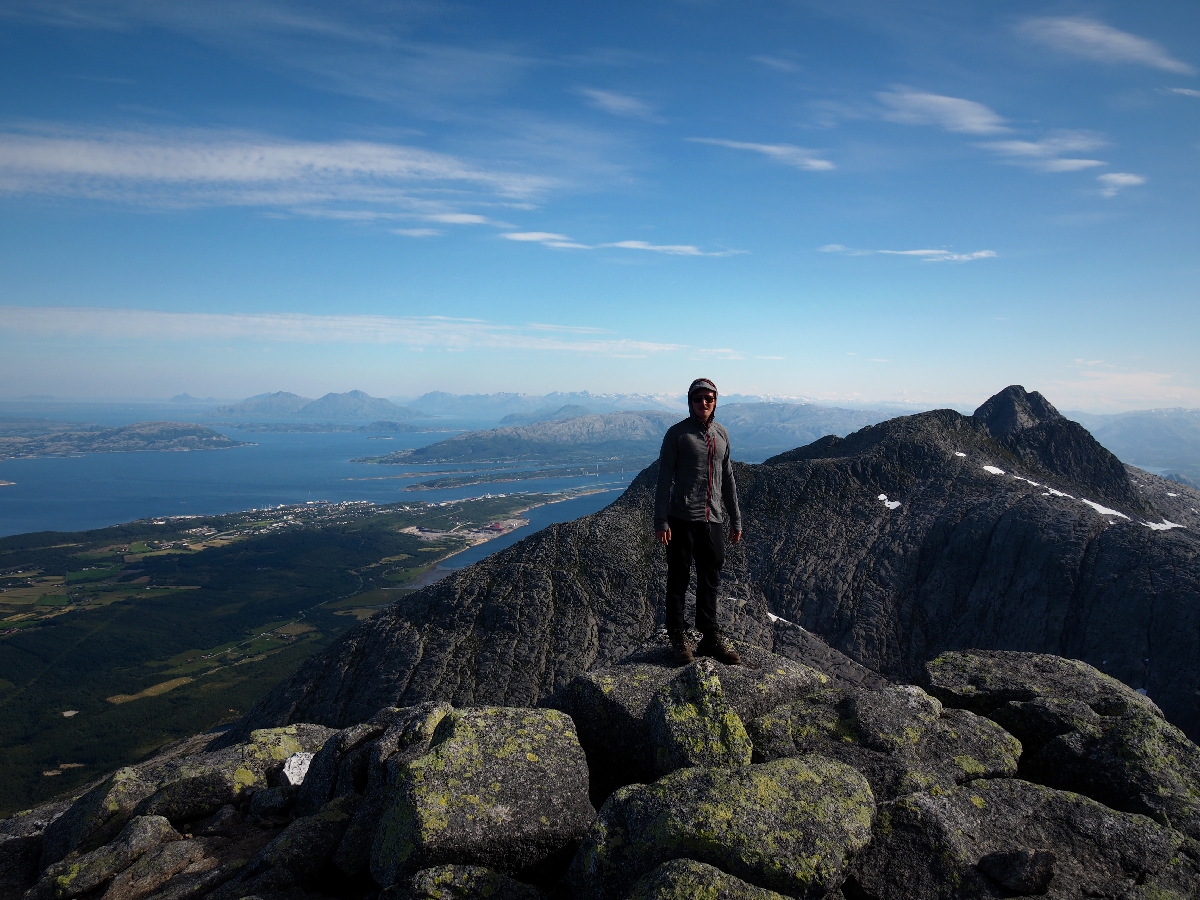
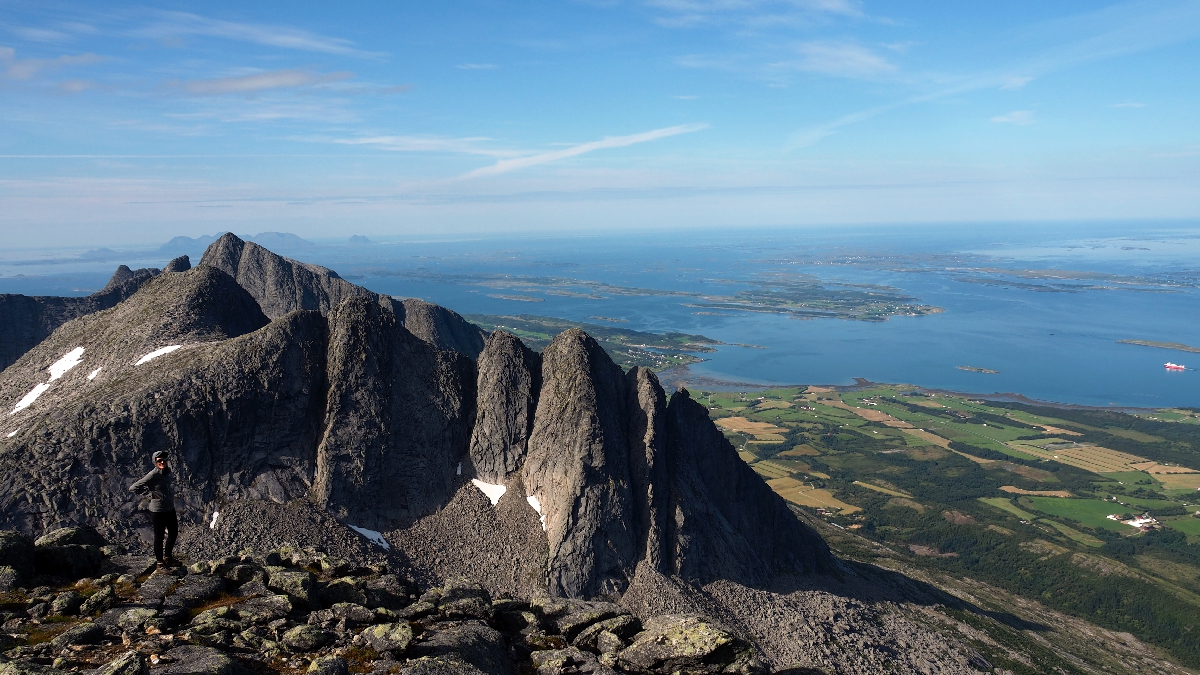
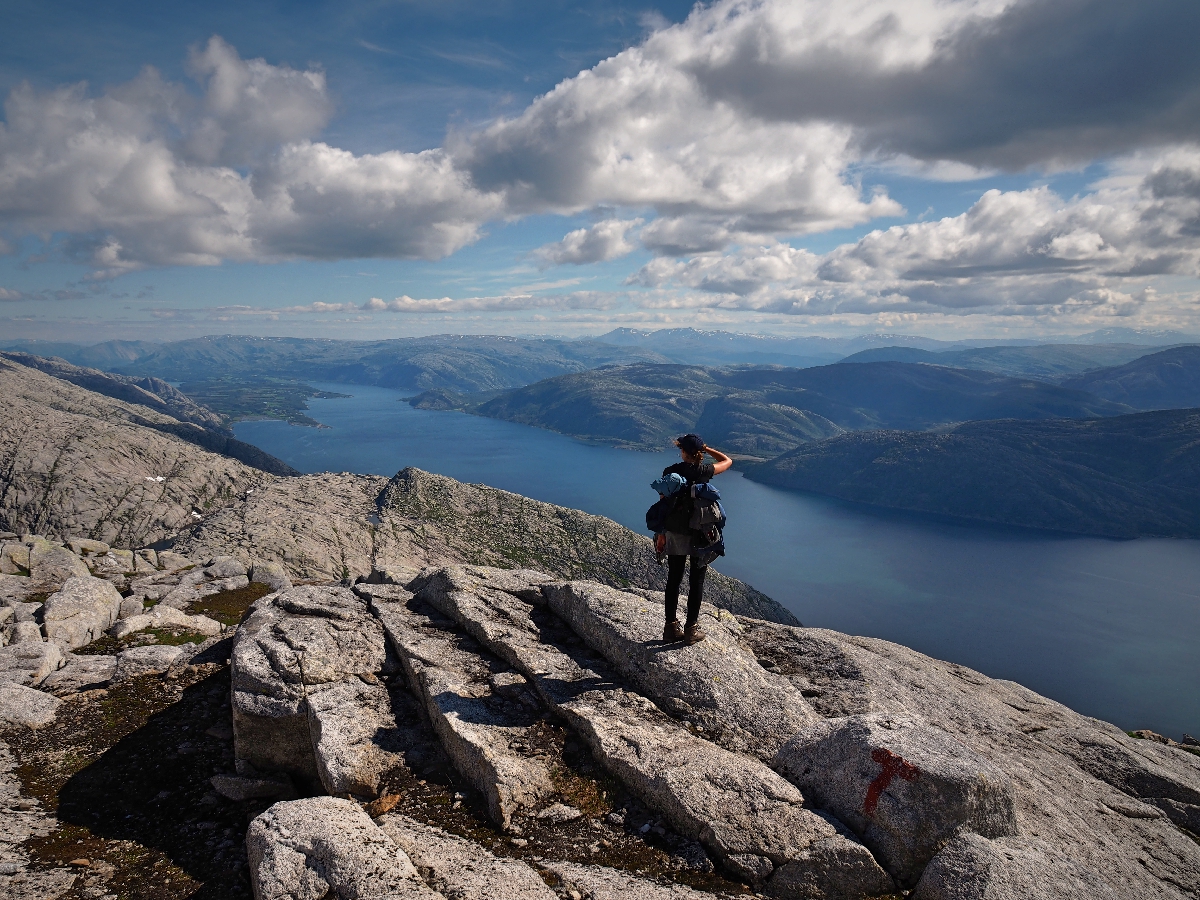
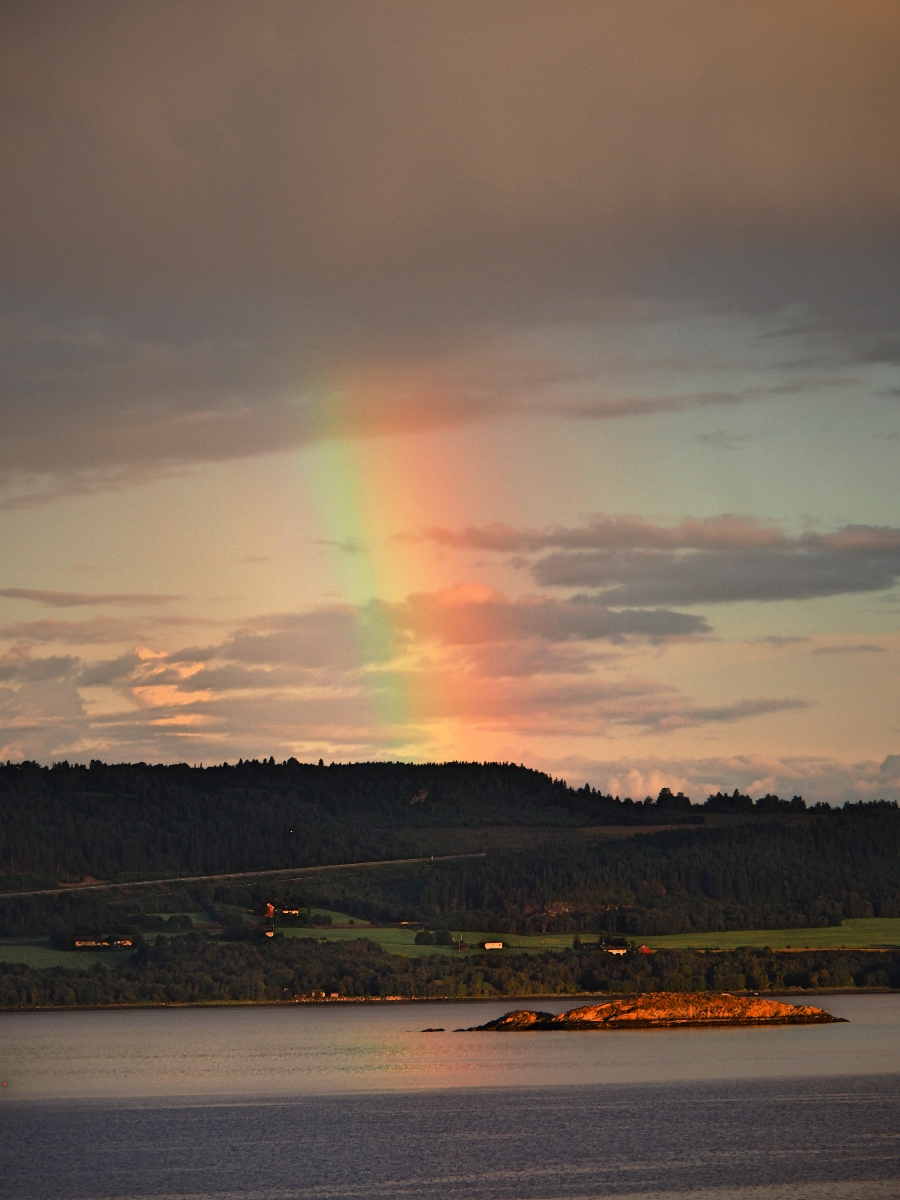
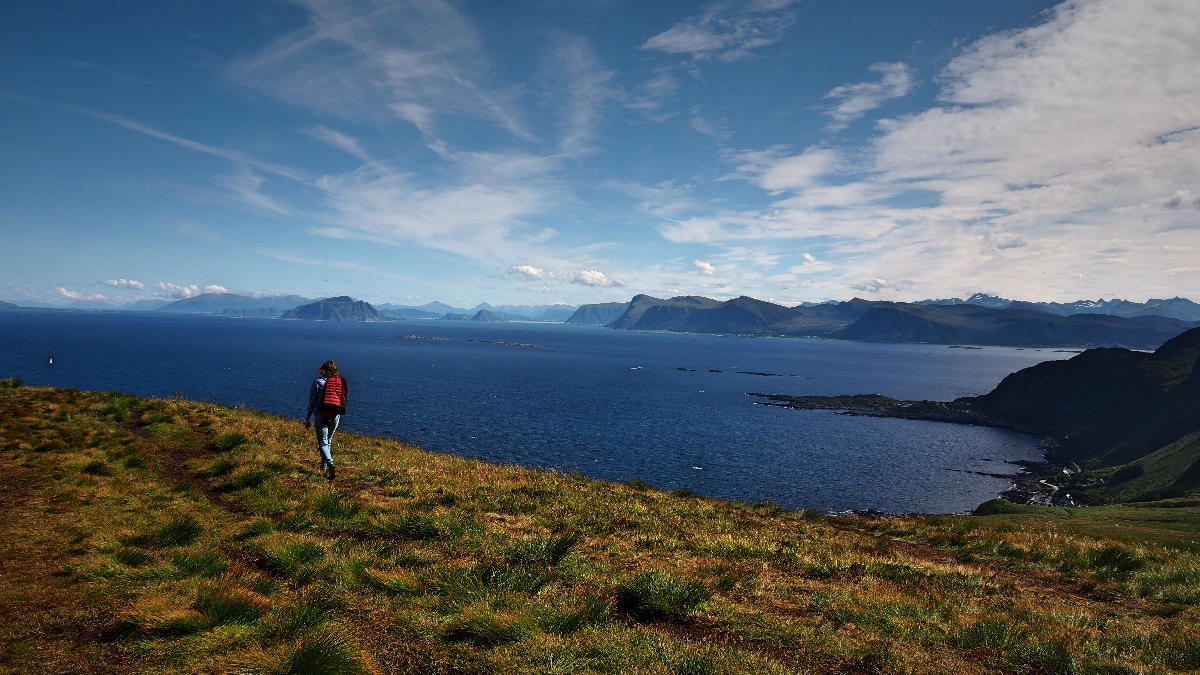
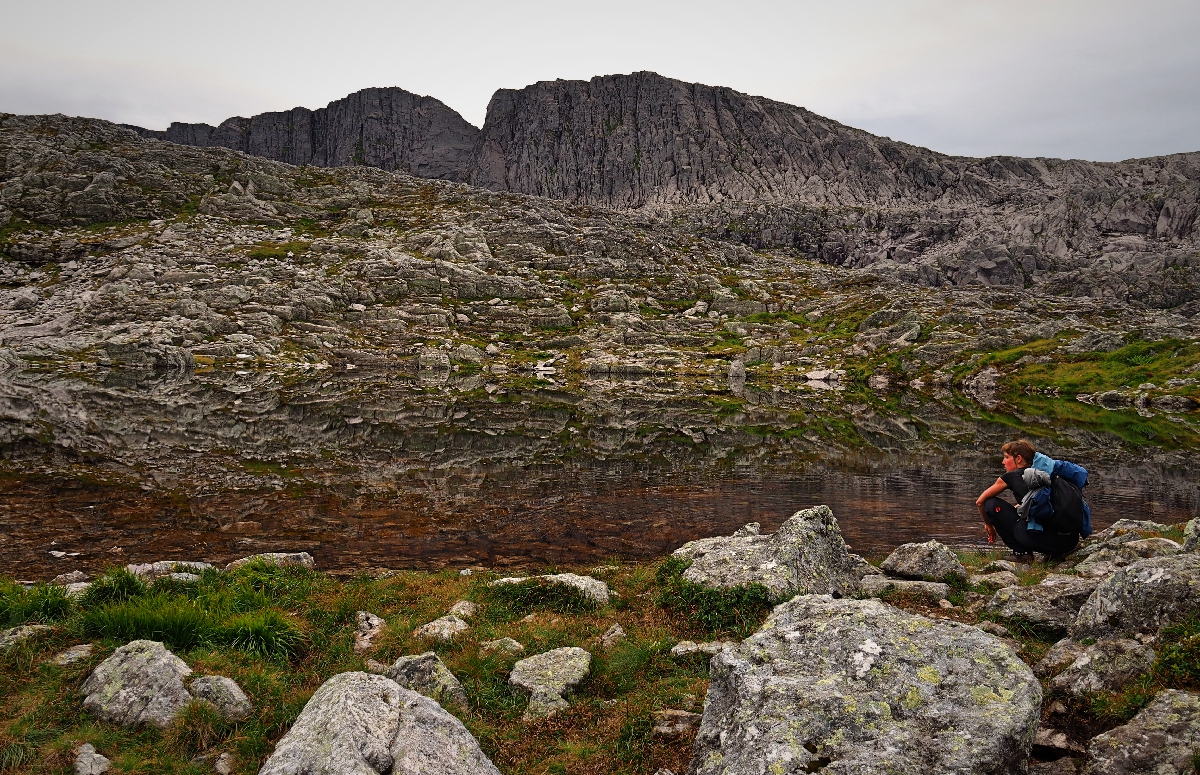
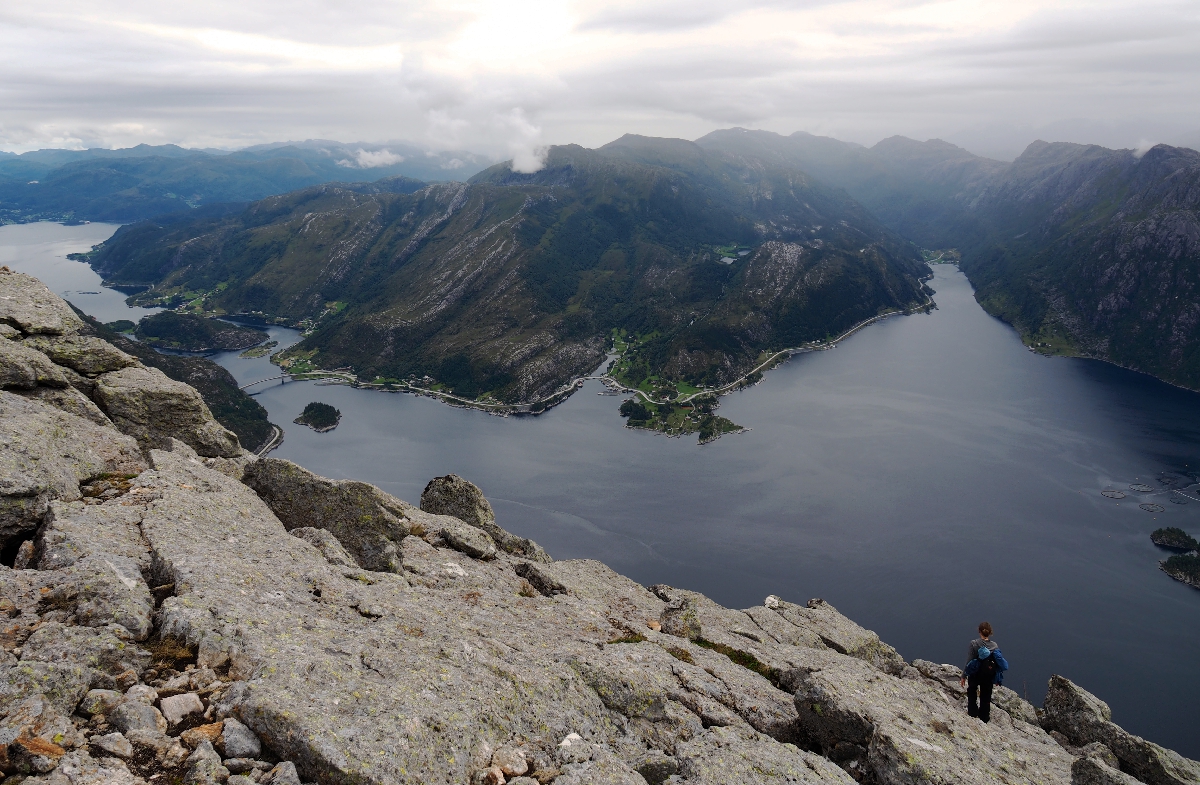
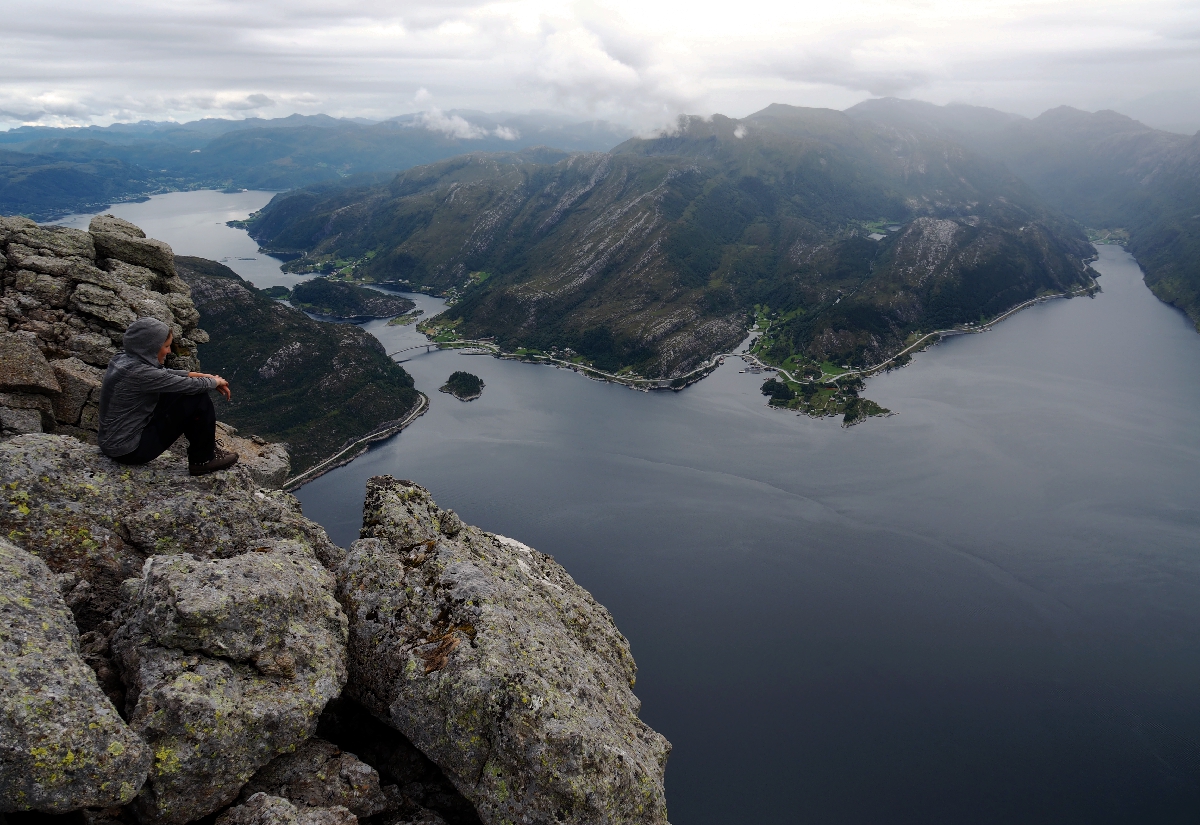
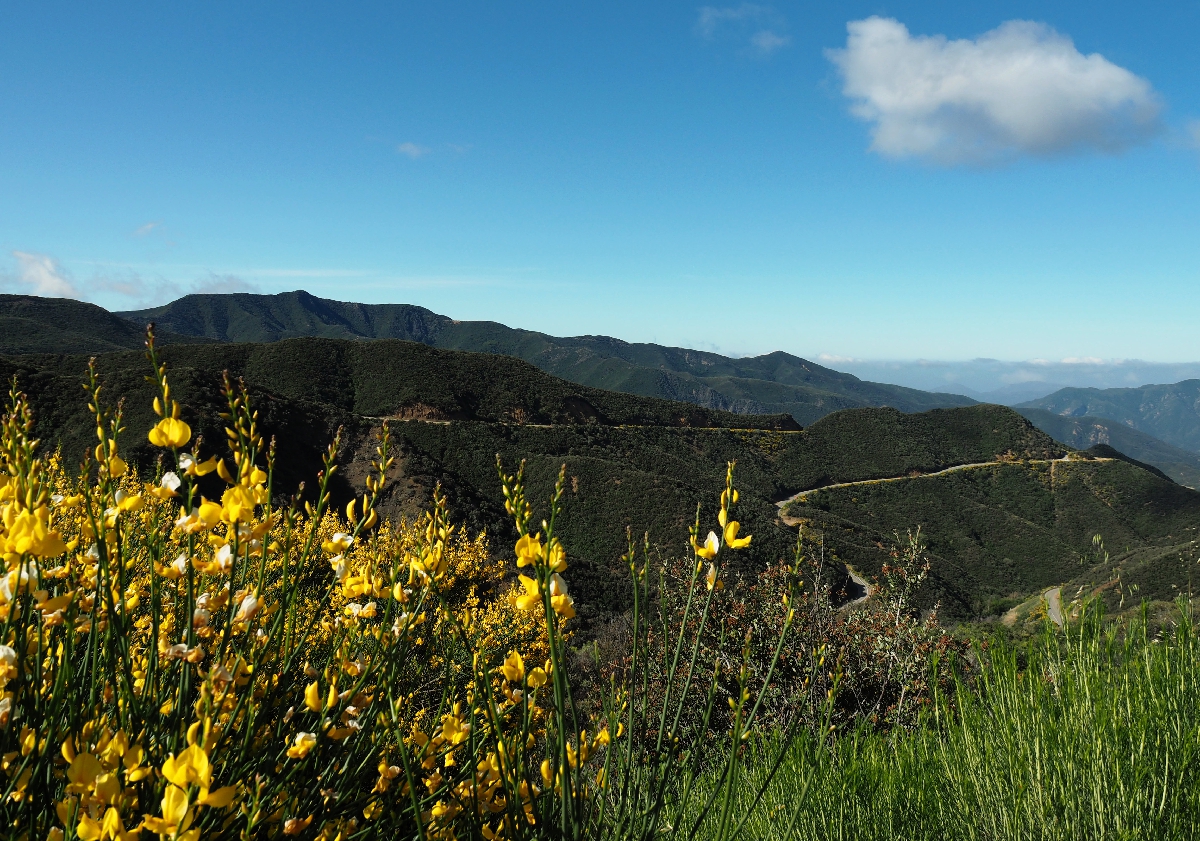
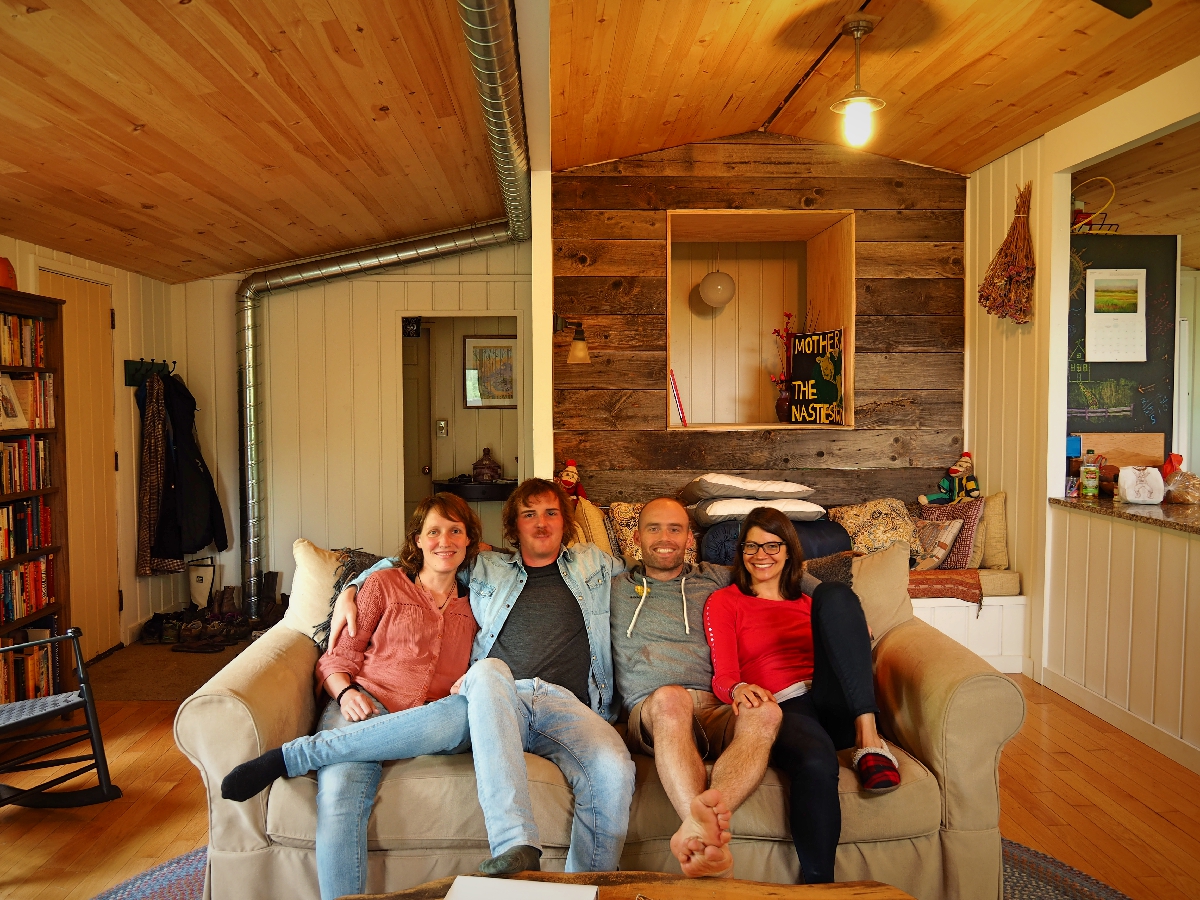
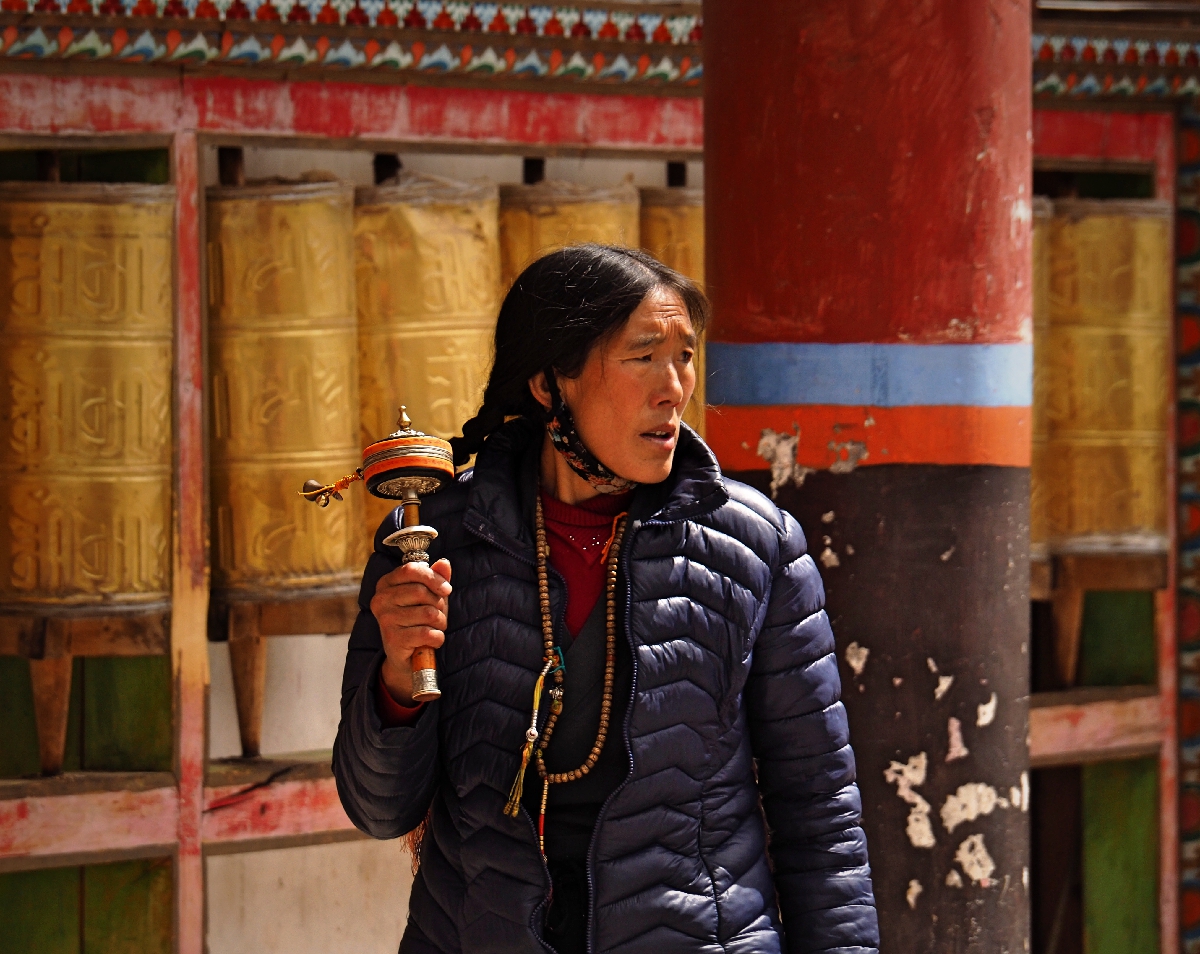
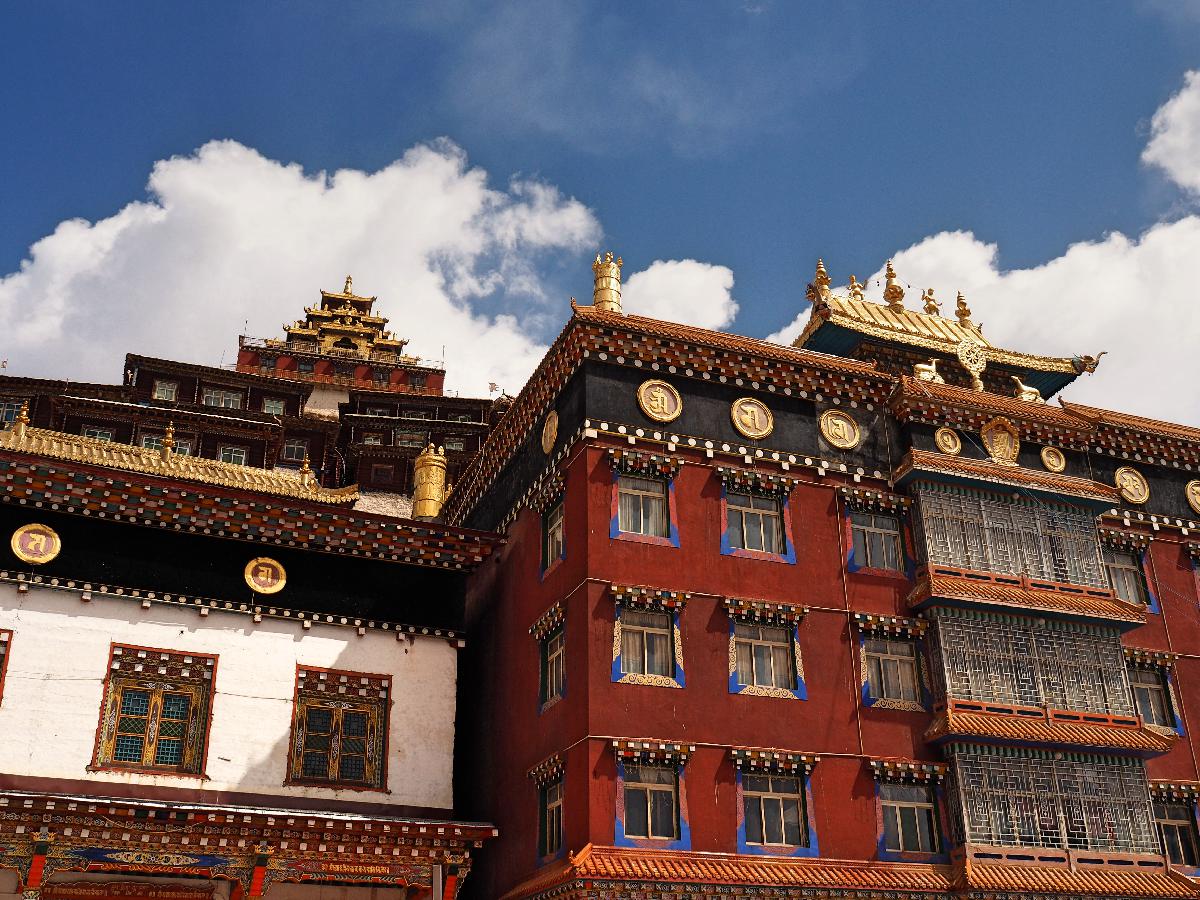
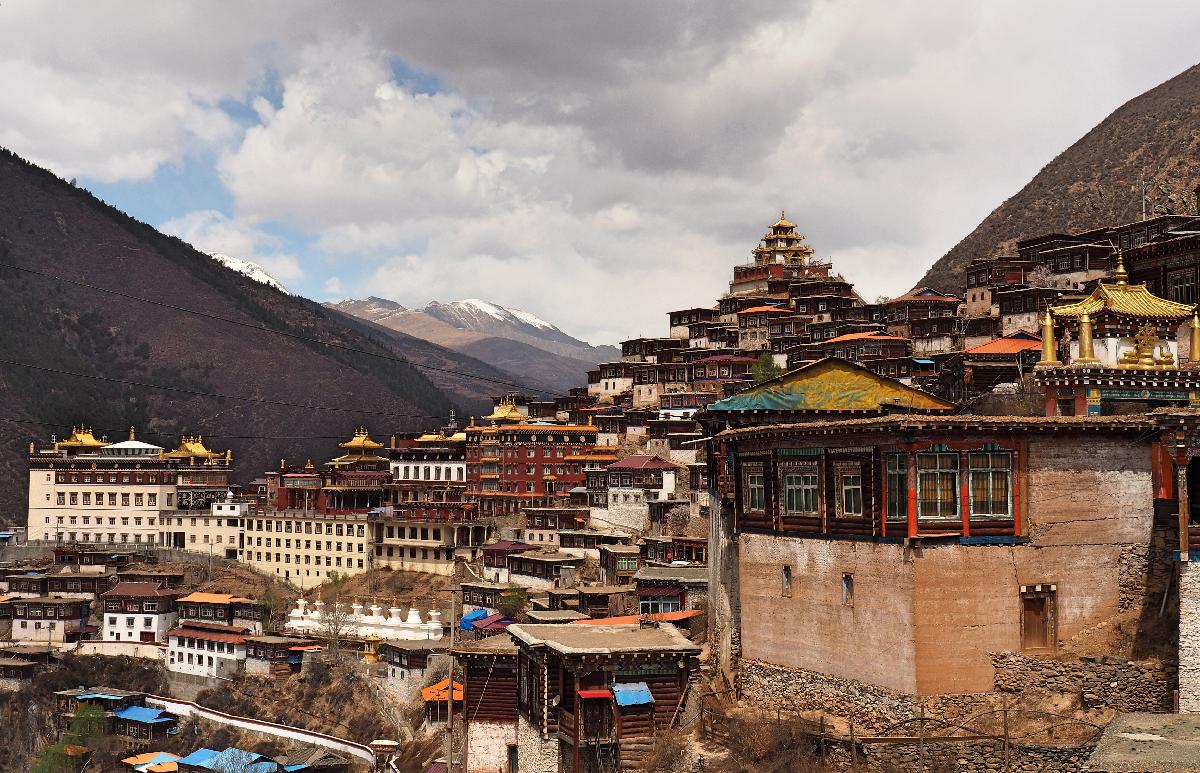
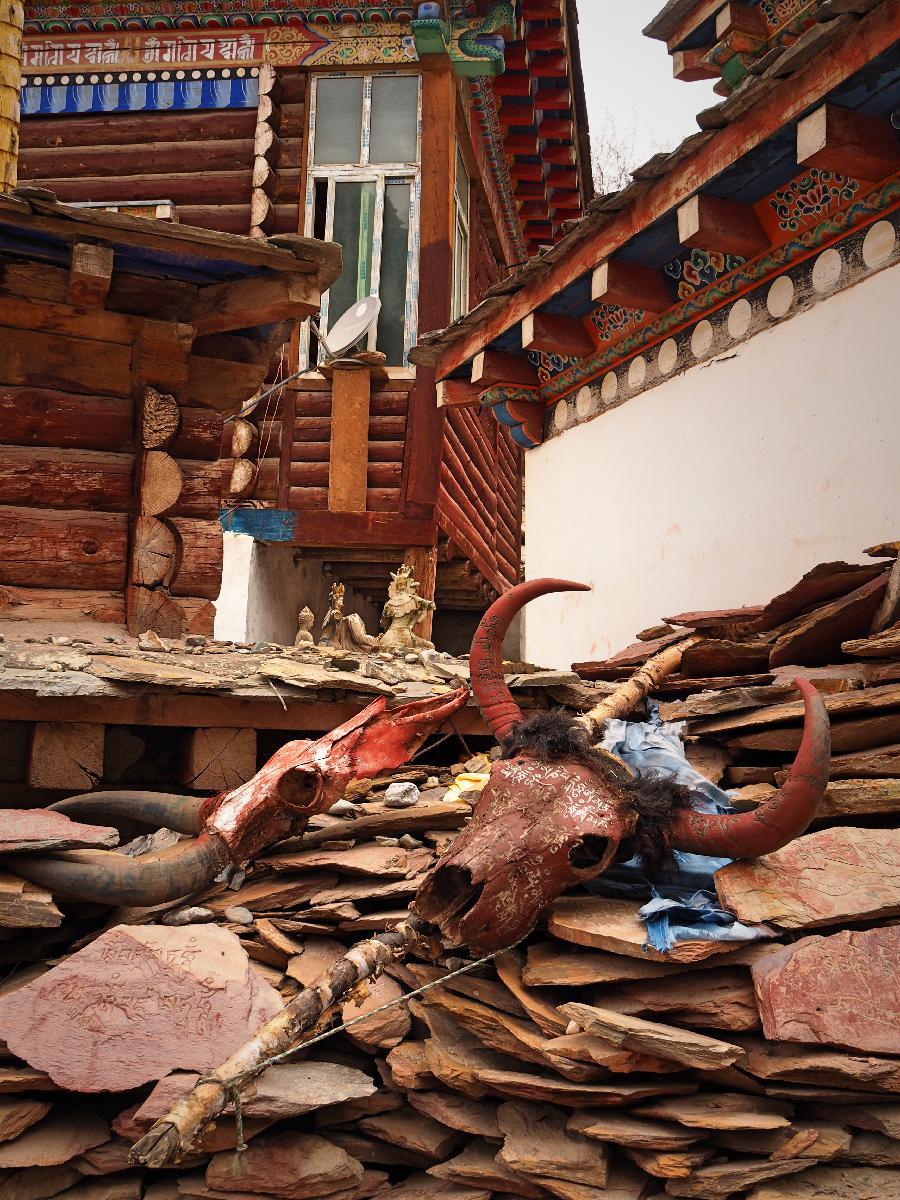
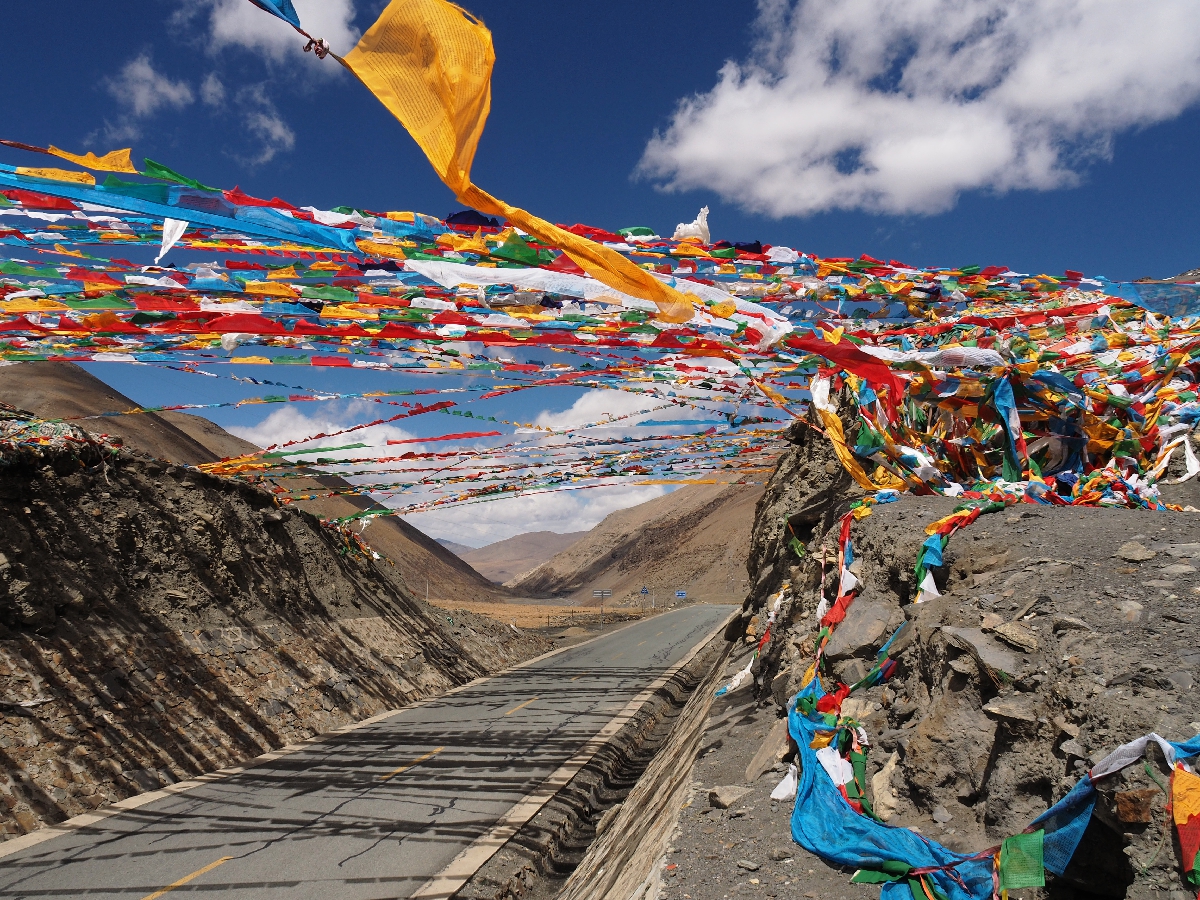
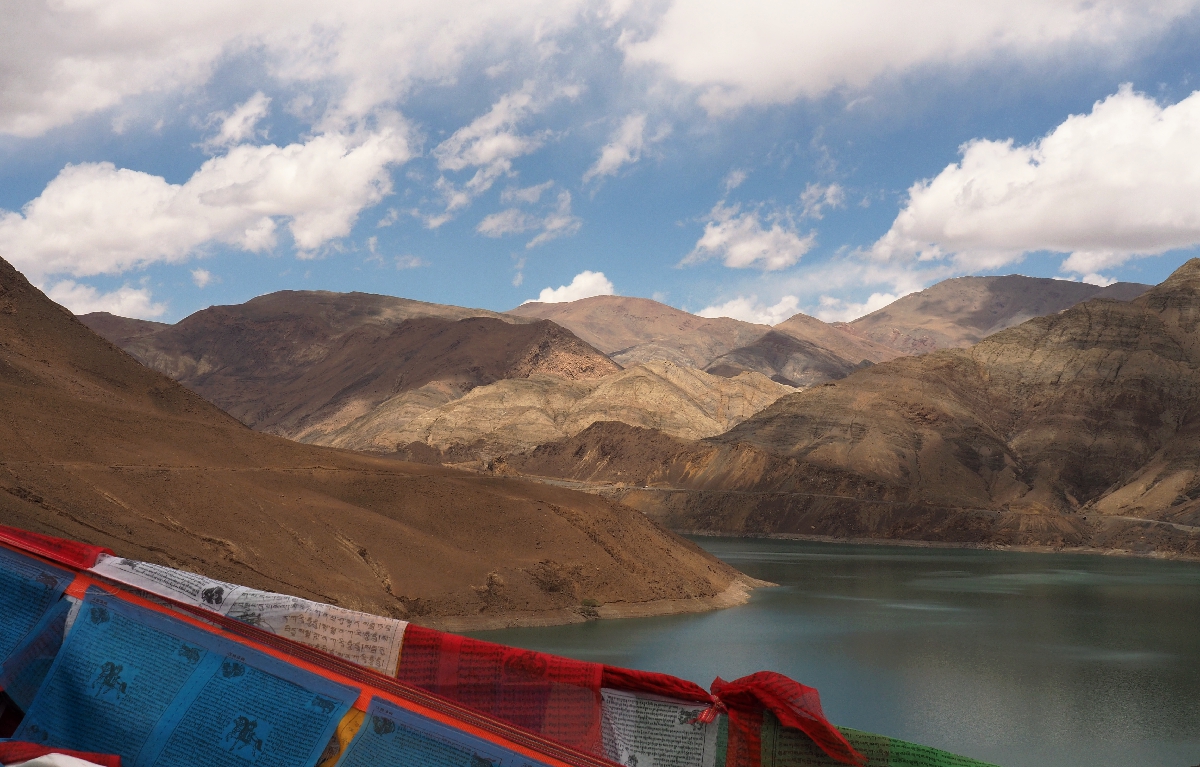
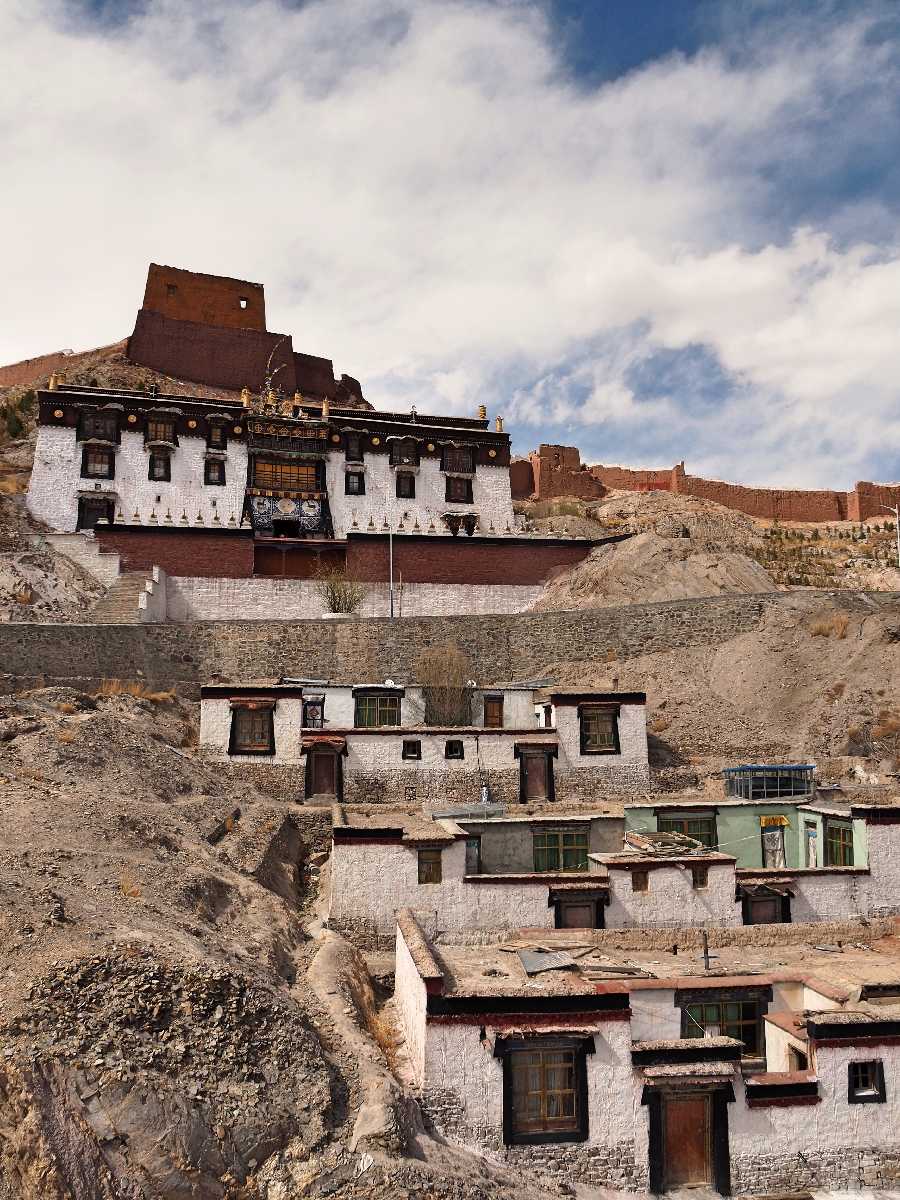
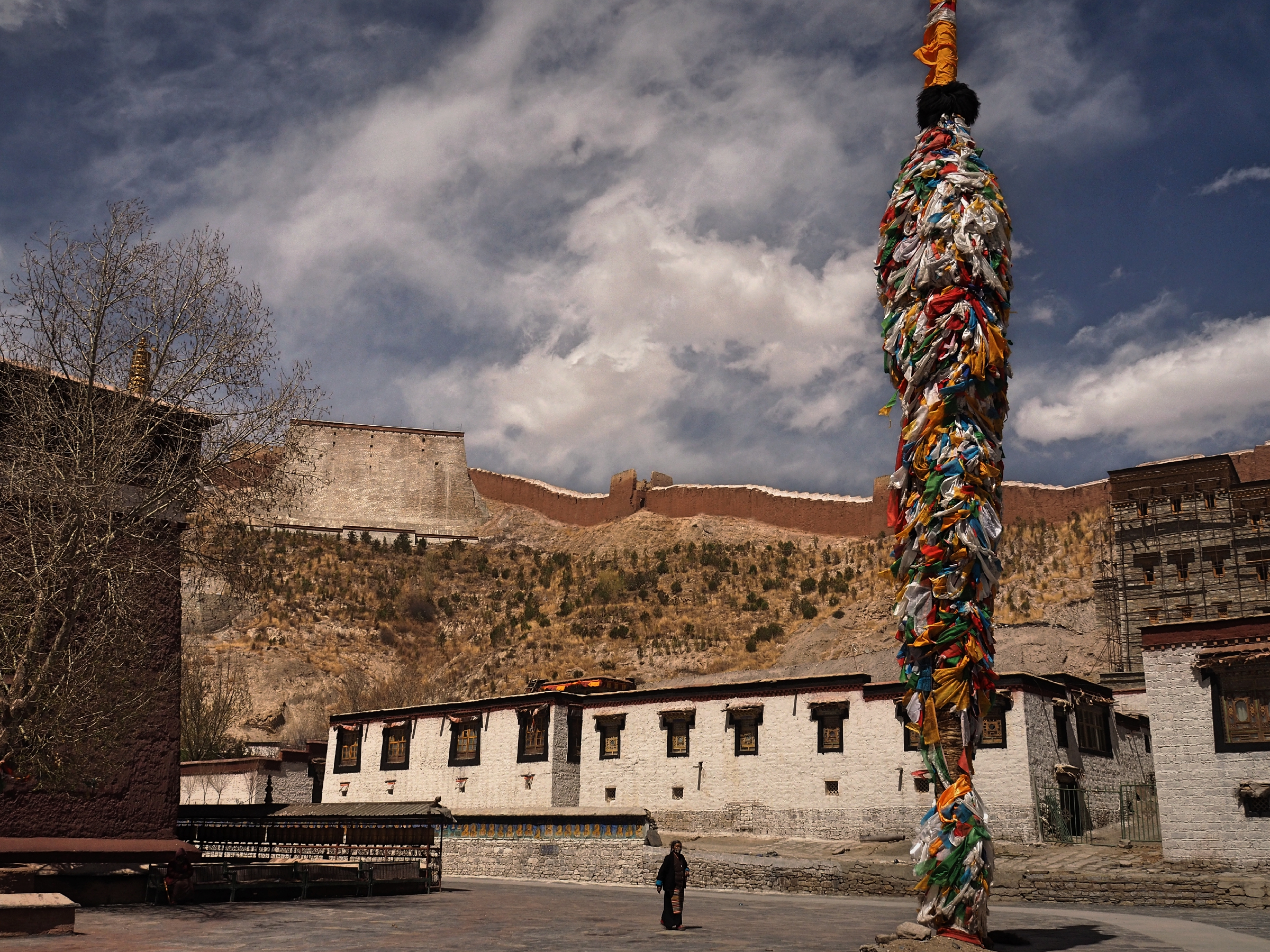
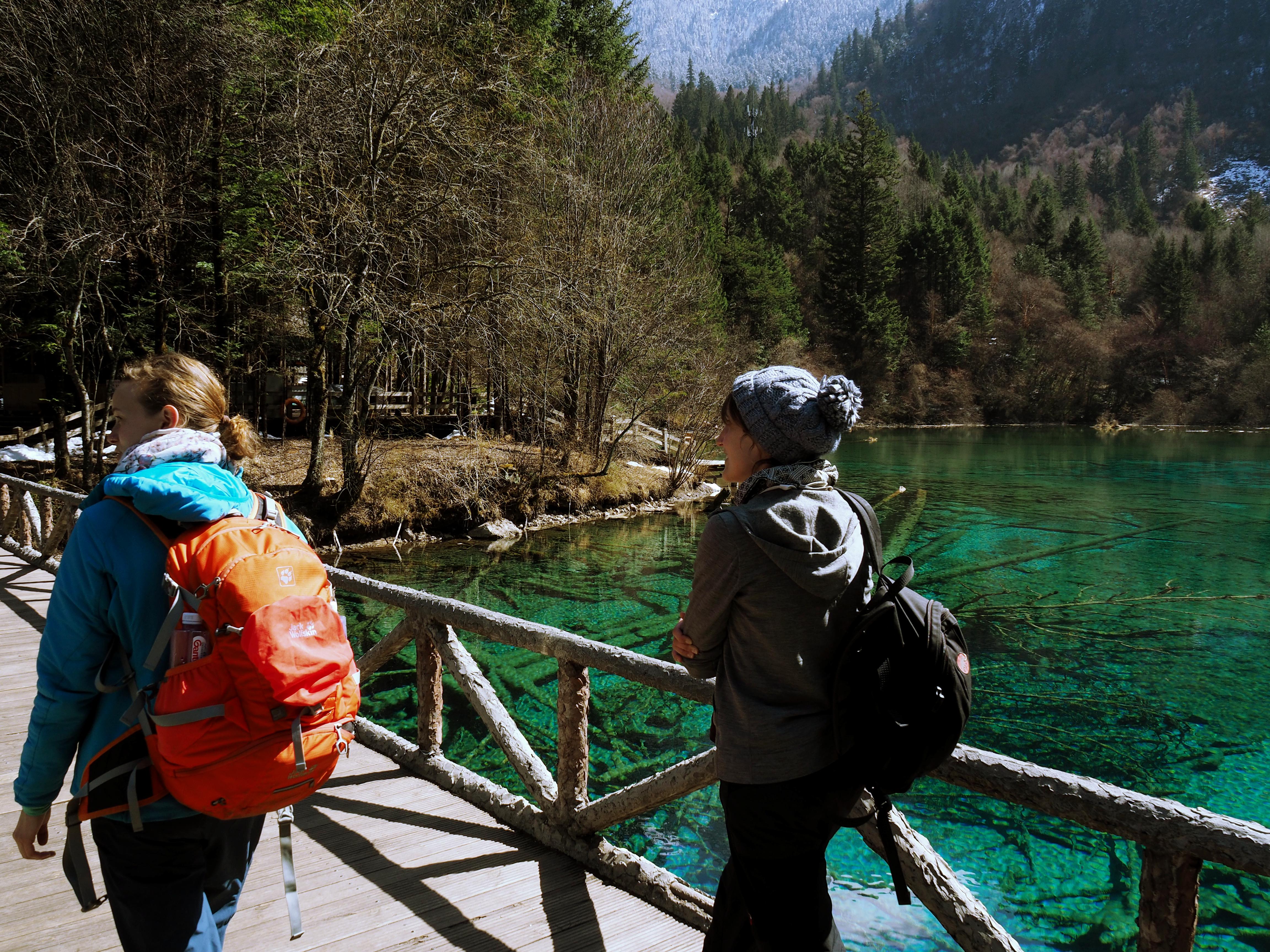
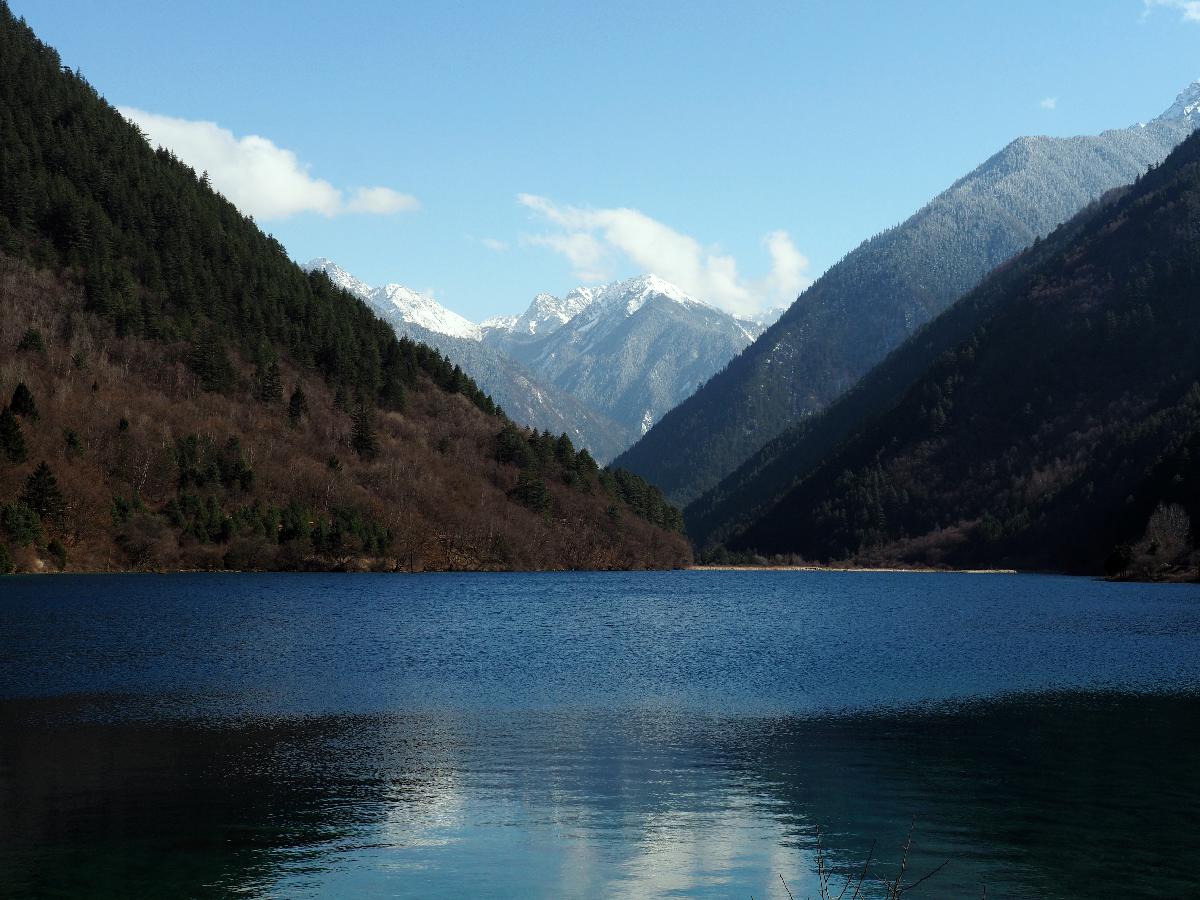
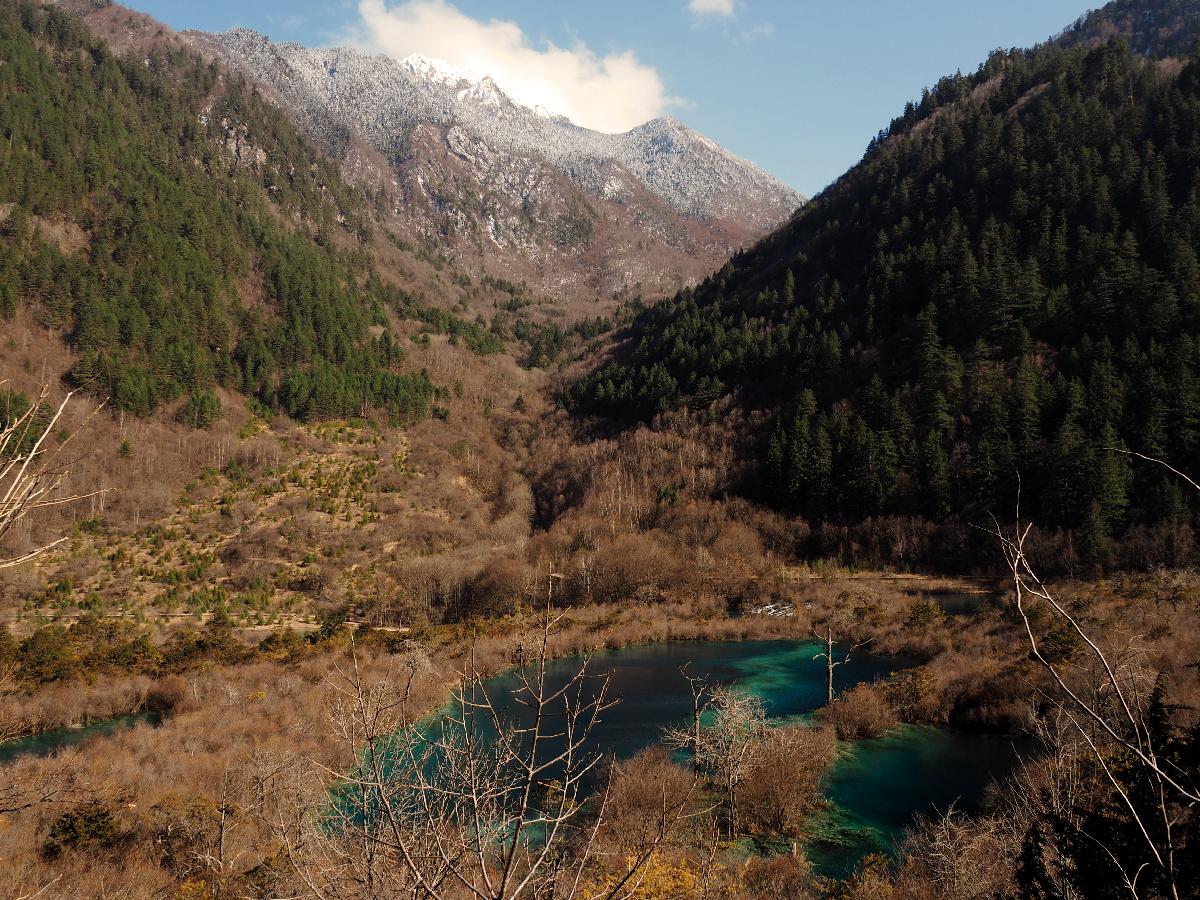
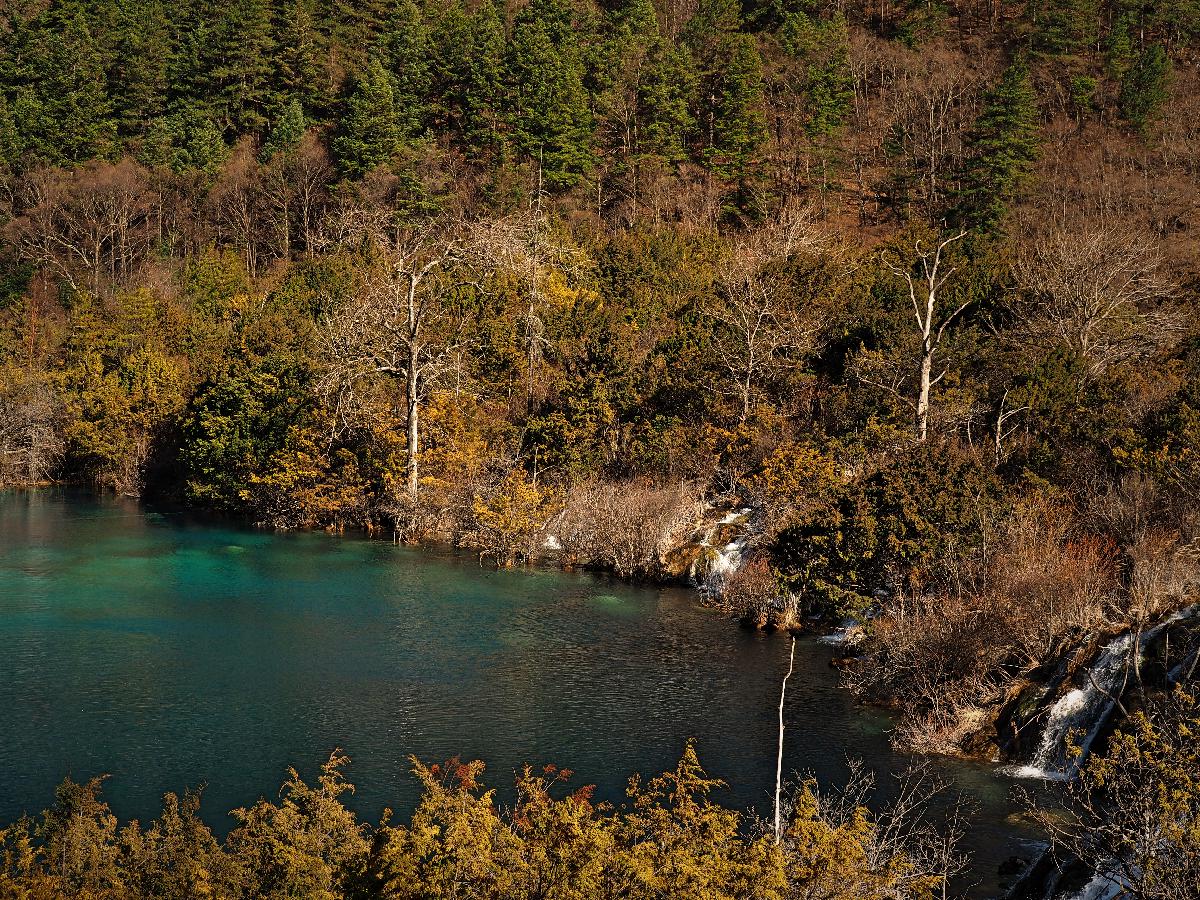
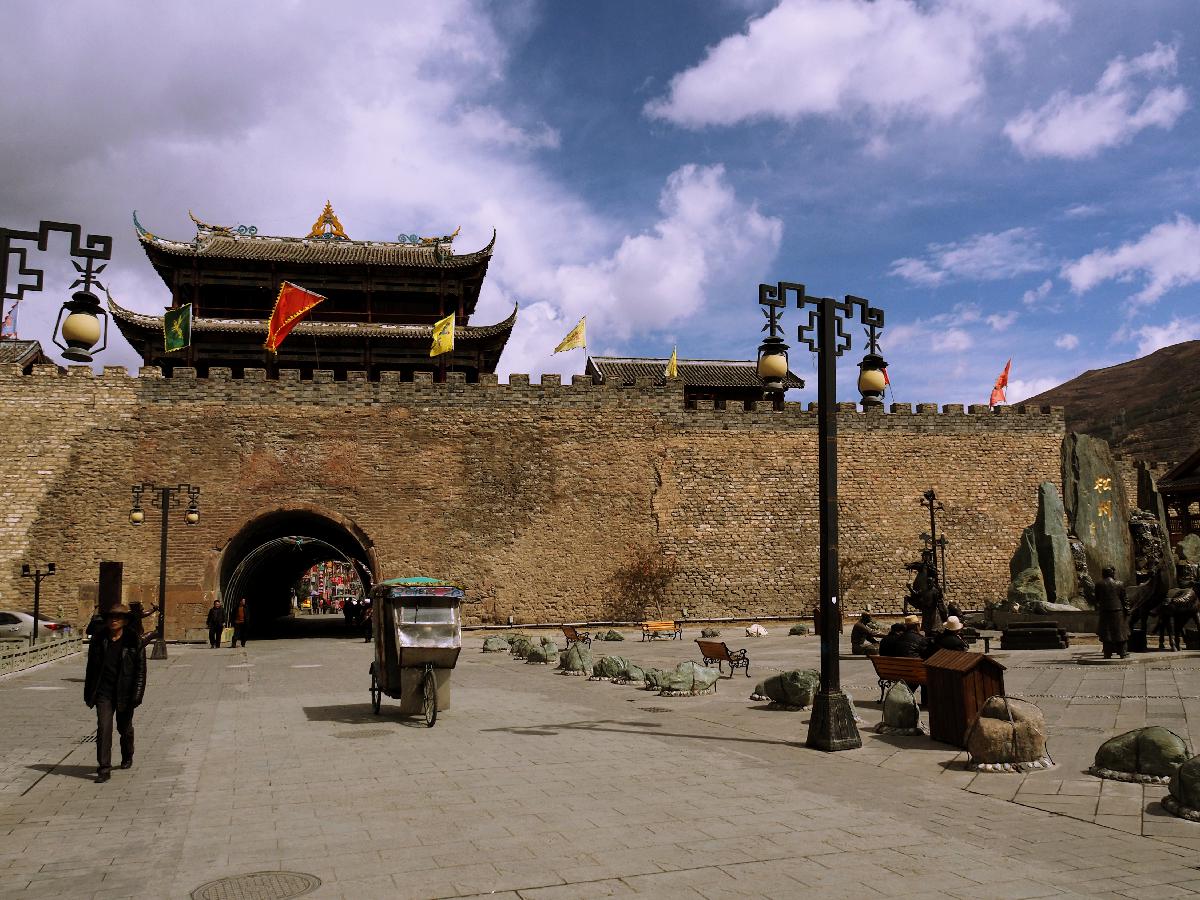
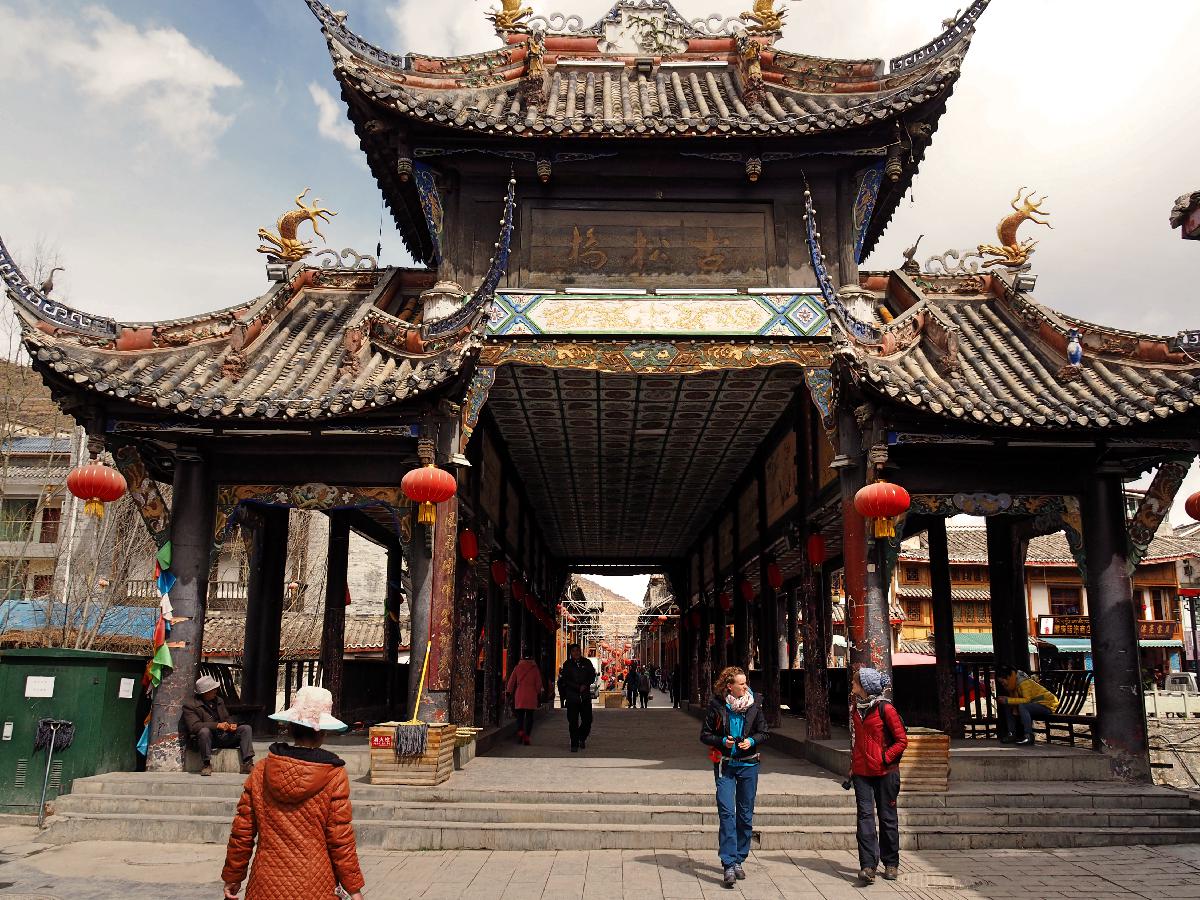
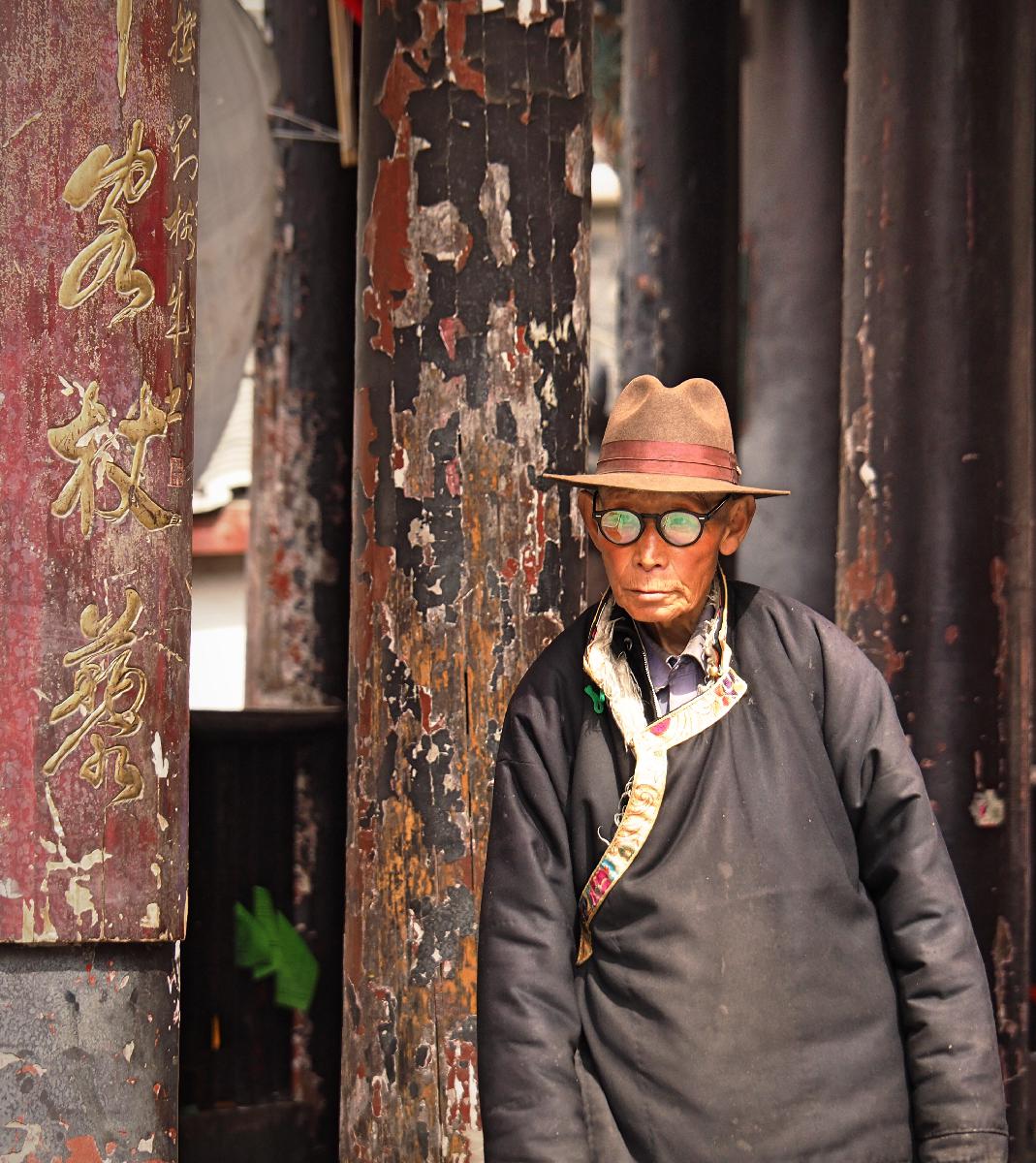
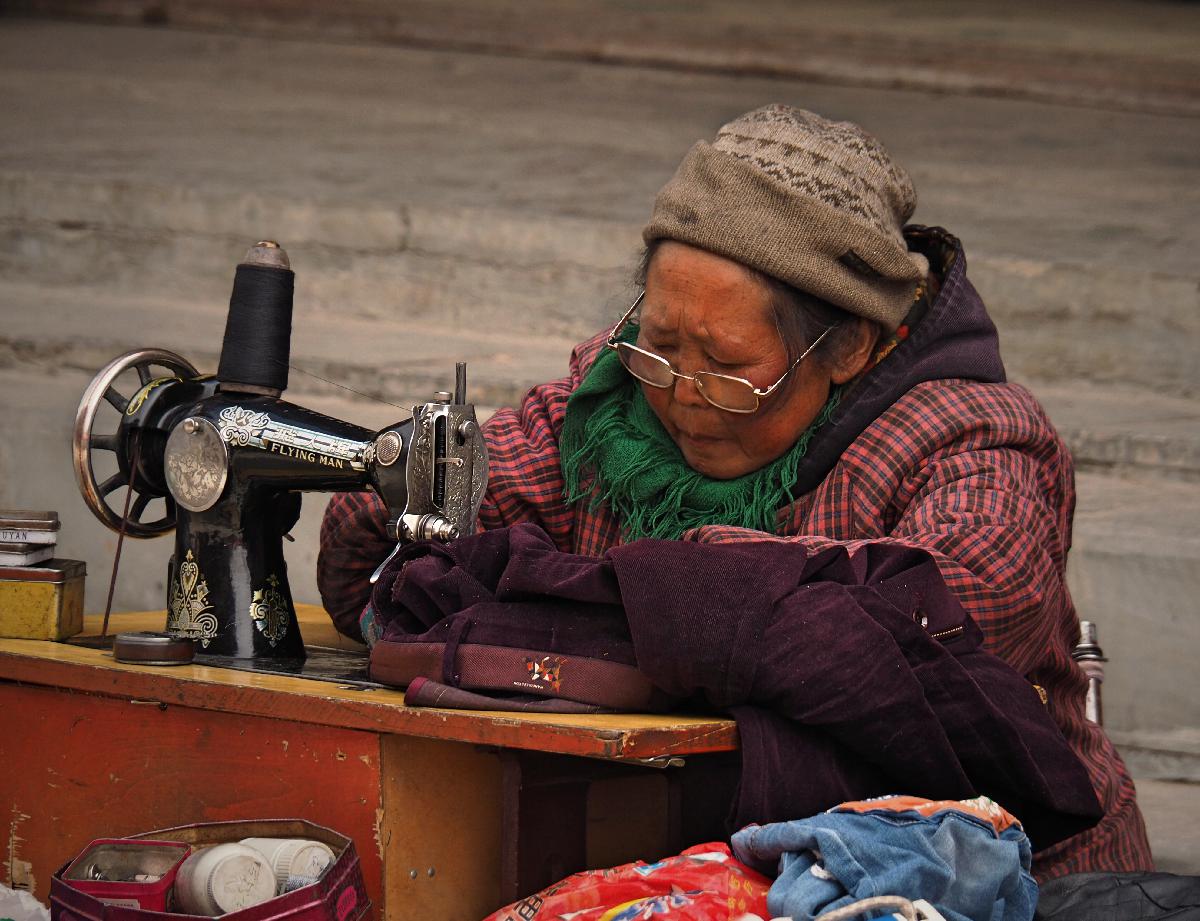
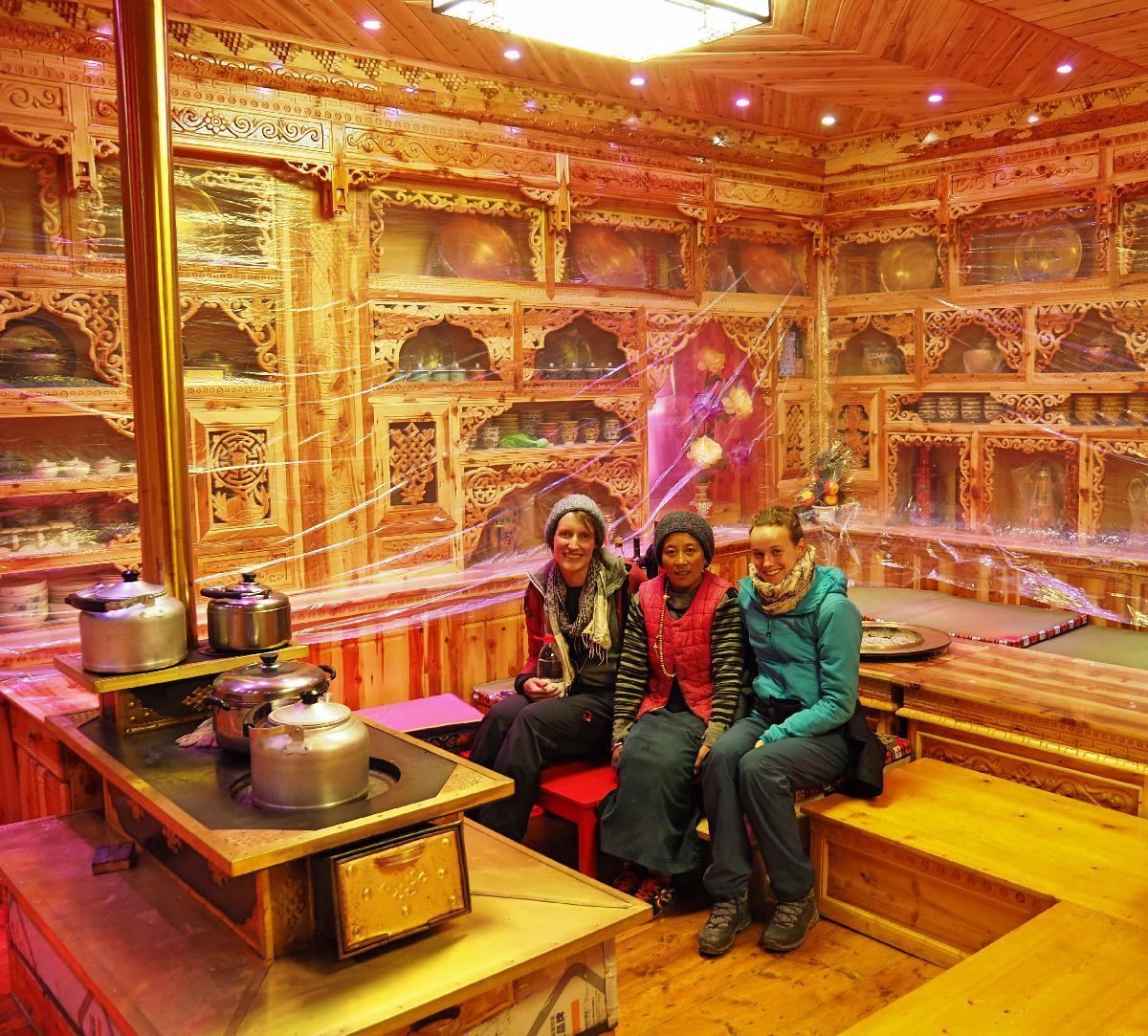
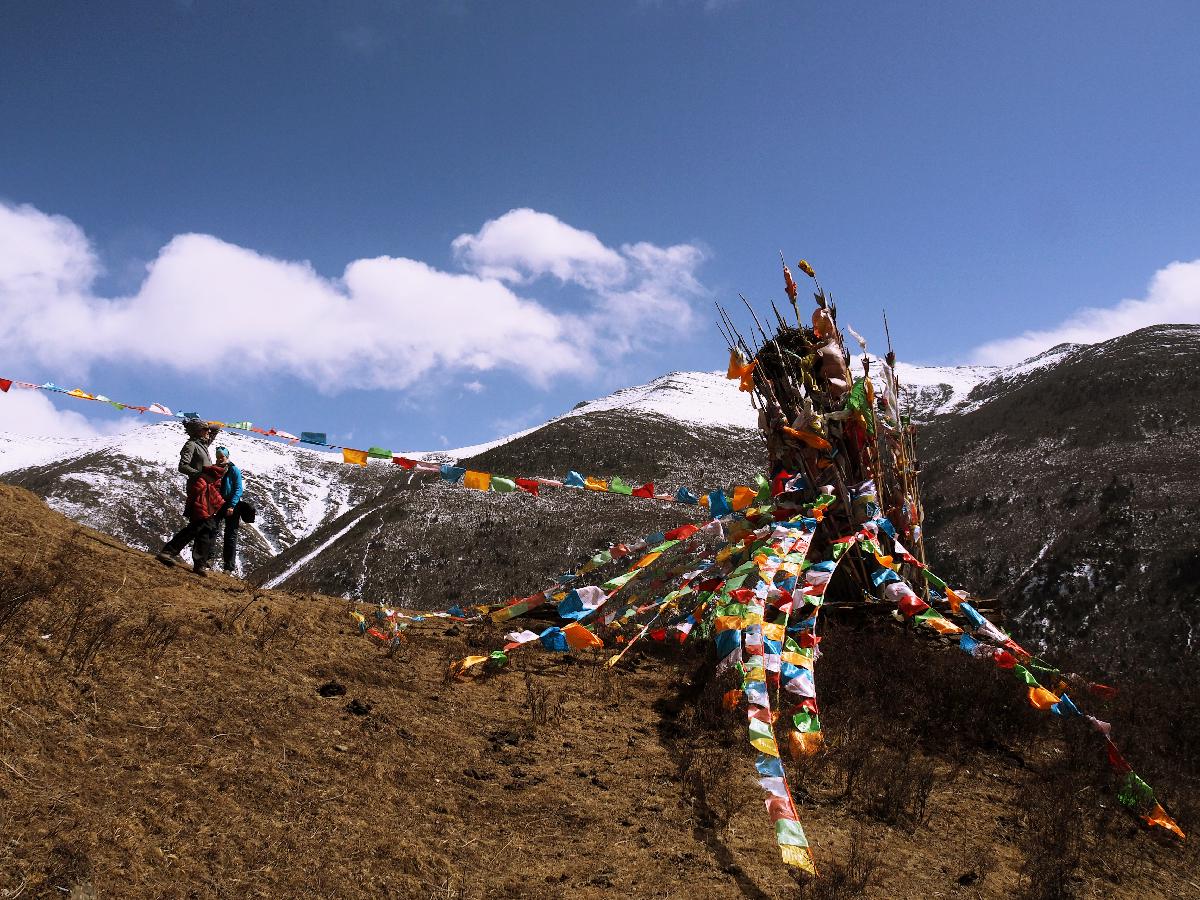
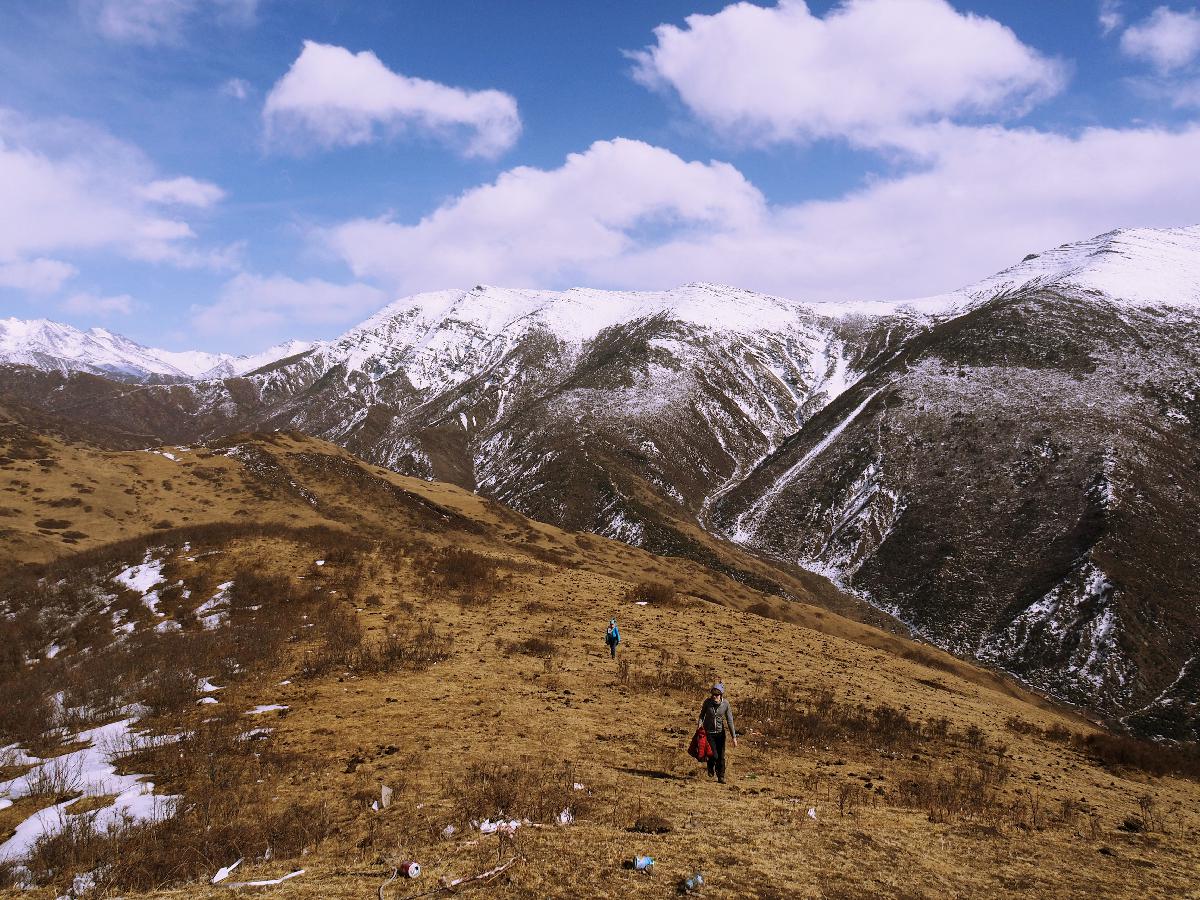
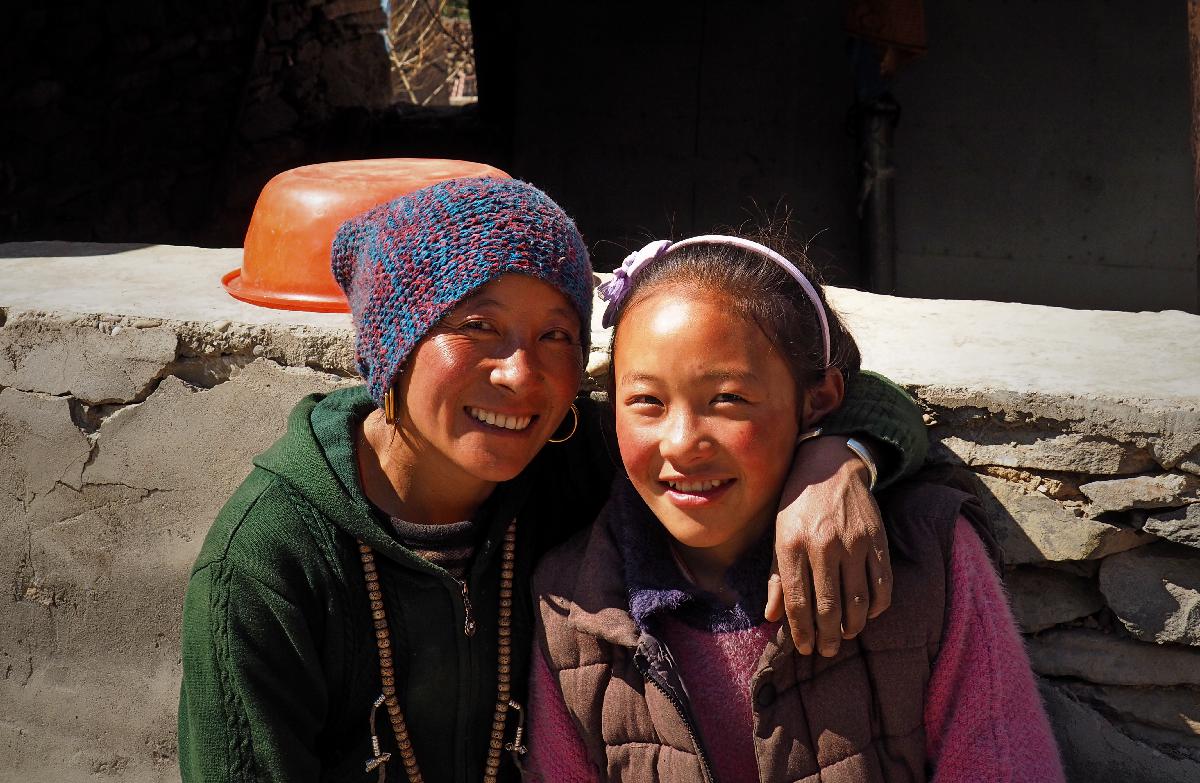
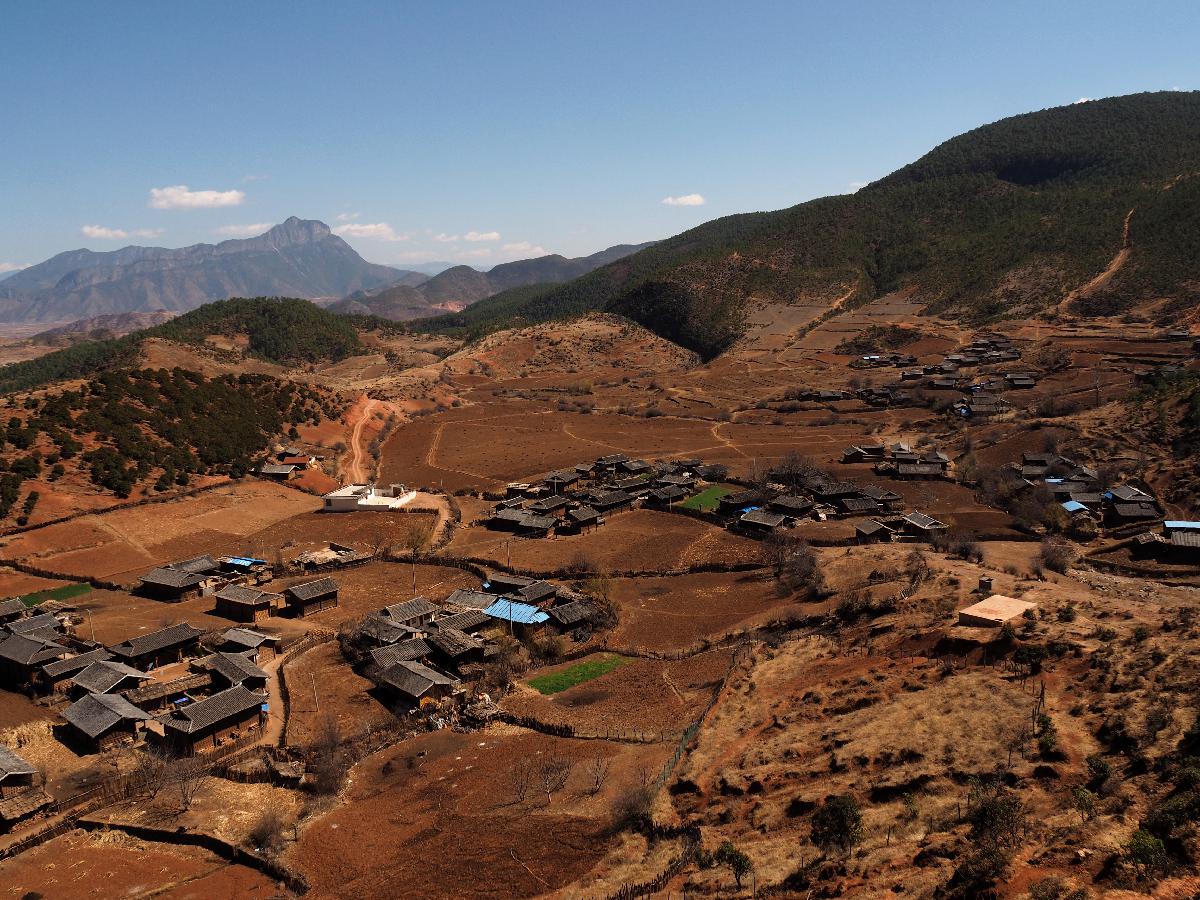
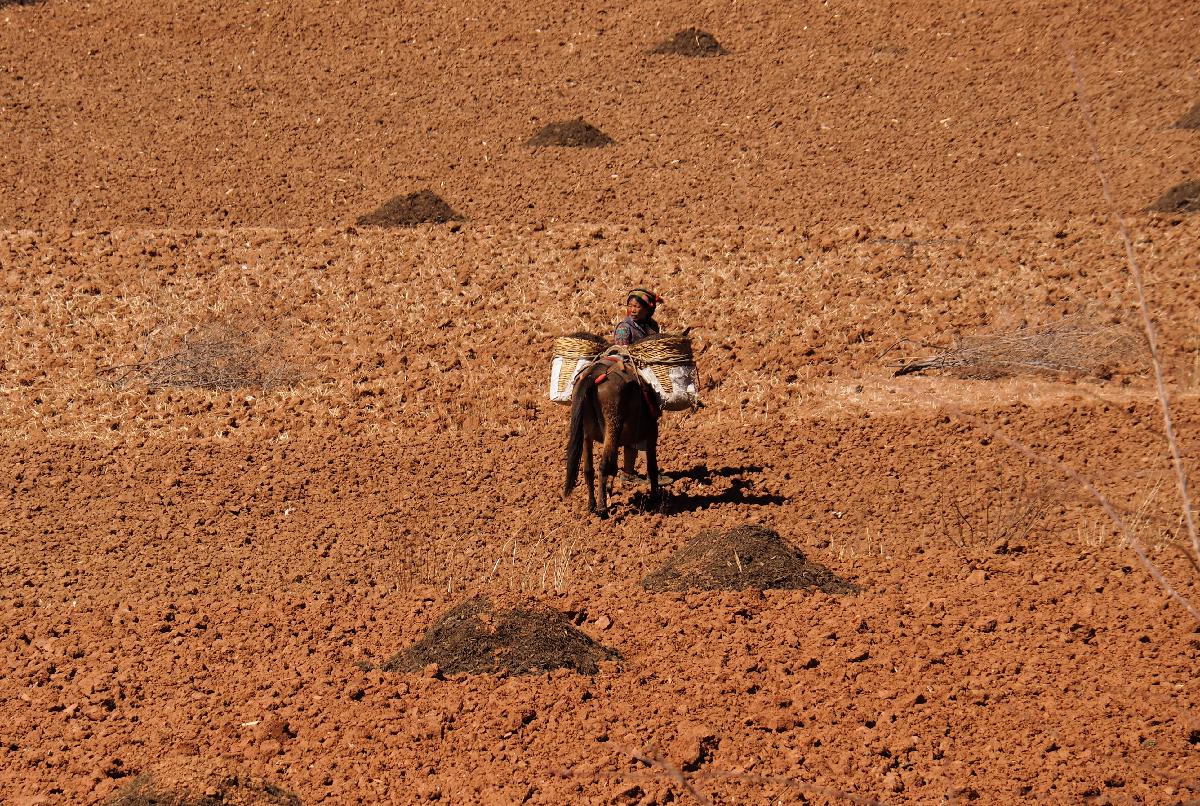
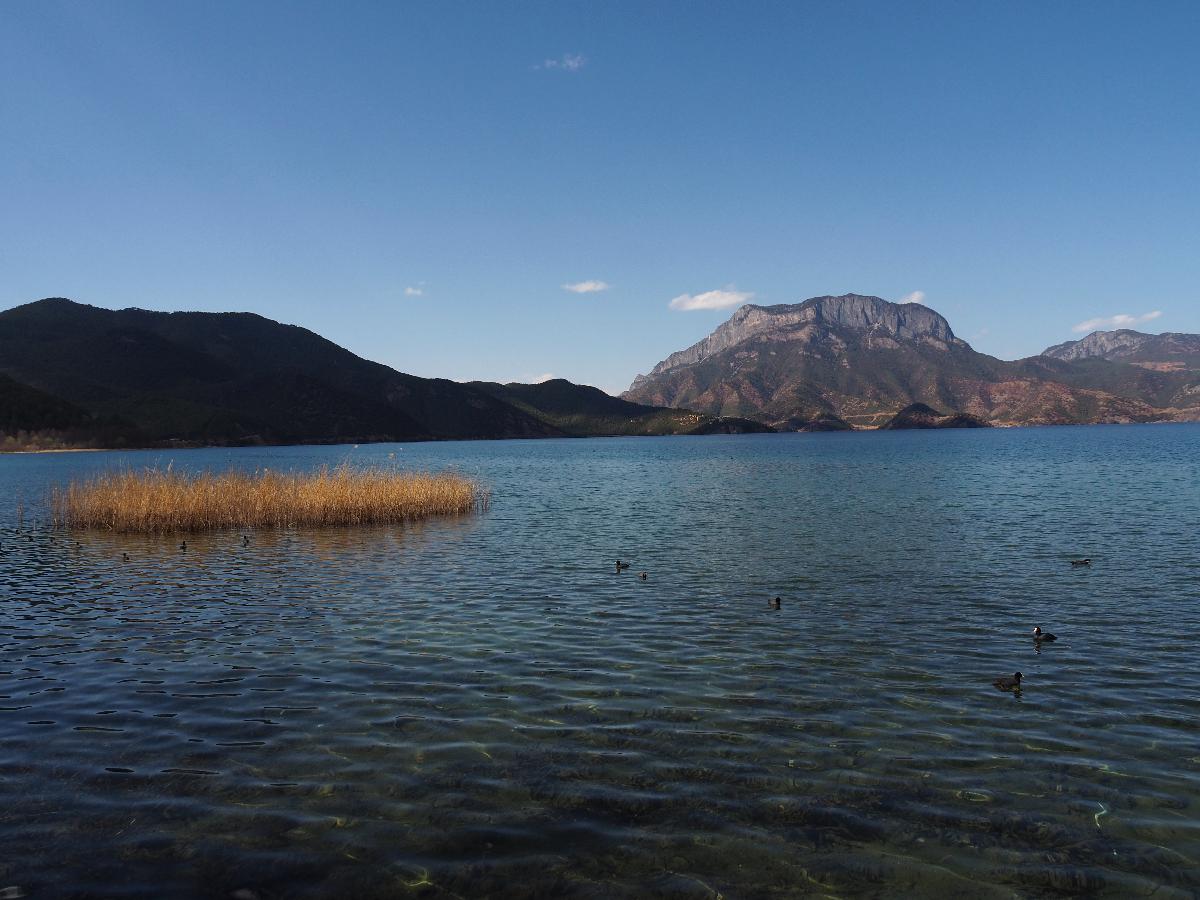
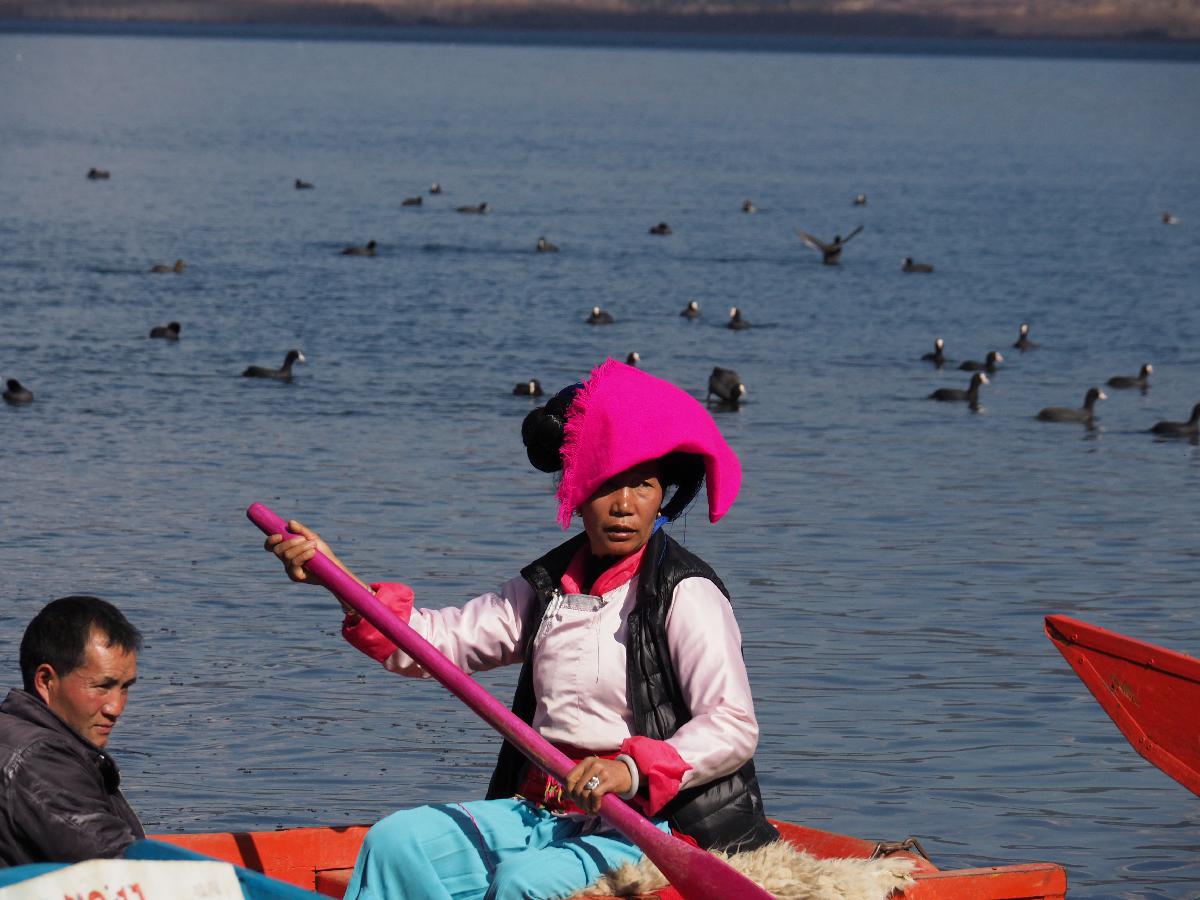
With broadened minds and enriched hearts we arrived back home in Switzerland and immediately got involved in the family business. There is a lot to do and to learn but we are highly motivated and full with ambition. It may be hard to believe, but it feels really good to be working again, especially on such a personal project in which we can live out our creativity and impliment new ideas step by step.
We would like to dedicate this last blogentry to all the wonderful people we met and who accompained us on our 8 month journey around the world, we’ll keep you in our hearts.
And to all our new international friends: make sure to contact us whenever you want to visit Switzerland – you’re always more than welcome!
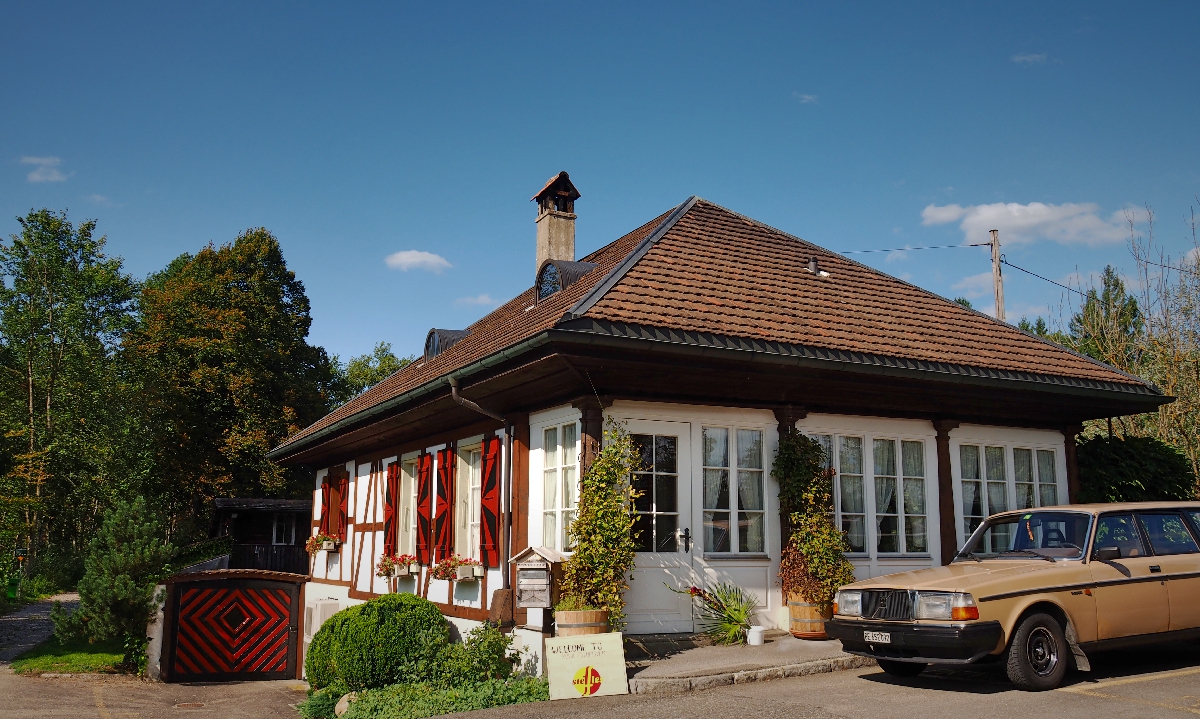
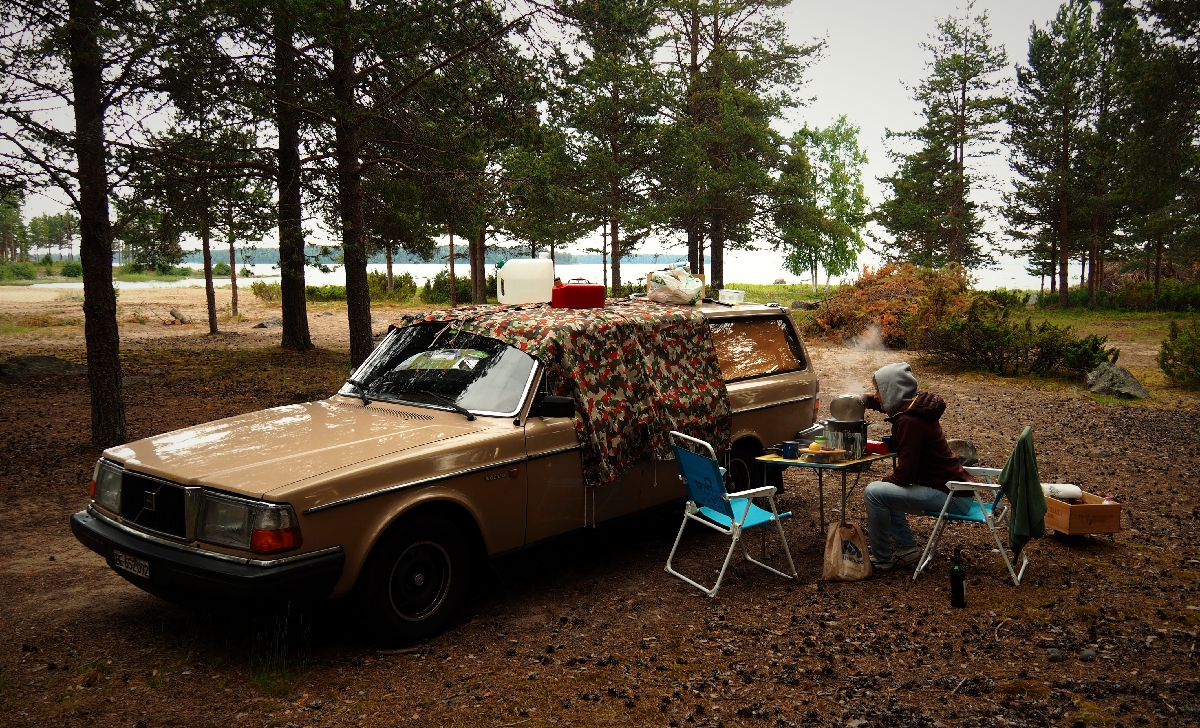
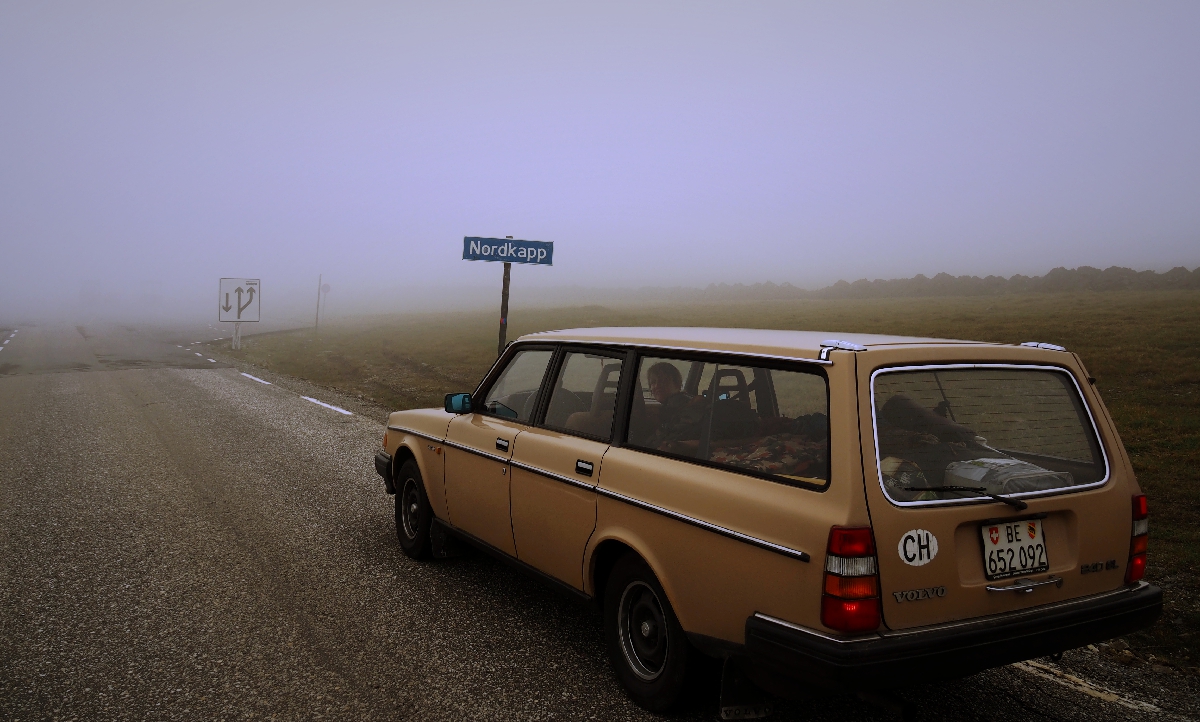
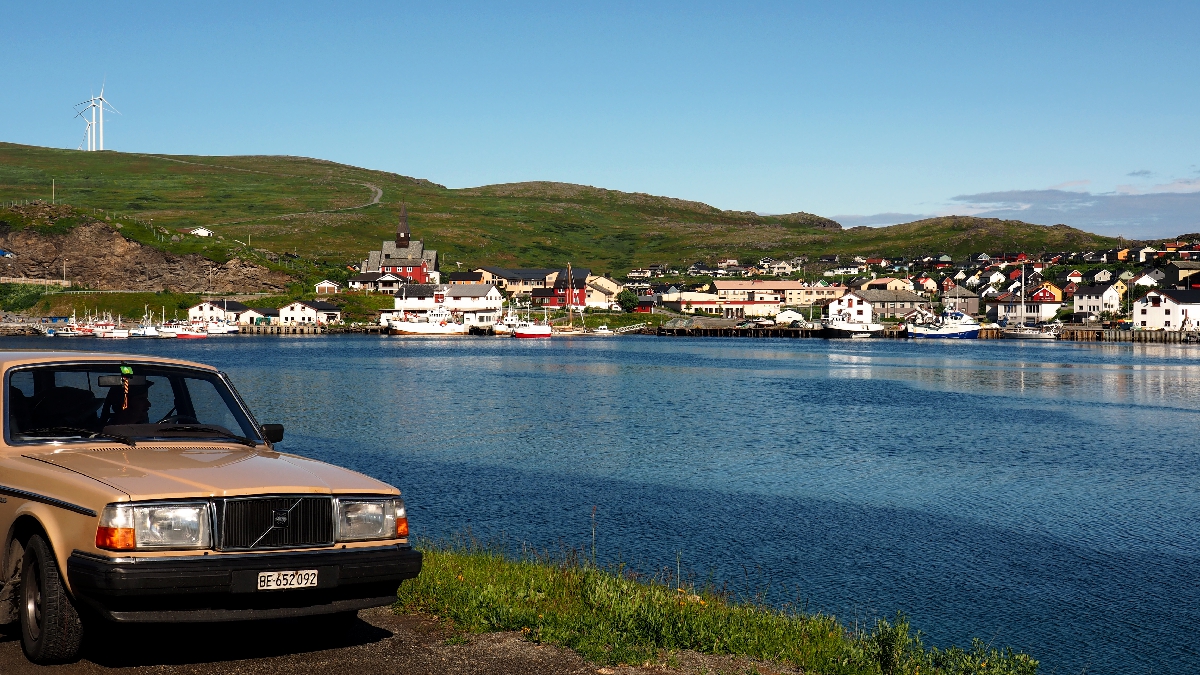
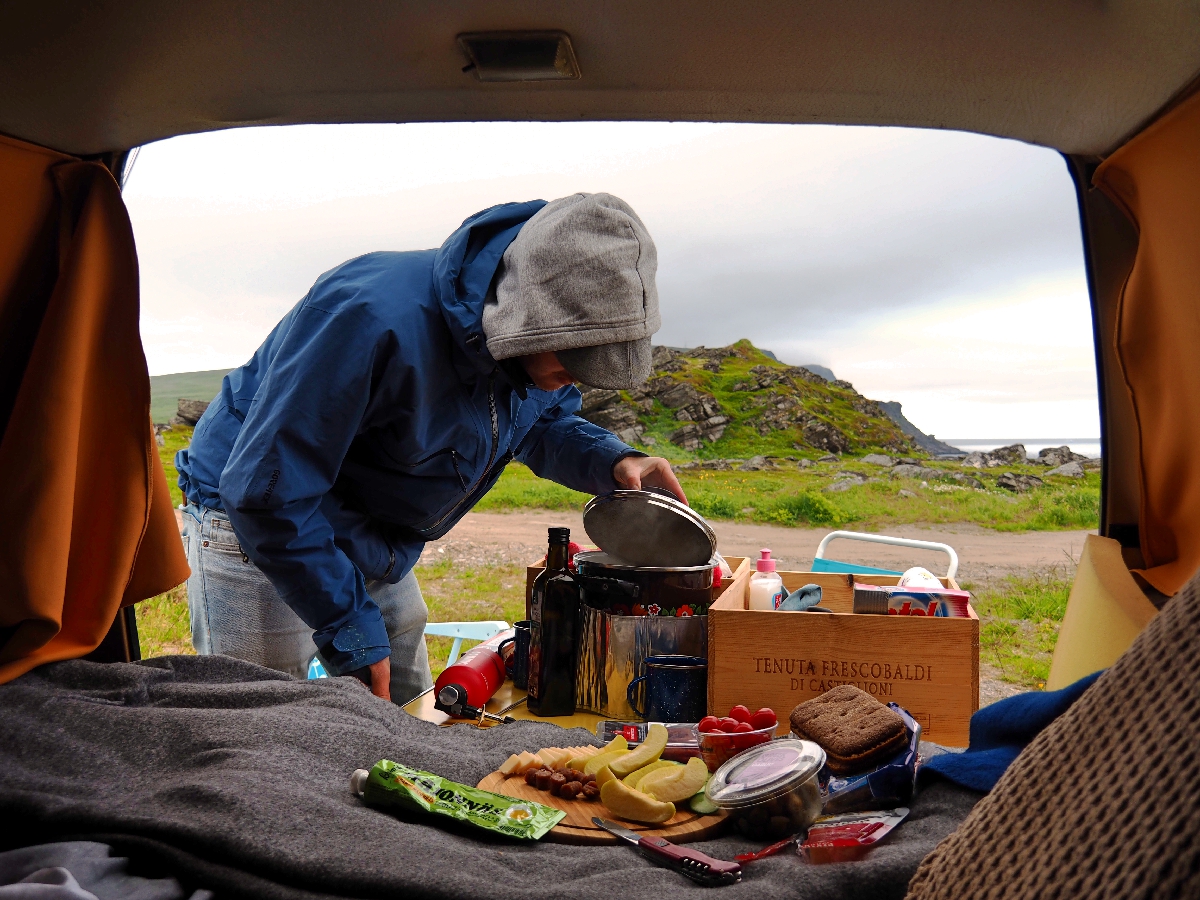
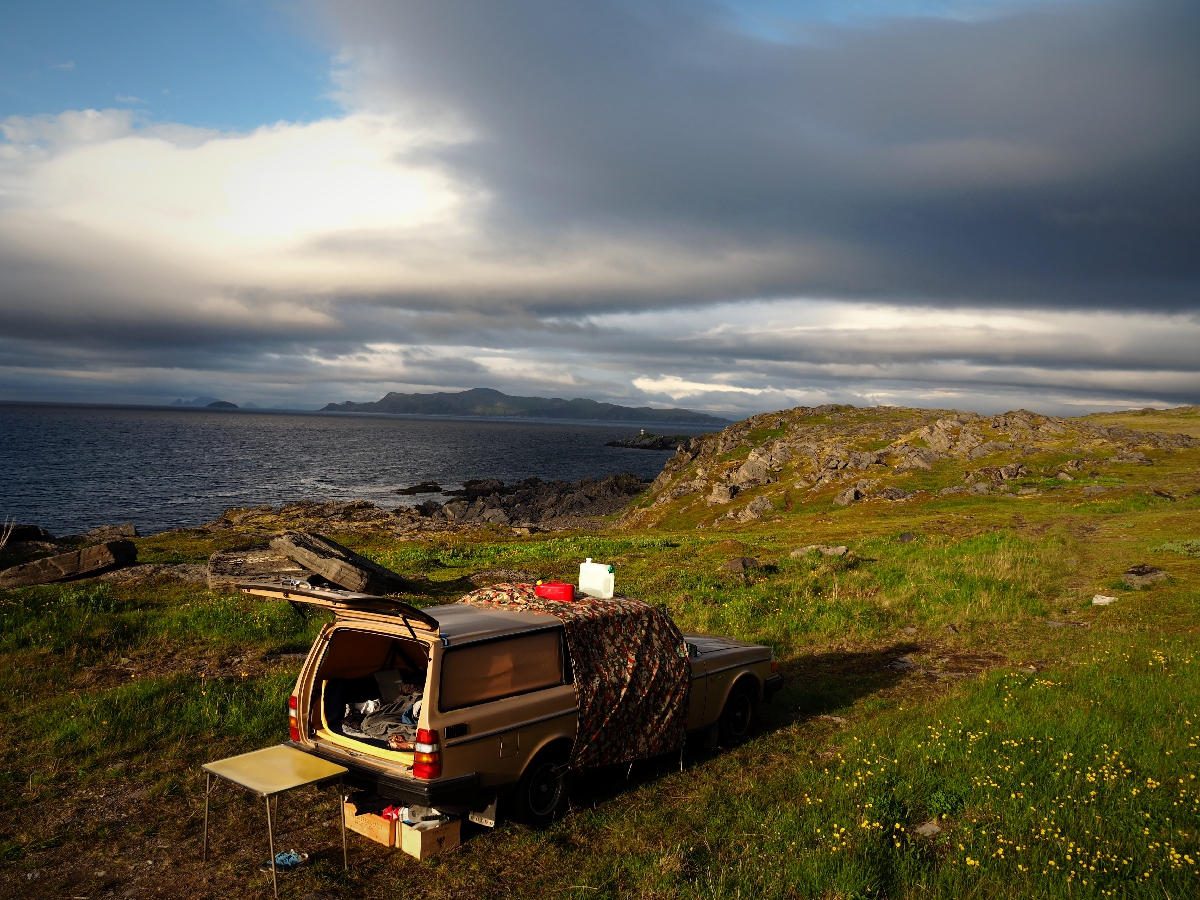
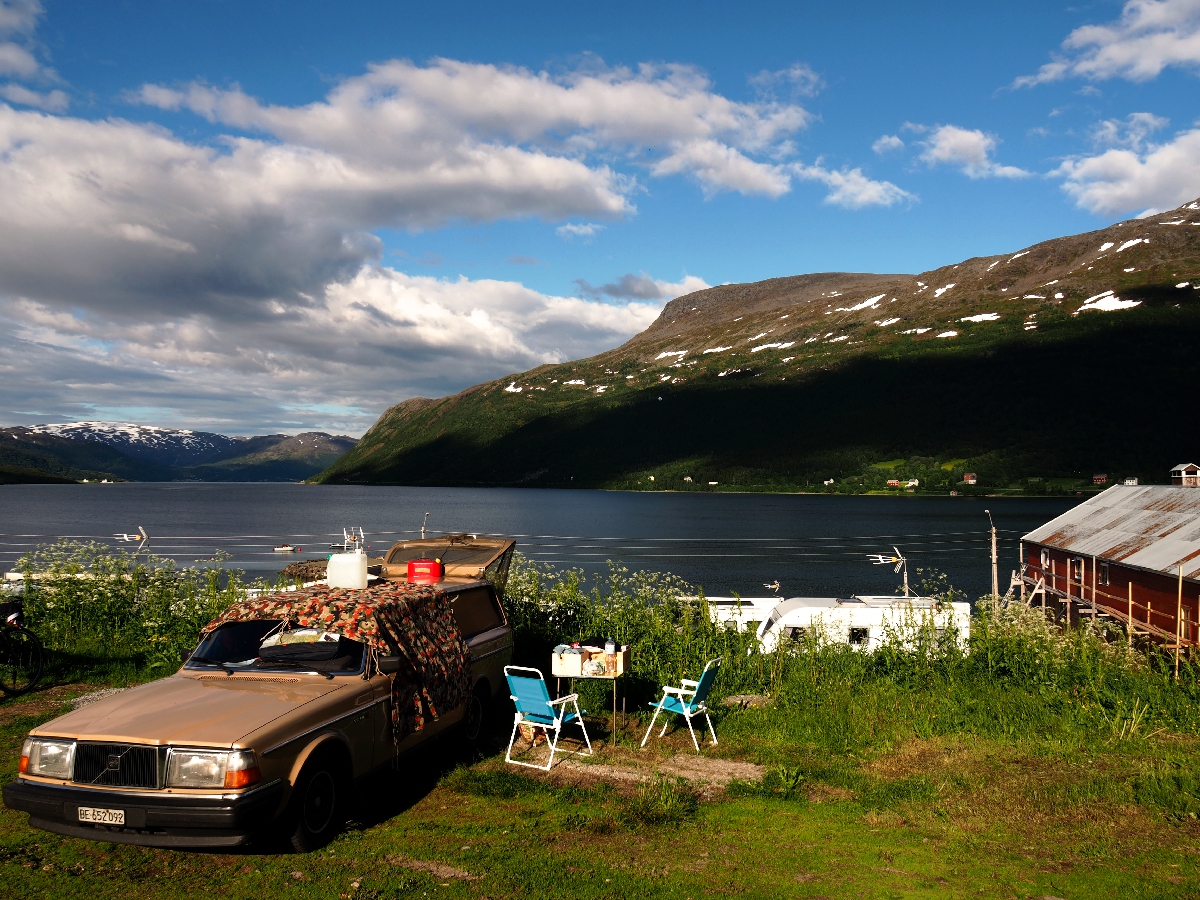
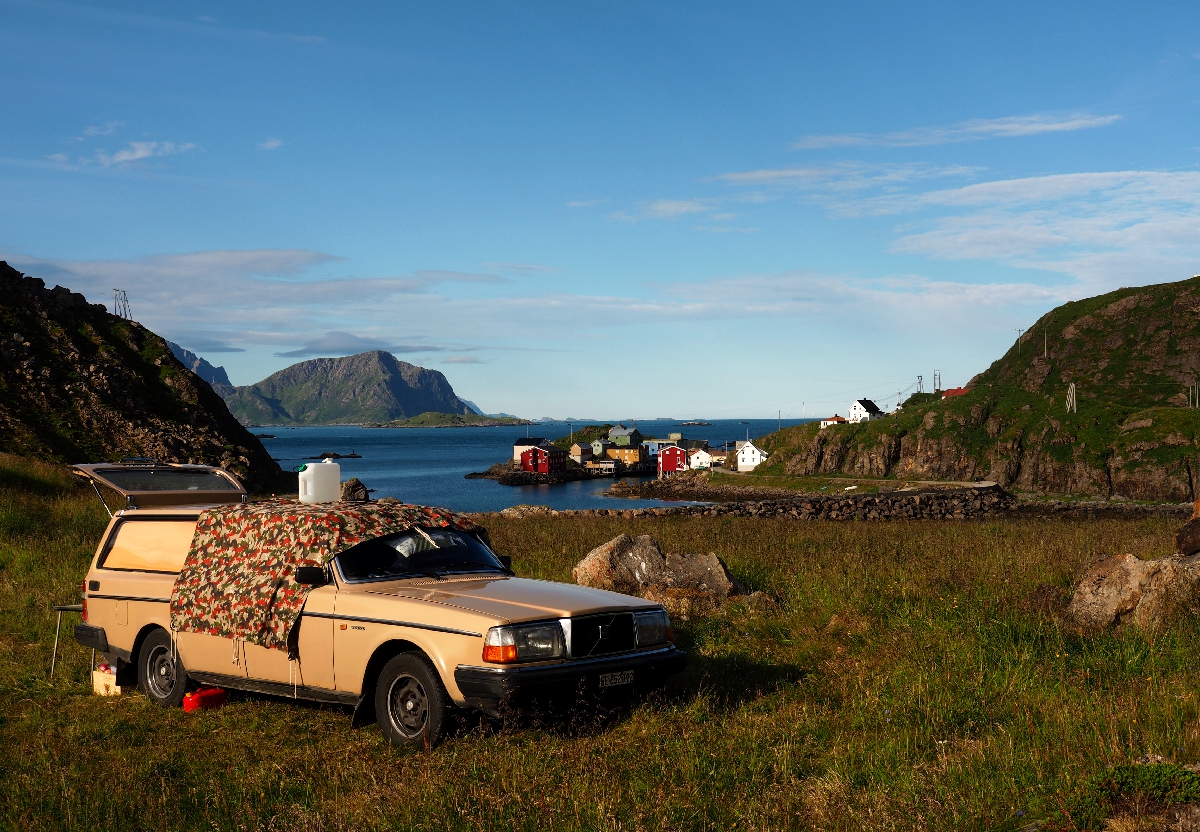
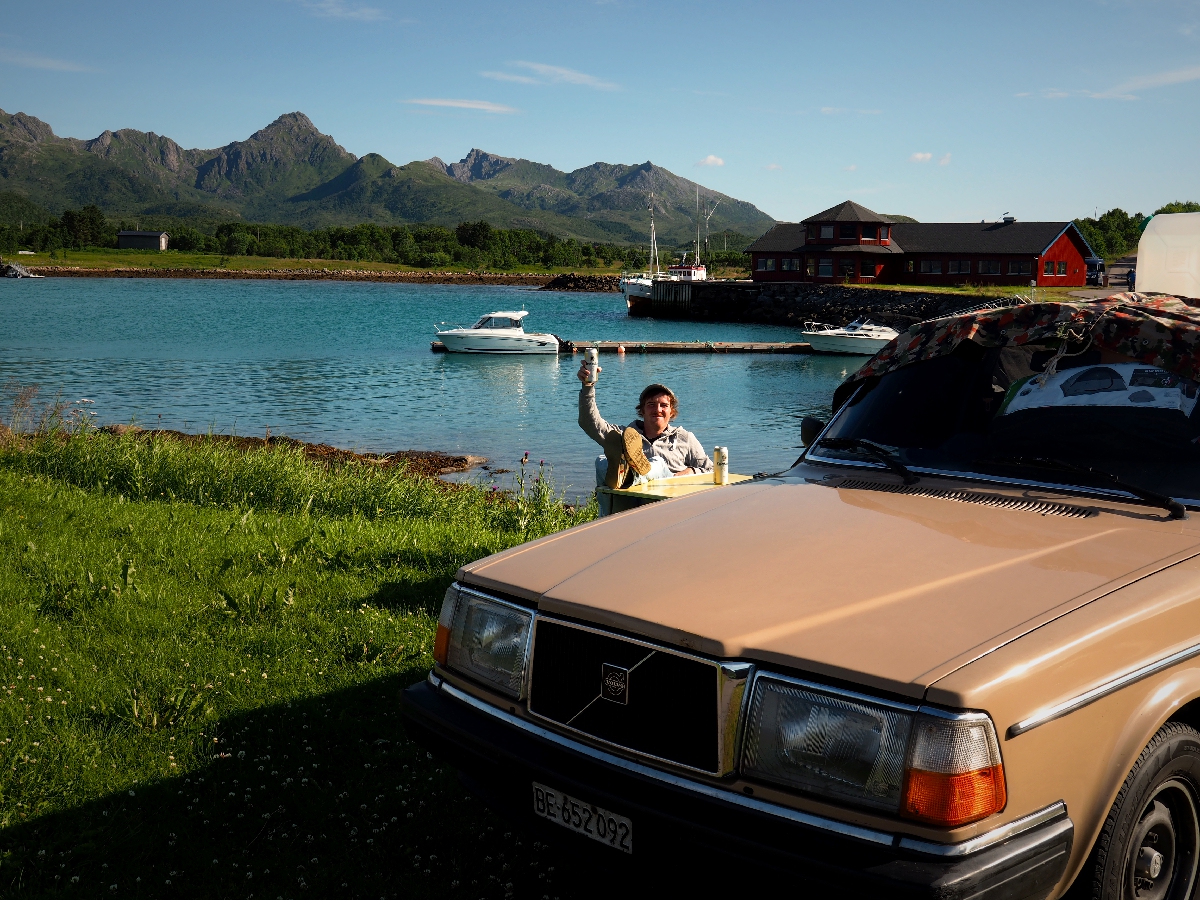
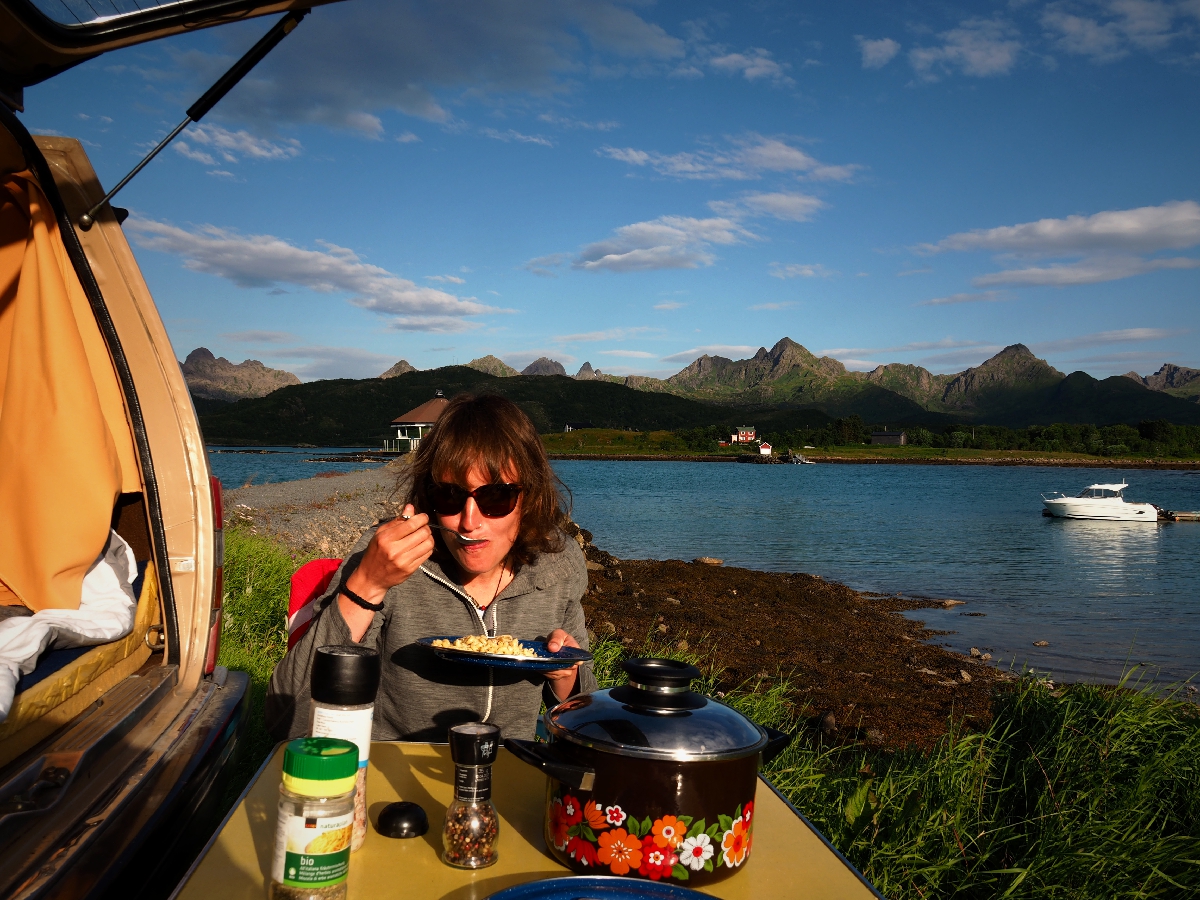
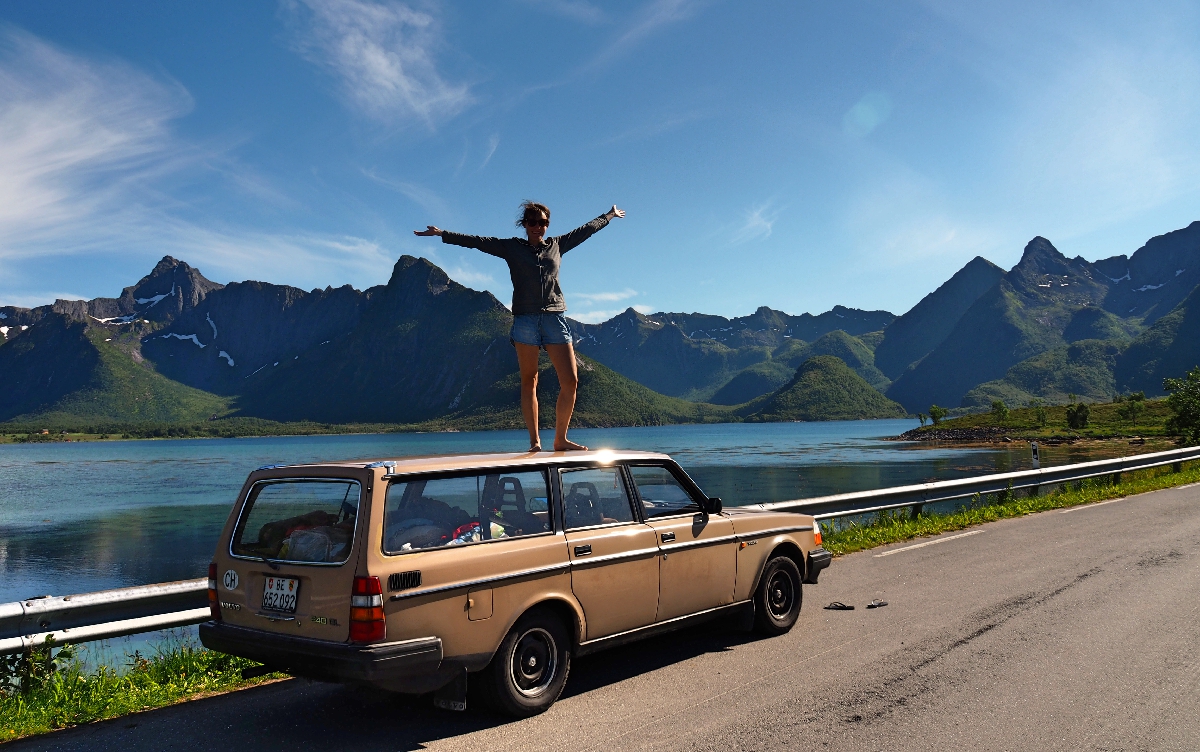
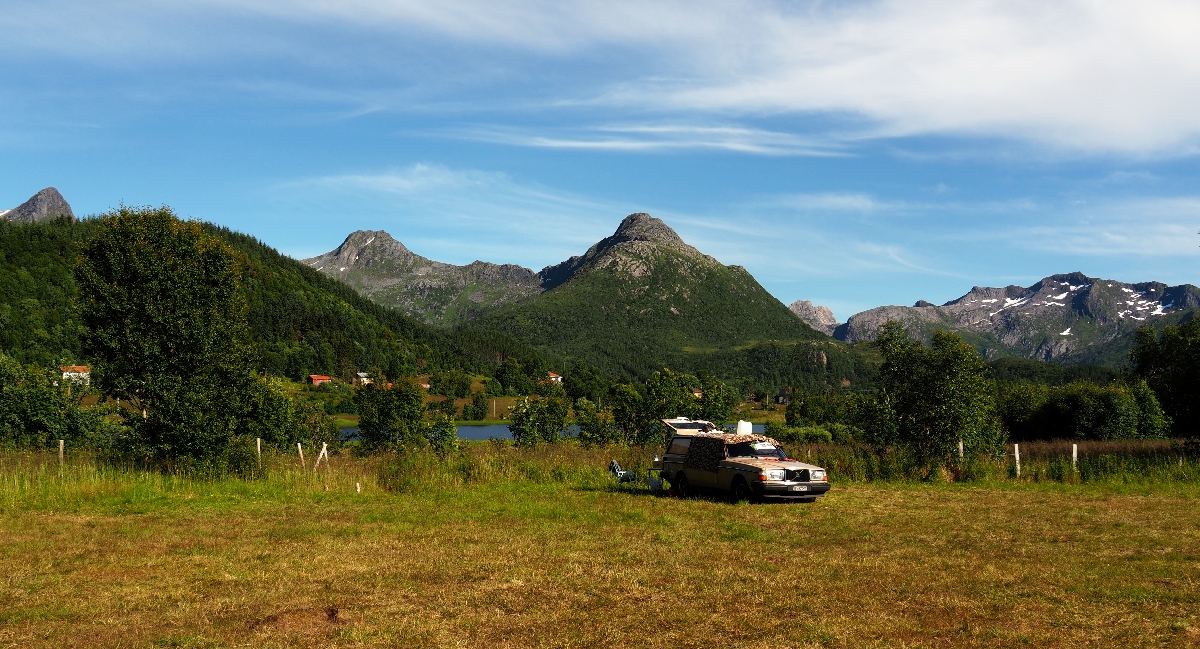
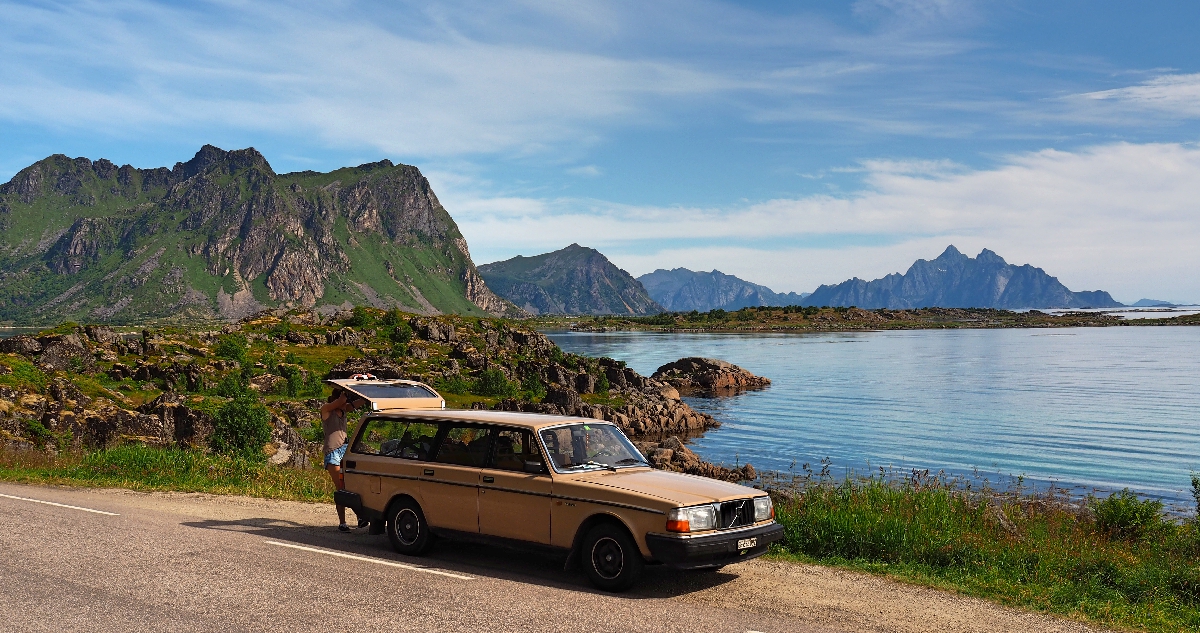
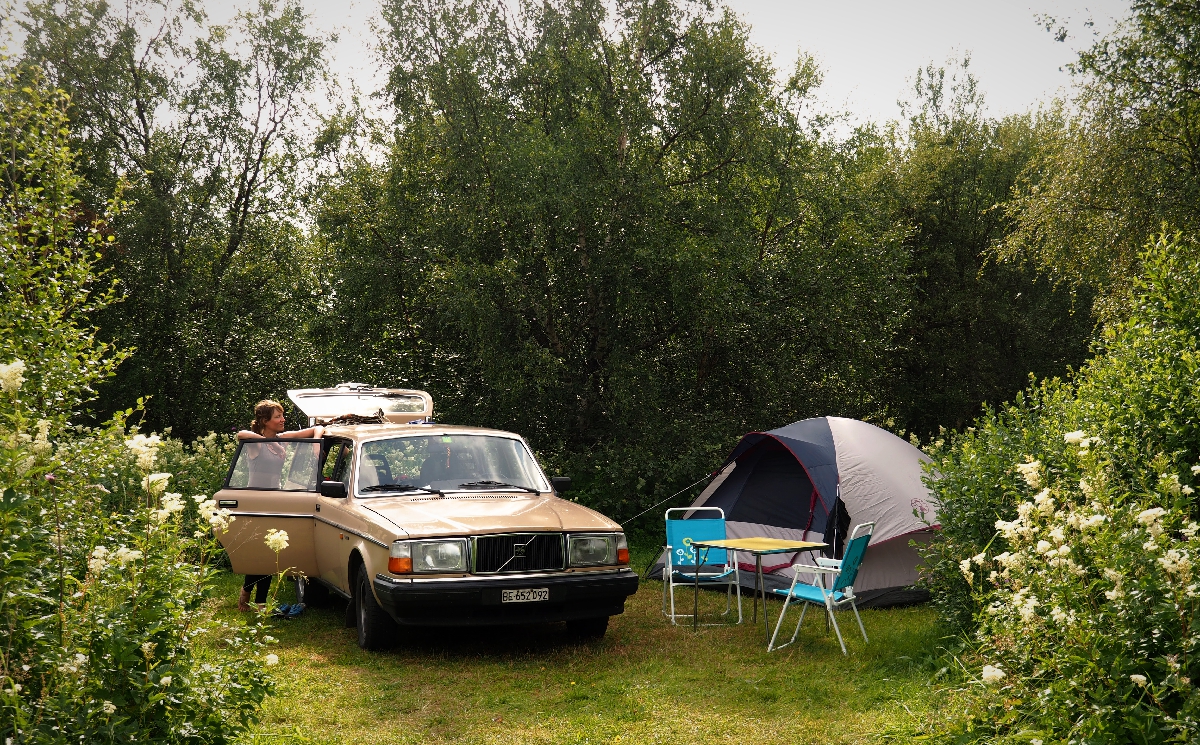
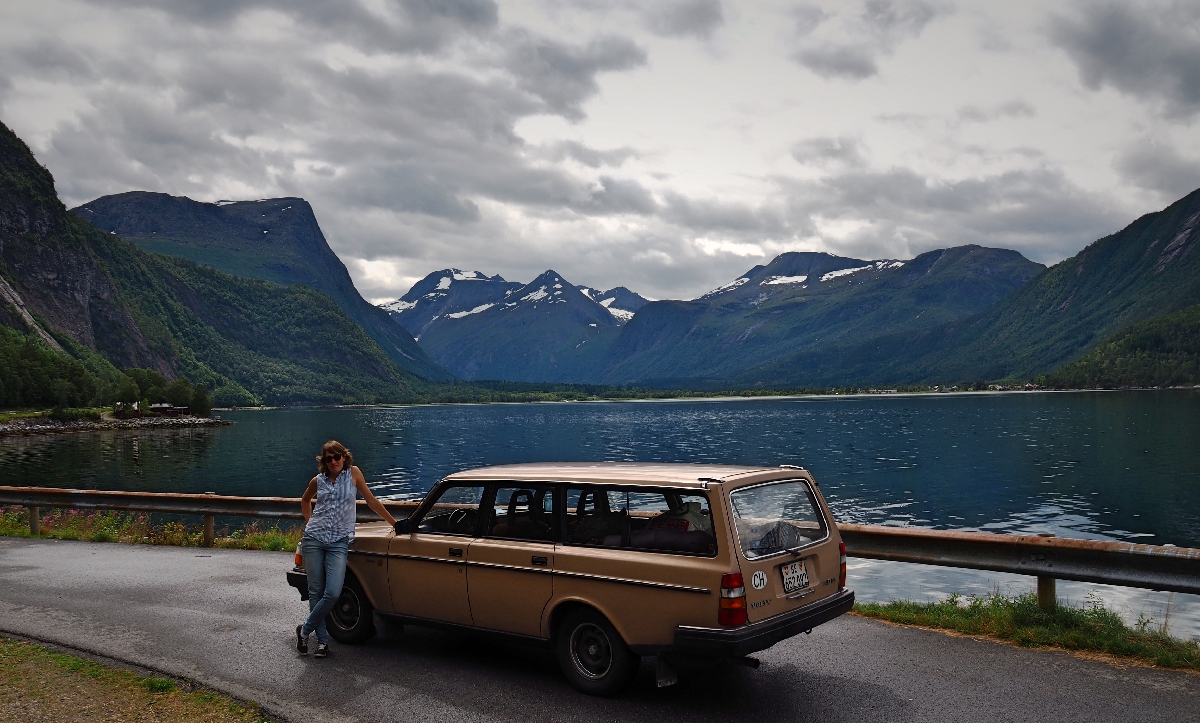
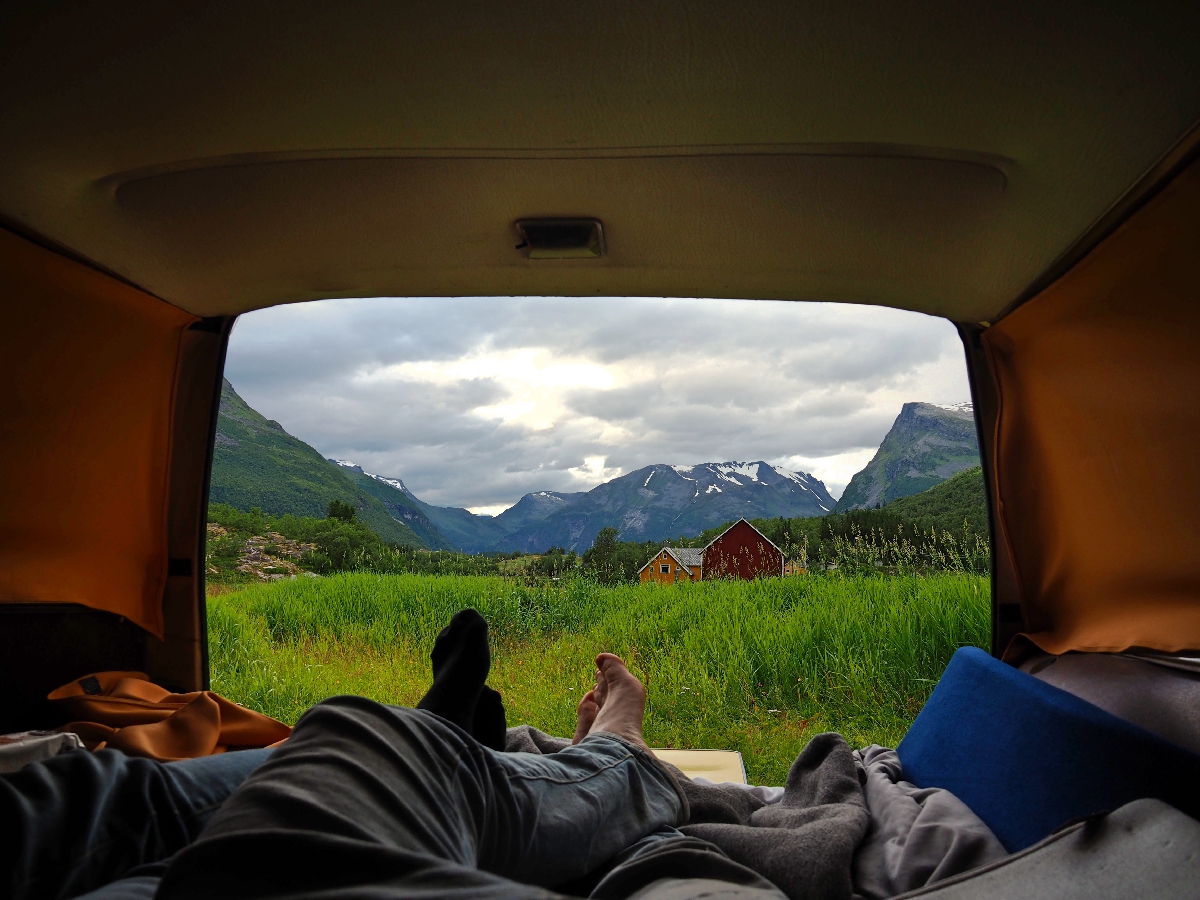
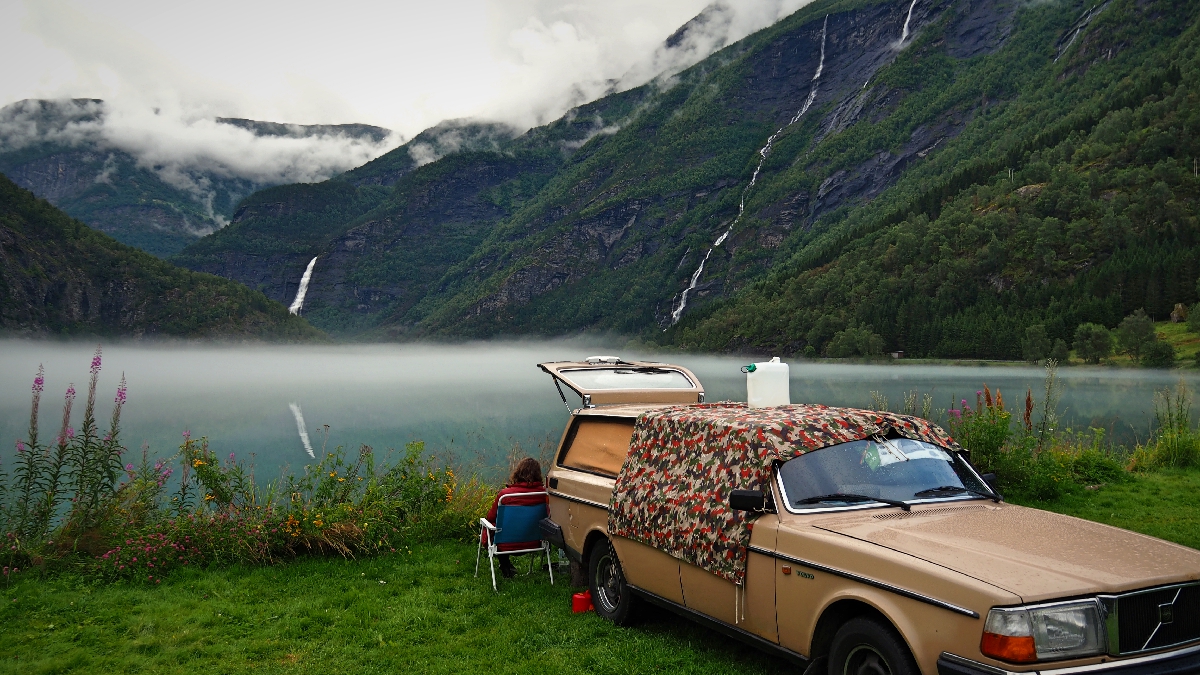
From New York we took a plane to Zurich. It felt strange to be back in Switzerland. However, the information of our quick return had leaked and some of our friends and our family surprised us with a “welcome to stop over” celebration (thanks a lot guys!). We spent less than 48 hours at home. With our Volvo, a ‘84 240 GL (probably one of the best cars ever built…) which we can convert into a cozy double bed and equipped with camping chairs, table, water tank, a cooker that runs on petrol as well as curtains to provide some privacy, we embarked on another epic road trip. We were heading for cape north.
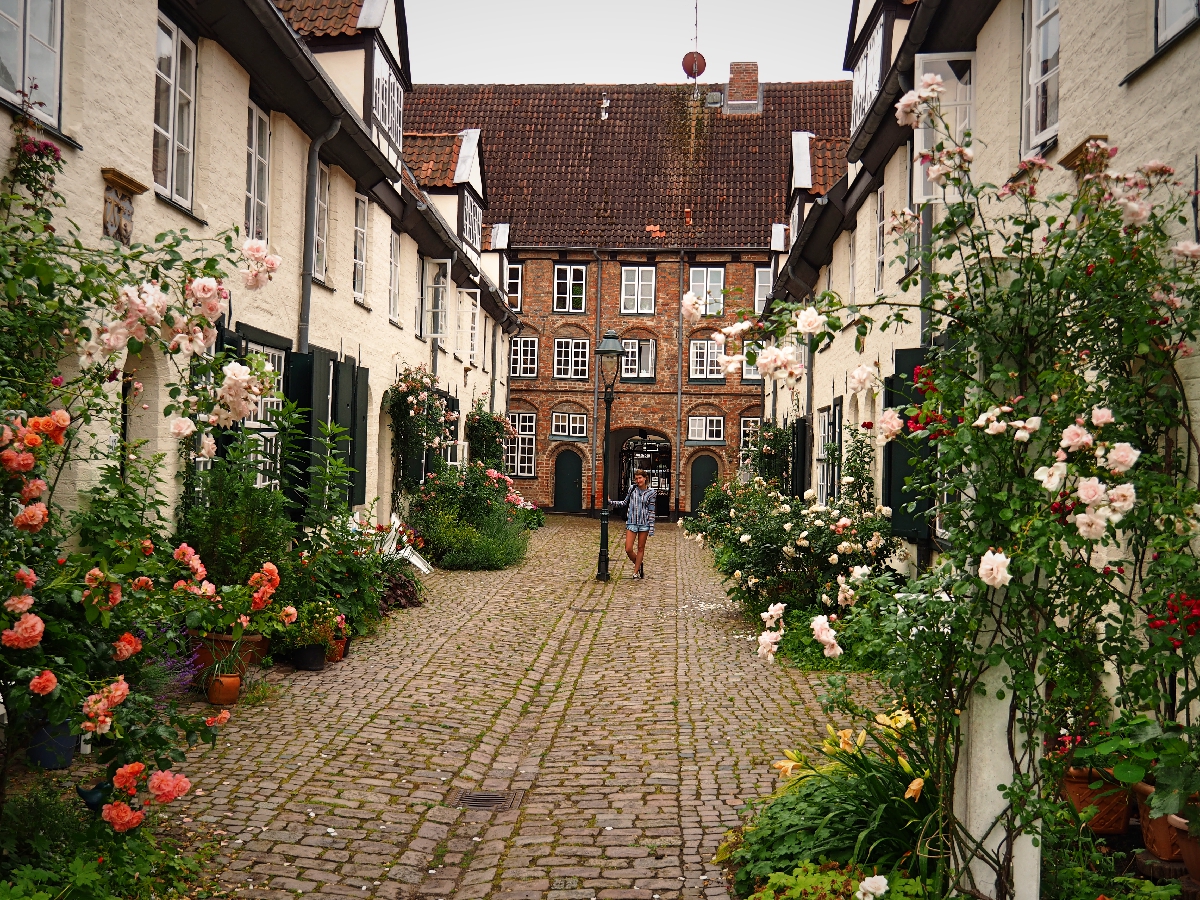
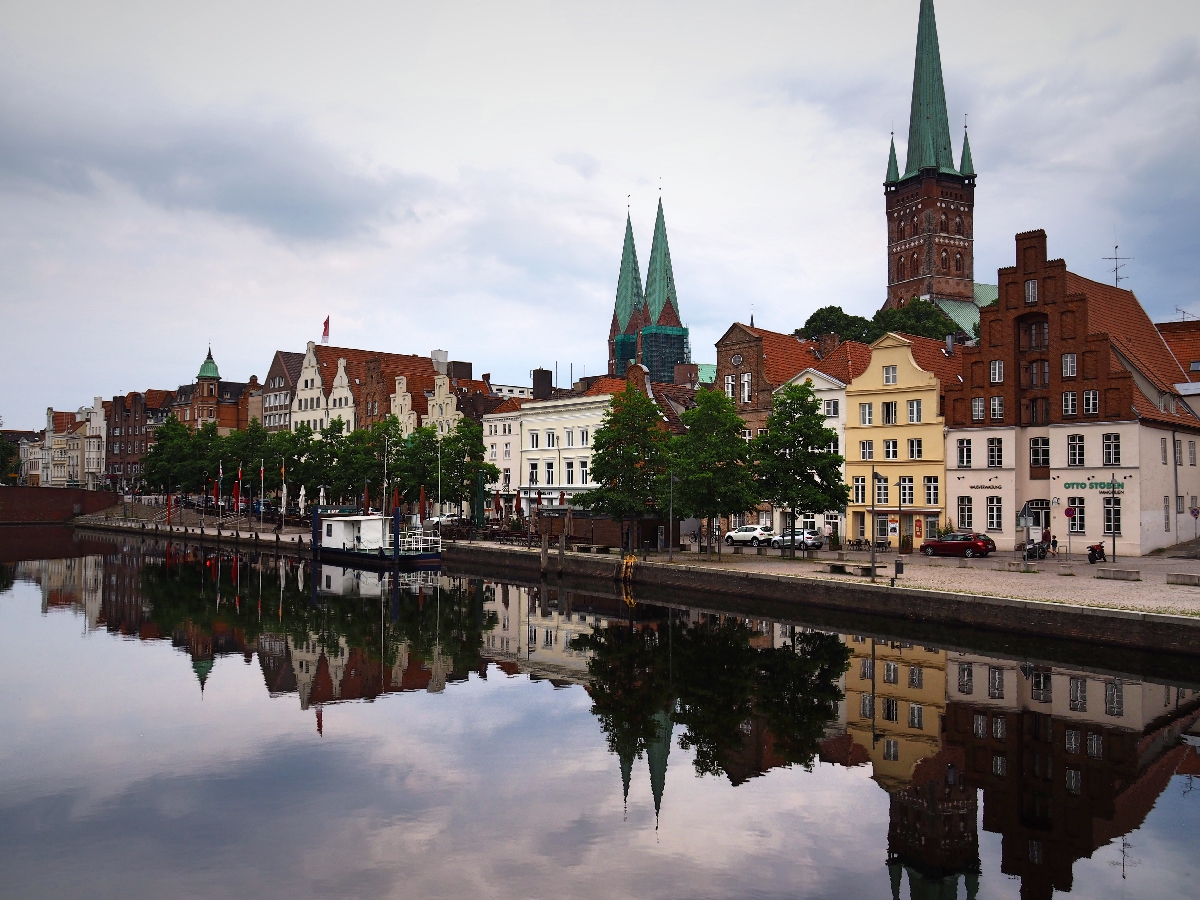
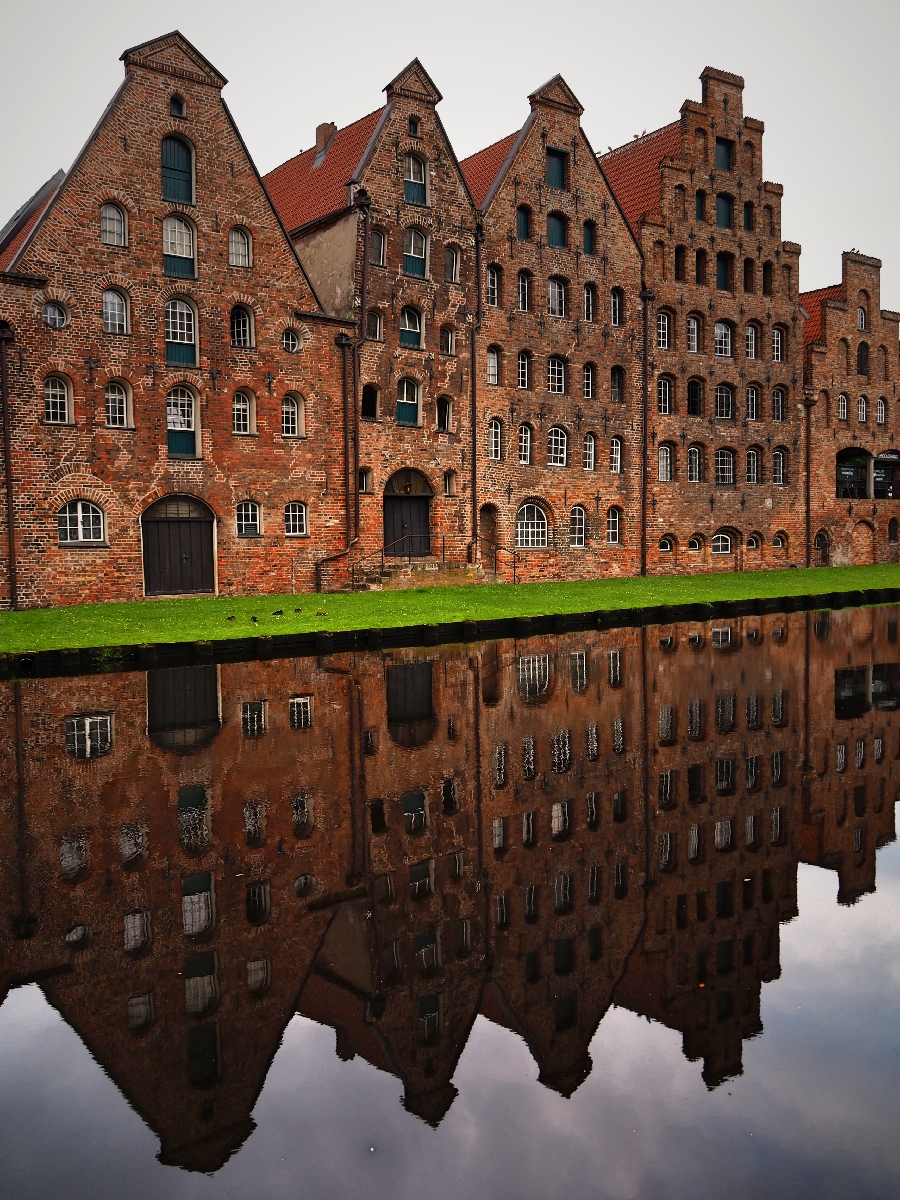
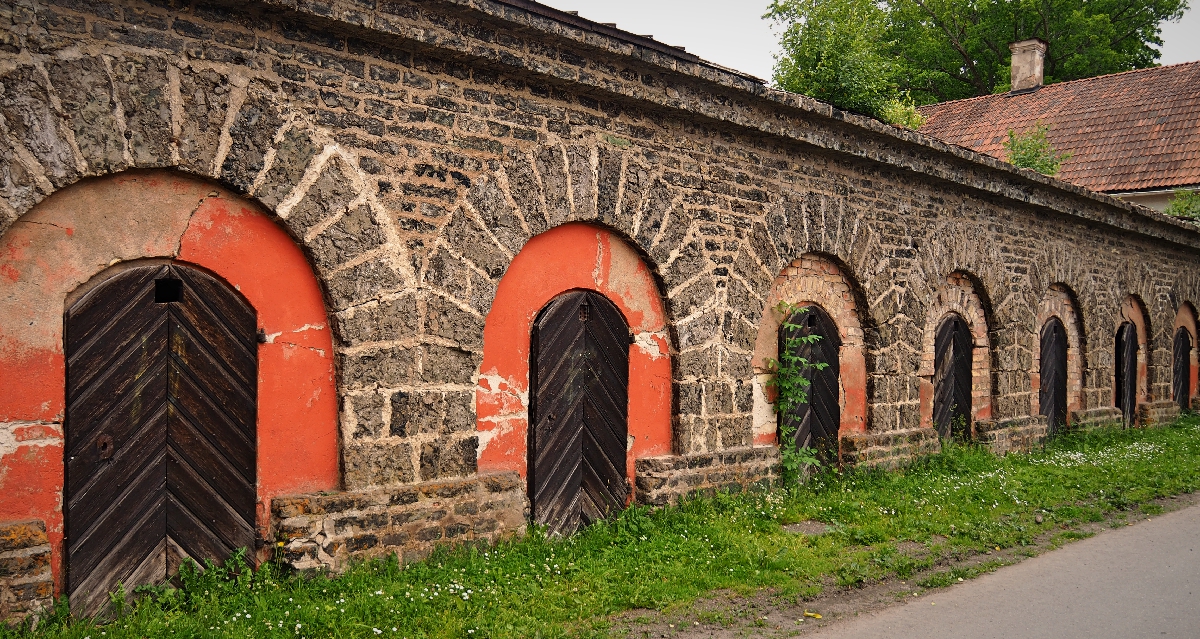
On our first day we made it all the way to a small town one hour north of Hamburg. The next morning we had breakfast in Lübeck and took a stroll through its charming old town district.
Lübeck:
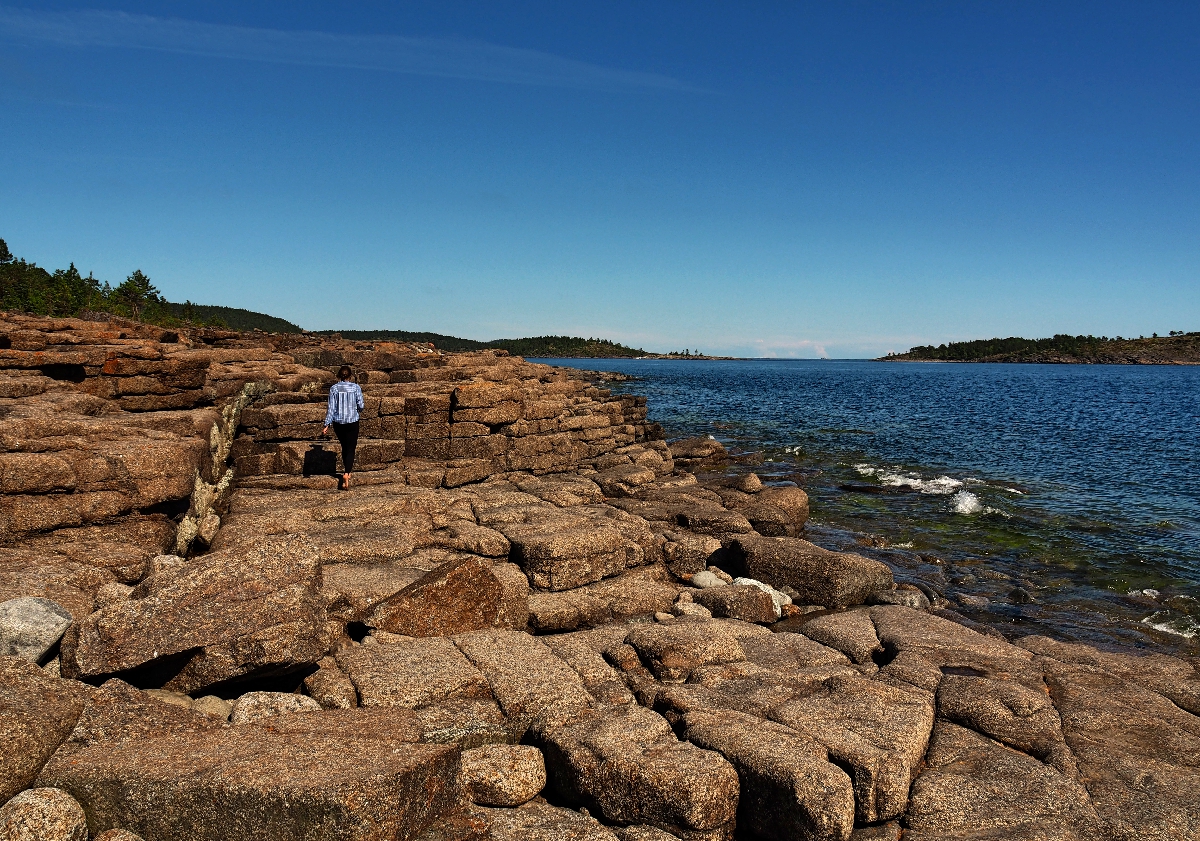
Later we took the ferry from Fehmarn to Røgbyn in Denmark. We rushed through Denmark and reached Malmö in Sweden via the Öresund Bridge. From there we drove a bit further north to Örkelsjunga, where we spent the night in a campground and got surprised by a heavy thunderstorm. The next day we passed Stockholm and stayed in a campground in Söderfors right next to a lake. We wanted to spend some time along the Höga Kusten. Therefore we stopped at the Rotsidan Coast and took a short walk along the rocky coastline. In Norrfällsviken we ate a delicious crispbread topped with freshly caught salmon and herring. We found a very nice camp spot in Mäviken right at a little beach along the Bothnian Sea. The days were already getting longer and longer and the trees were getting shorter and shorter.
Söderfors:
Höga Kusten:
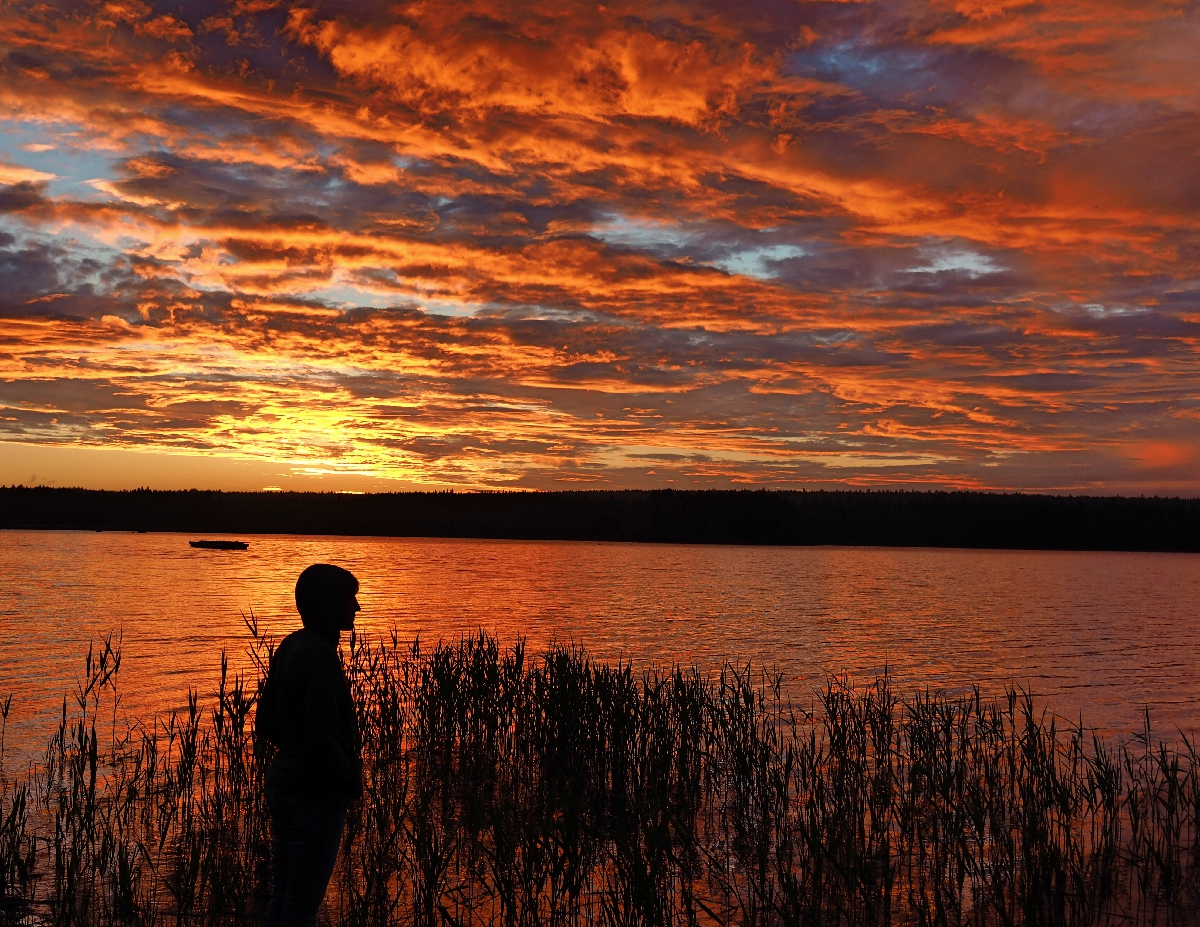
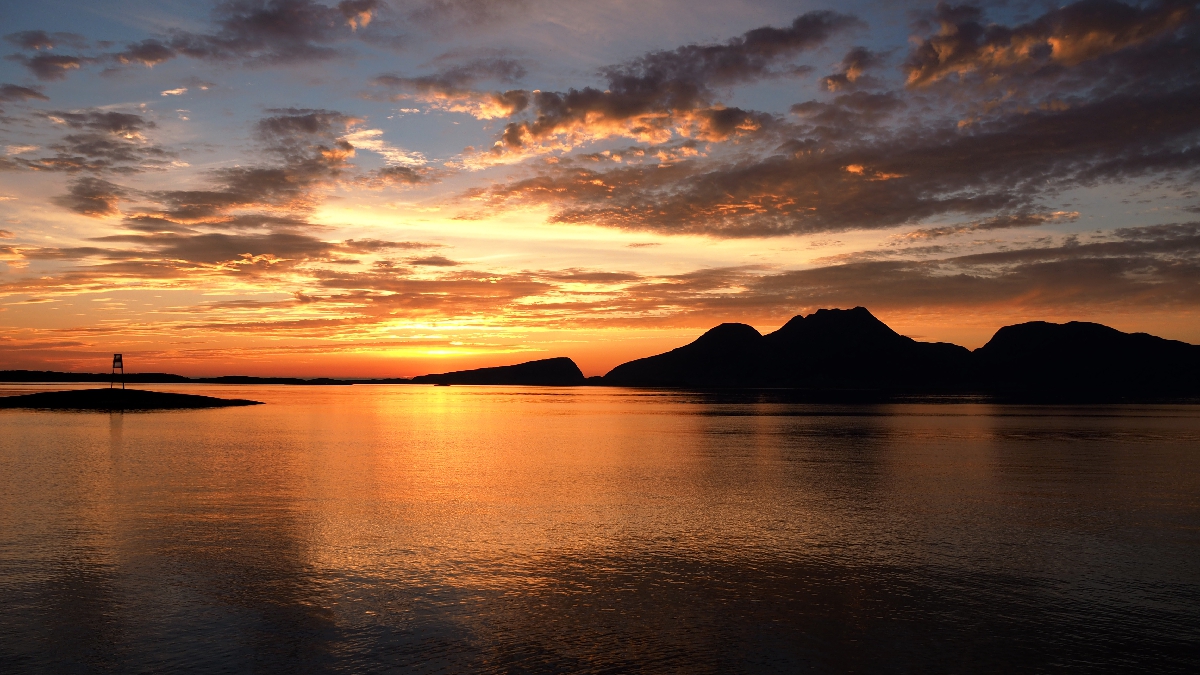
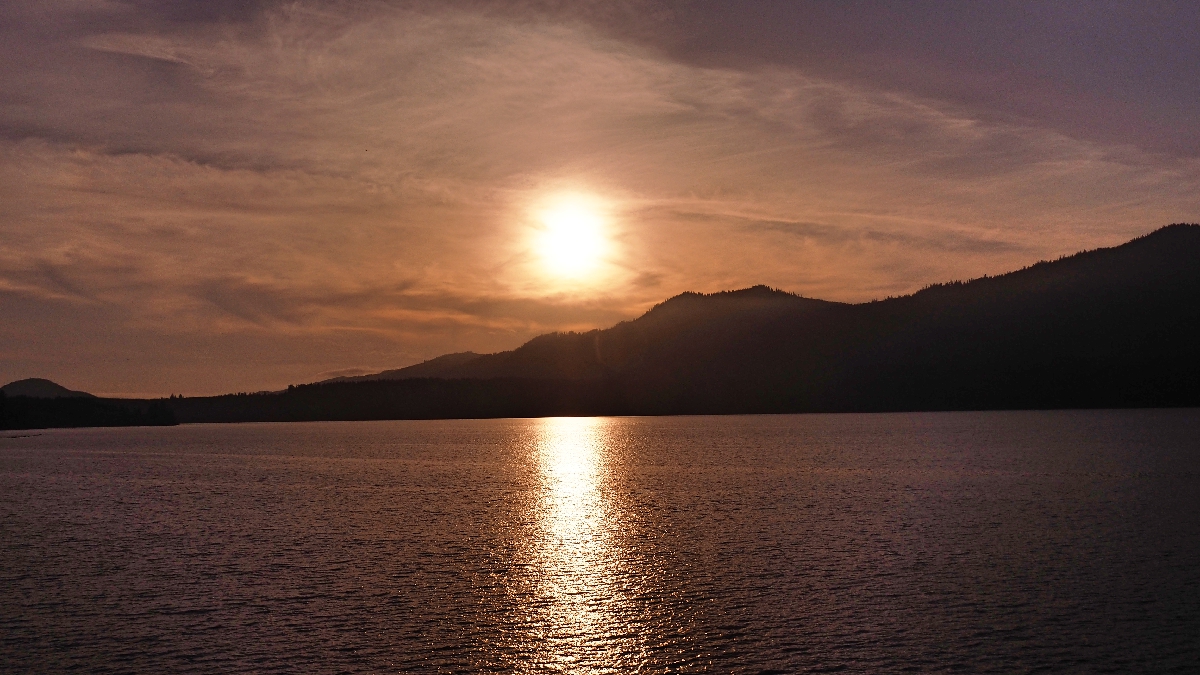
The next morning we drove all the way to Töre, where we took a quick look at Gammelstad and camped at a beautiful campground in Rörbäck, where we could marvel at a 3,5 hour long sunset.
Rörbäck:
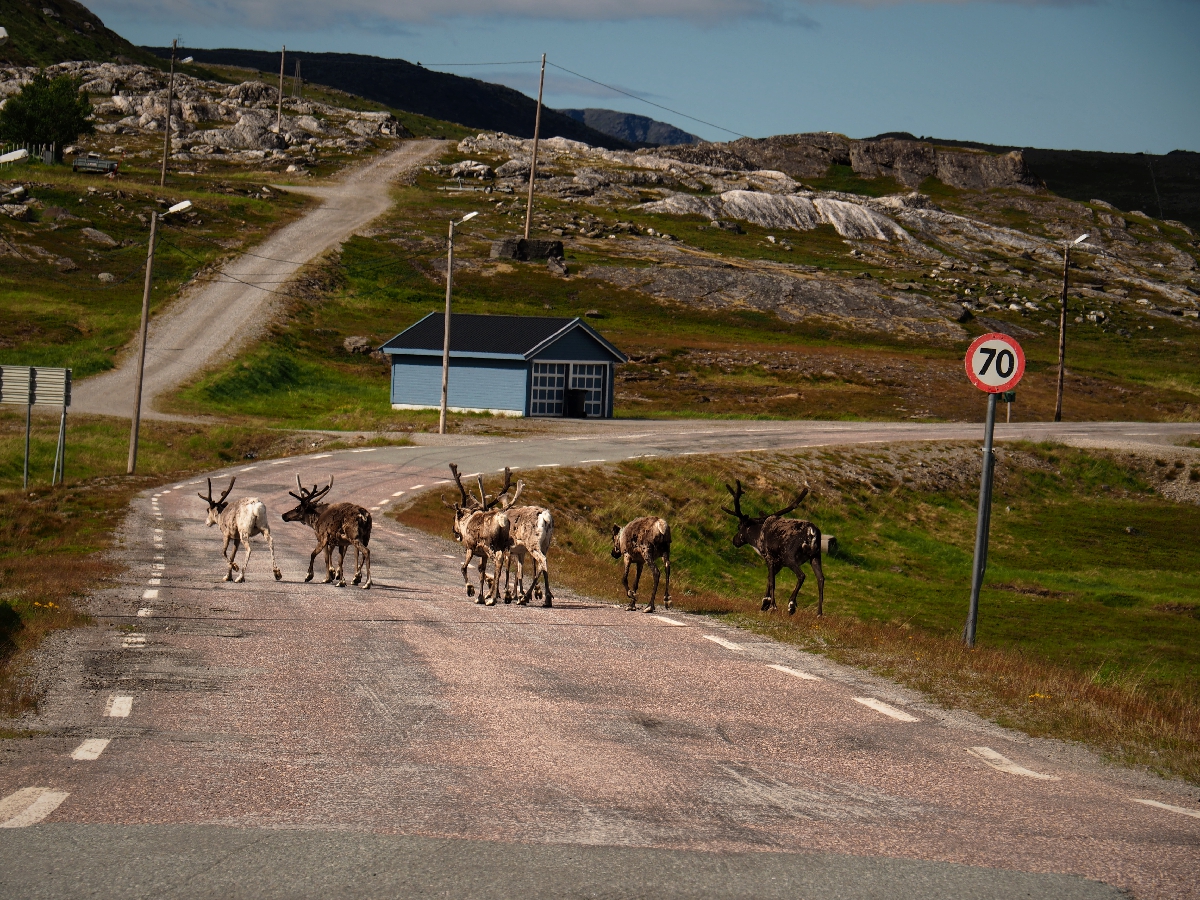
The next day we crossed the Arctic Circle and for the following three weeks we would have 24 hours of sunlight. We also reached the border of Finland (Lappland). That’s when we started seeing reindeers crossing the street every once in a while. We had now reached the land of the Sami people, the last indigenous group of Europe who spread across the northern parts of Finland, Sweden and Norway. We spent the night in a cabin right at a lake close to Inari. We couldn’t resist taking a quick dip in the lake, where upon the midnight sun left a golden shimmering reflection. The place was beautiful, but we got almost eaten alive by hundreds of hungry mosquitoes. Somehow they managed to creep inside our cabin. We tried to kill them all, but they kept coming and coming. It was awful!
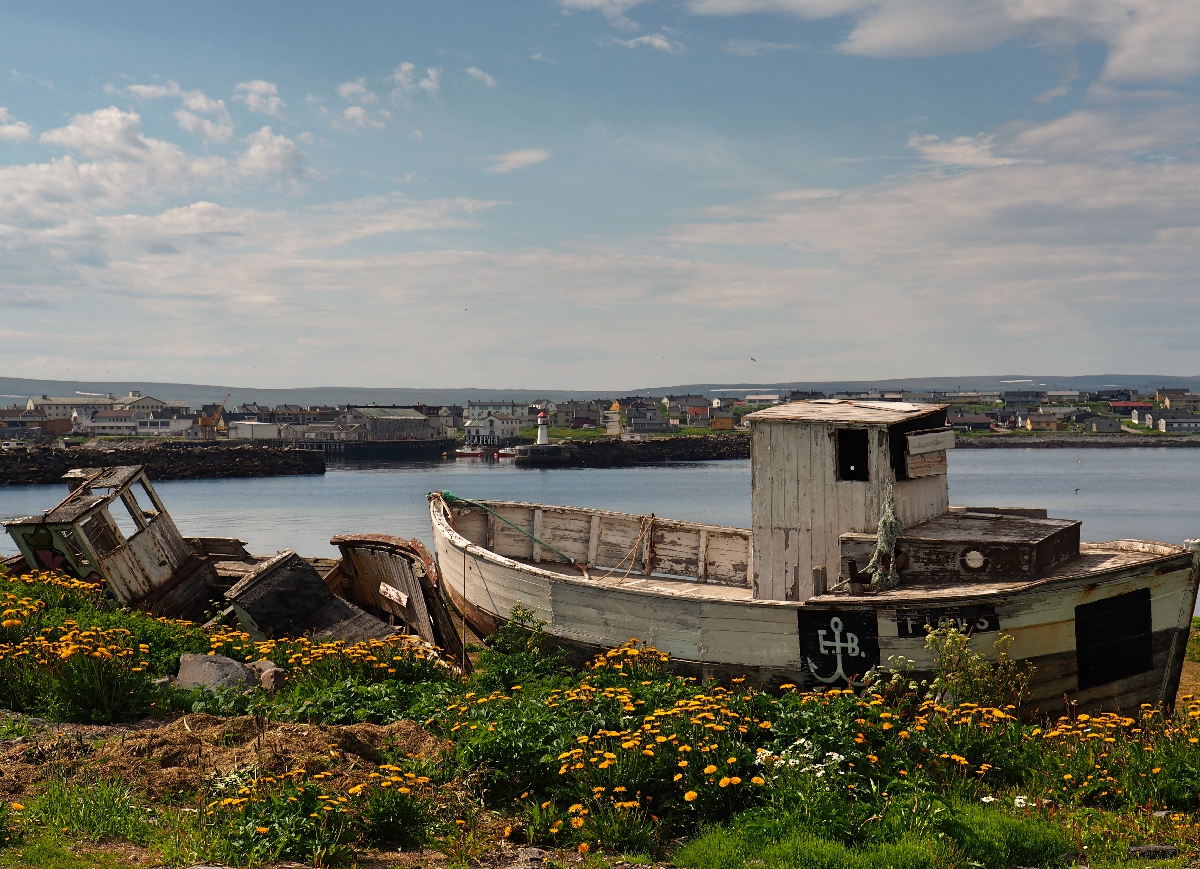
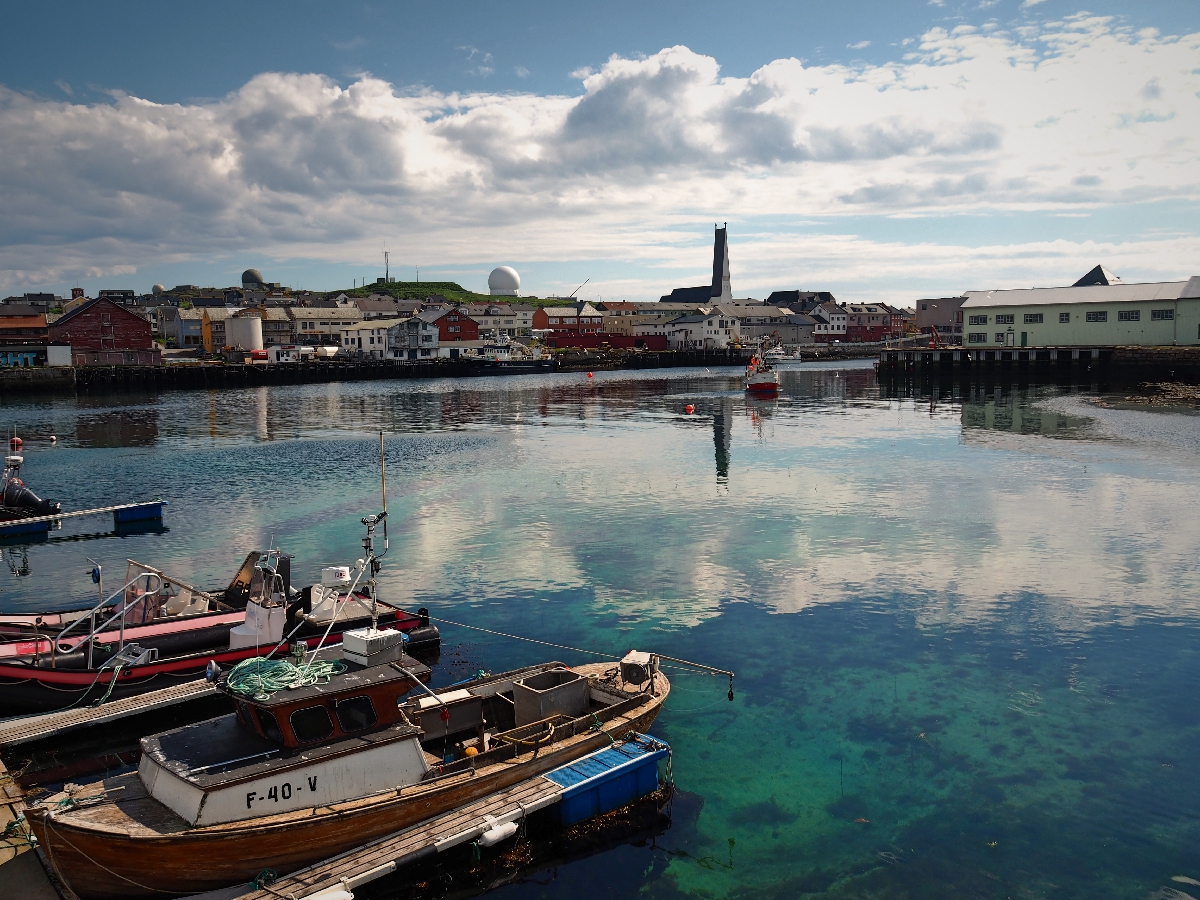
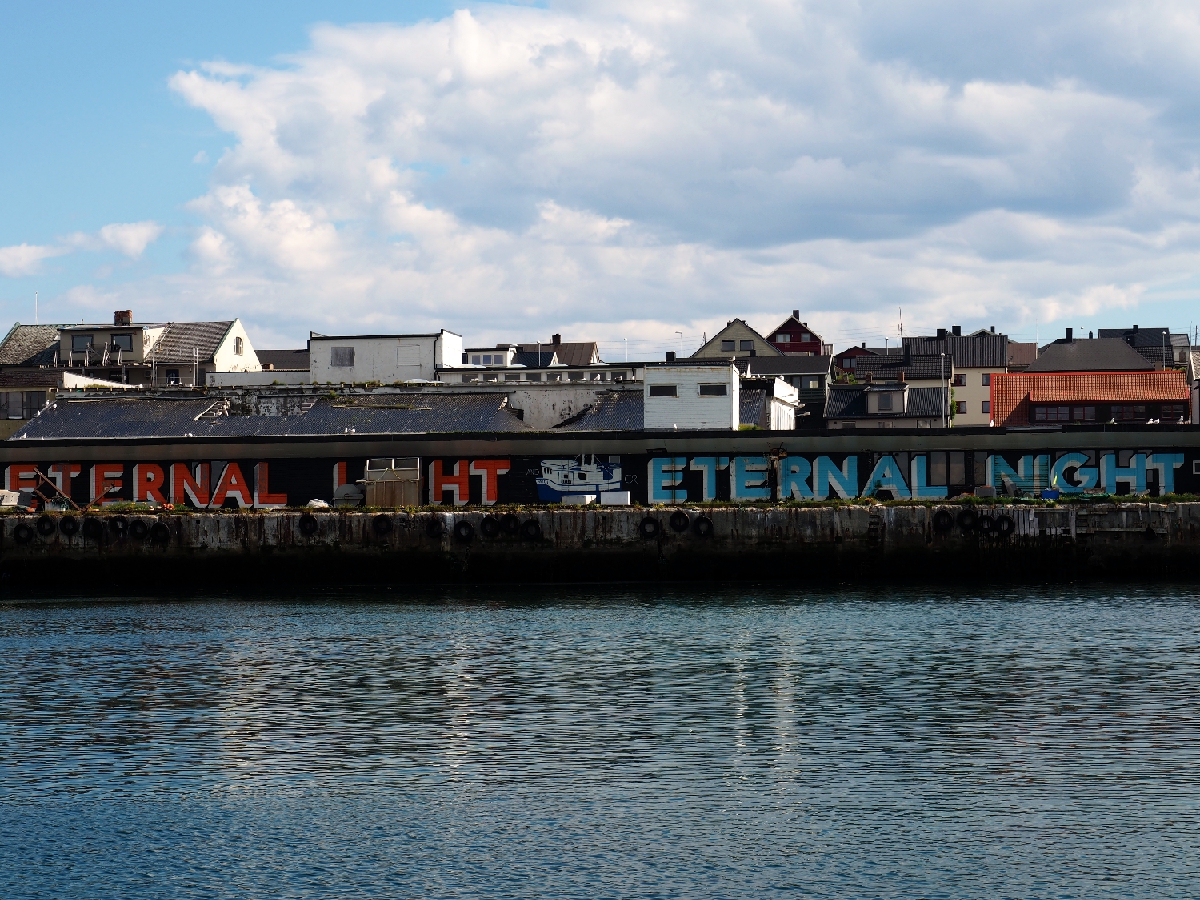
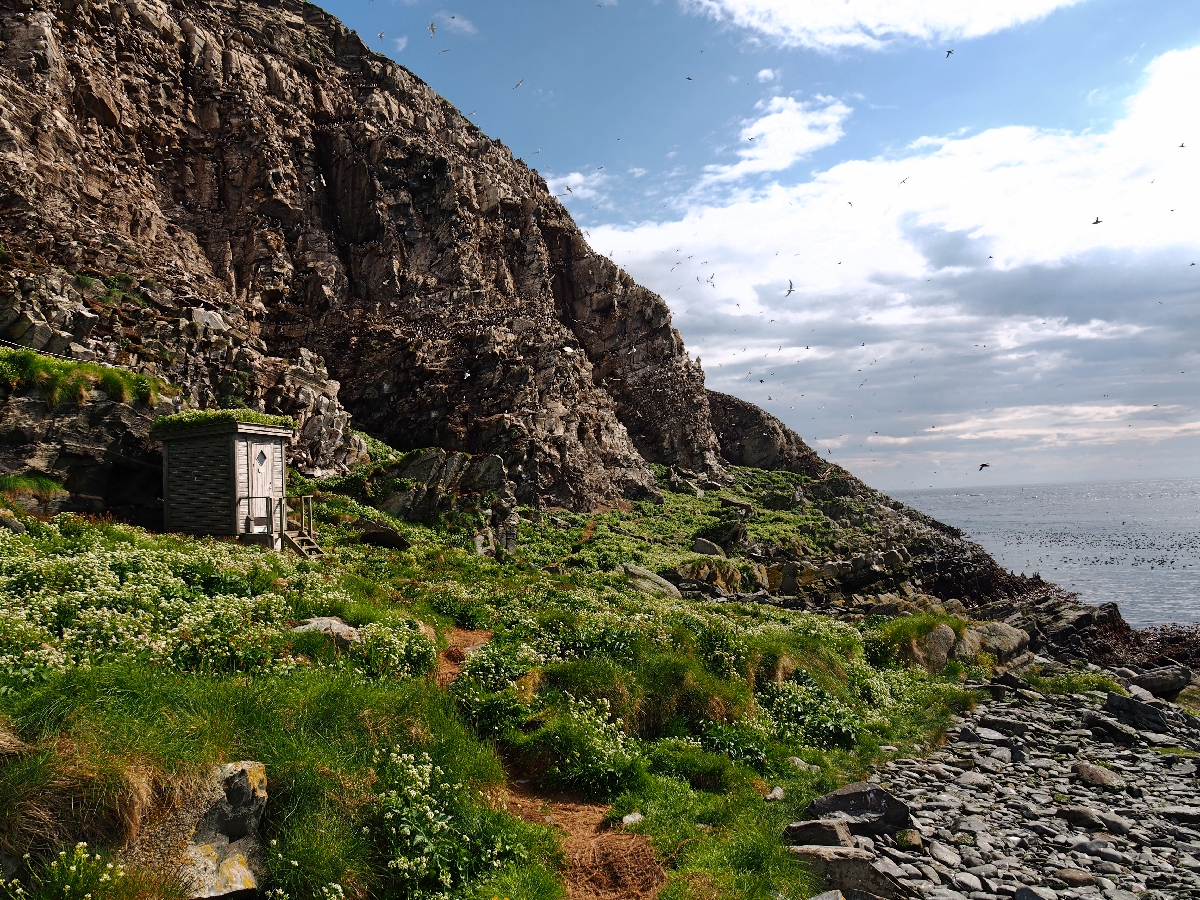
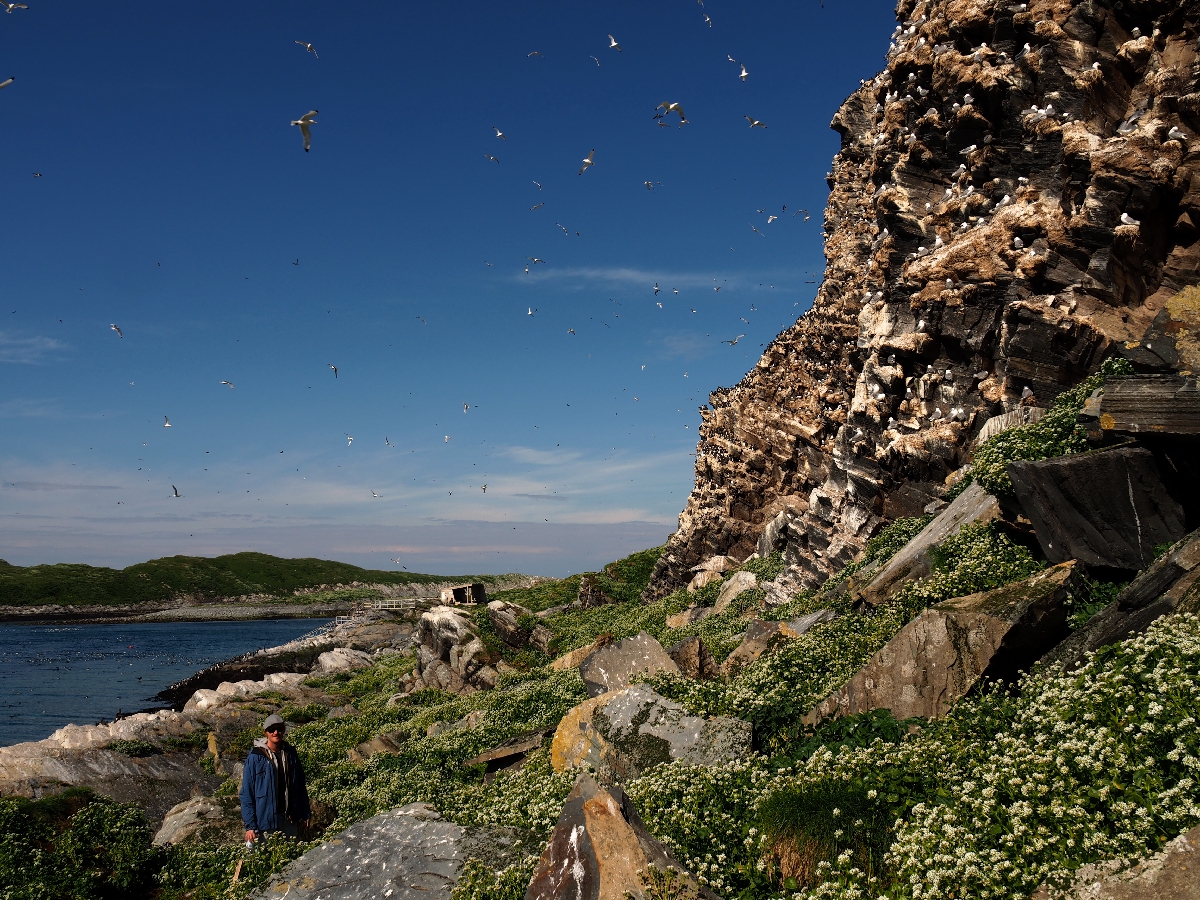
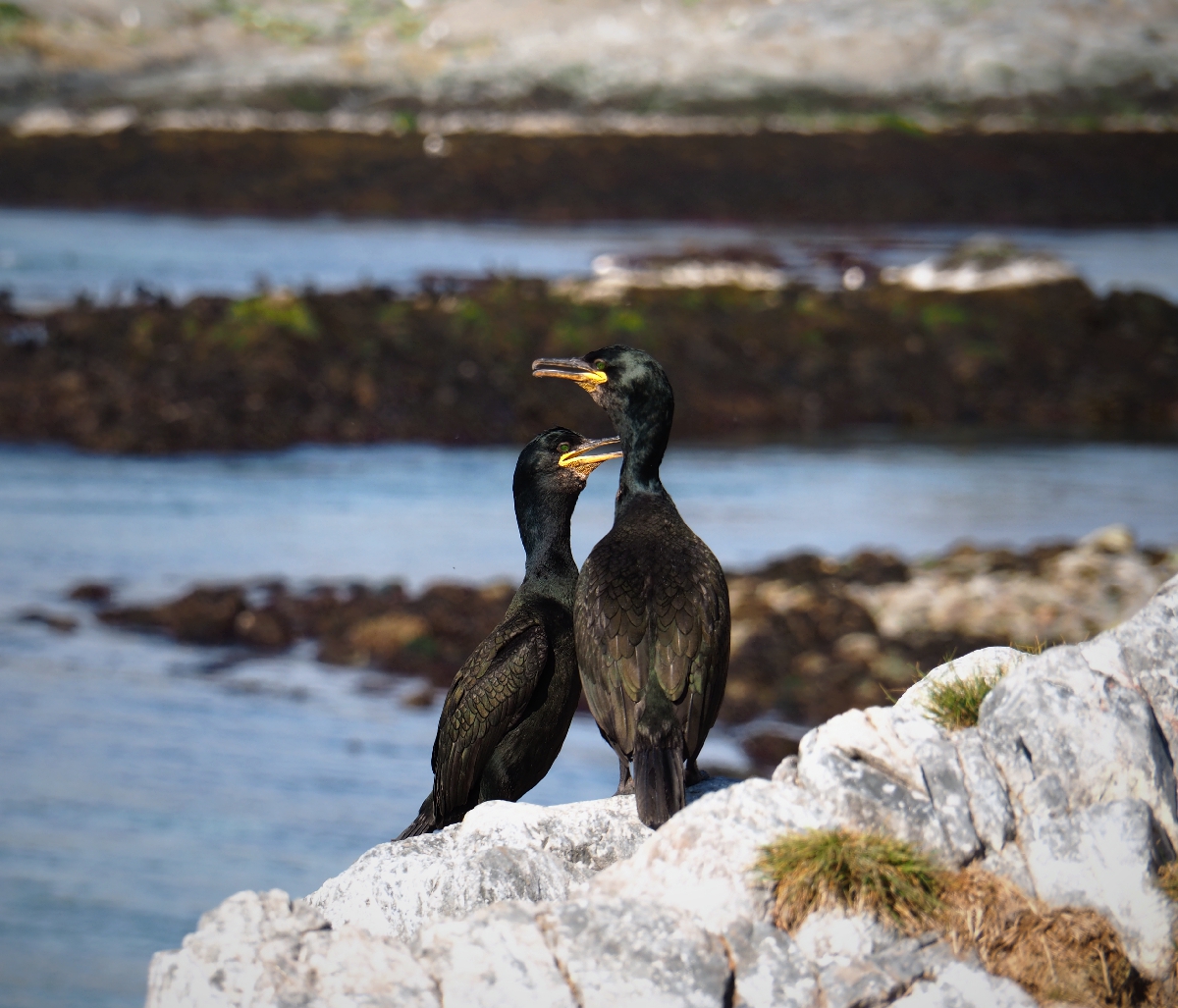
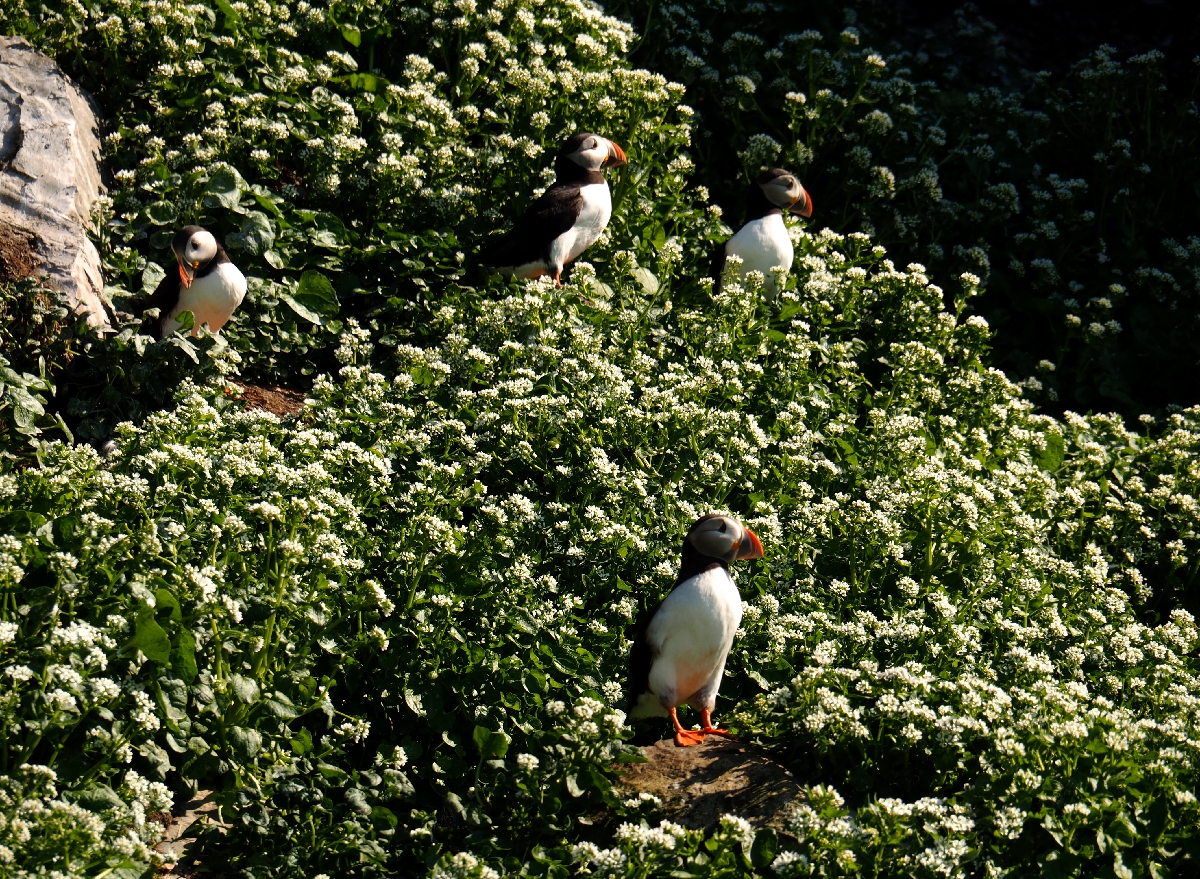
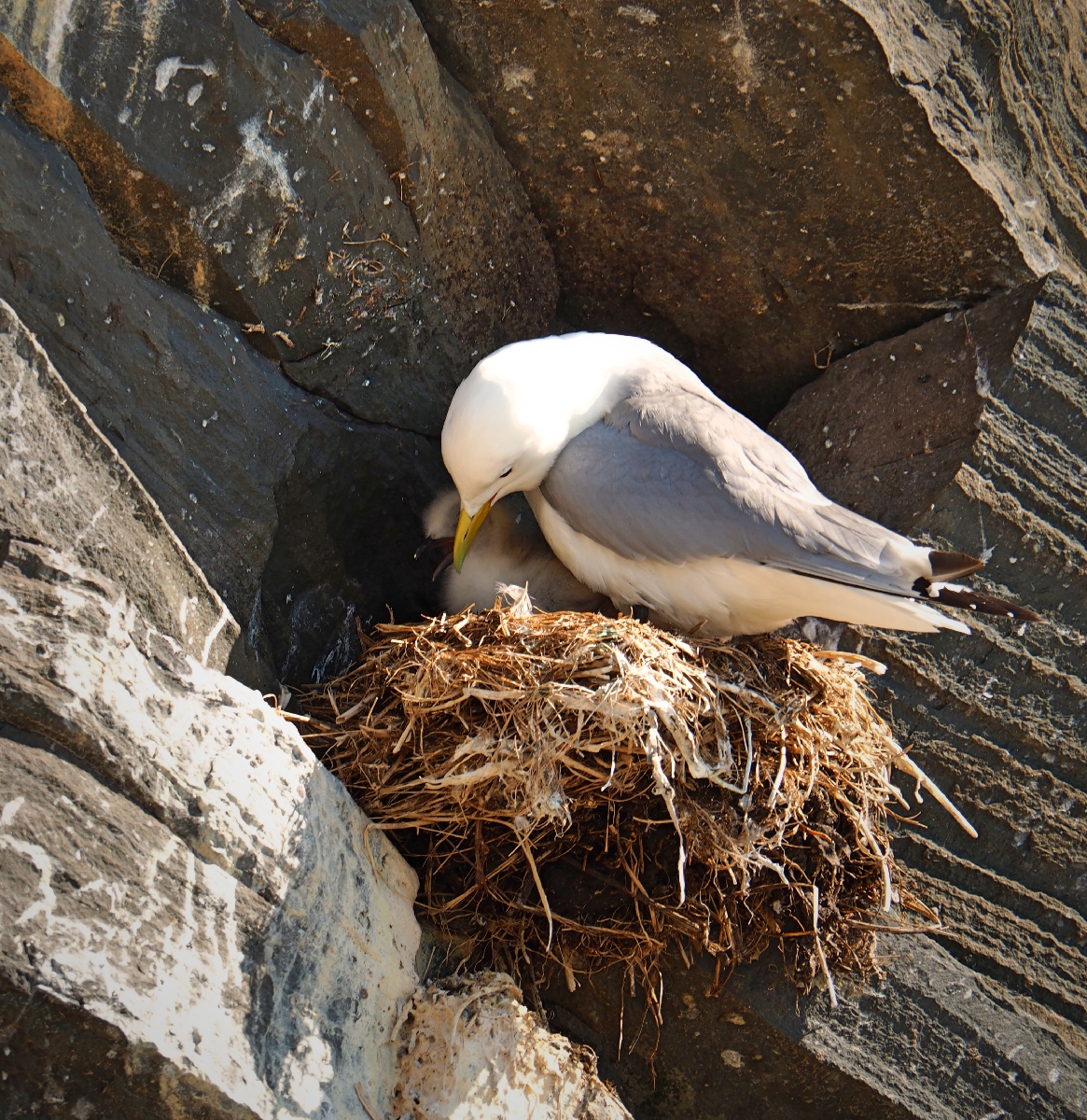
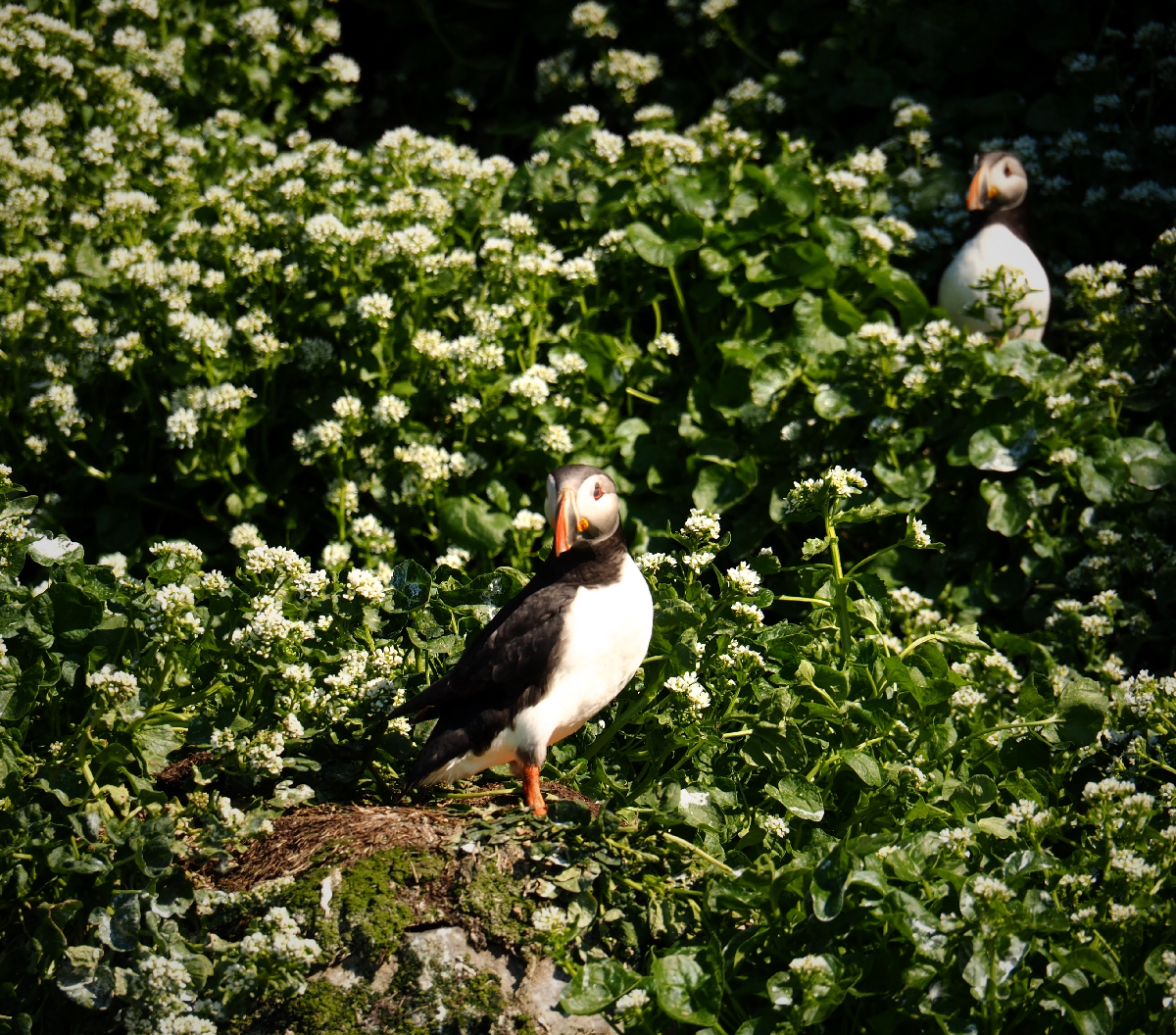
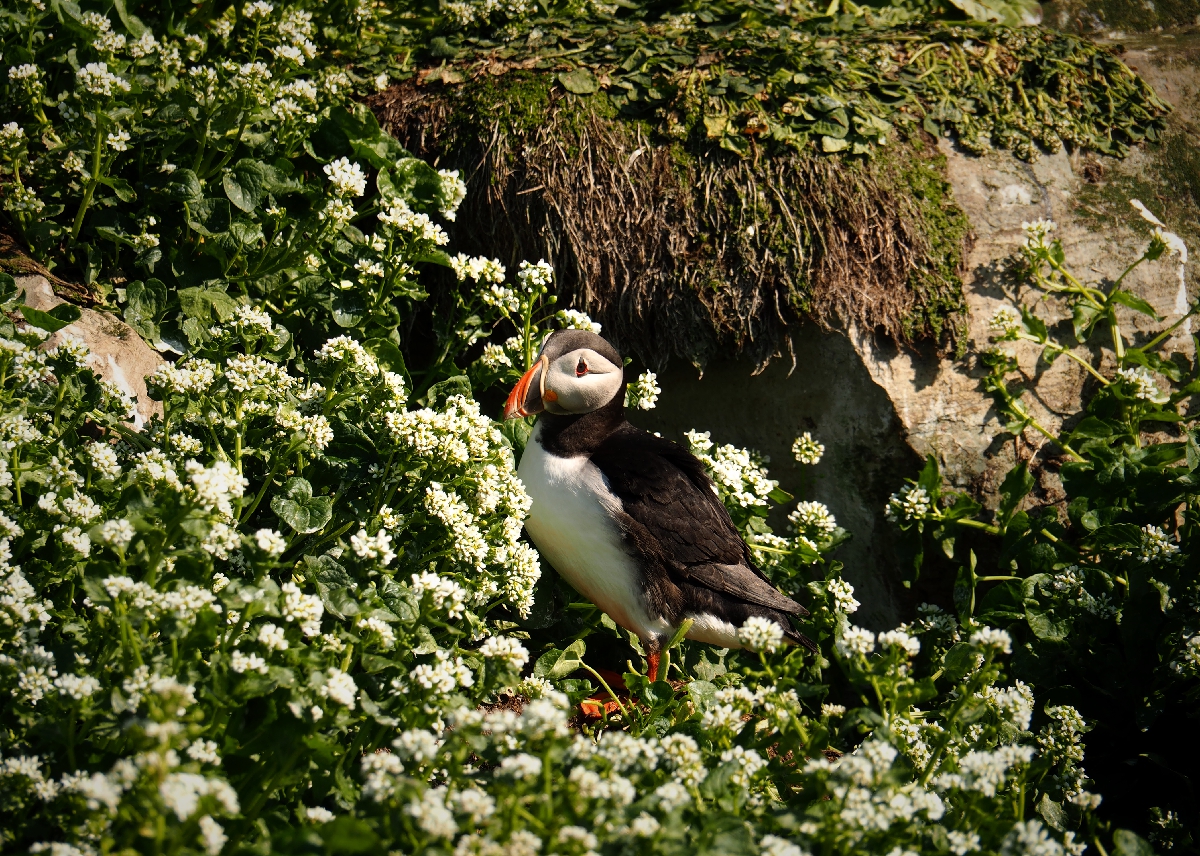
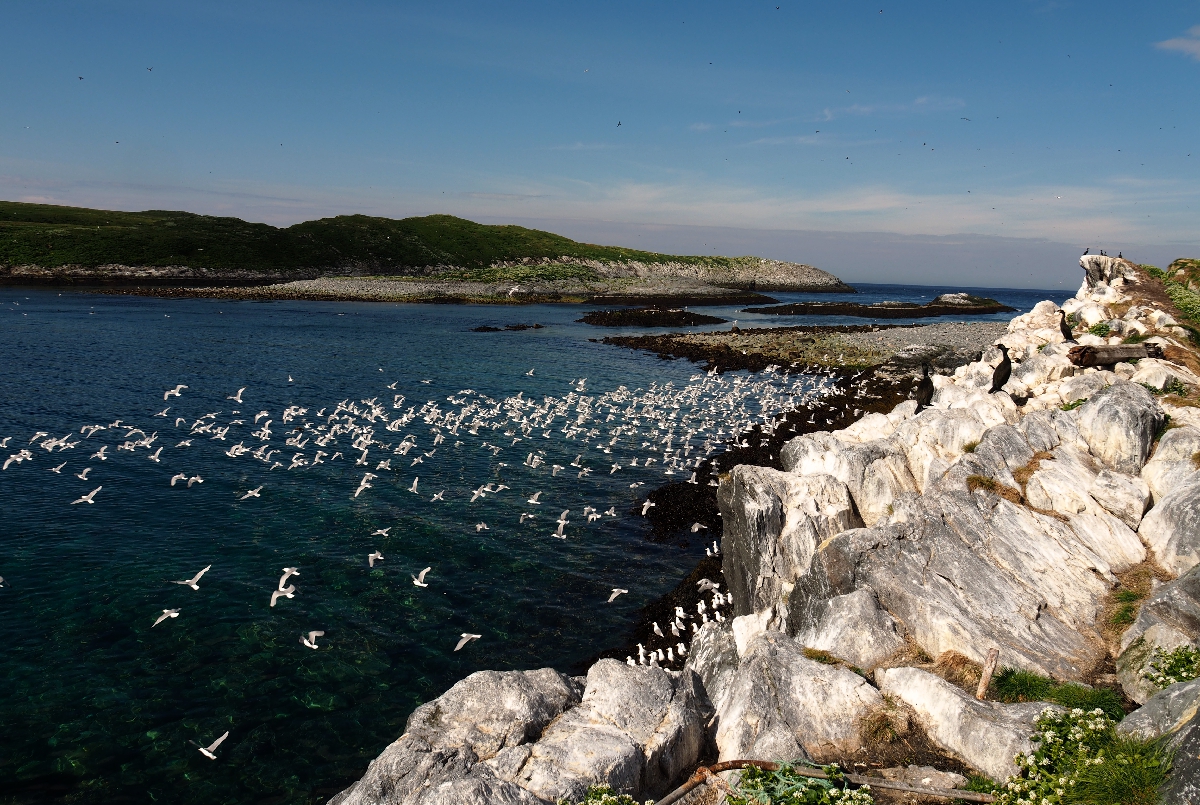
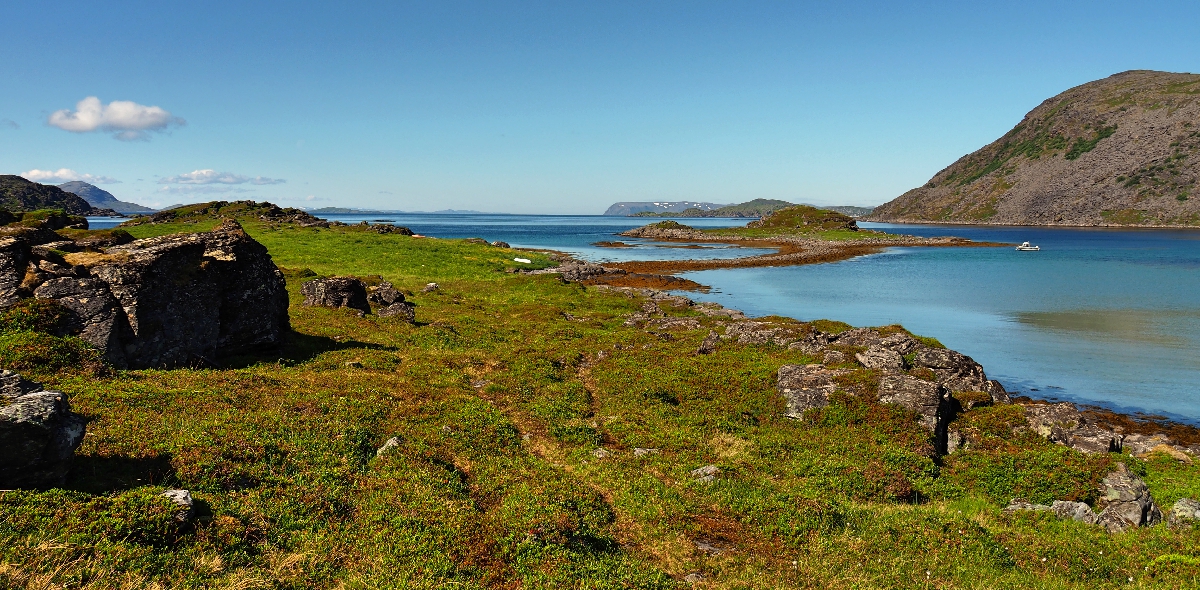
The following morning we finally crossed the border of Norway into Finnmark and drove on until Vardø, which is the easternmost point of Europe. At this latitude there were no more trees growing. The landscape looked magical and it made us feel like we were exploring a young foreign planet. Vardø turned out to be a nice fishing town surrounded by crystal clear waters. We took a boat to the island of Harnøya and were greeted by large swarms of screaming seagulls. The island was literally covered with various kinds of seabirds nesting there, it was a breathtaking sight. We were able to observe nesting puffins only from a few meters away – they even flew right over our heads to go fishing! Along the stunningly beautiful coastal road we then drove to Tana Bru, where we spent the night in a campground.
Vardø:
Birds of Harnøya:
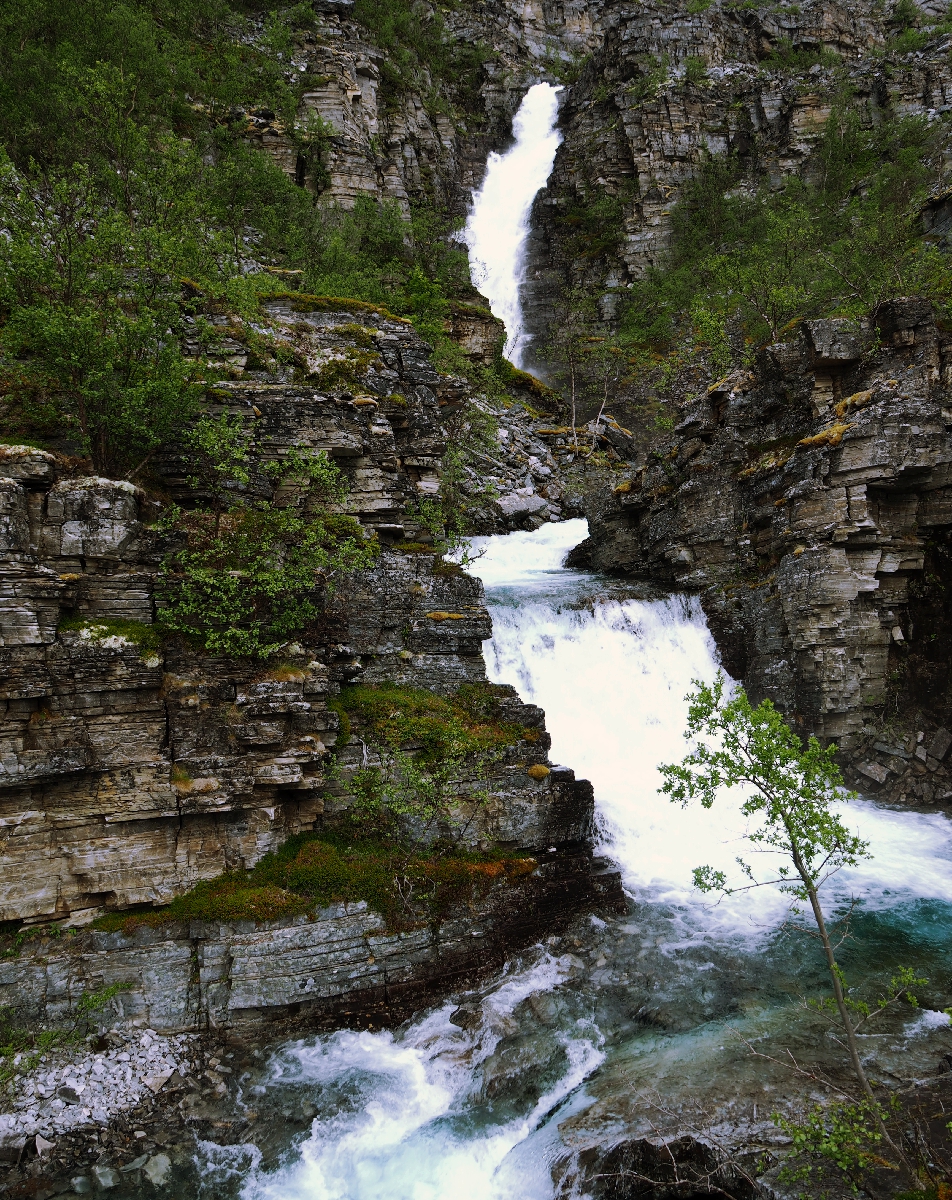
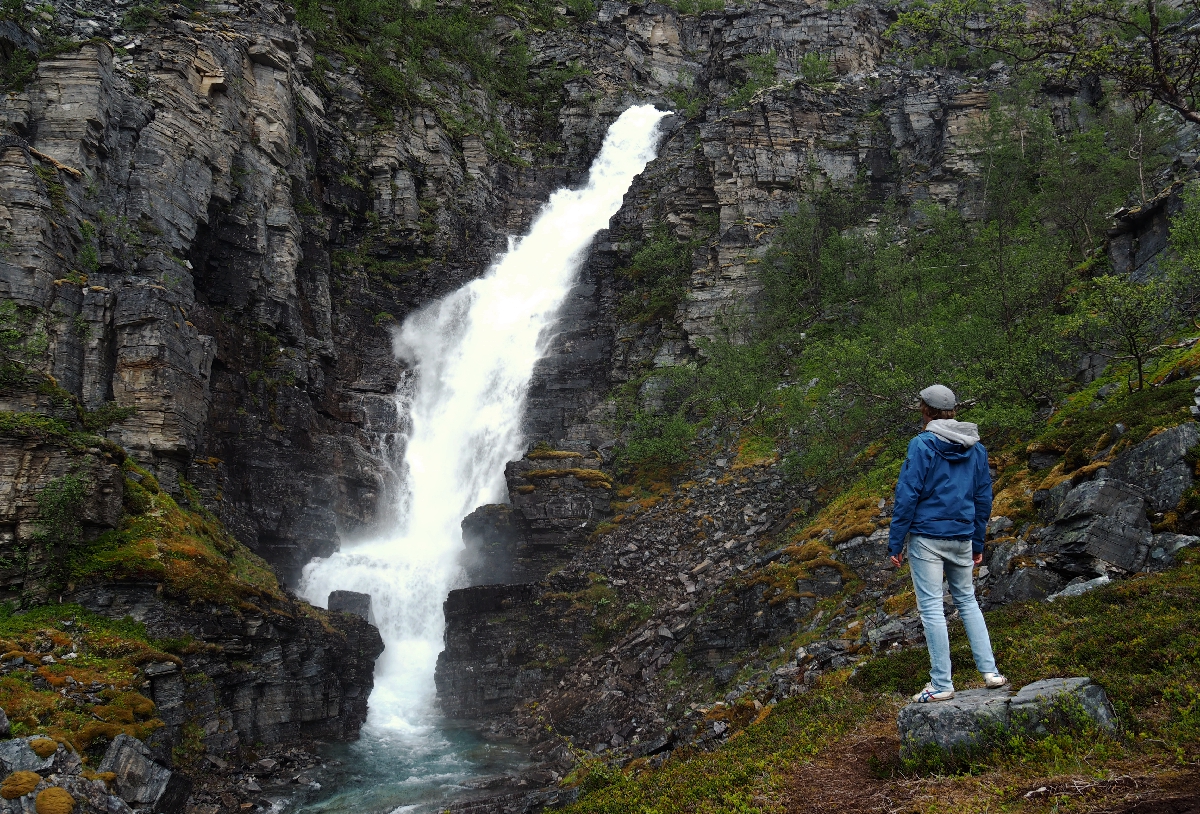
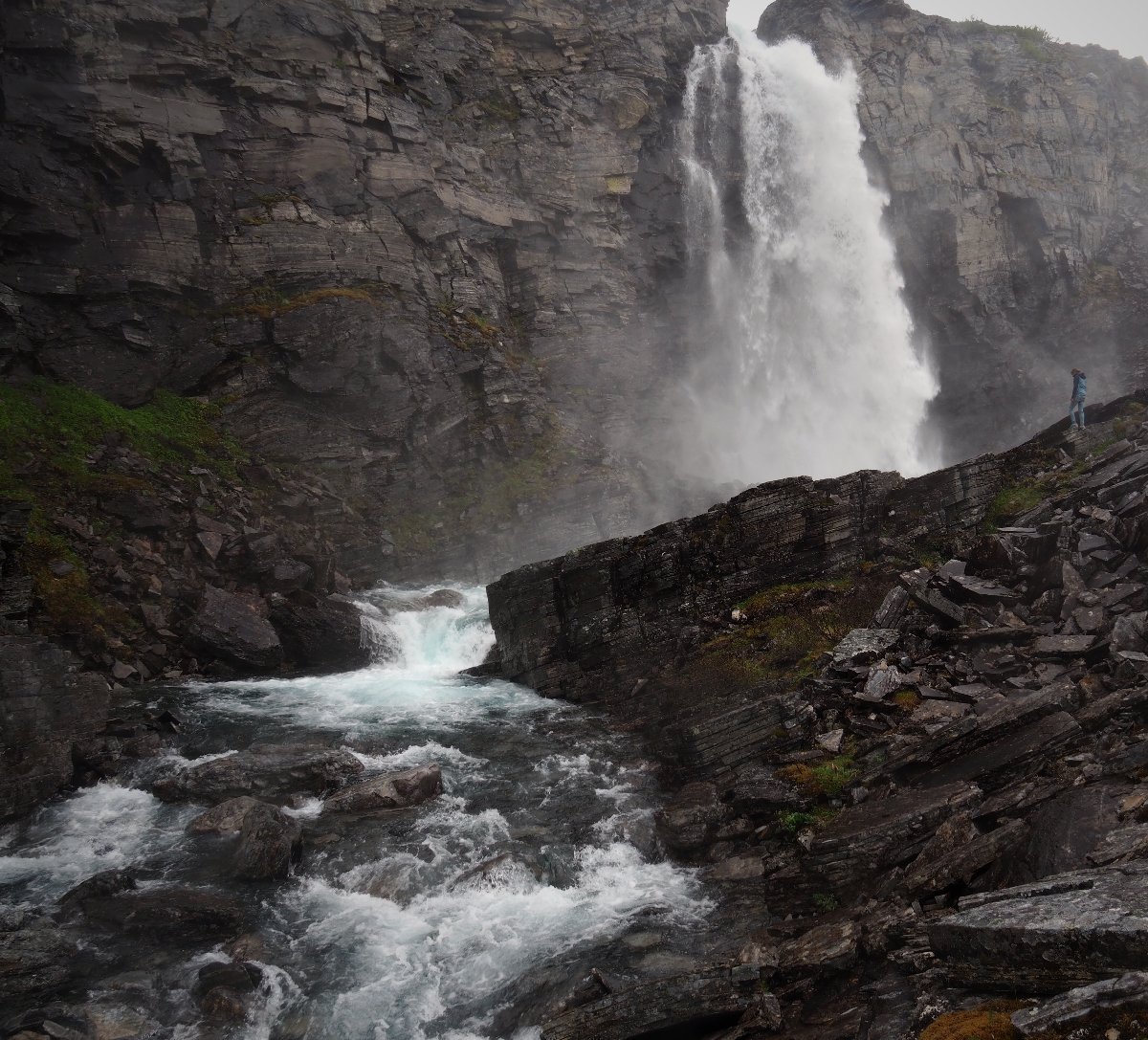
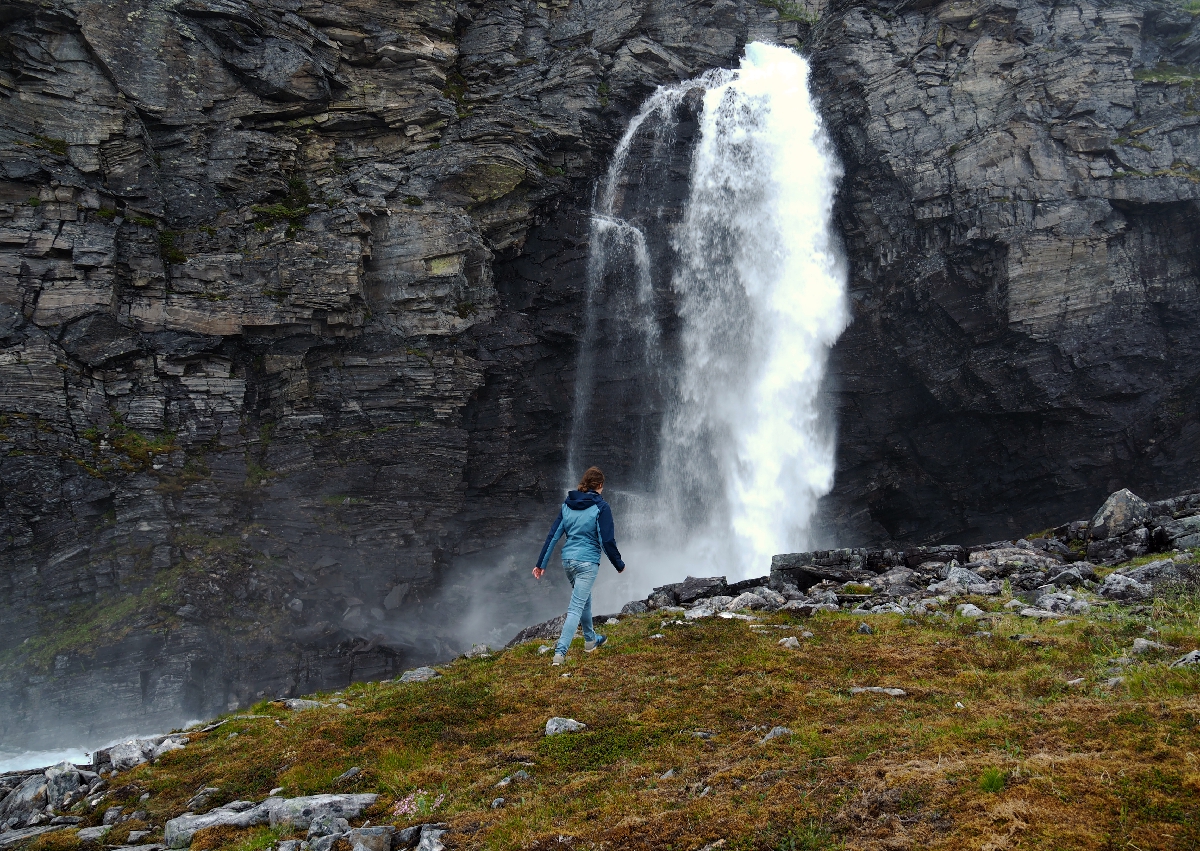
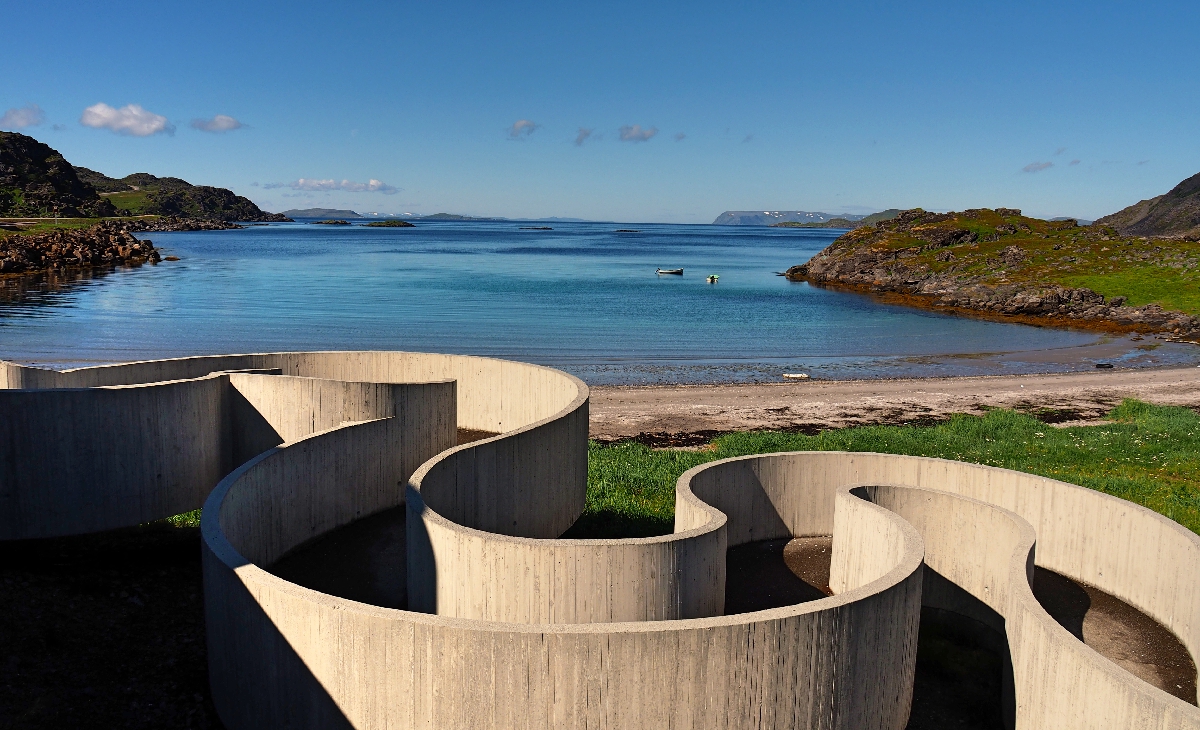
We slept a bit longer the next morning as it was raining heavily. Then we continued driving through the dreamlike landscape until Ifjord and slept in a cozy cabin in Repvåg. Before dinner we went out for a quick run along the rocky coastline next to the sea and ran into a herd of reindeers. Through rough landscapes and thick fog we drove on until we reached cape north the next day. Unfortunately we couldn’t see any further than 20 meters! We had reached the northernmost point of our journey and started heading back south. We continued direction Havøysund and hiked up to an impressive waterfall in Lillefjord. We camped in Havøysund on a small cliff overlooking the sea.
Cape North:
Lillefjord:
Havøysund:
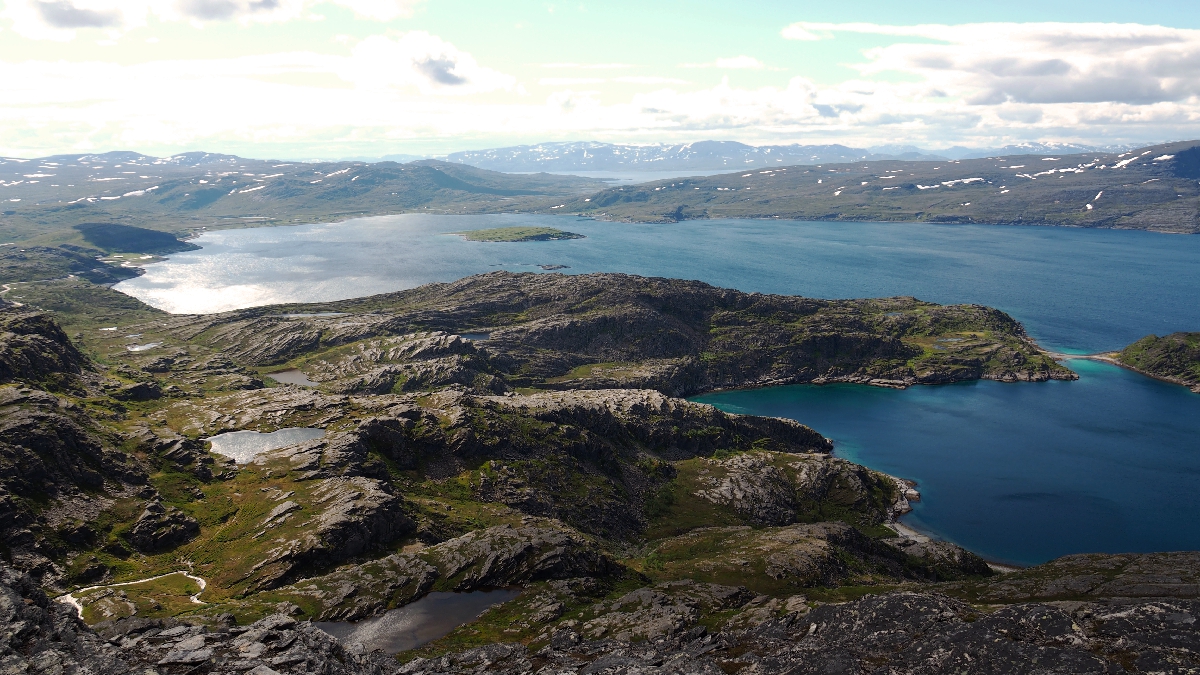
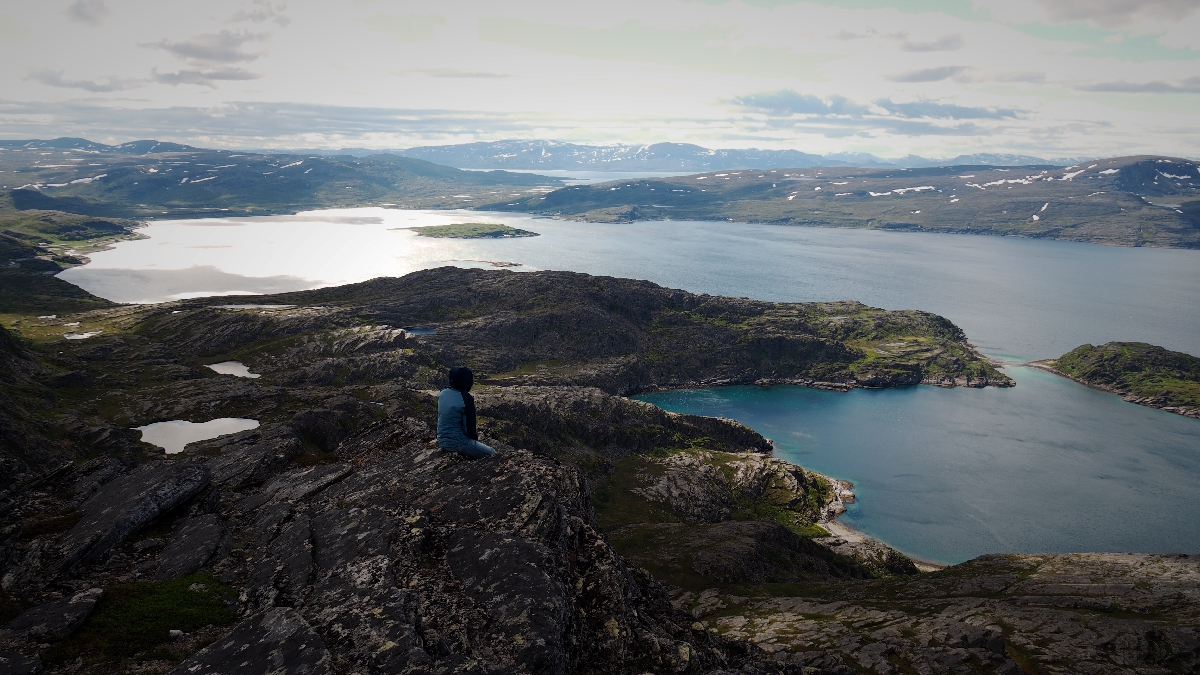
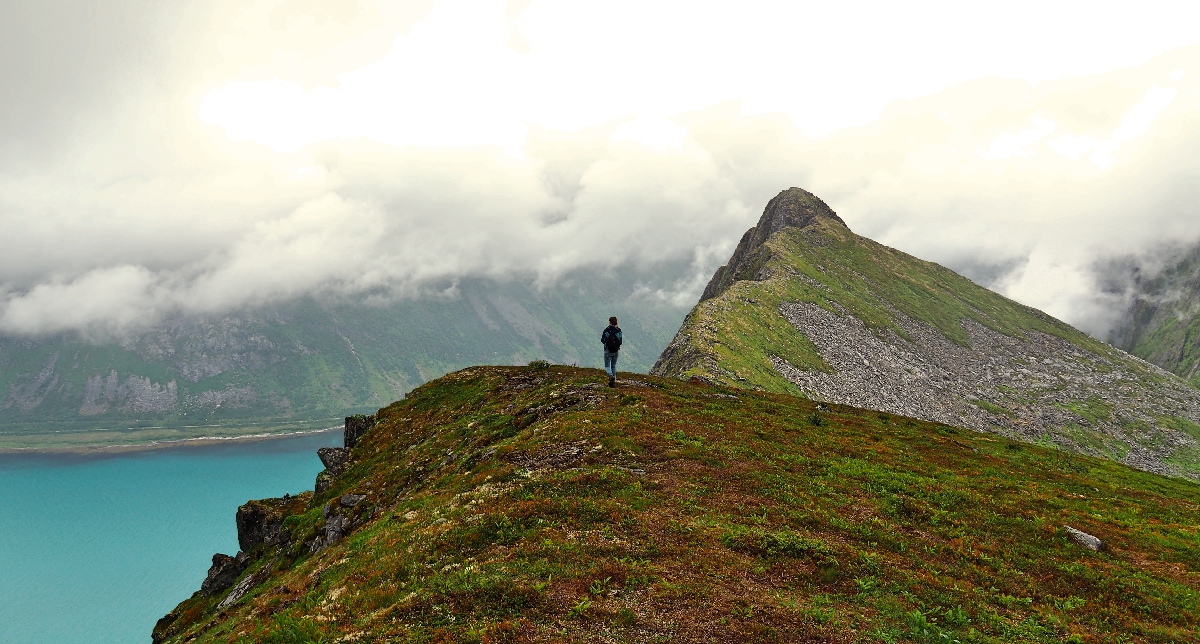
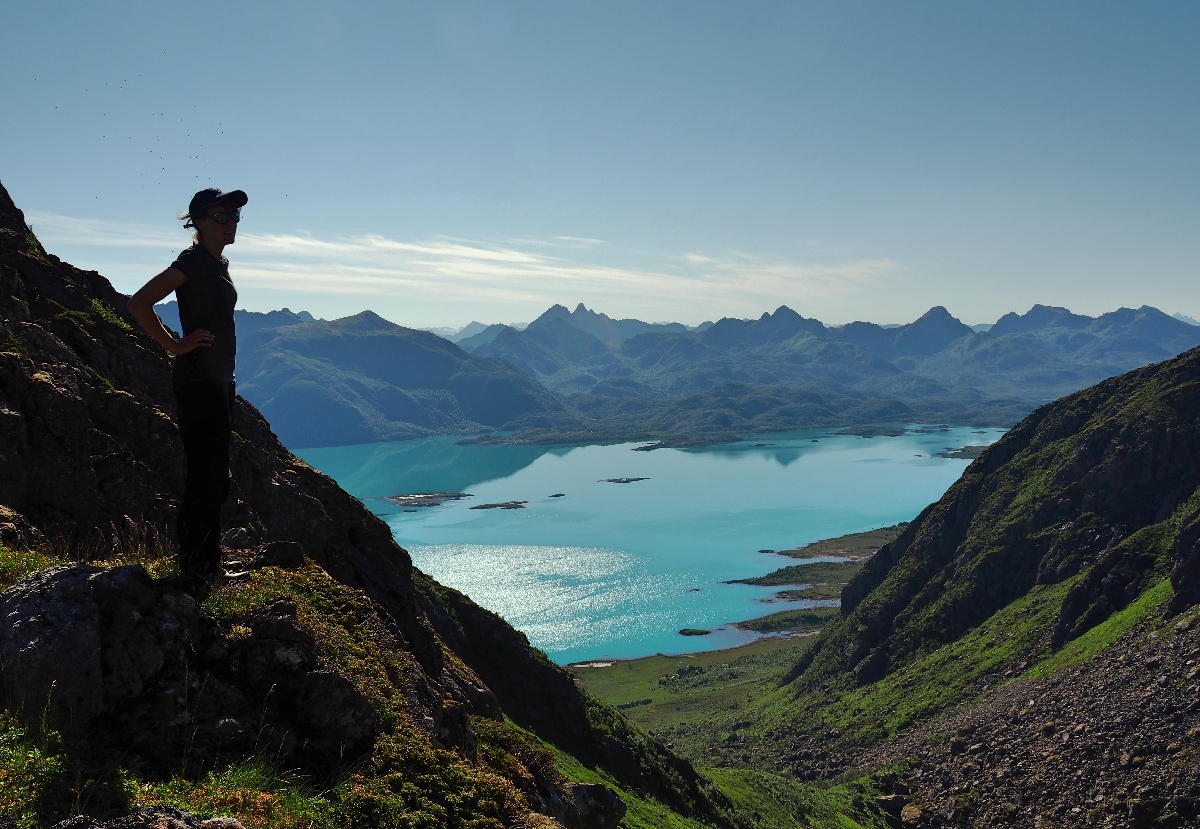
The following morning we were woken up by the loud horns of a Hurtigruten Ferry announcing its arrival in the port of Havøysund. When we stuck our heads out of the Volvo we were greeted by sunshine. We drove through the beautiful Porsanger Peninsula and hiked up a mountain offering a great view over the fjord. In the evening we reached Altafjord, where we stayed on a campground.
Porsanger Peninsula:
Altafjord:
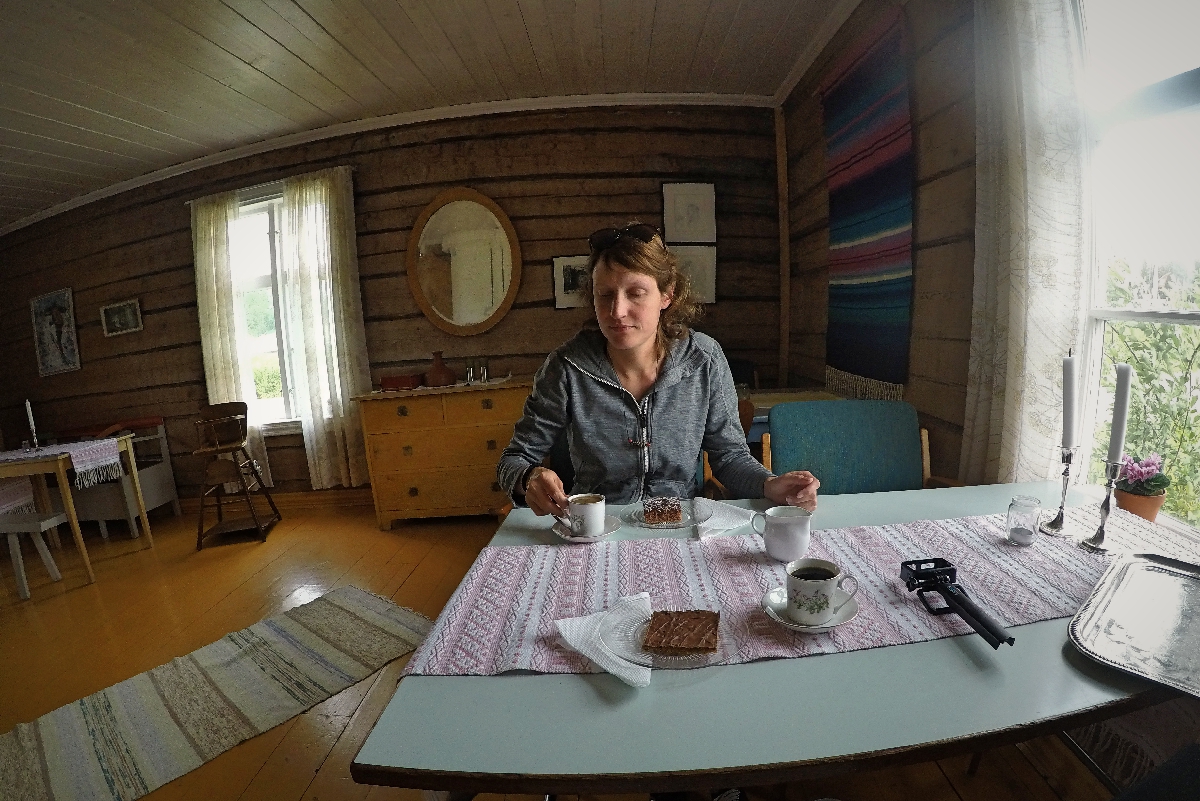
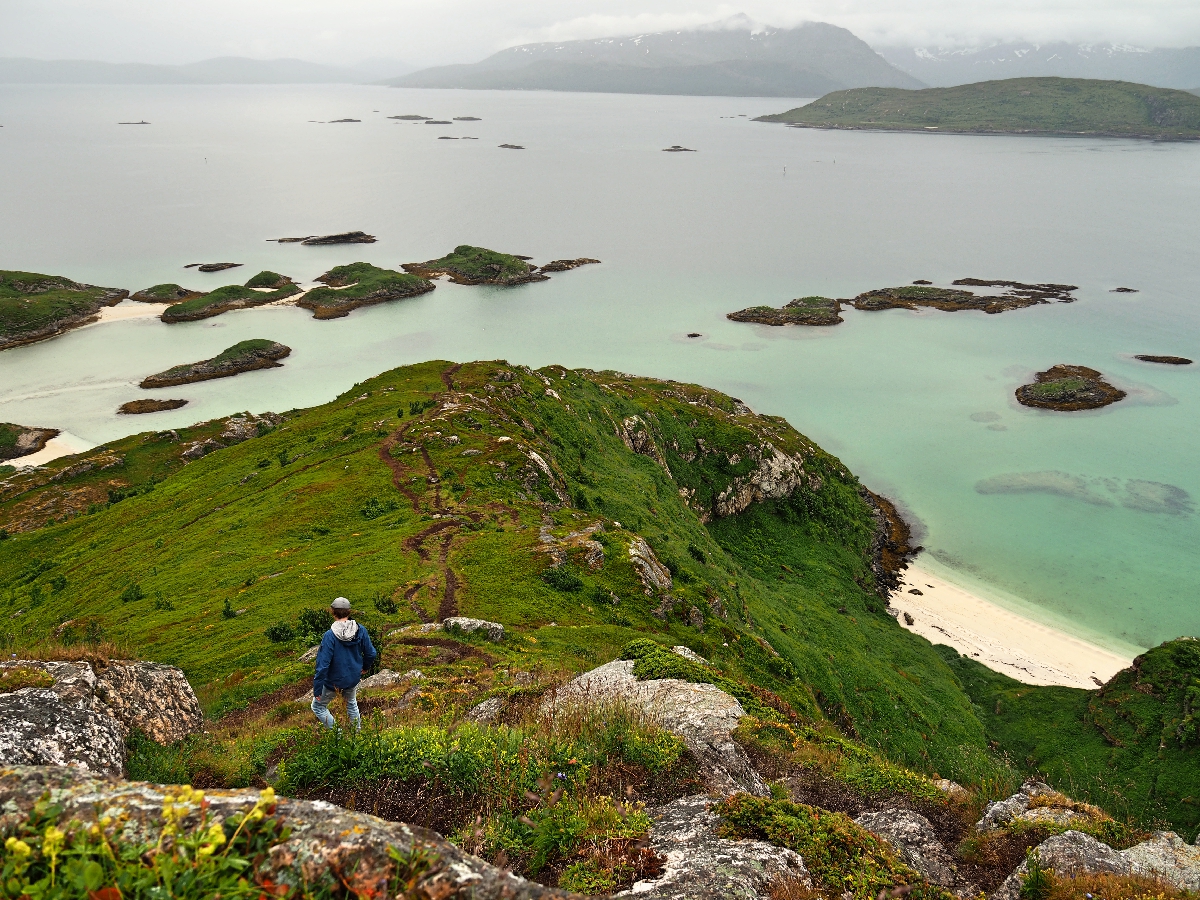
We made a quick stop in Tromsø where we met Mathias, a Norwegian friend of one of us. He showed us around town and we had lunch together in a café. He also gave us some much appreciated advice for our southbound route. We headed east to Sommarøy and stayed there for two nights in a nice hotel because of the rainy weather. It was a great spot to relax and we hiked up a small mountain from where we enjoyed a nice view of the surrounding islands.
Sommarøy:
Next we took the ferry to a region called Senja. From the village of Skaland we hiked up the Husfjellet mountain, but the weather was still rainy and the summit was covered in thick clouds so we weren’t able to enjoy the view. We spent the night in a campground in Torsmoveien.
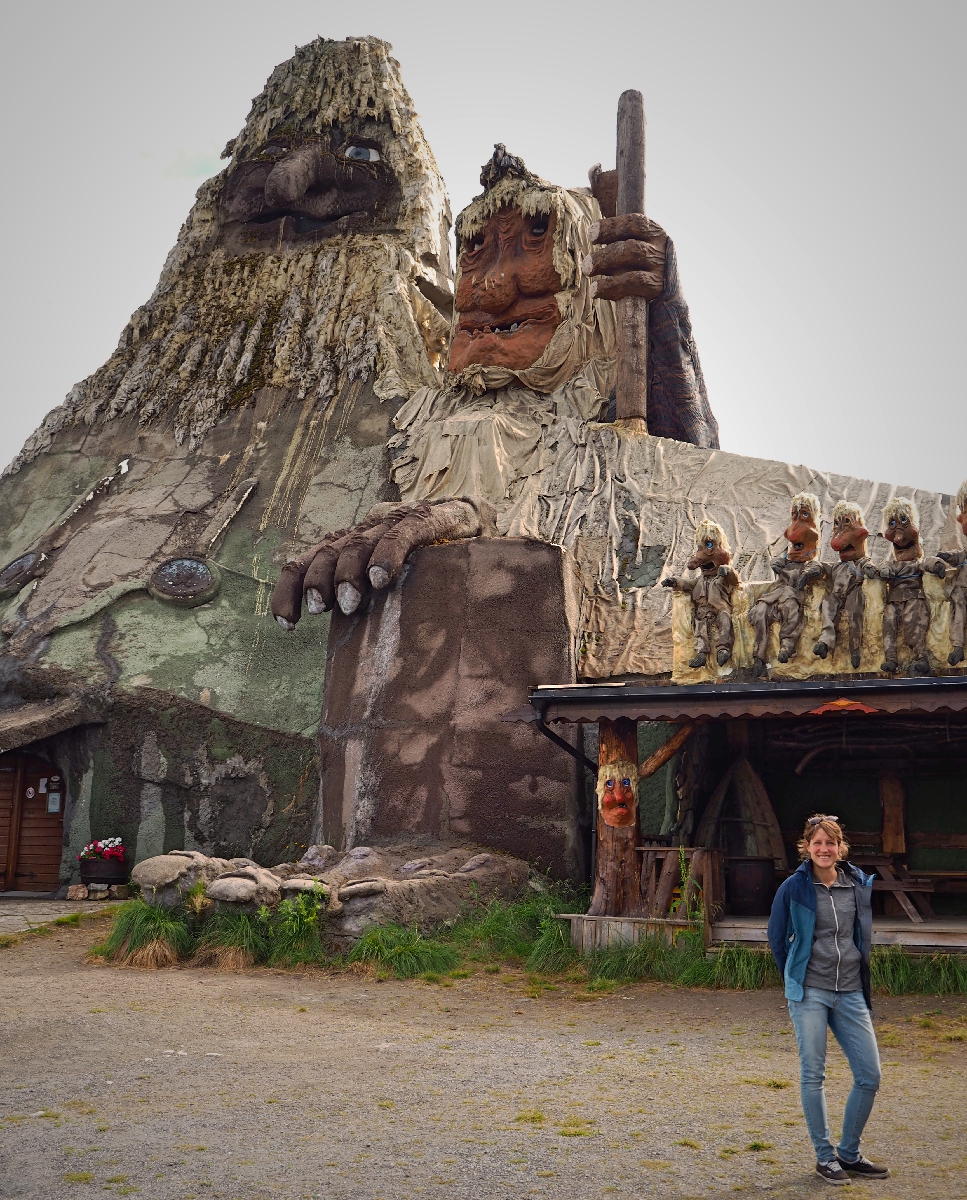
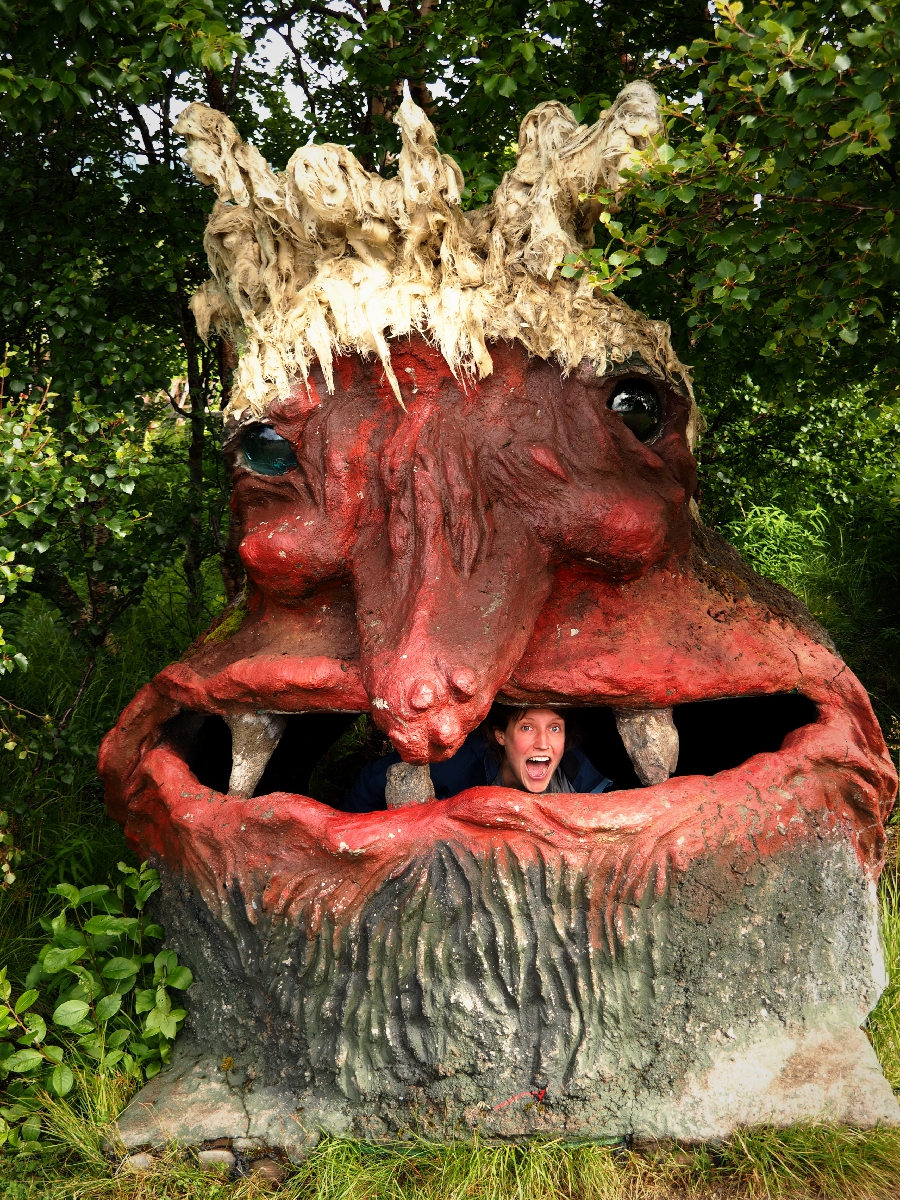
On the way to Gryllefjord we stopped quickly to see the Senjatrollet. From Gryllefjord we took a ferry to Andenes in the Vesterålen region. There we stayed in Bleik for the night.
Husfjellet:
Senjatrollet:
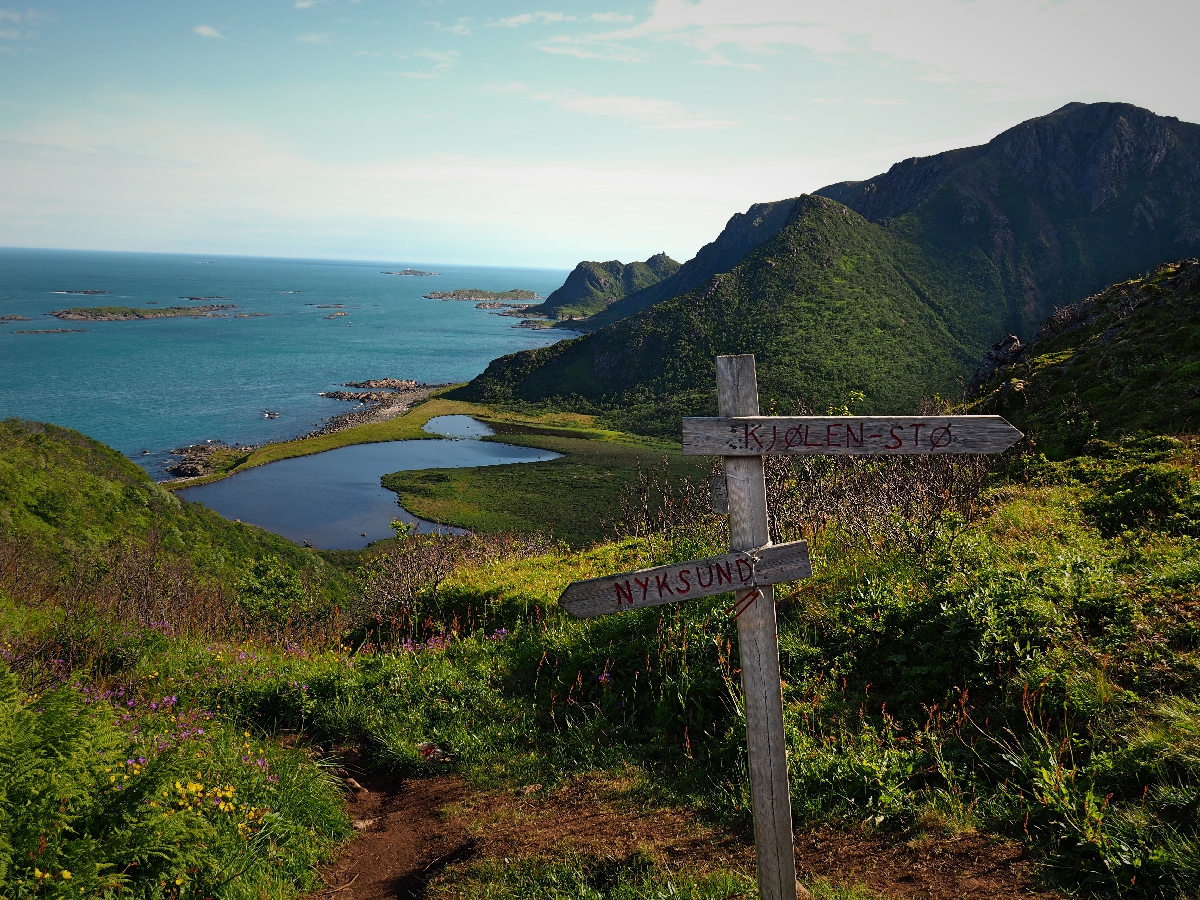
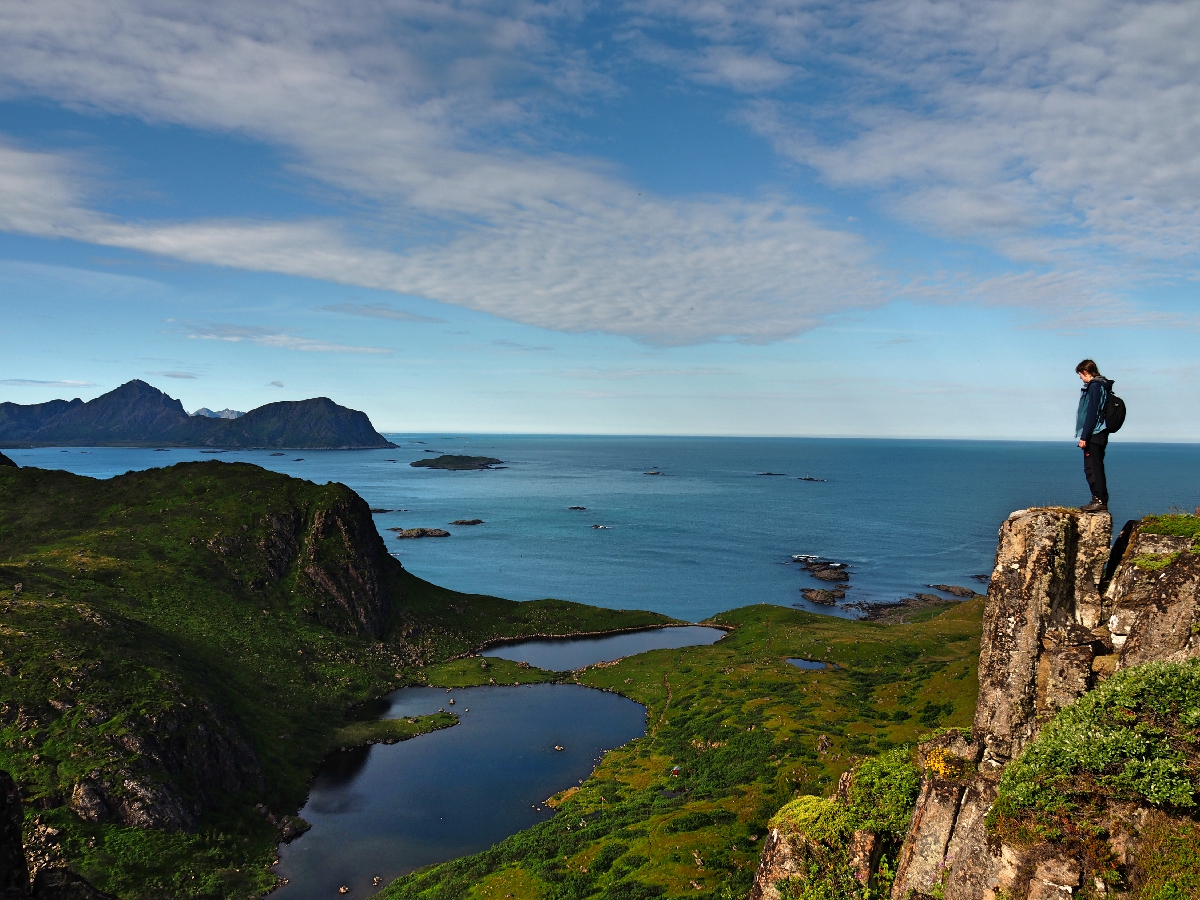
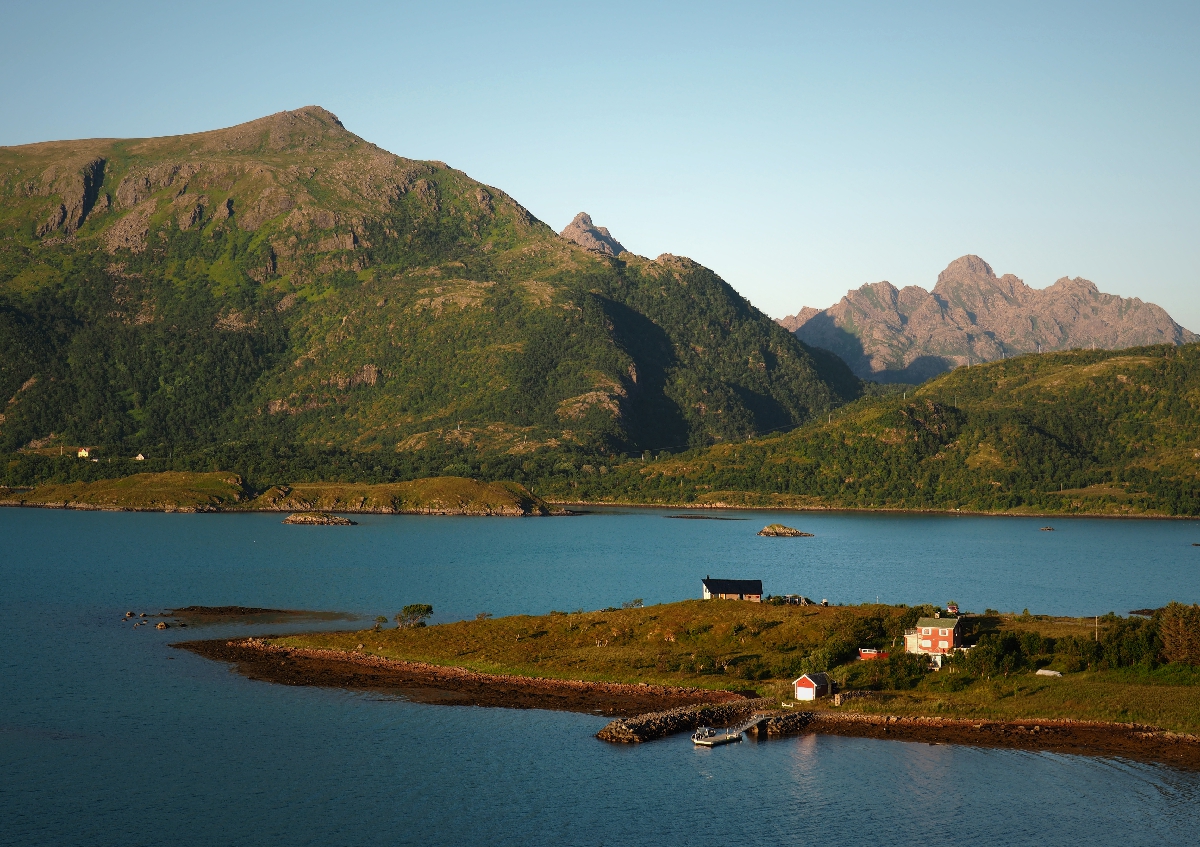
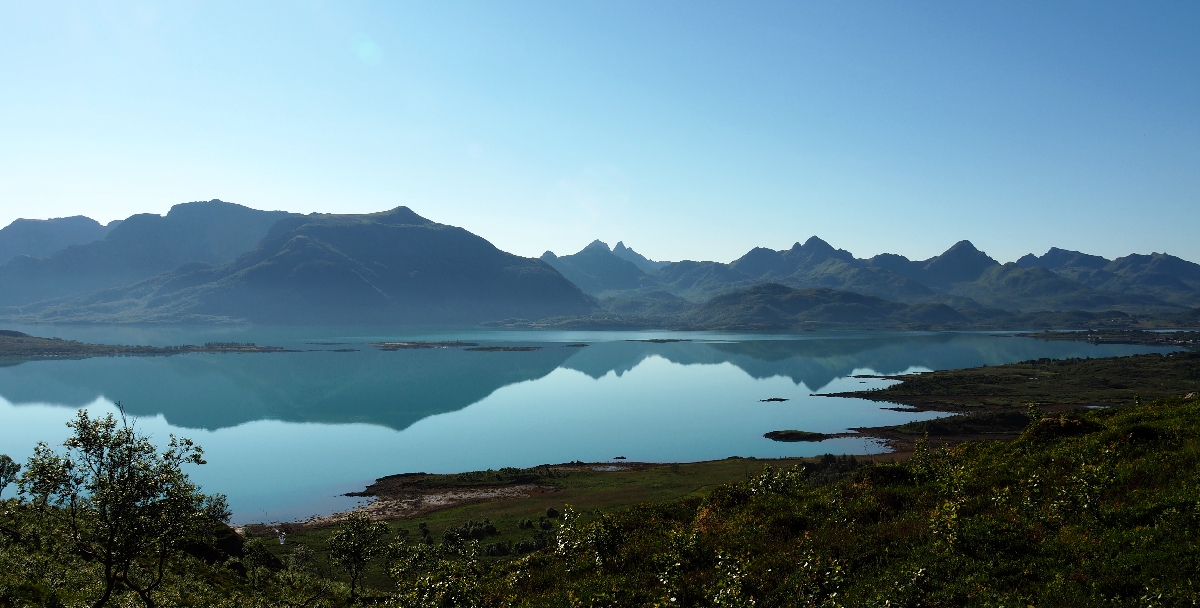
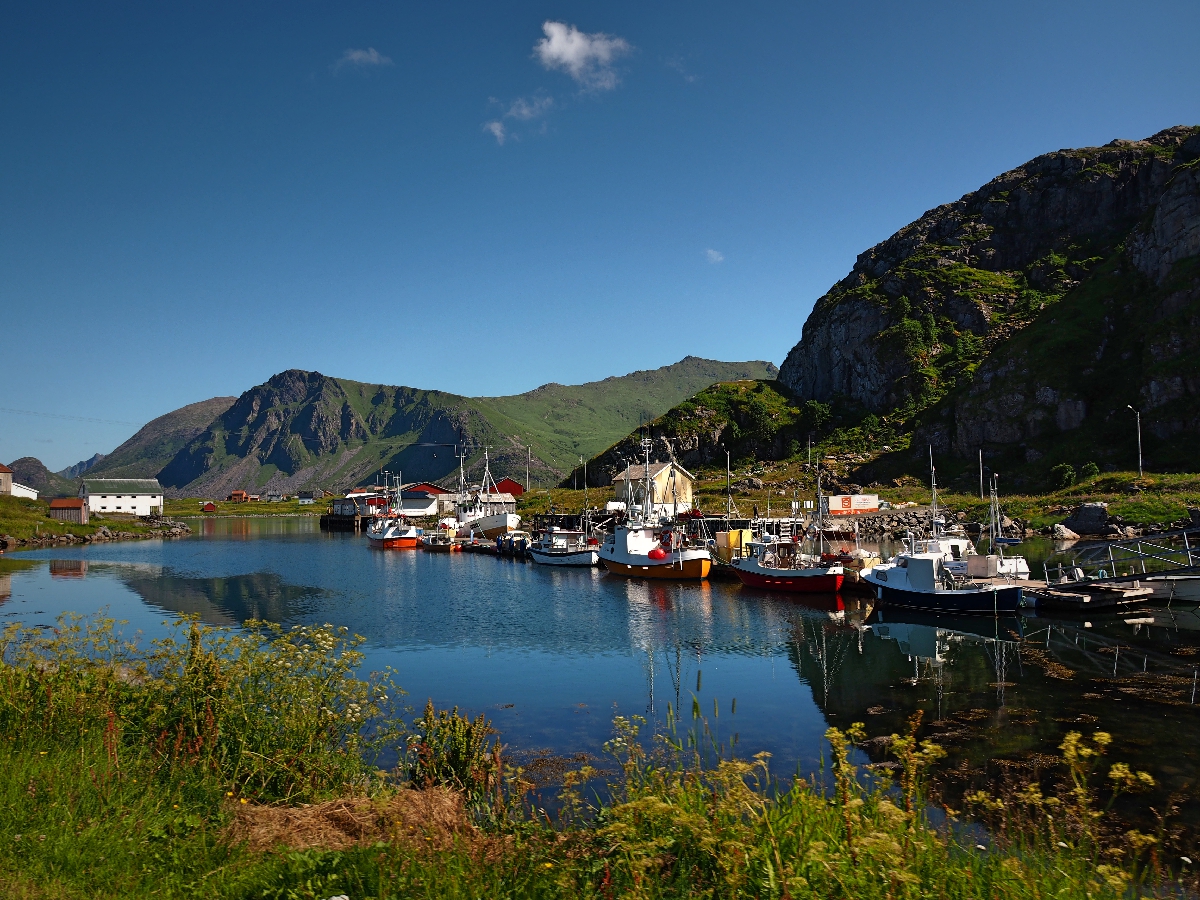
The following day we drove to Nyksund, a tiny fishing village where we camped wildly on a small peninsula. Early the next morning, we embarked on the Dronningruta, a 15 km round trip hike going over steep mountains and along the coast. It was finally sunny again and we really enjoyed the long and strenuous hike. Later we drove on to a beautifully located campground in Krakberget.
Camping in Nyksund:
Hiking the Dronningruta:
Camping in Krakberget:
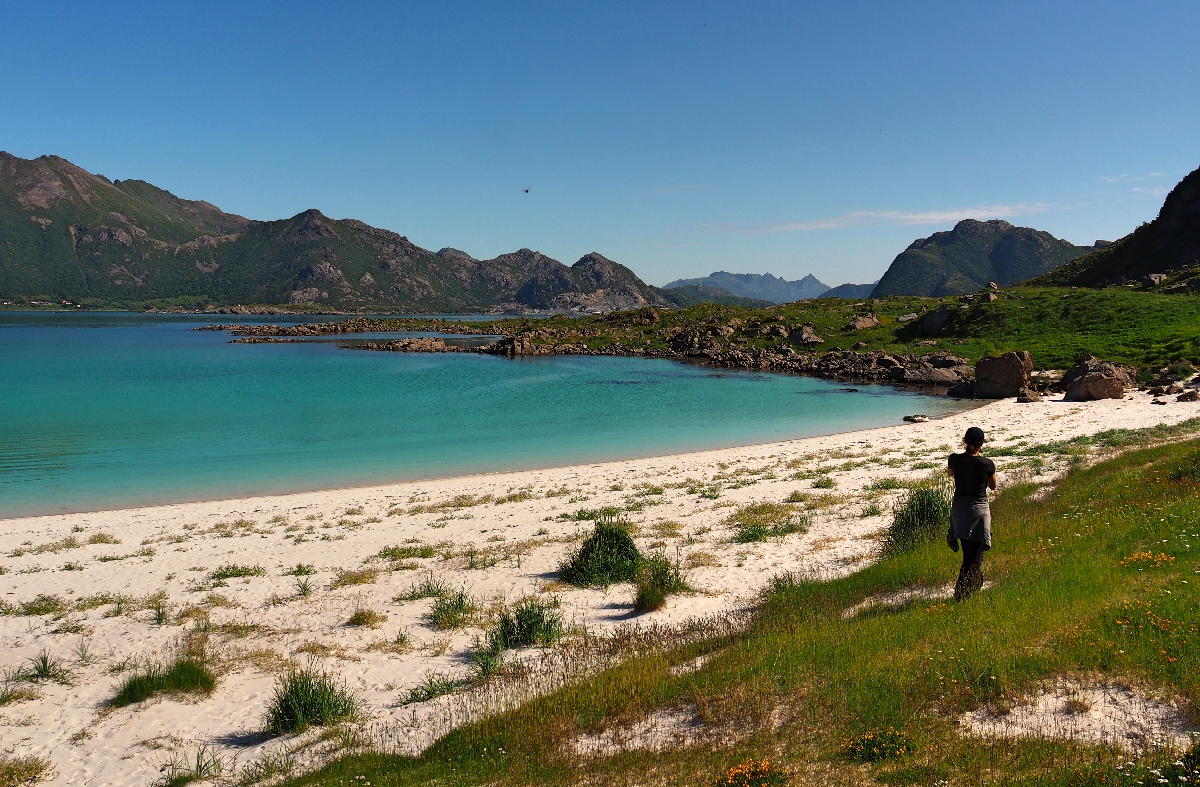
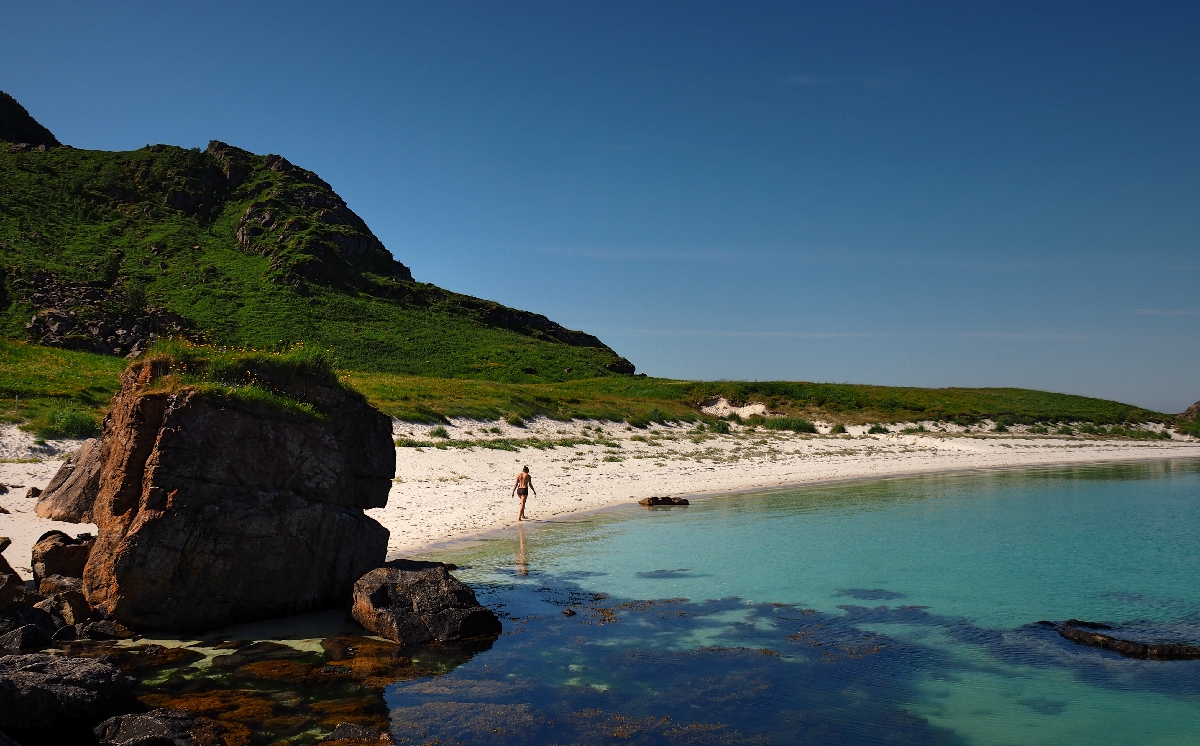
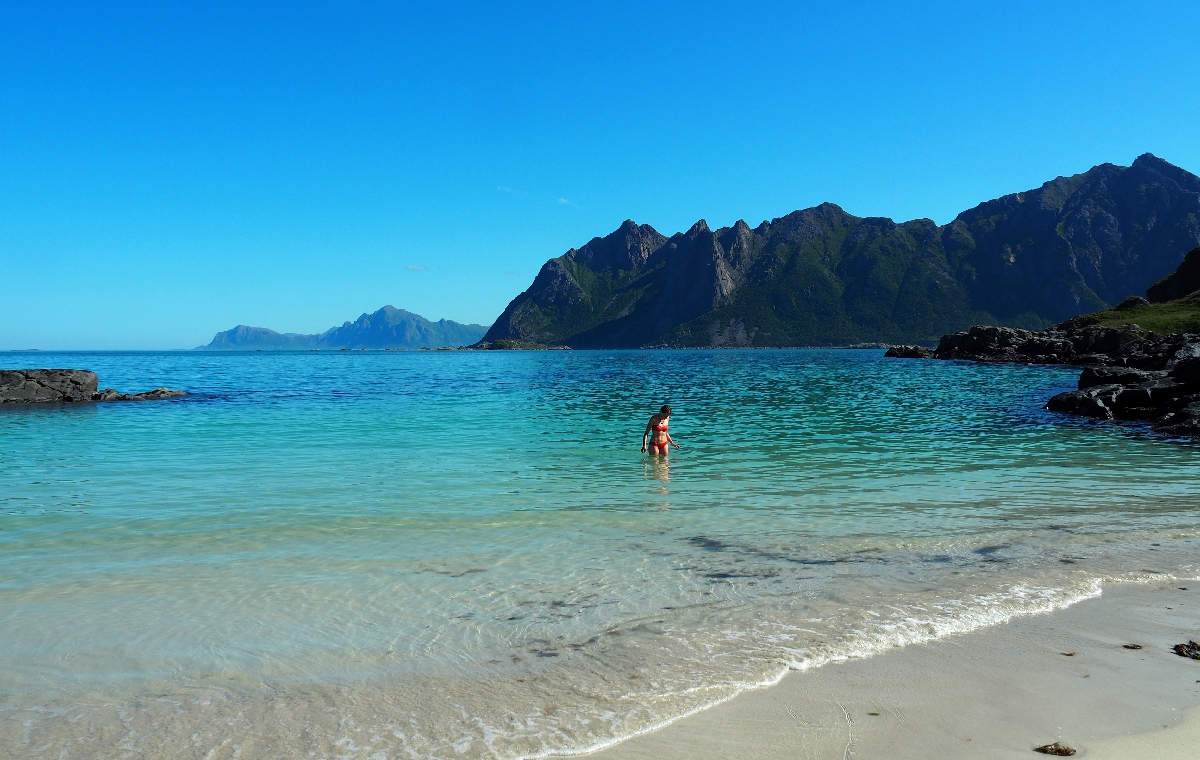
The next day we did a 16 km hike along the coast from Vikan to Åsand on which we came upon a beautiful and lonely white sandy beach. As there was no one around, we couldn’t resist skinny-dipping in the crystal clear, but very cold water. We spent another nice evening at the same campground as the day before.
Hiking along the coast:
View from campground:
We climbed another mountain the next morning. From its summit we spotted another beautiful beach over in Hovden and decided to drive there for lunch. Afterwards we headed direction Lofoten and camped in Laukvik. The tent area was quite swampy. There was a family from Belgium that got stuck with their car and had to be pulled out with a tractor.
Summit view:
Hovden:
On the way to Laukvik:
Swampy campground:
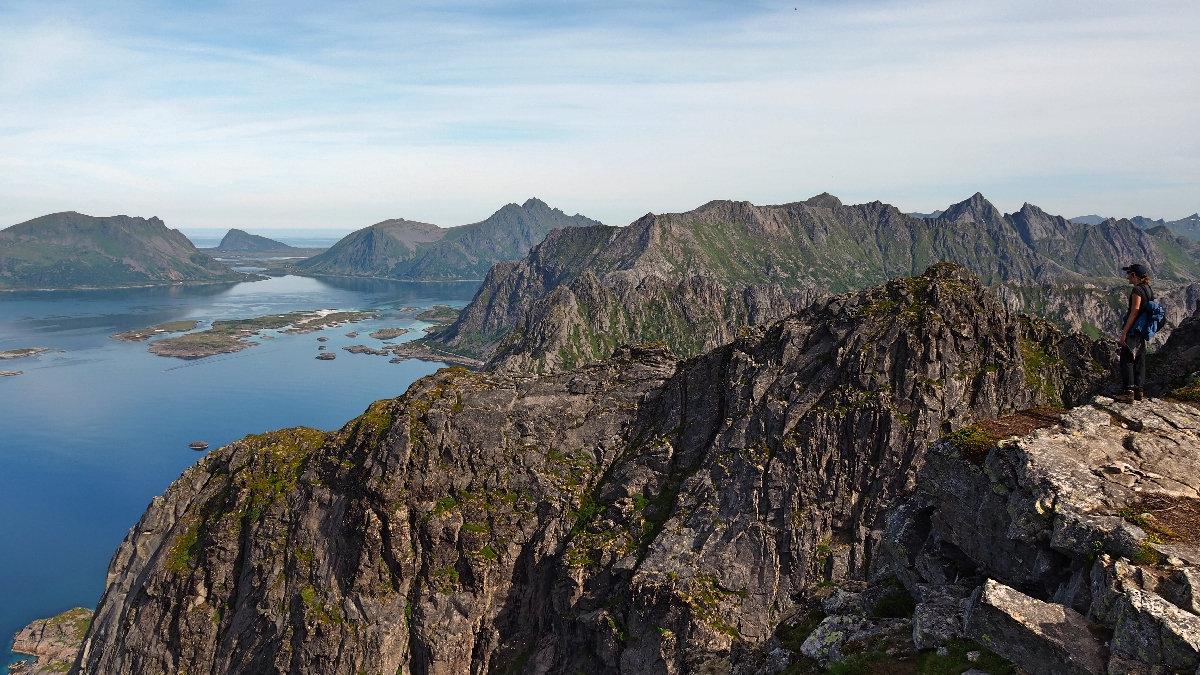
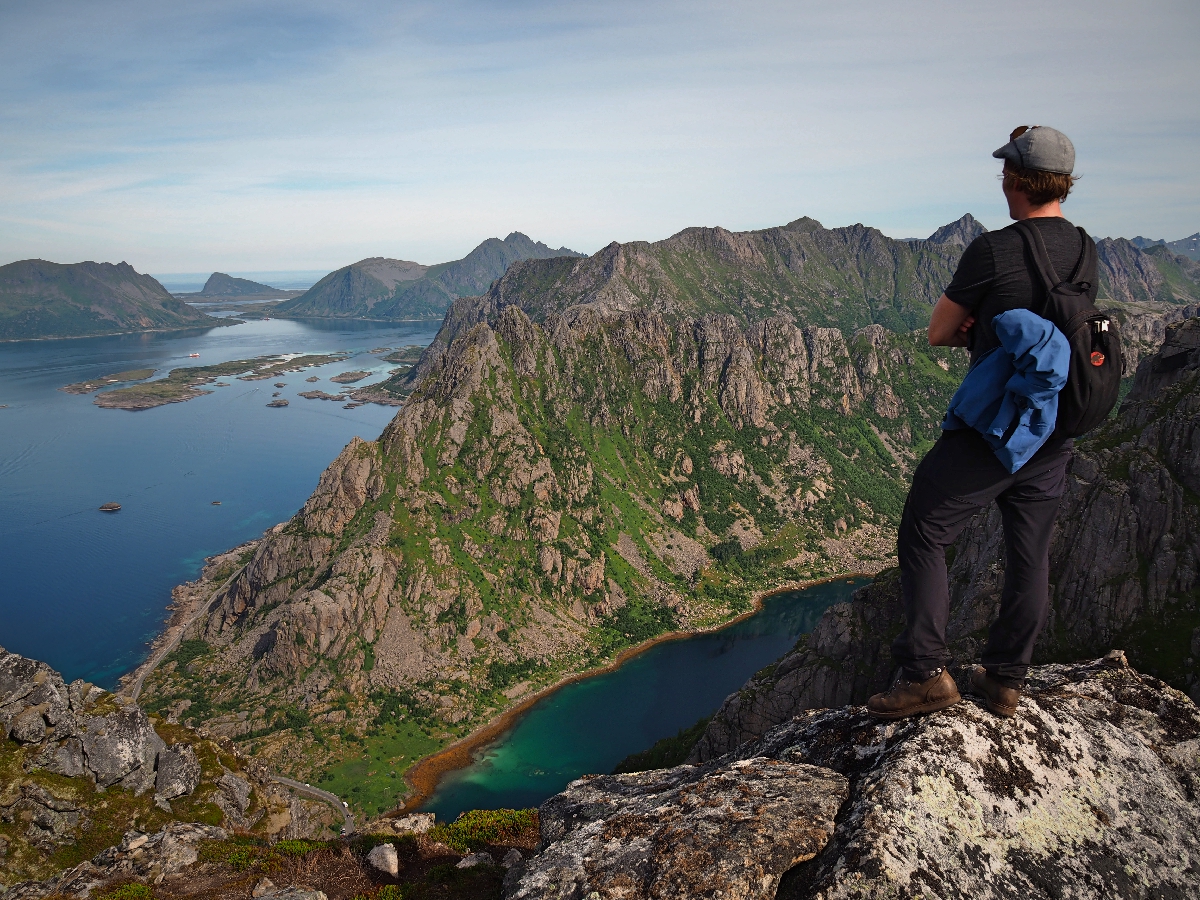
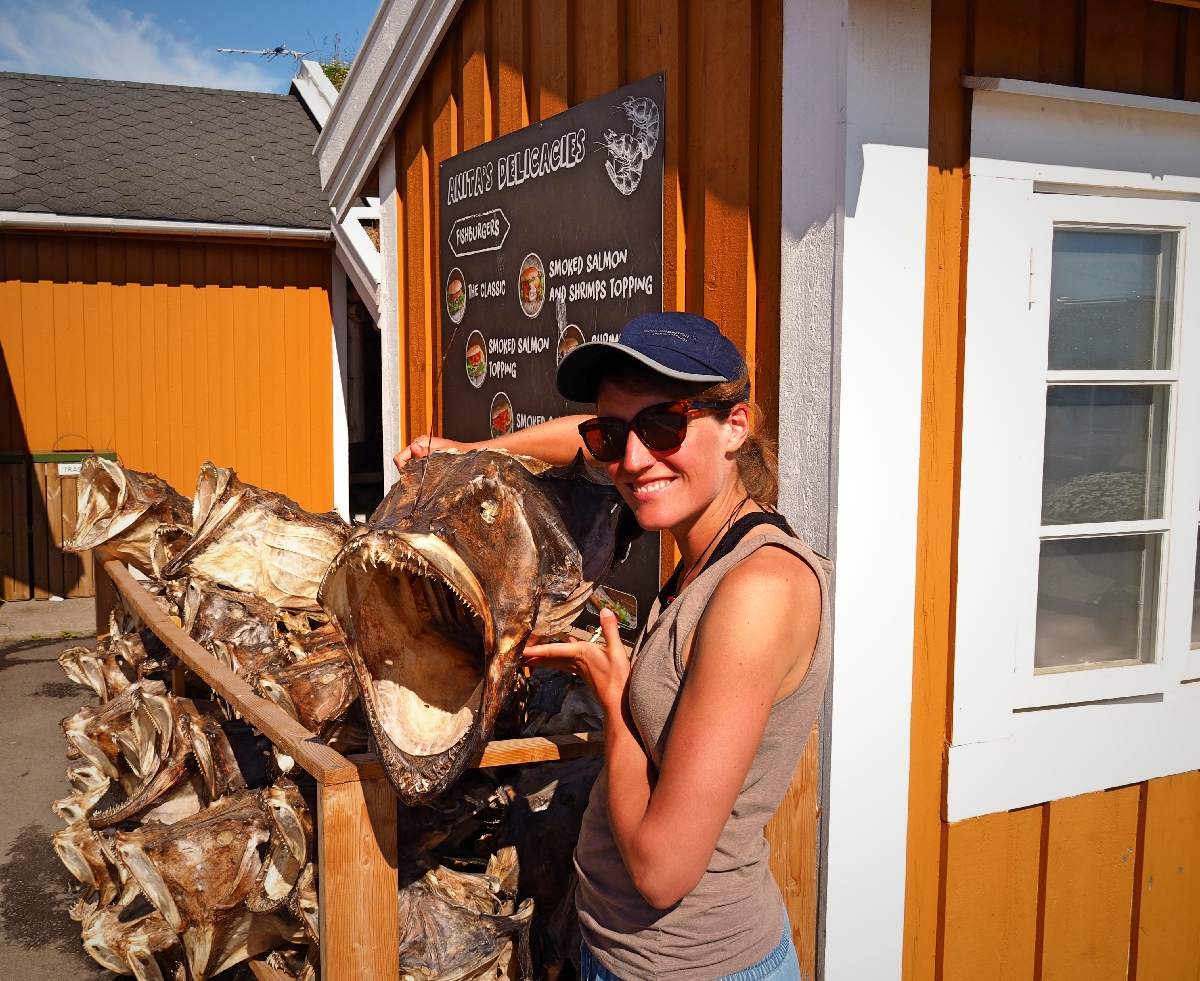
Right next to Henningsvær we climbed up the Festvågtind mountain. It was a pretty steep ascent, but it was definitely worth the spectacular 360 degree view of the Lofoten coastline. We drove on through picturesque fishing villages and slept in Fredvang.
On the way to Henningsvær:
Festvågtind:
Lunch stop:
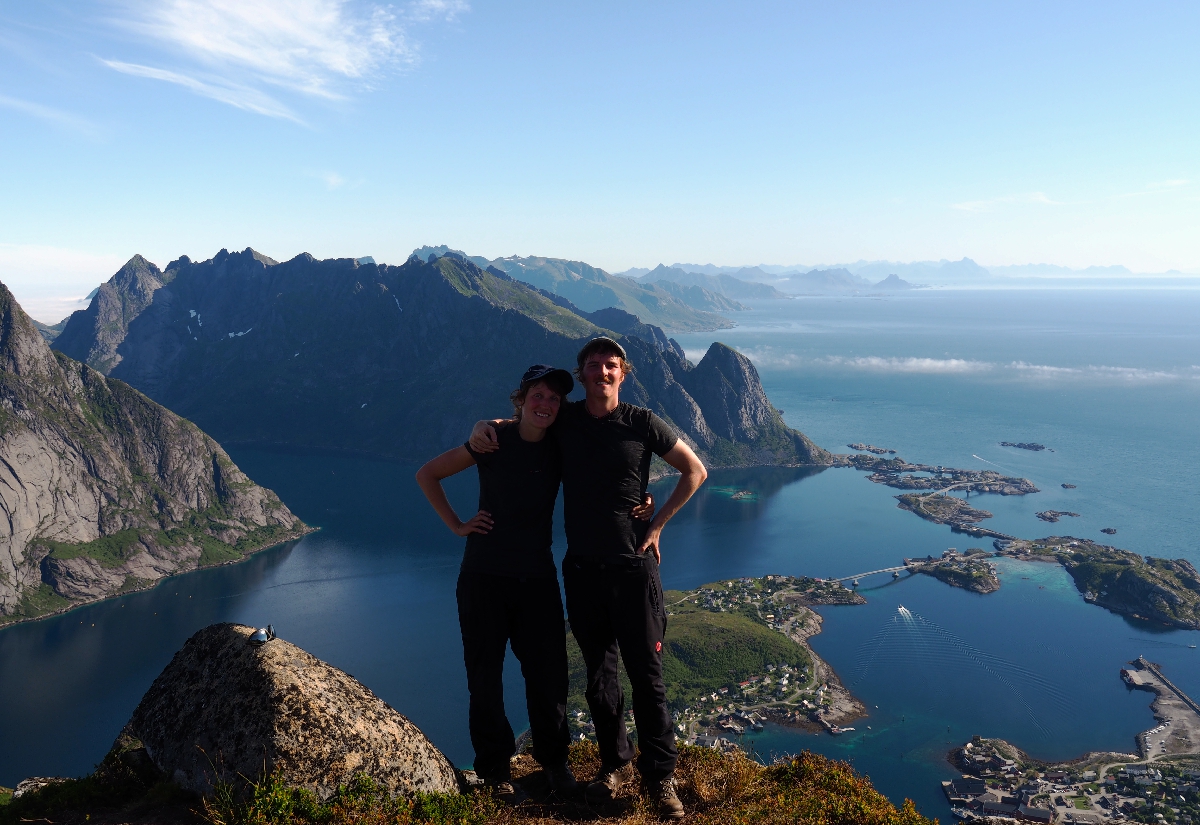
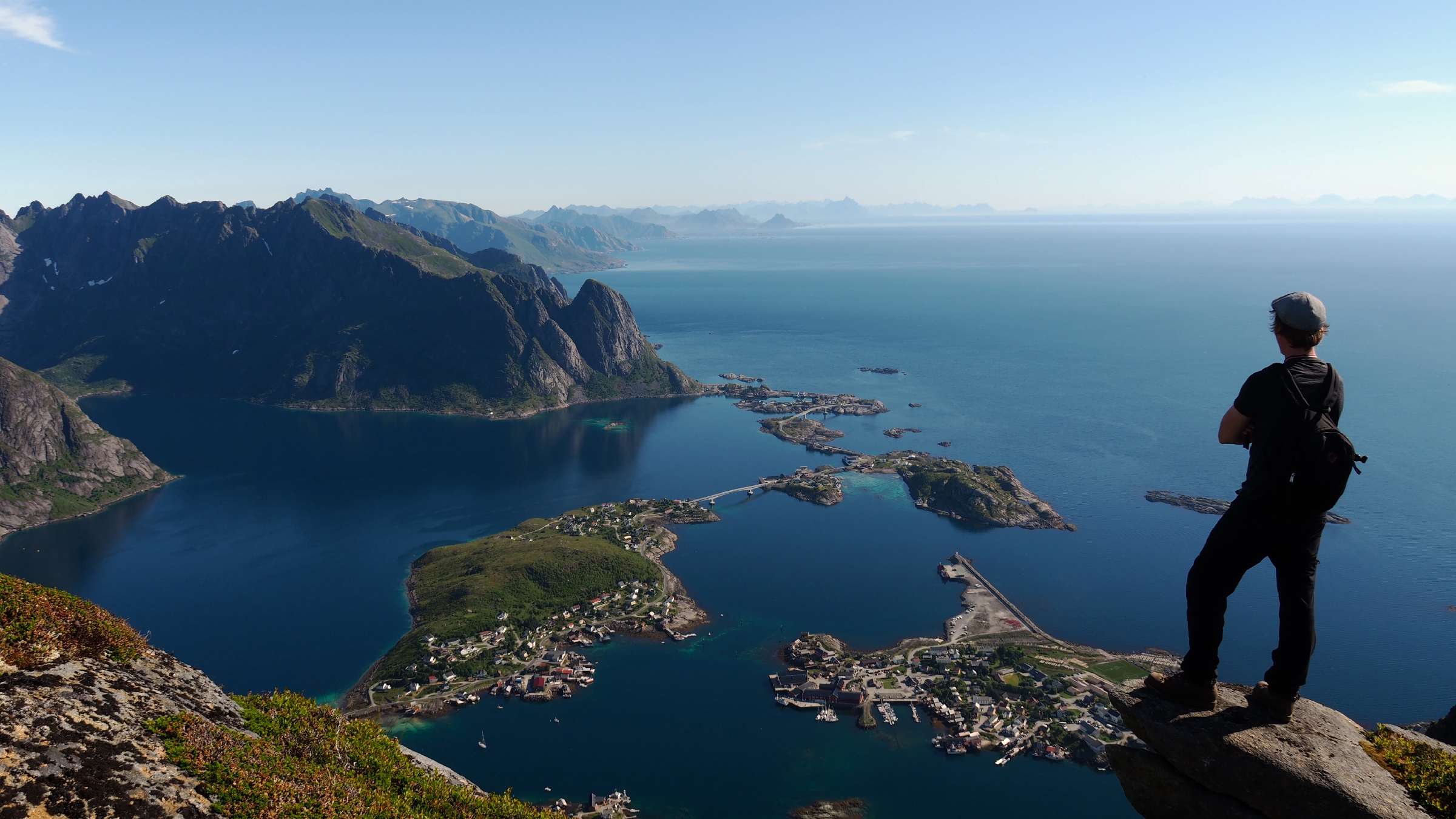
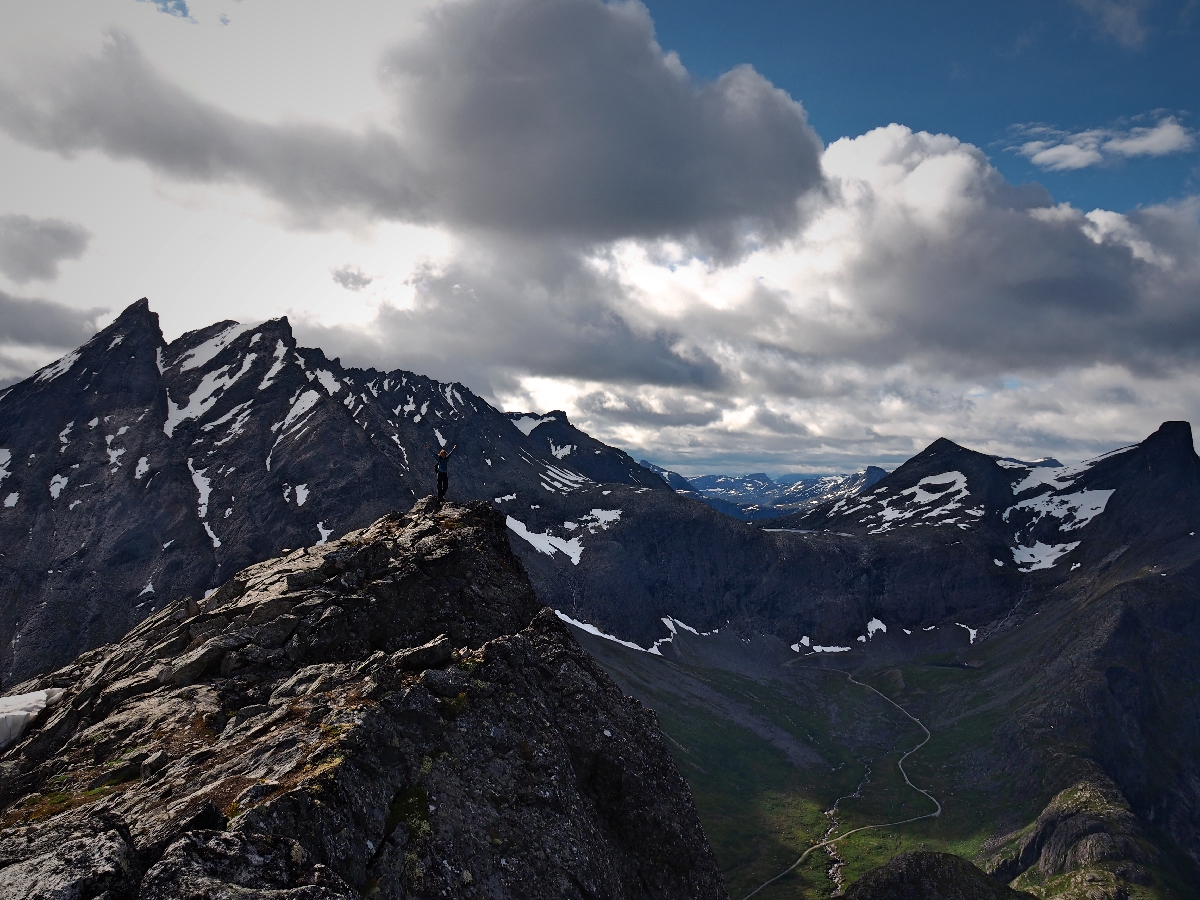
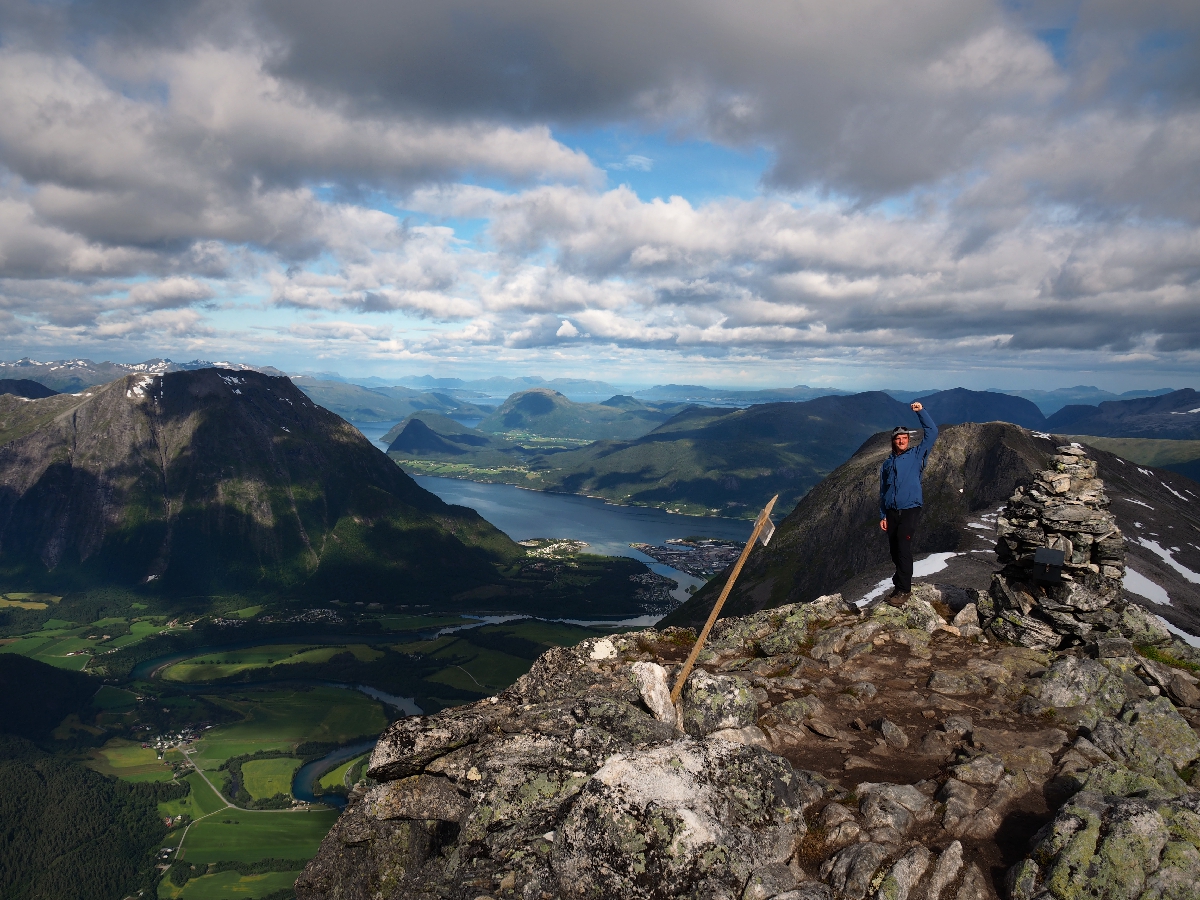
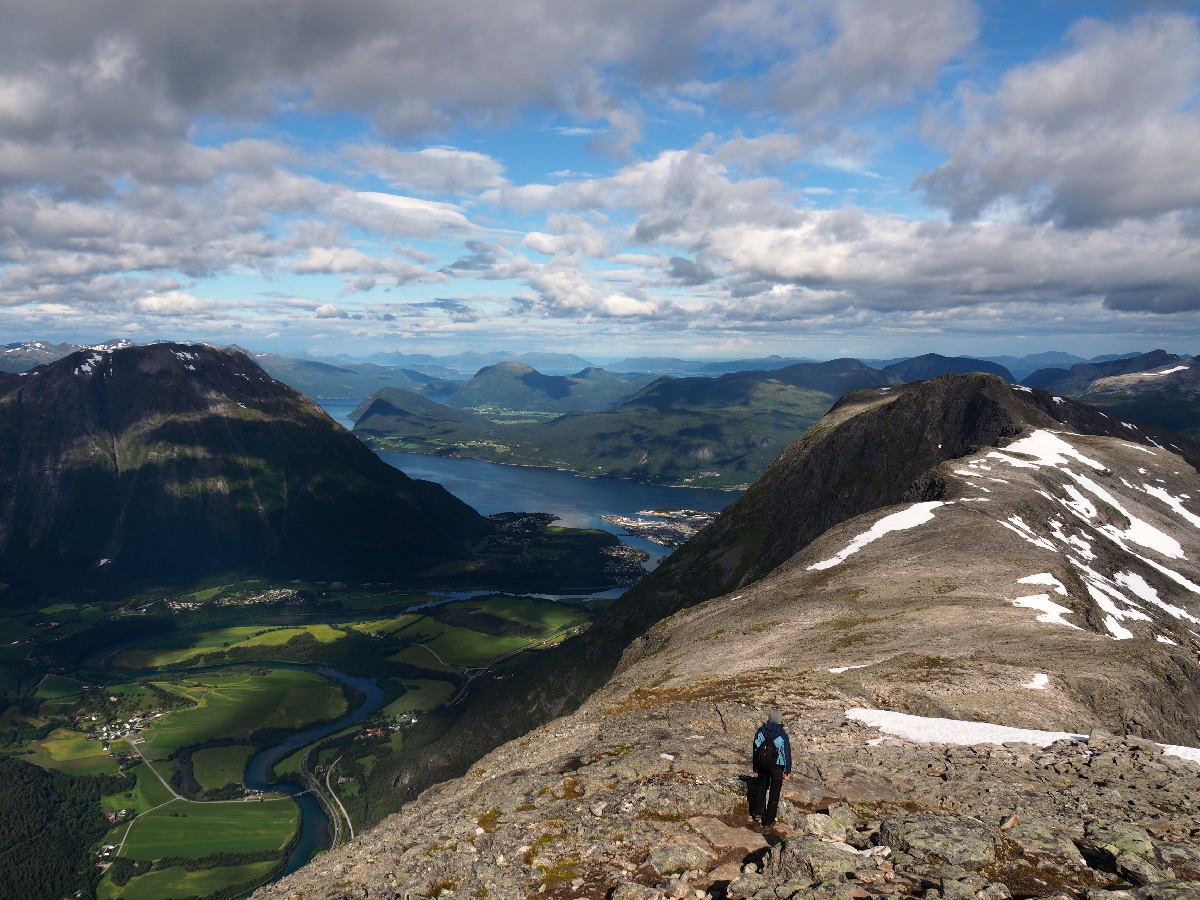
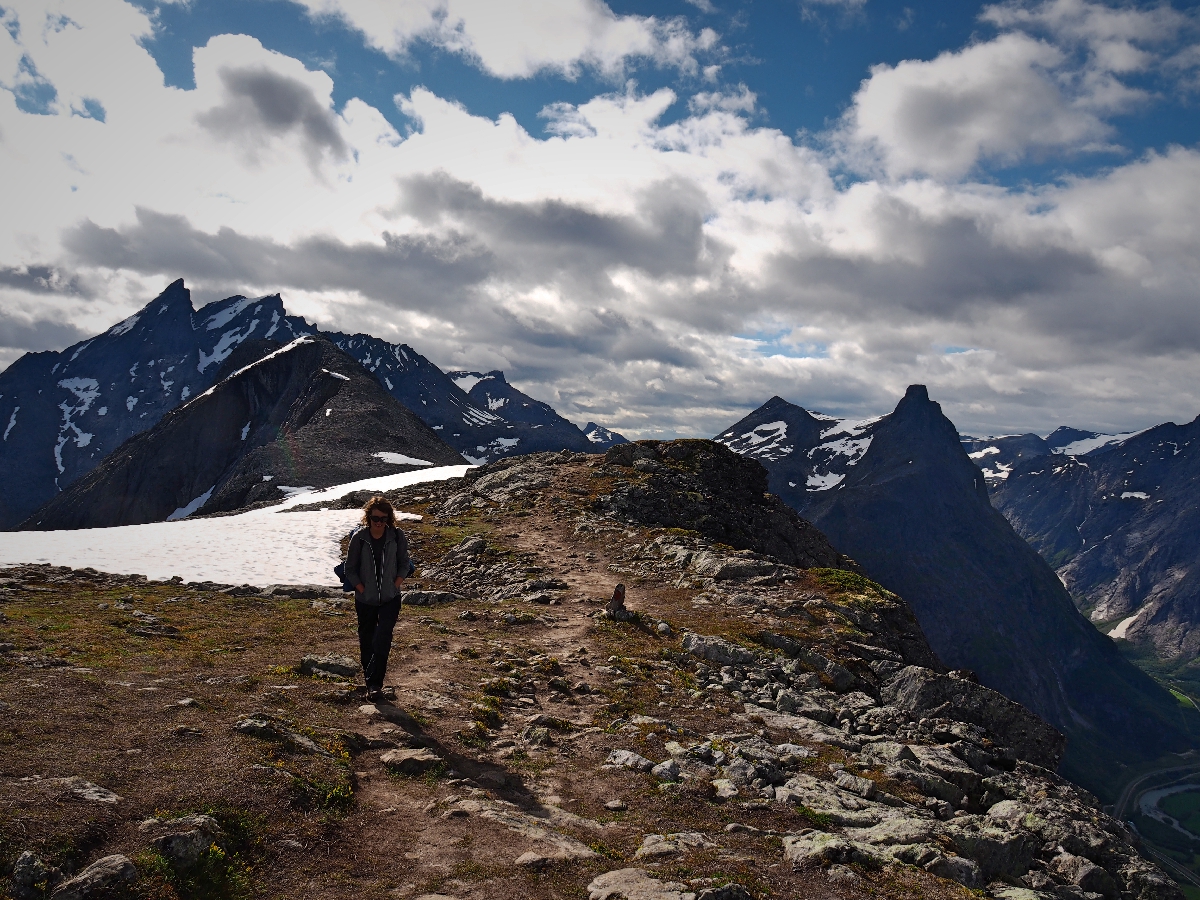
The next morning we woke up covered in thick fog. But luckily on our way to Reine the fog started to clear off and we had a clear view and perfect weather to hike up the Reinebringen. Reaching its peak and walking further up along the ridge to another summit, the views we got were beyond our wildest expectations. We dwelled up there for a moment to soak up the moment in this beautiful environment before descending and driving on to Moskenes, where we took the ferry to Bodø.
Reinebringen:
Before the ferry:
Bodø:
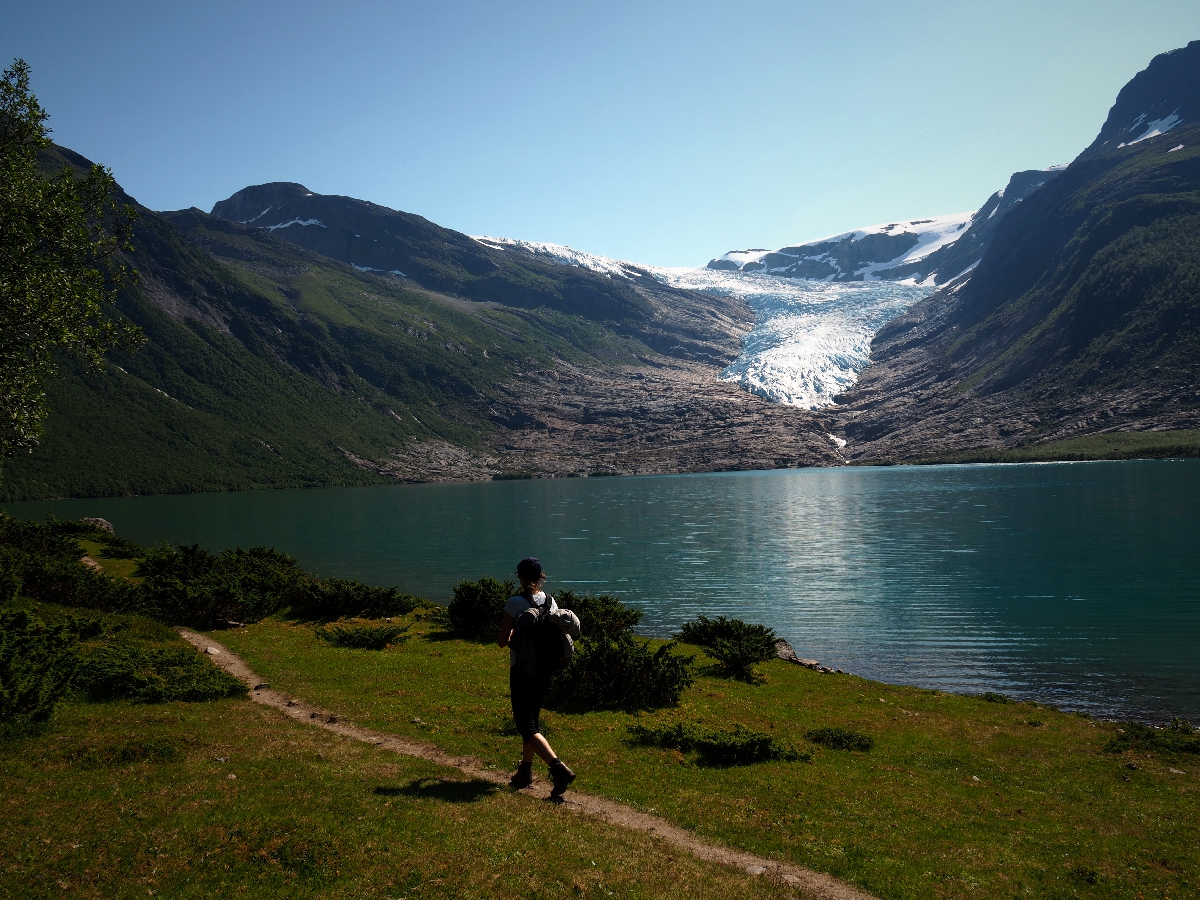
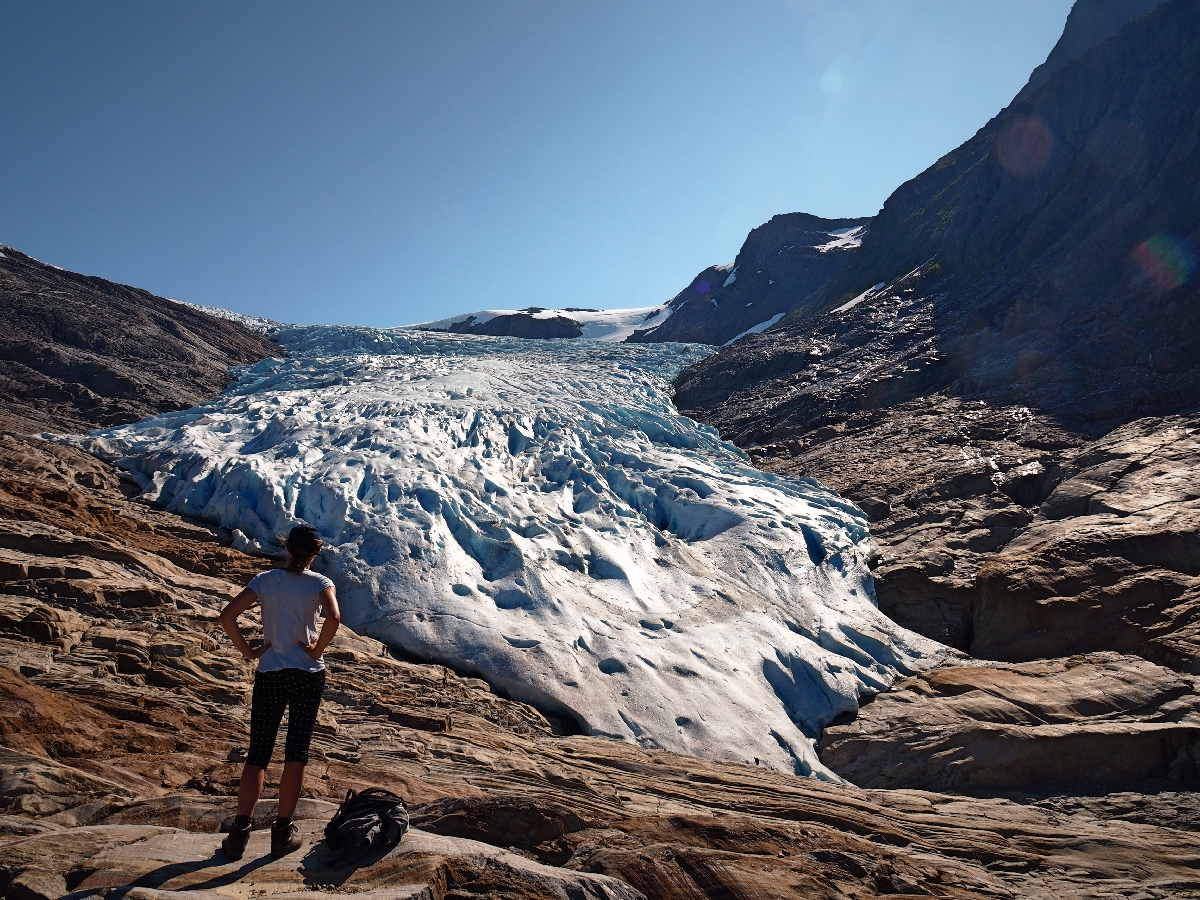
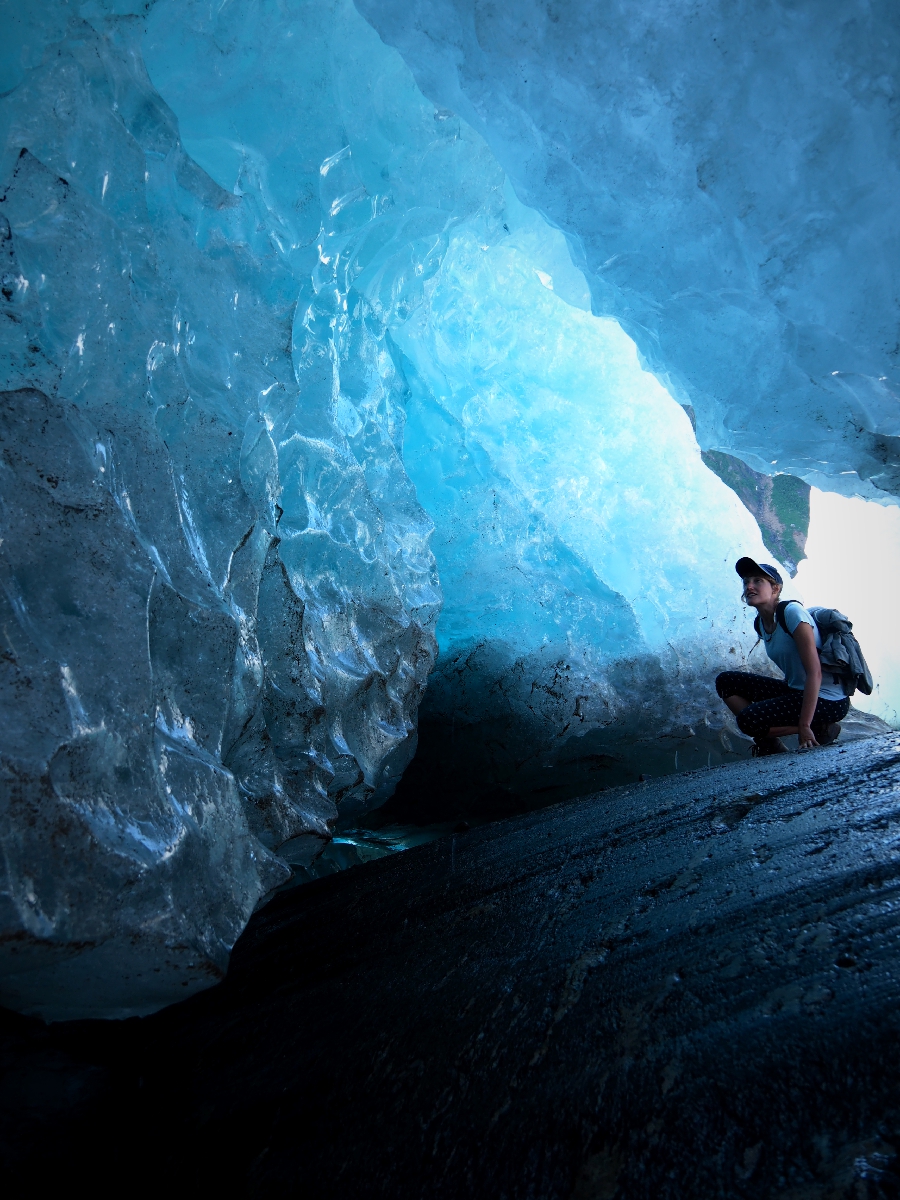
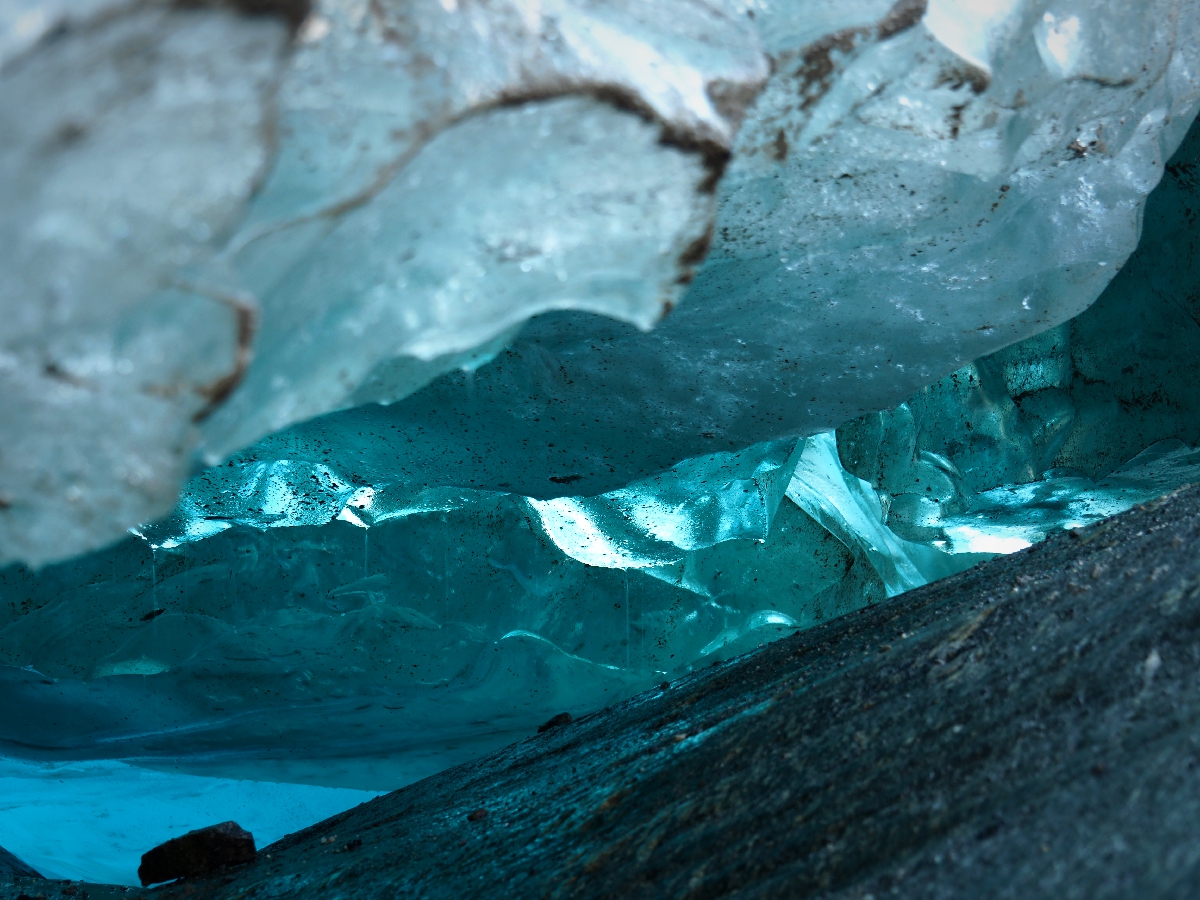
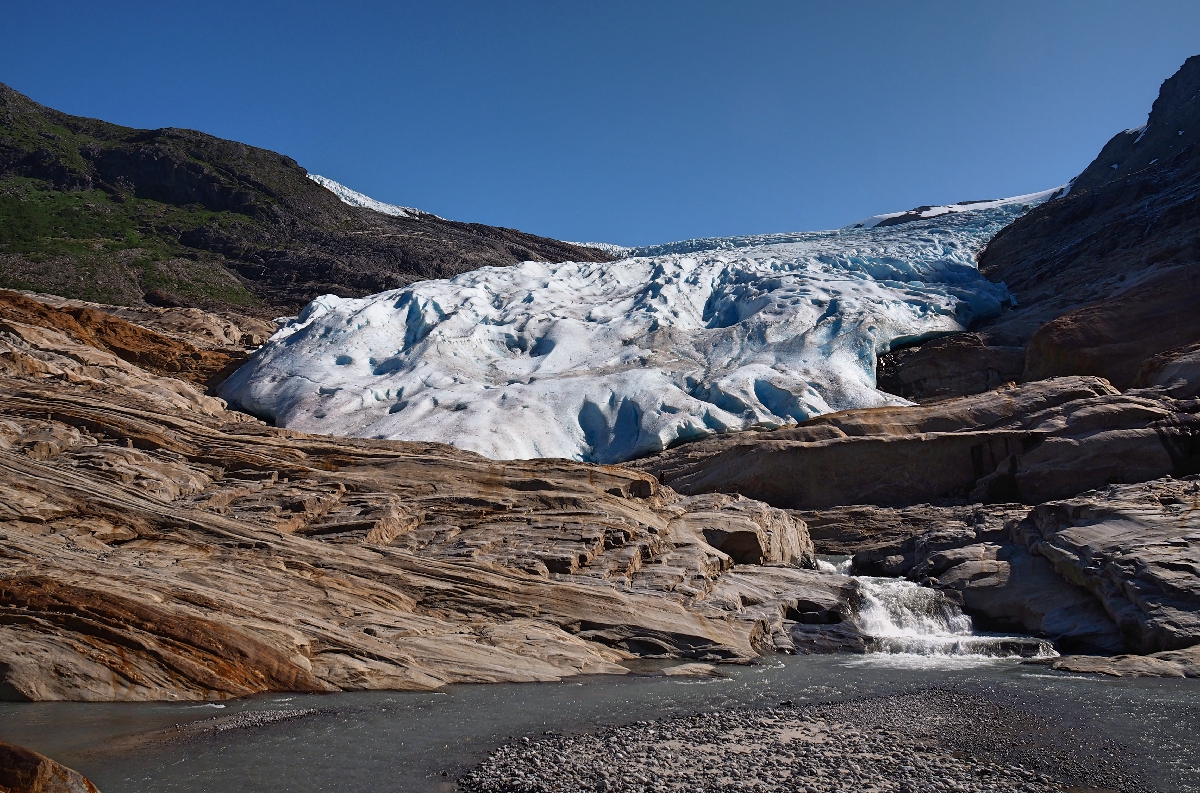
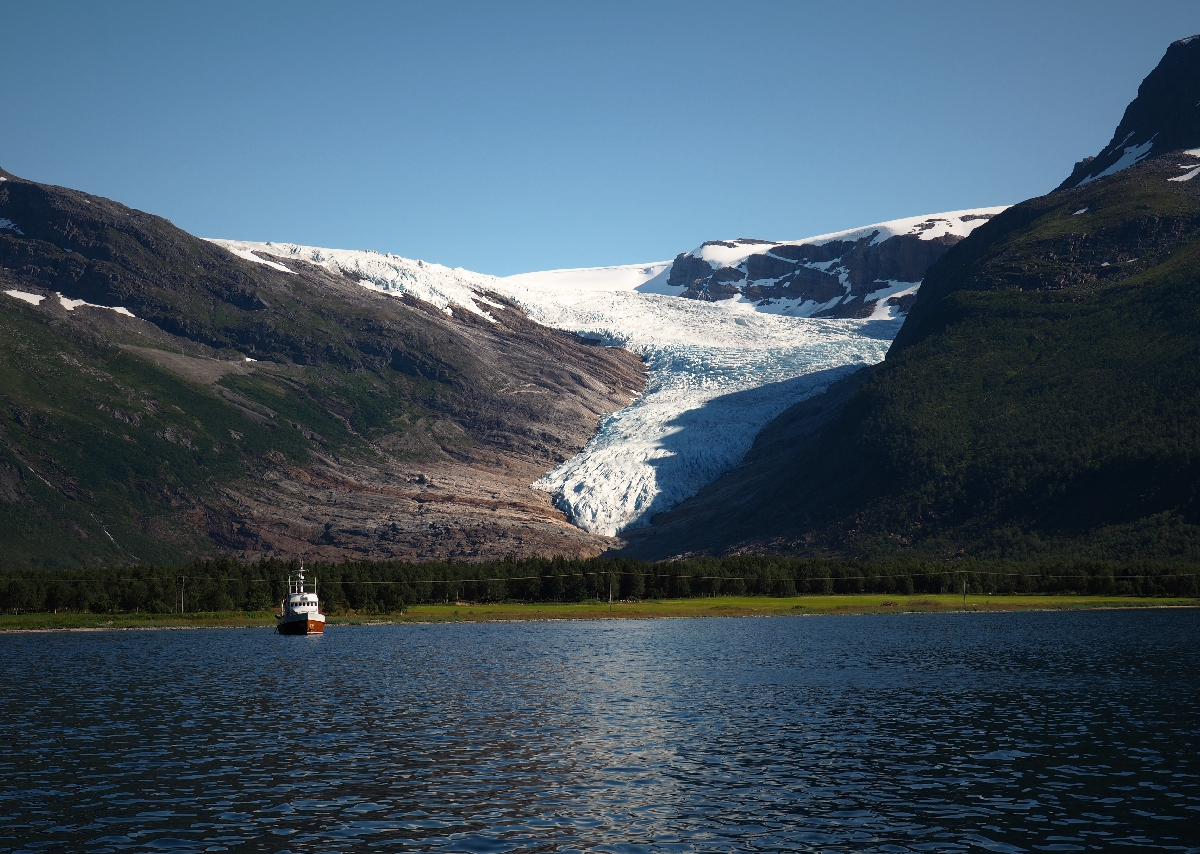
We continued on the coastal Route 17 and stopped at Malmstrøm in Saltstraumen to watch the swirls of the world’s strongest tidal current. A few kilometers further we spotted a big moose on the side of the road. But when we turned back to take a picture it had already disappeared into the woods. We continued to Holandsfjord where we took a boat to get to the other side. From there we hiked 5 km to the Svaritsen glacier, the lowest glacier in Europe and the second largest of Norway. We walked over a rocky landscape which had obviously been smoothened by the glacier for thousands of years. As there was no snow on the glacier tongue, its ice was clearly visible and shimmered in all different shades of blue. We were able to get up close and even look underneath it. Before we hiked back to the boat we filled our empty bottles with refreshing glacial water. For the night we found a nice campground in Forøy.
Svaritsen glacier:
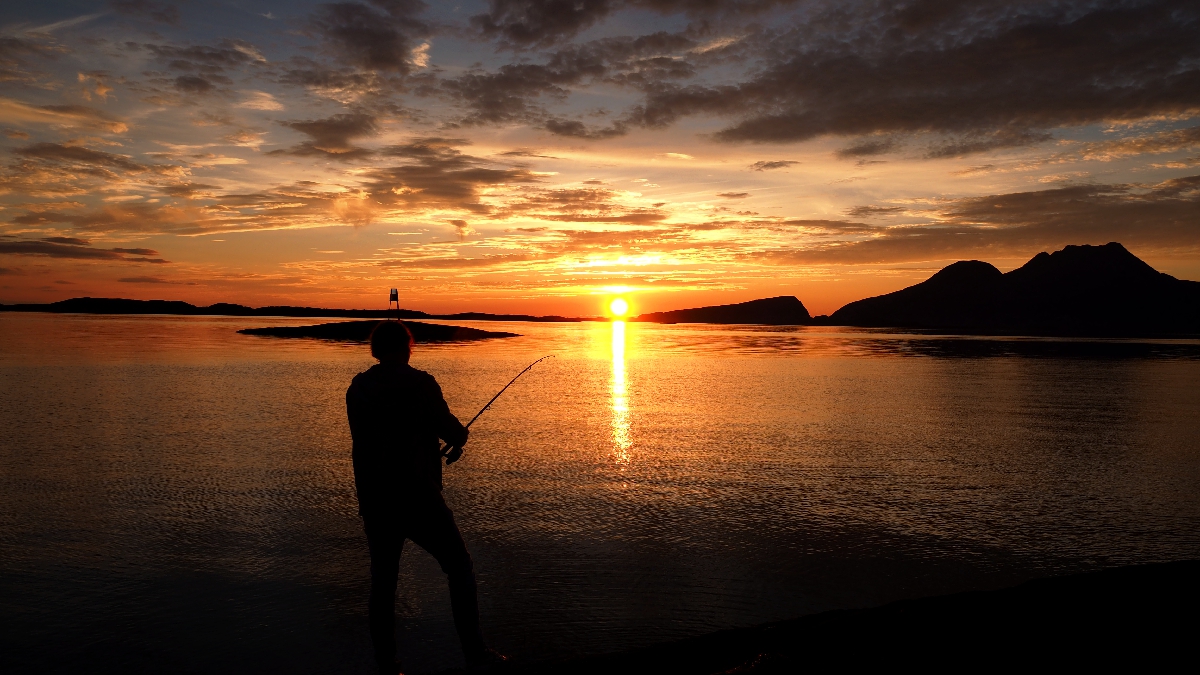
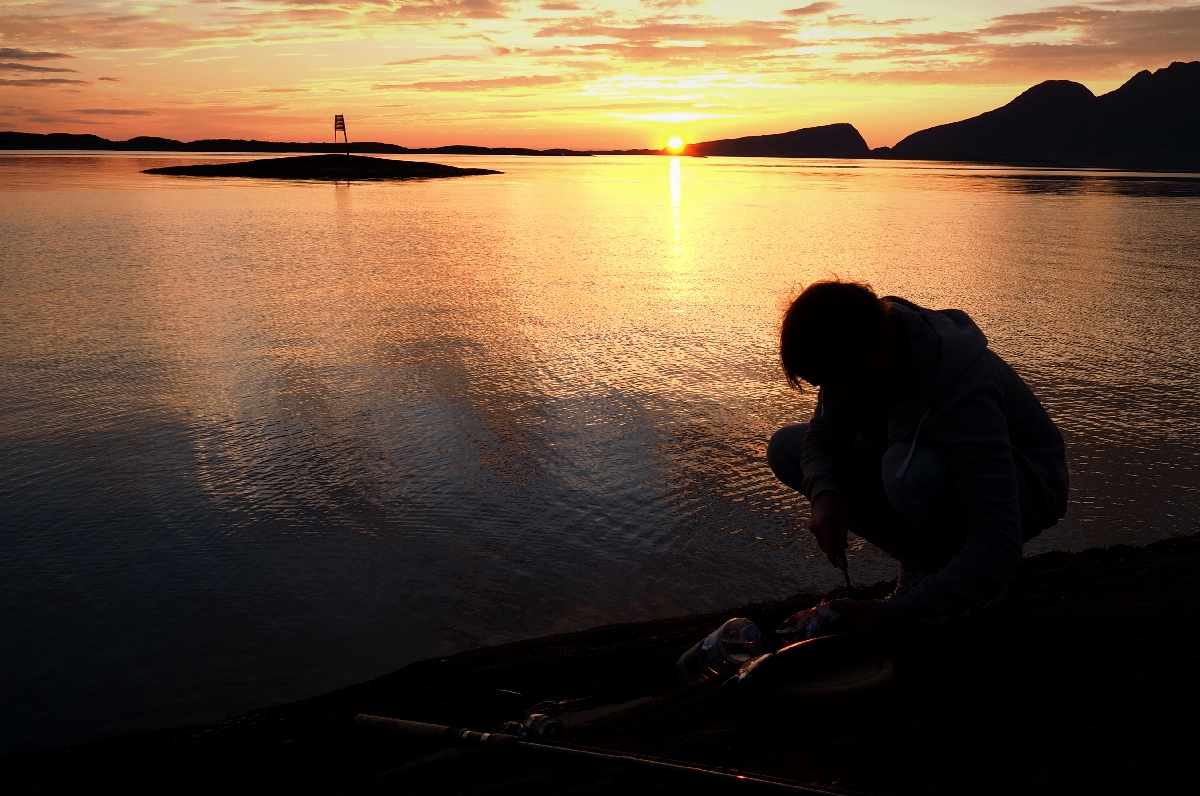
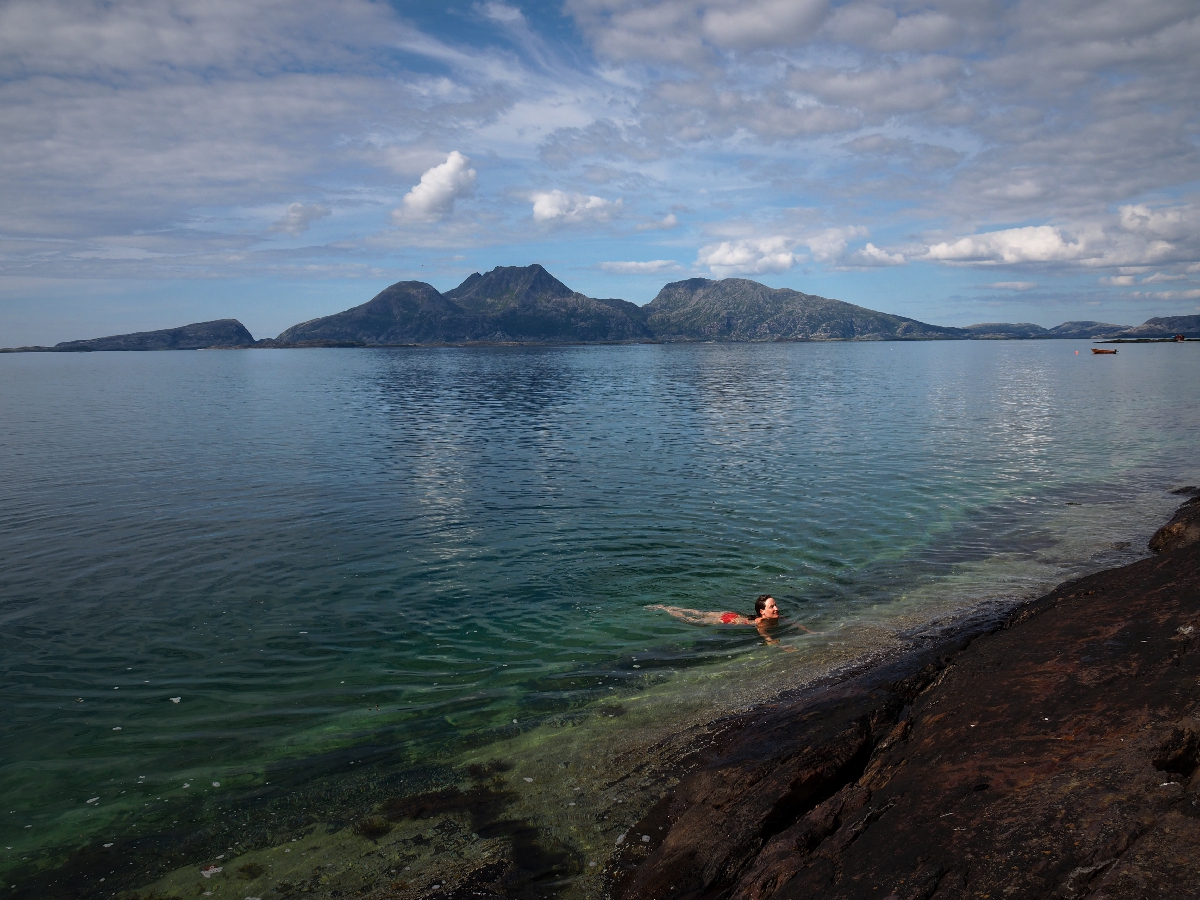
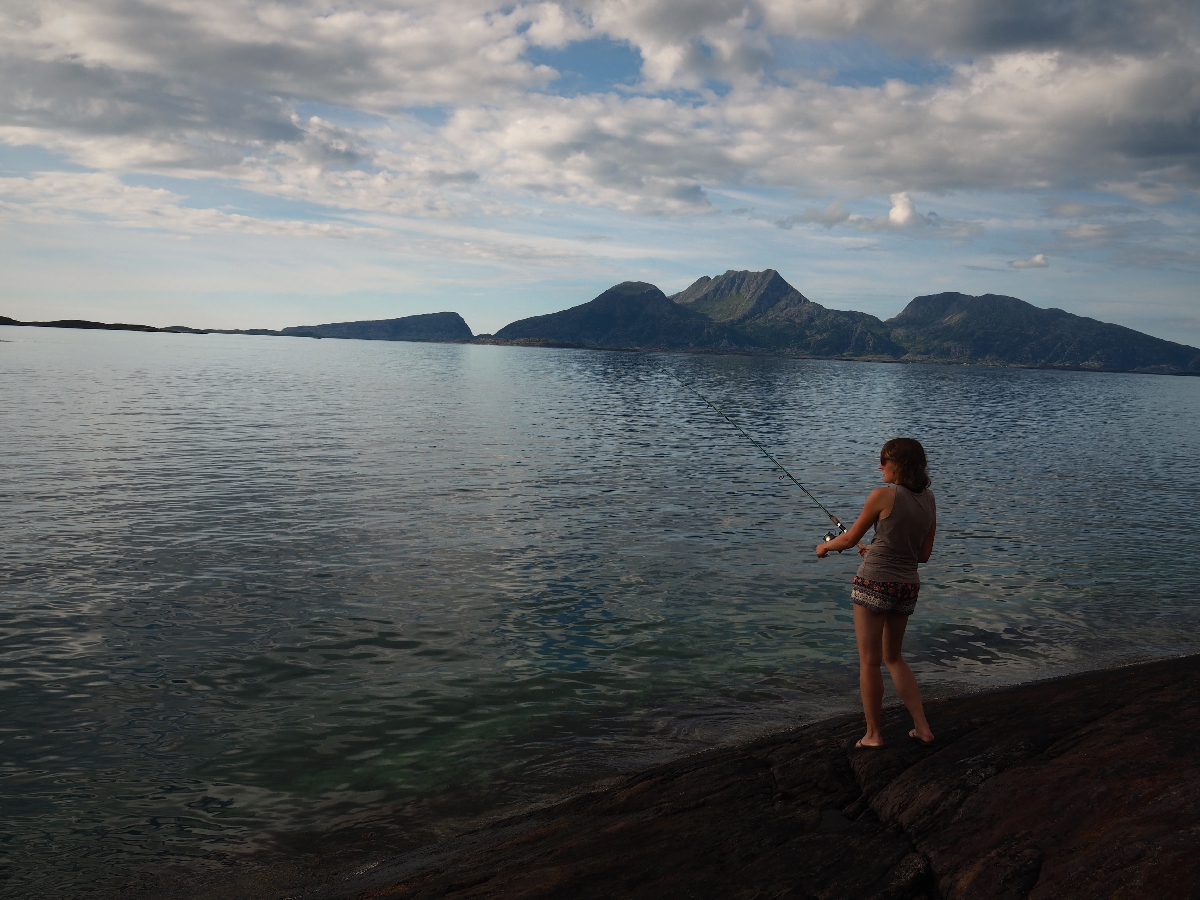
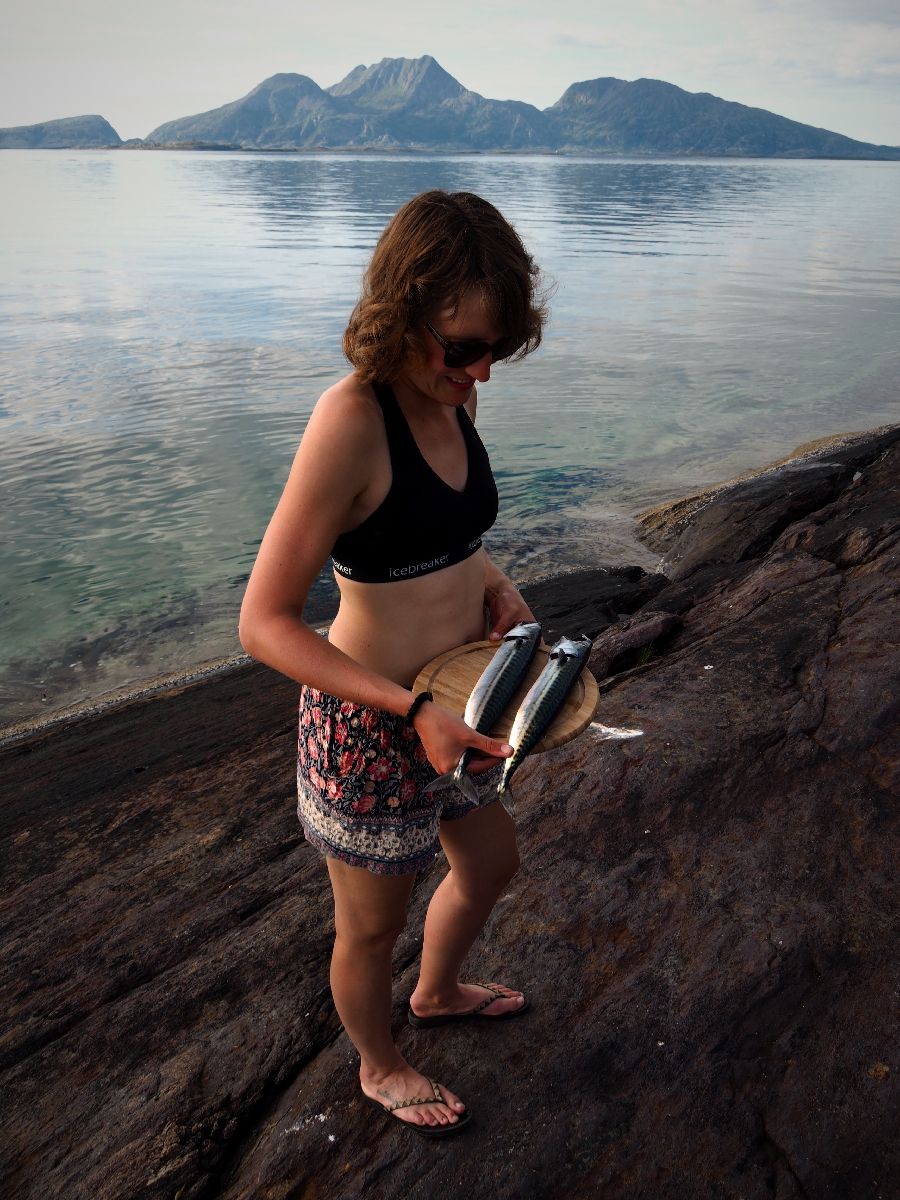
The next day we took a ferry from Forøy to Åkskarget. From there we drove to Jektvik and took another ferry to Kilboghamn. On the way we crossed the Arctic Circle again, which meant there would be no more midnight sun. We had now reached the Helgeland coast and drove on until Sandnessjøen. There we found a nice campground right at the sea. As we were relaxing in the evening we watched an old Swedish couple which was struggling setting up their tent. For a while it was quite amusing, but then we felt pity and decided to help them. It turned out to be a very cheap and low quality tent and the way it had to be set up was very unusual. In the end it took six people to get it right. The camp host was a funny and friendly guy. He told us that he is very busy and tries not to sleep more than four hours during the summertime. He stays awake by drinking one glass of Kaluha and a cup of coffee and by dancing salsa with his Cuban wife every night. He suggested that we borrow his fishing rod as the sea was full of mackerels this time of year. We gladly accepted his offer and went down to the shore to give it a try. We both had never properly fished before and we must have made a very amateurish impression as a Swedish guy approached us to offer us his counsel. After a few tries the hook of the lure got stuck on the ocean ground and one of us had to dive into the cold water to release it. After that it didn’t take long until a fish bit and it was a big mackerel. We pulled the fish out of the water. It fought for its life and jumped around frantically. During this struggle the hook of the lure got stuck again, but this time in one of our legs. It was quite an operation to get it out of there again, but eventually we succeeded. Only a few minutes later we pulled out another mackerel. All of this happened while the sun was slowly setting in the background. We hadn’t seen a sunset in a while and this one was truly dramatic. Before we went to sleep we put our catch in the freezer.
View from the ferryport:
Sandnessjøen:
(we climed the peaks of the three summits on the left…)
Fishing at sunset:
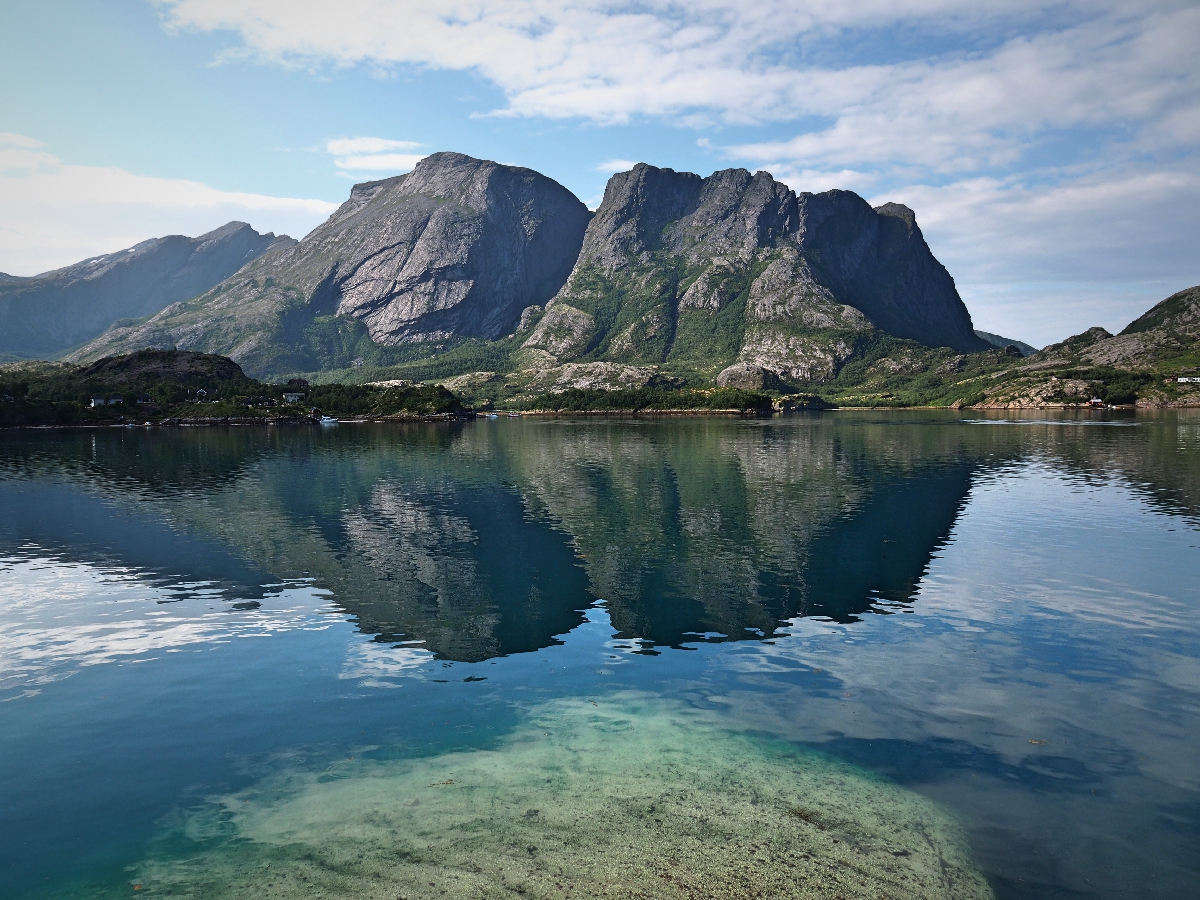
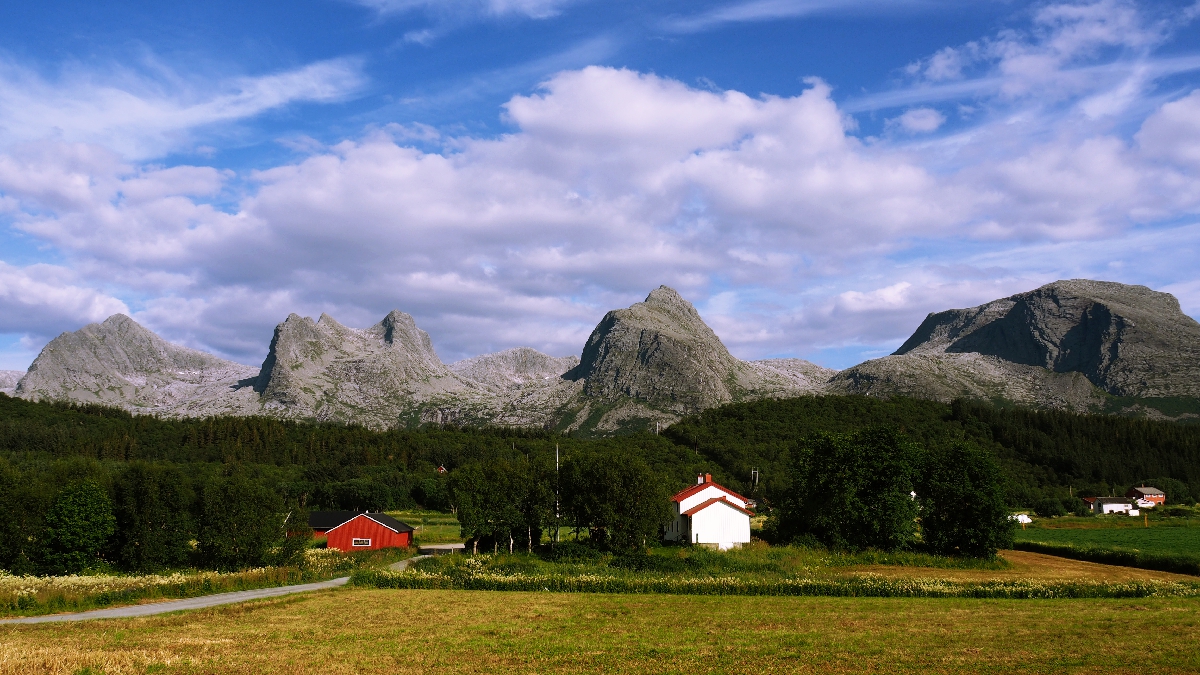
We got up early to hike to the summits of three of the Syv Søstre (Seven Sisters). The 7 hour hike through the rough landscape and over snowfields was very exciting and we enjoyed great views from these three majestic peaks (Skjæringen and the two Twillingene). Back at the campground we jumped into the cold sea for a quick swim. Afterwards we went for another round of fishing. We caught two mackerels again which we ate for dinner – and it was the best fish we’ve ever tasted!
Hiking the Syv Søstre:
Back at the campground:
Through rainy weather we drove on to Frosta where it was sunny again. There we found a nice campground and got a pretty space overlooking the fjord. Again we had delicious mackerels for dinner, namely the ones we froze two nights earlier.
View from campground:
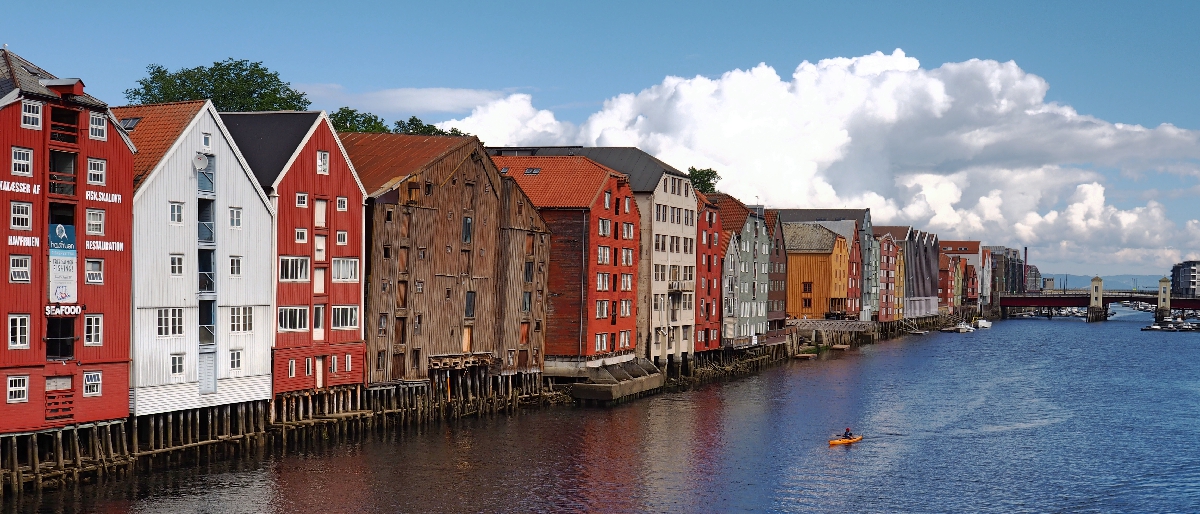
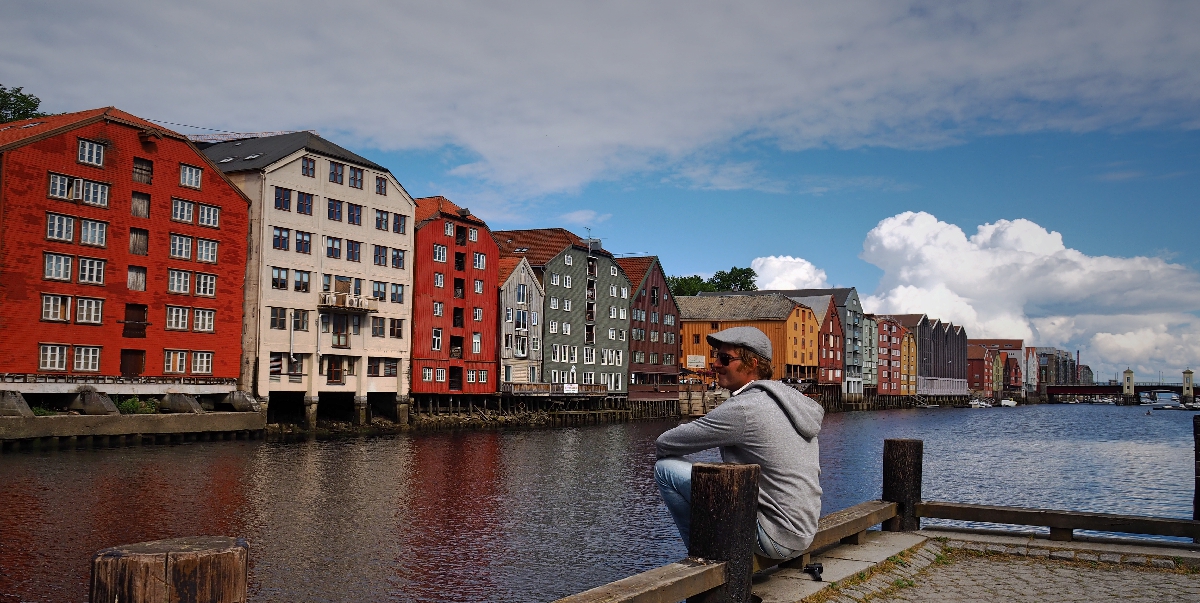
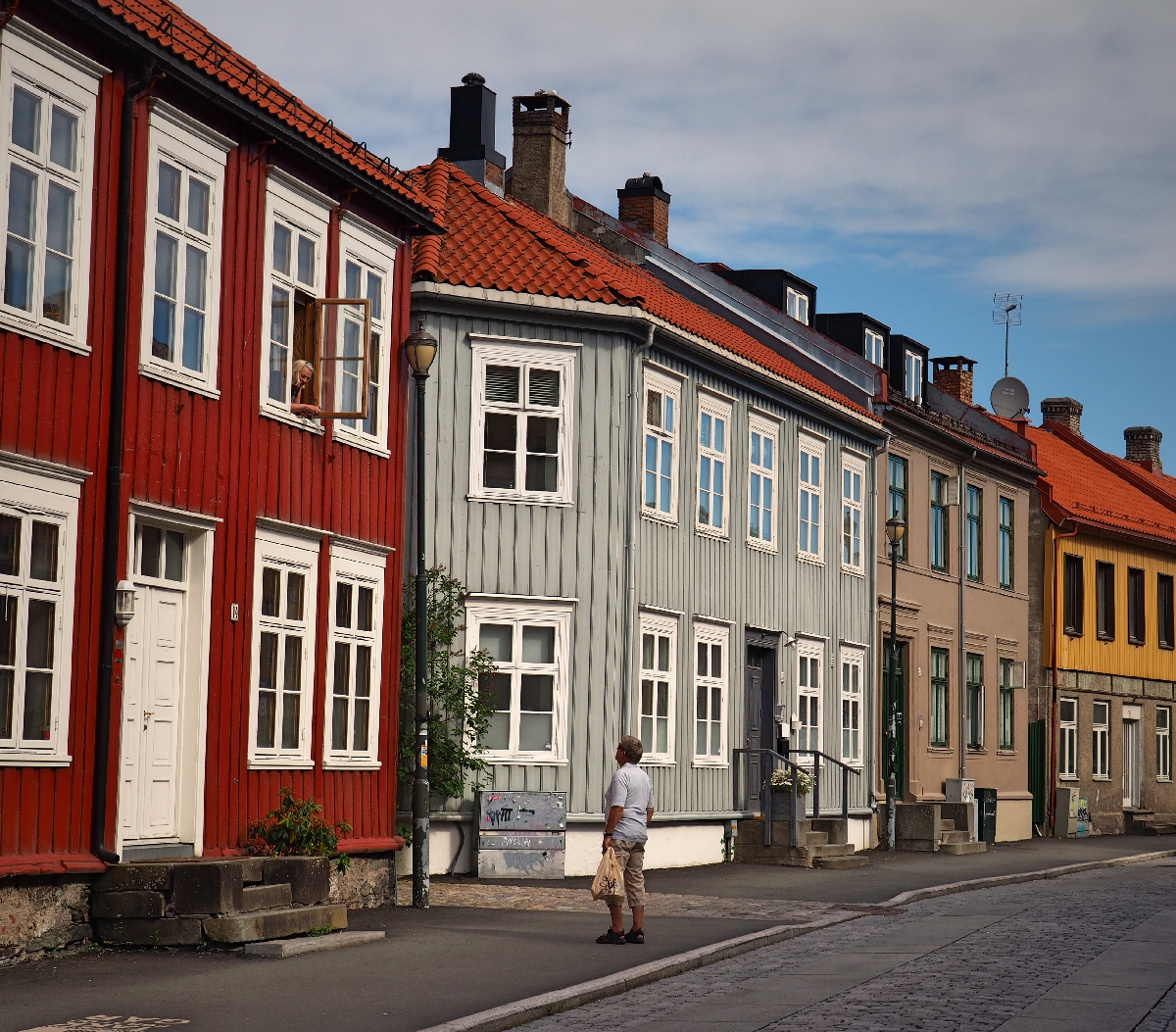
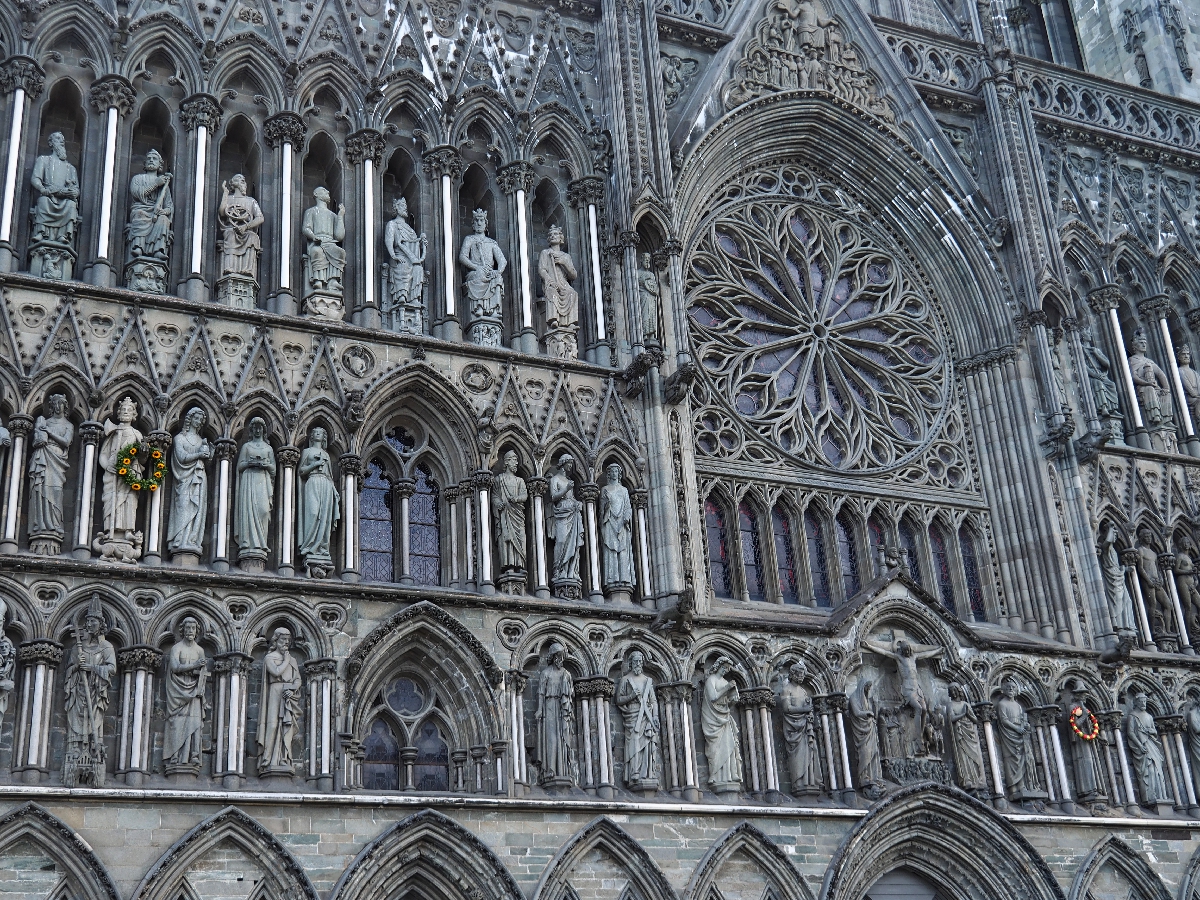
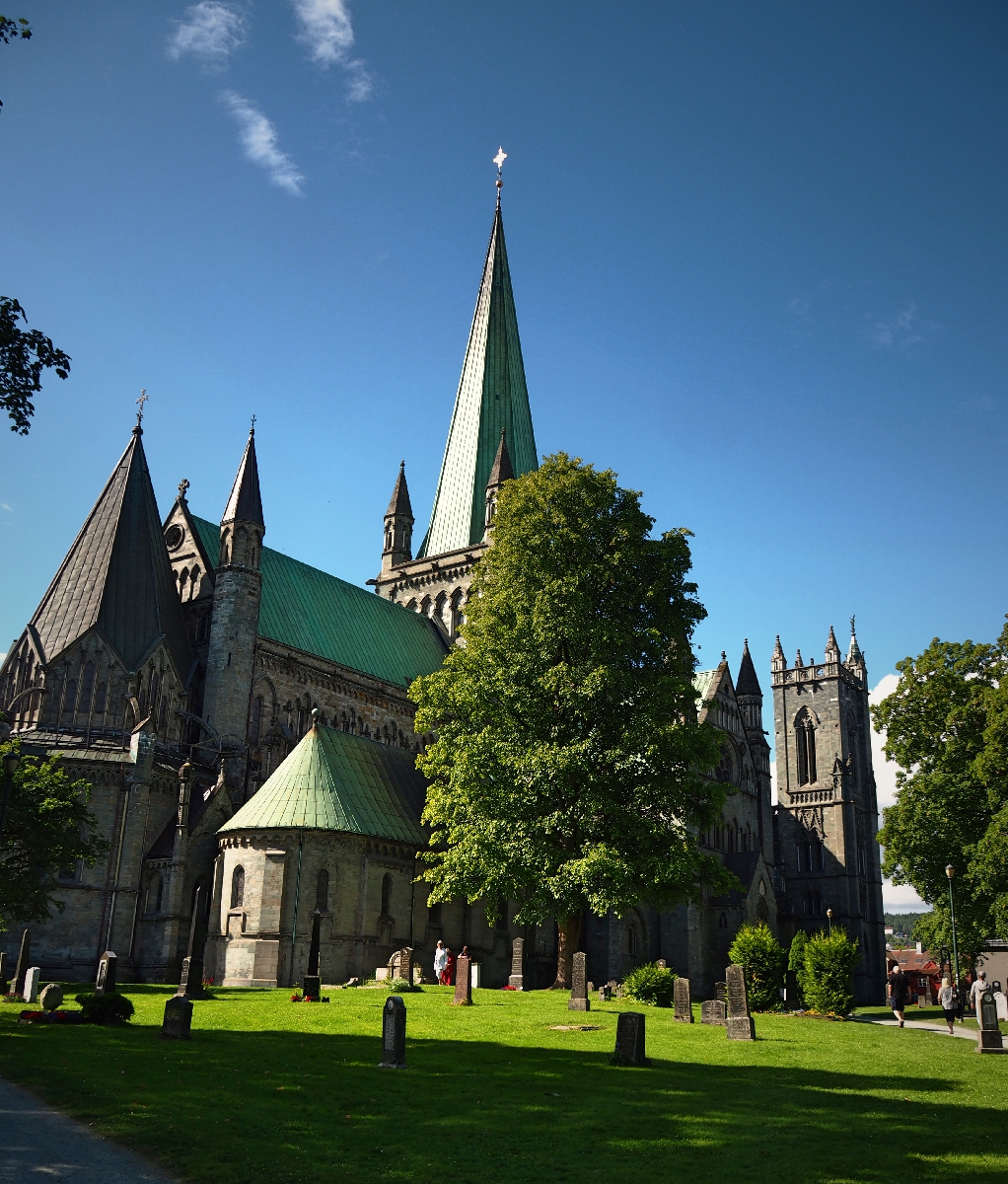
The next day we drove to Trondheim, the third biggest city of Norway. We took a stroll through the famous old town and to the cathedral. Coincidentally the festival Olavsdagen was happening so we ate a Kraketburger at one of the many market stands that displayed local goods. After that we drove on and took a ferry from Tømmervåg to Seivika and spent the night in Byskogen.
Trondheim:
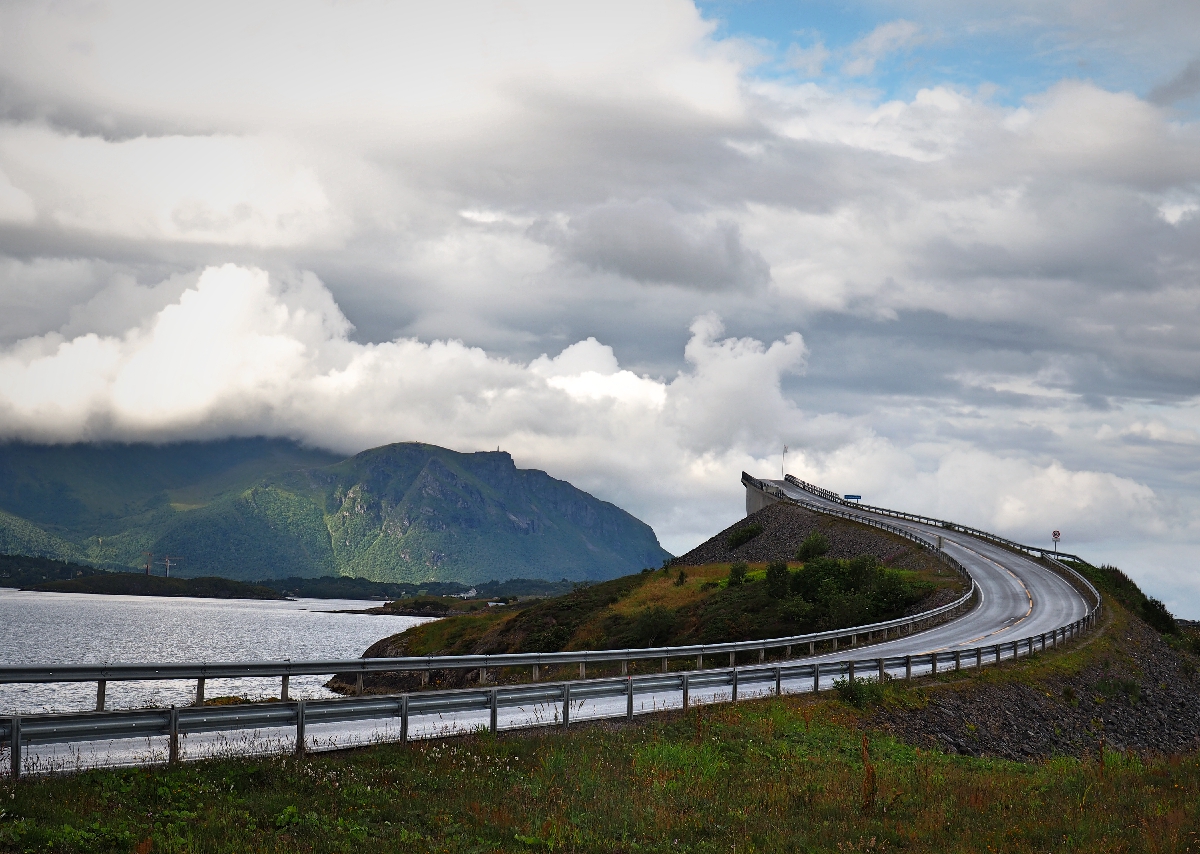
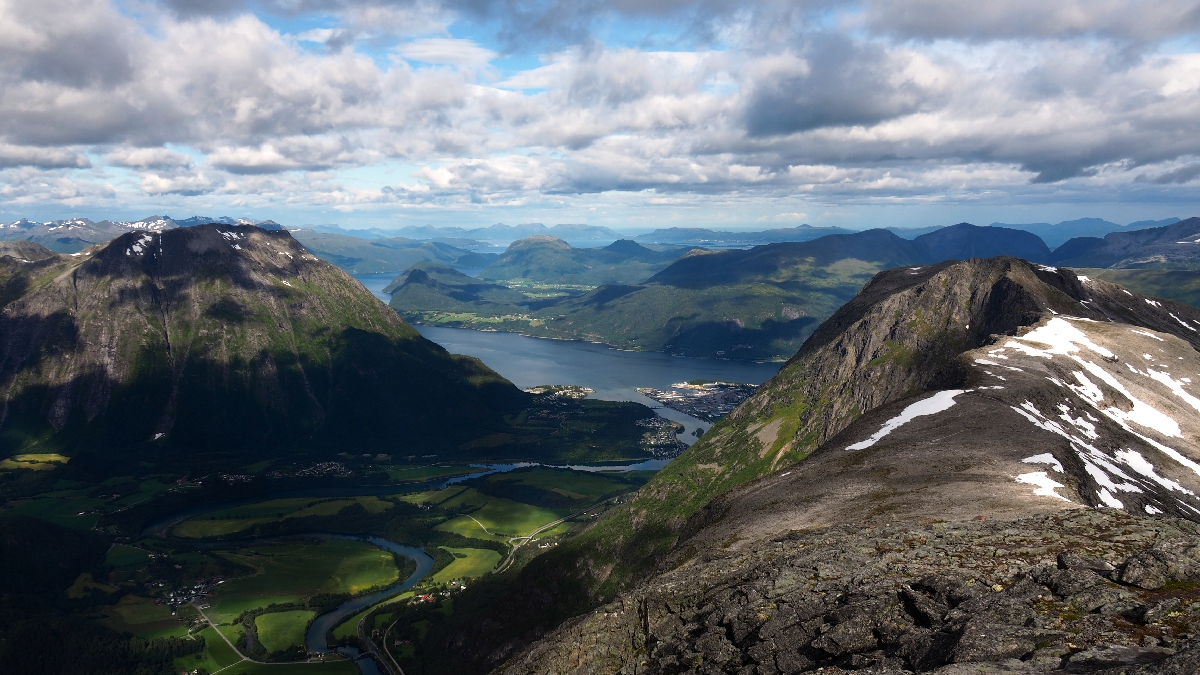
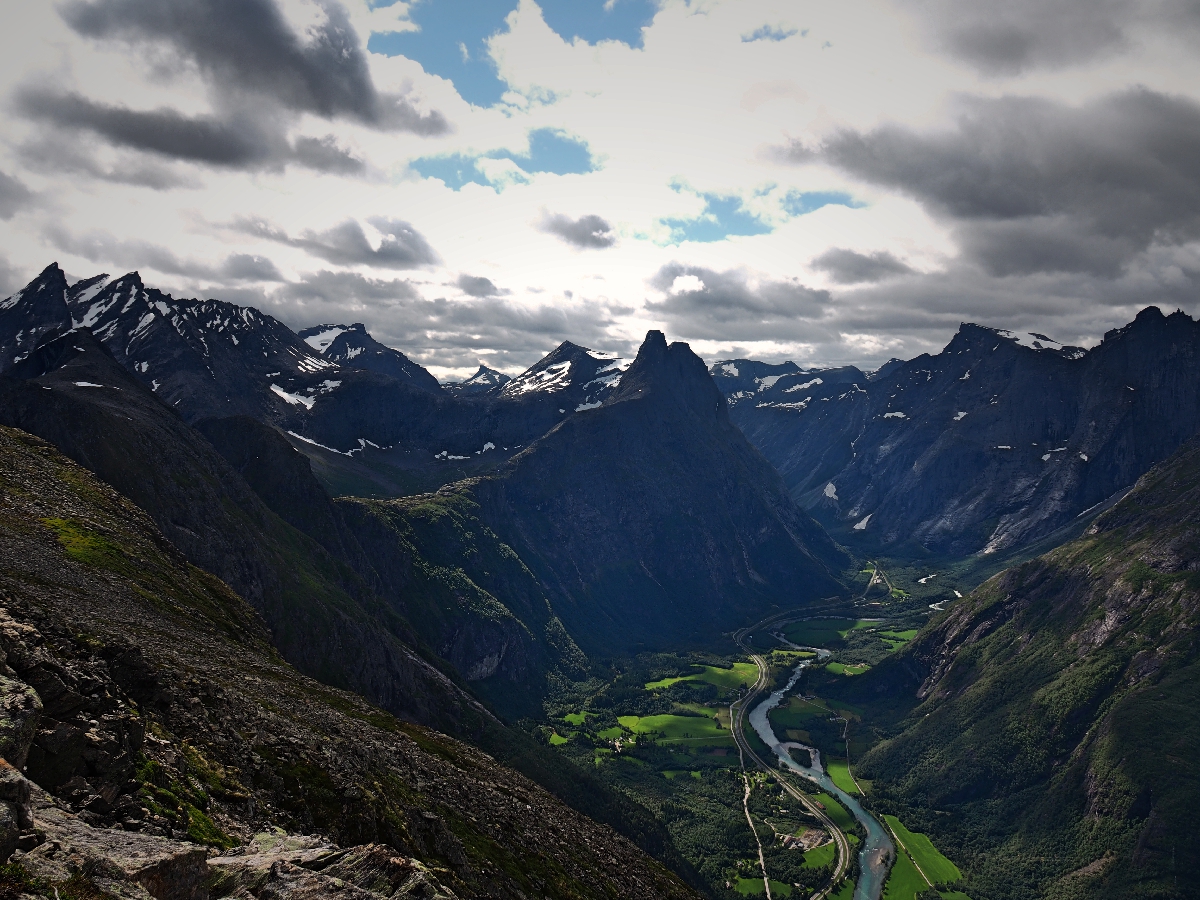
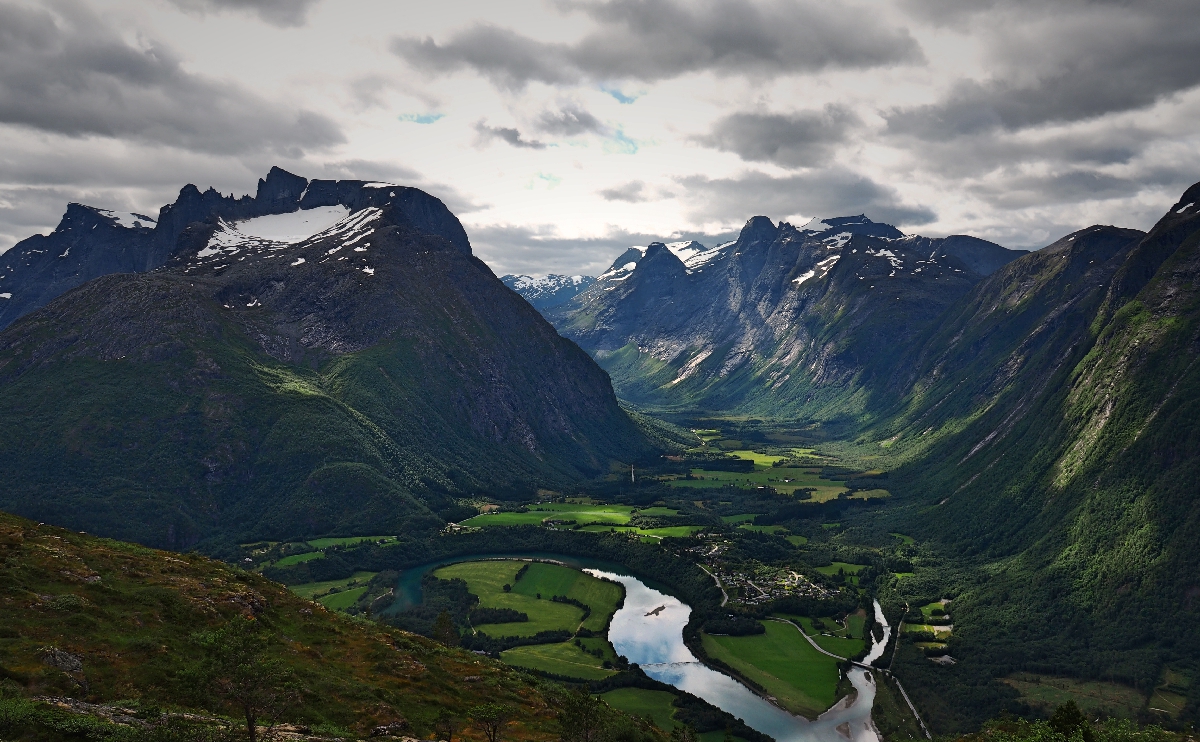
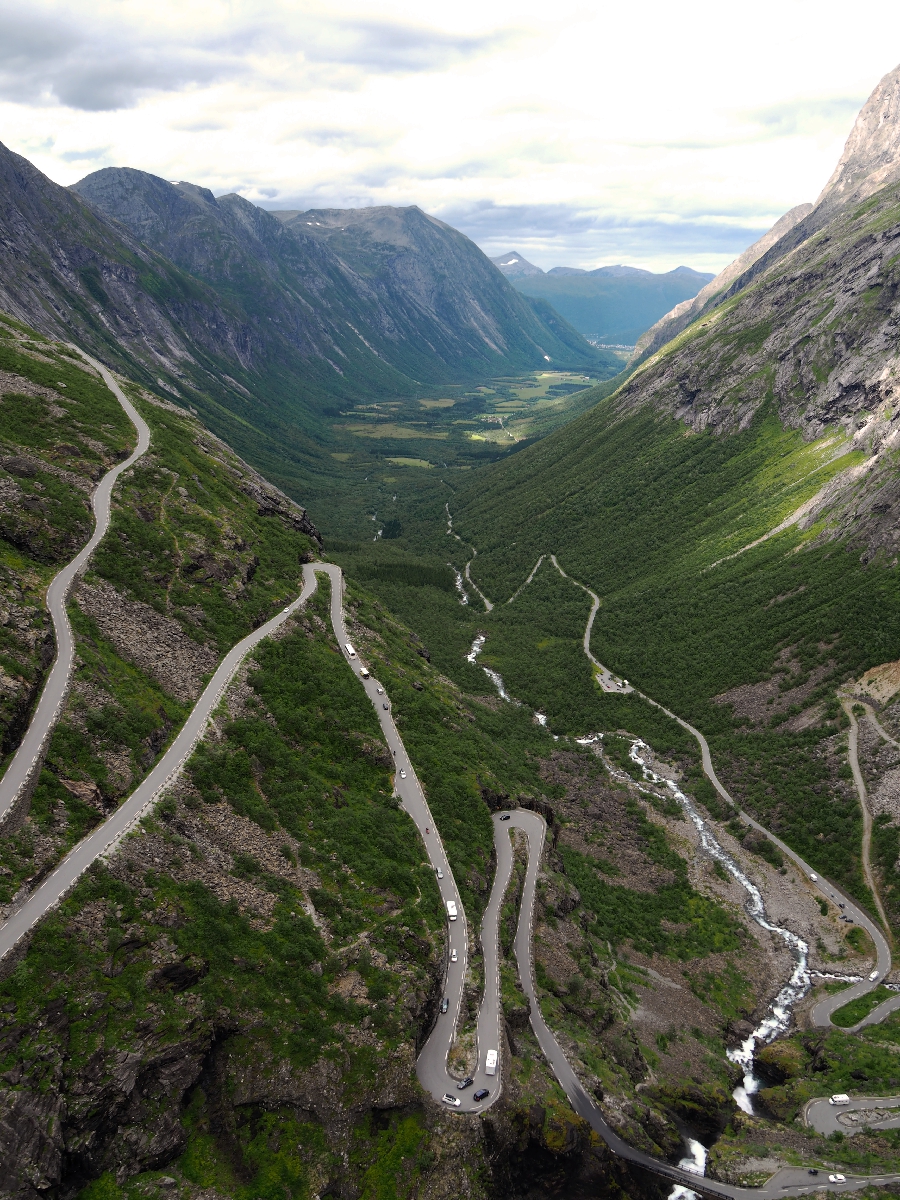
We continued to Kristiansund and drove along the famous Atlanterhavsvegen, a route that runs right above the sea level and connects eight small islands with bridges. The next stop was Åndalsnes where we camped for the night. Early the next morning we hiked up the summit of Blånibba and walked on the ridge of Romsdalseggen for the next 12 km. We had spectacular views of the surrounding mountains, fjords and waterfalls from up there. At times the hike was quite challenging as certain sections were very exposed and demanded proper focus. From Åndalsnes we drove over the winding roads of the Trollstigen and ended up in Linge. From there we had to take the ferry to Eidsdal. We spent the night on a campground in Geiranger.
Atlanterhavsvegen:
Romsdalseggen:
Trollstiegen:
Campground at Geiranger:
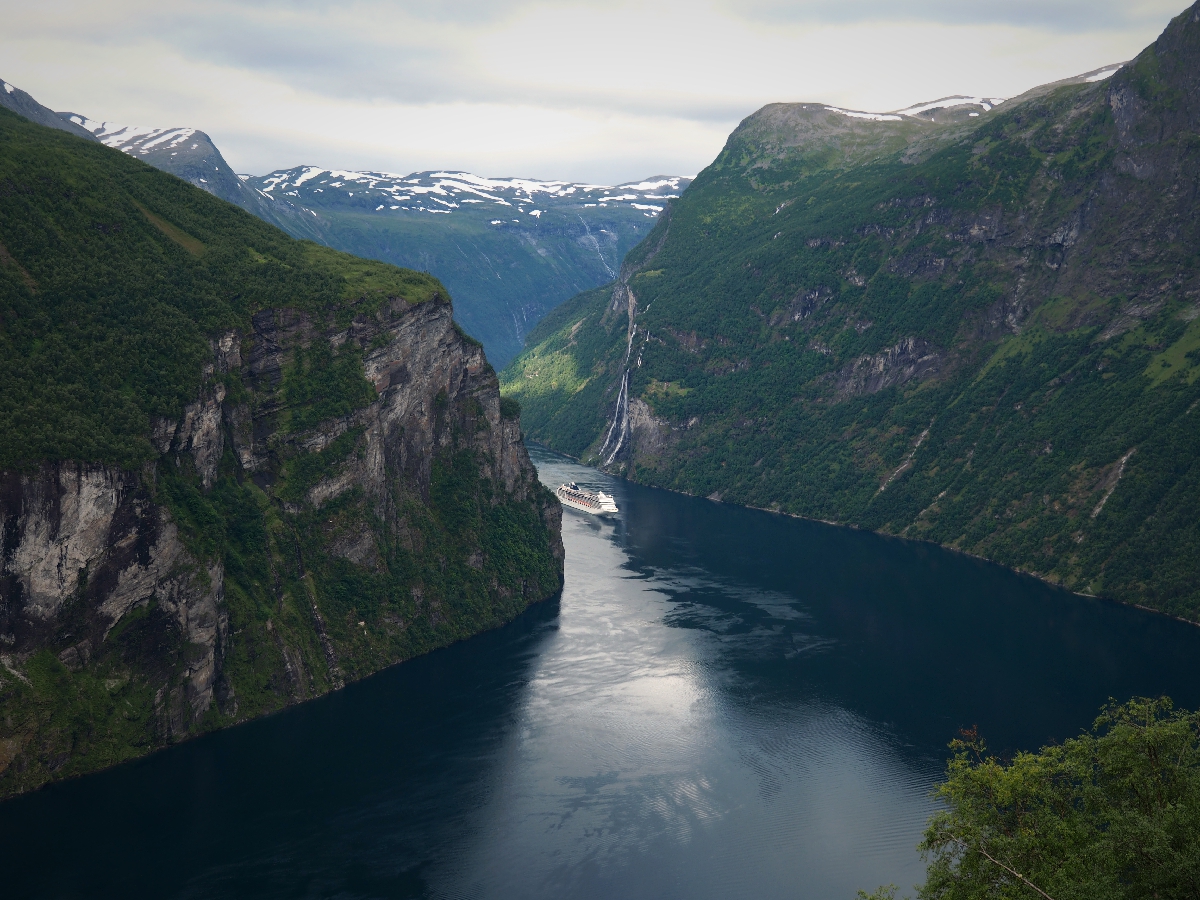
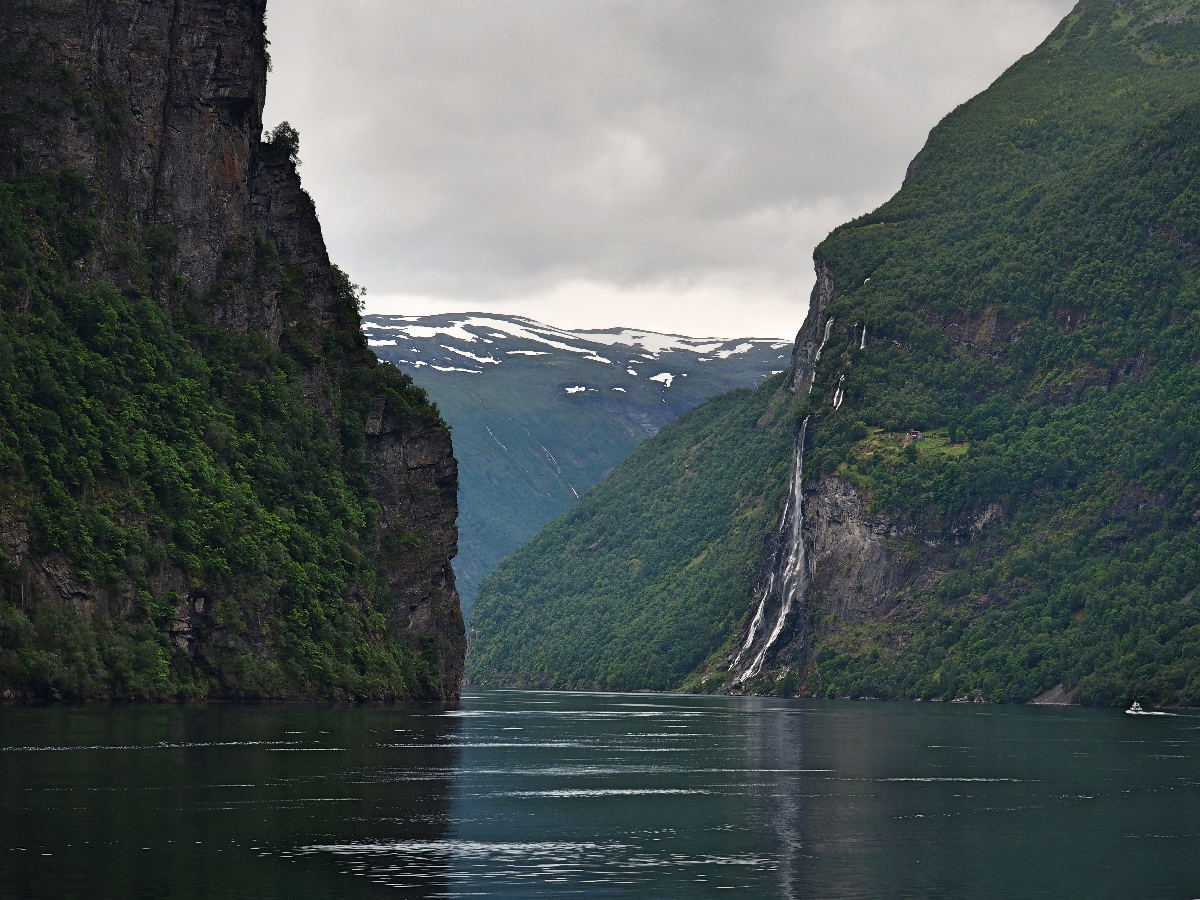
We decided spontaneously to take the ferry through the world famous Geirangerfjord from Geiranger to Hellesylt. While on board, we passed an impressive waterfall and two old abandoned farmhouses located right on the cliffs of the mountains. These were towering as high as 1700masl over our heads. After a couple of kilometers on the road we had to take yet another ferry from Sykkylven to Magerholm. We continued to the small city Ålesund which is known for its art nouveau buildings and spent the night in a nice hotel.
Geirangerfjord:
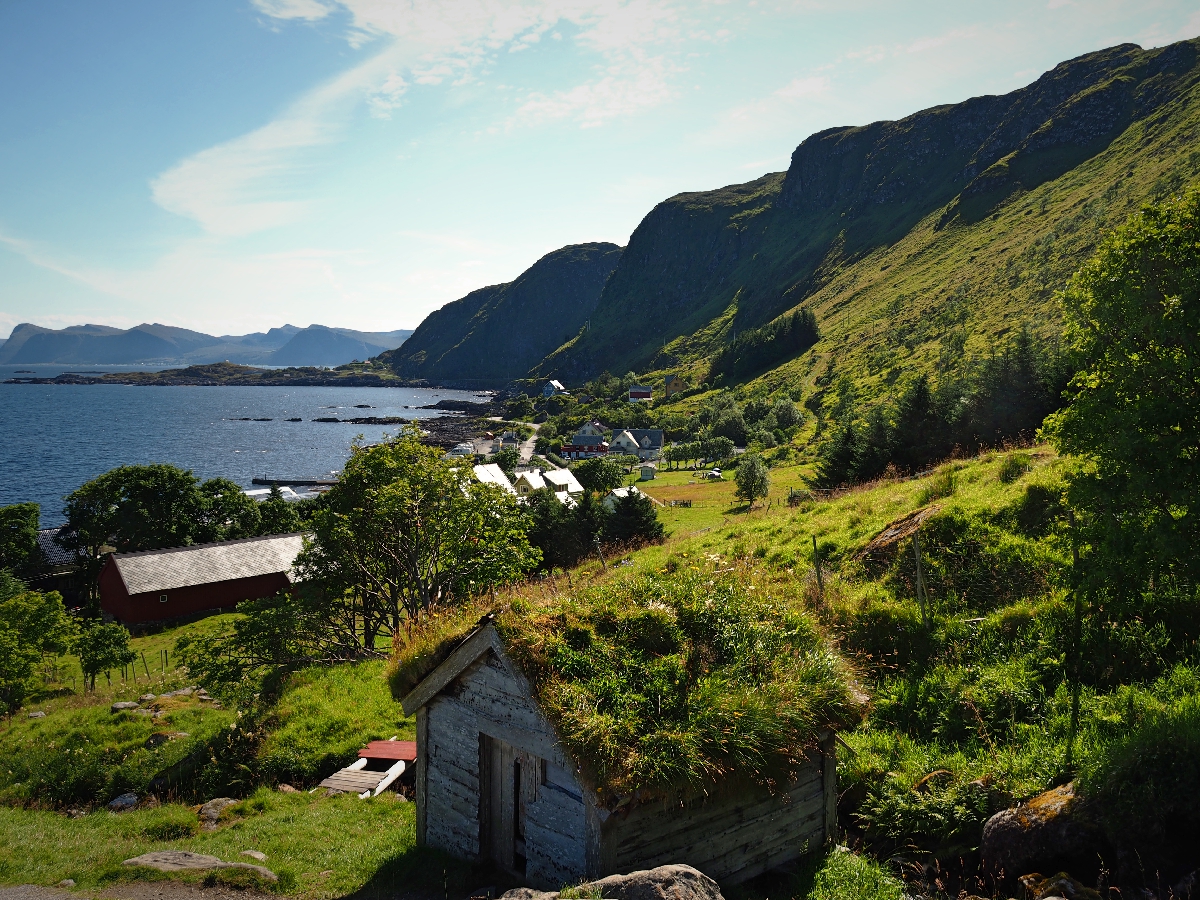
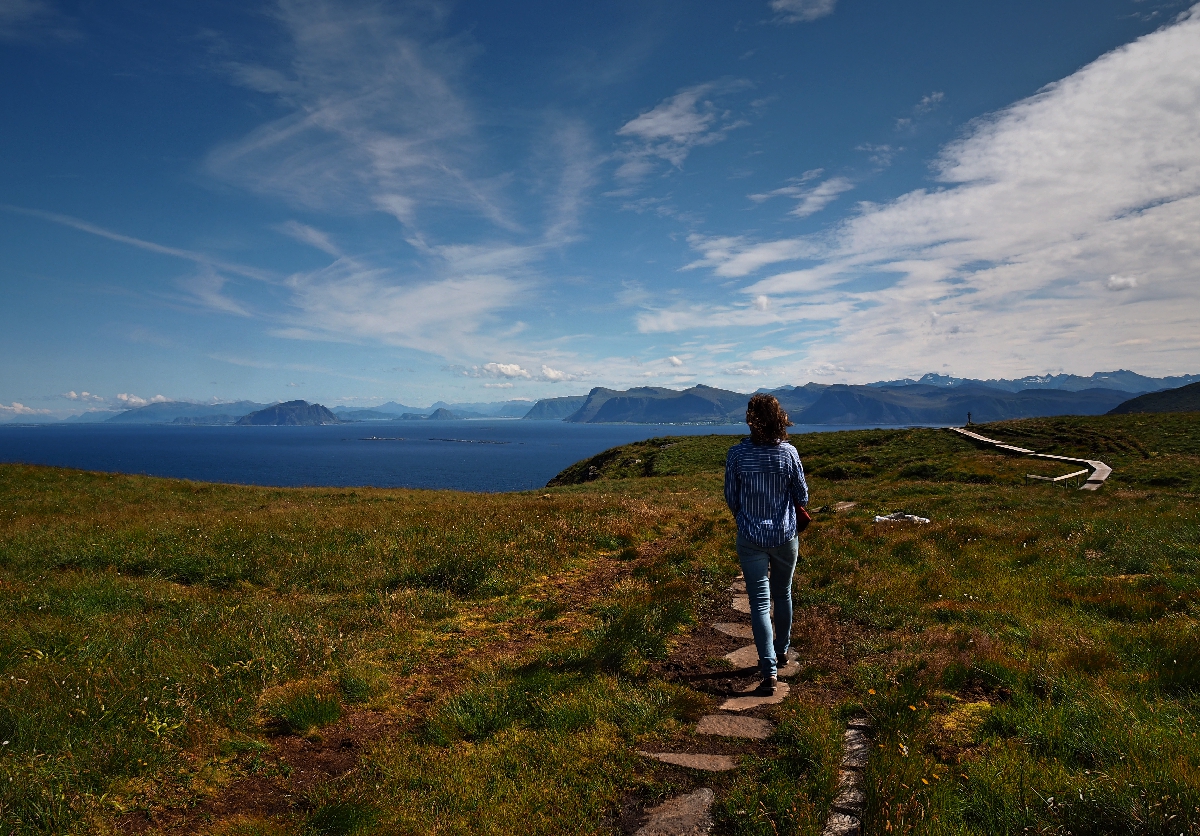
The next morning, after a huge breakfast, we drove to Sulesund and took the ferry to Hareid. We drove on to Runde at the Sunnmøre coast and took a short hike to a lighthouse. Afterwards we took a ferry from Koparnes to Arvika and just a few kilometers later another ferry from Måloy to Oldeide. Yes, we know, this is a ridiculously high amount of ferries, but with all those fjords there’s sometimes just no way around it. We stayed the night in Bremanger.
Runde:
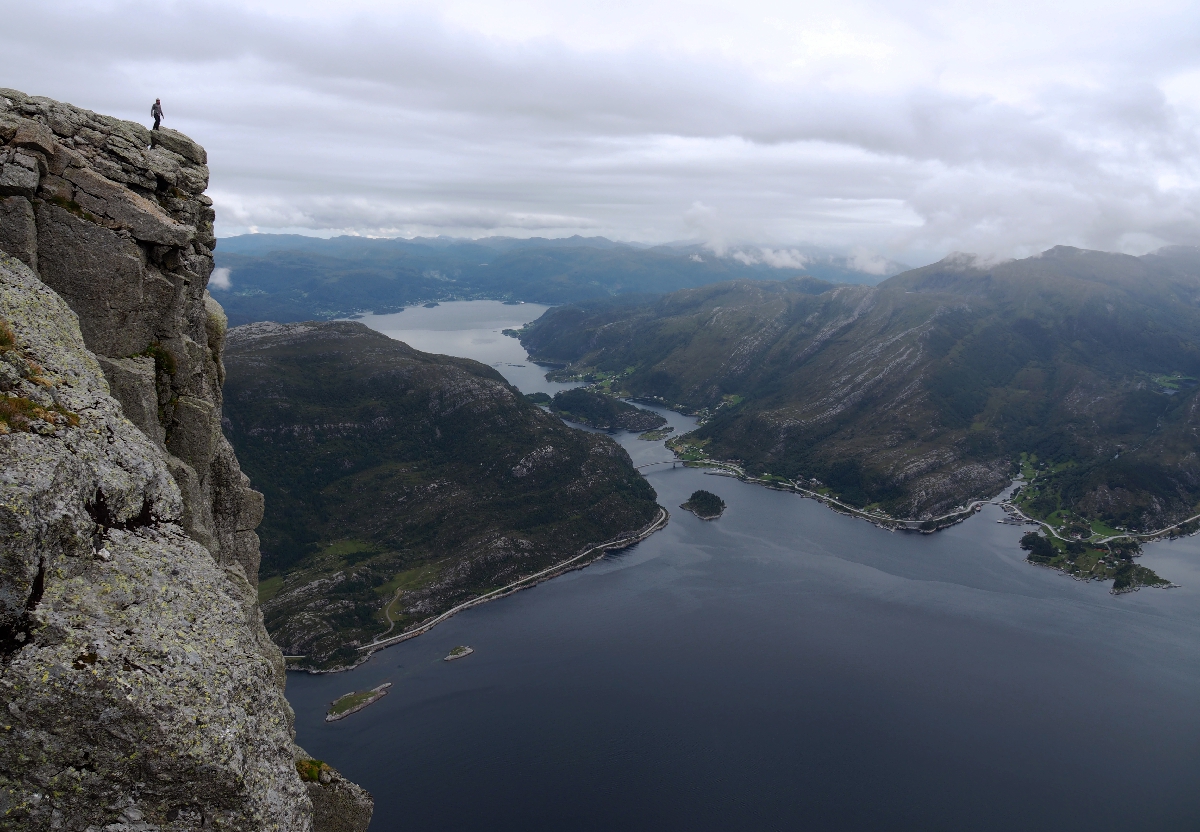
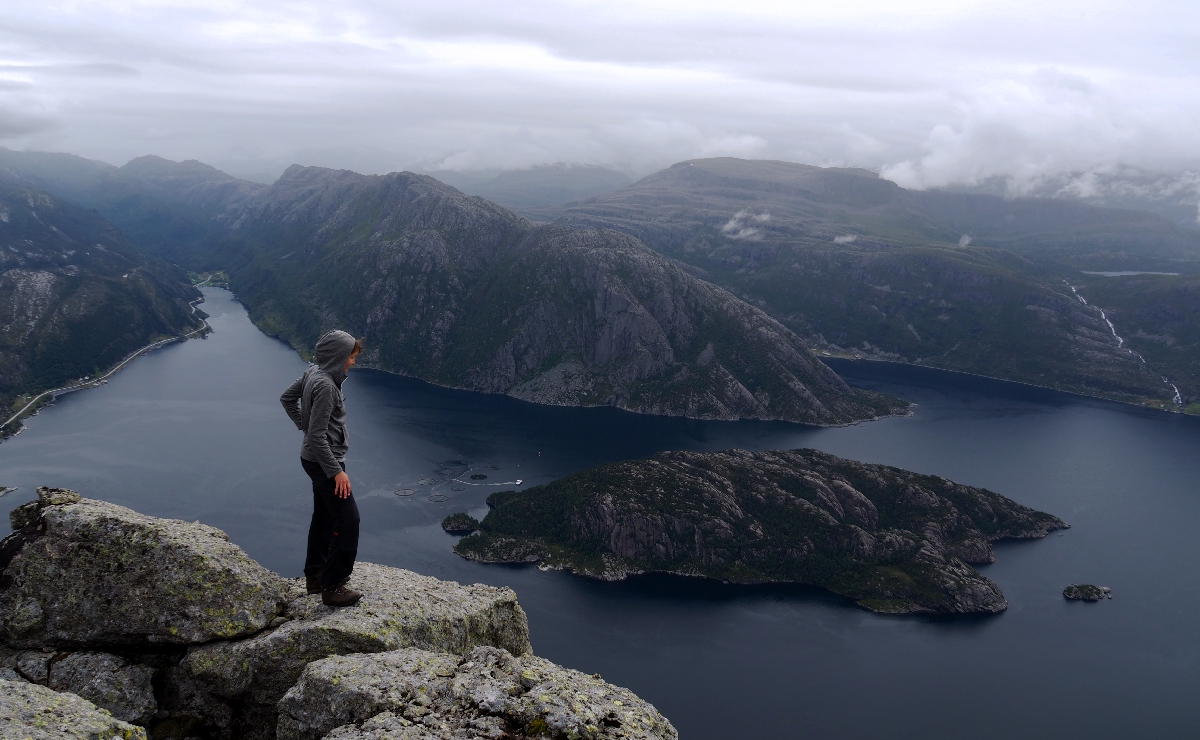
We drove on to a small chapel in Huskår early the next morning. From there we started the challenging hike to the top of the Hornelen. With a staggering height of 860 meters straight down to the fjord, it is the highest sea cliff in Europe. It is also a place shrouded in legends of witches dancing with the devil. But it was all quiet when we were up there. Nevertheless, we got weak knees and dizzy minds just from the look of it. Back at the chapel, we drove on to Loen. On the way we took a ferry from Isane to Stårheim. In Loen we spent the night in the Tjungen camping.
Hornelen:
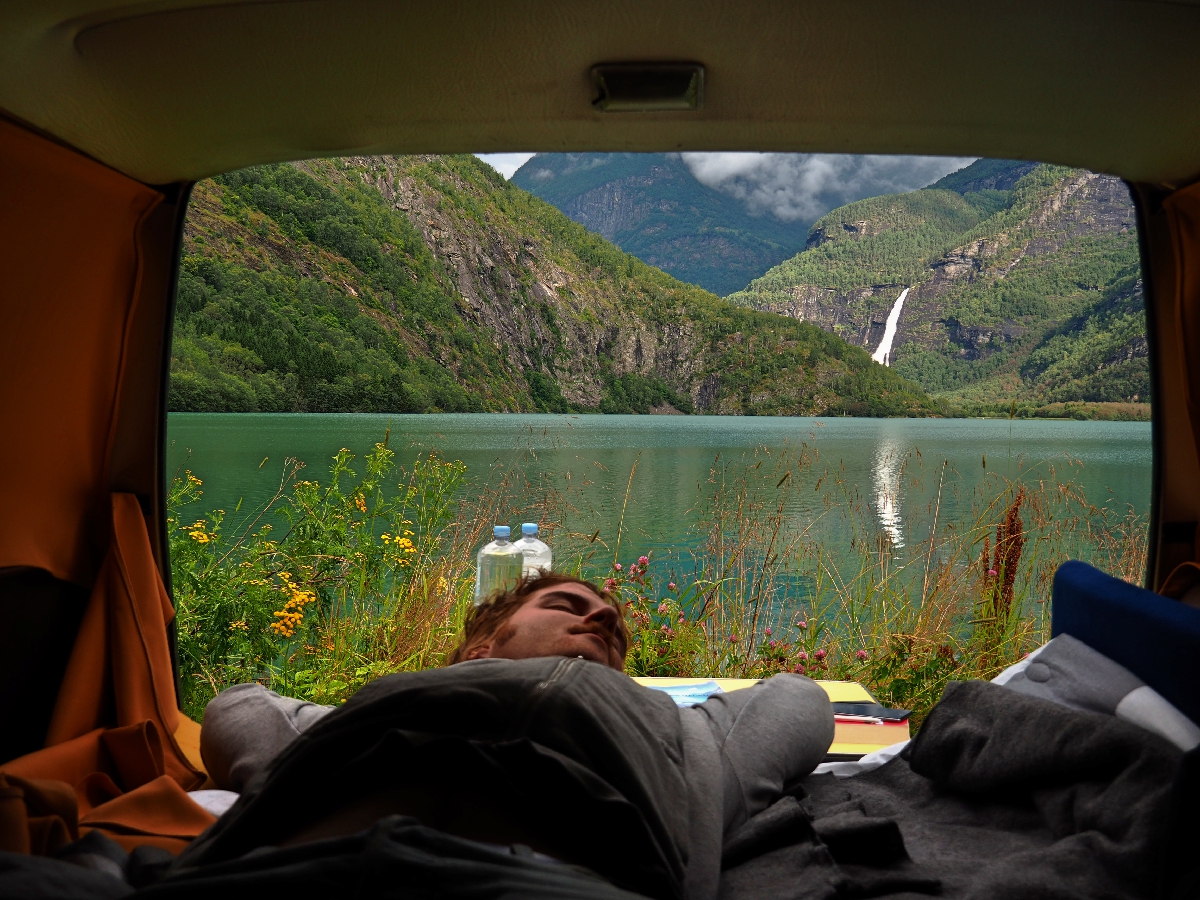
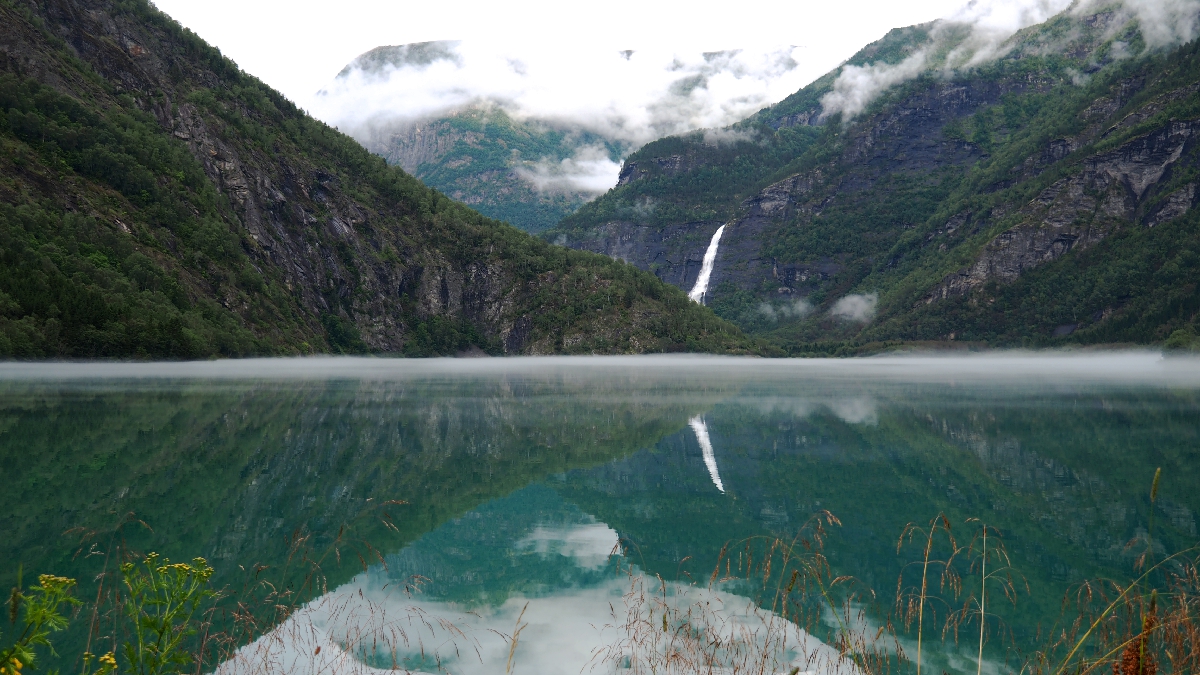
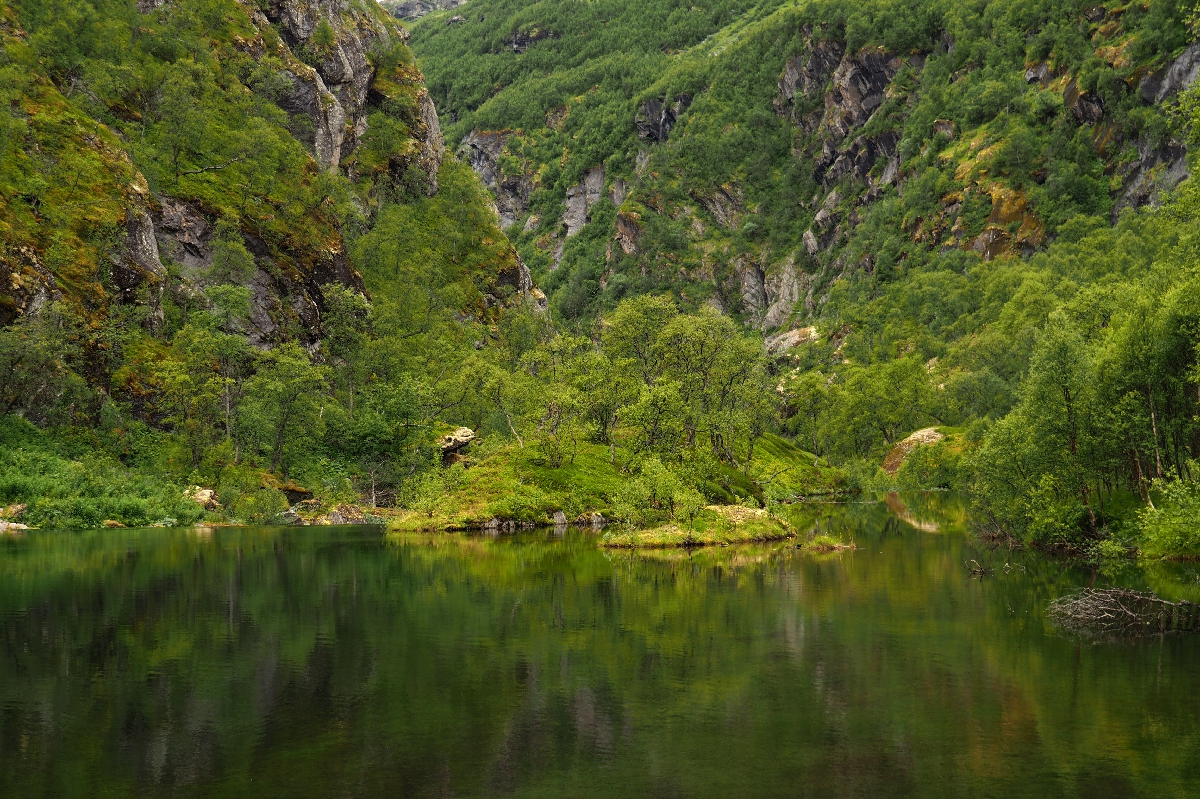
It was rainy the next morning and we continued driving. Due to a landslide we had to turn around and take a ferry from Lota to Ande instead (so much for avoiding ferries…). We camped right at a beautiful lake in Skjolden with dramatic waterfalls in the background. At dusk a thick layer of fog was slowly creeping over the lake towards its shore.
Skjolden:
The next day we drove through the Lærdalstunnel. With a length of 24,5 km it is the longest street tunnel in the world! By early afternoon we had reached the Aurland and stayed in a cabin in Østerbø.
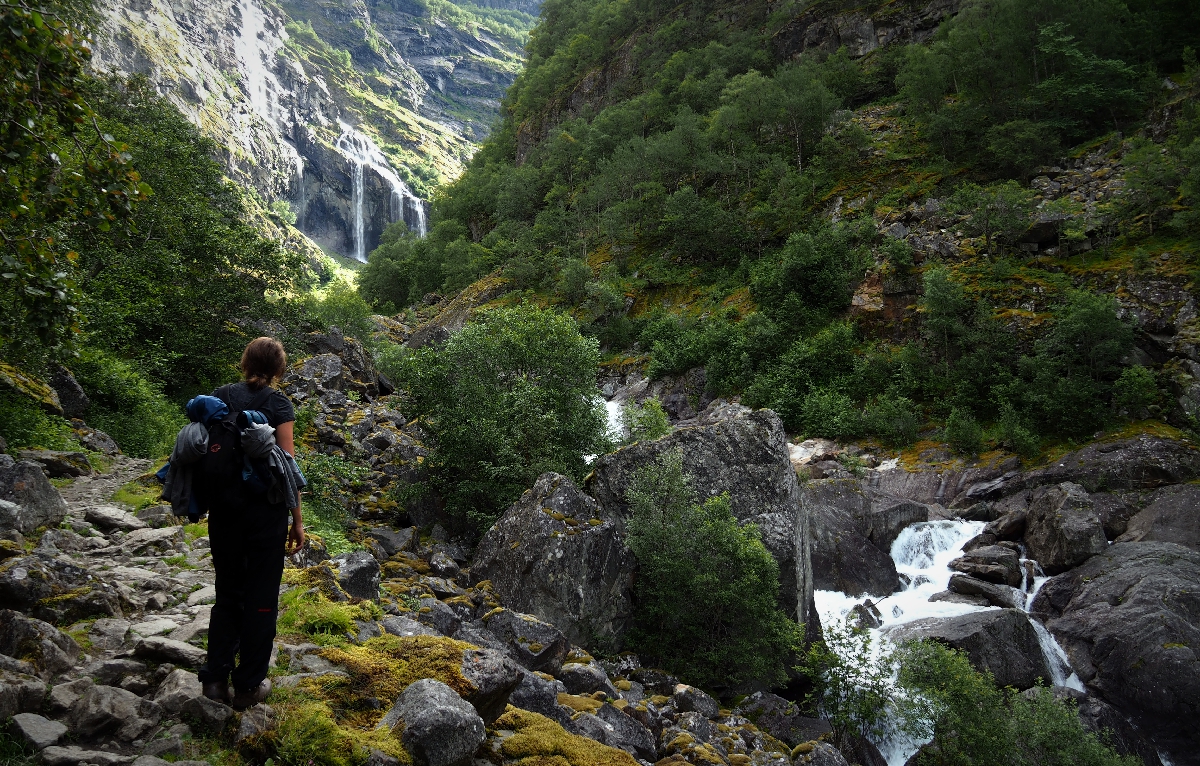
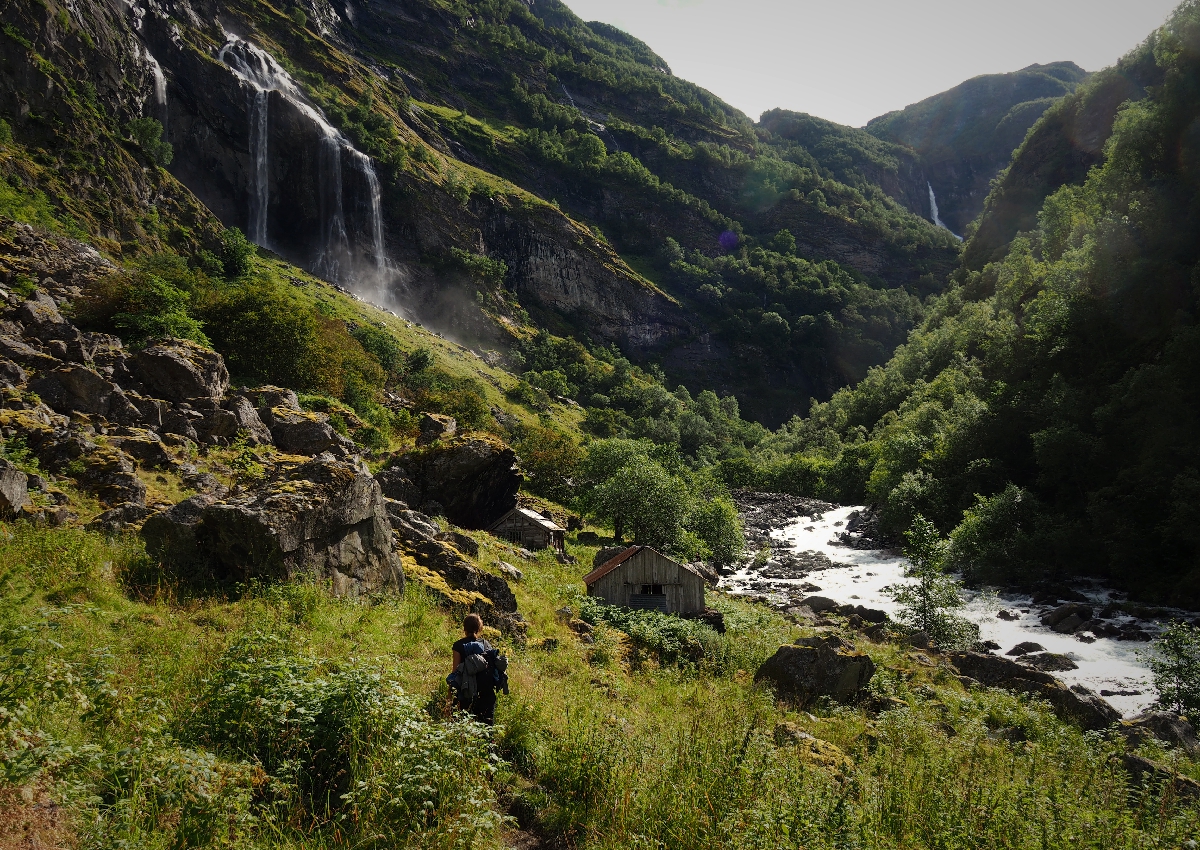
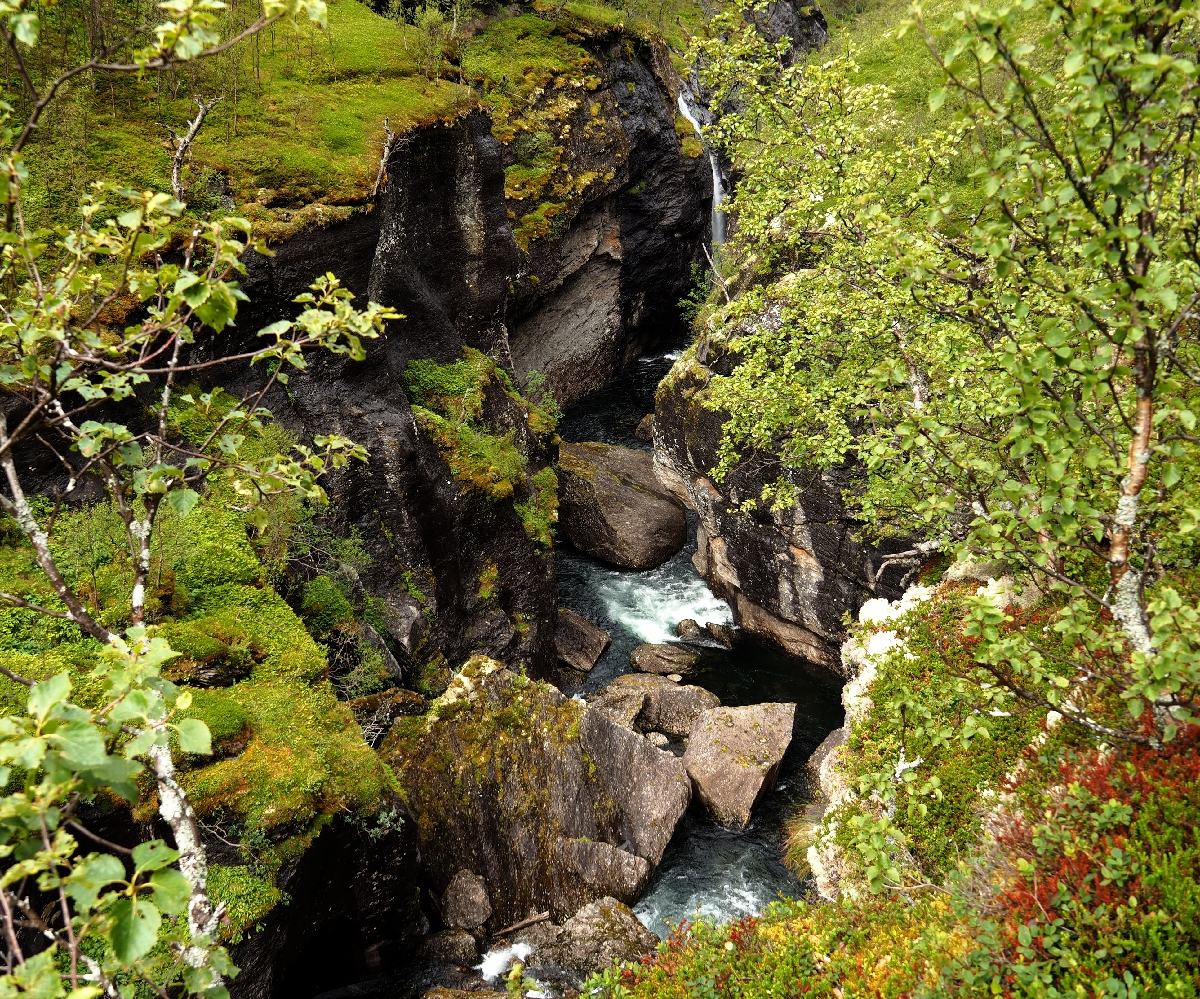
The next day we spent hiking 20 km from Vassbygdi back to Østerbø through the Aurlandsdal, also known as “Grand Canyon” of Norway. We passed many waterfalls, crossed white rivers, walked through narrow gorges and balanced our way over the muddy parts in lush green forests. At times we felt like walking through a fairy tale and we very much enjoyed the magical atmosphere.
Auerlandsdal:
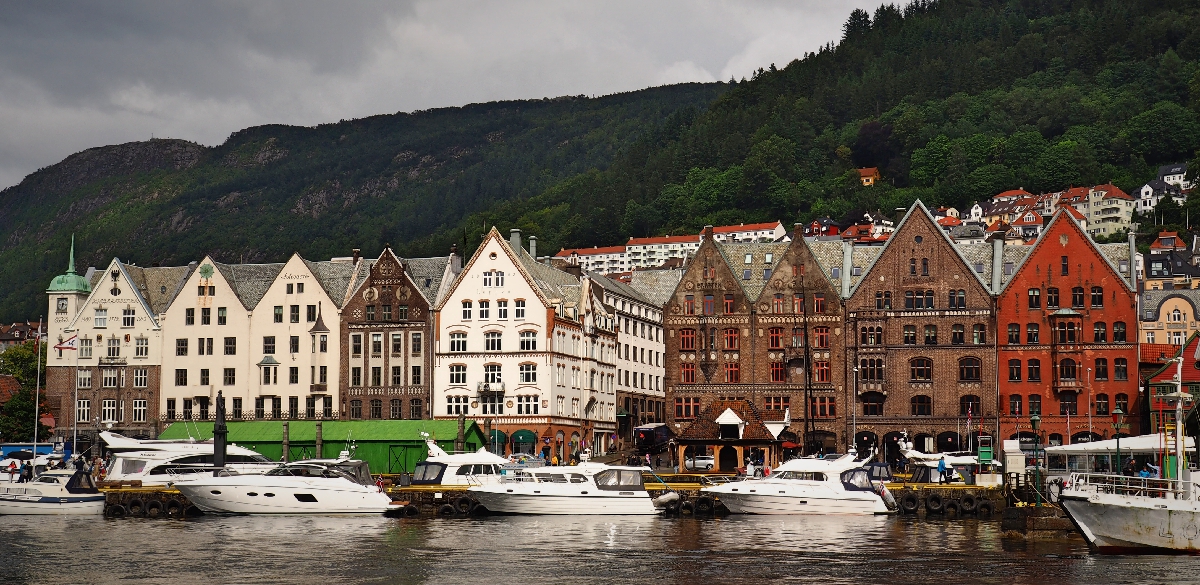
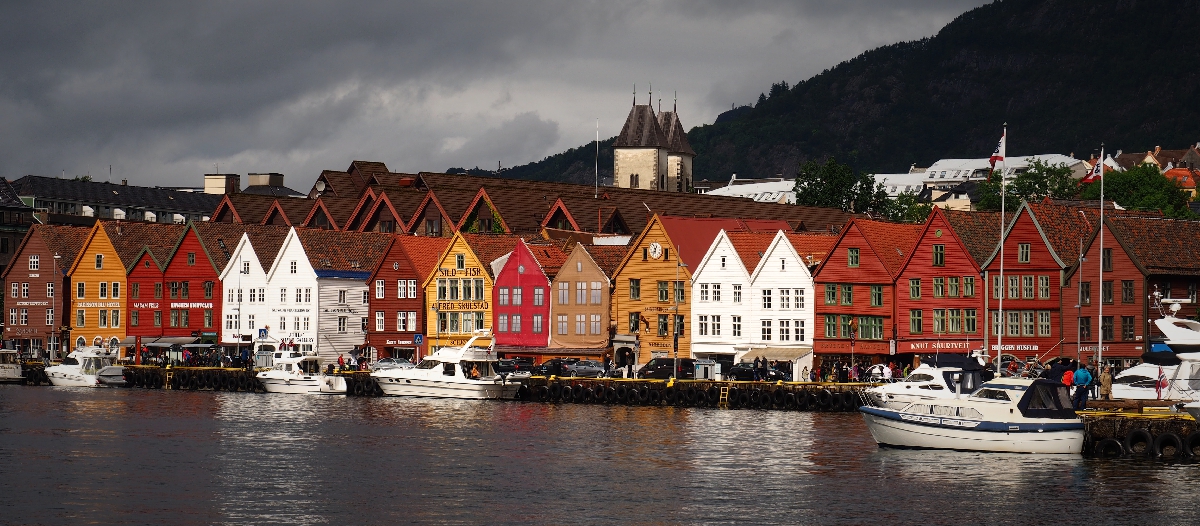
We arrived in Bergen under typical weather conditions: it was raining. Nevertheless we strolled through the city and along the pretty colored wooden buildings at the harbor. We drove on to Fusa and stayed there on a campground.
Bergen:
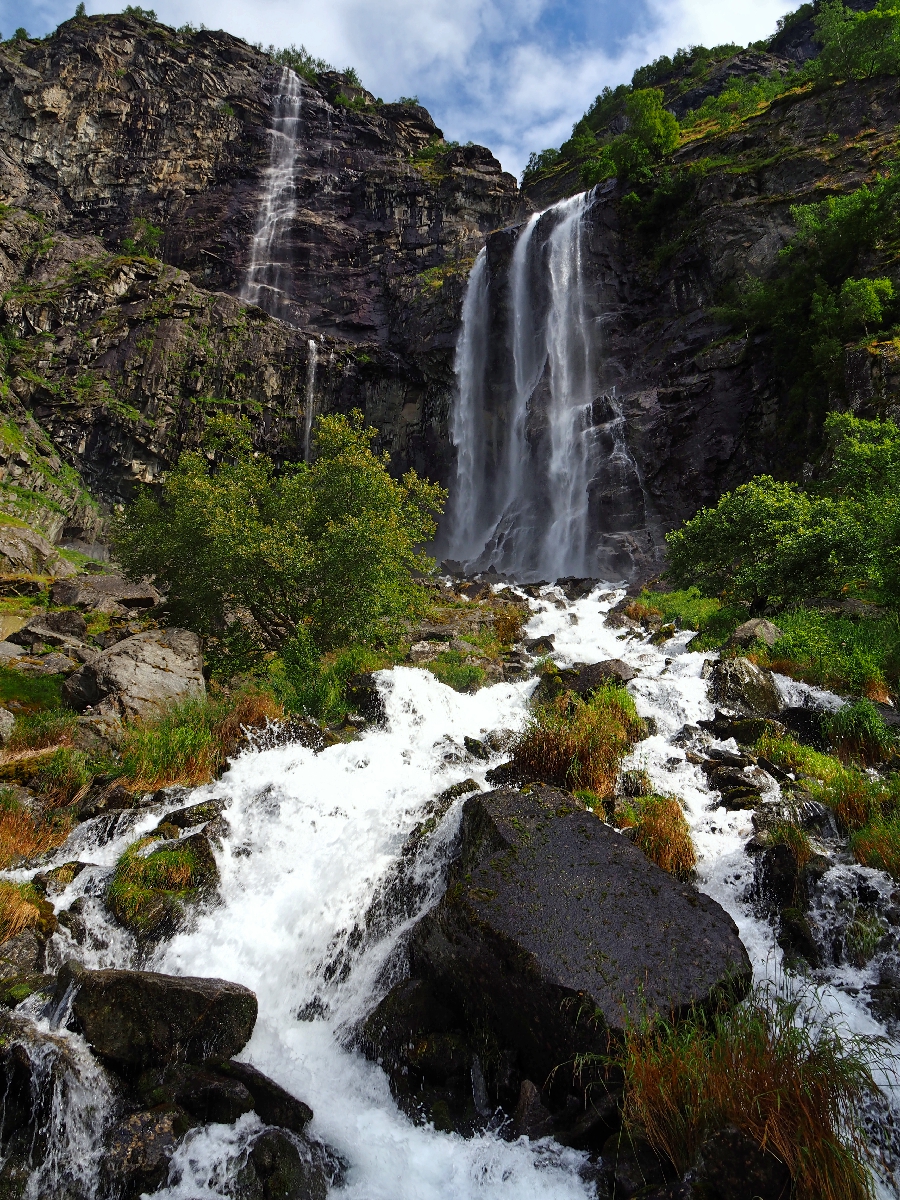
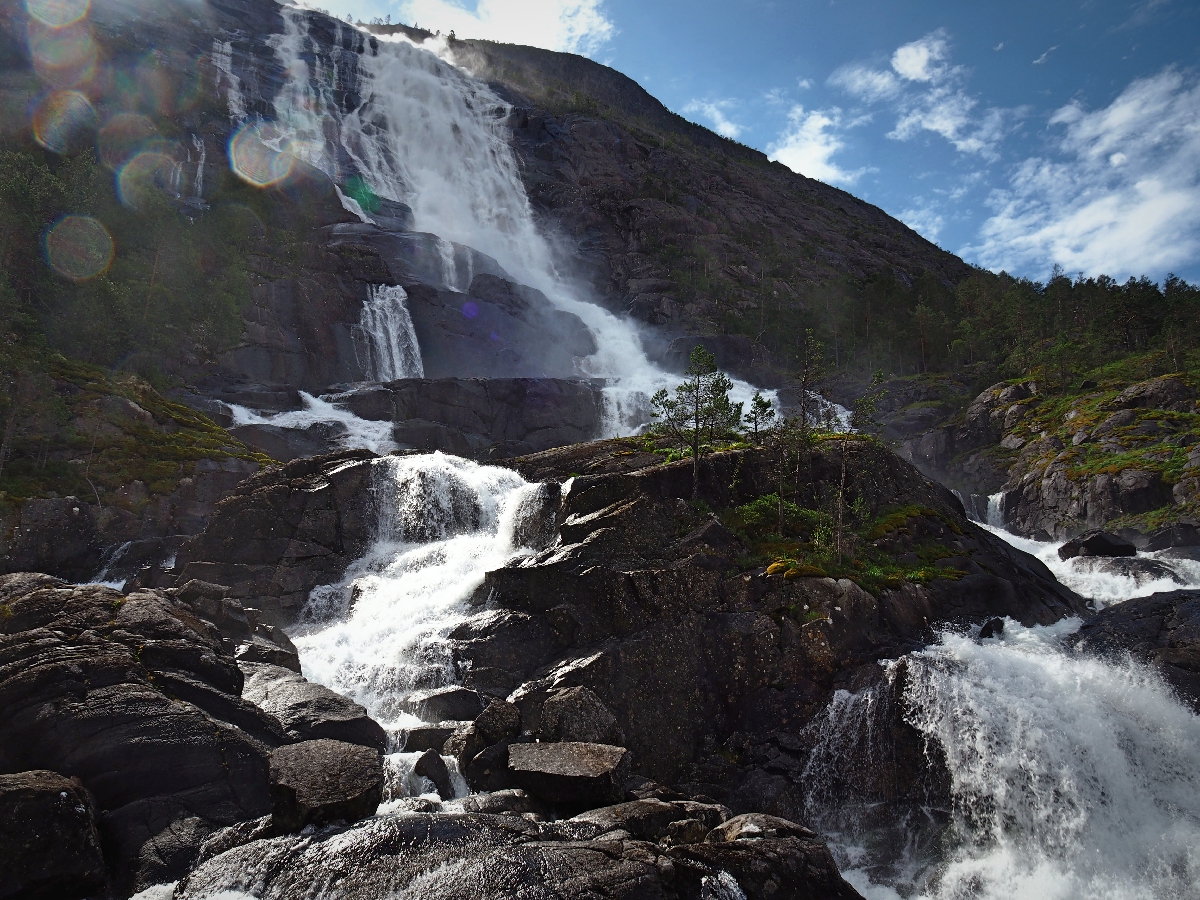
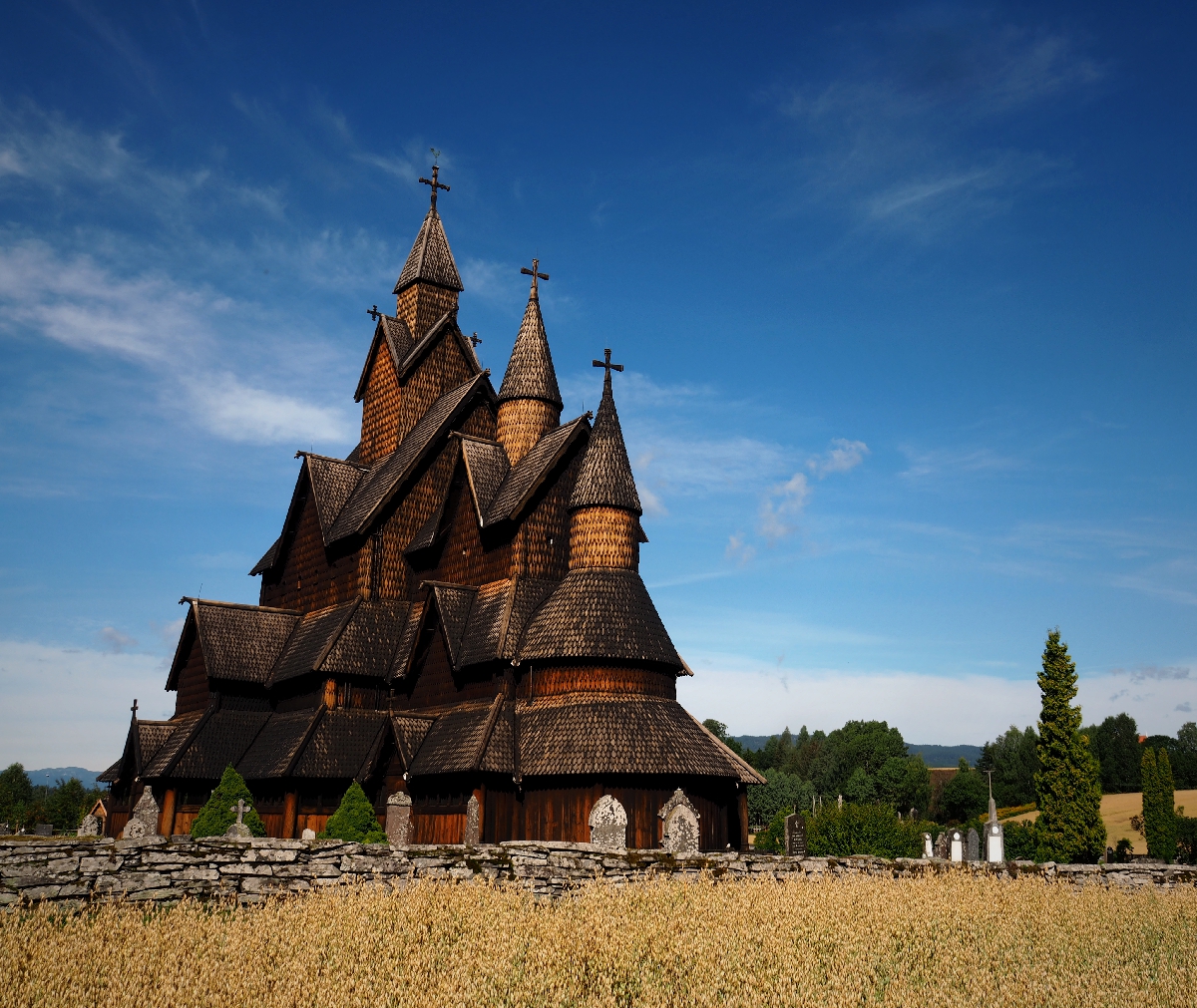
We slowly headed direction Oslo. We took a ferry from Gjermundsham to Årsens. Then we visited the Langfoss waterfall. We decided then and there that we would skip the hike to Trolltunga, because there were far too many tourists and it felt too commercialized. Besides we already enjoyed so many wonderful hikes in this country that we didn’t really care to miss this one. Shortly before we reached Oslo, we made another quick stop at the Heddal Stavkyrkje, an impressive ancient wooden church.
Langfoss:
Heddal Stavkyrkje:
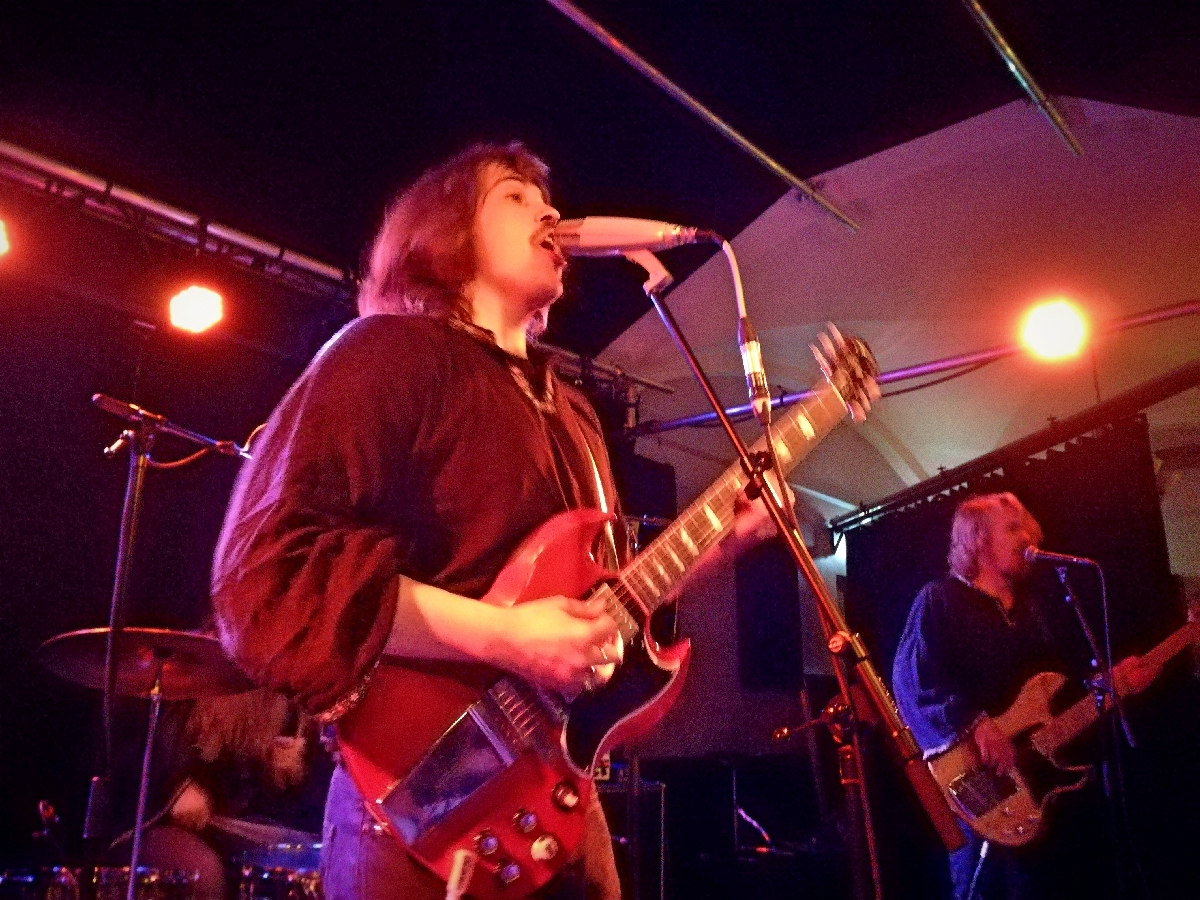
In Oslo we stayed in a nice hotel for two nights, met up with our Norwegian friend Ole and his brother Nils and attended a concert of a Norwegian rock band in Oslo’s underground music scene.
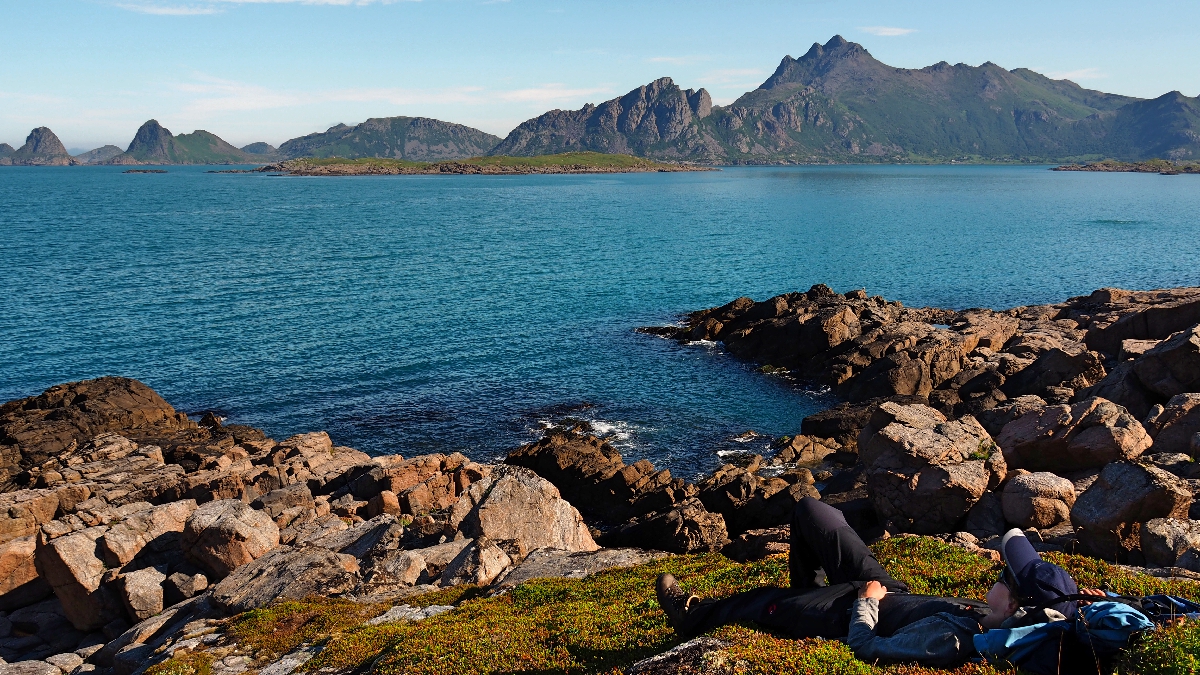
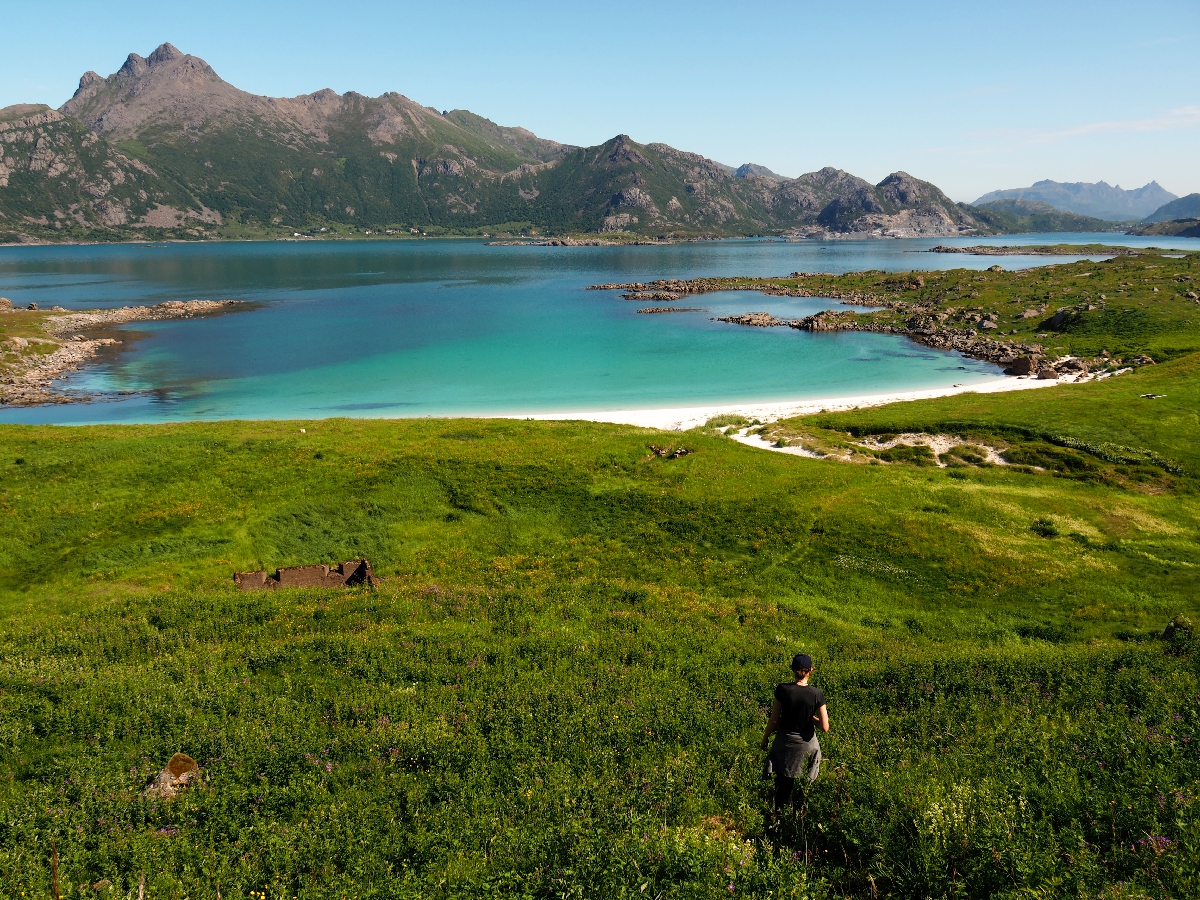
From here we’re now slowly heading back home to Switzerland. Finally our big and diverse journey is about to come to an end. Driving around in our Volvo, hiking and spending so much time in this unique natural enviroment was a great way of ending our trip and an experience beyond our expectations. Norway is truly one of the most beautiful countries we have ever visited and with so many natural wonders to explore – fjords, lakes, coastline, glaciers, waterfalls and mountains – it has been a great time.
From Beijing we flew to Costa Rica for some relaxing days on the beach. Due to the rainy season there wasn’t much of hiking or general exploring possible and we got bored quite quickly. Moreover our camera got stolen while we were surfing at the beach. We immediately contacted a friend who works for our insurance company and within 48 hours we got our money back – Swiss efficiency at its best!
Although we had initially planned to travel through Central America, we changed our plans because of the rain season. We left Costa Rica and flew to Los Angeles. Upon arrival at the baggage claim, one of our backpacks arrived in a miserable condition. It looked like it had gone through a giant shredding machine! We’re still waiting for the refund that Delta Airlines promised us… We went to the car rental agency in order to pick up the car we had booked online. But due to a bomb threat close to the area several streets were blocked down by the LAPD, which caused a big chaos. They were running out of available cars while more and more customers were arriving and waiting for their rentals . We weren’t in a hurry, so we went to the next diner and ate some burgers with fries. The station manager was very grateful for our patience and gave us a free upgrade to a car of the premium section! Finally we got lucky!
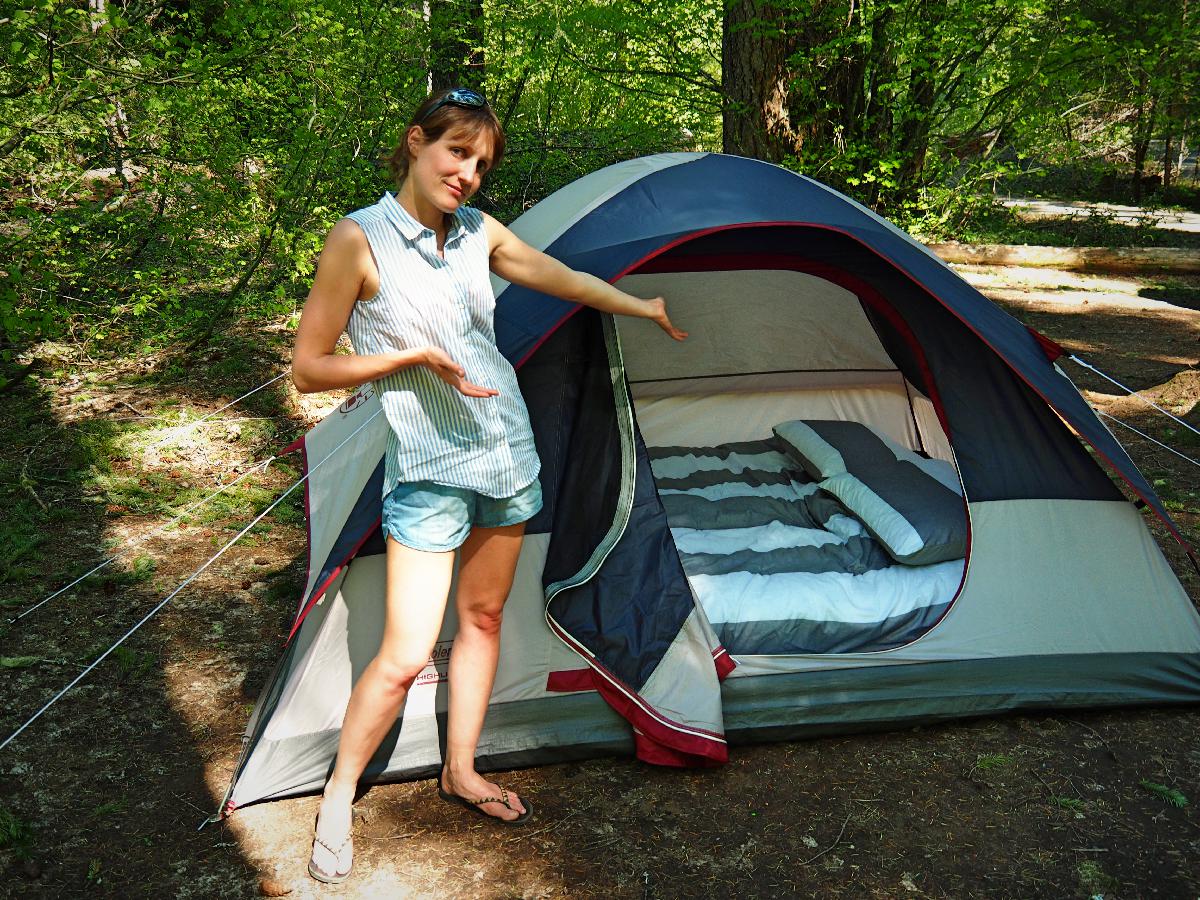
When we got the car we replaced our stolen camera with the same model and bought a big tent, air mattress, sleeping bags, pillows, other basic camping equipment and a Road Atlas. Finally we were ready to hit the road and couldn’t wait to get out of the city. Because we already visited the States on our last journey around the world 5 years ago, we had already seen LA and its major sights anyway. As fans of the early days of Guns n’ Roses we just had to pay a quick visit to Canter’s Deli, which we hadn’t seen the last time. There we ate some delicious pastrami and homemade pickles.
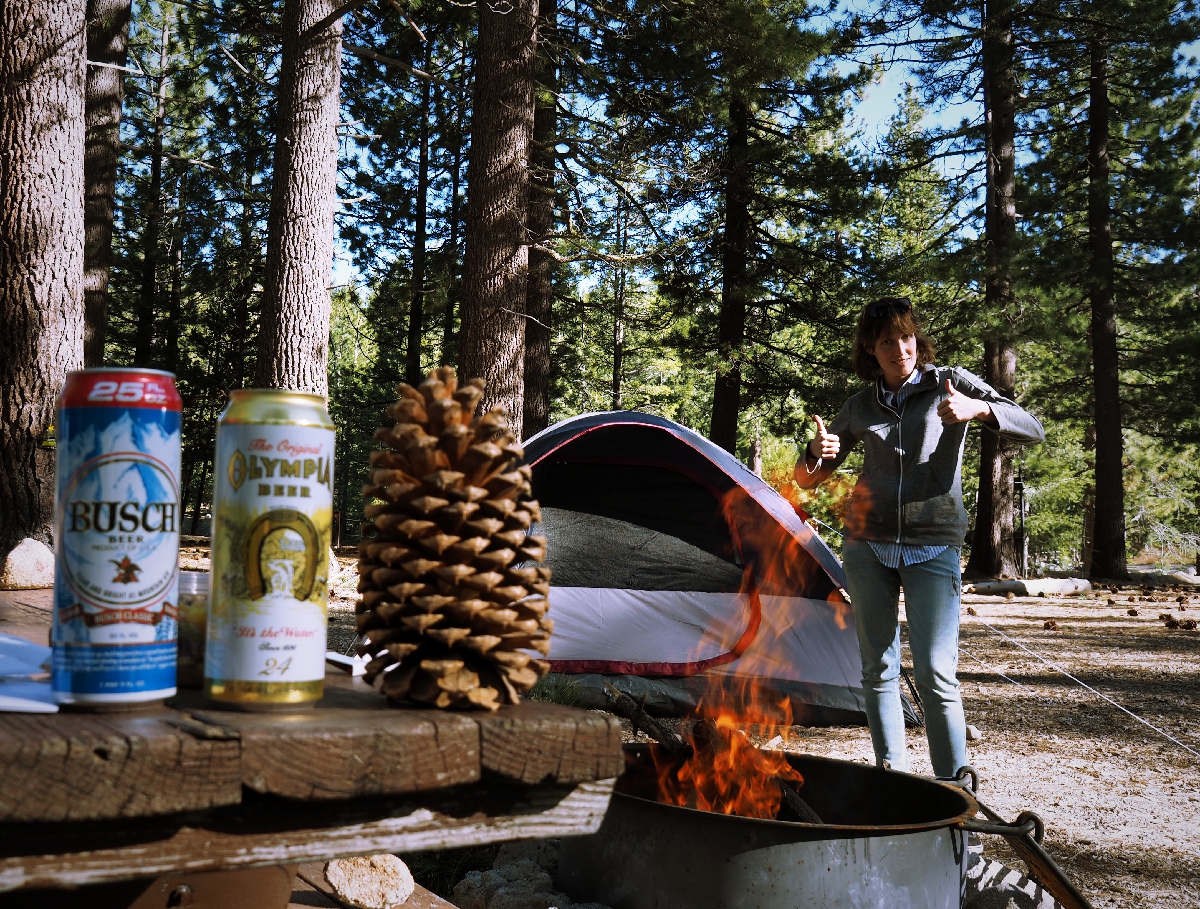
From then on we basically always camped in nature, cooked food over a fireplace and washed ourselves in rivers and lakes. We tried to avoid the big interstate roads as much as possible and stayed on the small highways which led us through America’s beautiful countryside.
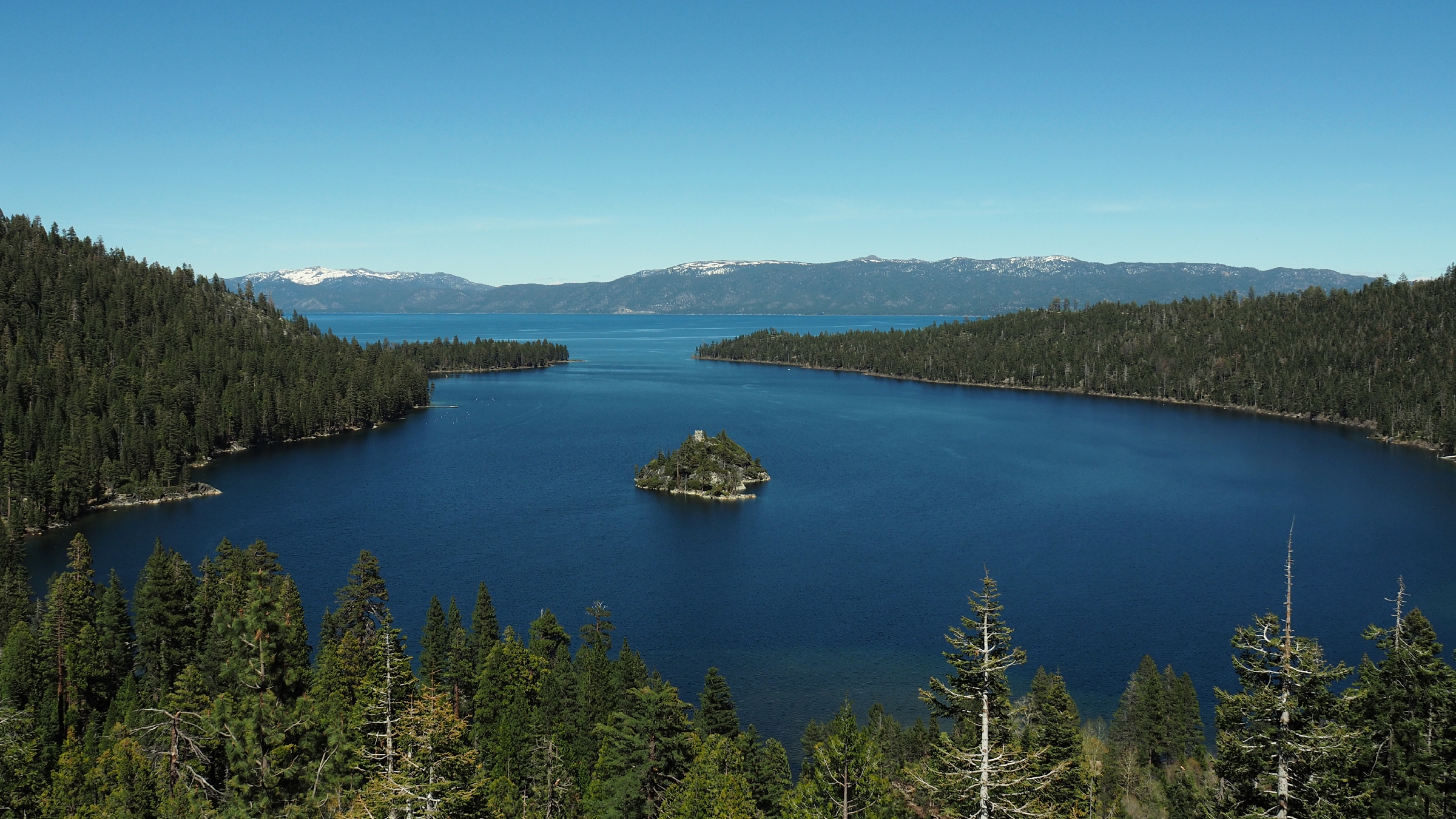
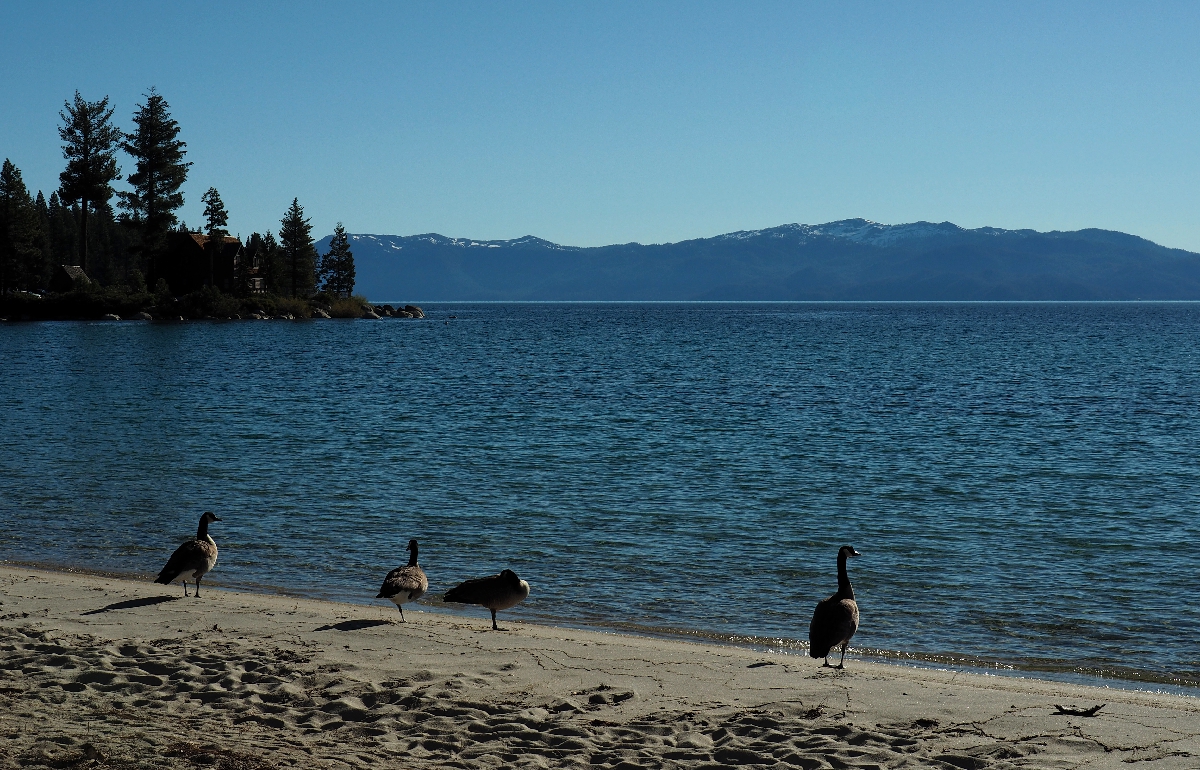
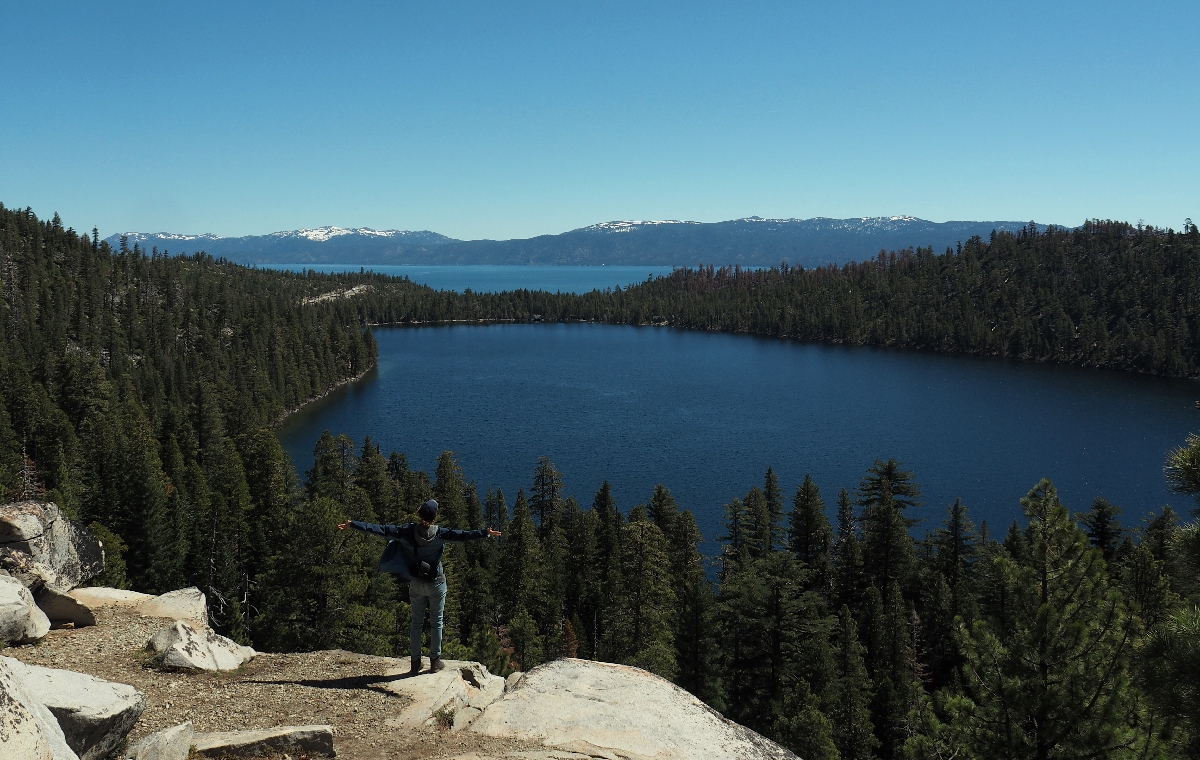
Our first major destination was Lake Tahoe. Because California had a record year of snowfall, there was still a lot of snow lying around. Therefore the nights in our tent got a bit chilly and most hiking trails were still closed. Nevertheless we had a lot of fun while exploring the area.
On the way to Tahoe:
Lake Tahoe:
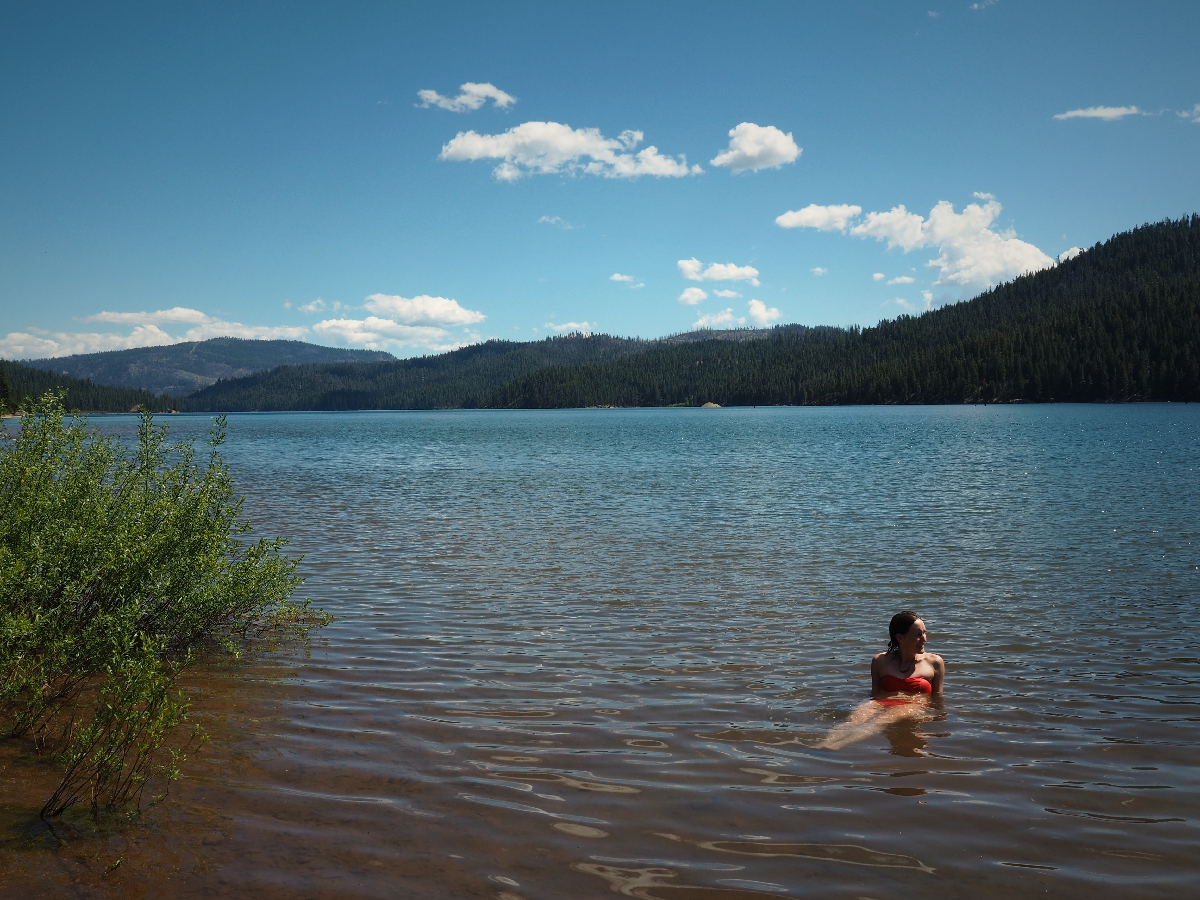
Heading north our next stop was Butte Lake, where we took a quick dip in the water. Our campground neighbor Bill invited us for a beer and wanted to know more of our travels. When we told him about our adventures in China and that the Chinese were very friendly hosts, he immediately invited us for dinner. Later on, over BBQ chicken, he said that he couldn’t let us go home telling our friends that the Chinese took better care of us than the Americans did.
Butte Lake:
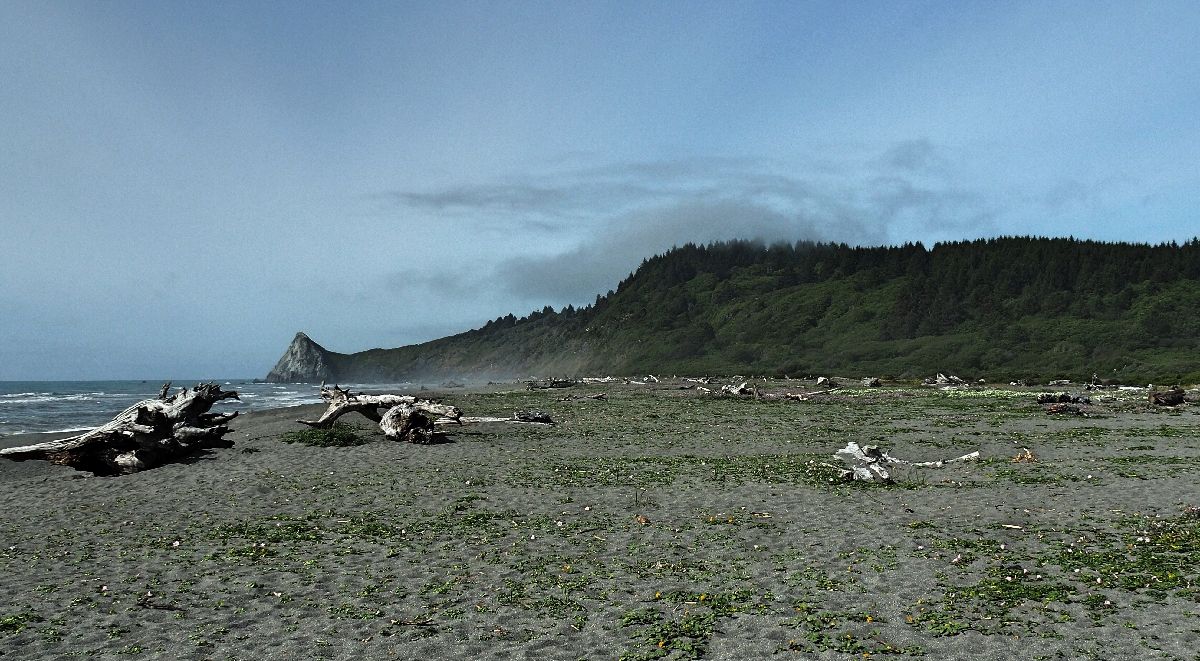
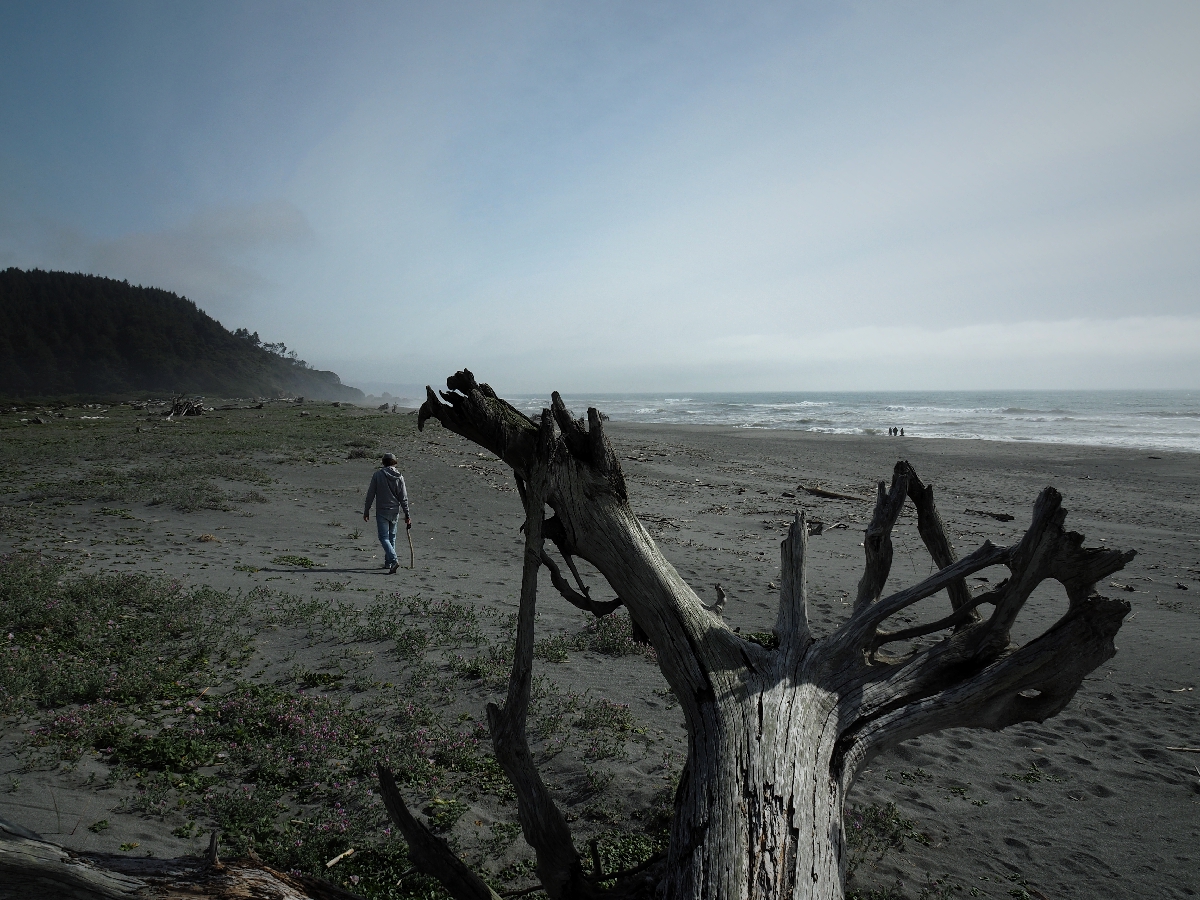
Through the scenic countryside we headed for the coast in order to visit the Redwoods National Park. Just before we got there, we camped at the Elkland campground. Obviously there were a lot of elks running around and the nearby coastline was wild, rough and beautiful.
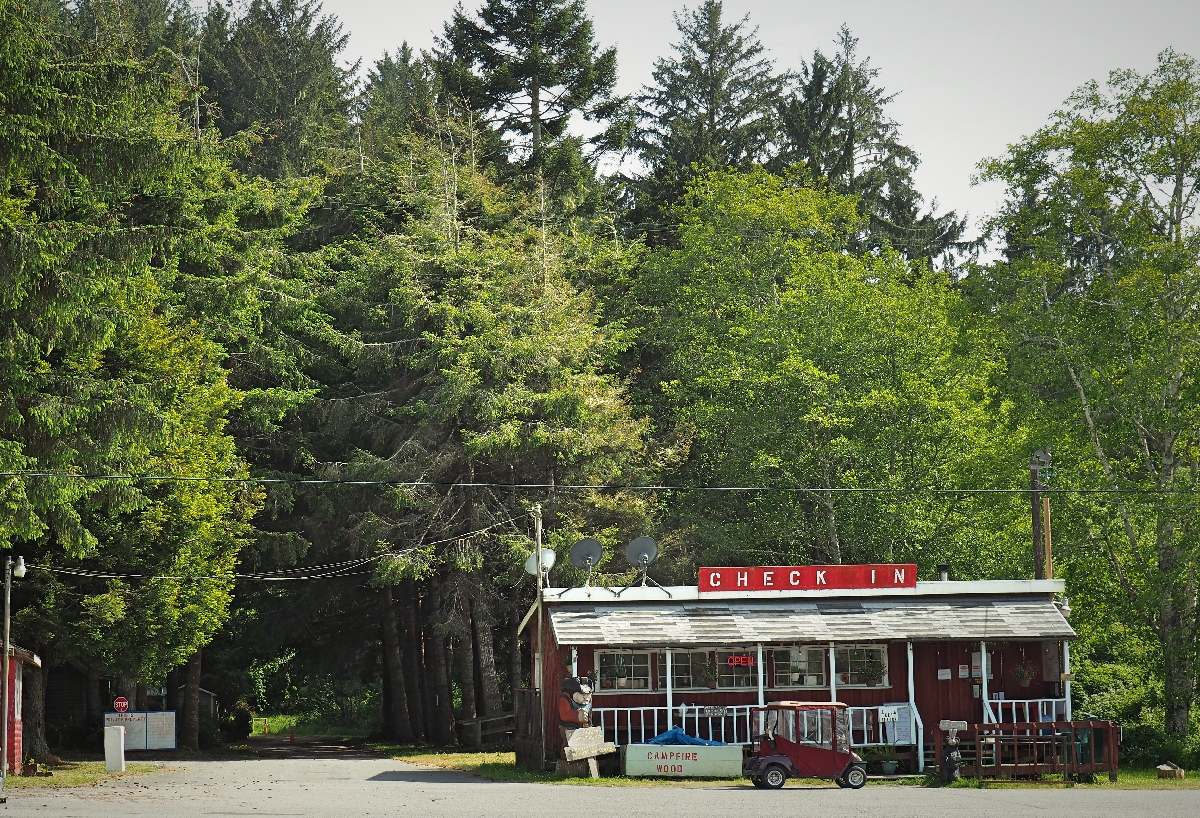
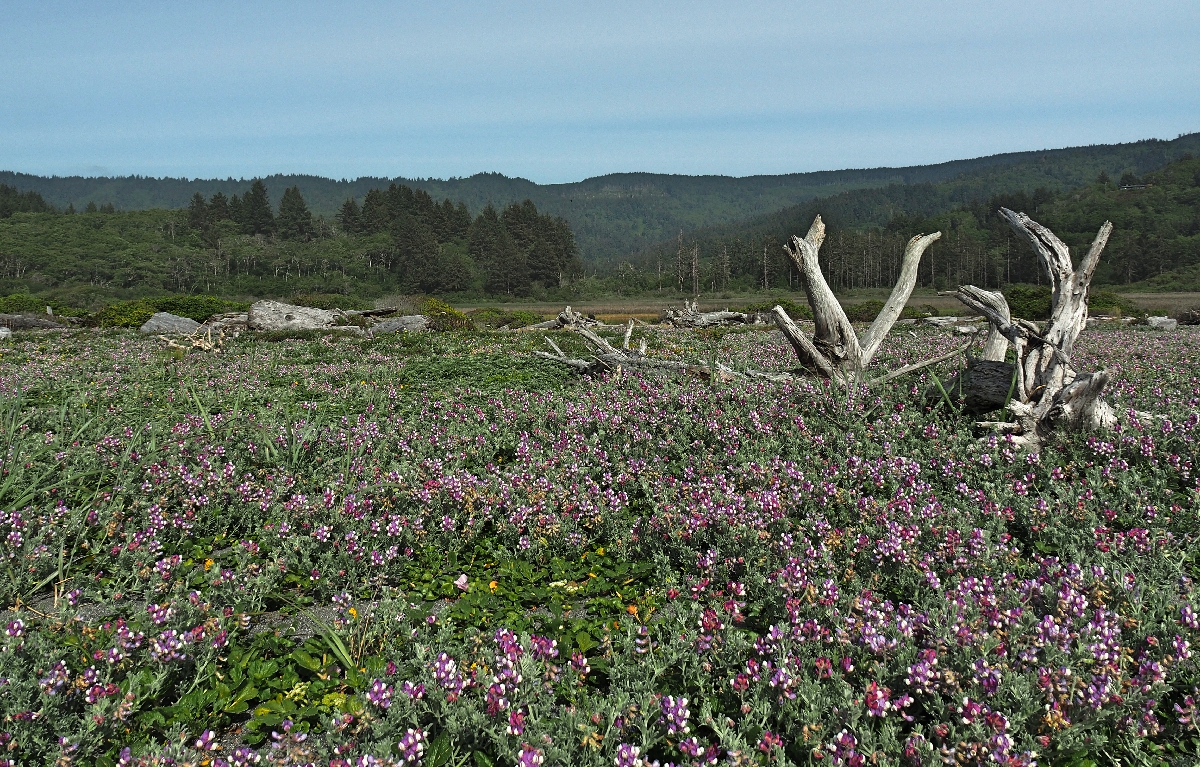
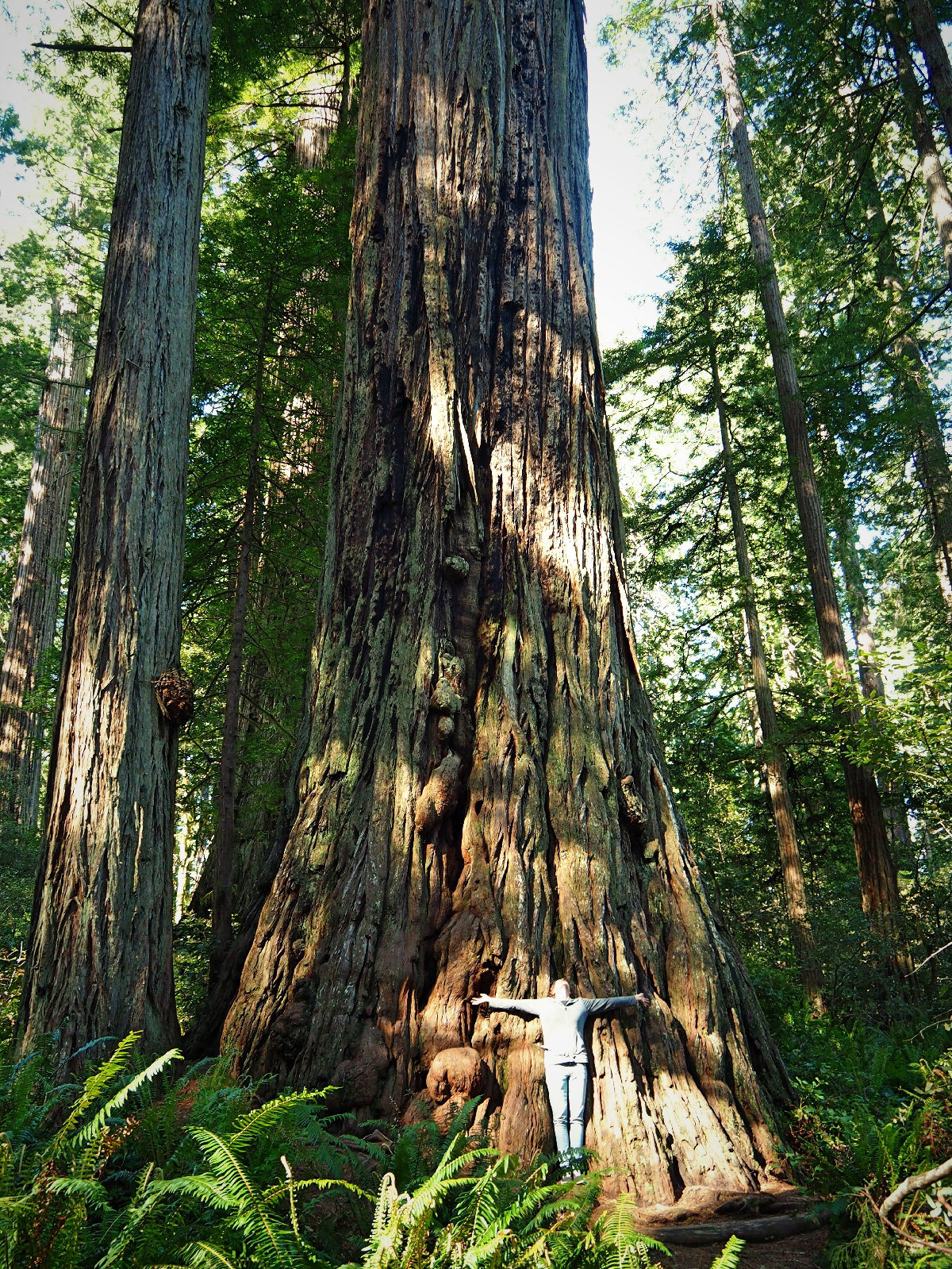
The next morning we were woken up by midgets, nasty little mosquitoes, which were tiny enough to creep into our tent. It was time to wake up anyway, so we left the scene to see the big trees. In the park we did a short hike among these impressive wooden giants. After that we followed route 96 to Hamburg. We drove through a hilly countryside covered with purple flowers. There was hardly any traffic and driving through the little and almost empty farm towns felt like riding through no-man’s-land. When we started looking for a place to camp, we stopped at a sign which said “RV Park”, but the place rather looked like an abandoned farm. There we were greeted by Mary-Ann, a lovely lady in her early 70ies with hardly any teeth left, and here chubby little dog. She was pleased to meet us and said that there were not many visitors passing through anymore. She even offered us to stay for free. As she walked us through the property she told us about two big fires and the recent heavy snowfall that had hit the region in the past five years and which have scared her for life. We appreciated her offer, but decided to look a little further anyway, where we found a nice little spot next to the river. And the best part was that we had the place to ourselves! We took a refreshing dip in the river, made a fire and enjoyed the solitude.
Redwoods National Park:
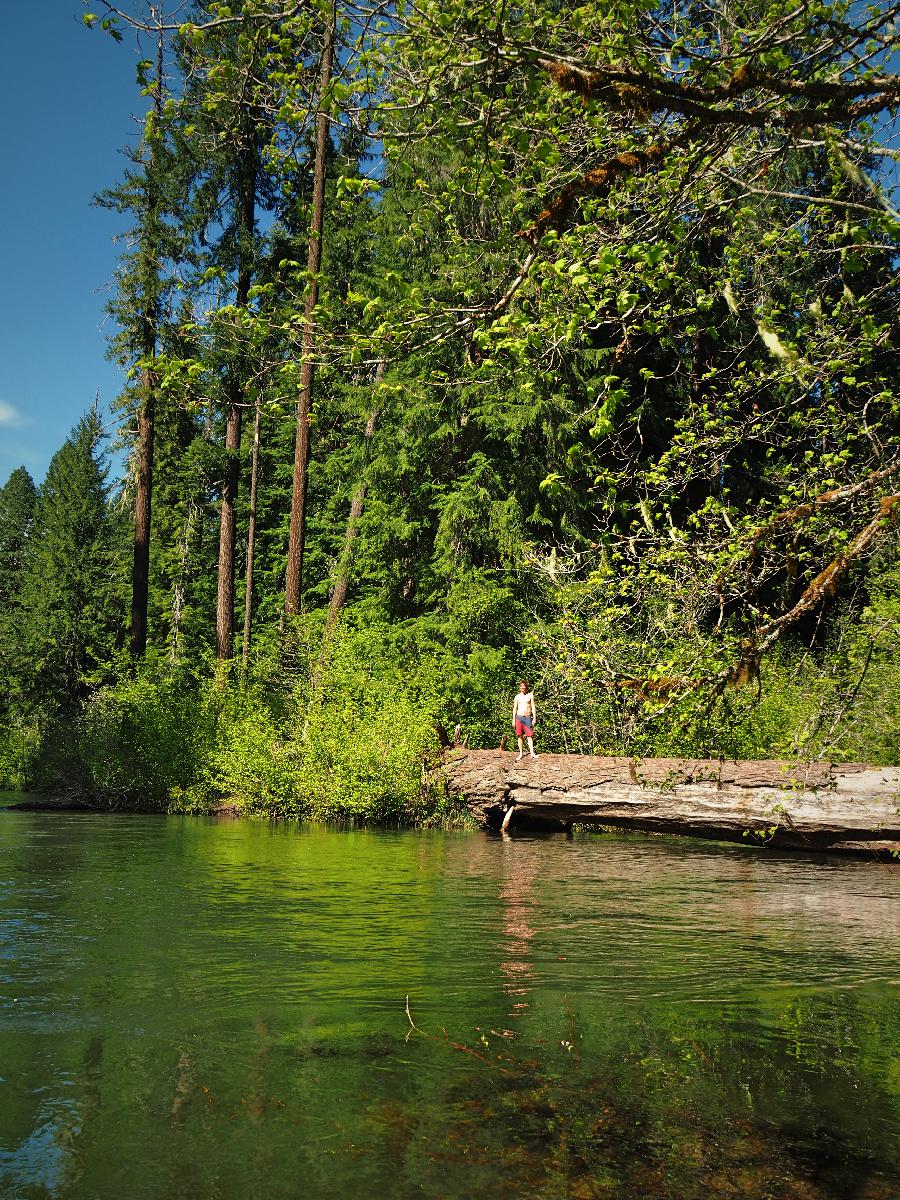
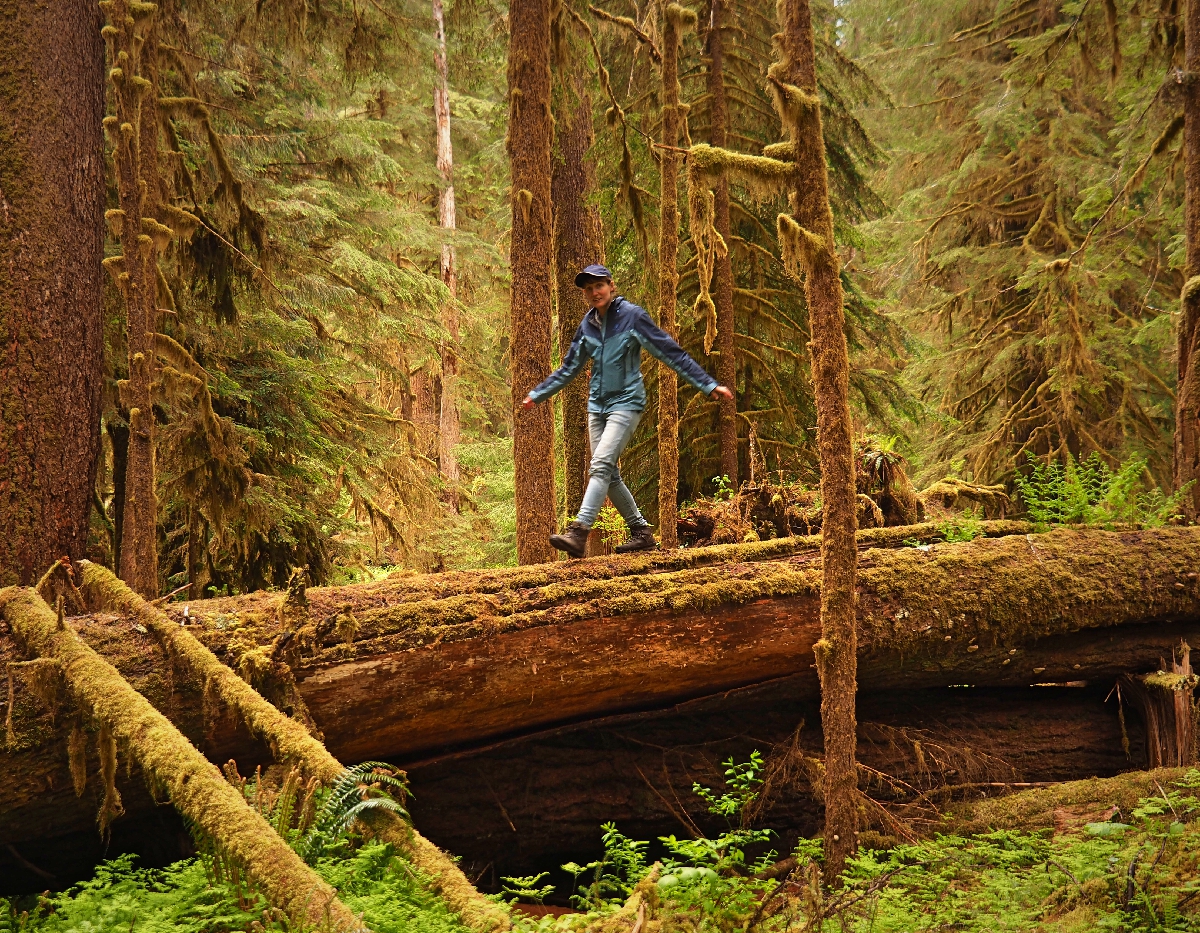
On our way to Crater Lake National Park we camped at a secluded campground next to a small creek. A big tree that had fallen over the creek formed a natural bridge and with the sun reflecting itself in the stream, it made a peaceful and idyllic setting. The water was ice cold, but we still couldn’t resist taking a bath in it.
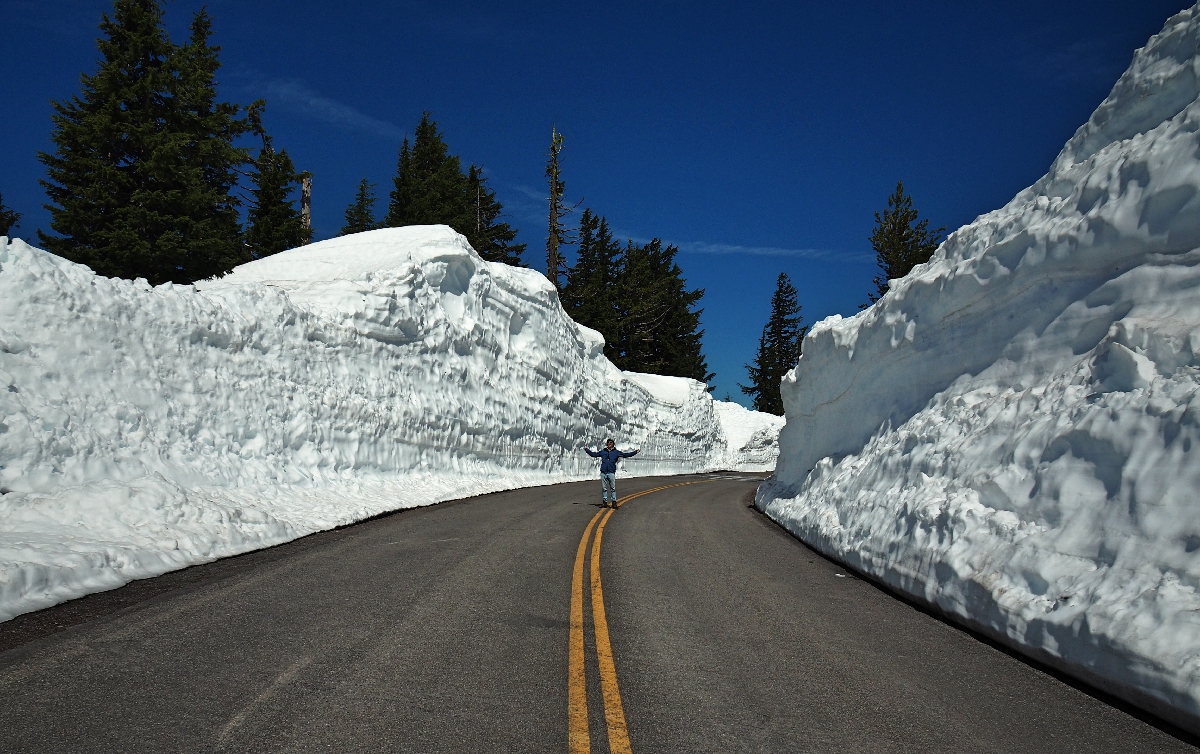
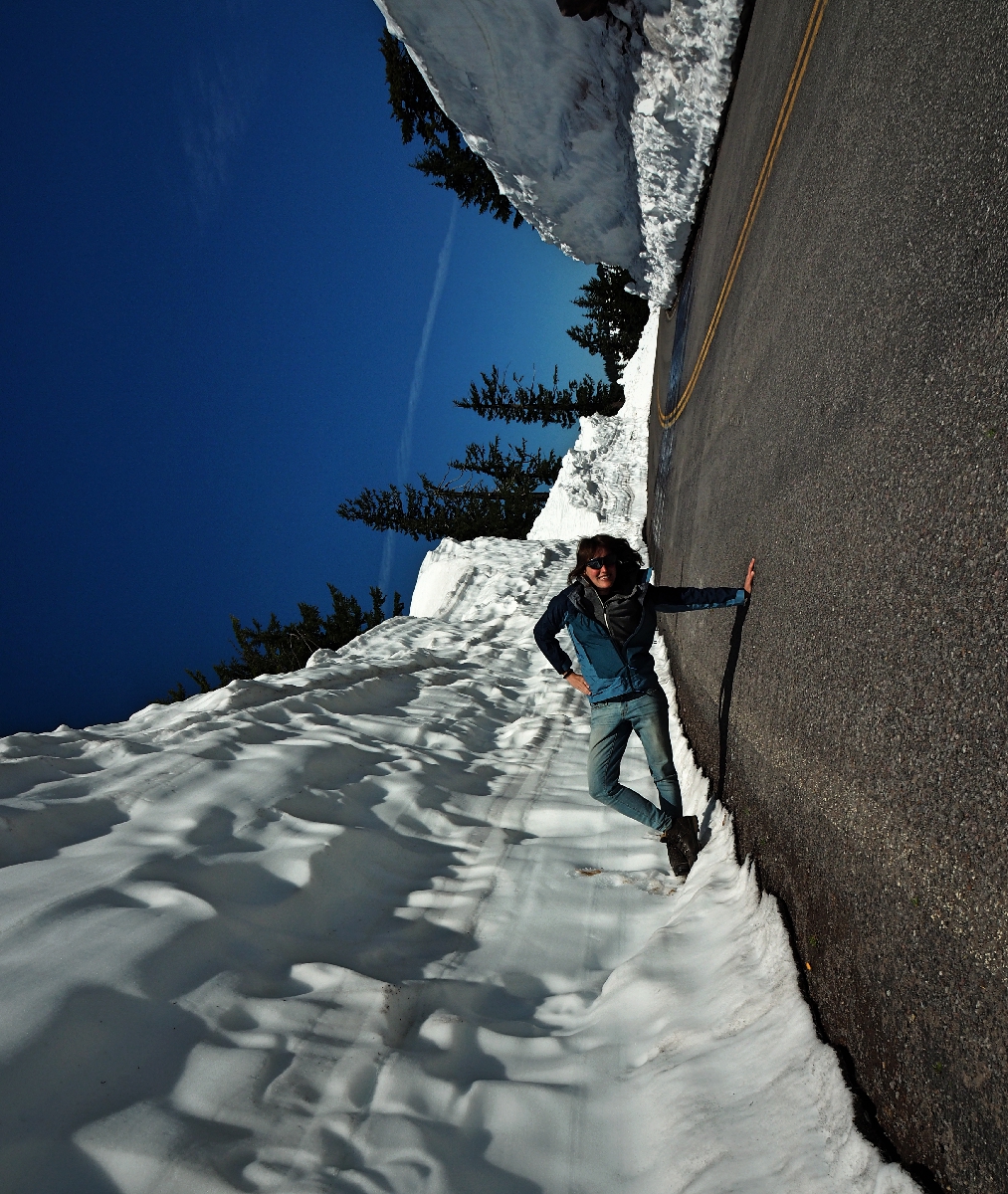
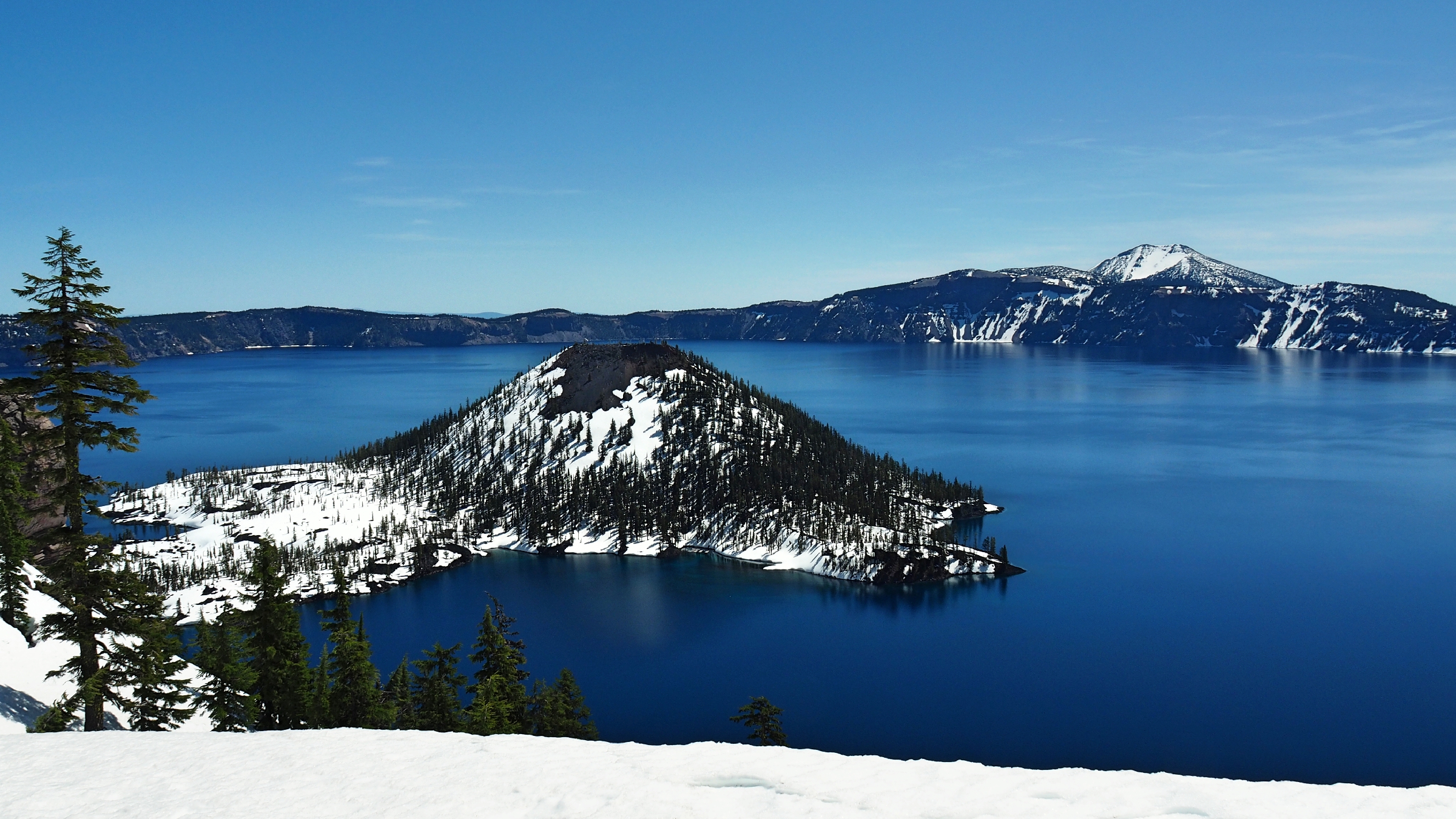
Crater Lake National Park proved once more that there had been a record year of snowfall. The park rangers still hadn’t finished clearing all the roads and the open ones had huge walls of snow along them. However the view of the deep blue Crater Lake surrounded by loads of snow left a great impression on us.
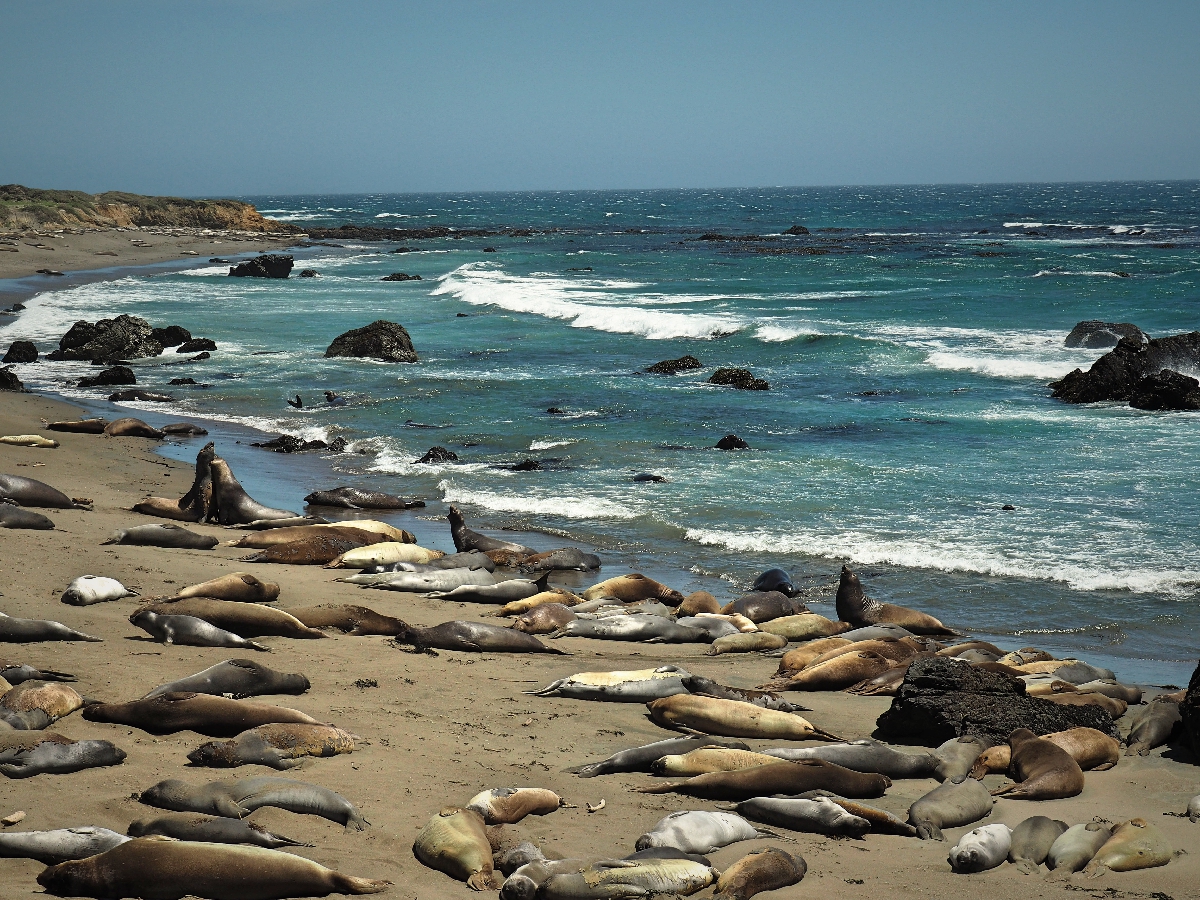
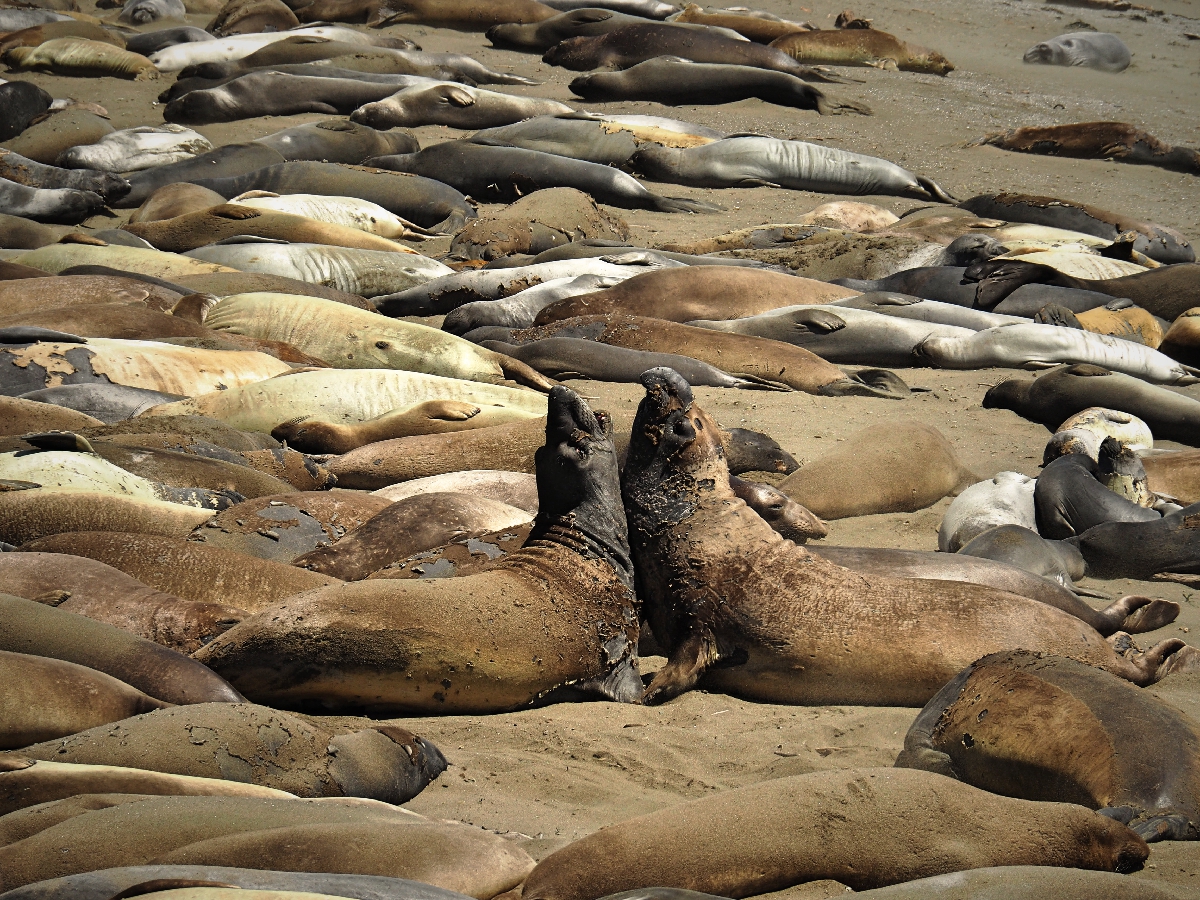
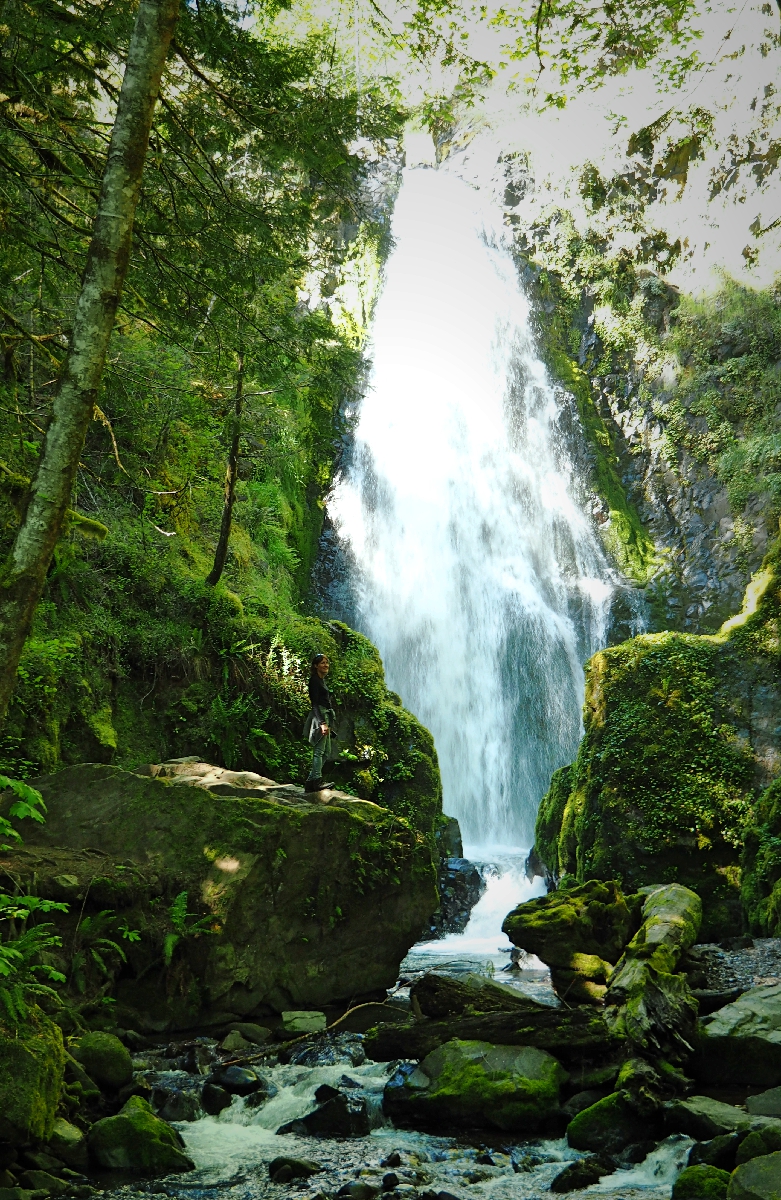
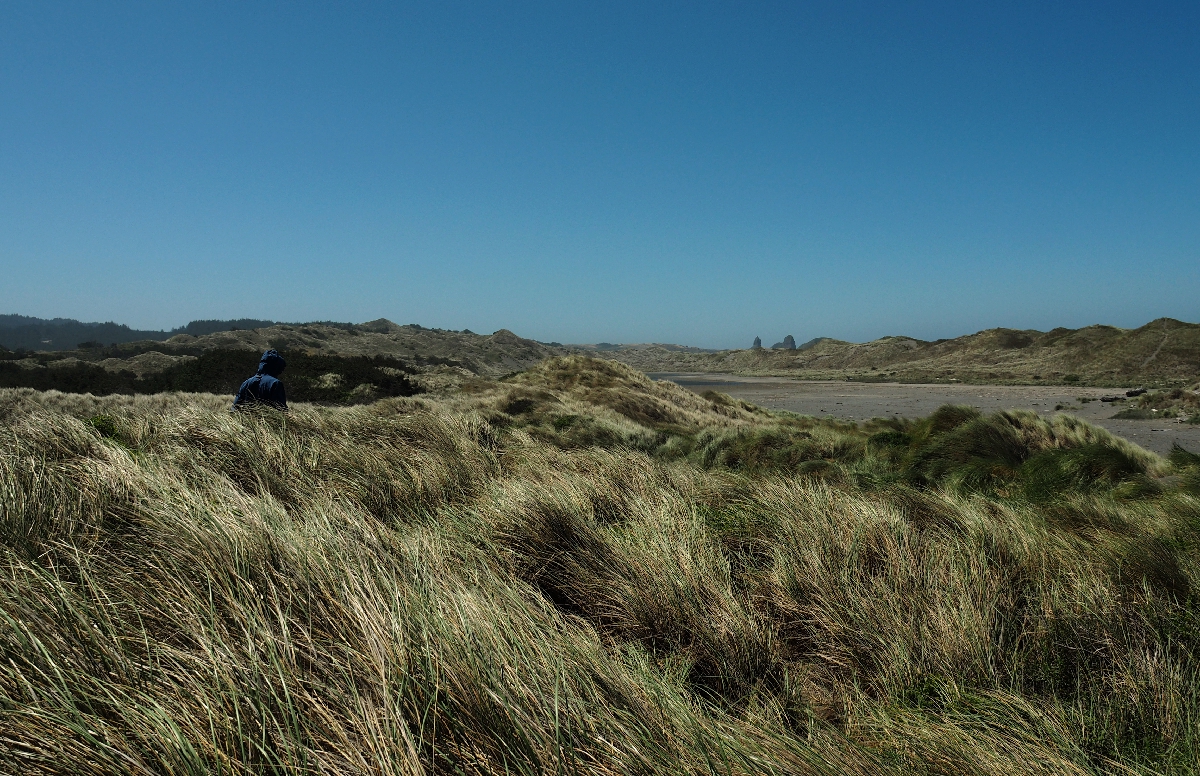
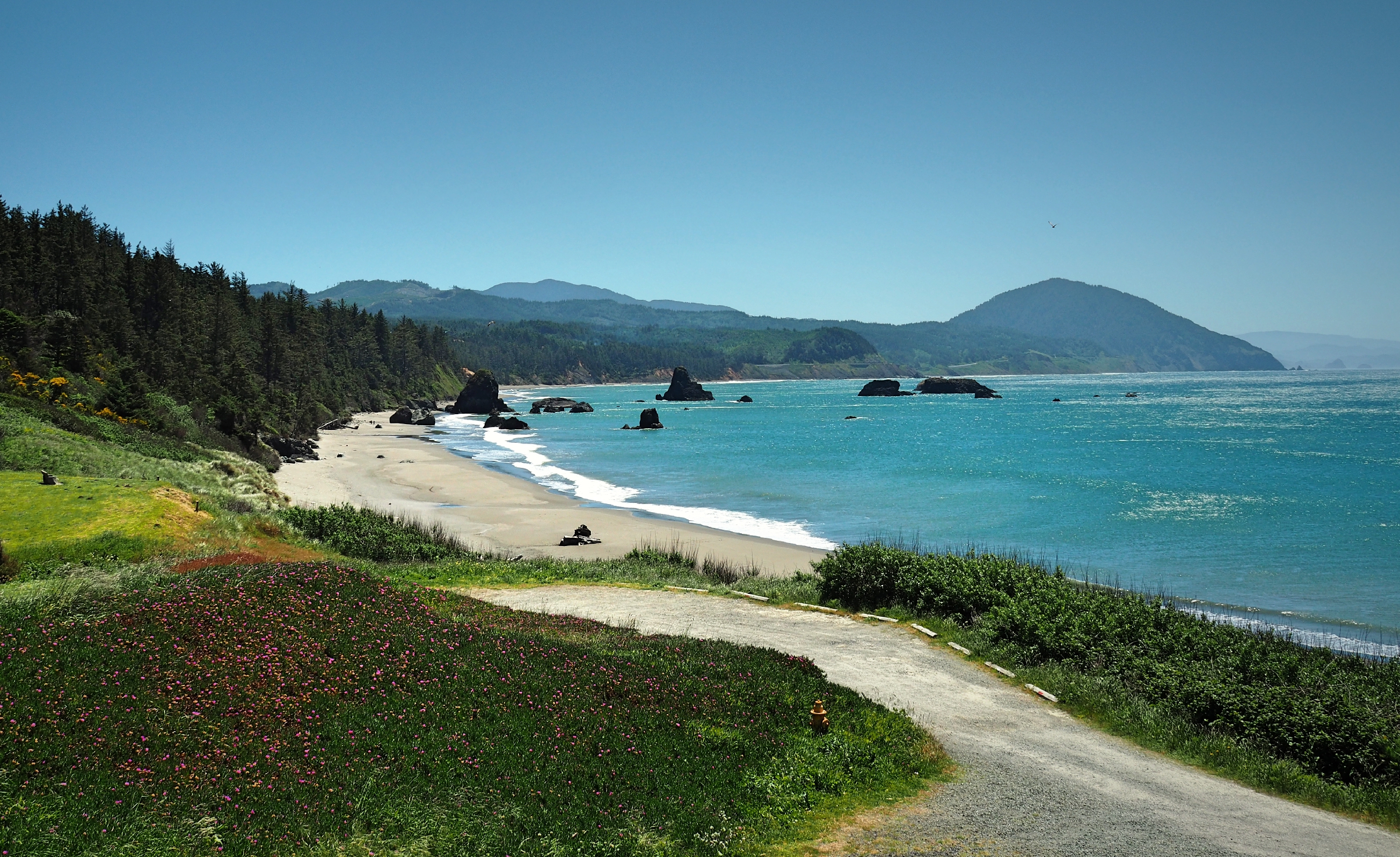
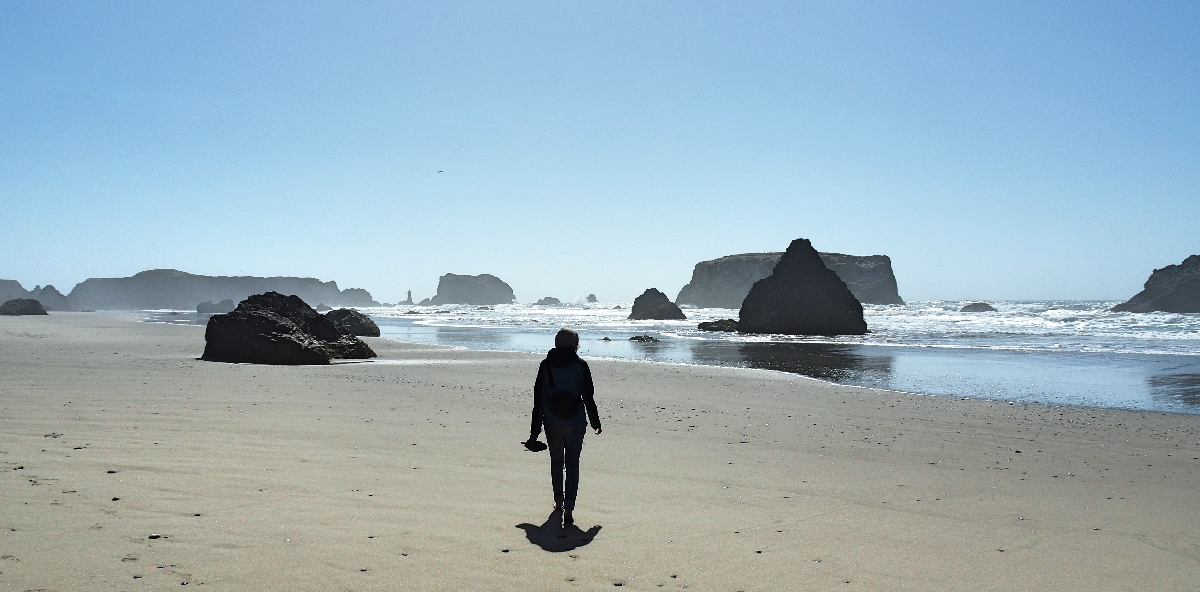
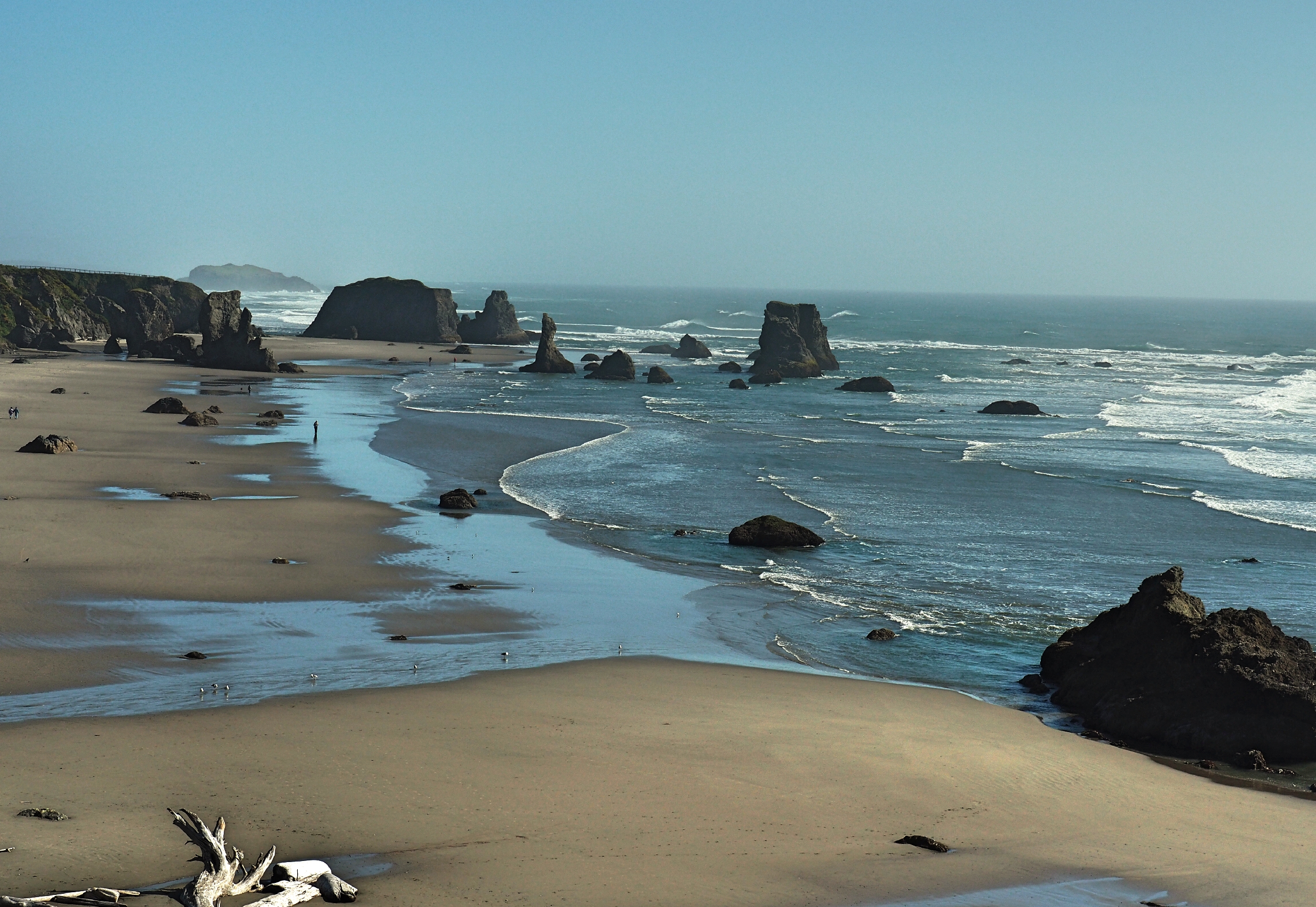
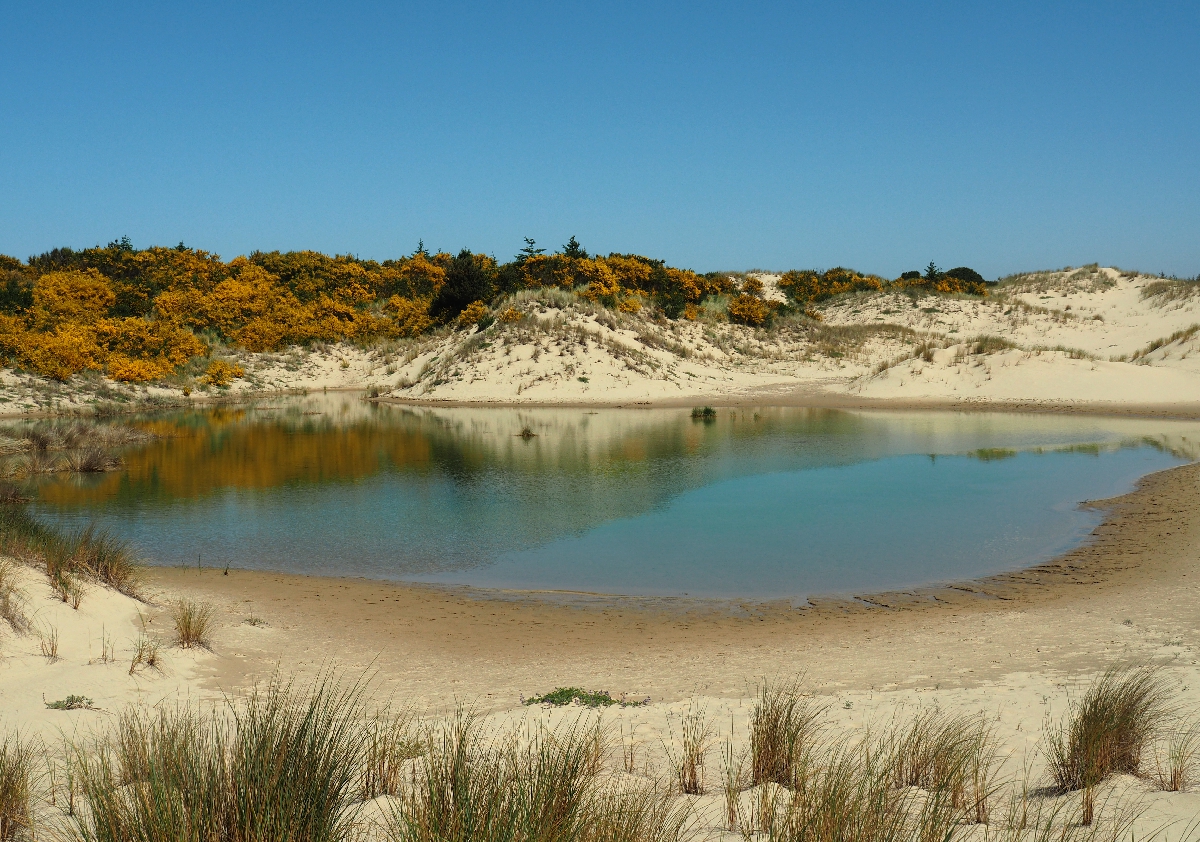
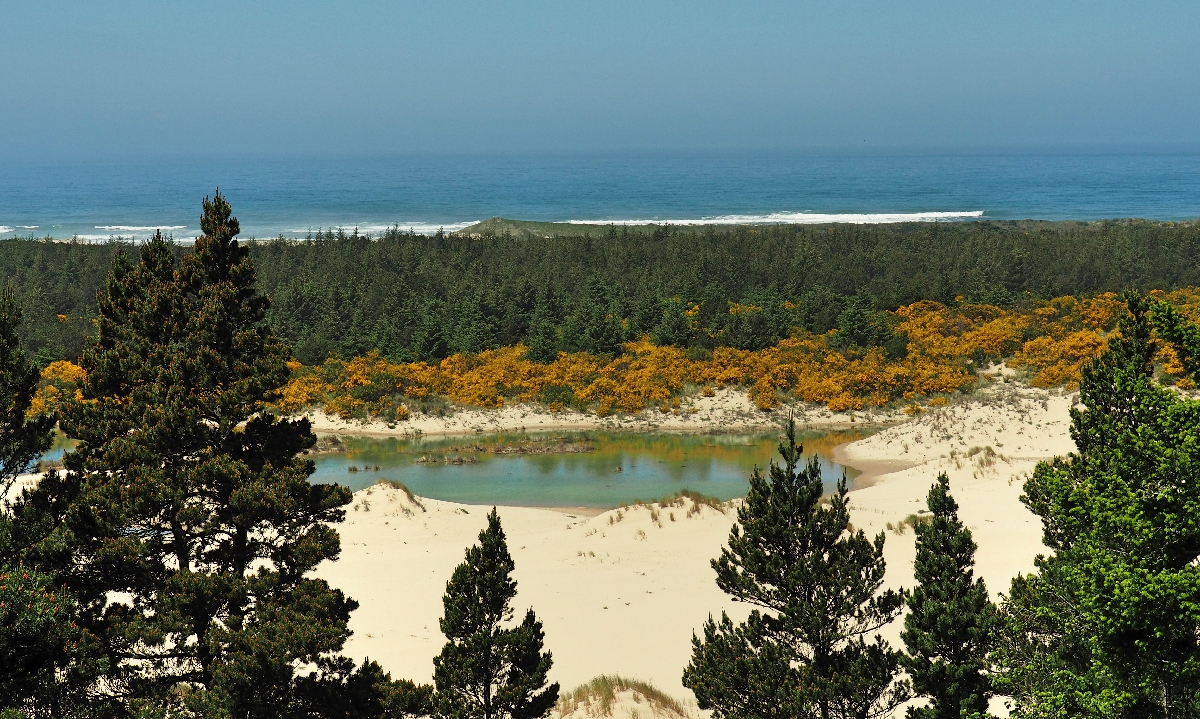
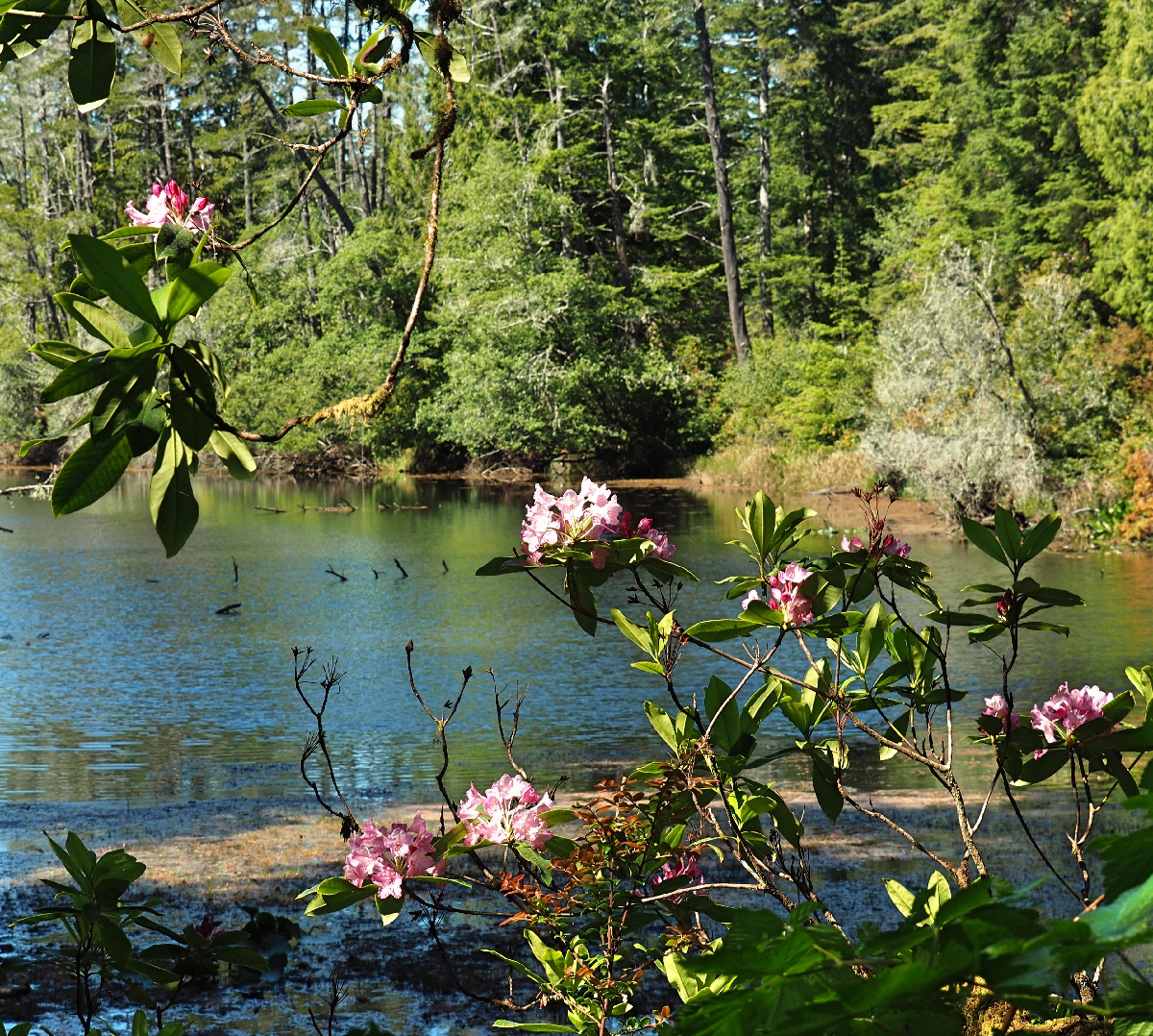
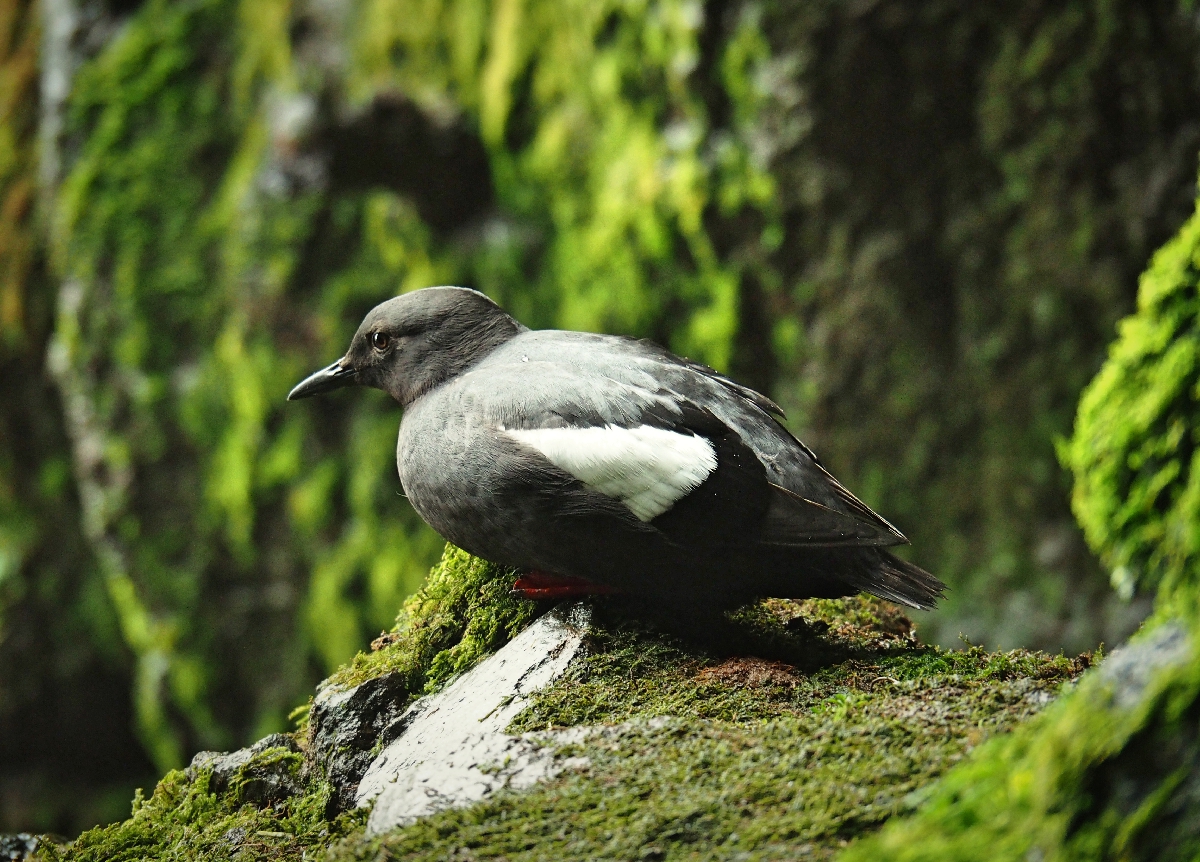
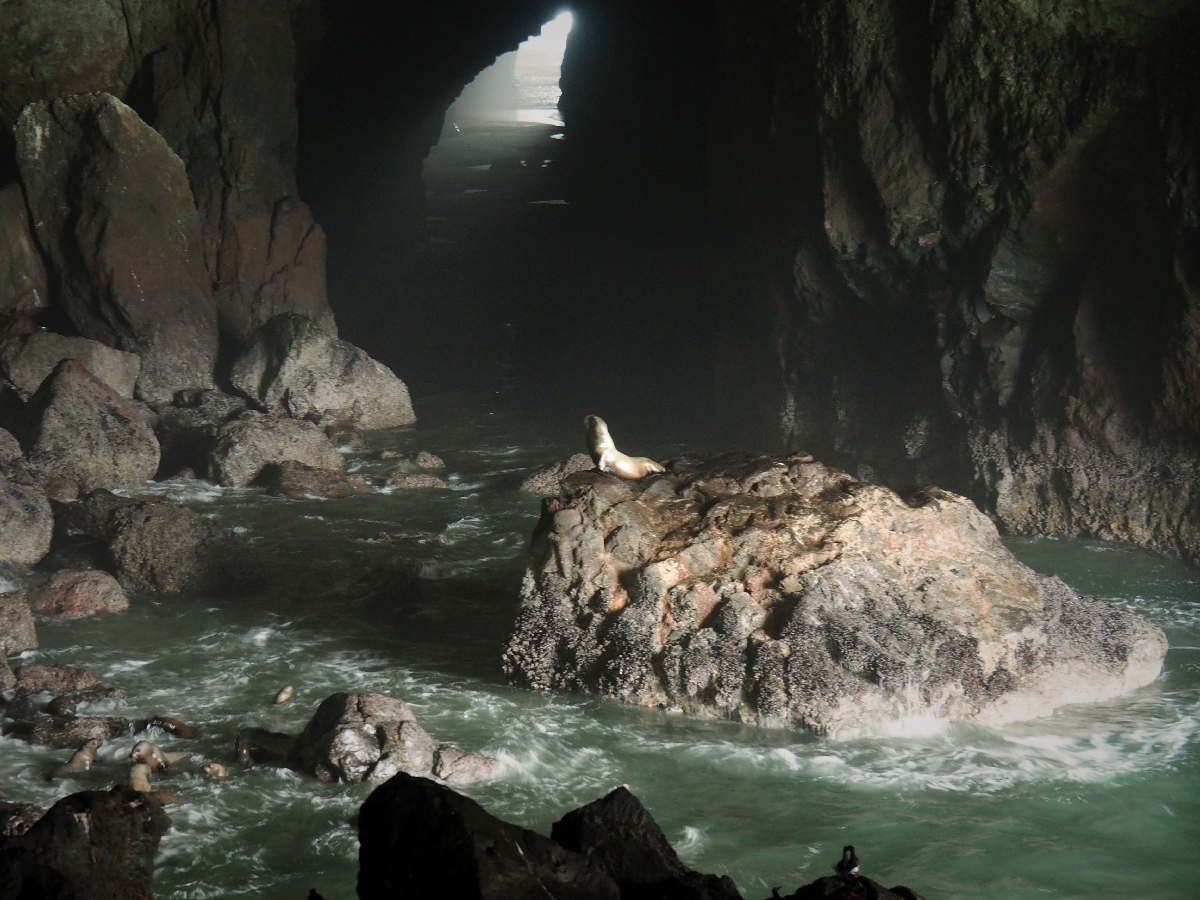
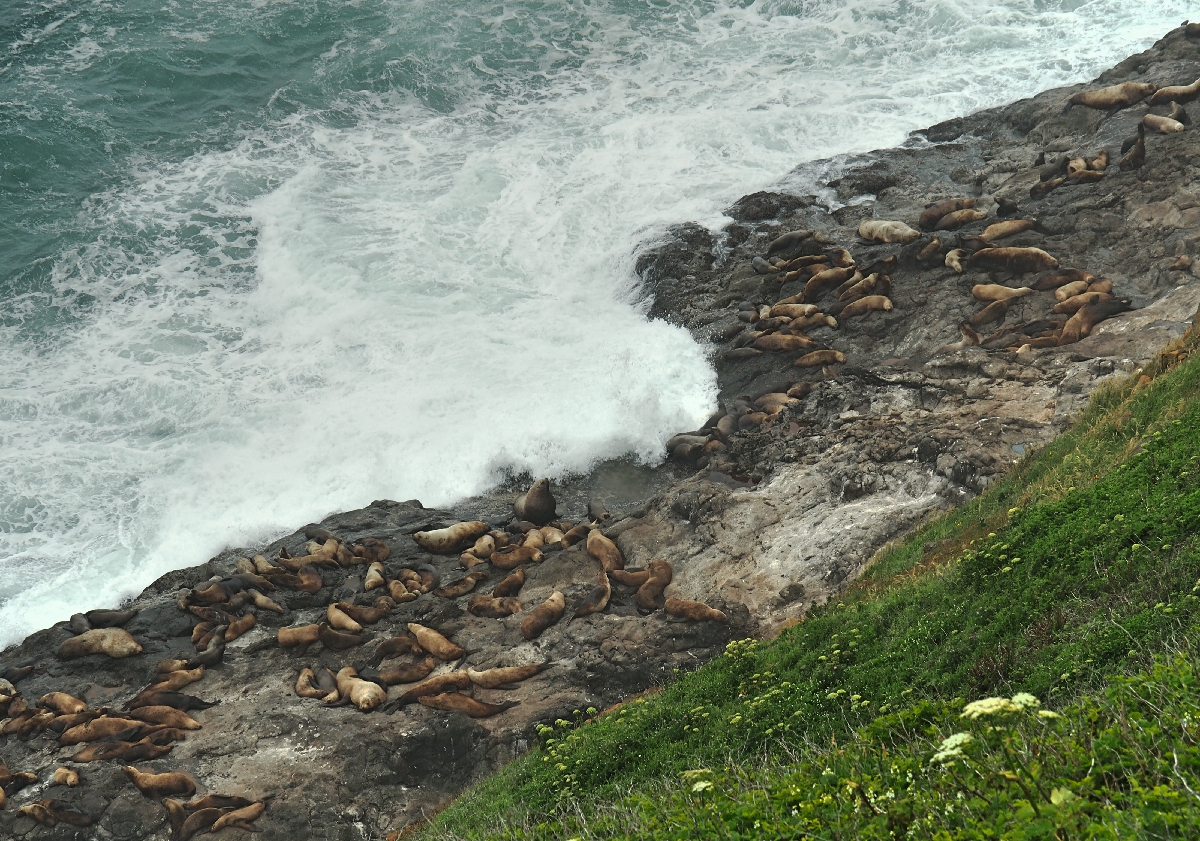
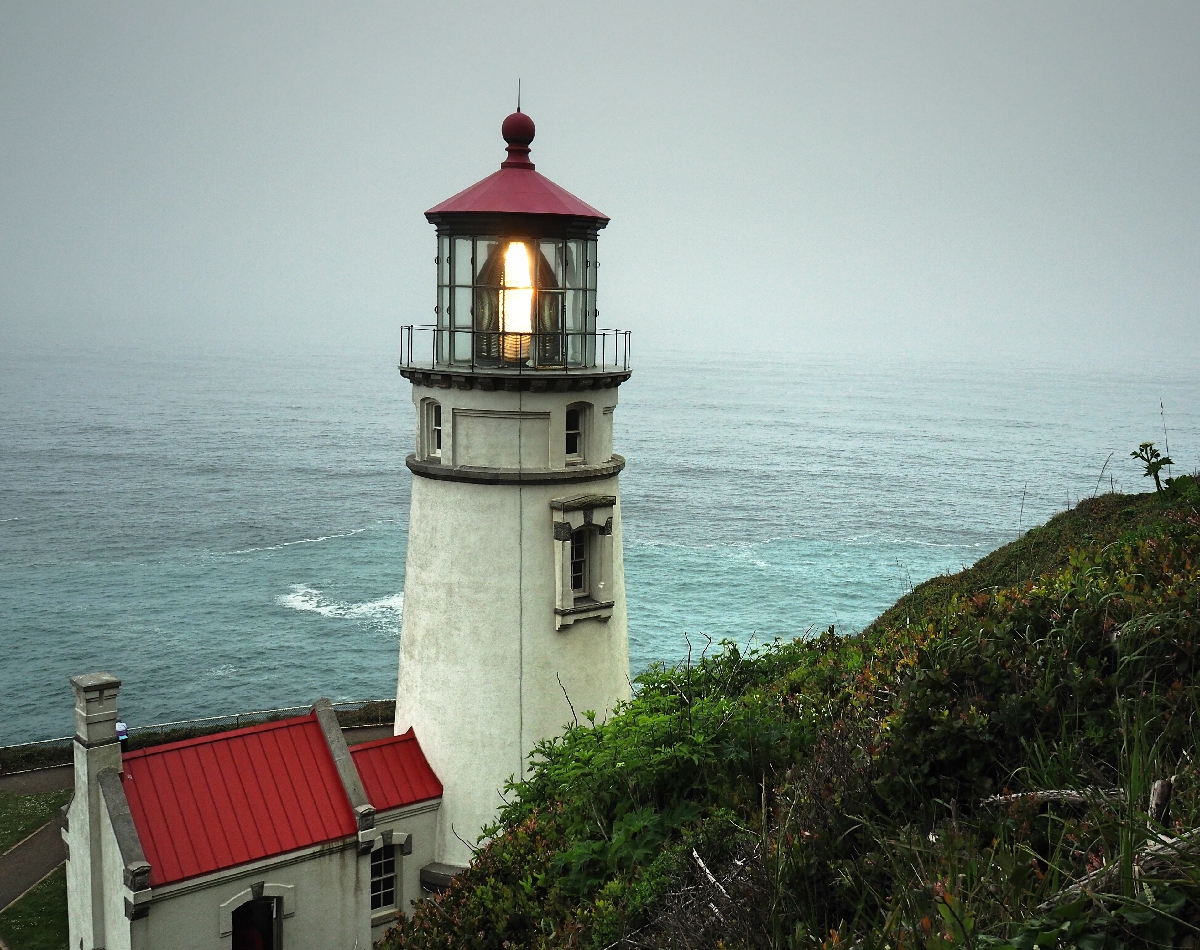
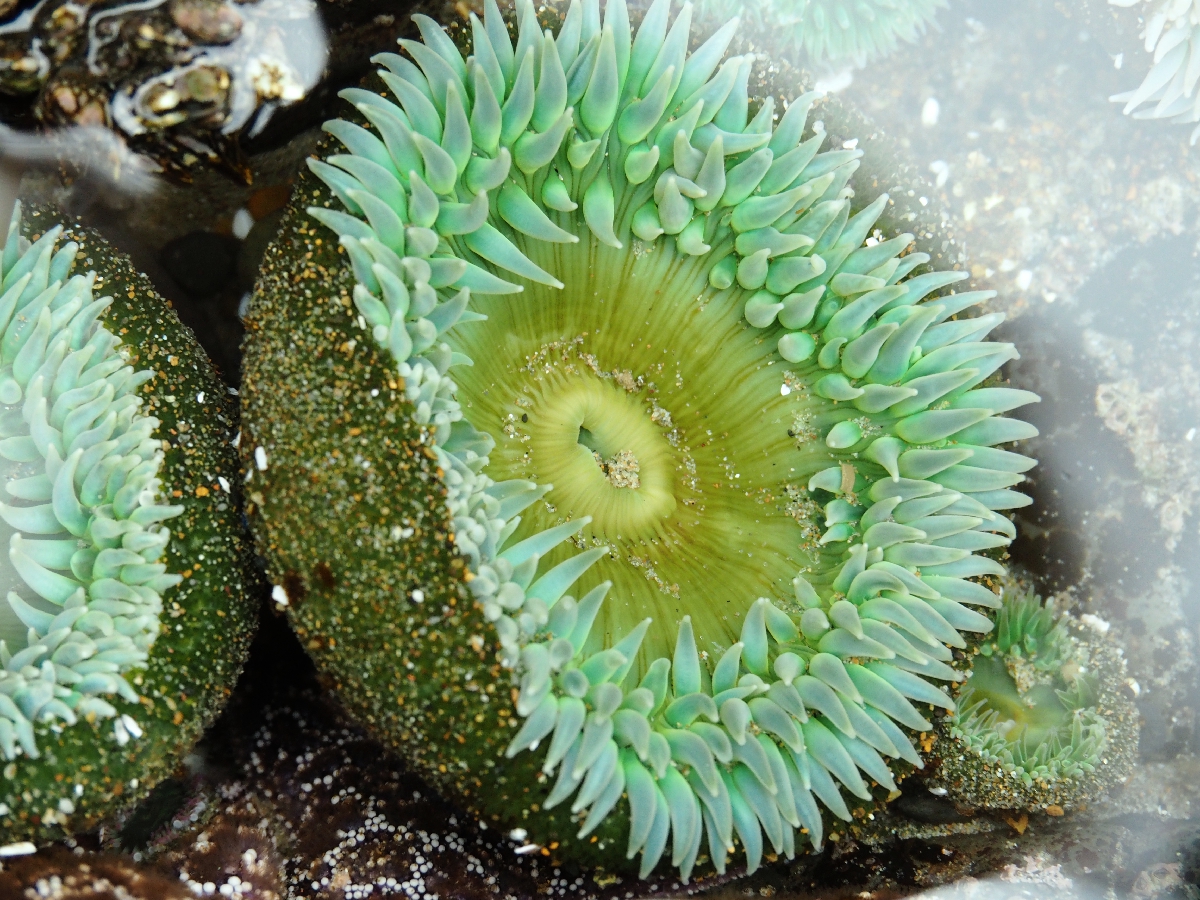
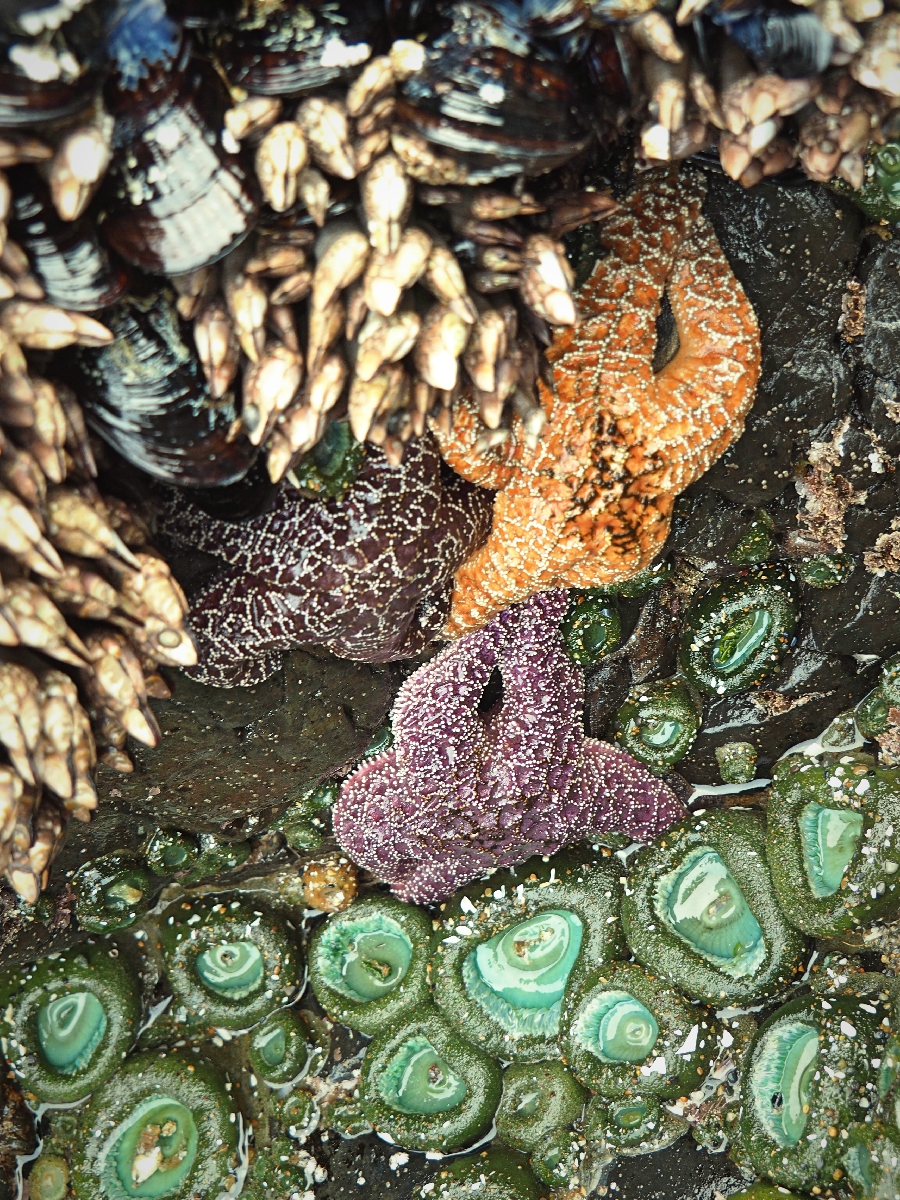
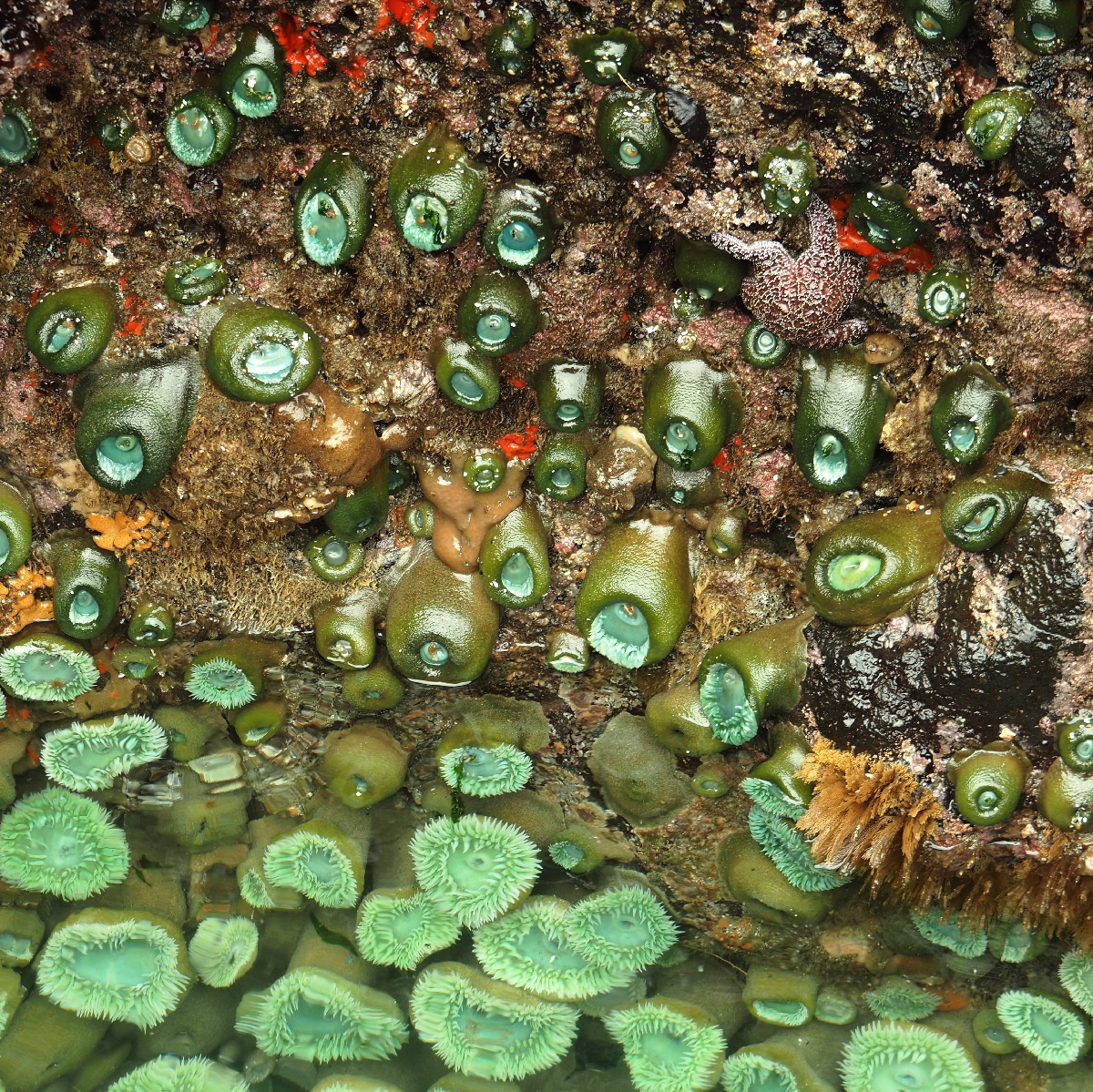
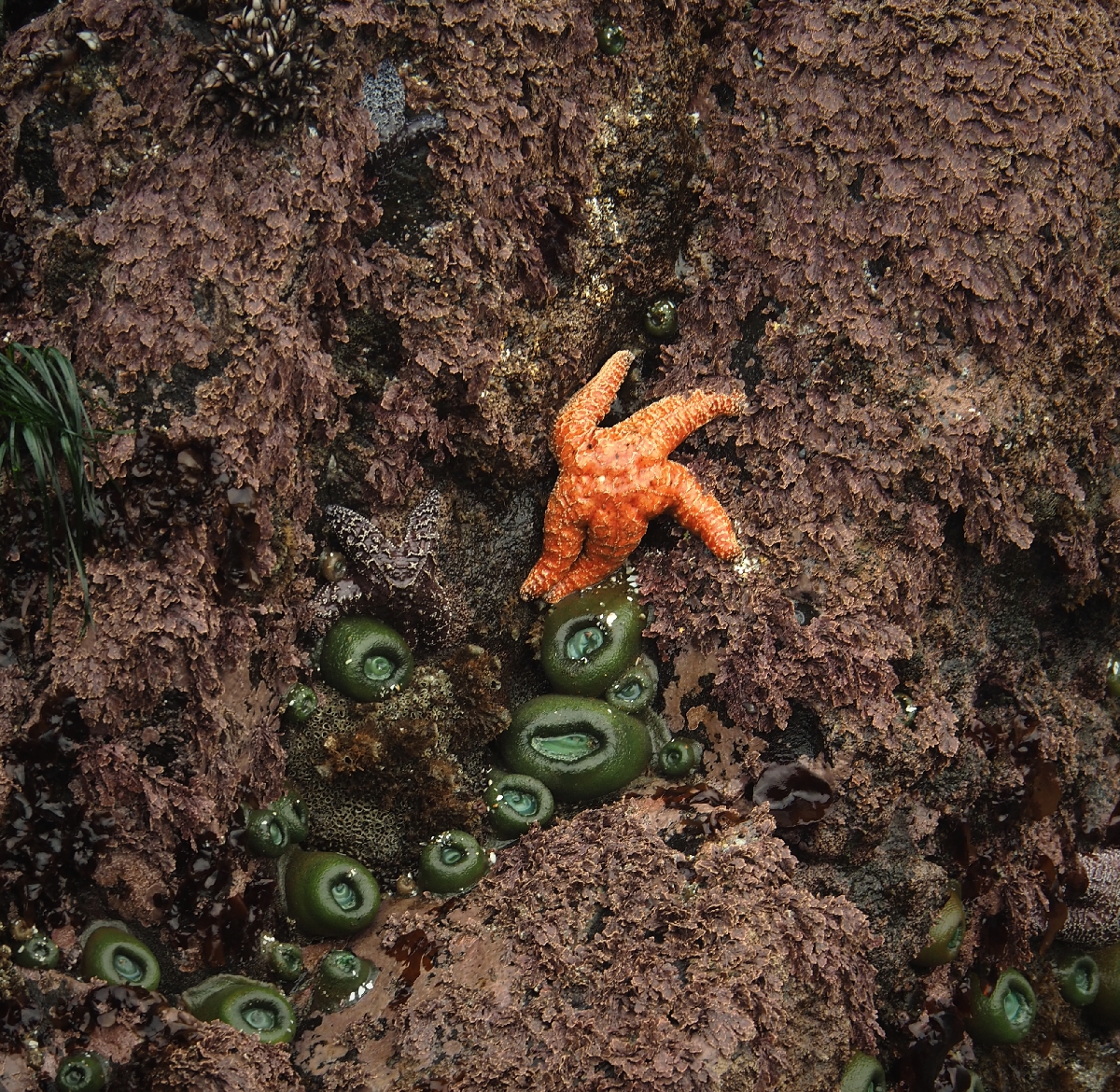
On our way to Oregon we camped at a very organized and tidy campground (the camphost checked the area every 15 minutes) and did a short hike to a nice waterfall. The next day we finally reached the beautifully wild and untamed Oregon coast which we followed up north for 356 miles. The coast’s beauty is protected by an old bill which limits further housing development. We took a first stop at Bandon, a cute little fishing town, where we stayed in a nice motel right at the edge of a cliff overlooking the rough coastline and offering great views of the sun setting in the Pacific Ocean. We took a long stroll along the beach and saw harbor seals relaxing on the nearby cliffs. Because Memorial Day Weekend was approaching, we tried to avoid the big crowds by camping at a State Park further up north for the two following nights. We visited the nearby sand dunes and hiked through them. We also paid a visit to Sea Lion Cave, the largest marine cave in the US, where we saw sea lions playing in the waves. Furthermore we visited an old lighthouse and arrived just in time to join a volunteer tour. At low tide we inspected the many tidepools along the coastline and took a look at the colorful sea stars, crabs and anemones.
Susan Creek Waterfall:
Bandon:
Oregon Sand Dunes:
Sea Lion Cave and Lighthouse:
Tidepools:
On Memorial Day we drove all the way to Portland. There were many Americans standing on the bridges which go over the highways, waiving their hands and American flags at the passing cars. In Portland or rather the outskirts of it, we stayed in a simple motel. We didn’t really feel like exploring the city and just drove through the center.
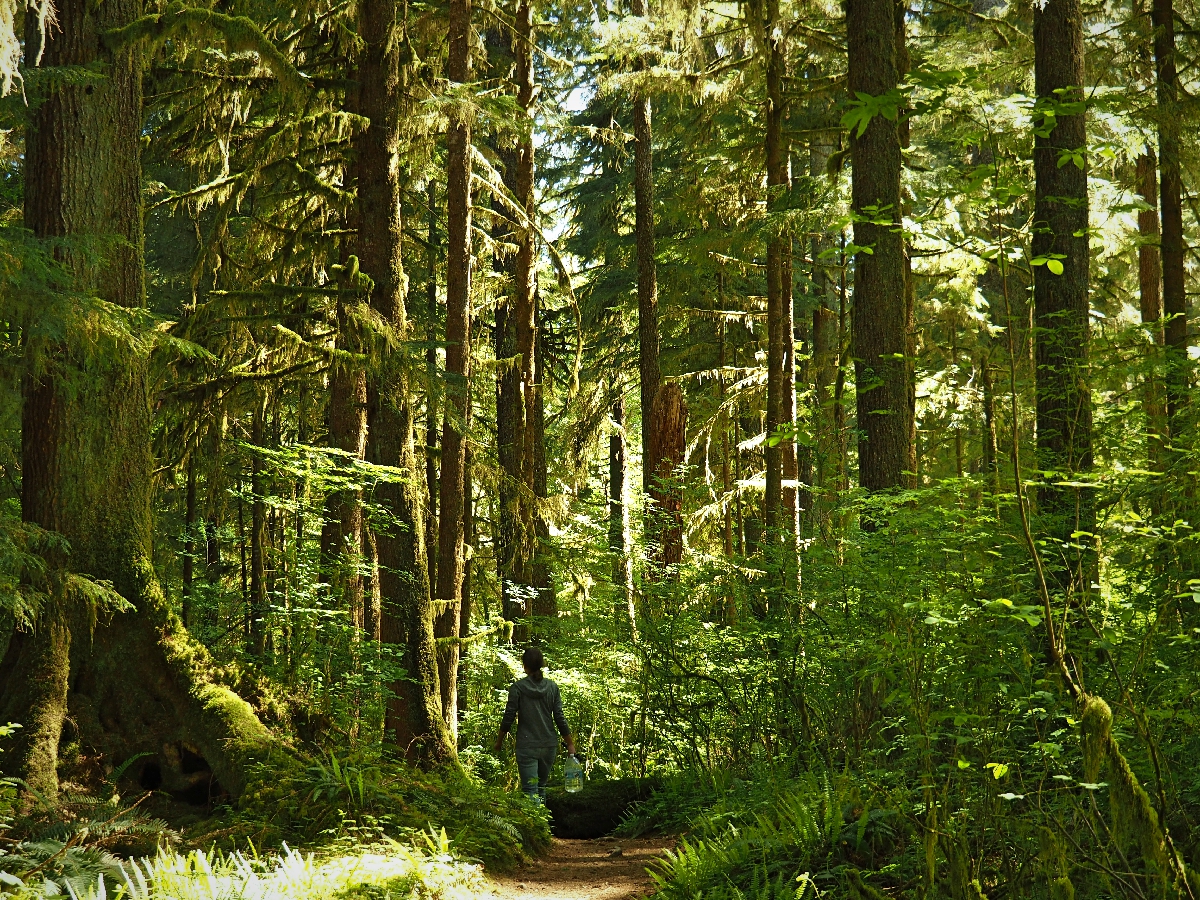
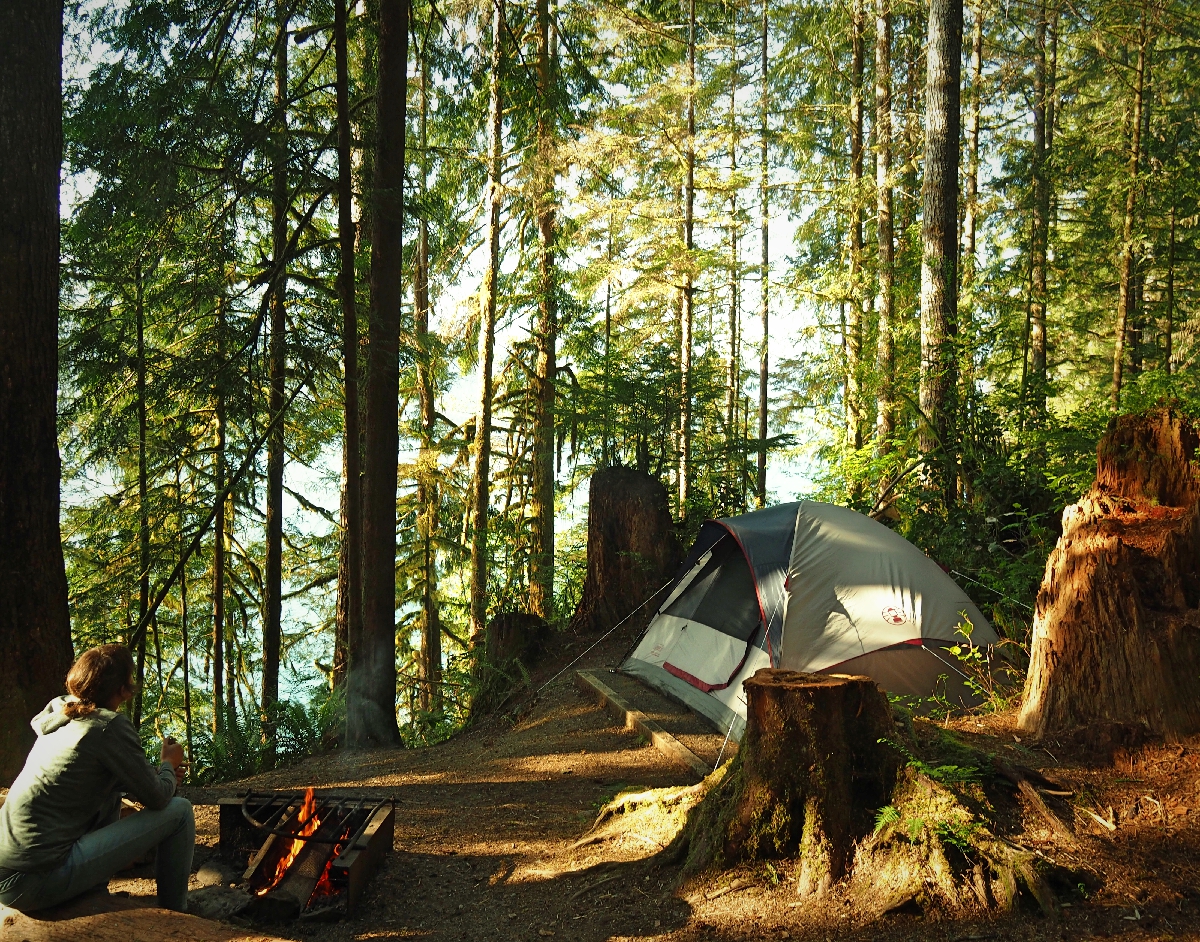
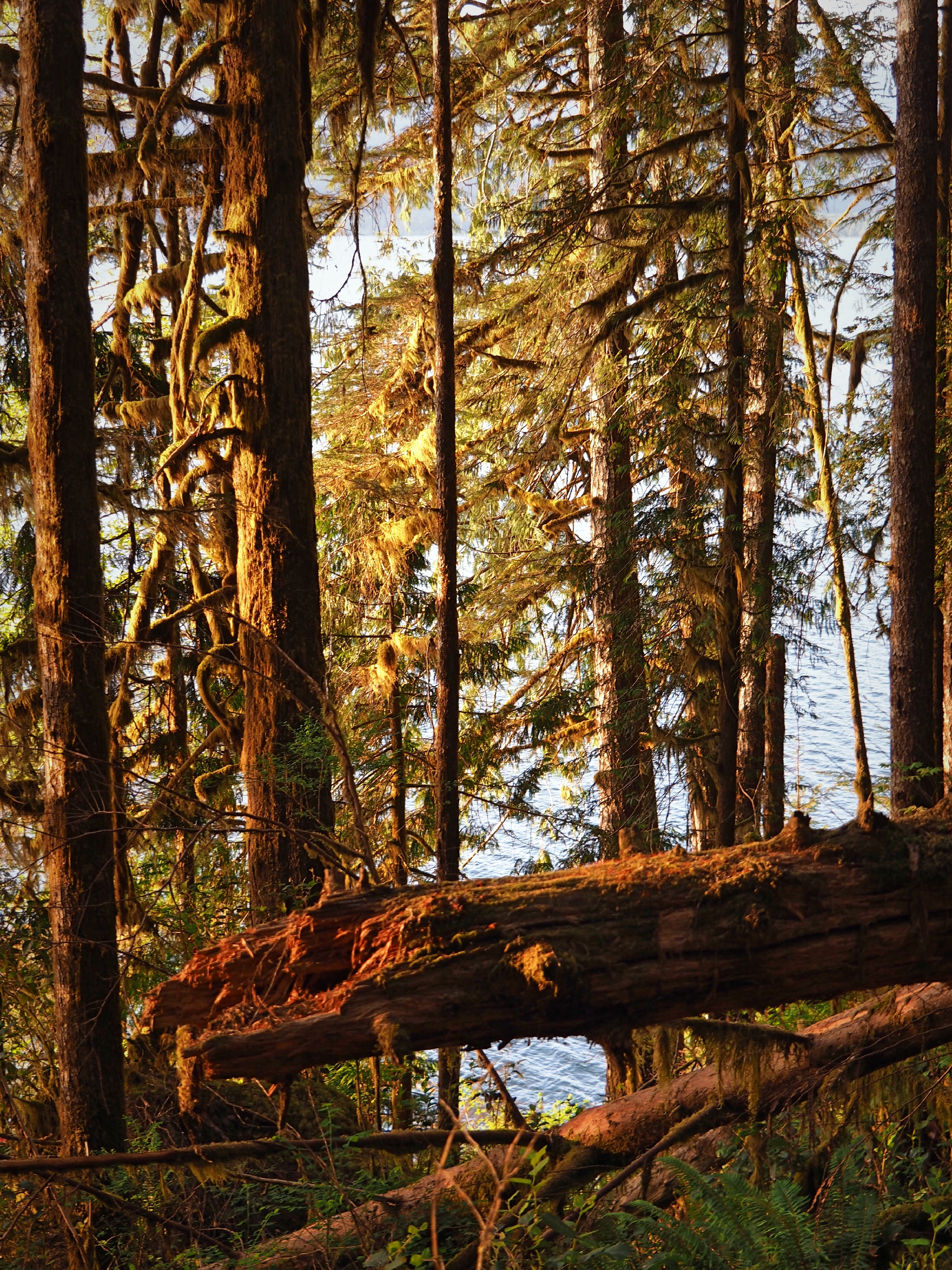
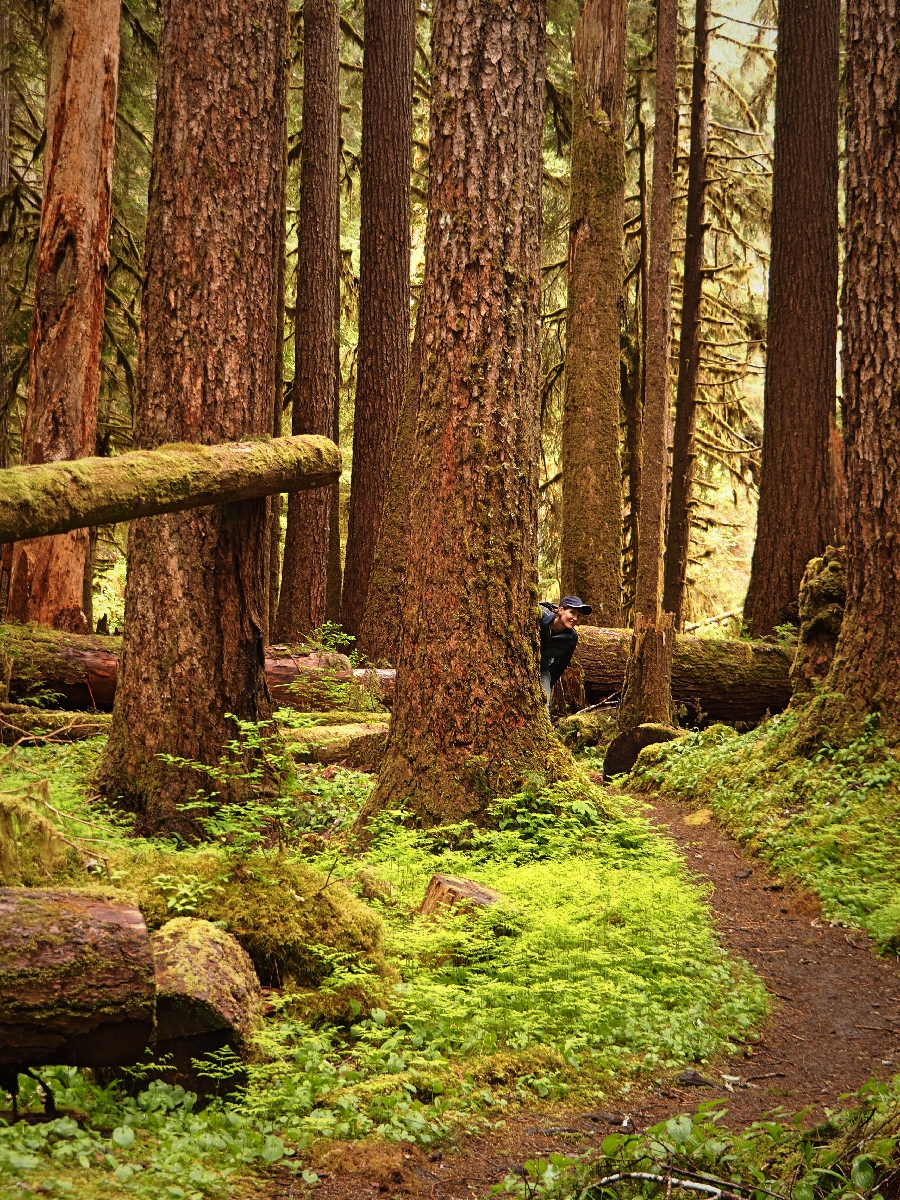
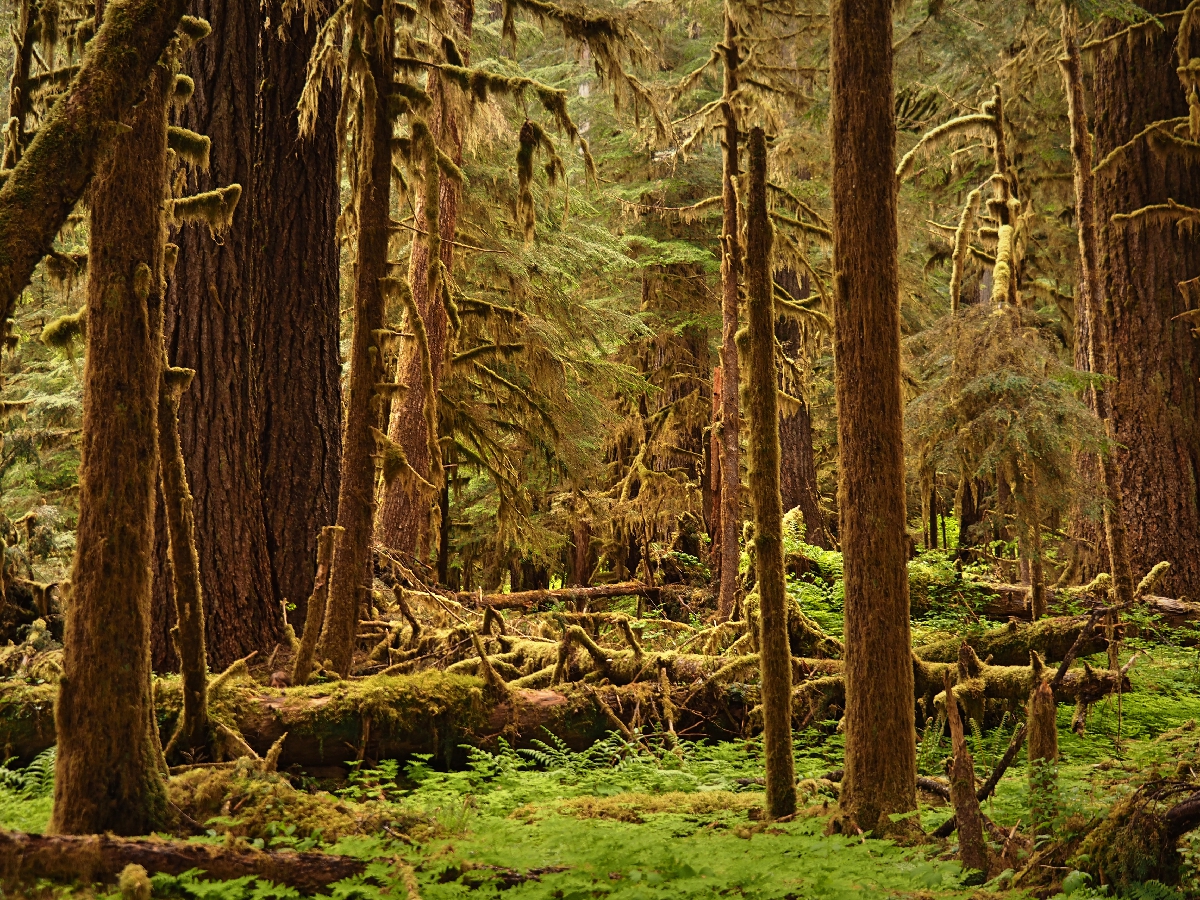
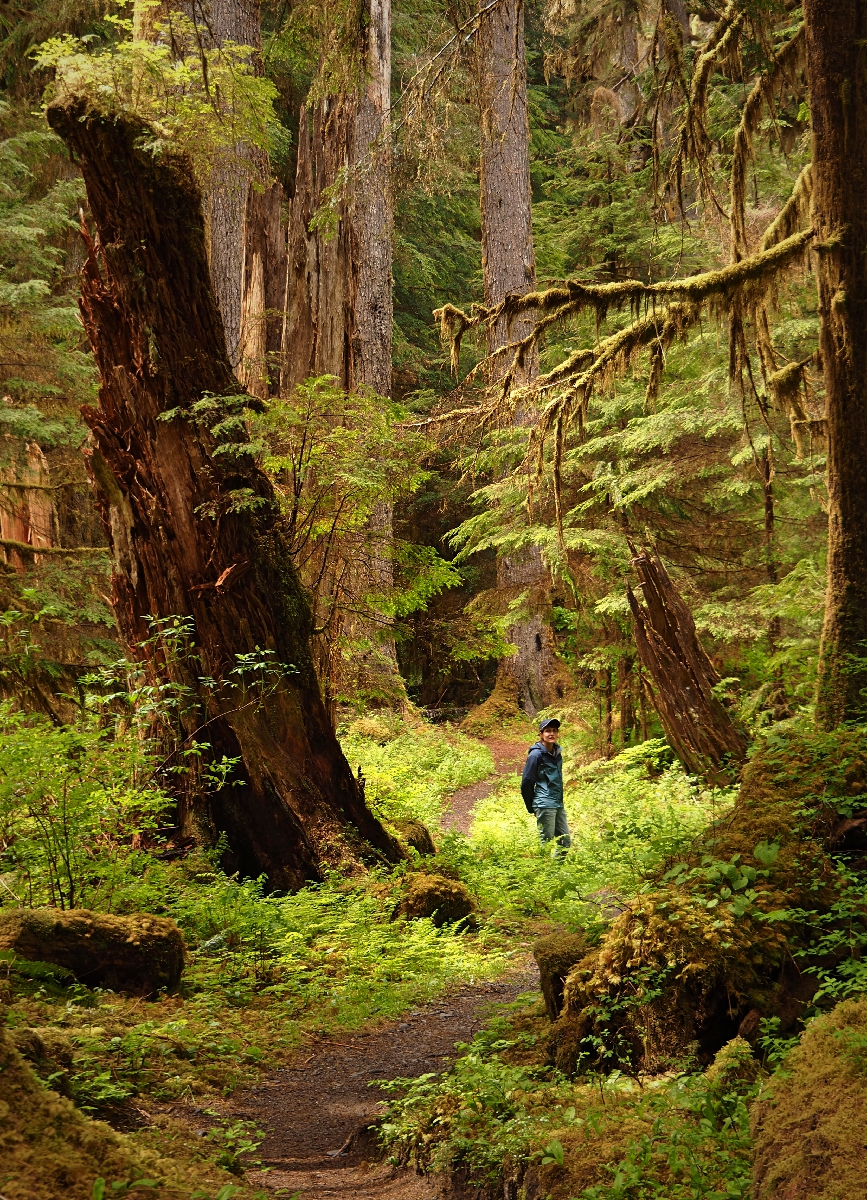
The next morning we reached Washington State and headed on to the Olympic Peninsula to see the Olympic National Park. Our first stop was at Quinault, where we occupied a campsite next to Quinault Lake, surrounded by tall trees. For about two to three hours we hiked through the magical rainforest around us and along the shore of the lake. The next day, early in the morning, we were woken up by thunder and lightning and for the first time it started raining while we were in our tent. Luckily it really turned out to be waterproof!
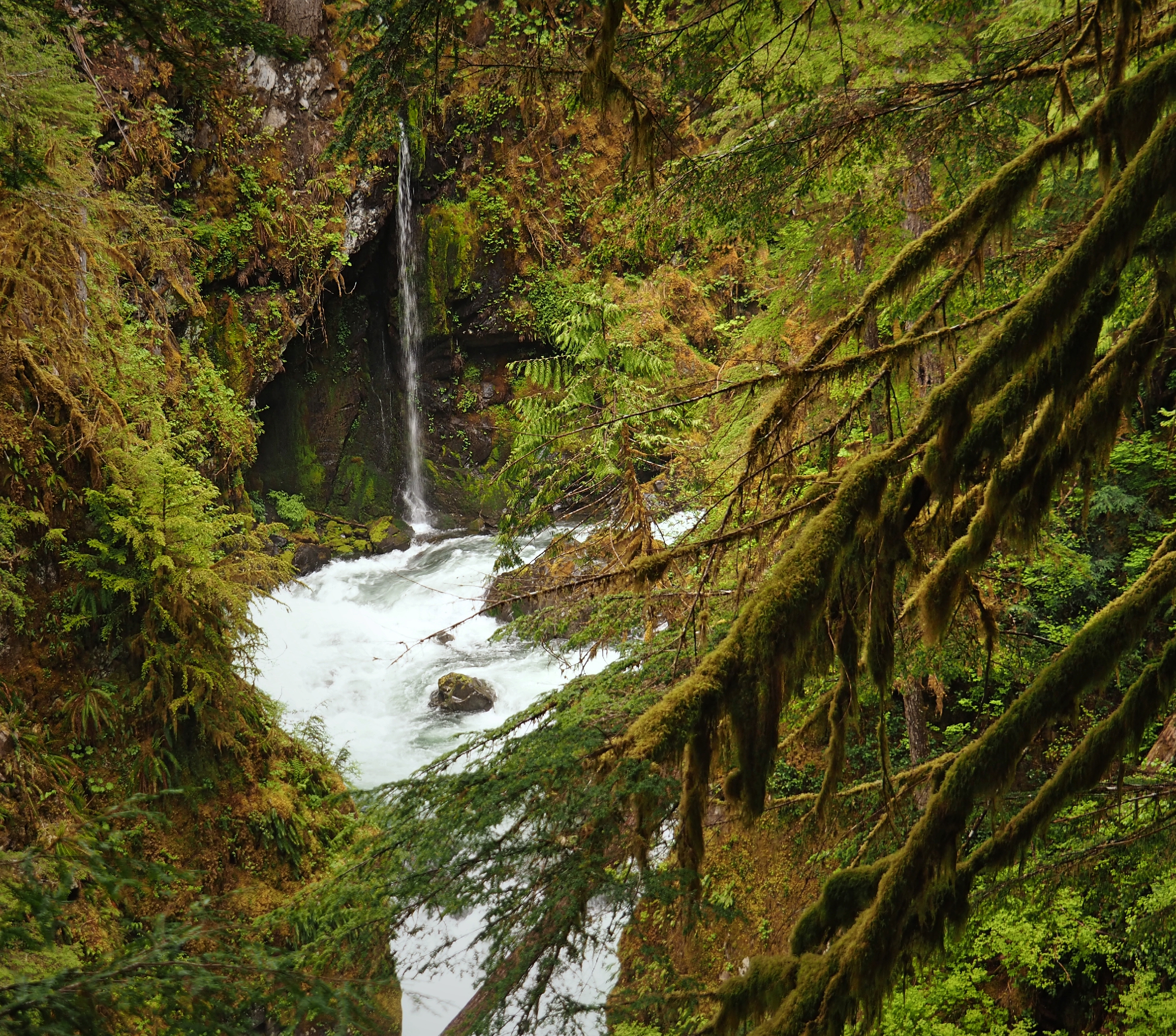
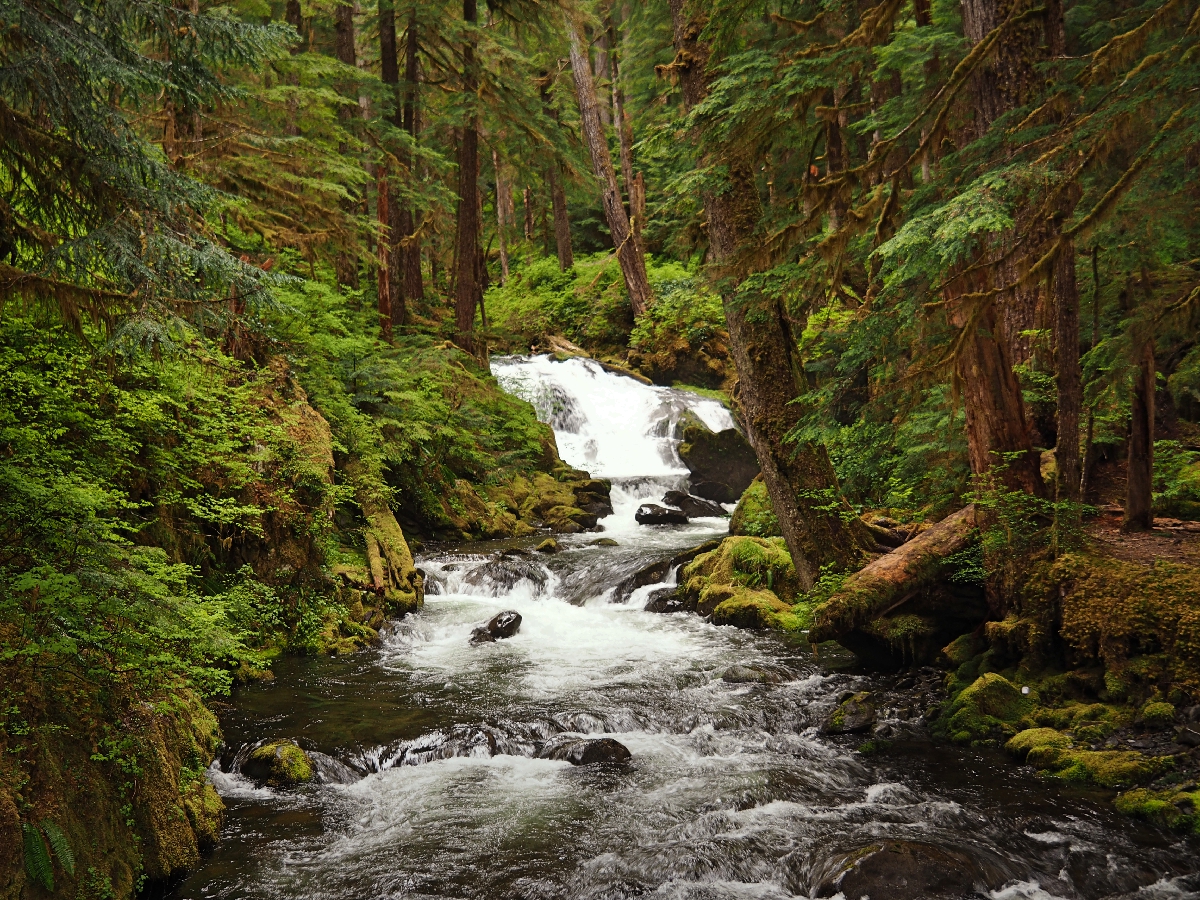
Our next stop was at Sol Duc Hot Springs. There we stayed in a little cabin next to the hot springs. Before soaking in the hot waters, we hiked through the incredibly lush and enchanting forest – a true natural beauty!
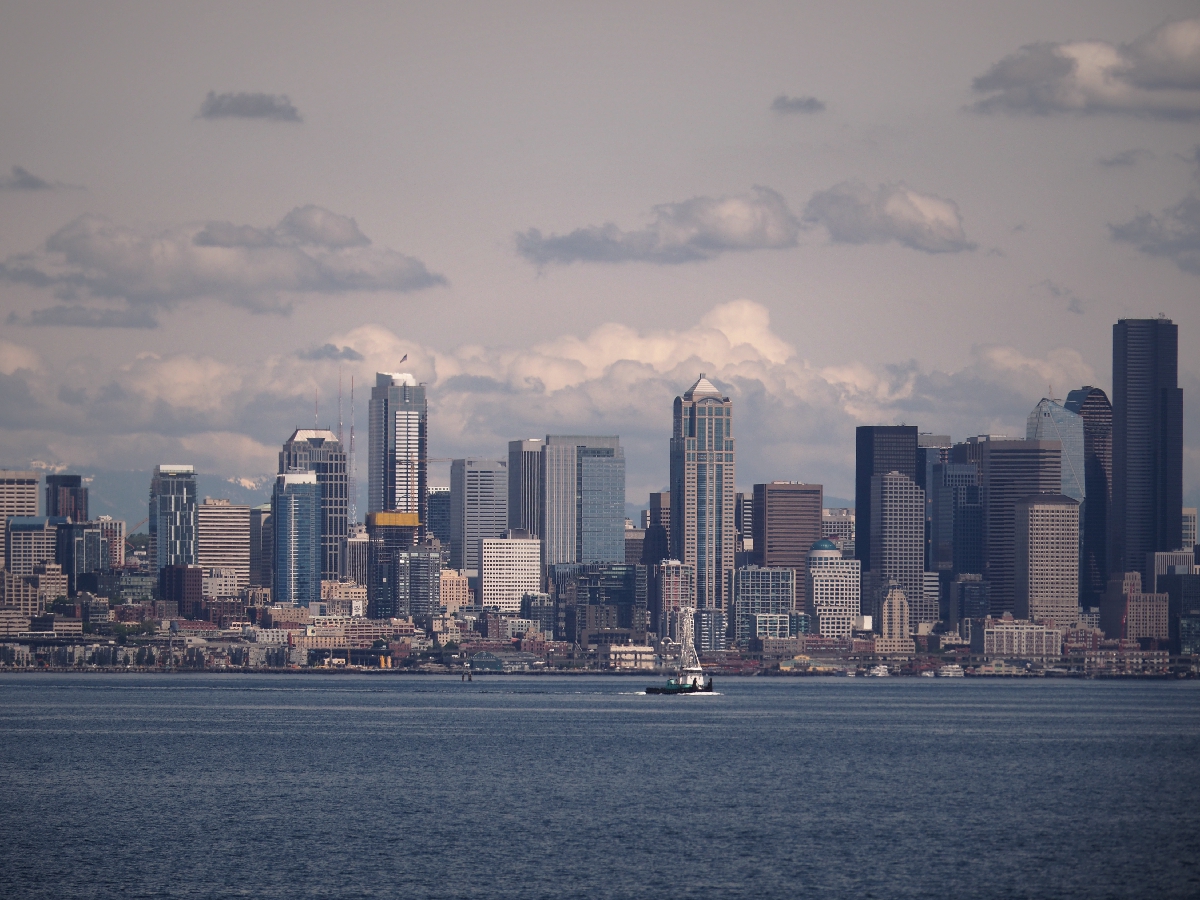
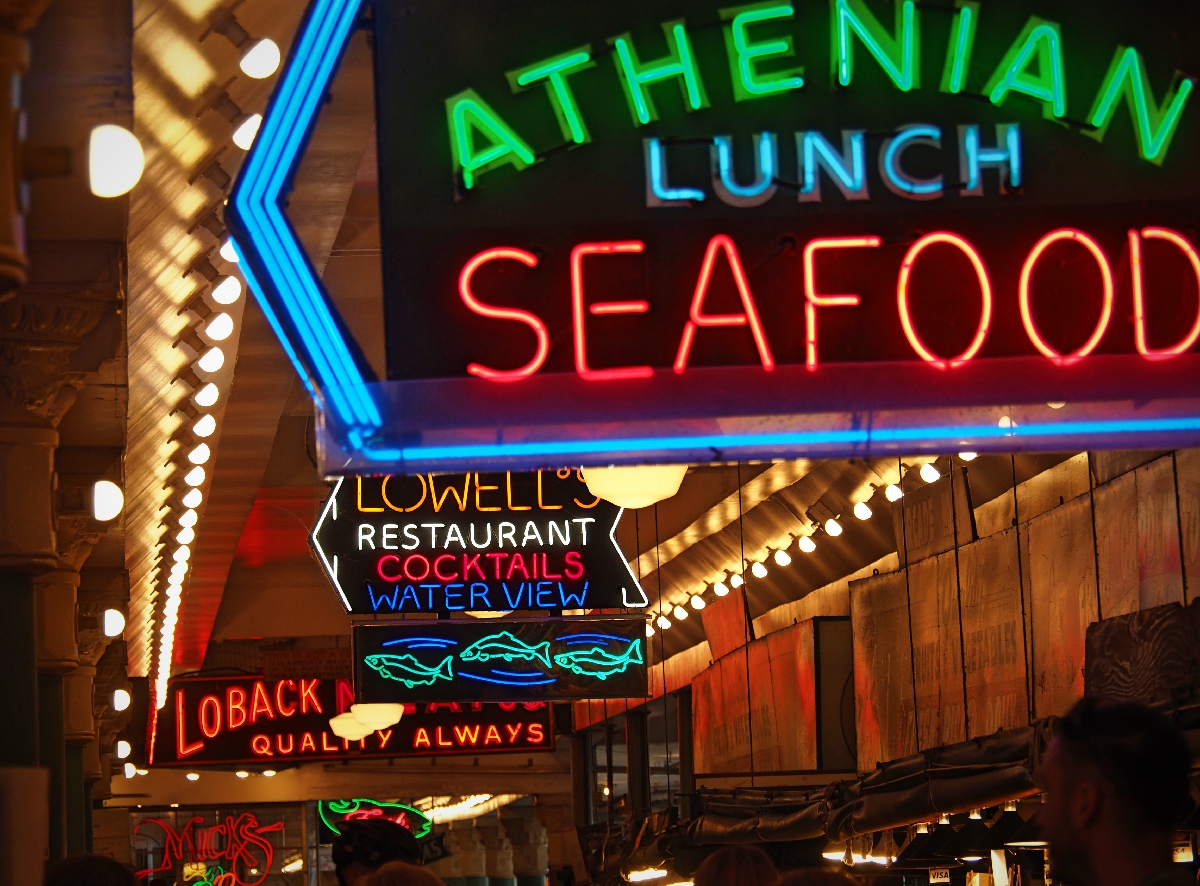
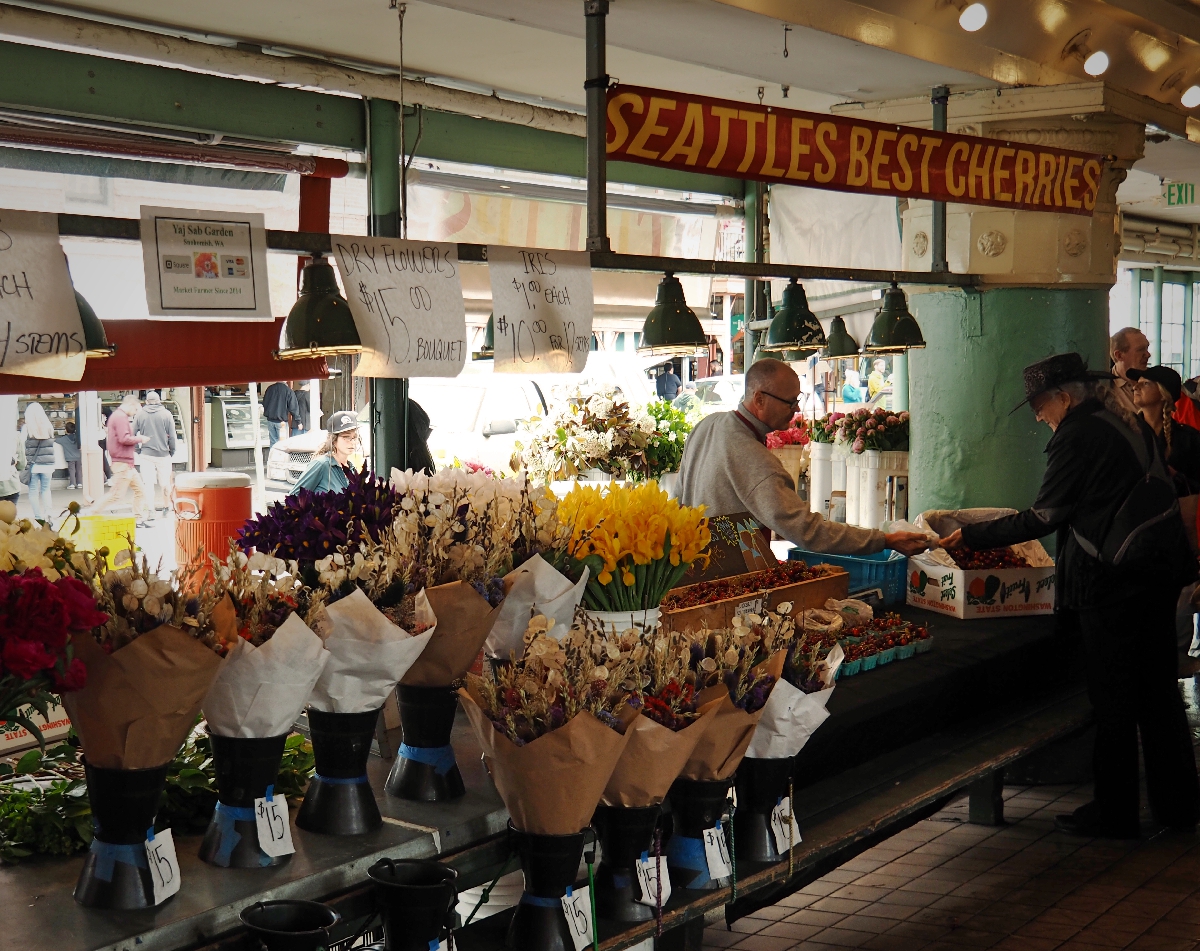
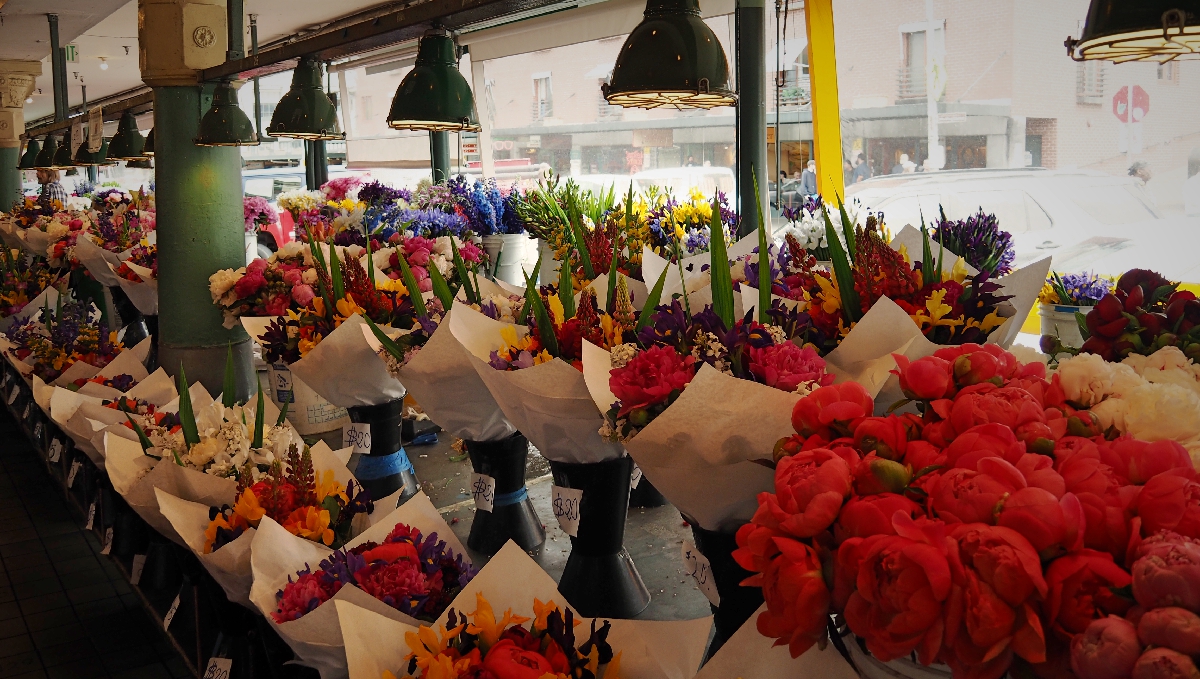
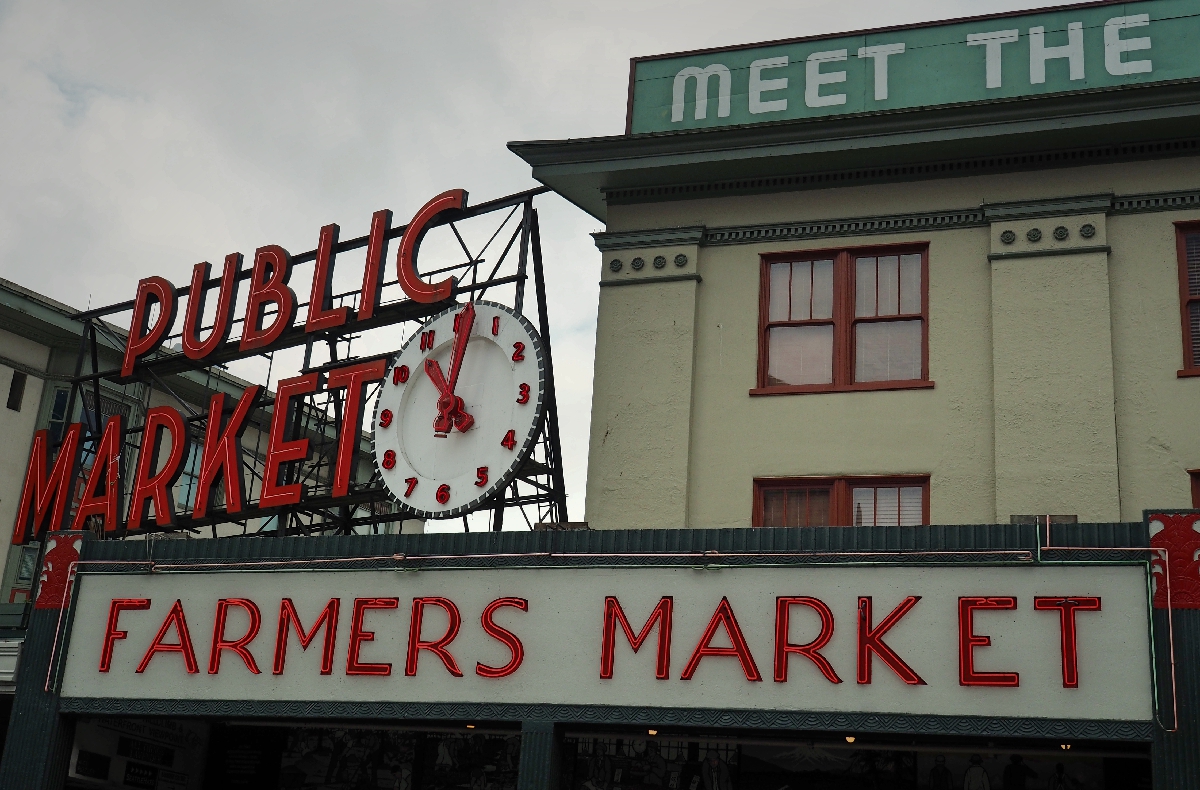
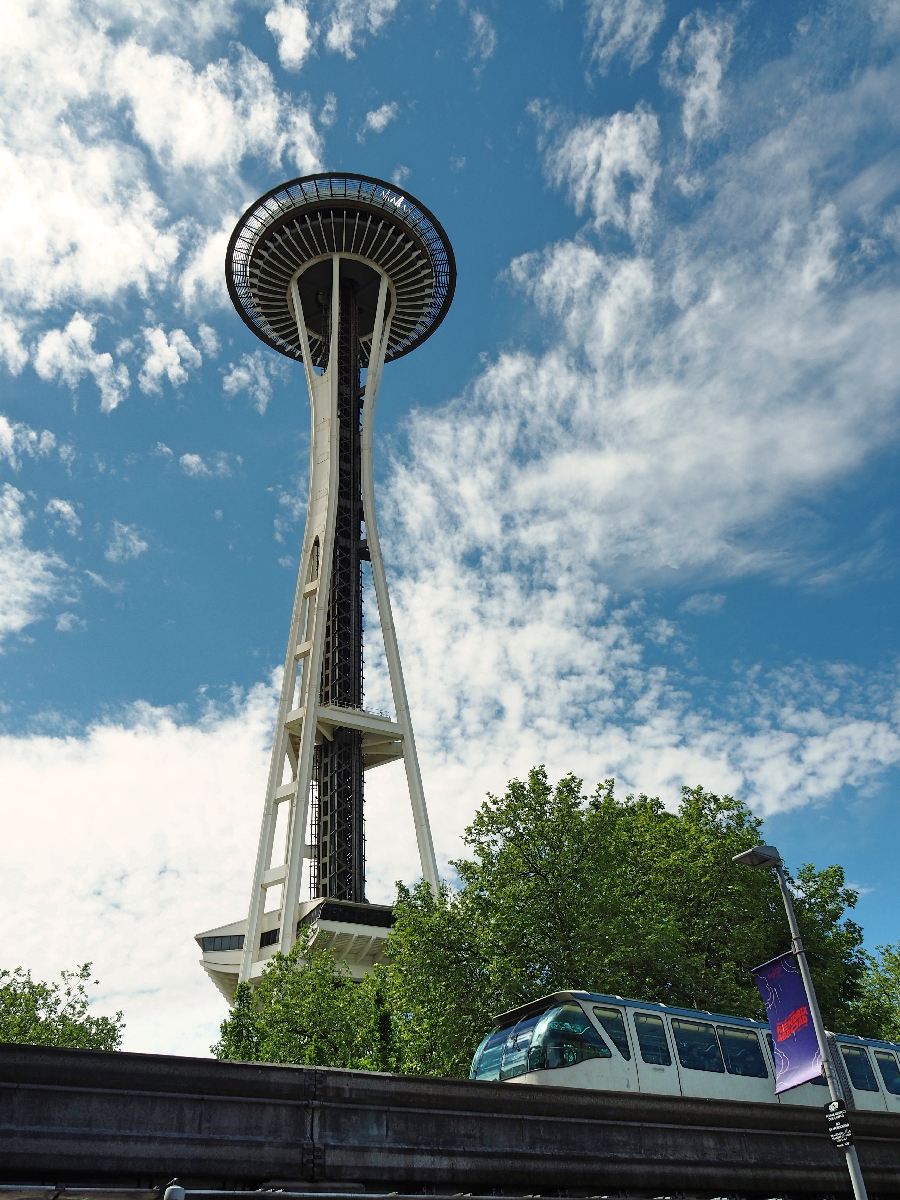
We drove to Bremerton and took a ferry to get to Seattle. Coming from the waterside, we had a nice view of the city’s skyline and arrived right in the center of the city. We got a room in a motel, from where we were able to take a public bus to get back to downtown. We really enjoyed Seattle’s Public Market, a building full with specialty shops selling mostly organic products coming from the areas surrounding the city. We also took the monorail to get a close up of the famous Space Needle.
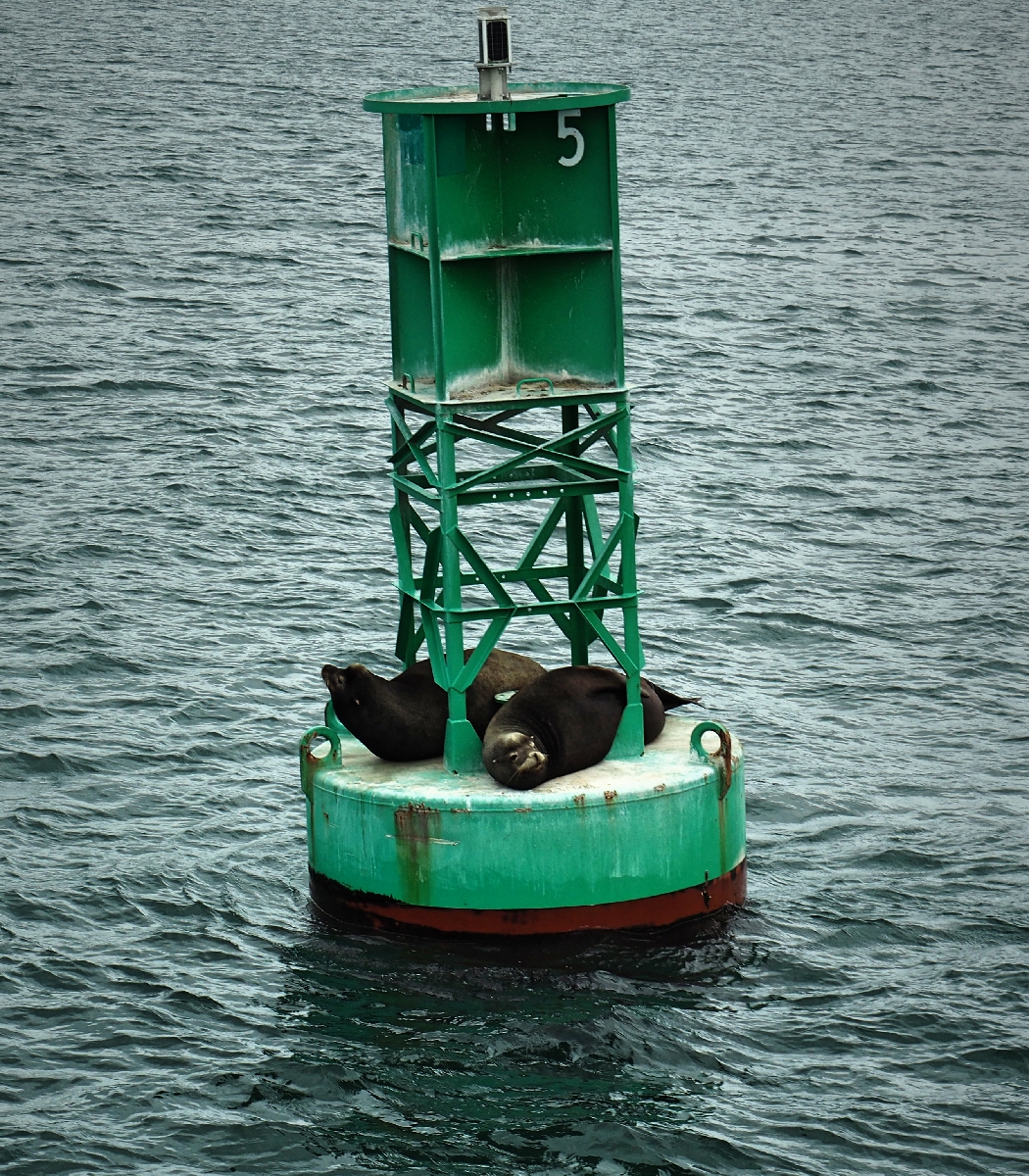
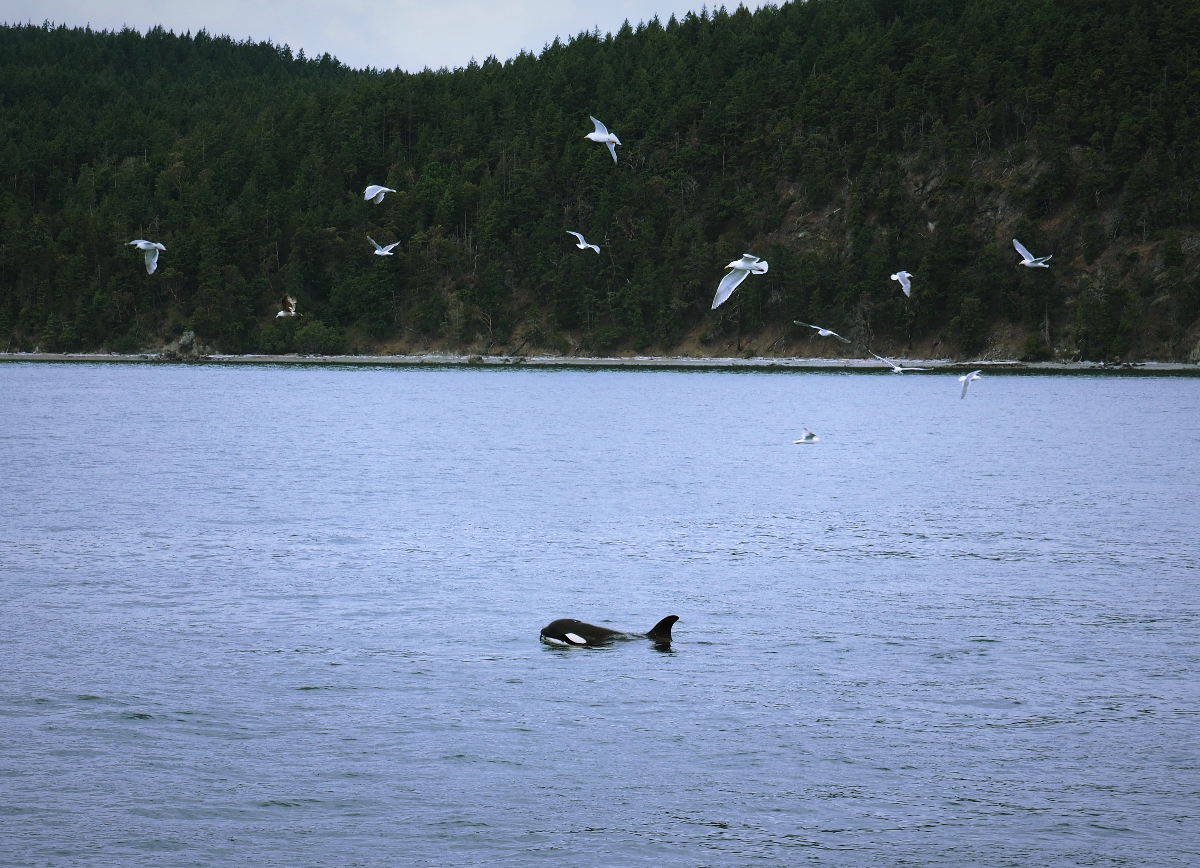
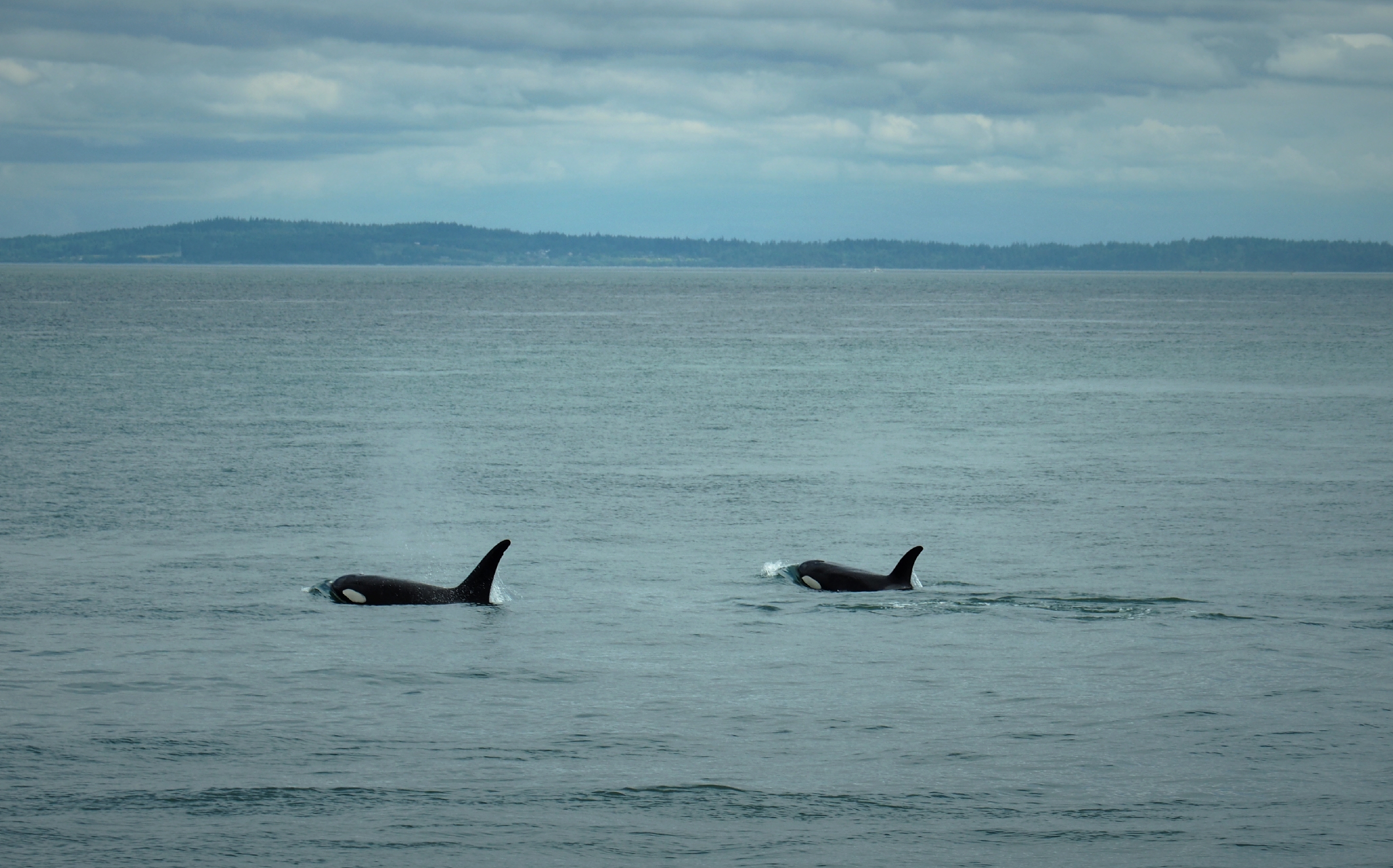
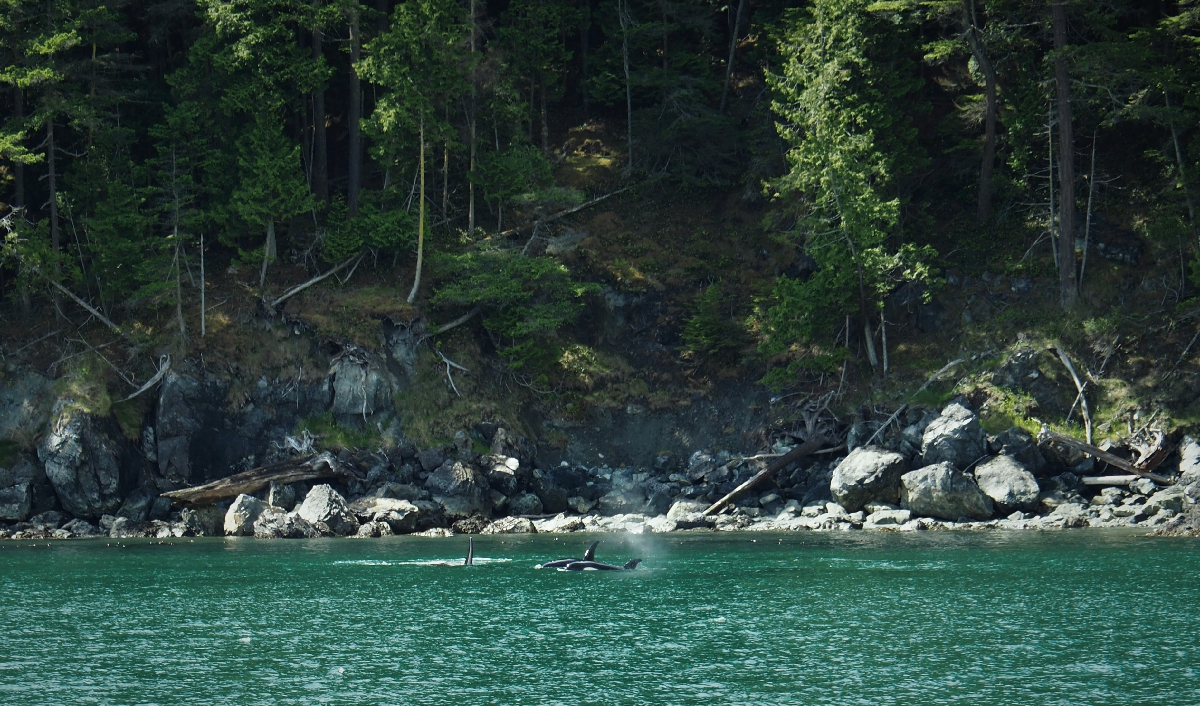
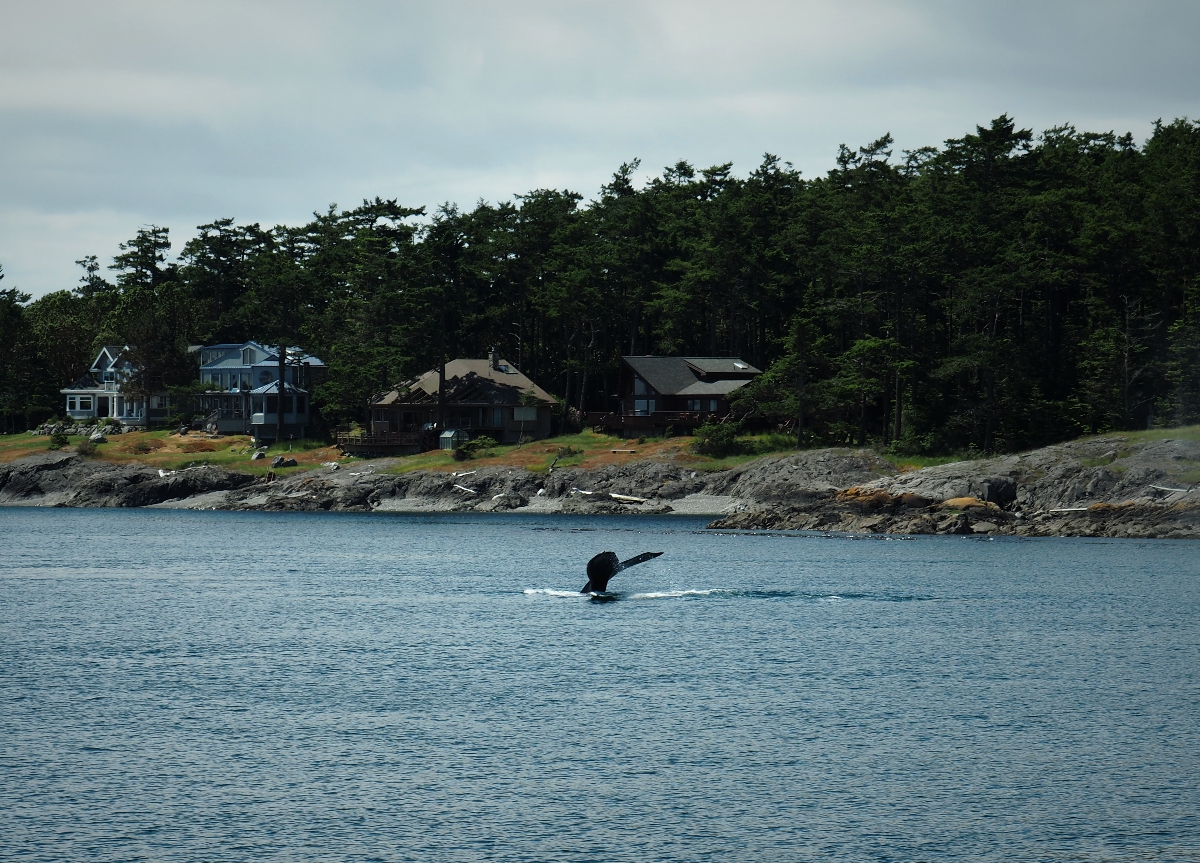
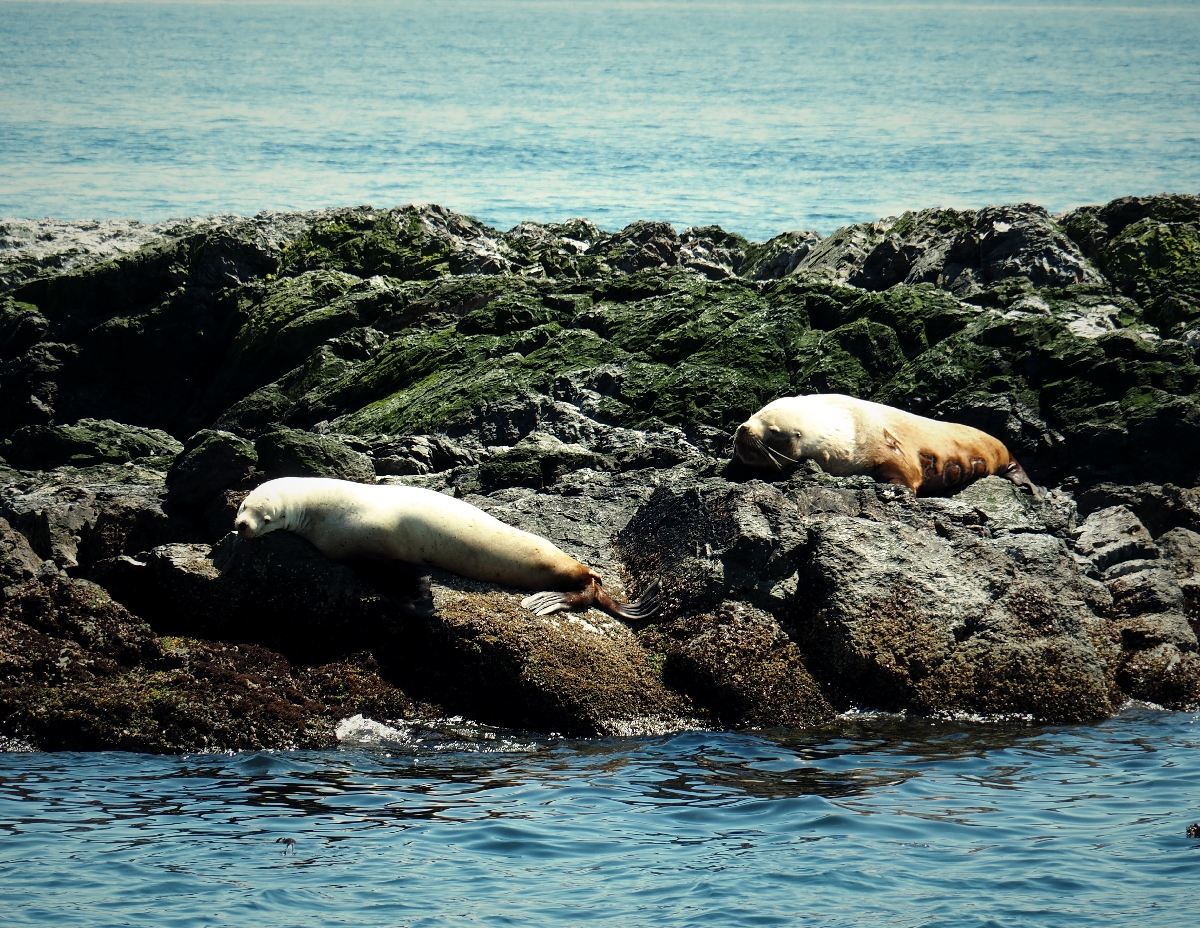
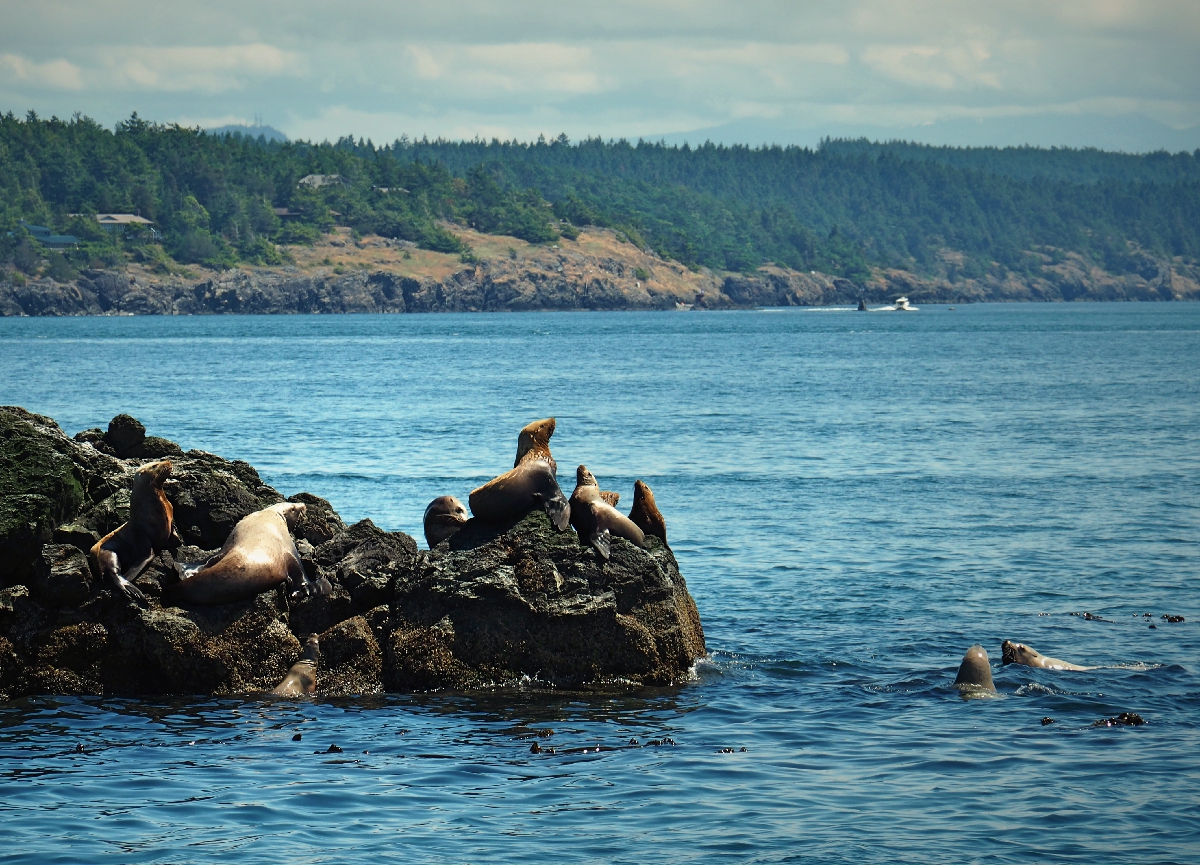
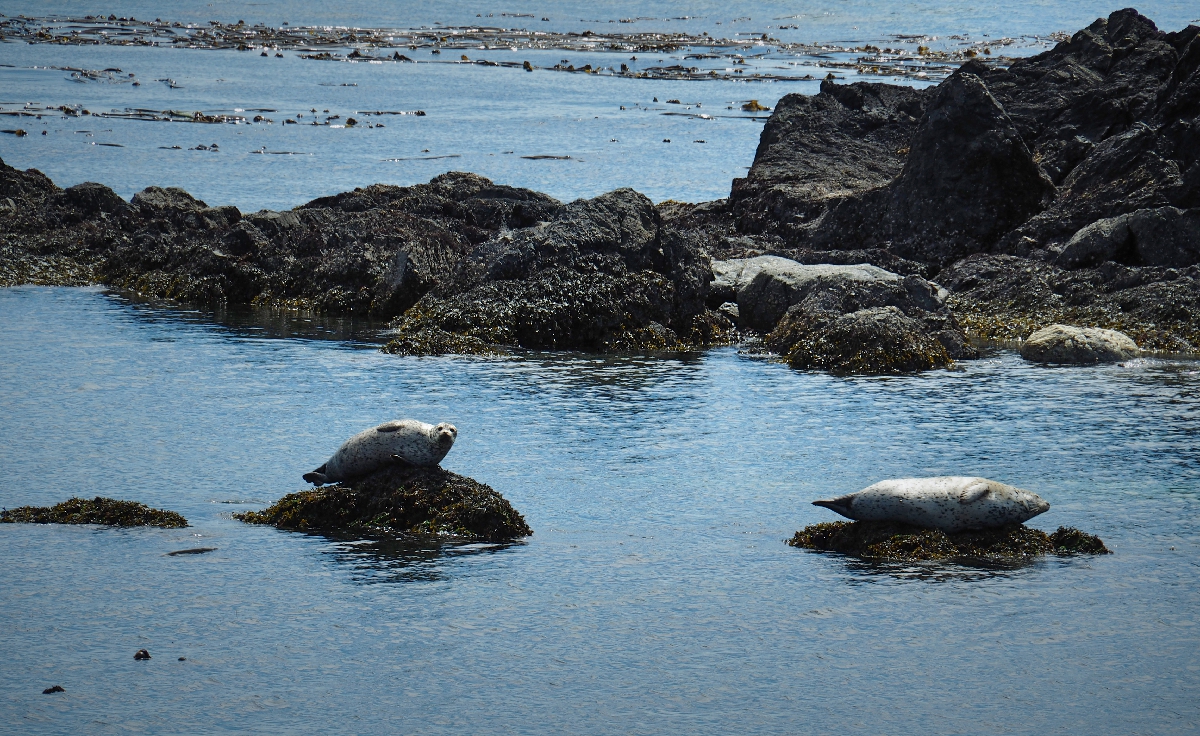
Further north in Anacortes we had booked a boat trip through the San Juan Islands in order to see whales. The night before we camped in a State Park close by, in a small forest full of deer and squirrels. We got on the boat early in the next morning and we were very lucky! Just within minutes after leaving the port we met a group of orca whales which had just killed some kind of marine mammal and were feeding on the remains of it. We followed them for about two hours. Only a short boat ride away we then encountered a humpback whale, showing off his huge tail fin. On top of this we also saw Stellar sea lions, California sea lions, harbor seals and a couple of bald eagles in their nest. Full with happy memories we drove on towards North Cascades National Park and spent the night on a nice RV Park, whose campground host appeared to be an old and heavily smoking hippie.
Whale Watching:
RV Park:
North Cascades National Park offered great mountain views, but yet again there was still a lot of snow and not all the roads were open. We stayed overnight in Pateros where we got a campsite with a beautiful view. As the sun was setting, the sky literally started burning and turned into all sorts of colors ranging from orange to deep purple.
North Cascades National Park:
Pateros:
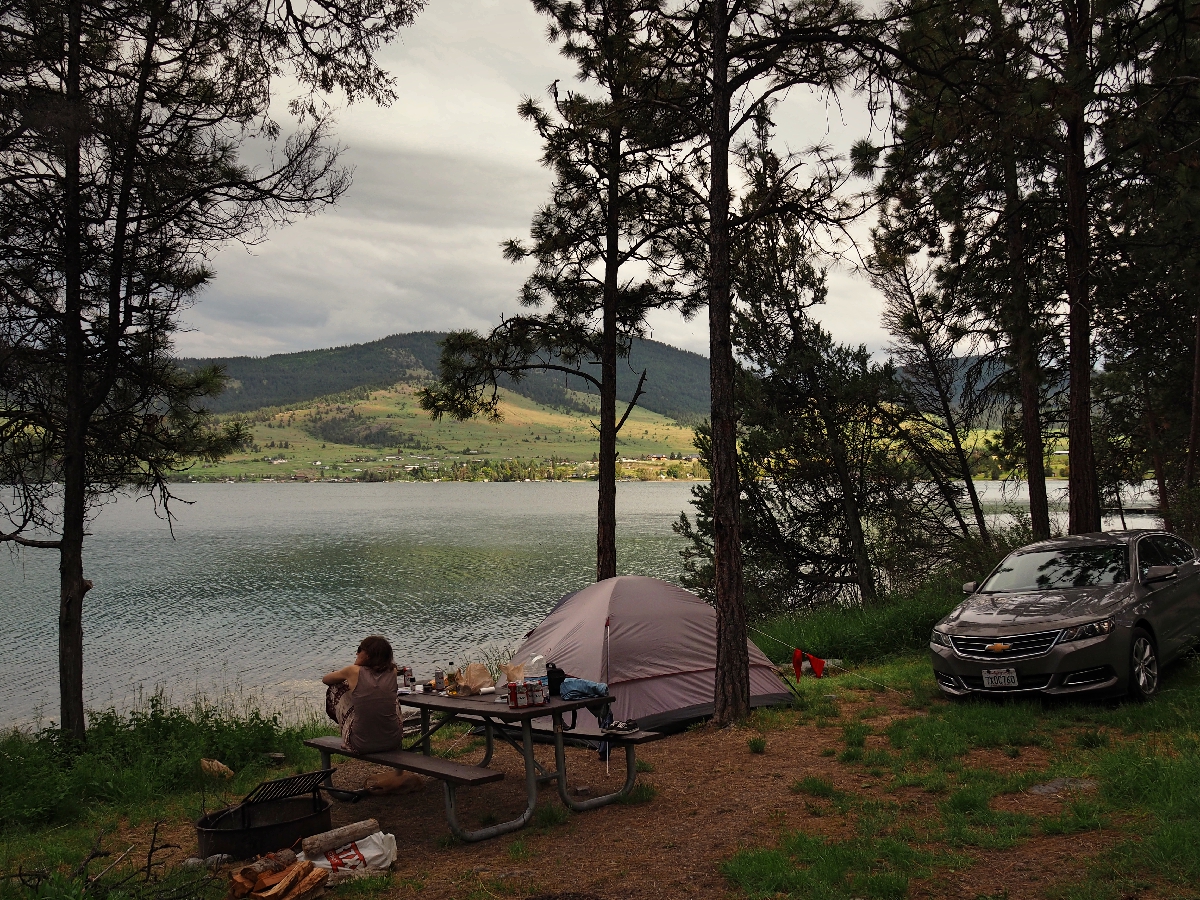
The next day we wanted to cover some ground and drove all the way through Idaho to Montana. We immediately noticed that this state is less densely populated than other states and fell in love with its gorgeous landscapes right away. Our campsite for the night in Big Arm was situated right at the shores of Flathead Lake. There was just enough time to take a quick dip in the water and eat dinner before we had to take shelter in our tent as a big thunderstorm passed by on the other side of the lake and brought heavy rainfall.
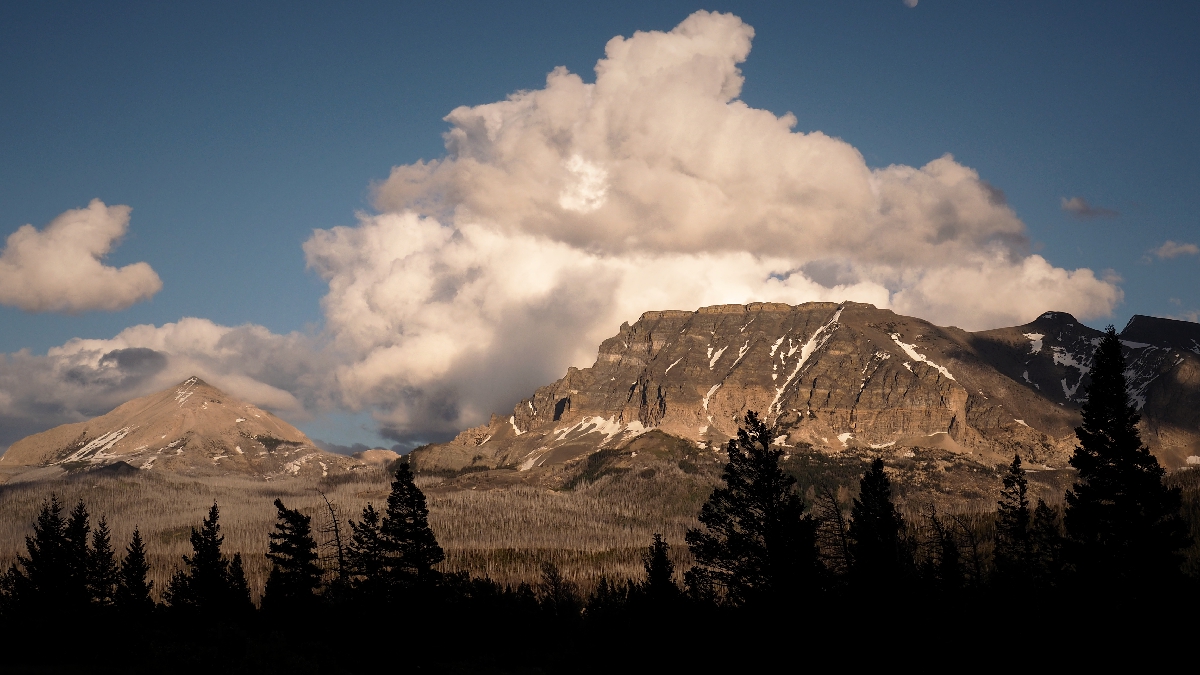
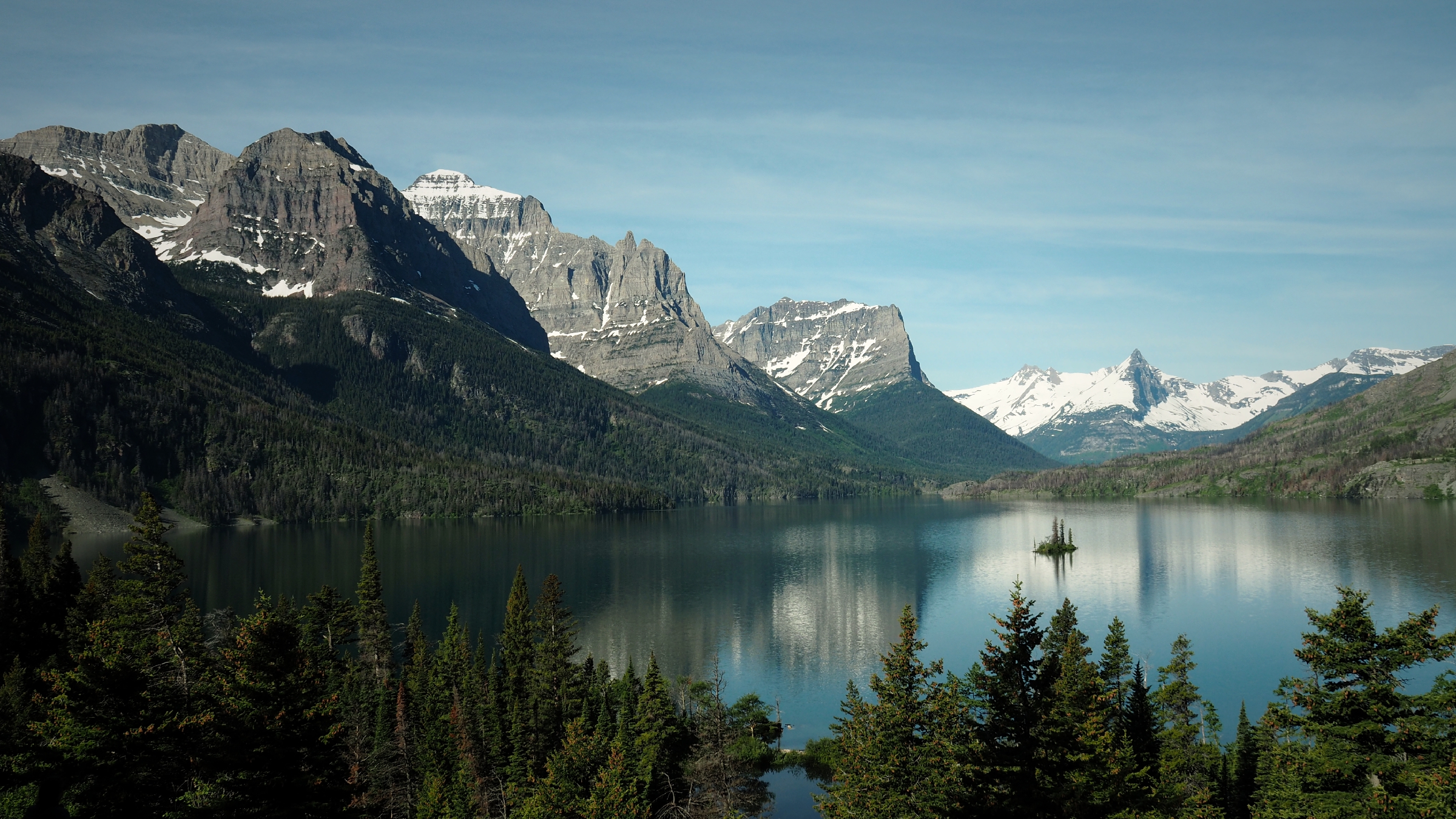
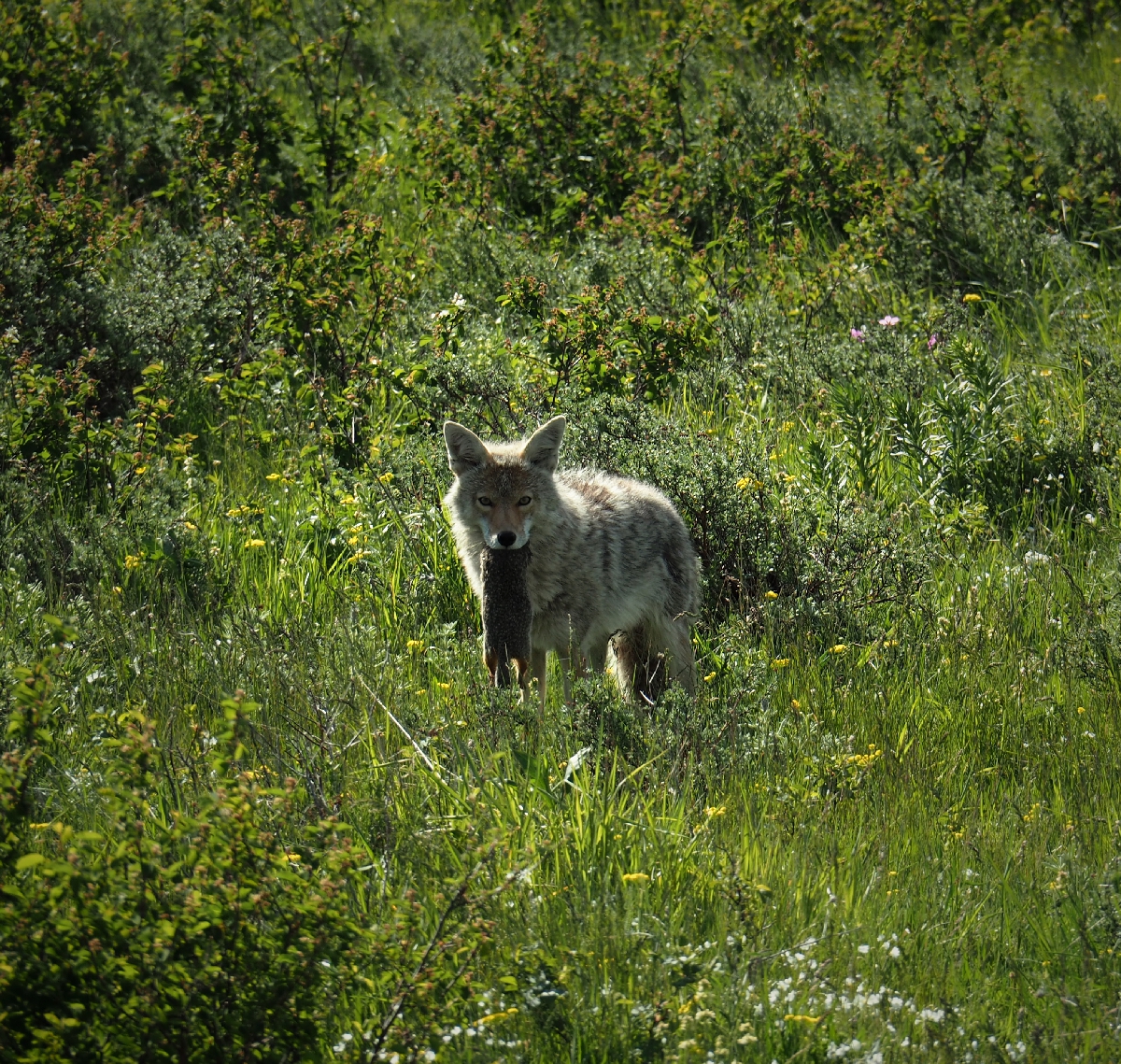
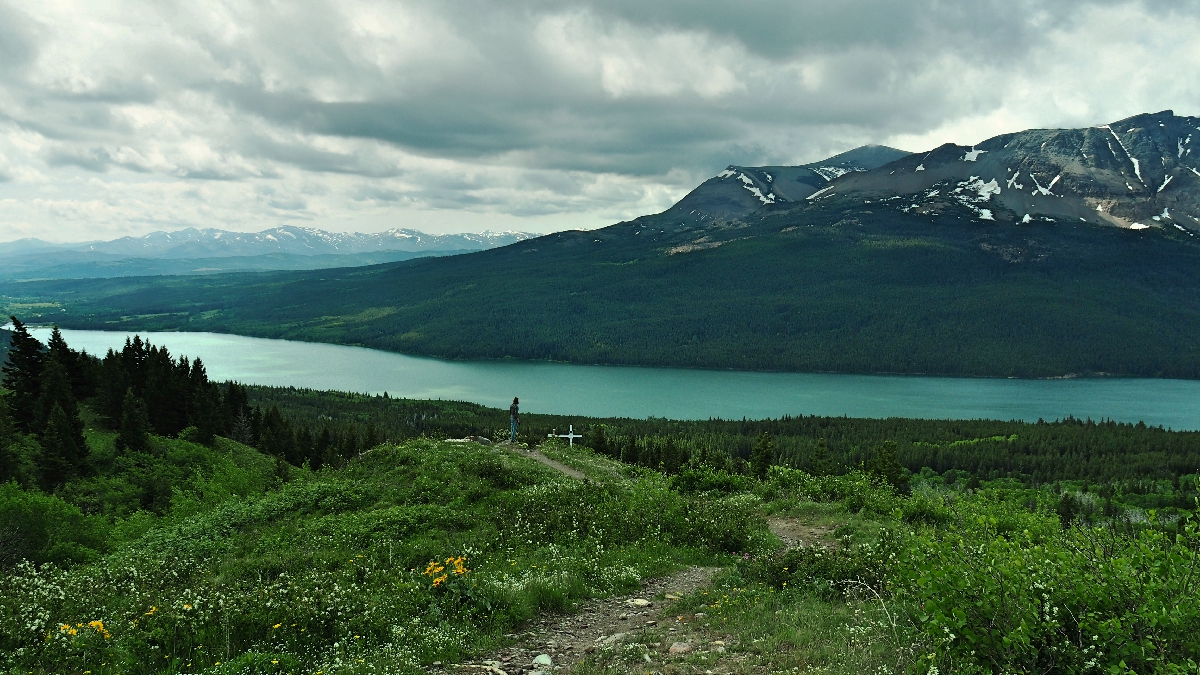
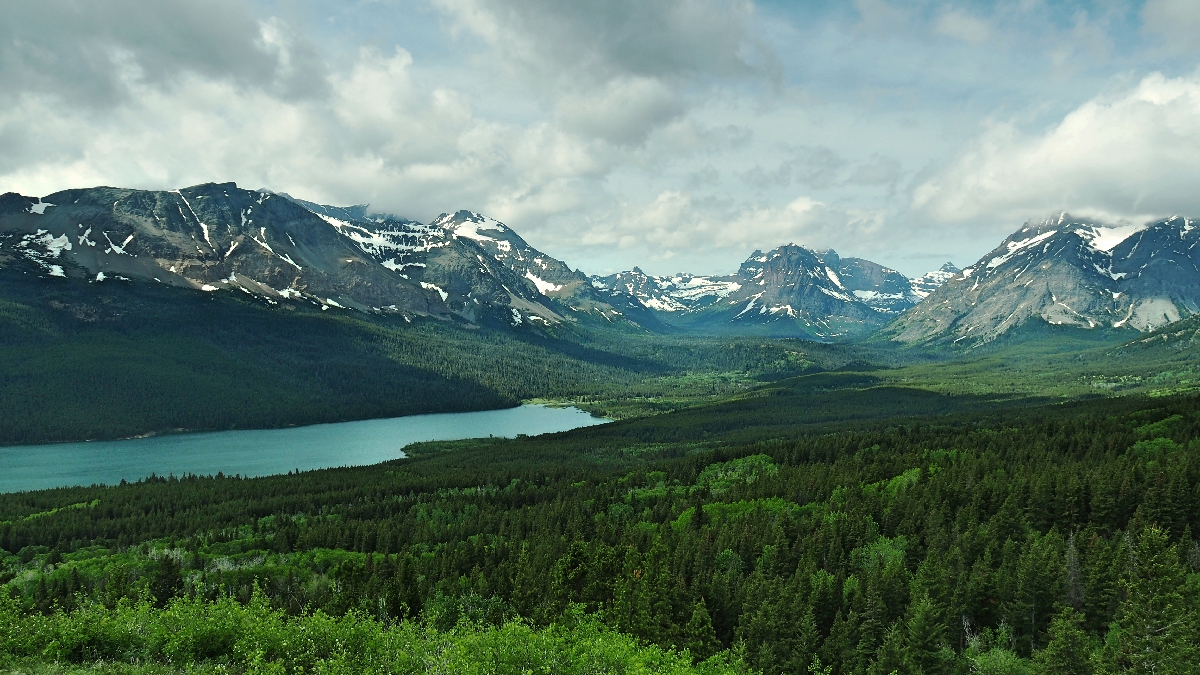
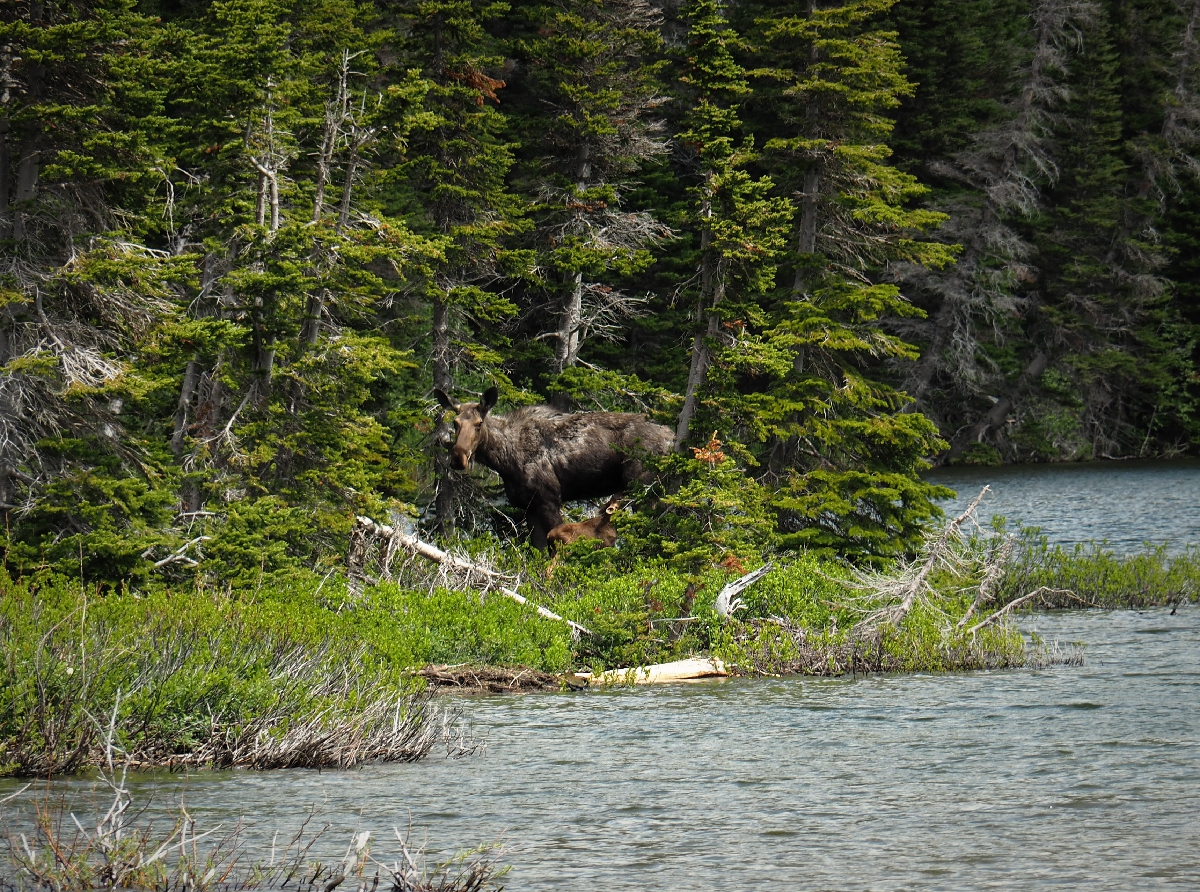
Our next destination was Glacier National Park. The park offered stunning views of high mountain chains alongside glacial lakes. While exploring the area we sighted a coyote which had just caught a ground squirrel and was feeding on it. We also spotted a moose mother nursing her calve right on the shore of a lake. Before heading on, we had a hearty breakfast in a locally famous restaurant, a traditional family business, which had apparently belonged to two real “Montana originals”. The staff was very nice and they were happy to give us tips for our travels to the east coast. Following a scenic stretch of the Lewis and Clarke Trail we then drove on through several nice little towns. We ended up on a simple campground not far from the road and close to Neilhart. We washed ourselves in the nearby river as there were no showers.
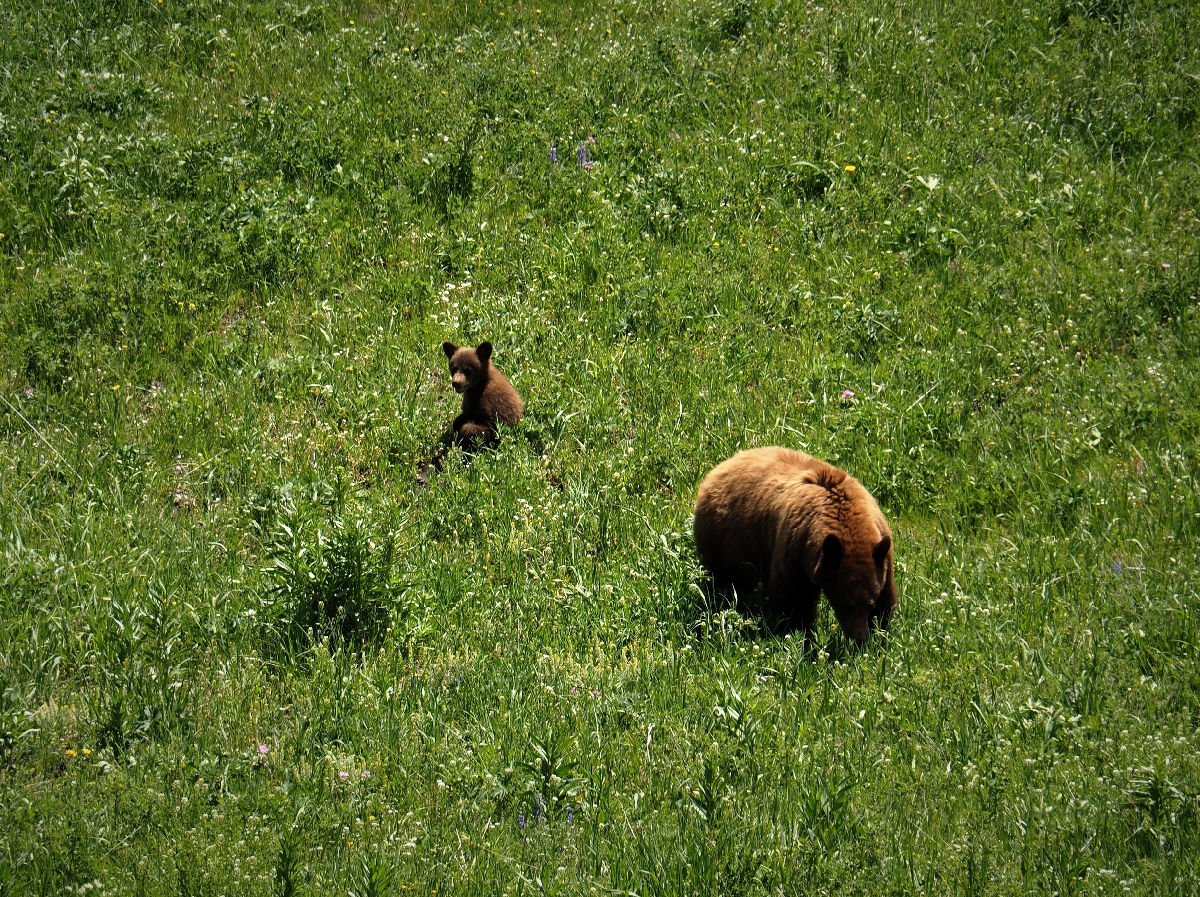
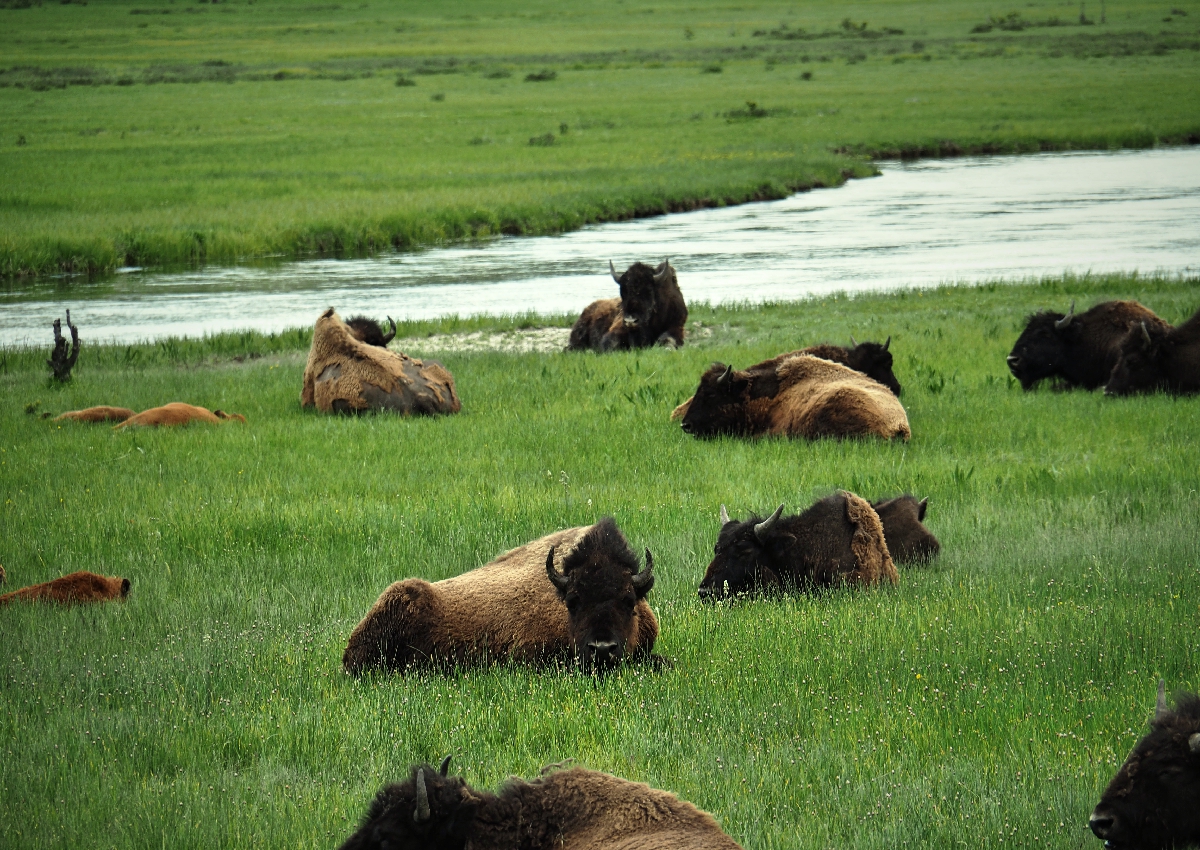
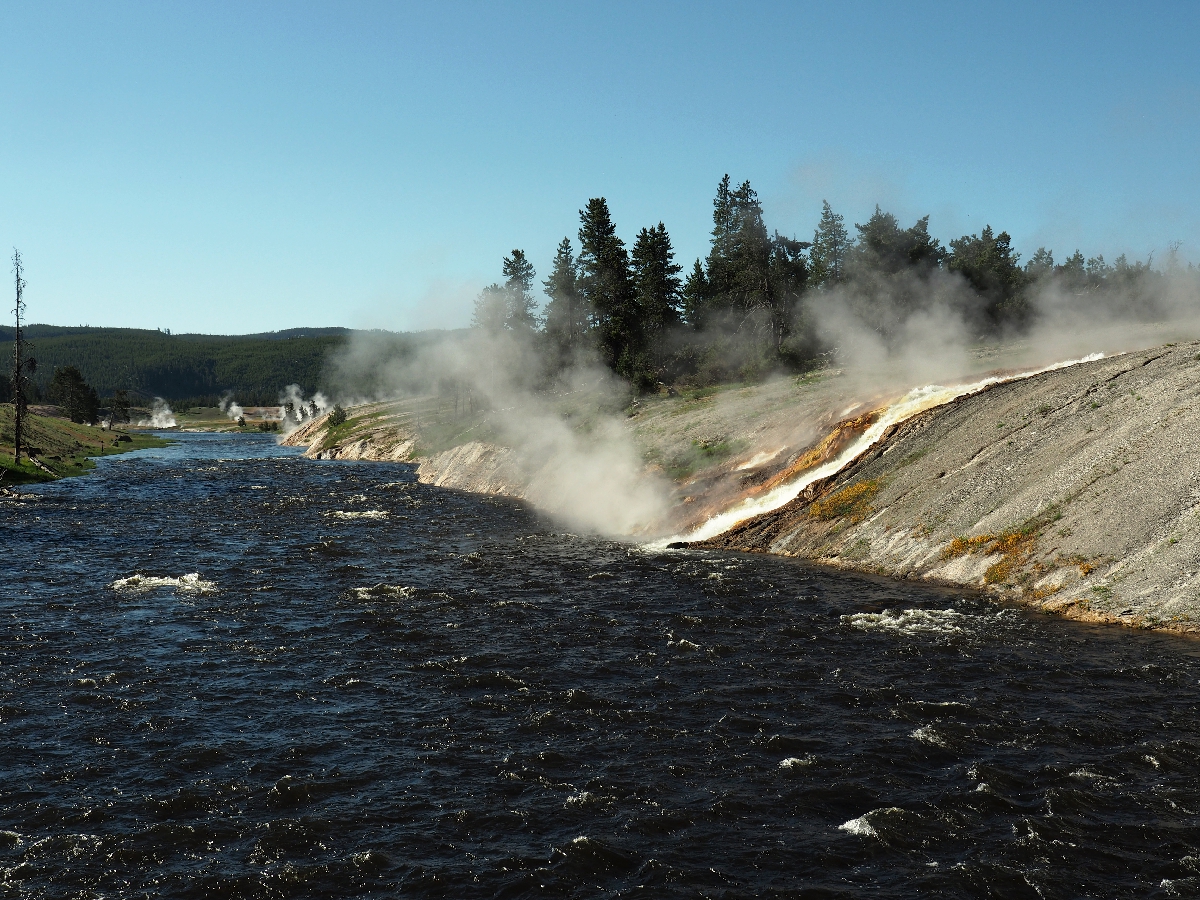
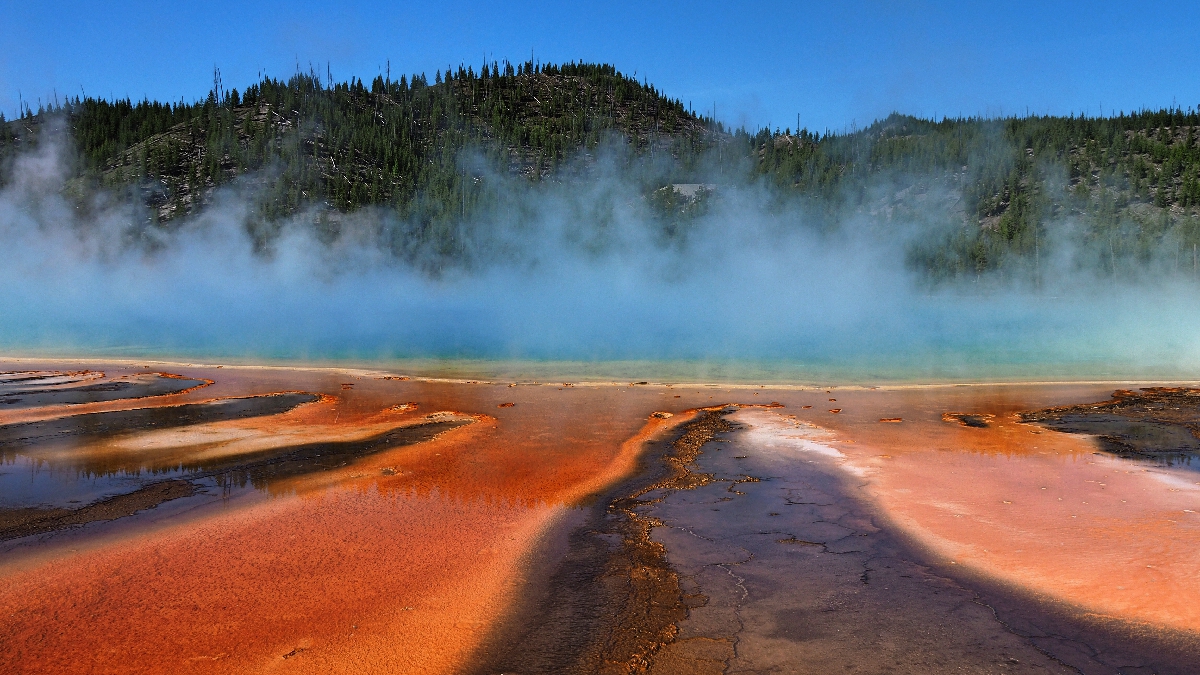
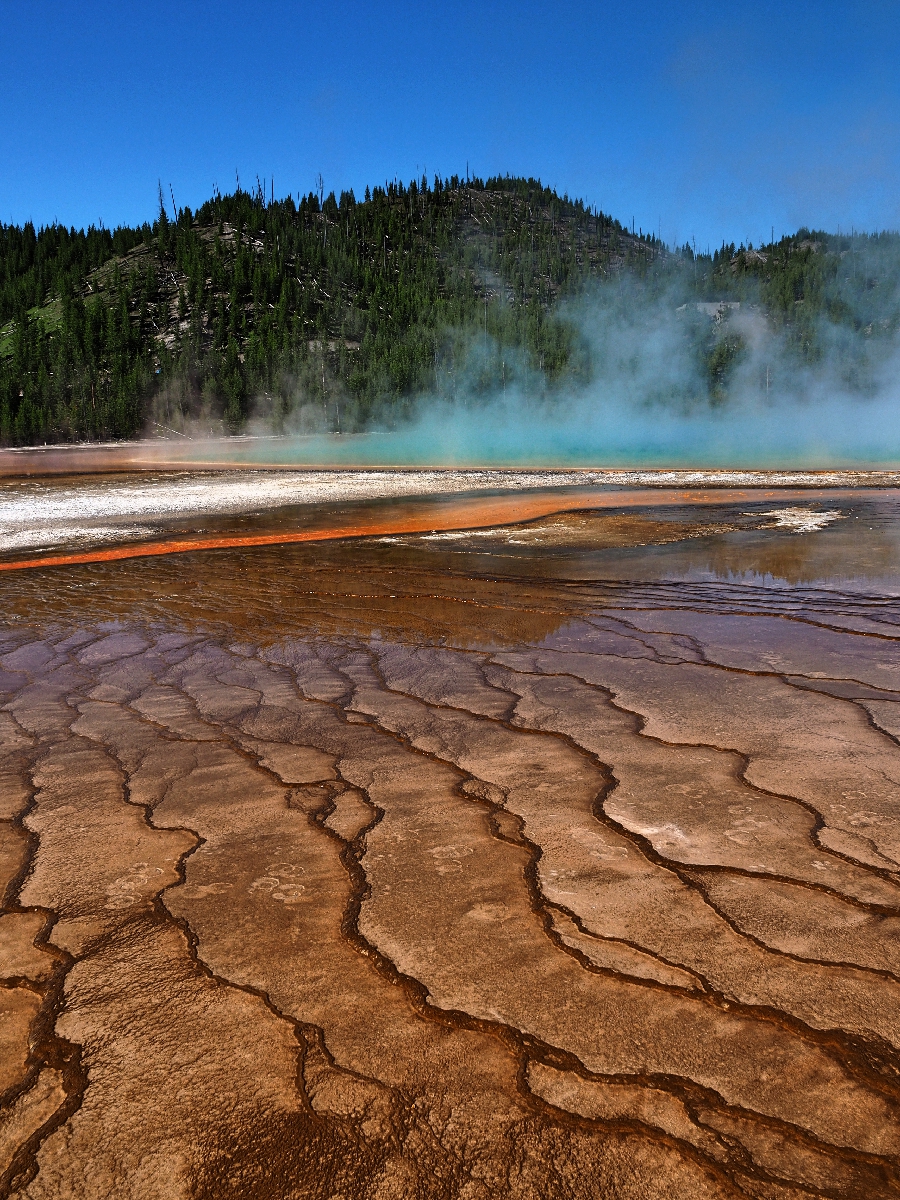
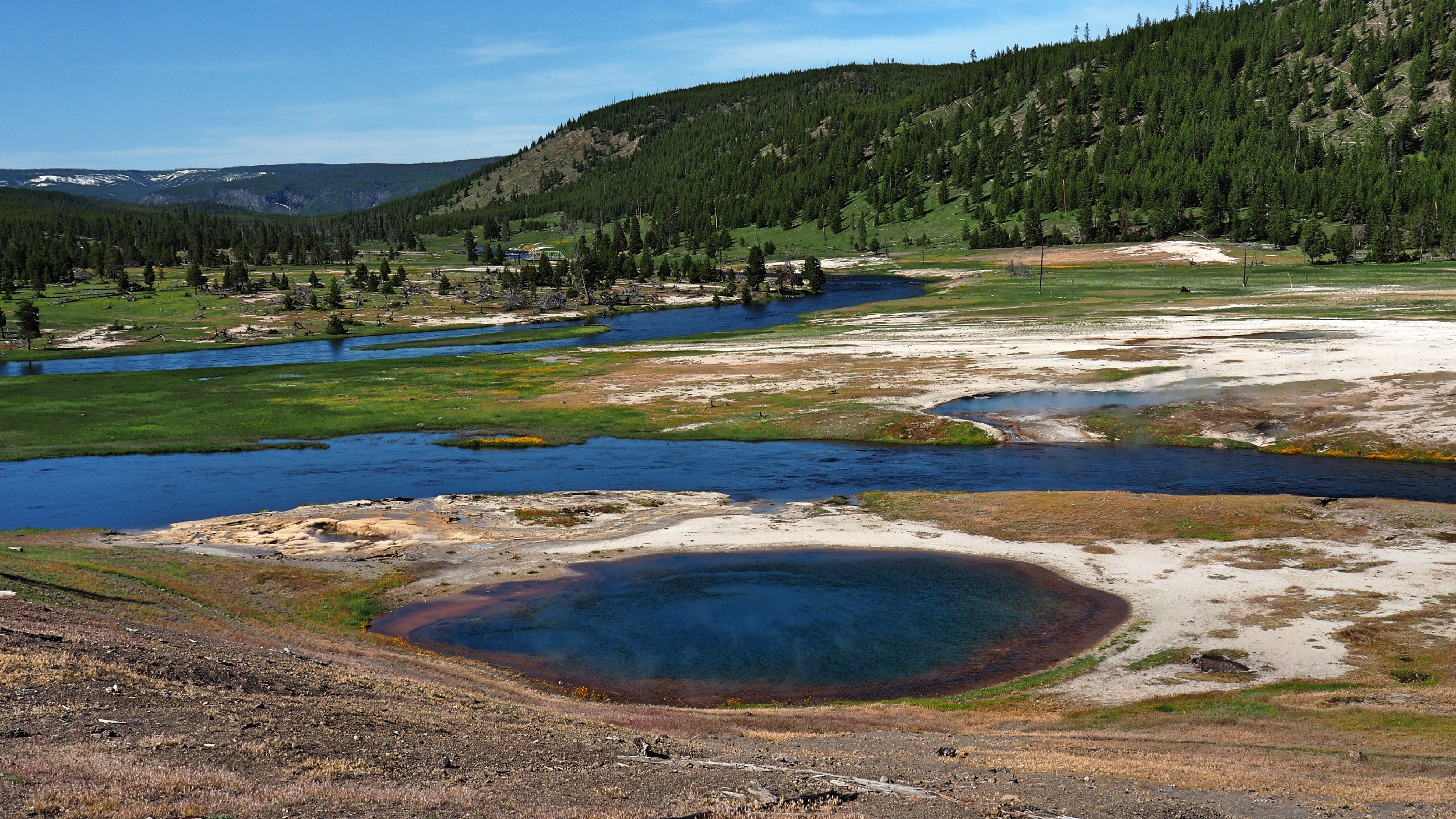
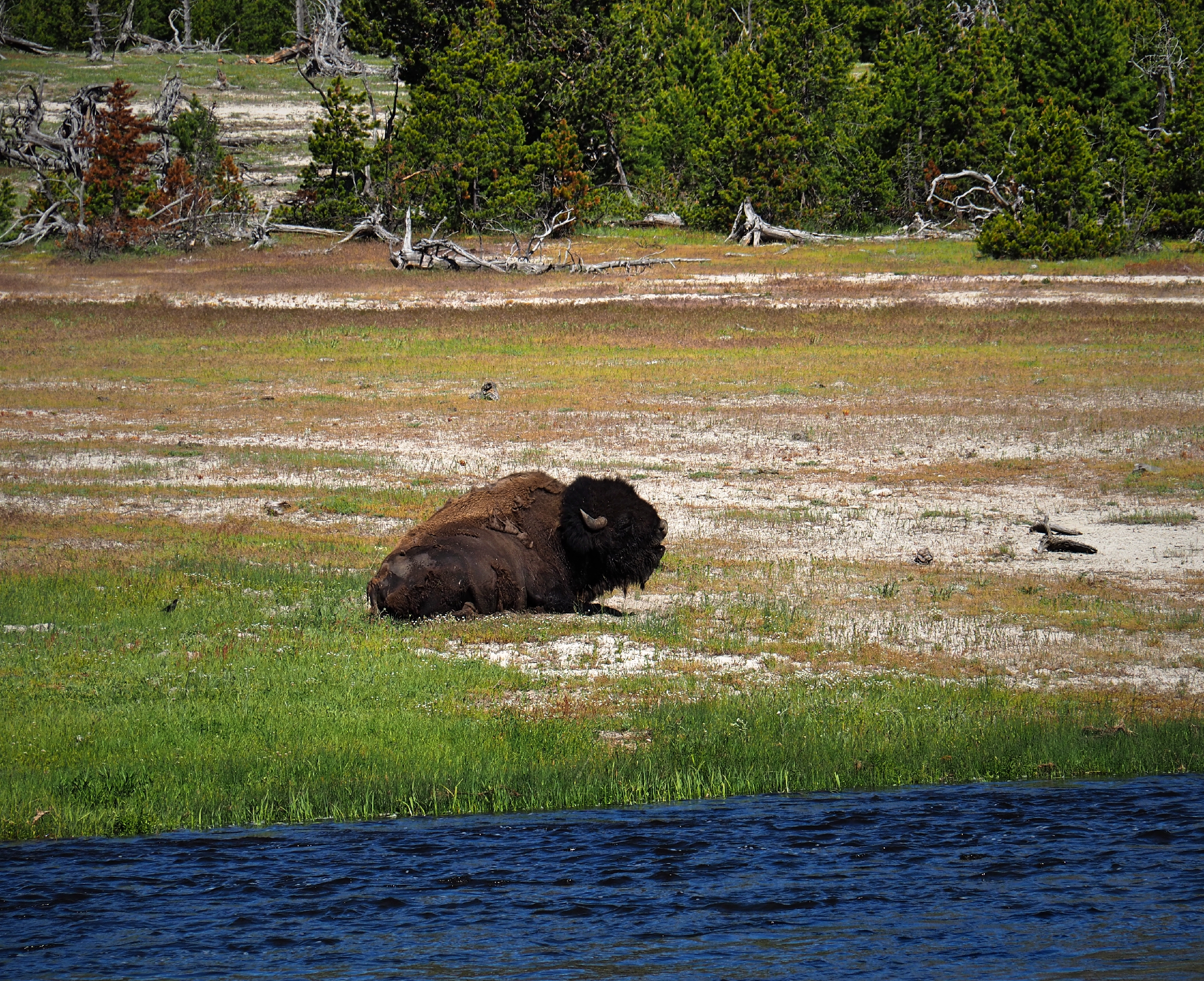
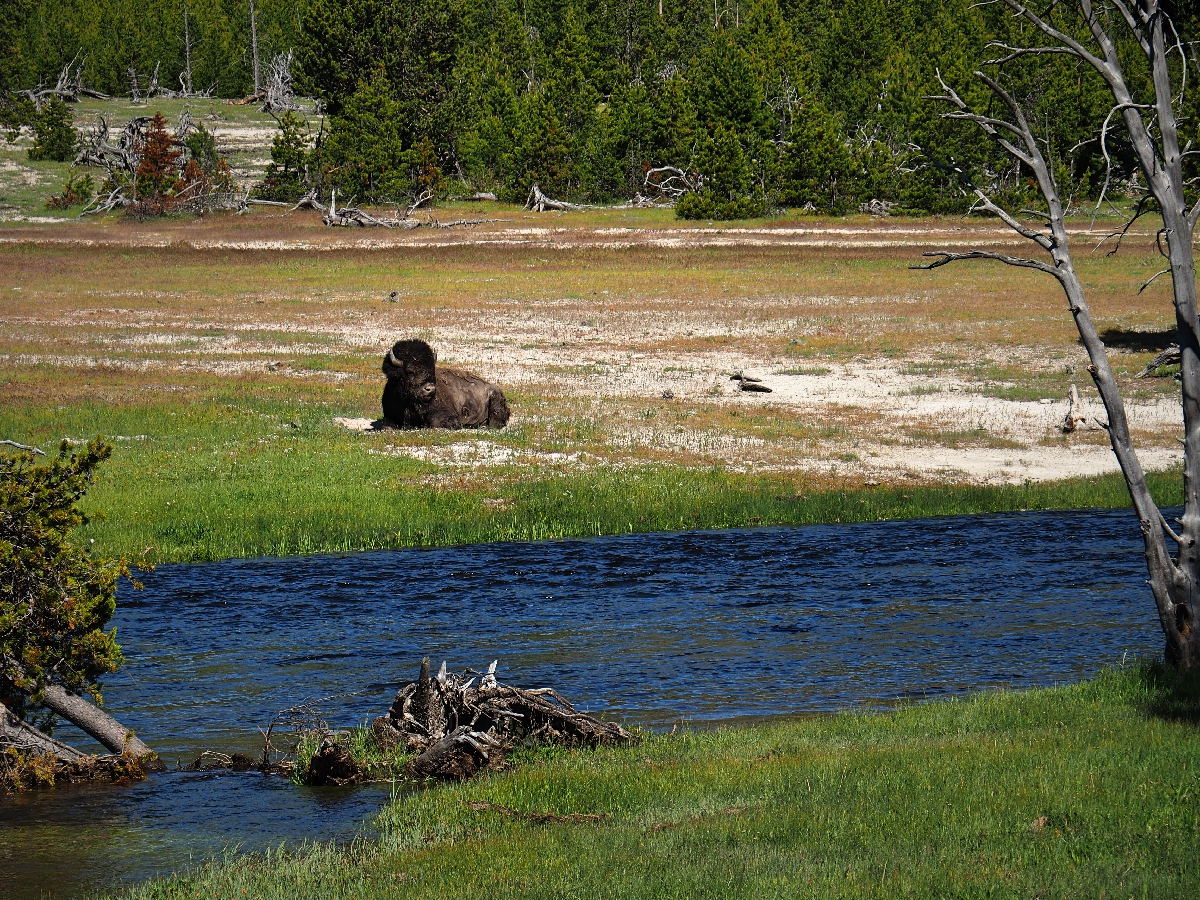
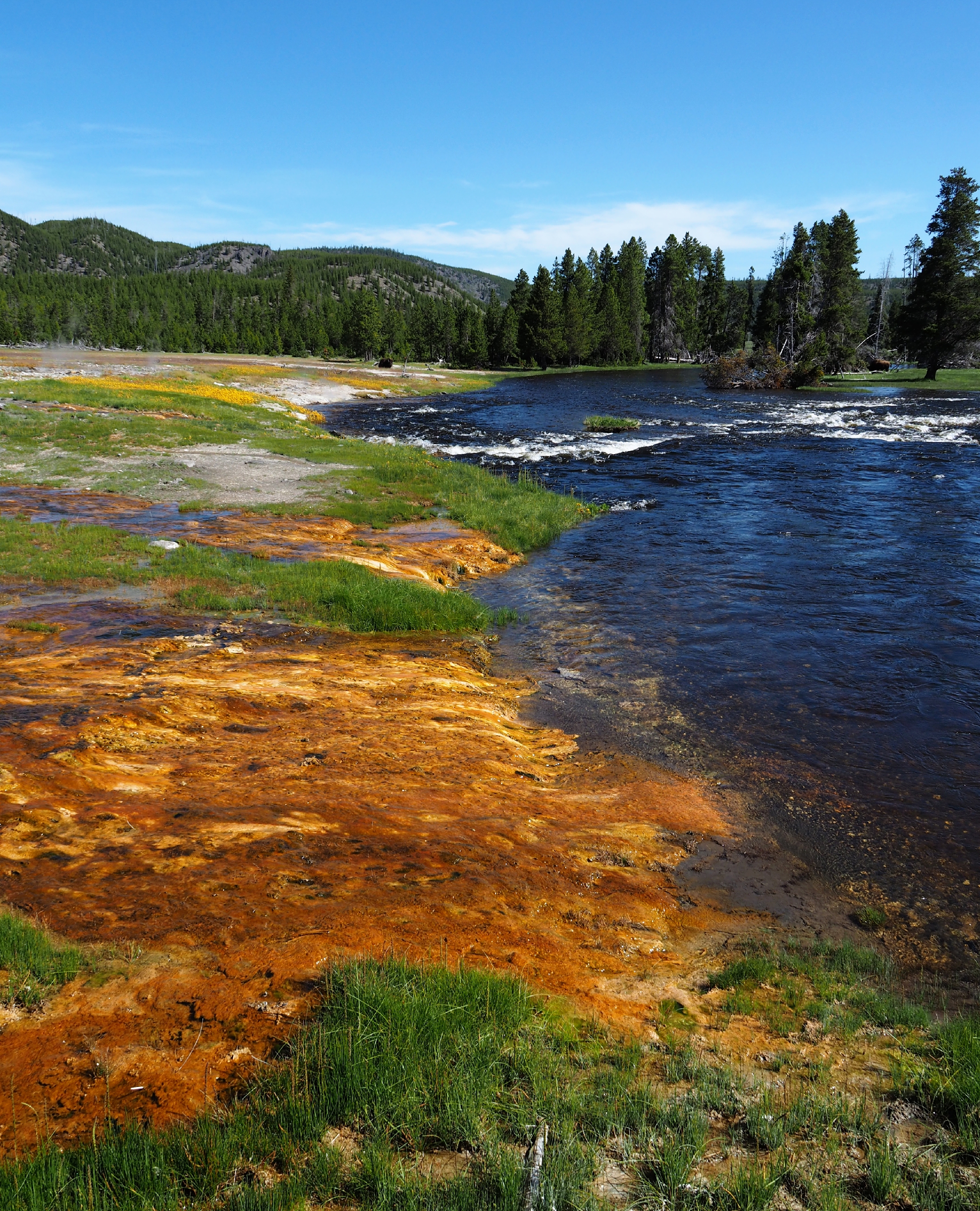
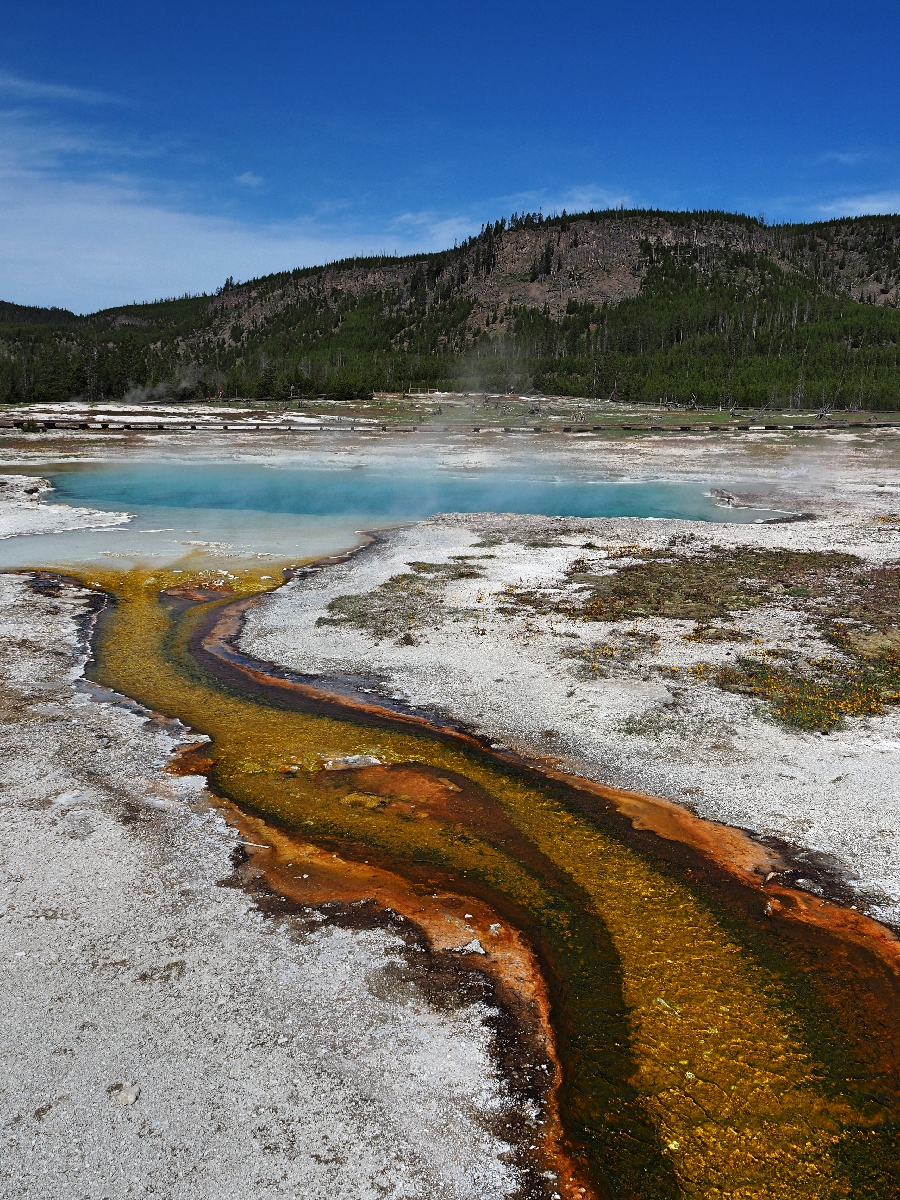
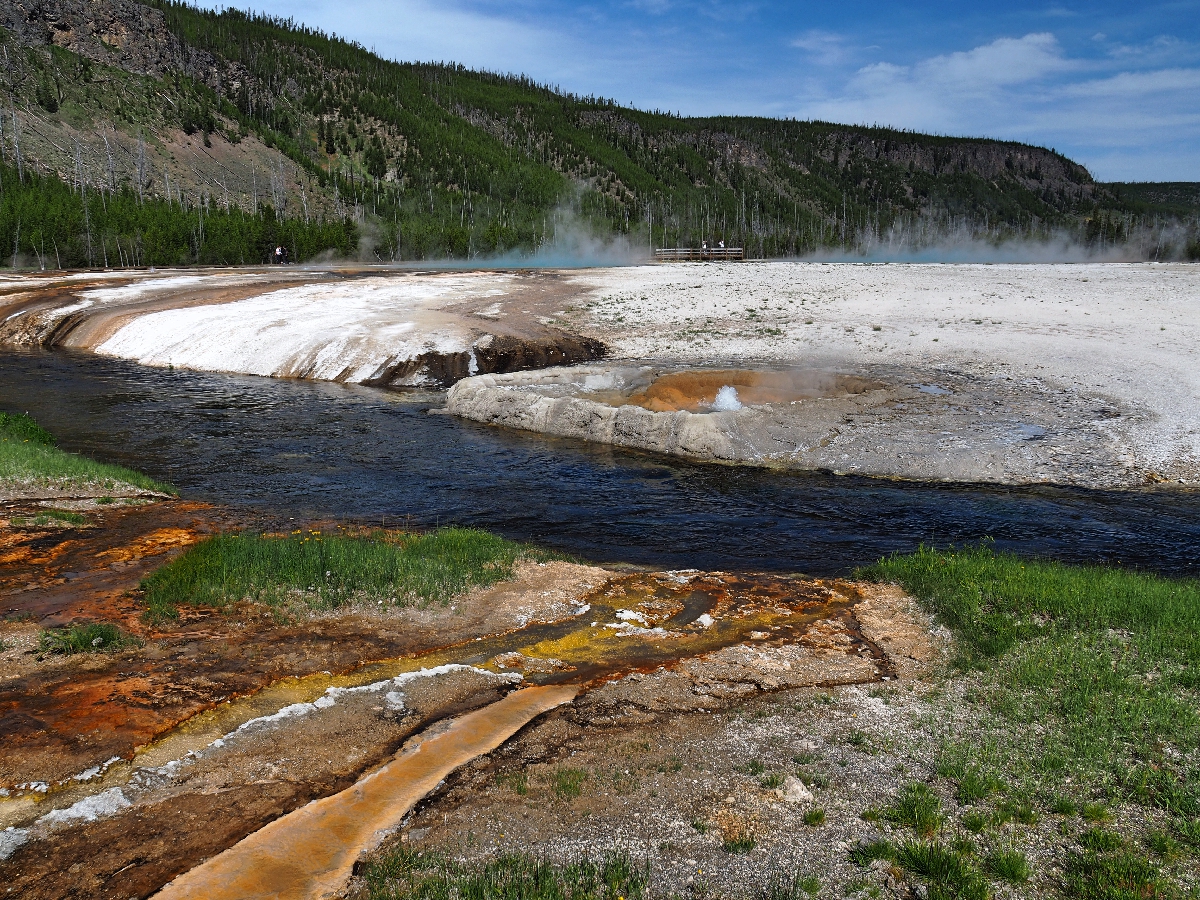
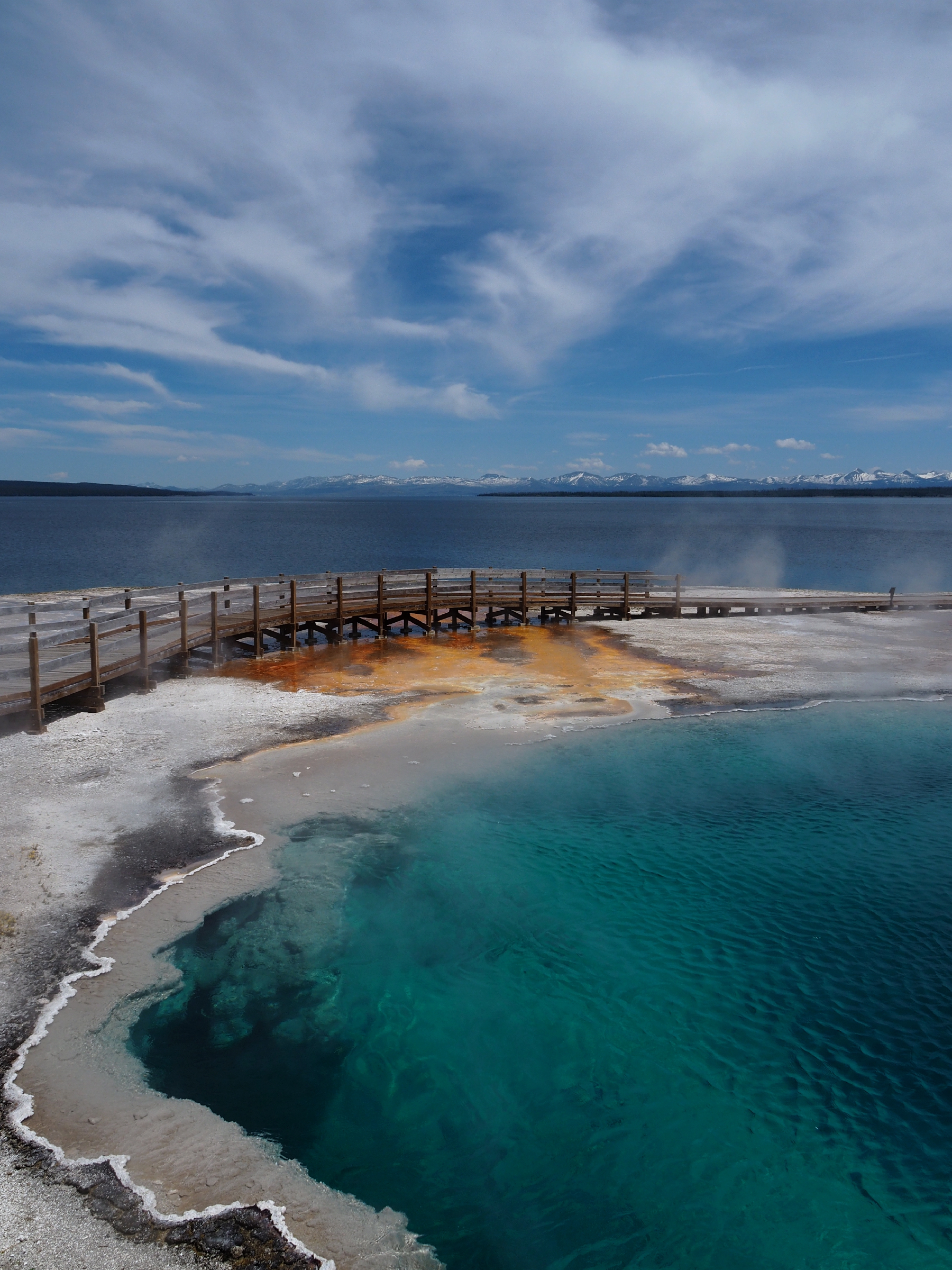
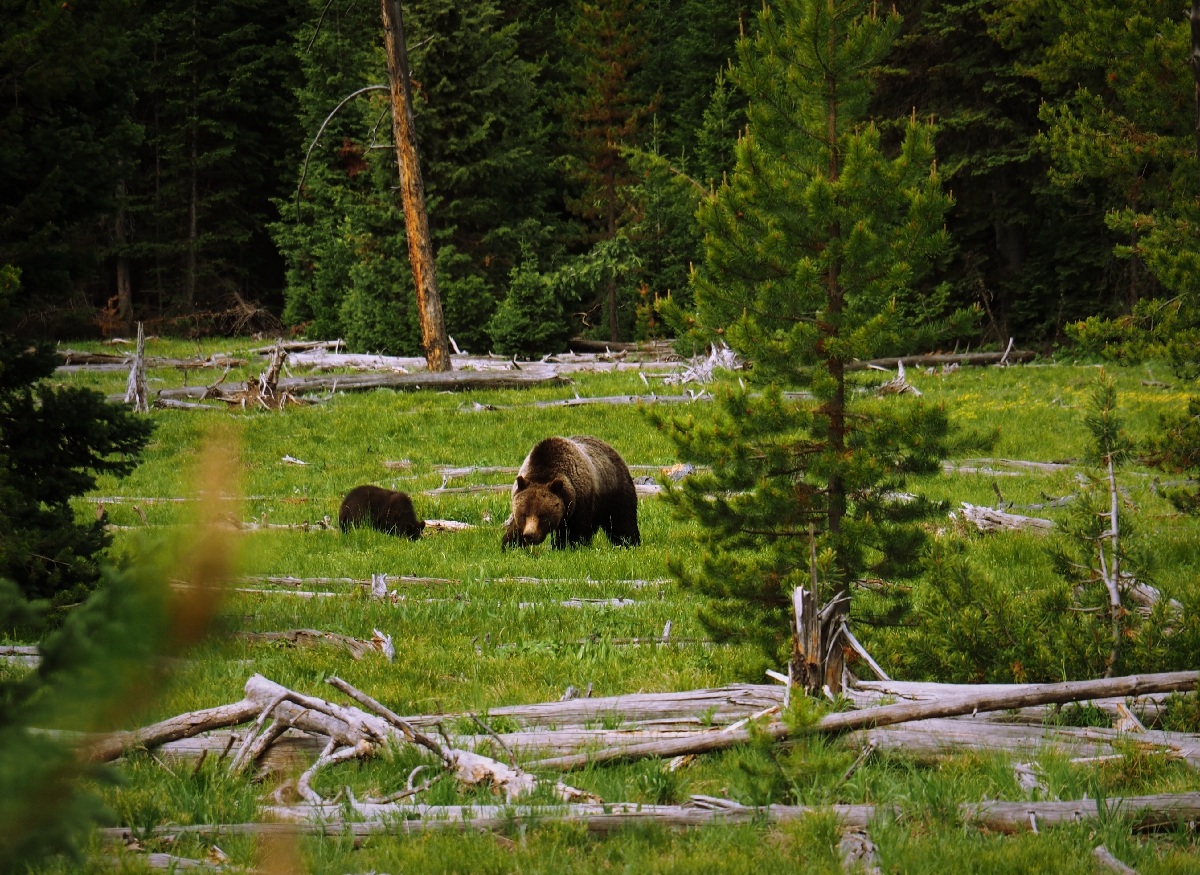
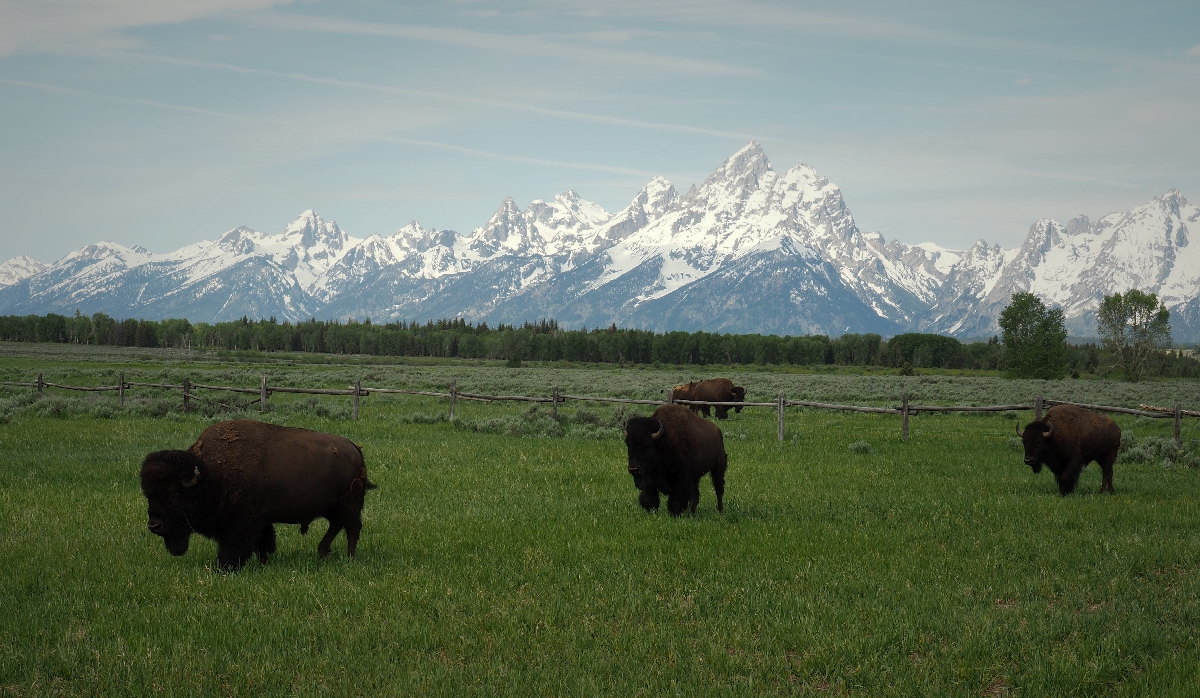
The following day we reached the famous Yellowstone National Park. Although we had already visited the park five years ago, we decided that we just had to see it again. As summer holidays had already started in some parts of the US it was much busier than the last time, but fortunately the weather conditions were much better so that the many hot springs and geysers looked even more magical. We saw a grizzly mother looking for food with her cub and on one morning, a group of huge bison buffalos was causing a traffic jam.
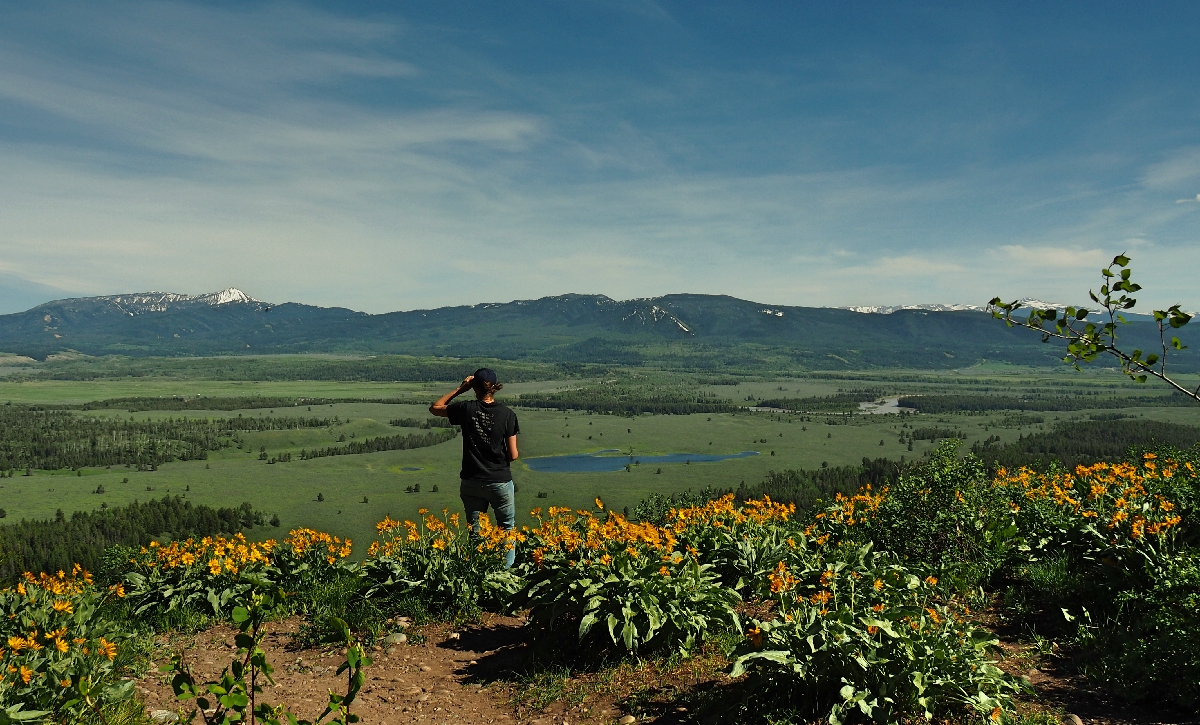
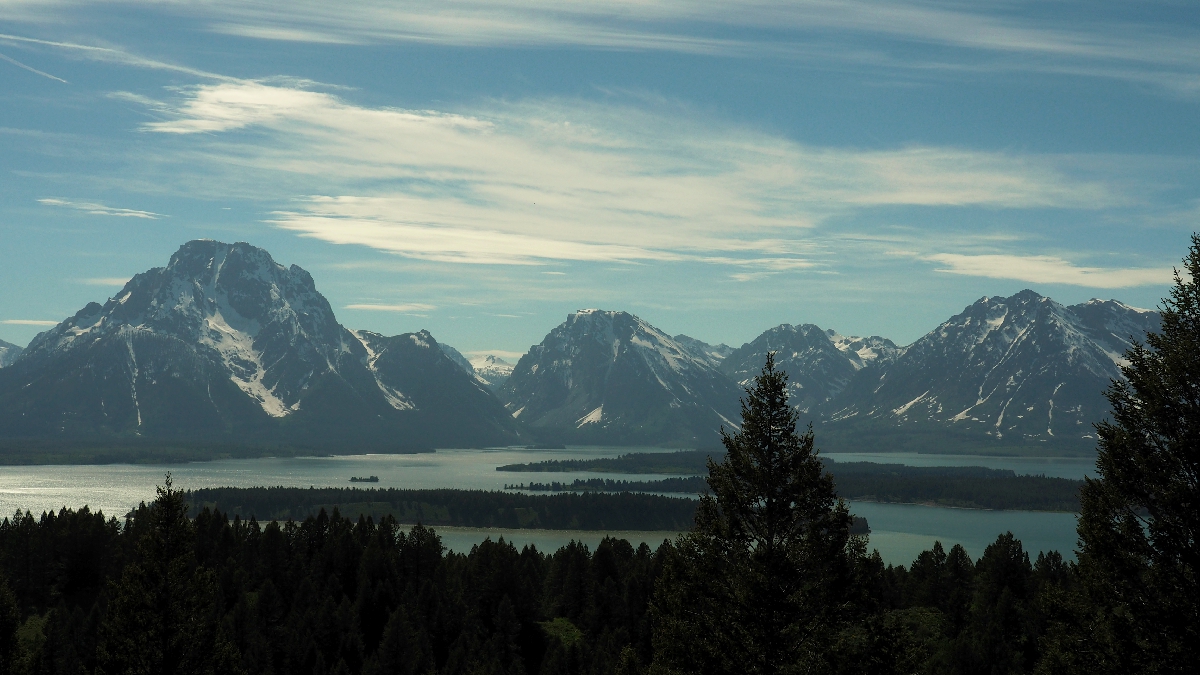
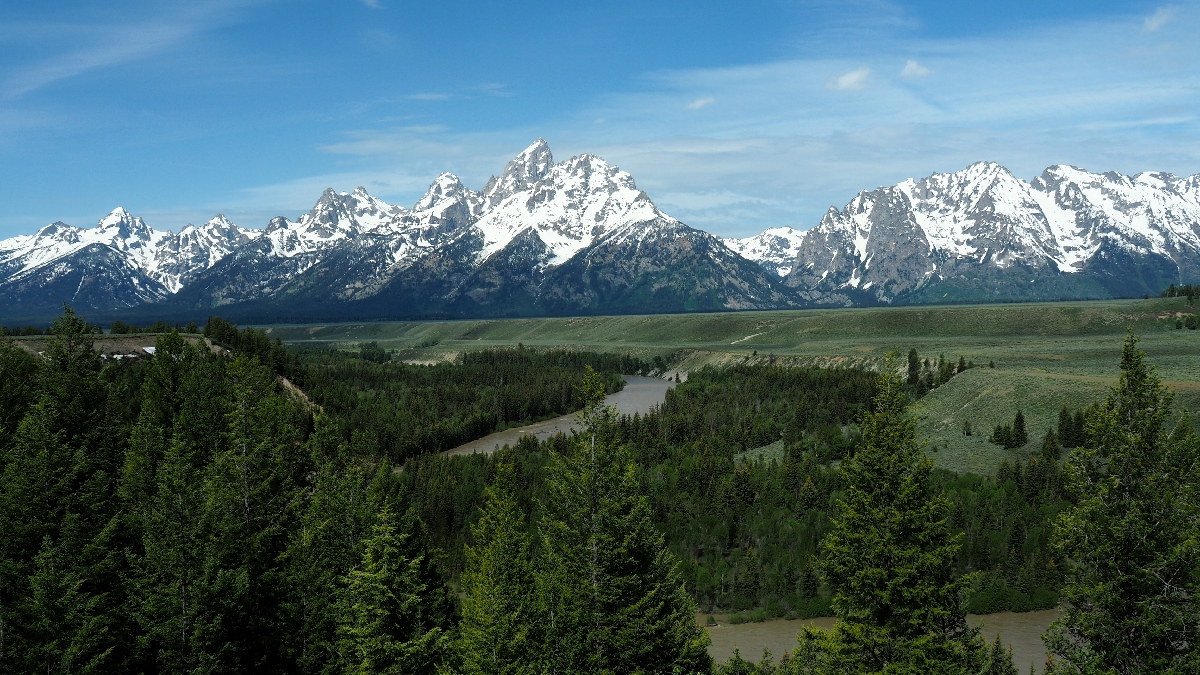
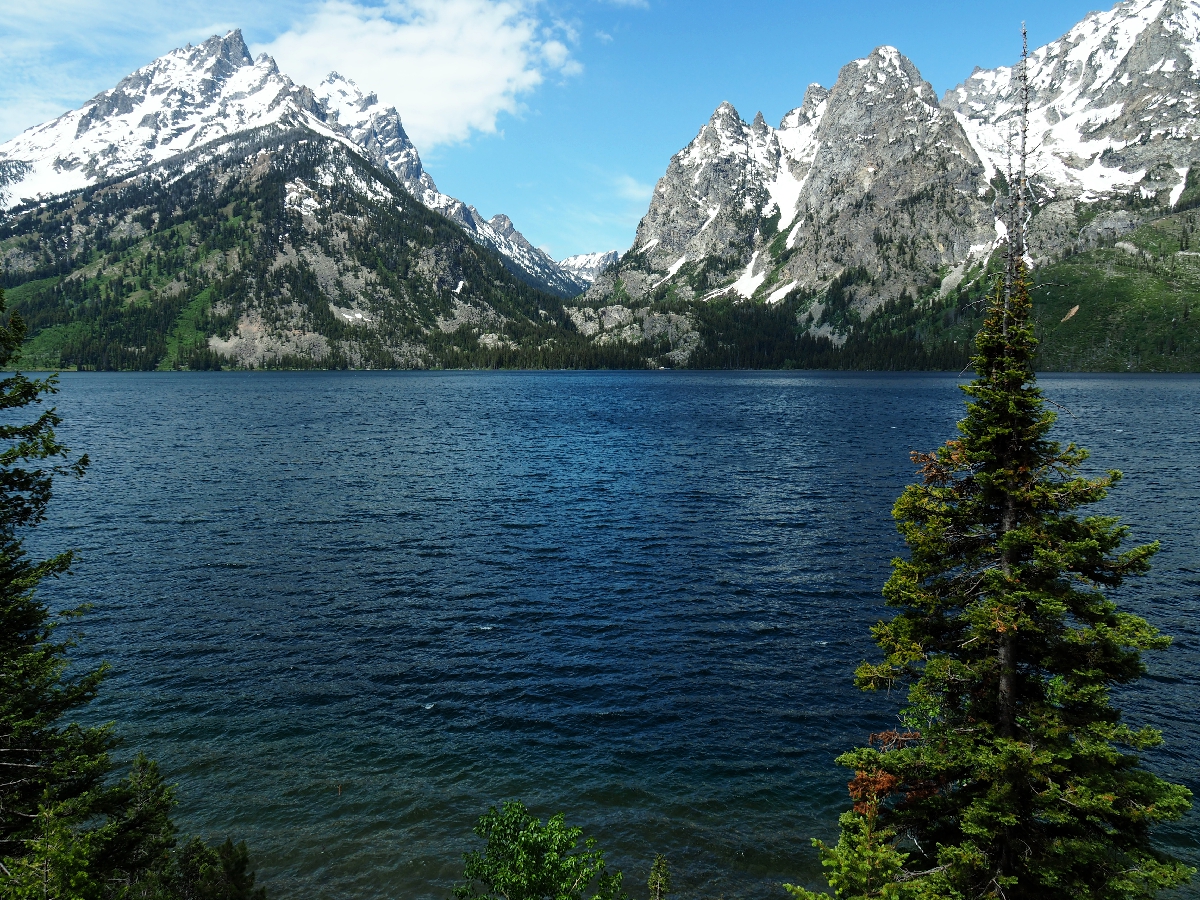
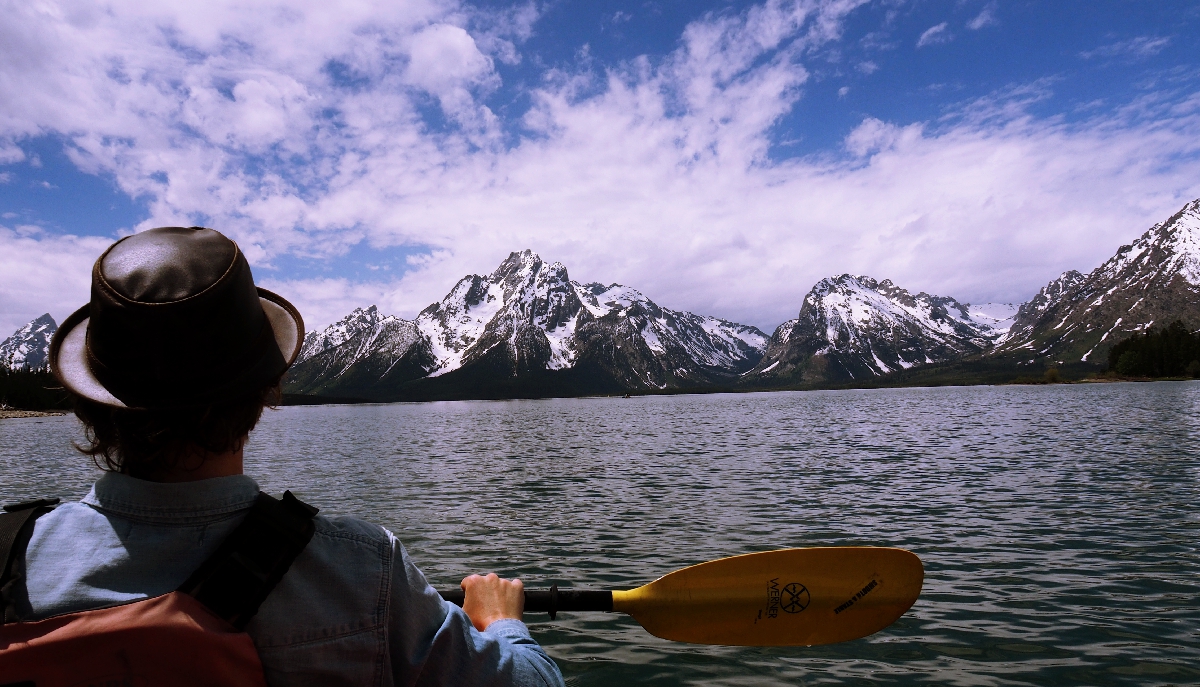
We continued on to the Grand Teton National Park with its impressive mountain views. We stayed on a campground close to the lake and rented a kayak the next morning. It was fun to explore the area from the water for a change and the views were simply stunning. While driving through the park with our car we again saw two grizzly mothers with cubs, bison buffalos and an elk.
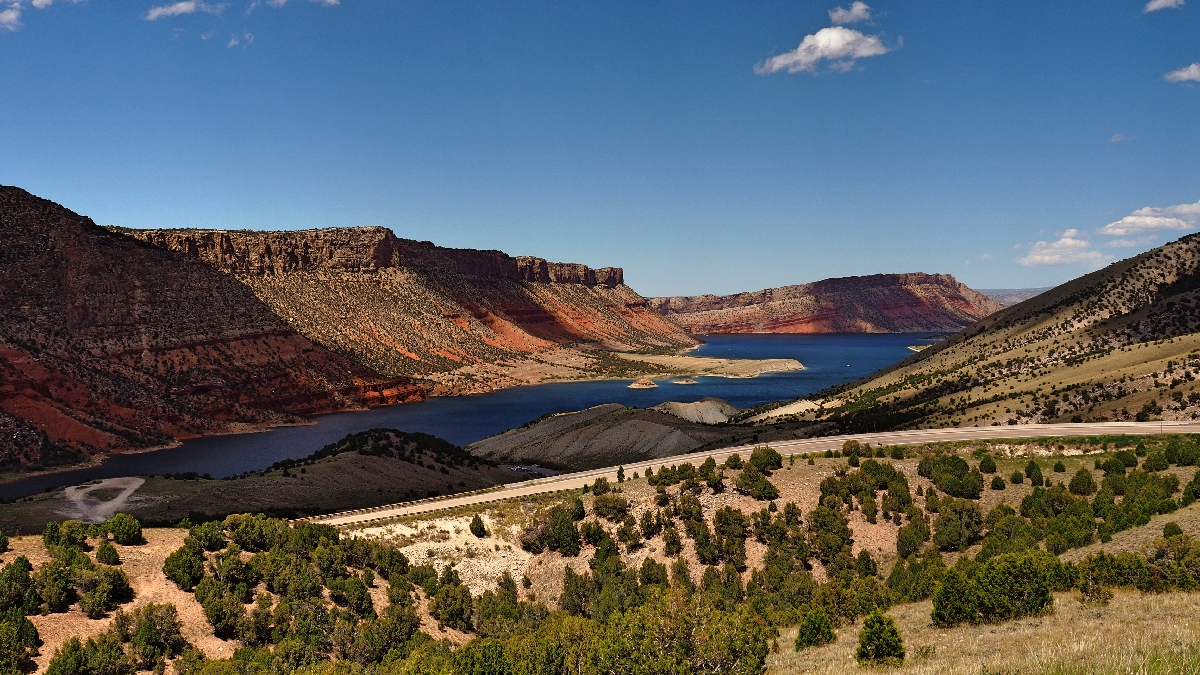
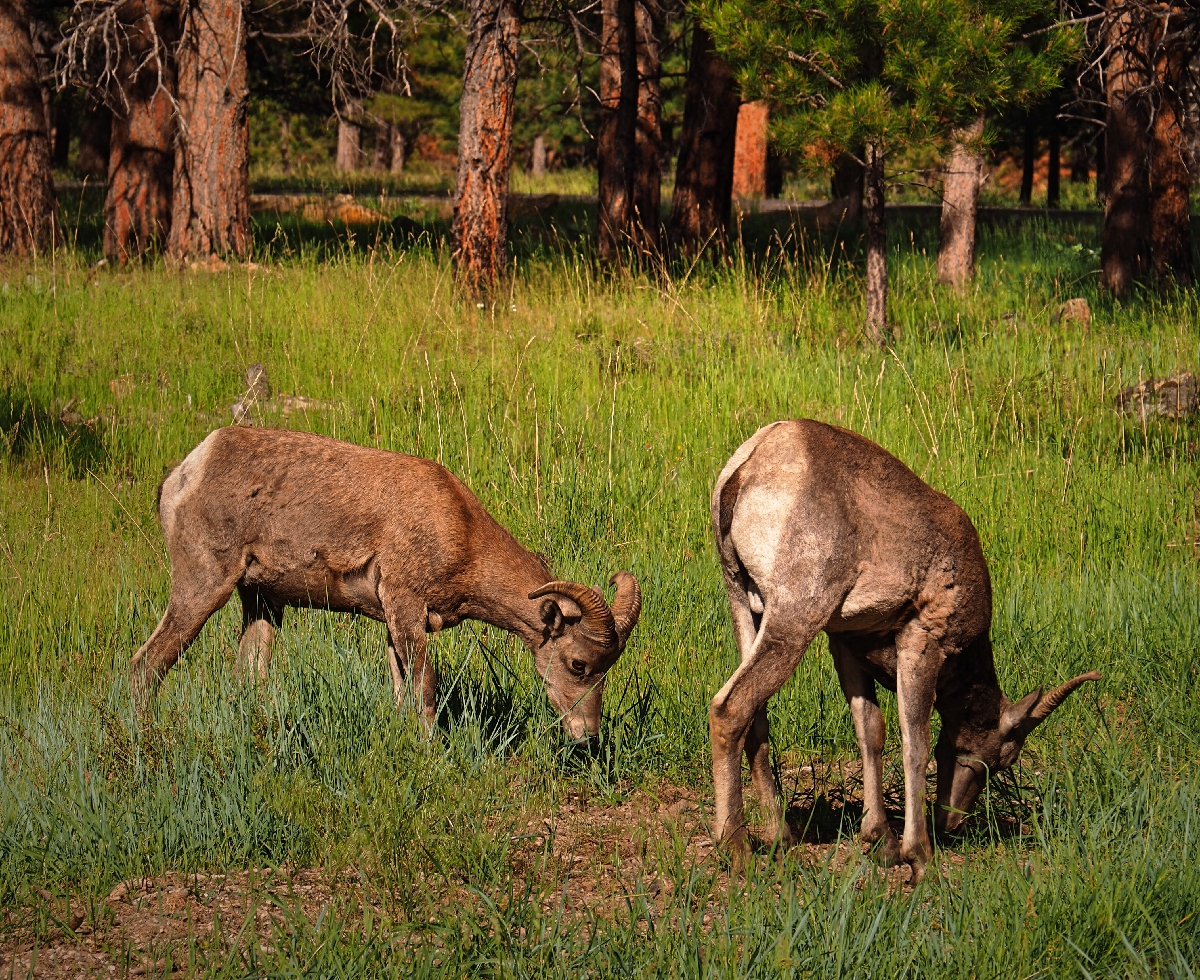
We left Wyoming via the Flaming Gorge National Recreation Area and found a secluded campground with a small creek close to the Red Cliffs, where we saw bighorn sheep grazing in the evening sun. We had now reached the state of Utah.
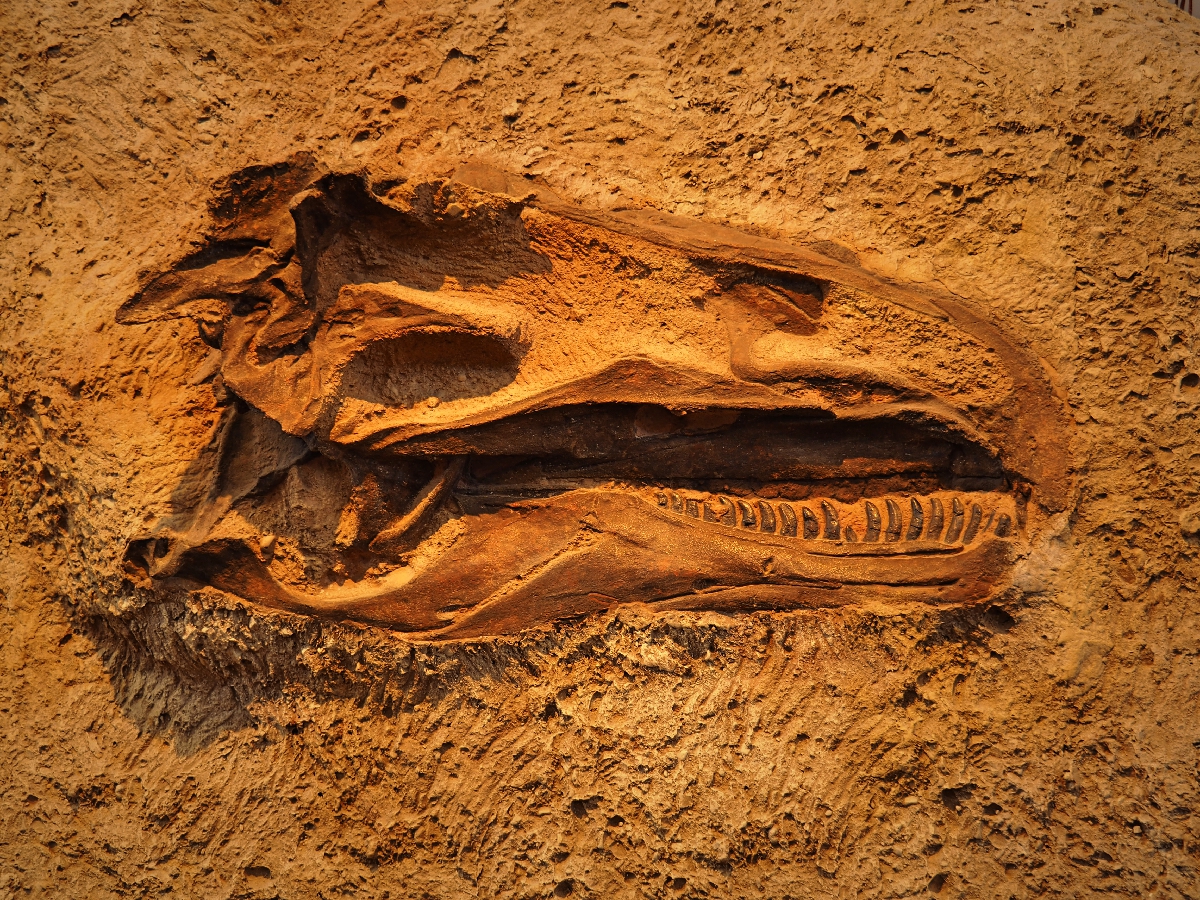
Since we were already passing by, we decided to pay a quick visit to the Dinosaur National Monument the next morning, where we could look at and even touch dinosaur bones that are hundreds of millions of years old. In the afternoon we reached the colorful state of Colorado. In the evening we arrived at Willow Creek campground next to a small lake, where we spent the night.
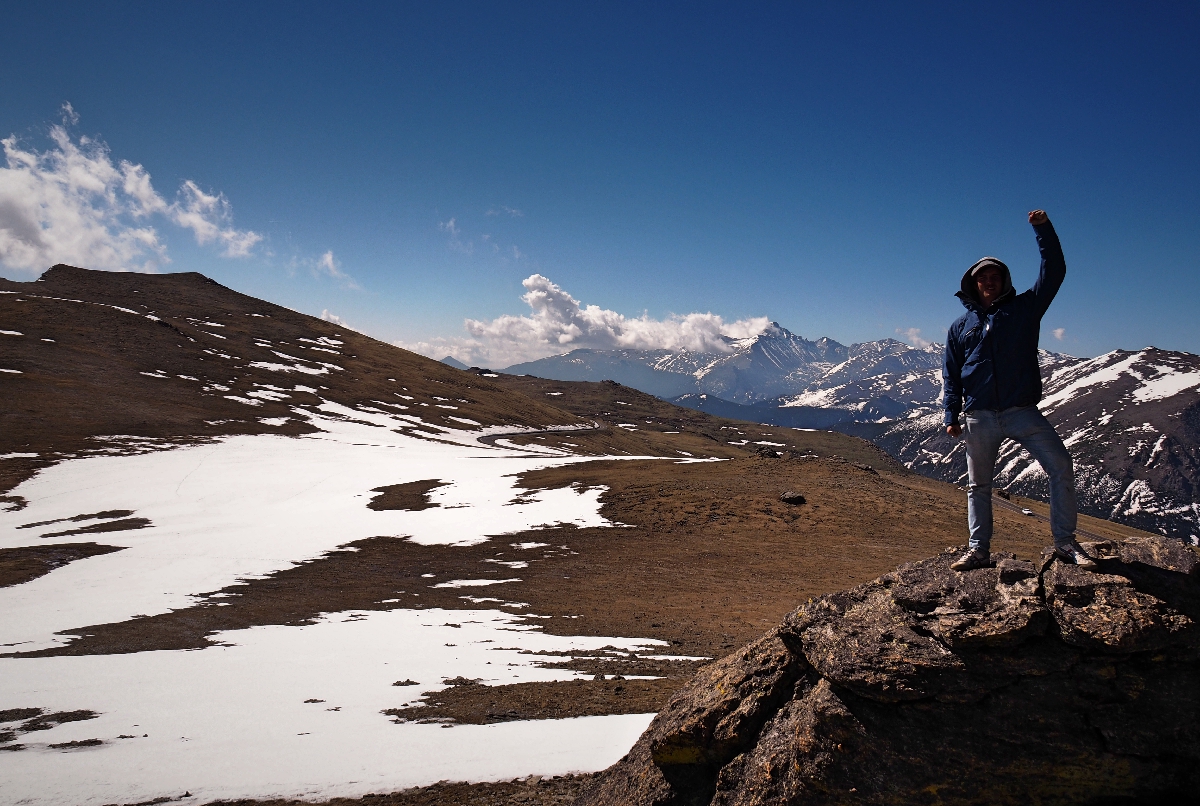
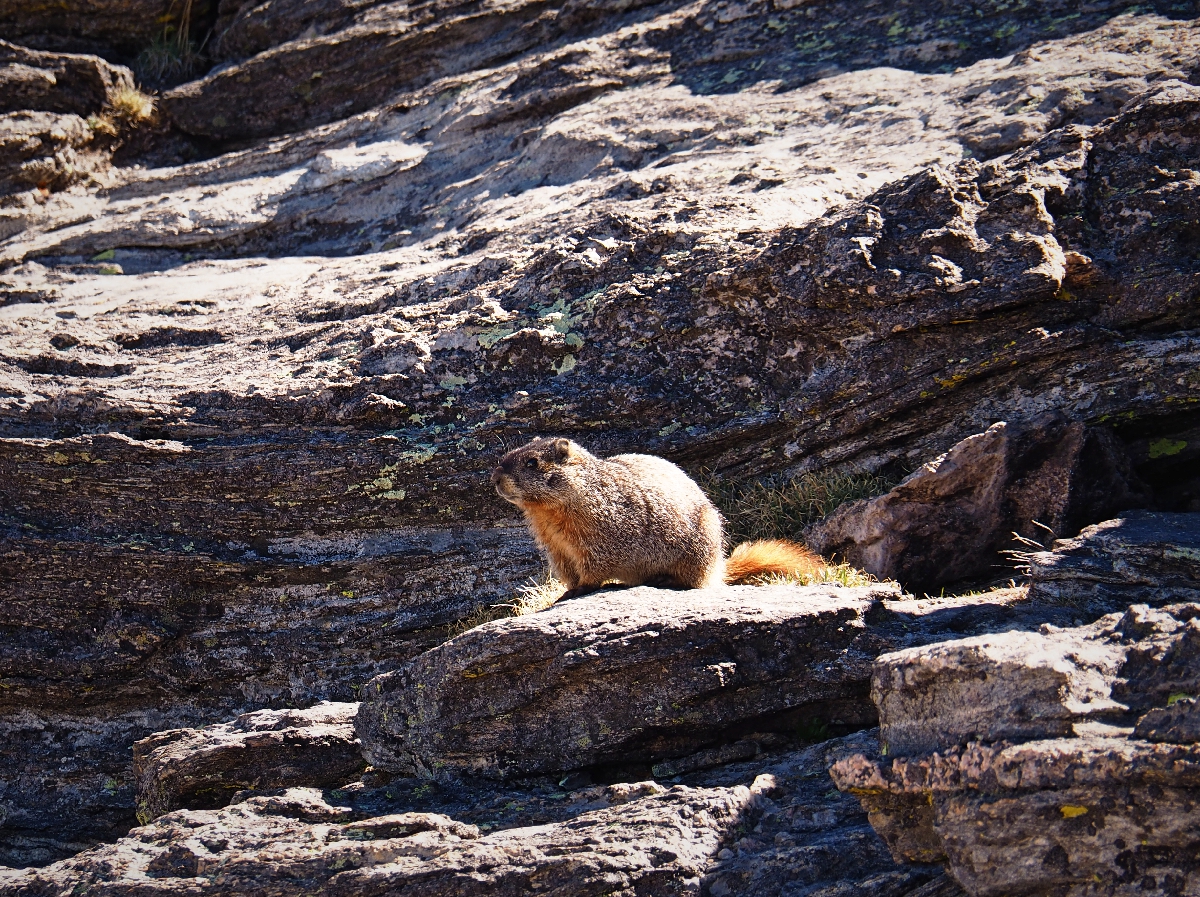
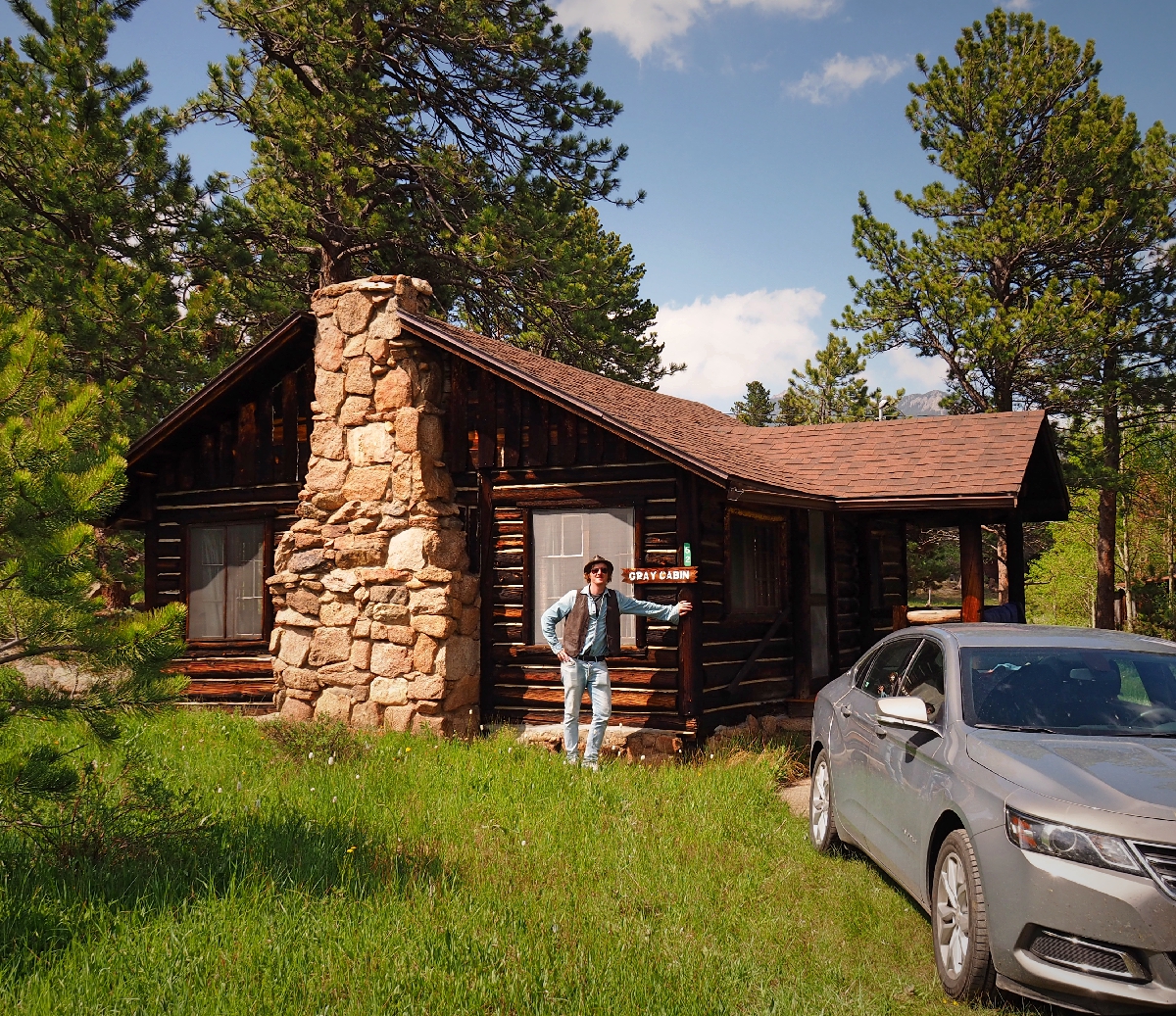
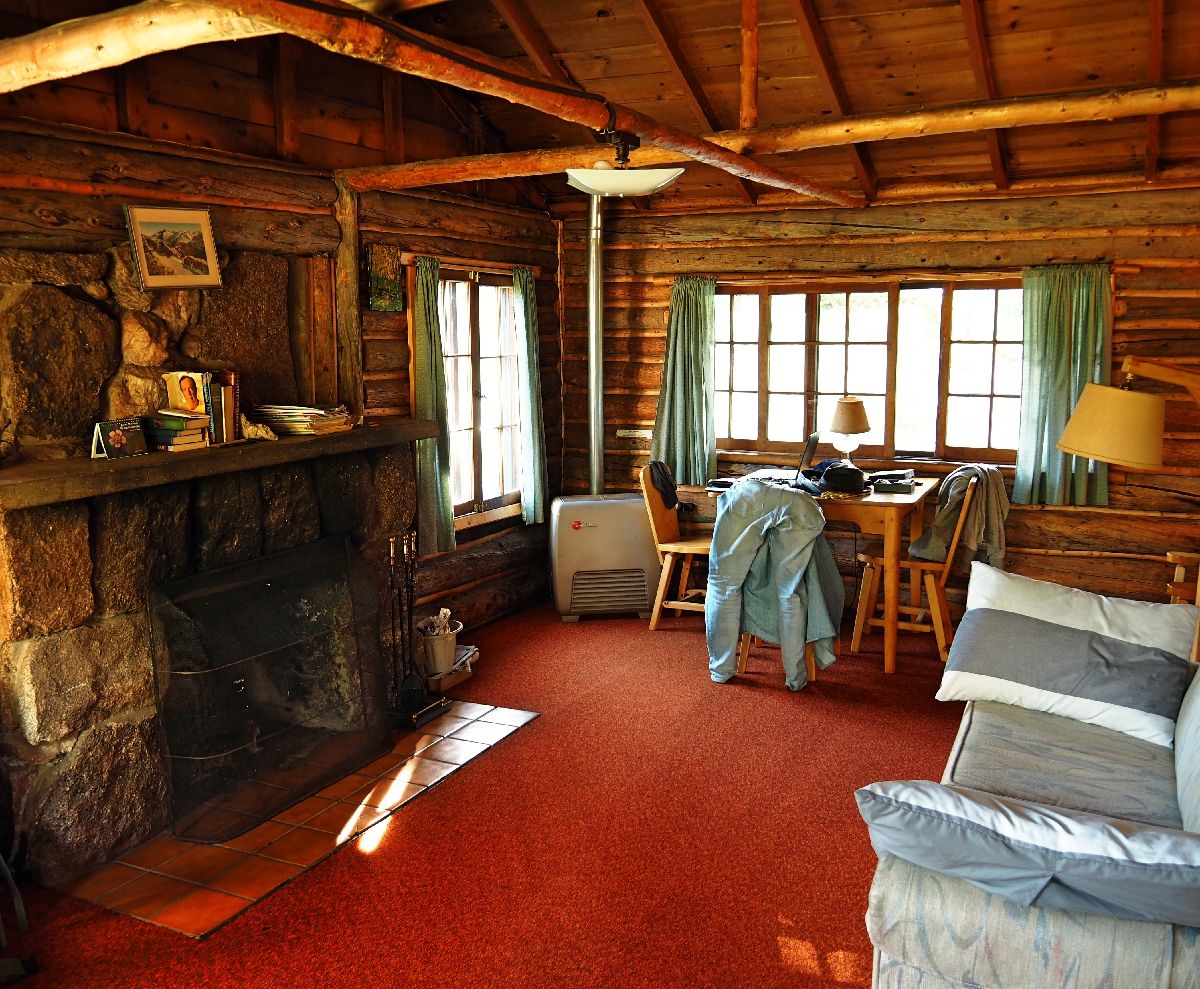
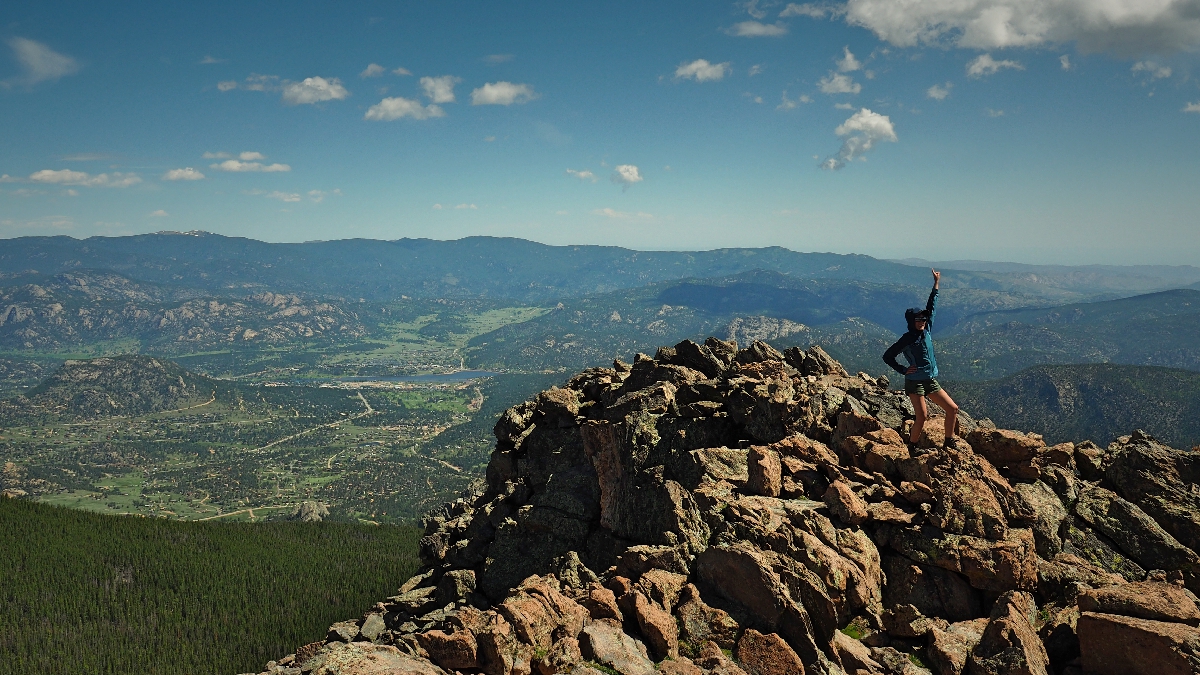
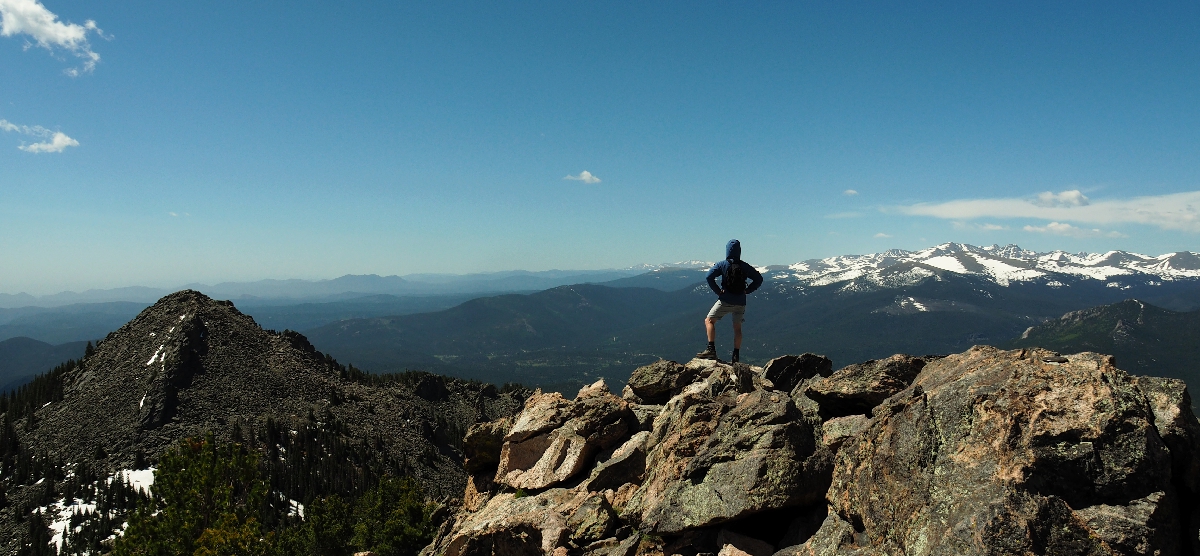
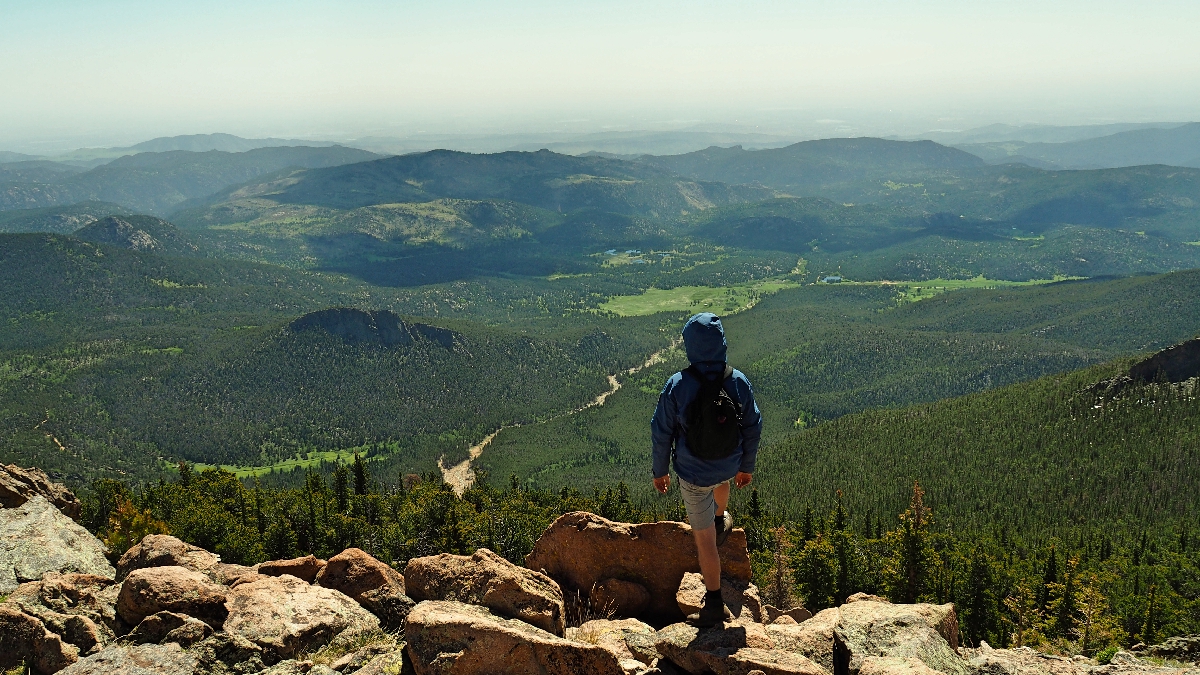
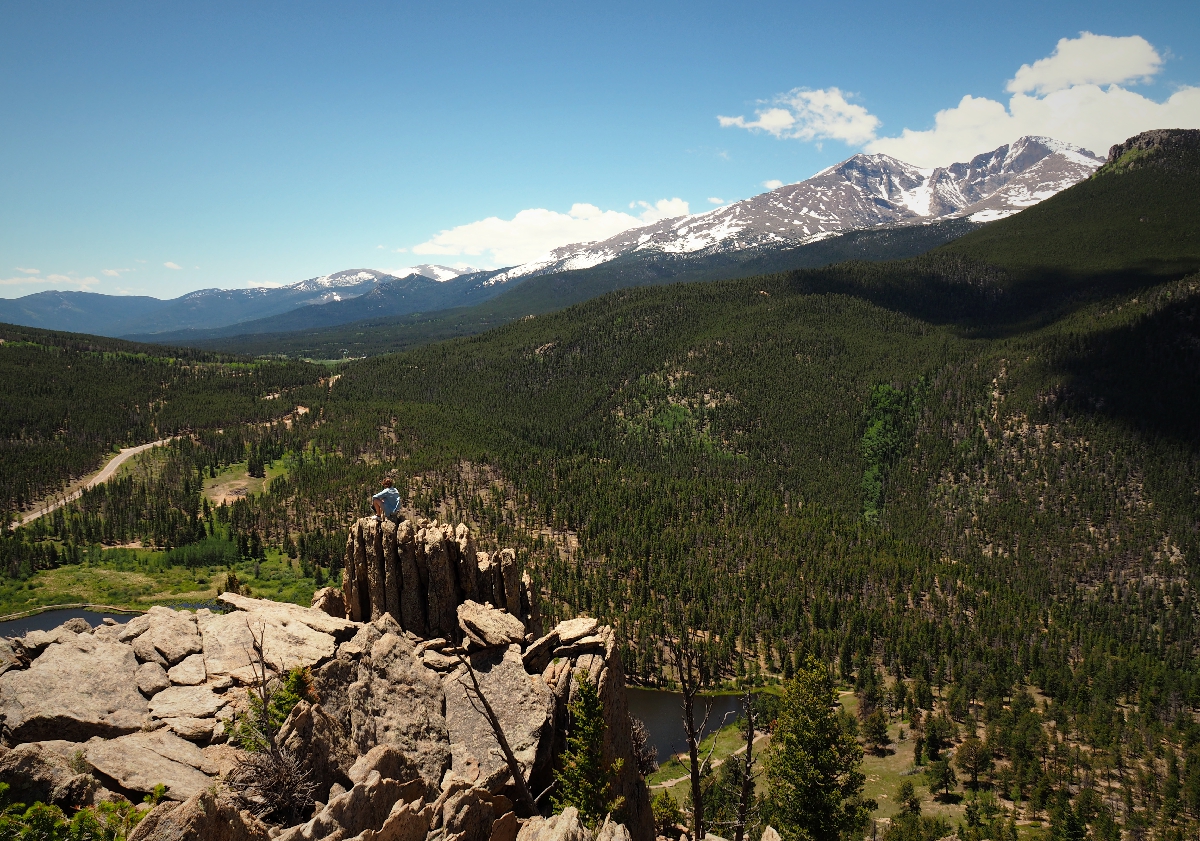
The next morning we drove along the highest paved road in the US through the Rocky Mountains National Park. We realized that we hadn’t been this high in a relatively long time. We walked to some lookouts and saw yellow bellied marmots running around and hiding between the rocks. The weather looked like rainfall and due to the elevation the temperature had dropped, so we didn’t feel like camping. By early afternoon we stopped at Meeker Lodge to ask about their cabin rates, which turned out to be very reasonable. And the cabin was just what we were looking for! It had a kitchen and a living room with an open fireplace. Its rustic wooden design made us feel right at home. That’s why we decided to stay for three nights. We would start our days with a long hike, one time to the summit of Twin Sister Peaks (3458masl) and the other time to the Ouzel Falls. We also couldn’t resist climbing around the rocks above Lily Lake. In the afternoon we would buy groceries for dinner and marvel at the humming birds at Meeker Lodge, that were attracted by a sugar water dispenser. Our evenings, we would spend cooking and relaxing in front of a big cozy fire. It was total relaxation!
We decided to spend our last two weeks in the New England area. That meant that we had two full days of just driving ahead of us. We stayed on the interstate 70 to pass through Kansas. Around Hays we go into a huge storm. Bolts of lightning struck down to our right and left, we could even feel the shockwaves from the thunder. Just minutes later hail was coming down from all sides, it felt like the apocalypse! Our car got some obvious bumps from the incident. When we had started our journey in the morning in Colorado the windows of our car had been a little frozen. Now it was incredibly hot outside, the thermometer reached 101°F (approximately 42°C). Right before entering the city of Topeka, we got pulled over by a police officer. Probably because we stopped at a pretty inconvenient spot (we got a bit nervous) and as there was heavy traffic, he said: “Ok, I’m gonna let you run off this time, but keep it down a little, it’s 65 mph through the city!”. In the evening we reached the state of Missouri and stayed on a campground at Arrow Rock State Park after 10 hours of driving. It was a really lovely spot. As the sun was setting down, hundreds of fireflies started blinking in the twilight. And the sky started blinking too, when another thunderstorm passed by in a safe distance. Altogether it looked like Christmas lights gone crazy 😉
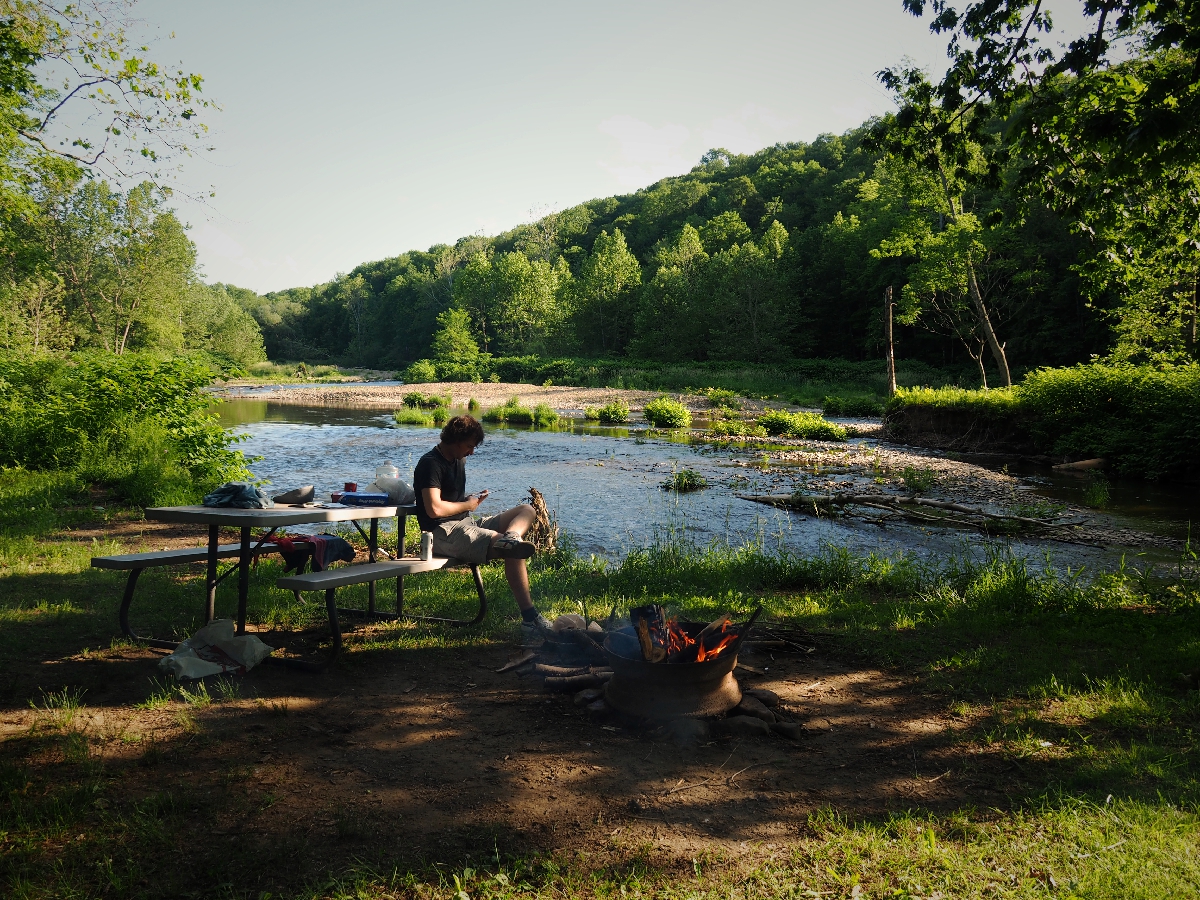
The next day we rushed through Illinois, Indiana and reached Ohio in the late afternoon. There we camped at the Salt Fork State Park close to Cambridge. Although it was Friday, there weren’t many other campers around. It was a nice summer evening and next to our campsite we saw two turtles enjoying the last sun beams of the day. When we had just finished eating our dinner and sat beside the fire a raccoon was sneaking around. We tried not to move and keep silent. It didn’t seem to notice us and came really close, starting to sniff around in our plastic bags. Eventually it ran off, as there was no food lying around.
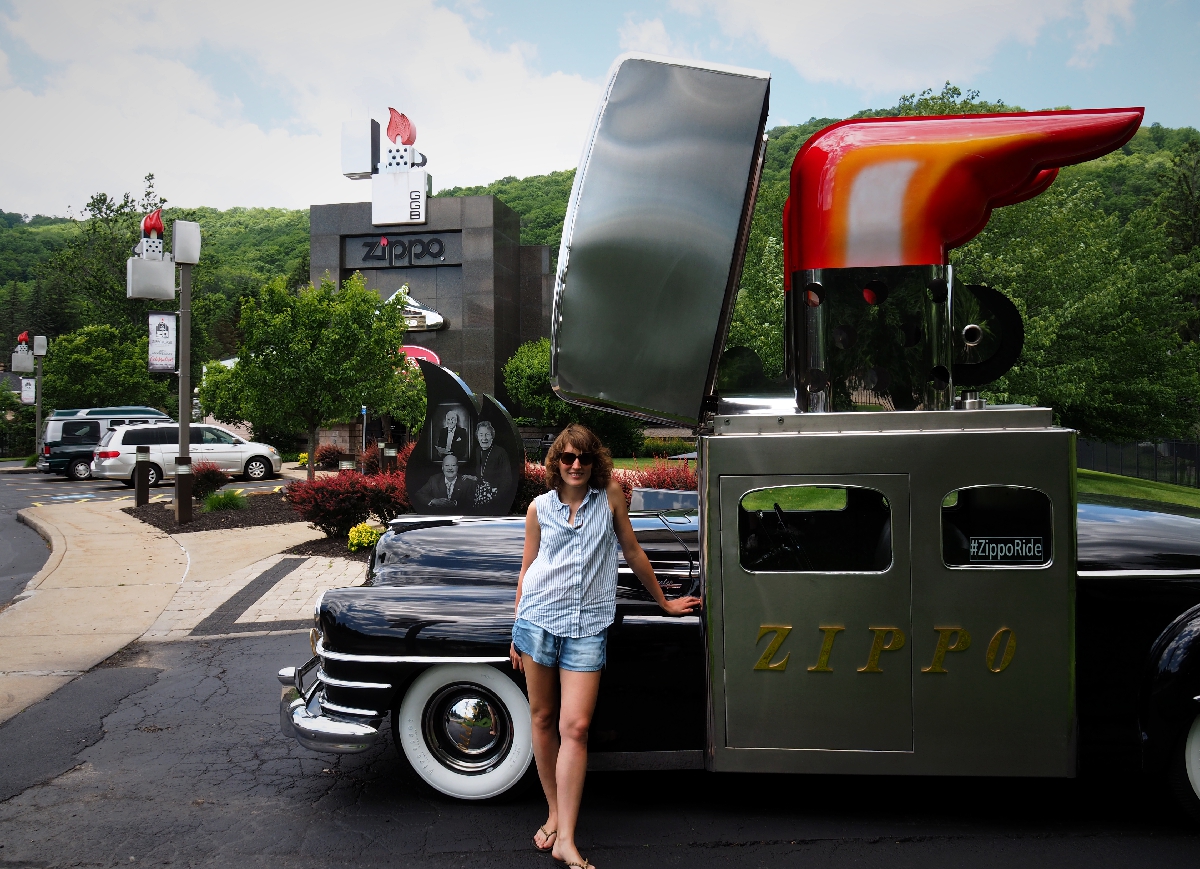
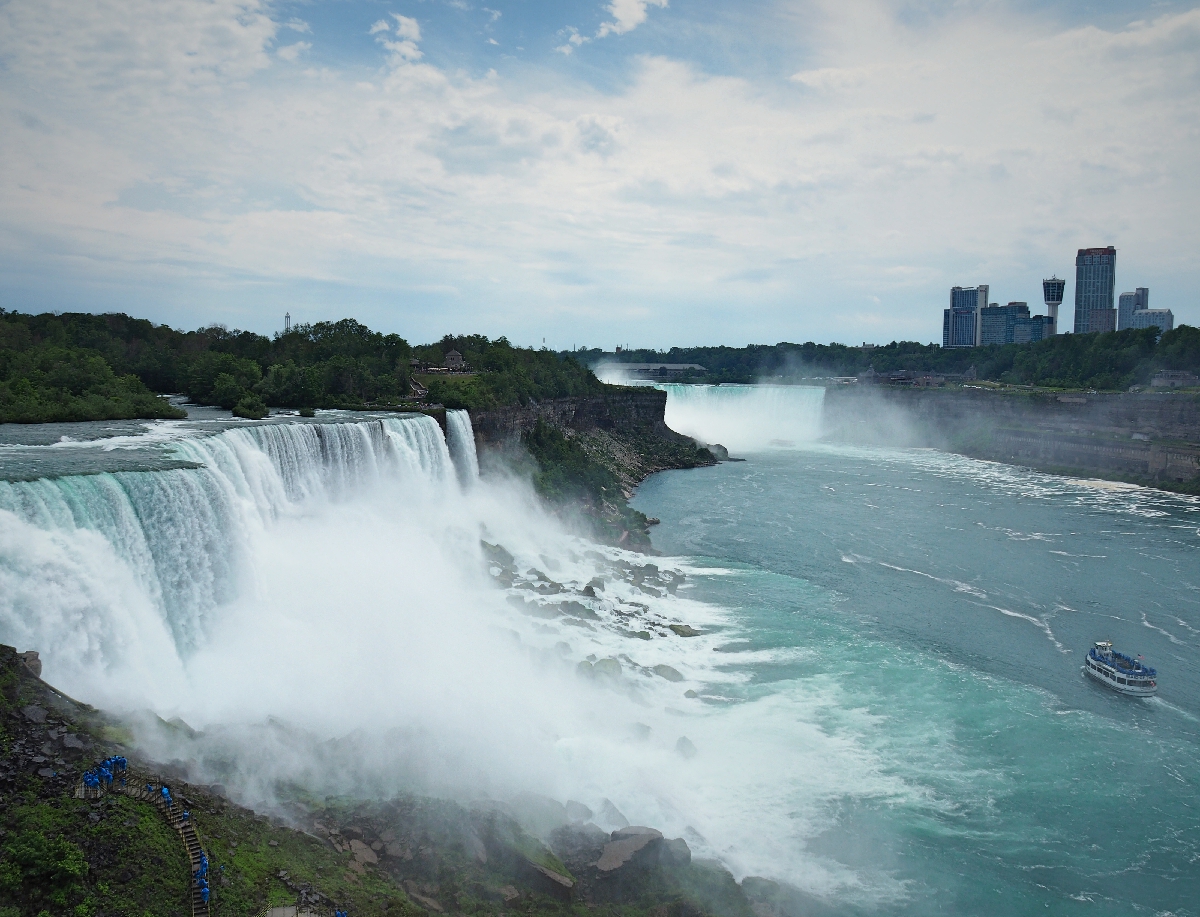
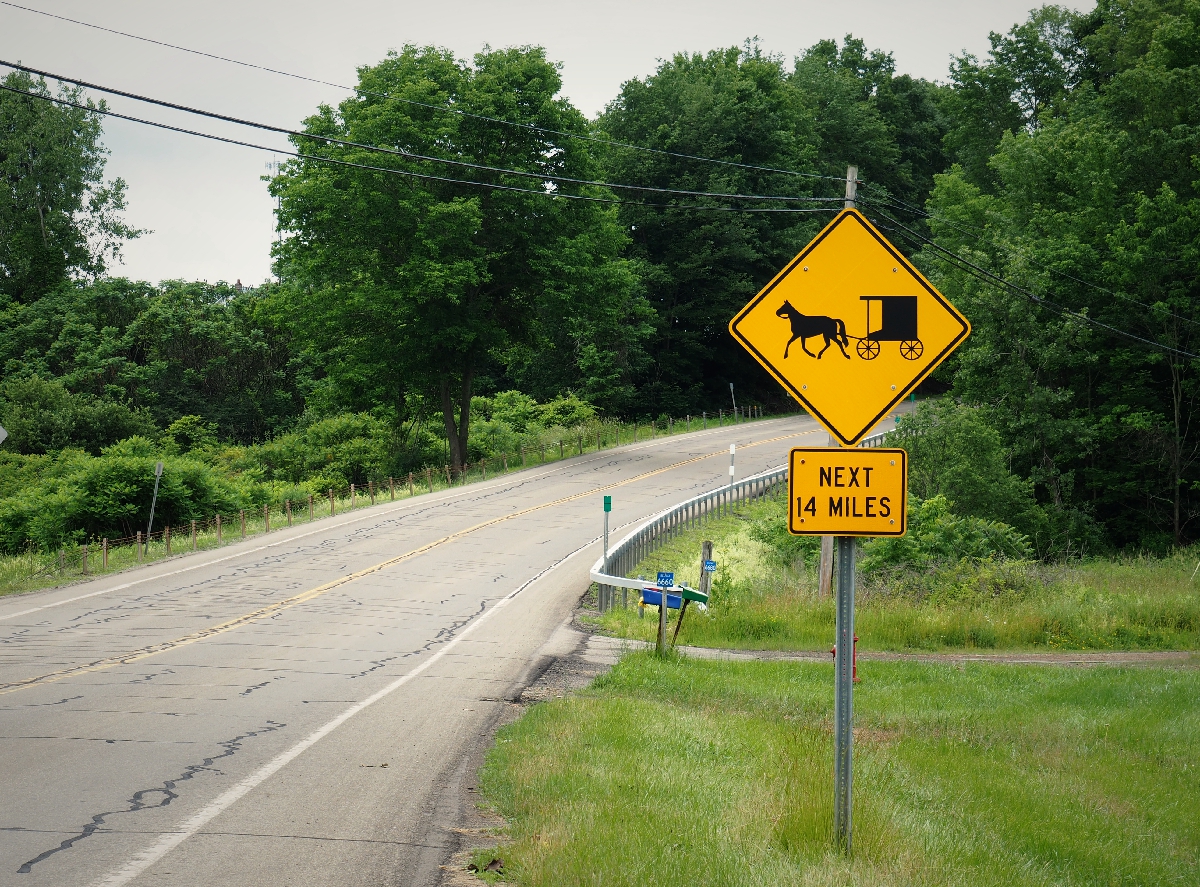
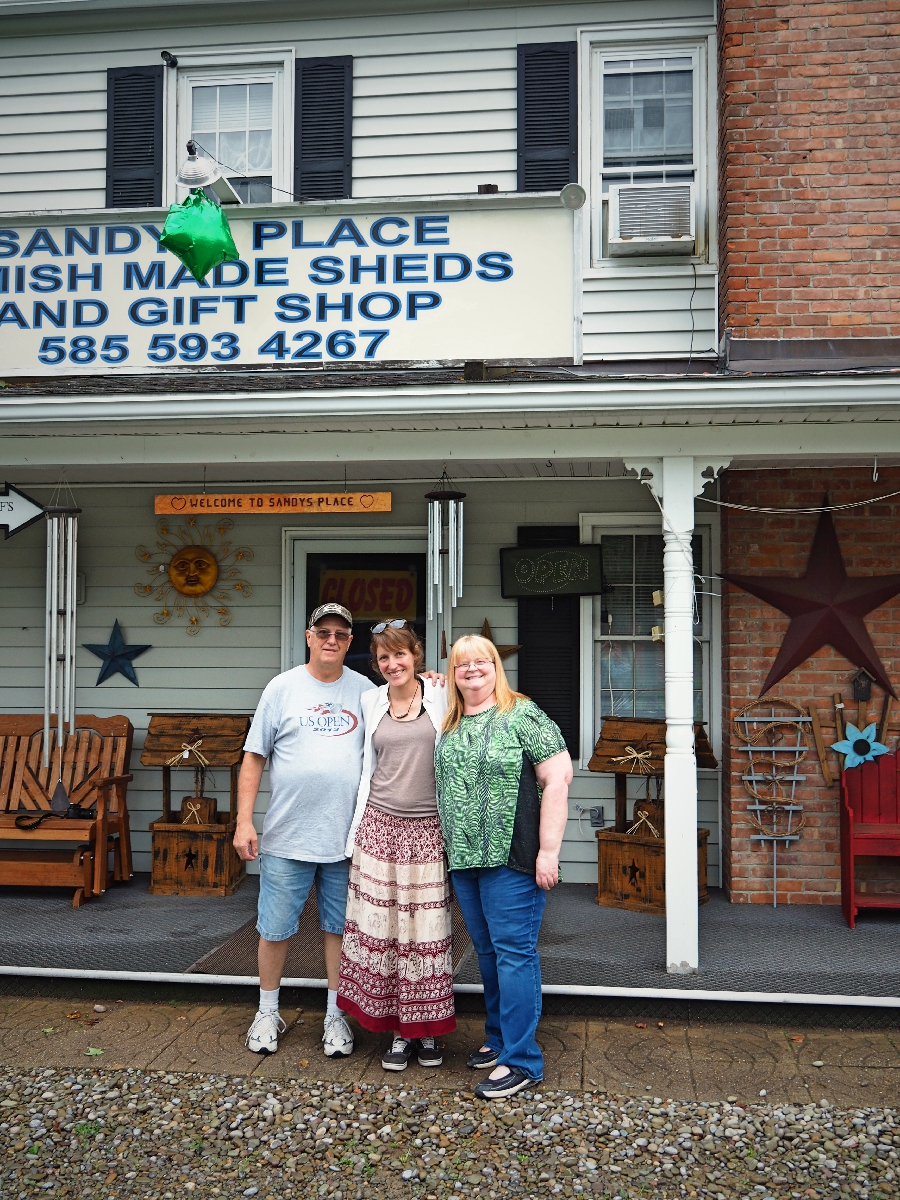
We drove through Pennsylvania and reached upstate New York in the early afternoon. We found a campground right next to the Genesee River and set up our tent directly on the shores of it. After a quick swim in the refreshing water, we explored the surrounding town and came across a little shop selling handmade gifts from the Amish community. That’s when we realized that we were in Amish territory. The shopkeeper Sandy was a very nice lady, who isn’t Amish herself but knows some of them very well and does business with them. She offered us to introduce us to some of her Amish friends. We gladly accepted this opportunity and made a date with her for Monday morning, since the Amish don’t accept visitors on Sundays. The next day we drove to Bradford in Pennsylvania, home to the Zippo lighter factory and museum. There we also saw the famous repair clinic, where they fulfill their lifetime guarantee and fix every broken lighter for free. They get packages from all over the world…After that we drove all the way to the Canadian border to take a look at the impressive Niagara Falls. On the way back to Wellsville we got into a severe thunderstorm, which caused flash flooding in several streets.
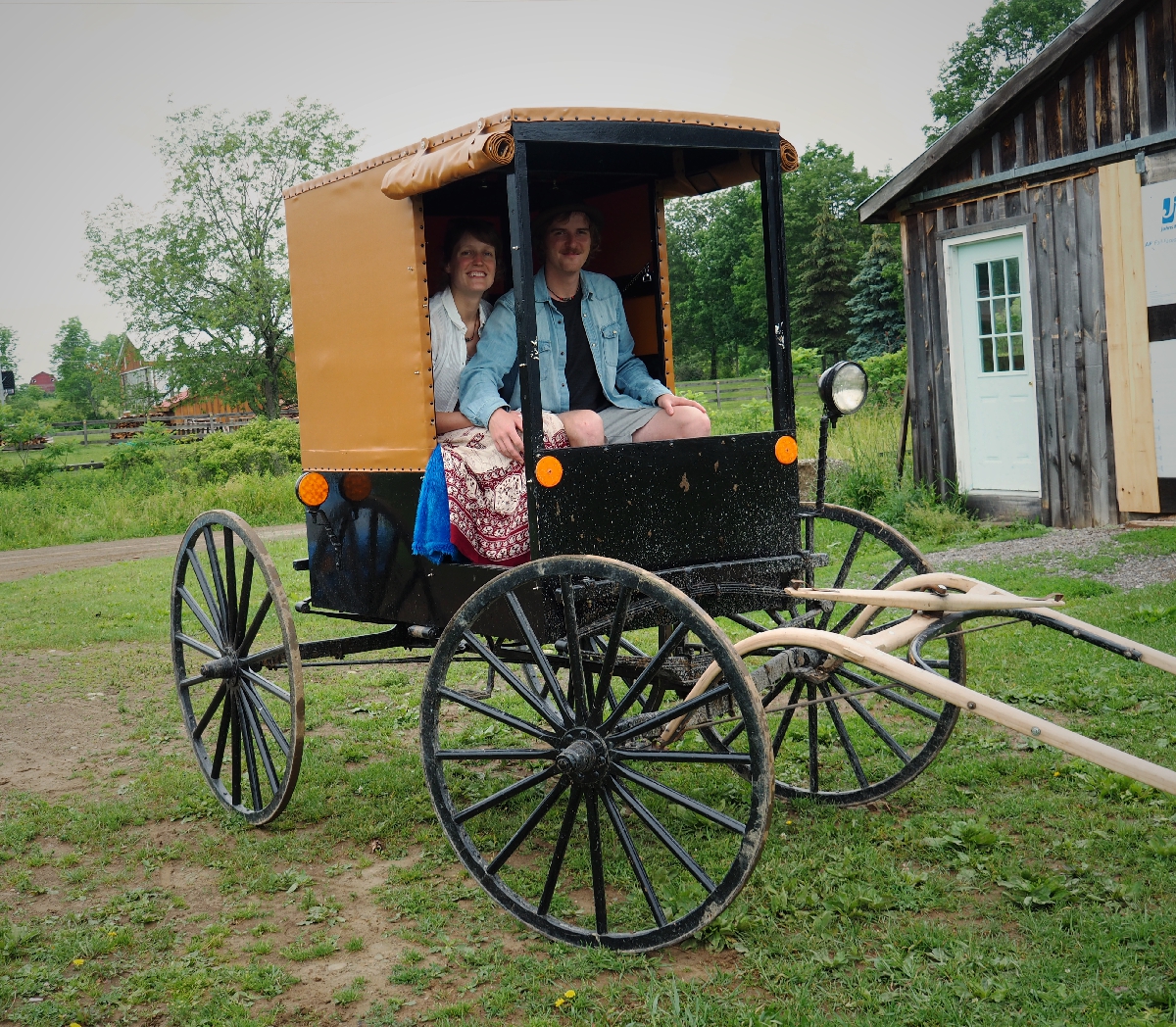
The following morning we met up with Sandy and her husband Larry who drove us to several Amish families. First we visited an Amish sawmill and met a father working there with his three sons. They were surprisingly open towards us and we really enjoyed having a little chat with them. When we were about to leave, the father said:” It was nice to meet you. Next time you’re in the area, come to visit us again.” Just before we left, the oldest son proudly showed us his horse buggy as if it were a fancy new car and allowed us to take a picture in it. We weren’t allowed to take any pictures of the Amish tough as it’s against their belief. They don’t paint pictures of themselves either and don’t decorate their houses. All of them wear the same clothes and have the same haircut. Men only have beards once they get married. They are devoted Christians and their faith commands them to live without electricity or any other modern technology, although they are allowed to use phones and smartphones for doing business. They educate their children themselves, in their own schools and reach a level of education that is equivalent to our 6th grade. Our biggest surprise was, that until the age of five, they don’t teach their children English but a mix of Dutch German and even Swiss-German. In fact we were able to talk with them in their mother tongue. From an early age they start working on the farms and learn manual work like fencing and how to build houses. On another property we saw three young brothers from the age of eight to sixteen working unattended in a saw mill. All in all we were very thankful for this experience and got the impression that the Amish are very happy and friendly people living a simple, isolated but self-sufficient life right within one of the most developed and globalized countries in the world.
On our way further east we spent one night at Verona Beach State Park right on the shores of Oneida Lake. When we were putting up our tent, the camp host warned us that a storm was coming and to better make sure our tent was properly fixed to the ground. Just when we crawled into our tent, the wind got stronger and stronger and heavy downpour came sideways. Luckily our tent was strong enough to withstand the severe weather conditions. Unfortunately our neighbors weren’t as lucky as their tent got blown away.
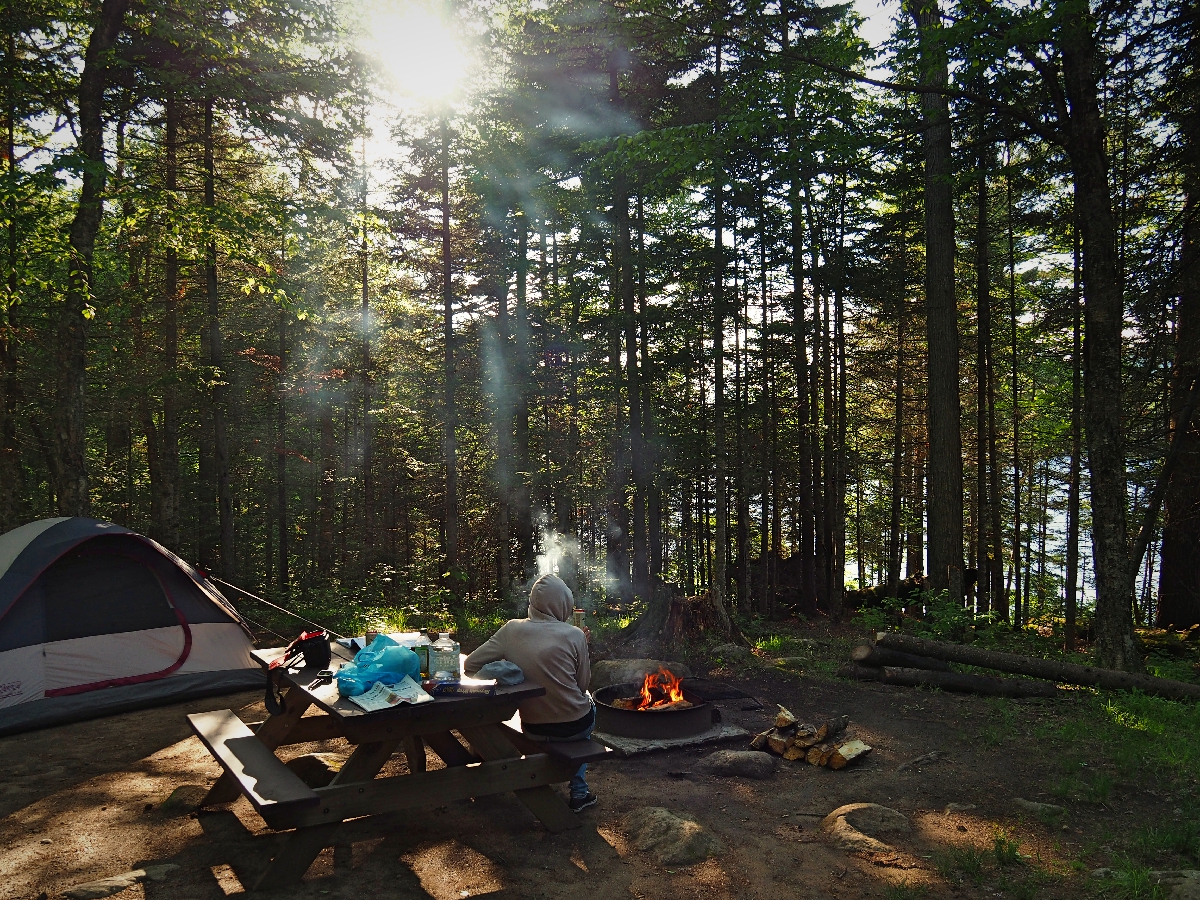
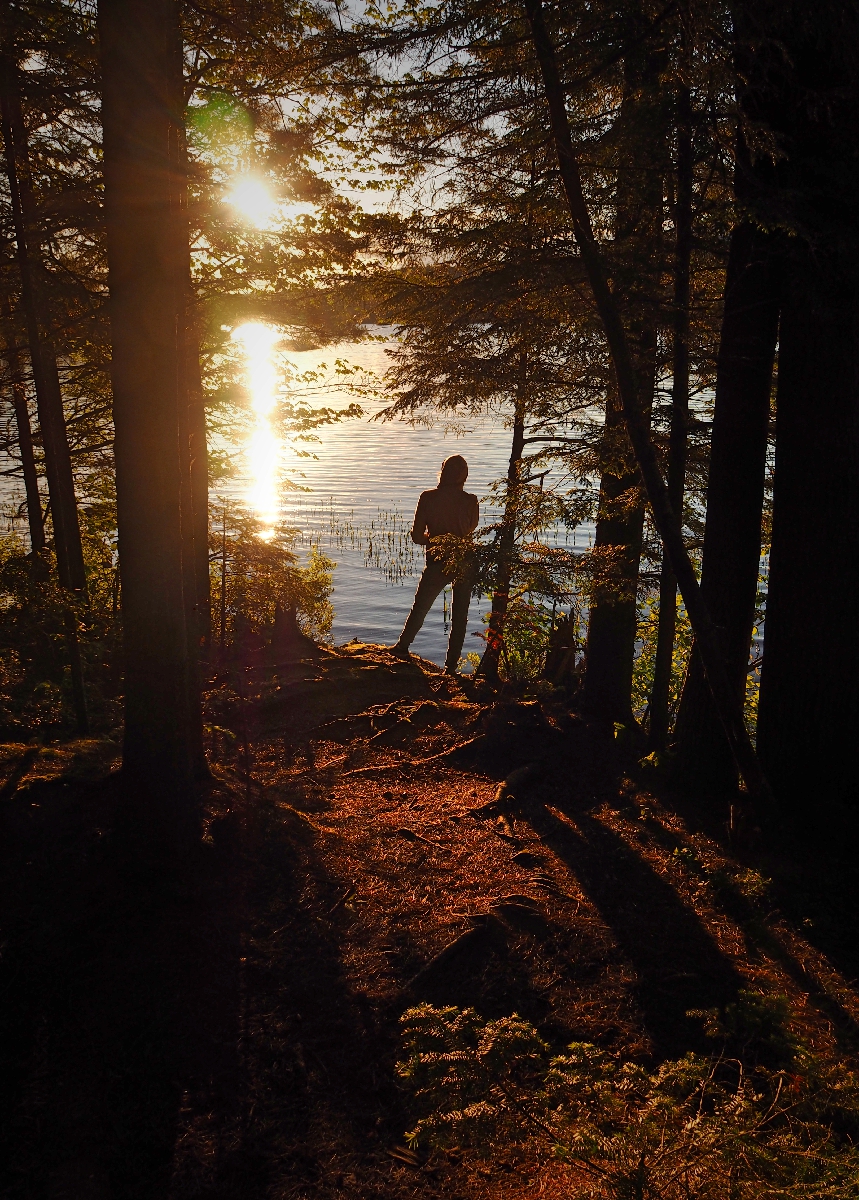
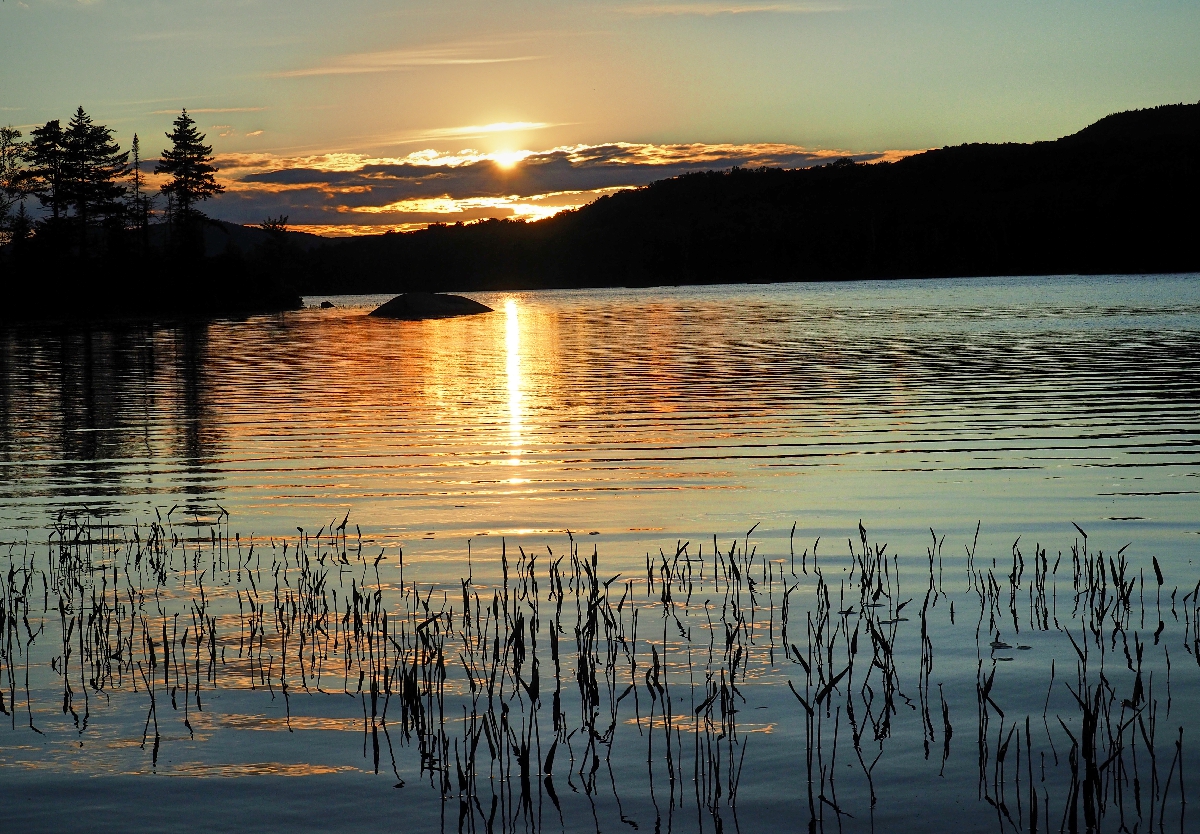
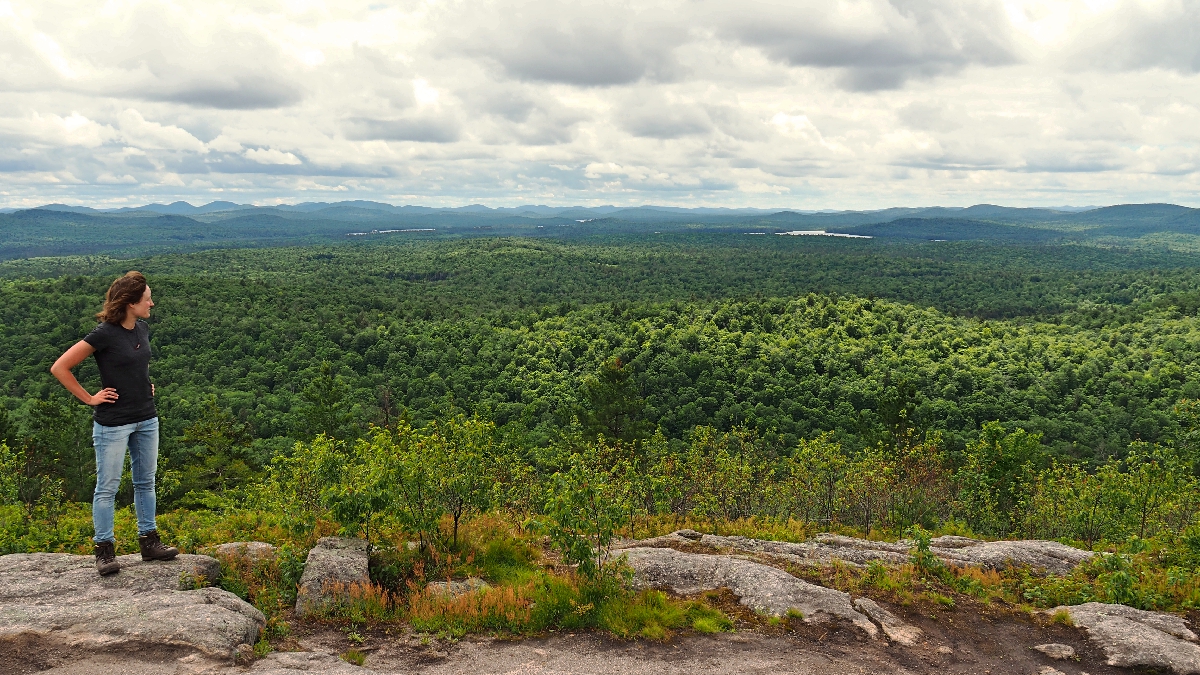
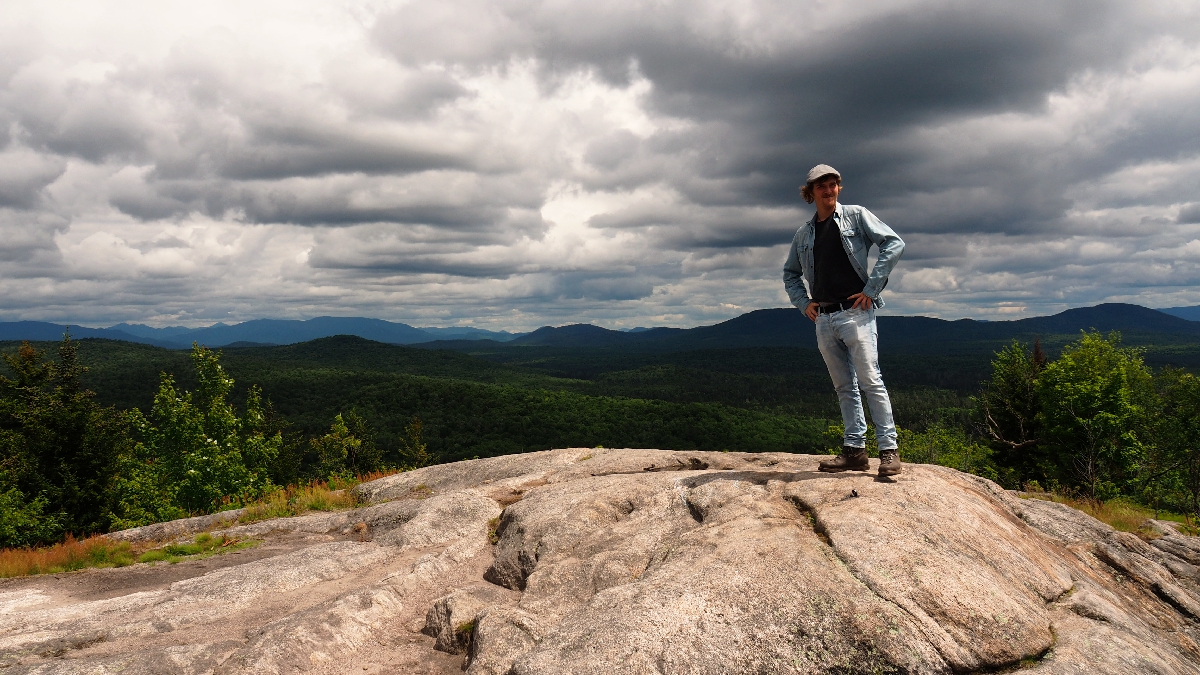
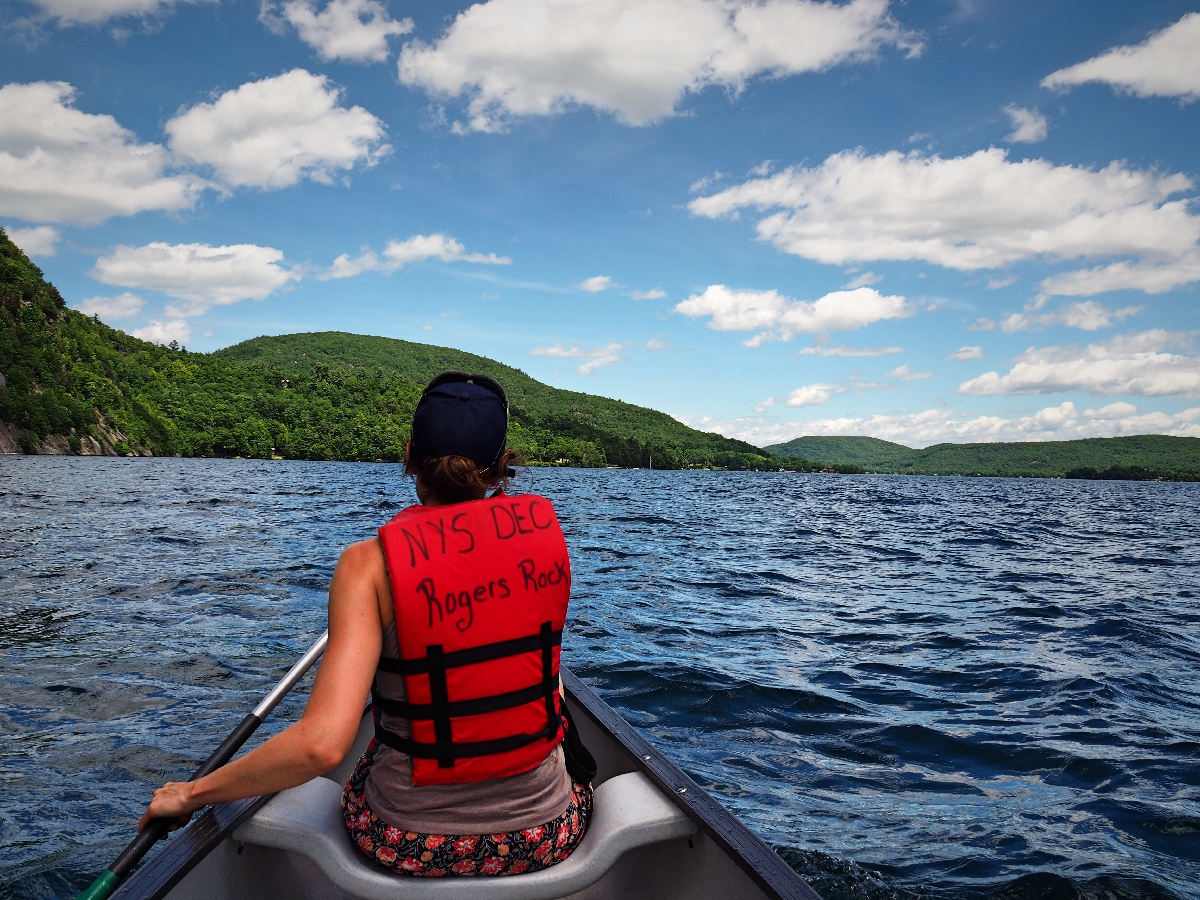
We spent the following three days in the Adirondack Mountains, where we camped in the middle of the nature, right next to rivers and lakes. We hiked up a small mountain offering a panoramic view of the region and rented a canoe to explore Lake George.
Lake Durant:
Lake George:
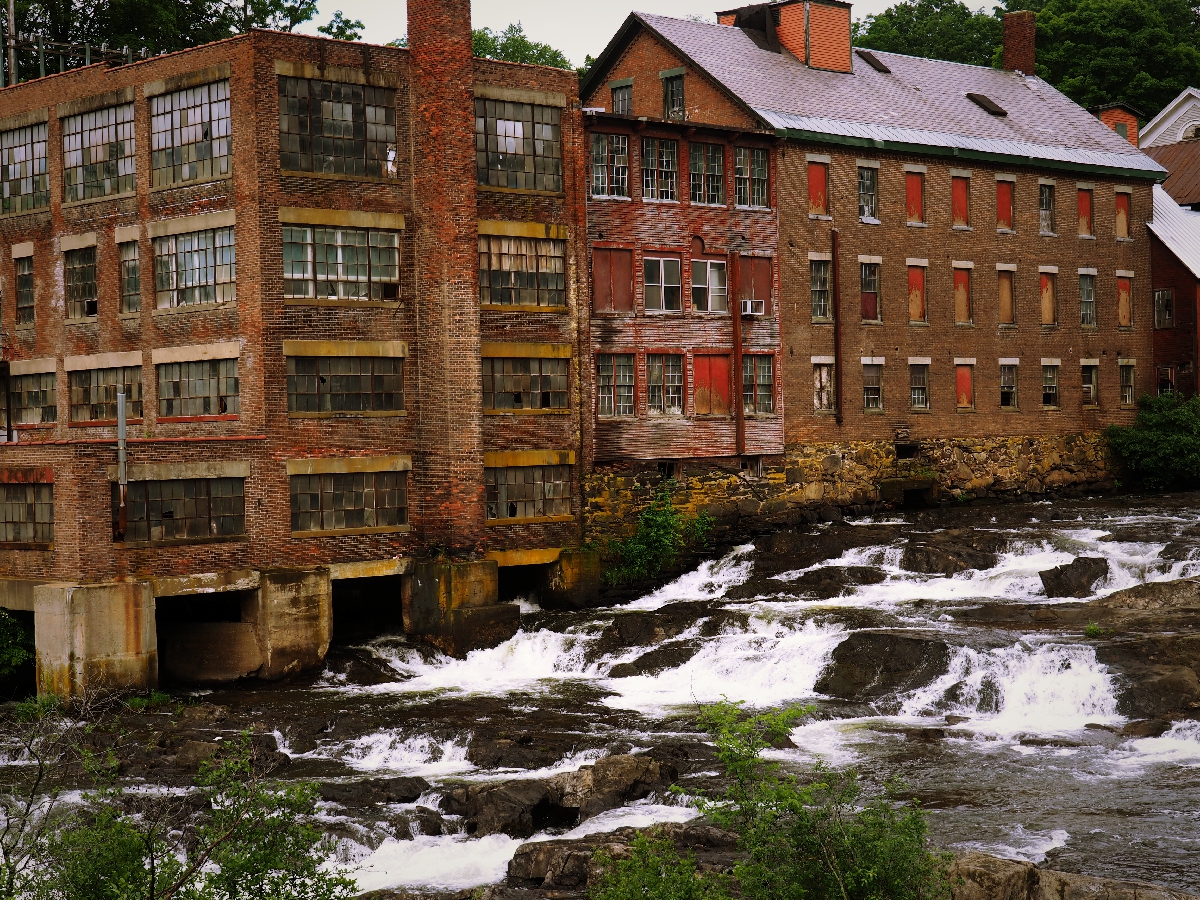
We left upstate New York and took a little ferry to cross Lake Champlain into Vermont. We instantly liked this state as there were no more huge billboard signs along the road (those are banned within the state of Vermont), the scenery consists of green hills and little villages with rural charm and the people seem to focus on organic and regional products. Our first night we camped at Townshend State Park and had a nice swim in the nearby river. We treated ourselves to a delicious dinner at the Williamsville Eatery. The next morning we drove further north to Vermont’s capitol Montpelier, a charming small town with authentic and creative shops. A guy working in a record shop recomended us to stay at the Onion Creek campground and to taste a maple creemee (maple flavoured soft ice) at a nearby hardware store as it supposedly is “a very Vermont thing to do”. We followed both his recommendations and regreted neither one. On Sunday we drove to Burlington, Vermont’s biggest city. It sits directly next to Lake Champlain, has a cozy waterfront and a very charming shopping district mostly consisting of small locally owned businesses that focus on selling good quality products.
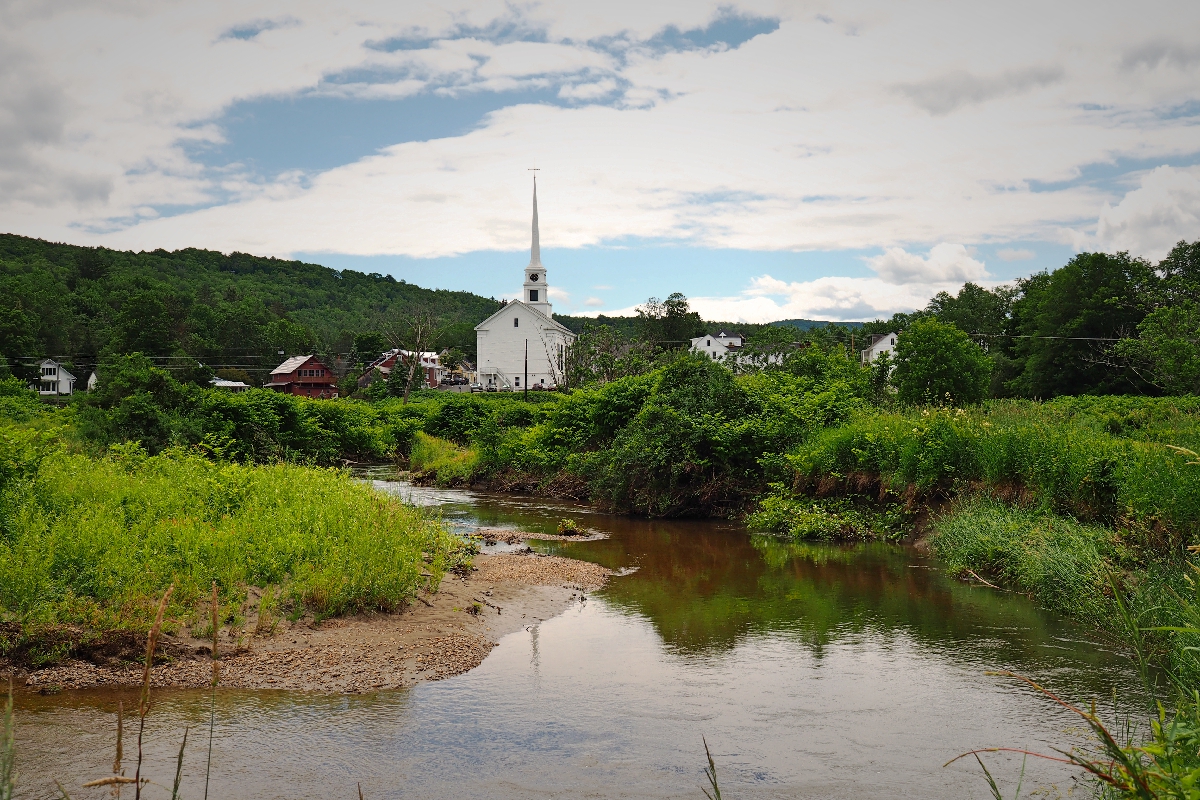
Finally we got to Stowe, a well known region for skiing, where we met up with R.J. and Olivia. We got to know them last summer when we were on a four days hiking trip in the Swiss alps. They had just got married and were on their honeymoon in Switzerland (how cool is that?!). We got along very well right from the start and had a great time together. Now we finally made it to their home in Vermont, where we could stay for four days.
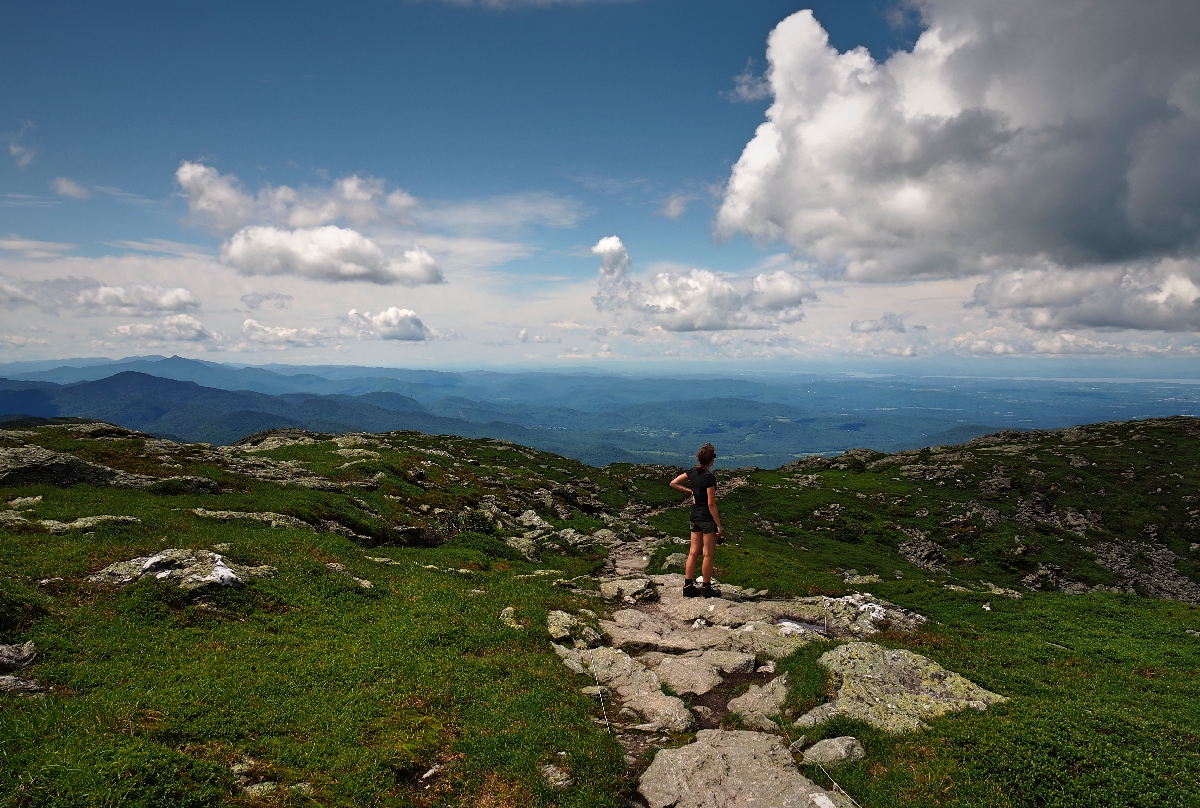
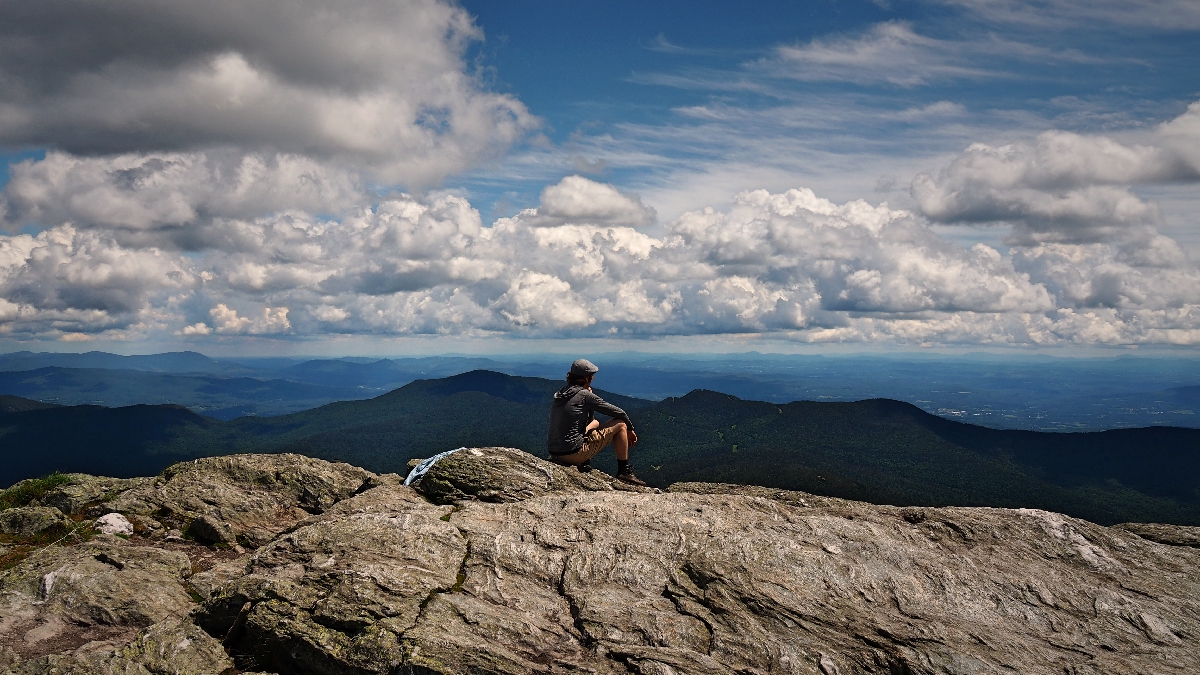
We did a great hike to Mount Mainsfield, the highest point in Vermont, which offered stunning views of the White Mountains to the east and the Adirondacks to the west. In the evening we had a lovely dinner when with Olivia’s parents who came to their house. We made a big buffet of food consisting of salades, corn, roasted and grilled chicken aswell as grilled vegetables. For dessert Olivia’s parents brought shortbread which we ate with strawberries, mangos and whipped cream. It was a delicious feast.
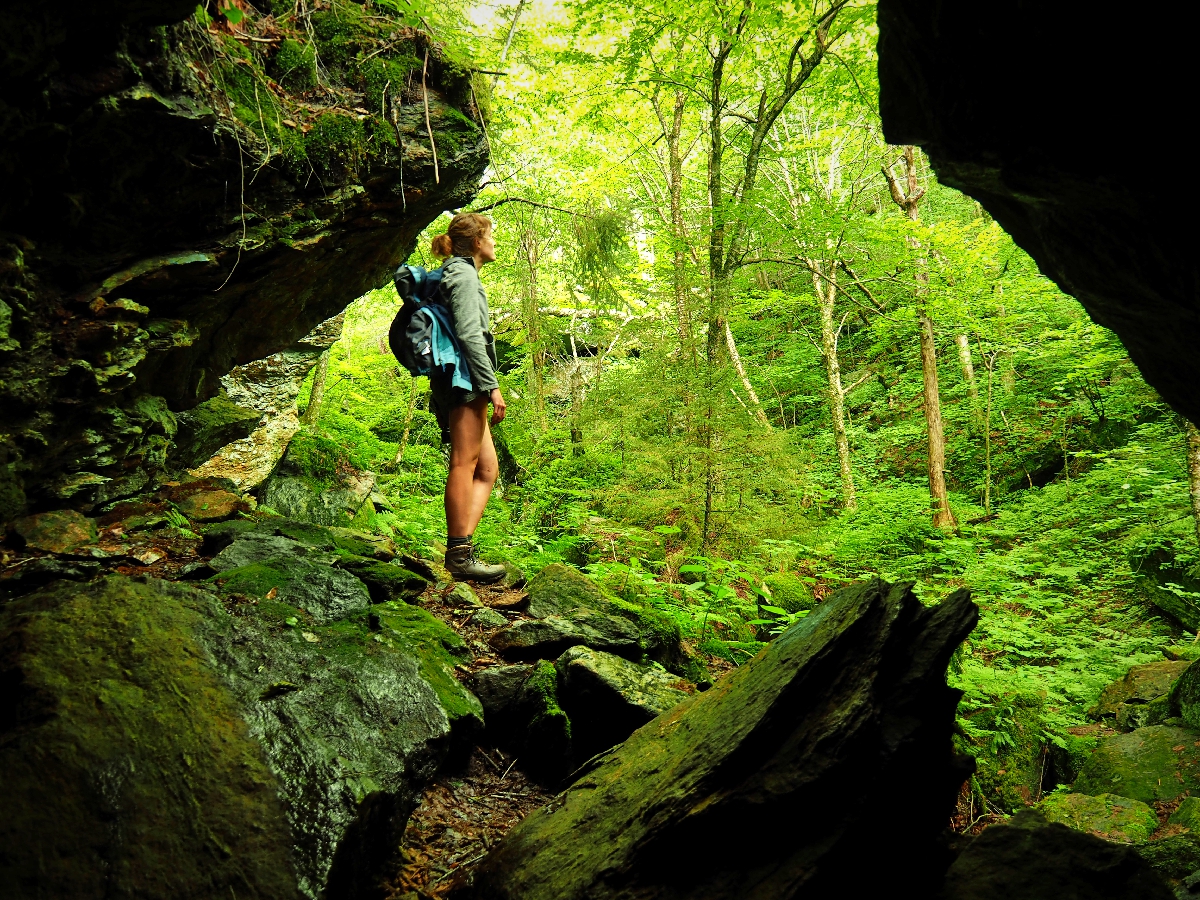
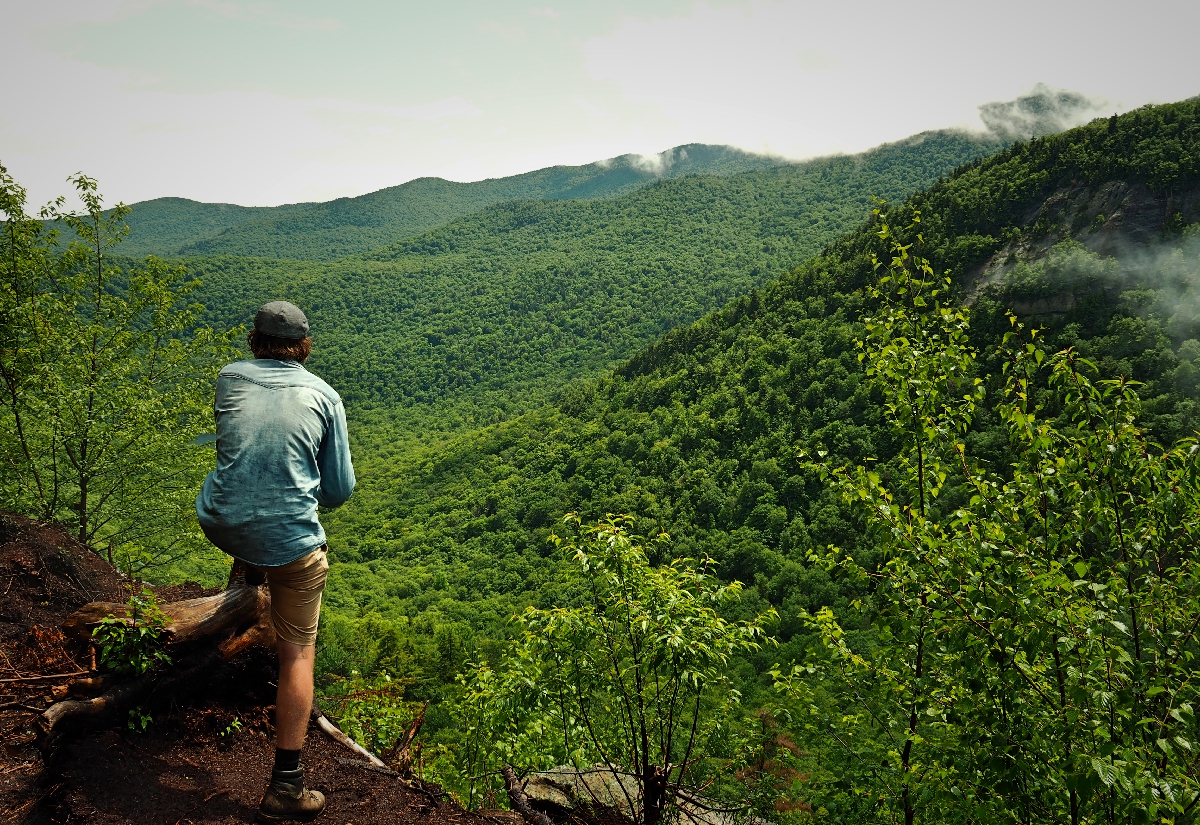
On the following day R.J. showed us a nice little hike to the Taylor lodge where visited a nearby cave. We had some great views and were surprised by a short downpour which matched the atmosphere of the lush forest. On the last day in Vermont we went to visit the Cold Hollow Cider Mill and spent a last cozy evening togheter with R.J. and Olivia. It was the perfect way to end our roadtrip form coast to coast.
Stowe:
Mount Mainsfield:
Hike to Taylor Lodge:
Tommorrow we will depart to New York City, where we’ll spend a couple of days before we leave for our next destinaton.
Tashi delek! (Tibetan greeting, which means “may many good things come to you”)
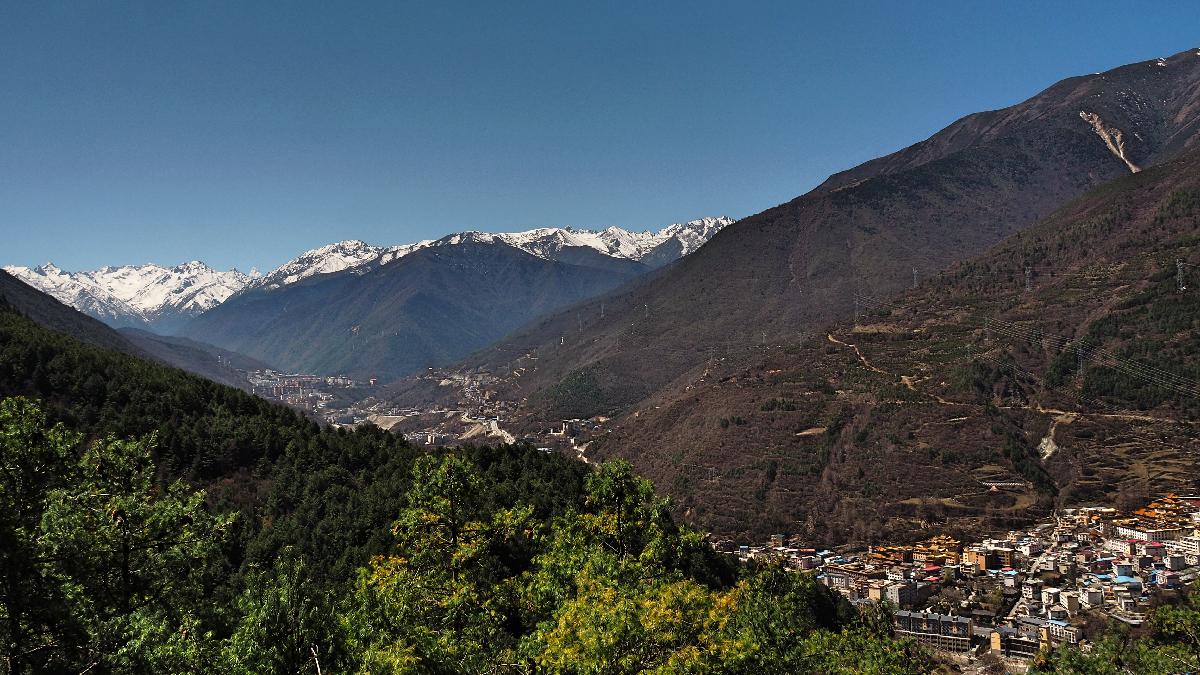
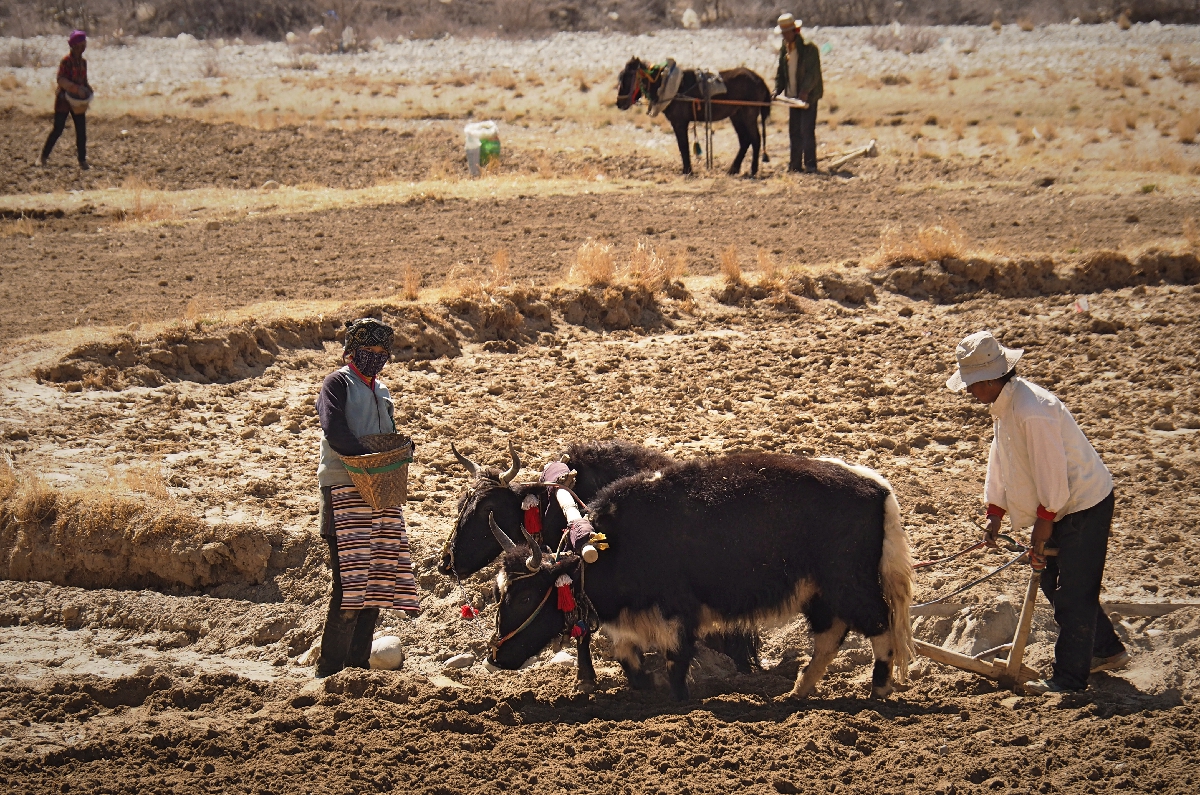
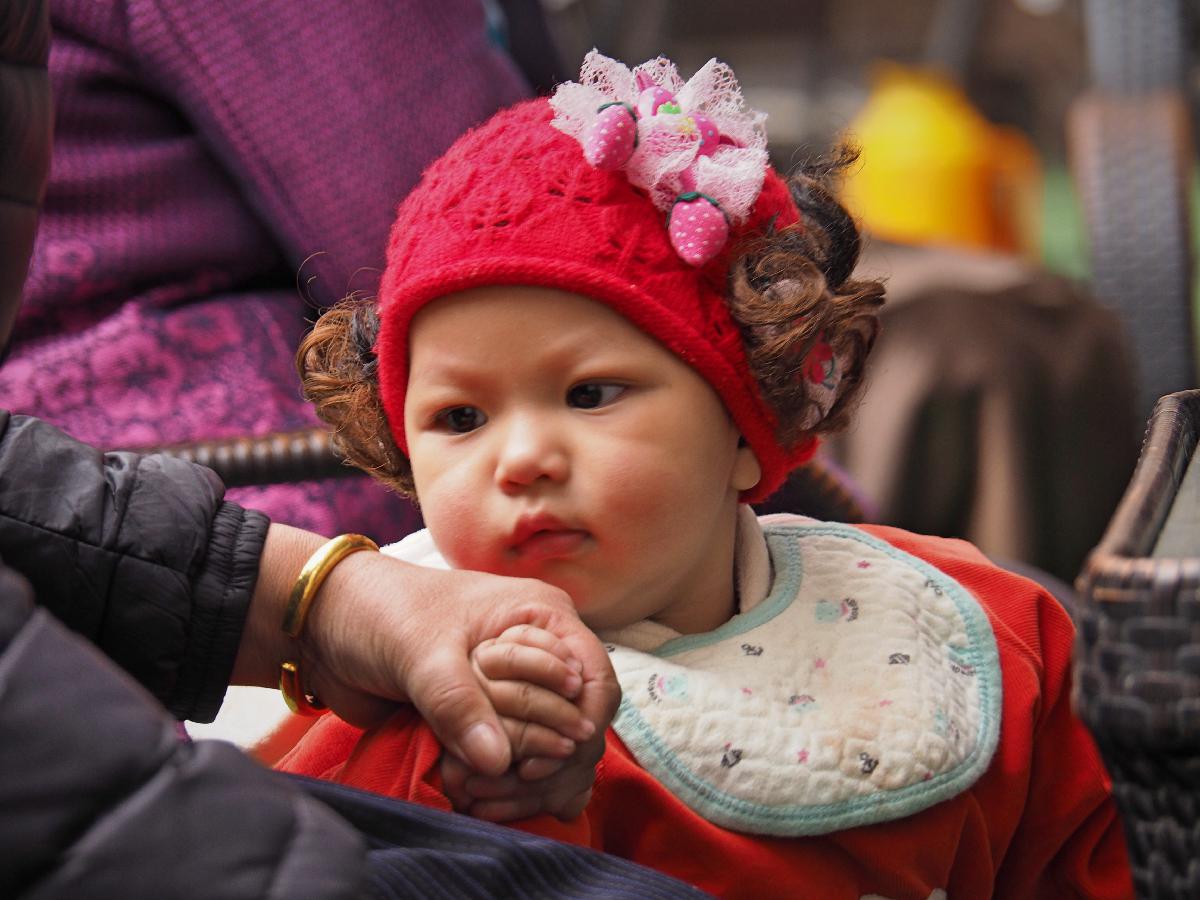
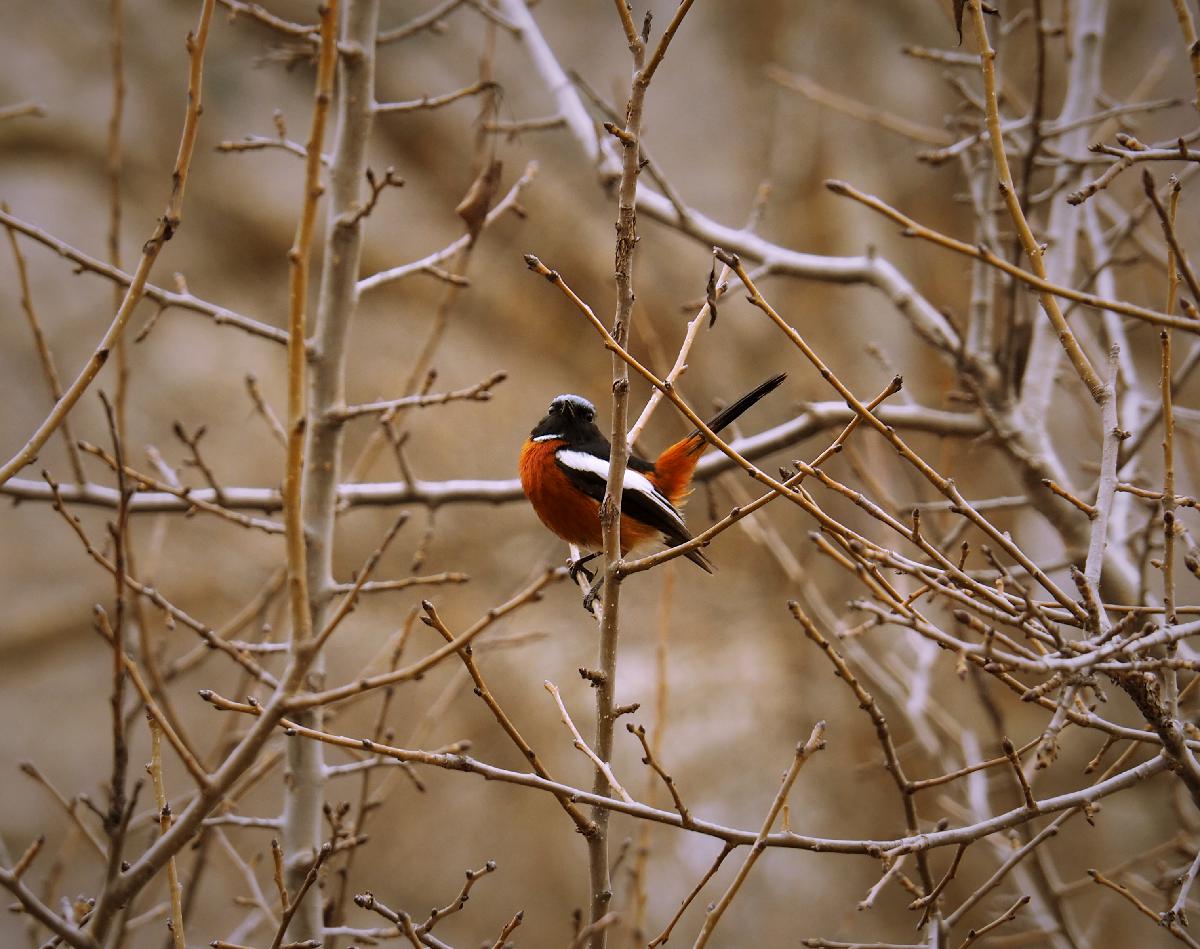
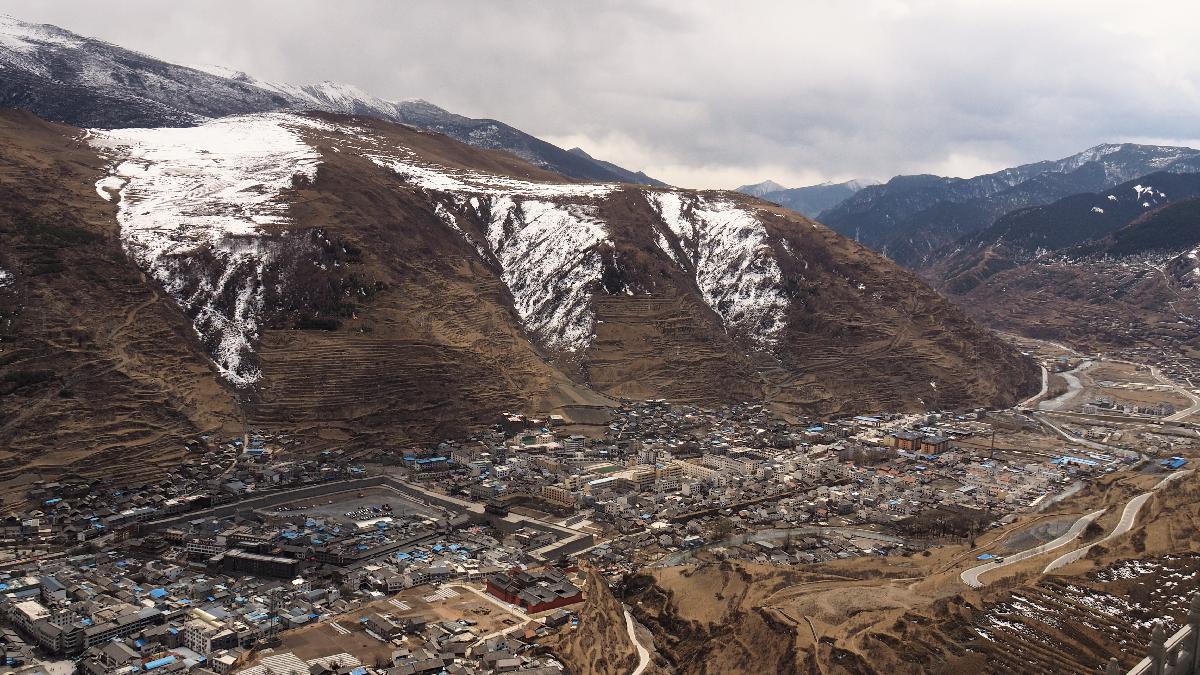
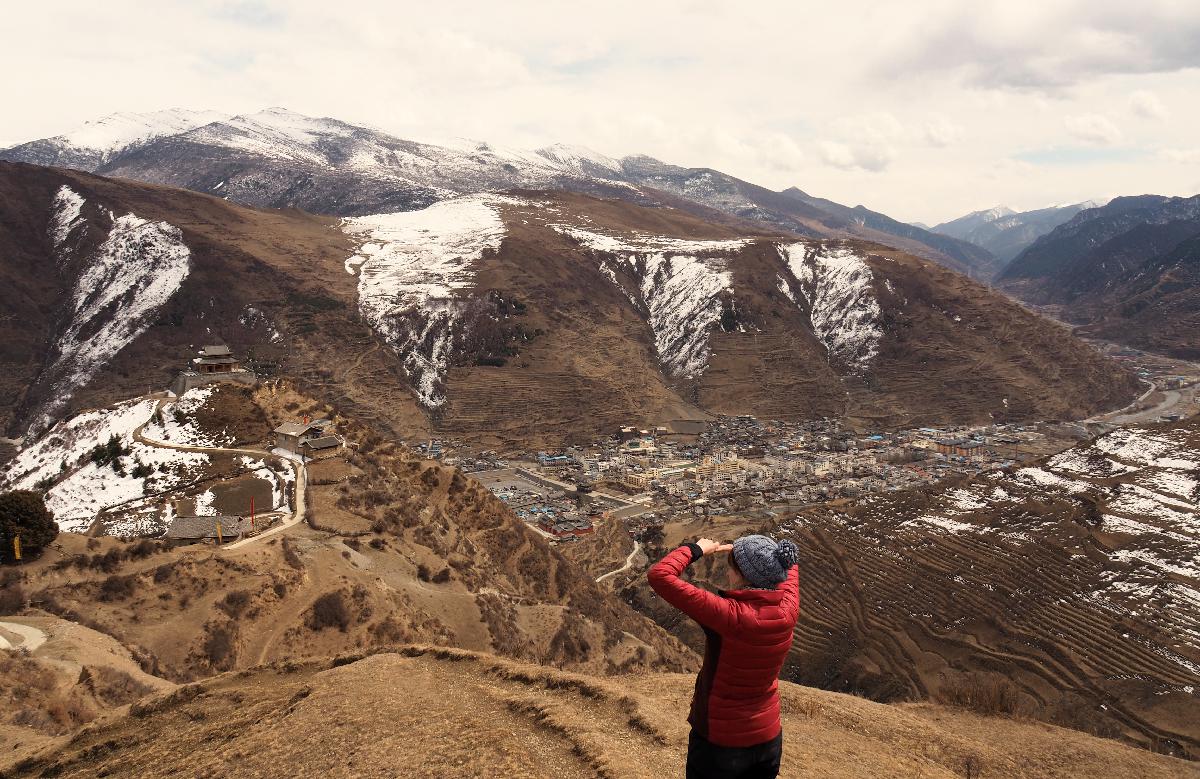
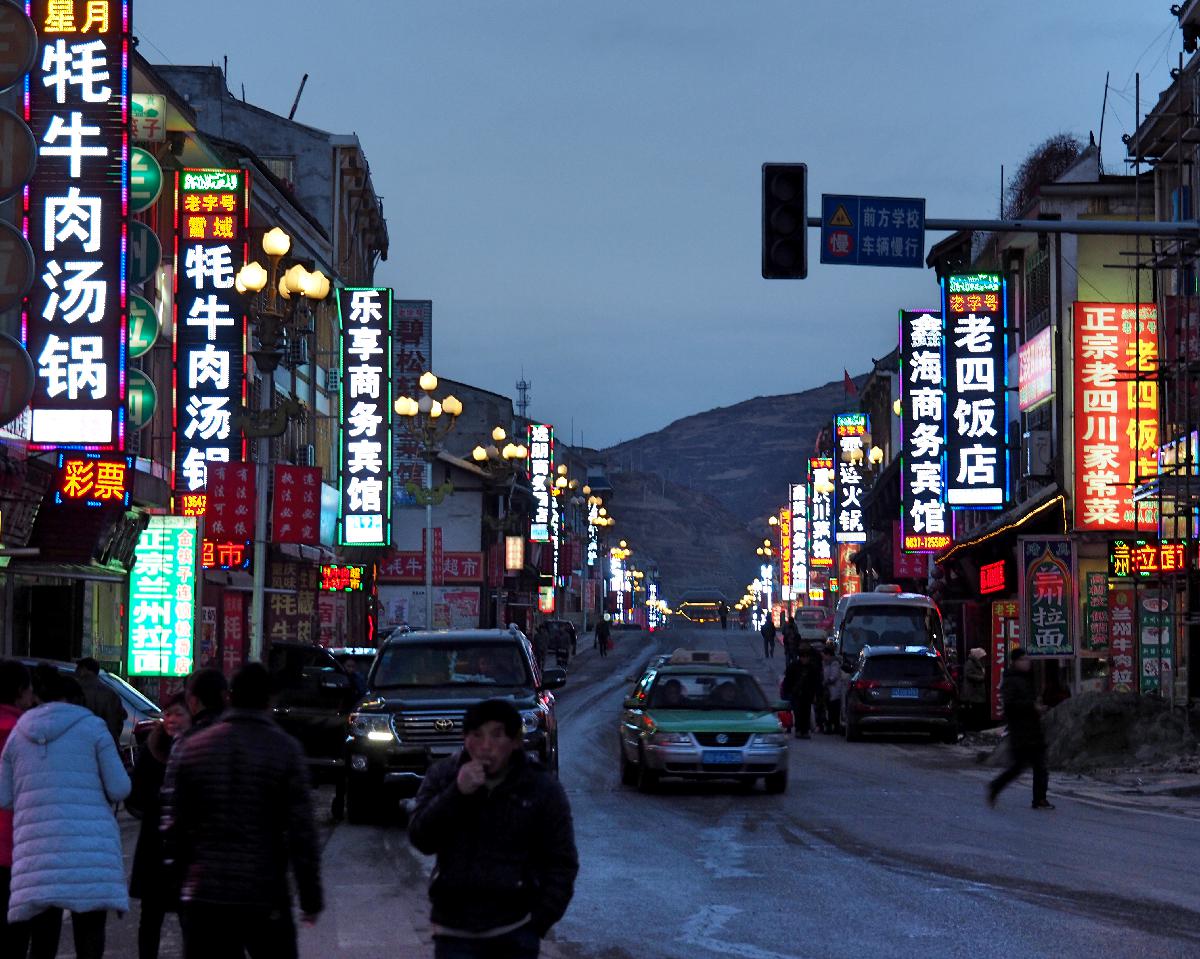
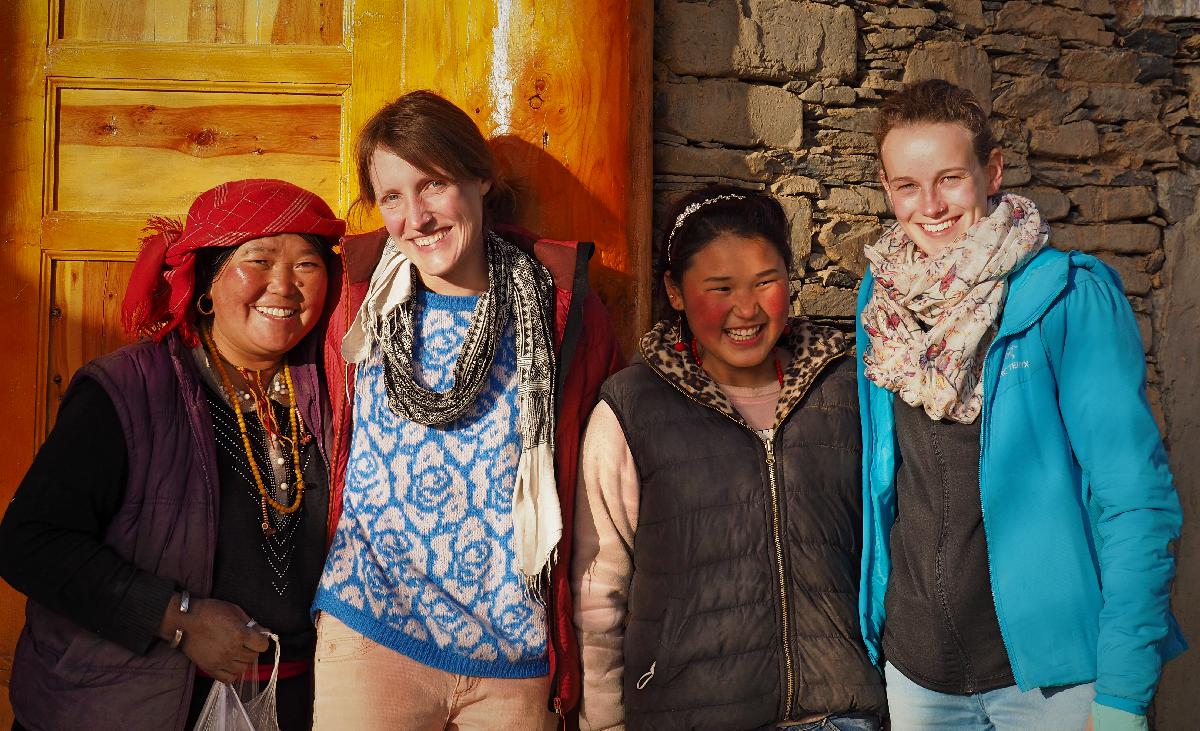
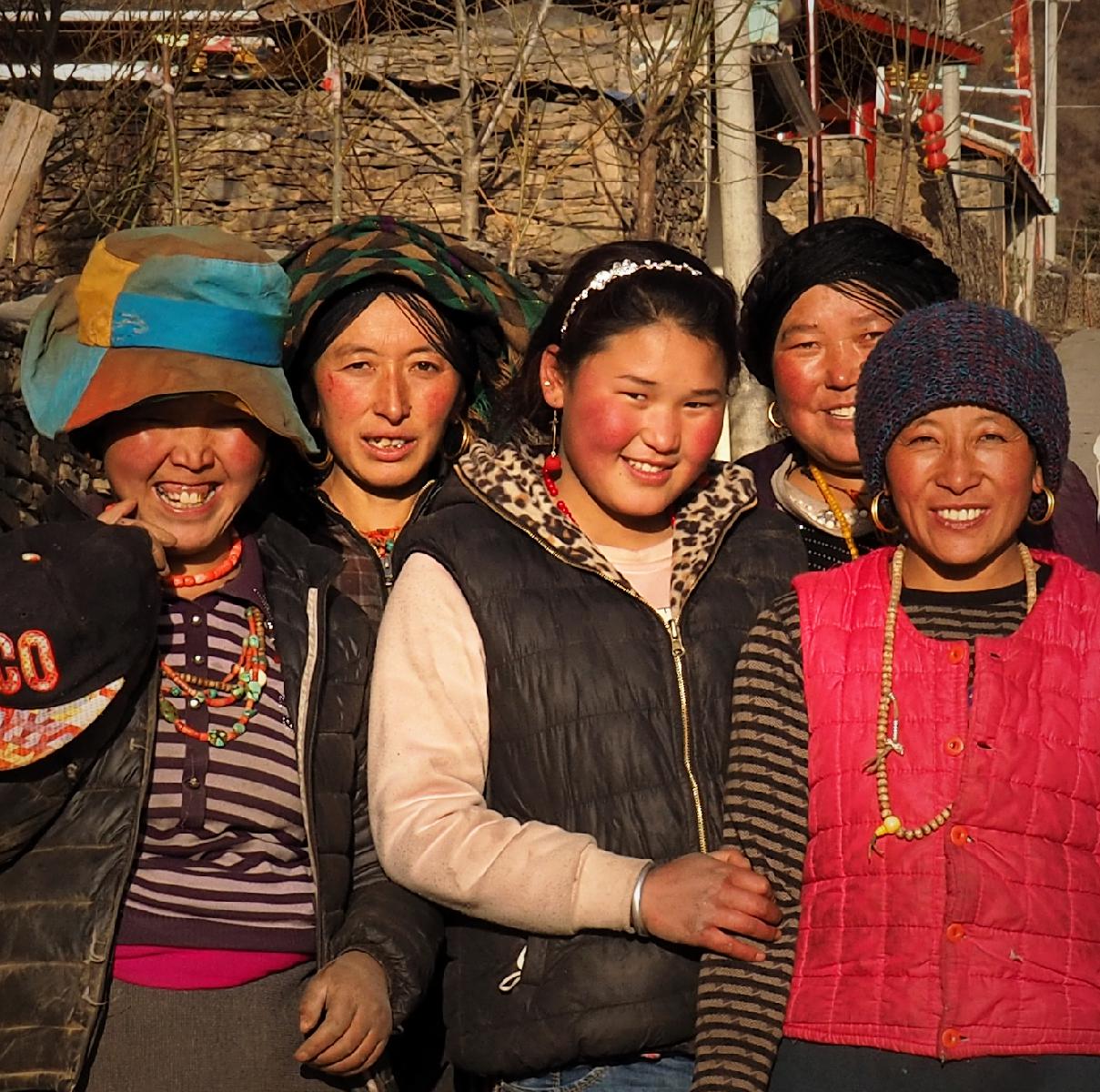
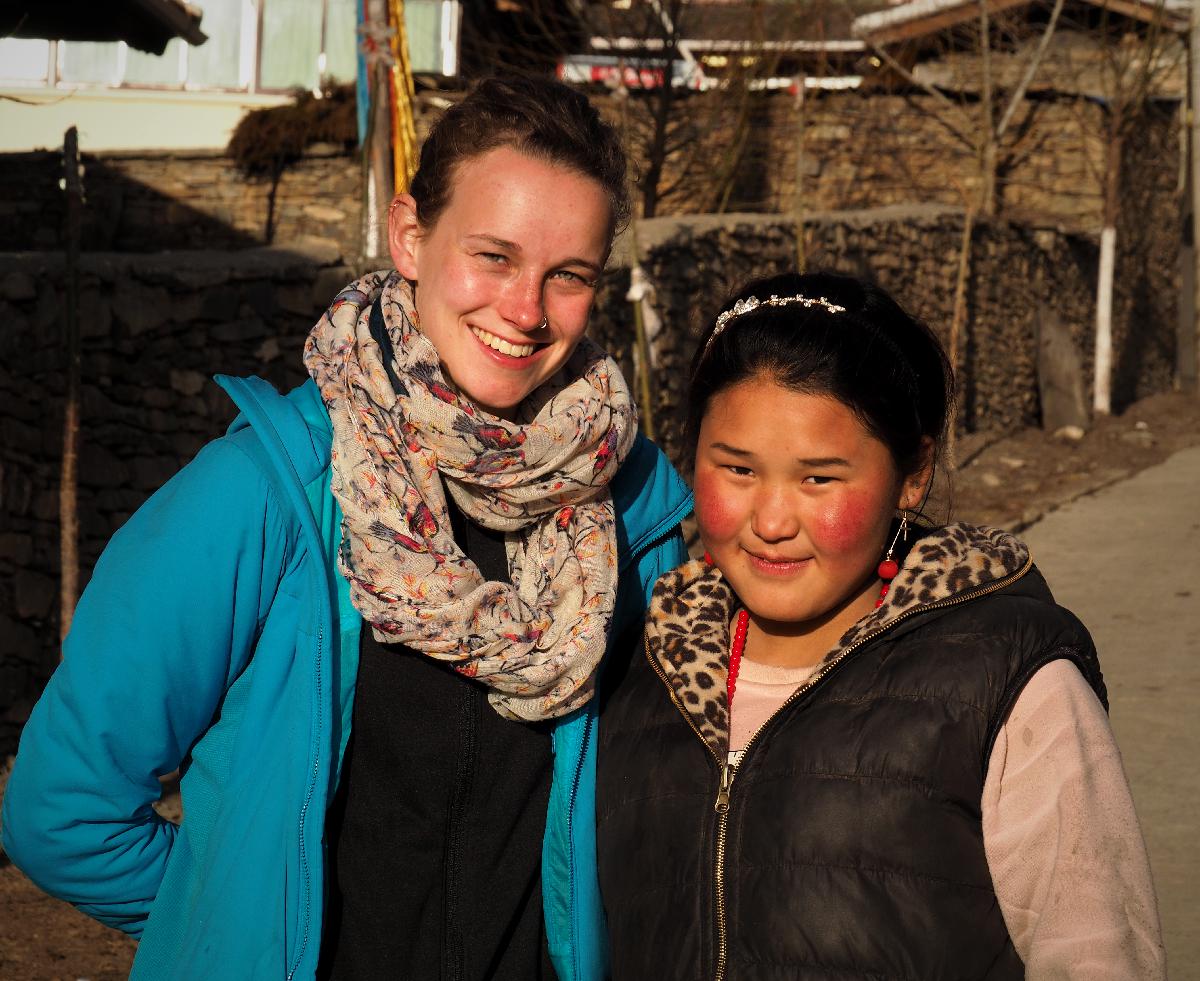
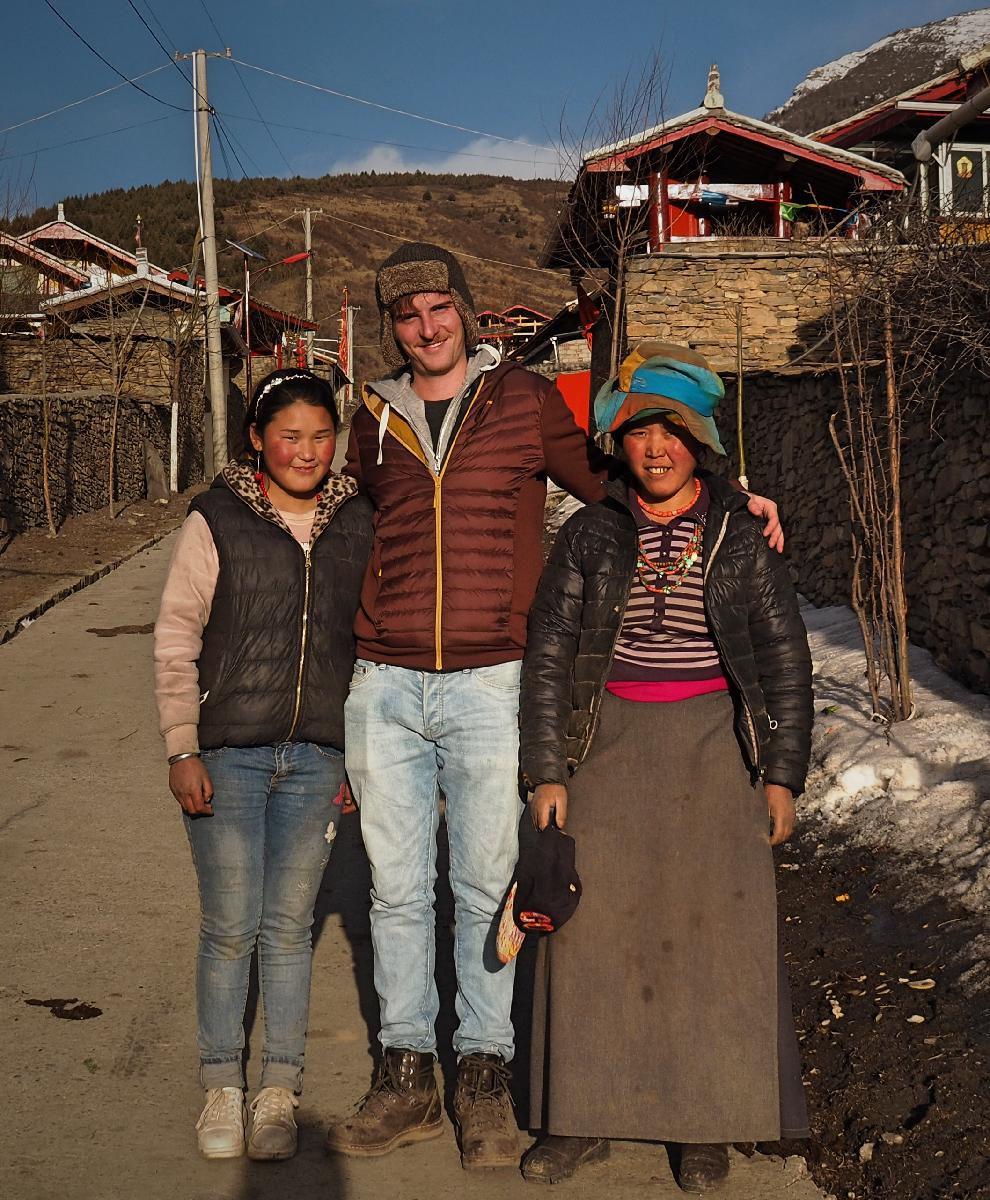
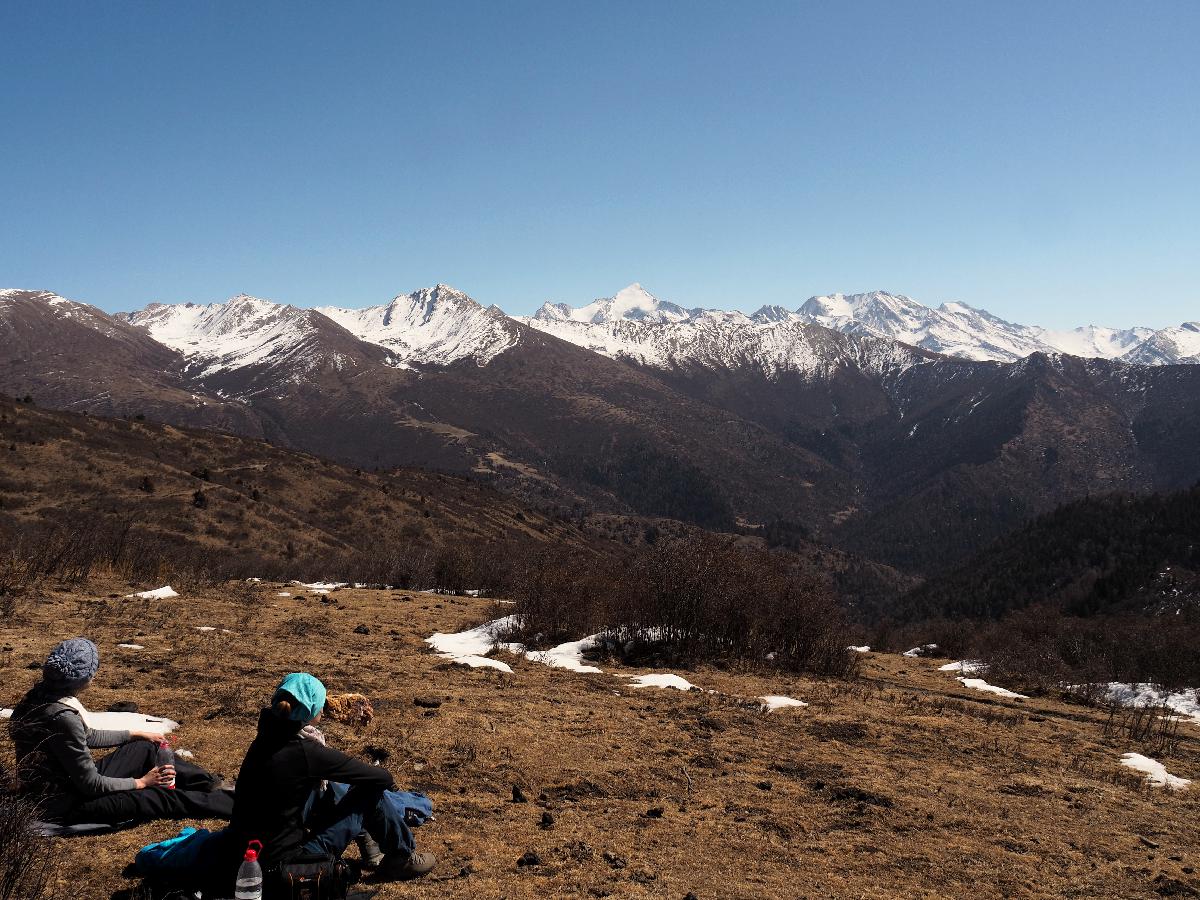
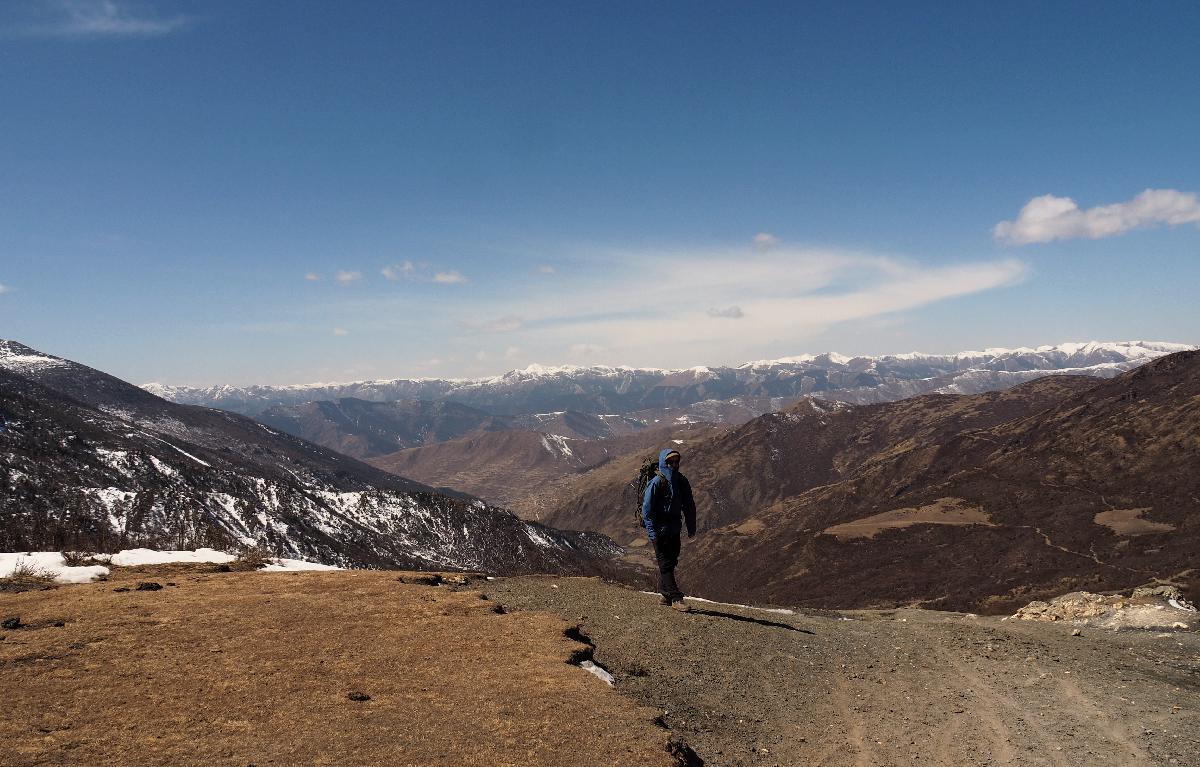
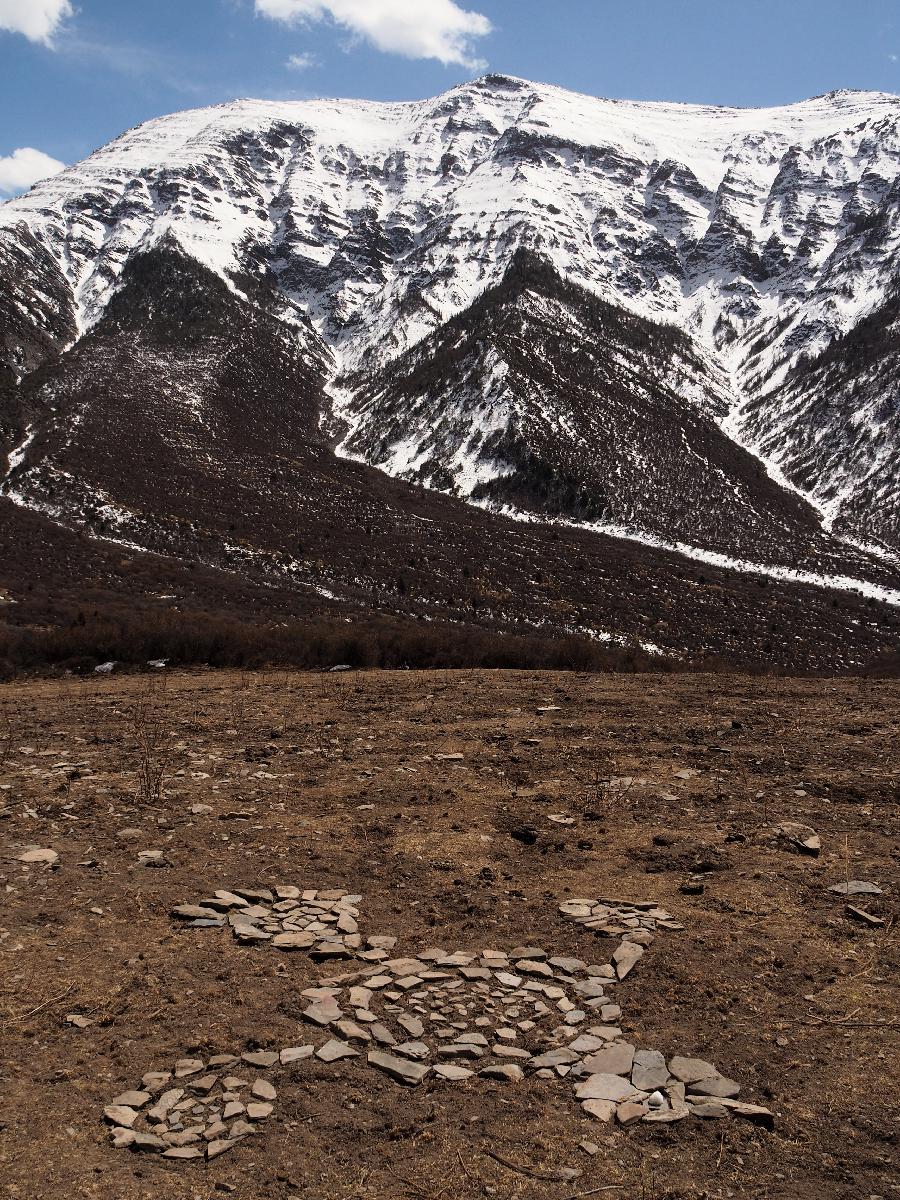
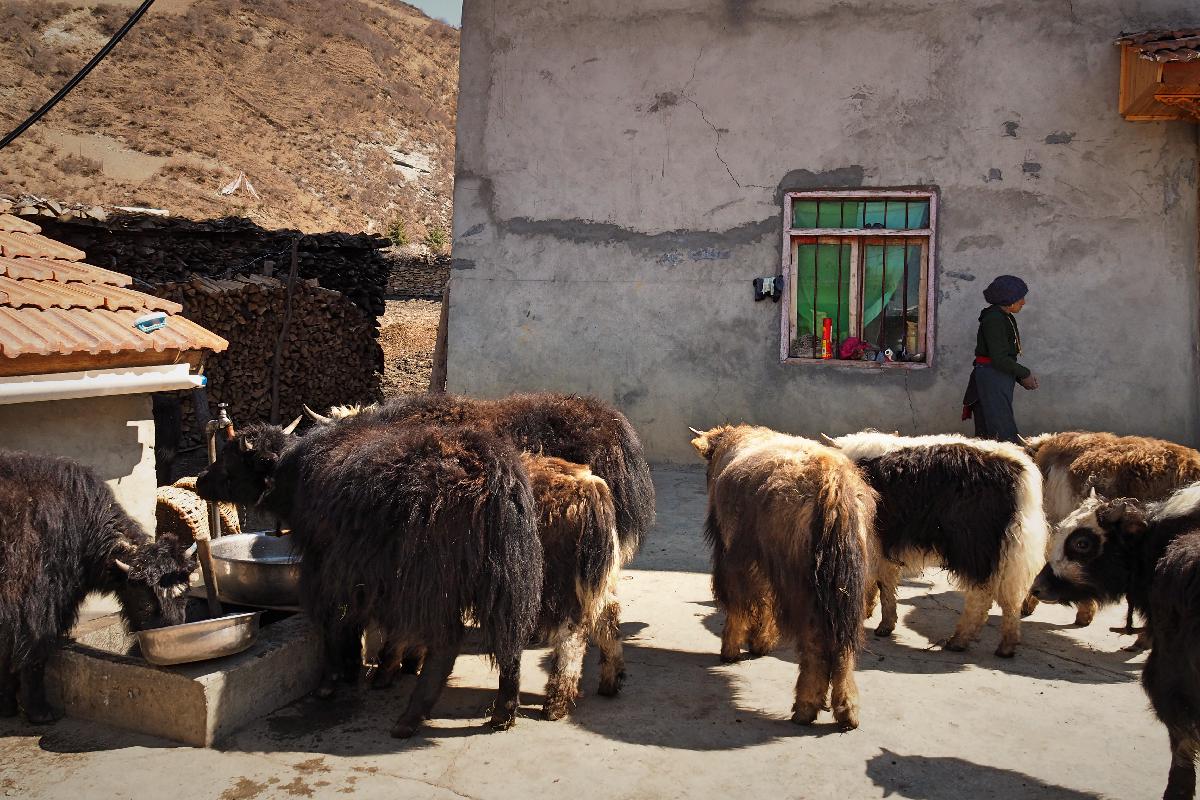
After a few relaxing days in Chengdu we took a 9 hour bus ride to Dartsendo (Kangding), Sichuan’s gateway to the Tibetan part of China. As soon as we arrived there, we started to realize that the coming days would be much more exhausting than those that lay behind us. This was mainly due to the fact, that the tourist infrastructure was much less developed; meaning that means of transportation are harder to find and that regarding accommodation, you have to pay more for less. This was something that we had to get used to at first. But after a while, we very much appreciated that there were hardly any western tourists and that the local people were very welcoming and curious towards us – as you will see in the following paragraphs.
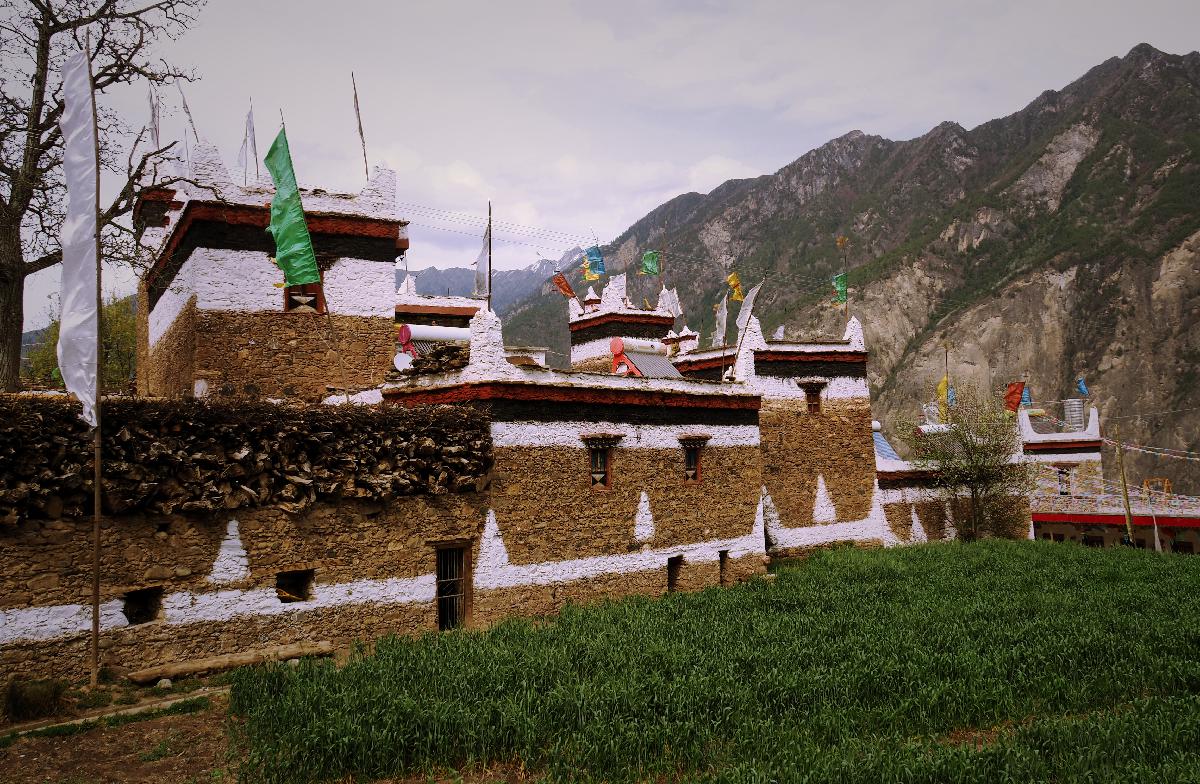
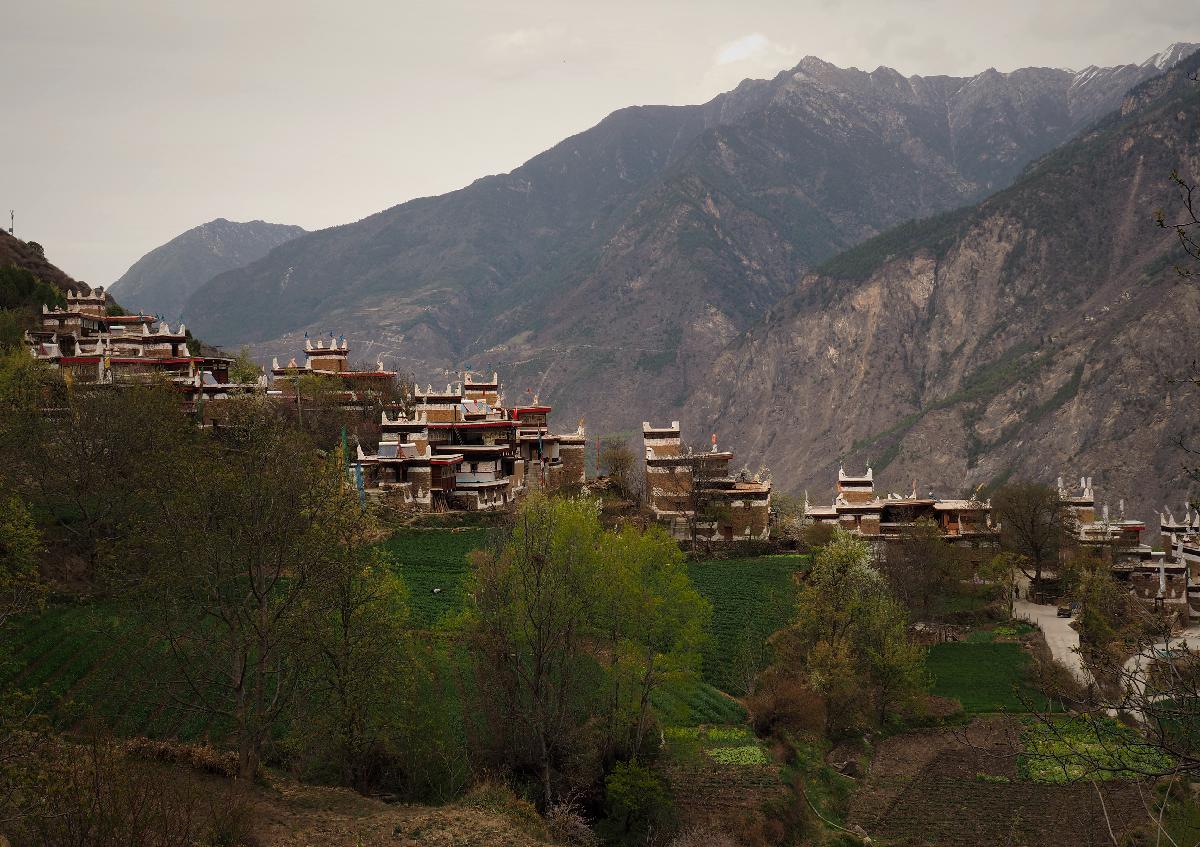
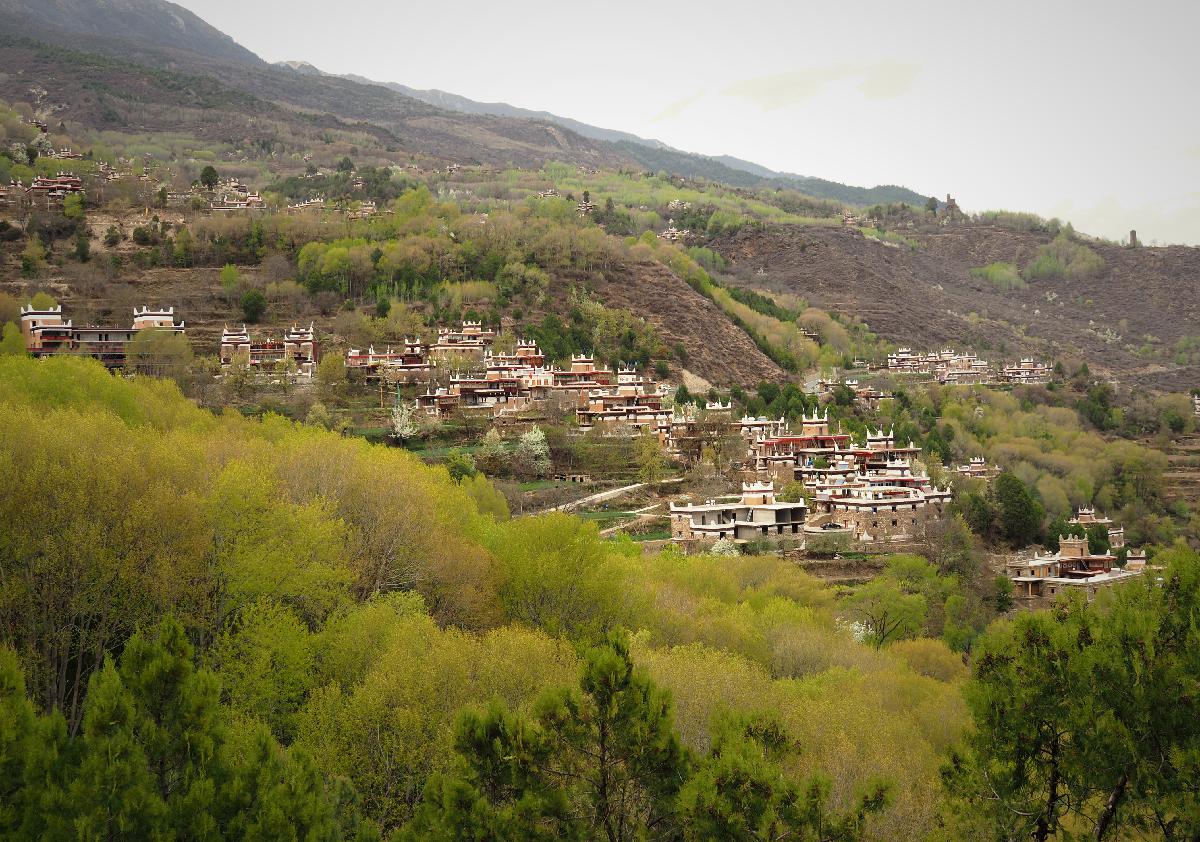
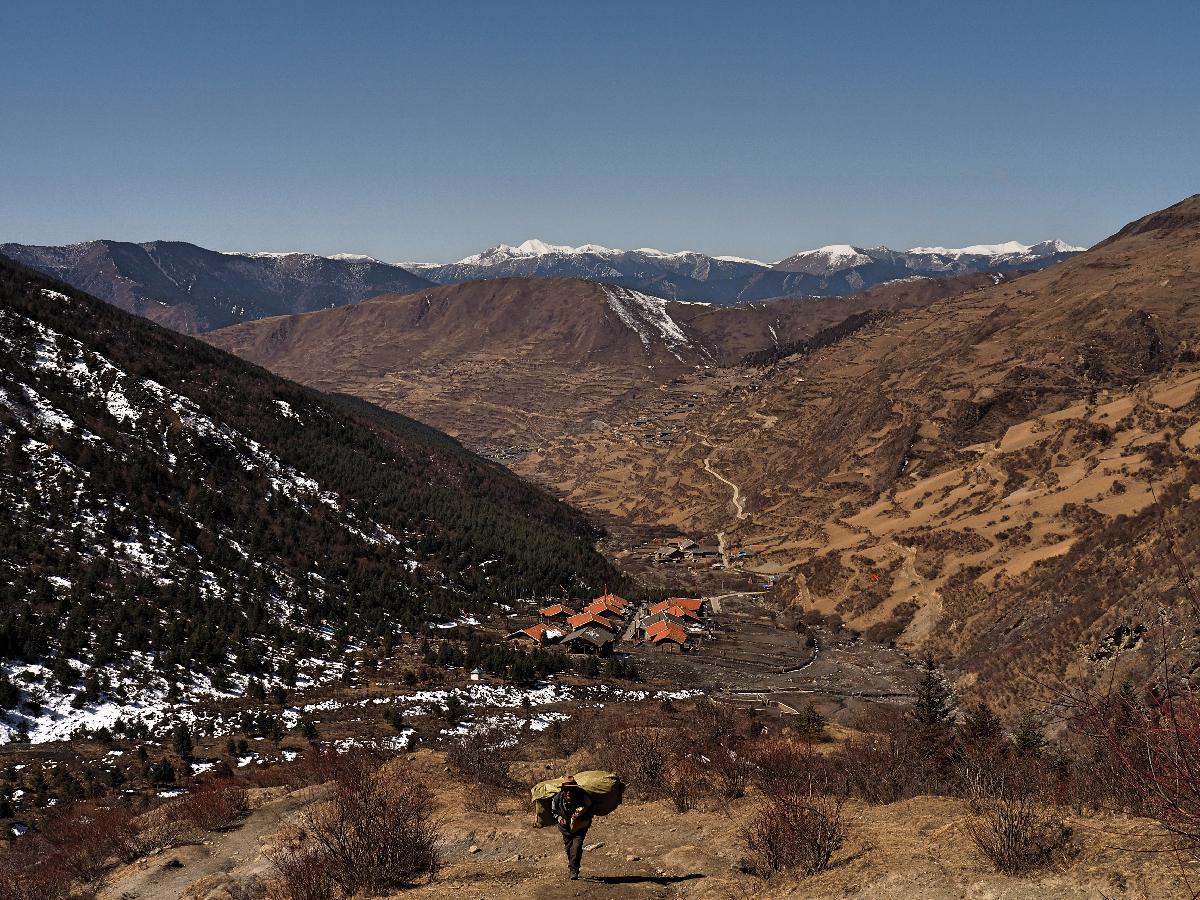
The day after our arrival in Dartsendo, we decided to pay a short visit to Jiaju Zangzhai, a supposedly very beautiful Tibetan village close to Rongtrak (Danba). There we stayed in a Tibetan homestay for one night, before returning to Dartsendo again.
Rongtrak:
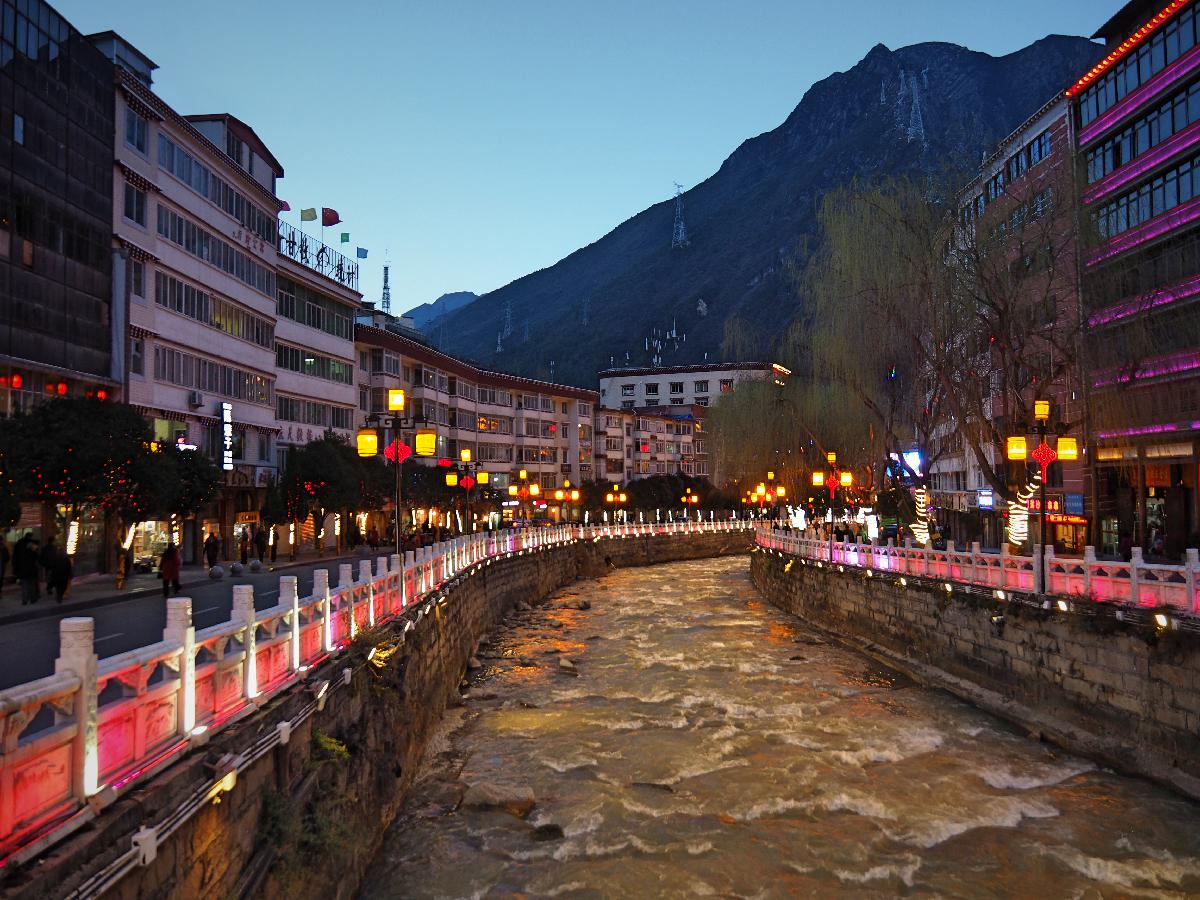
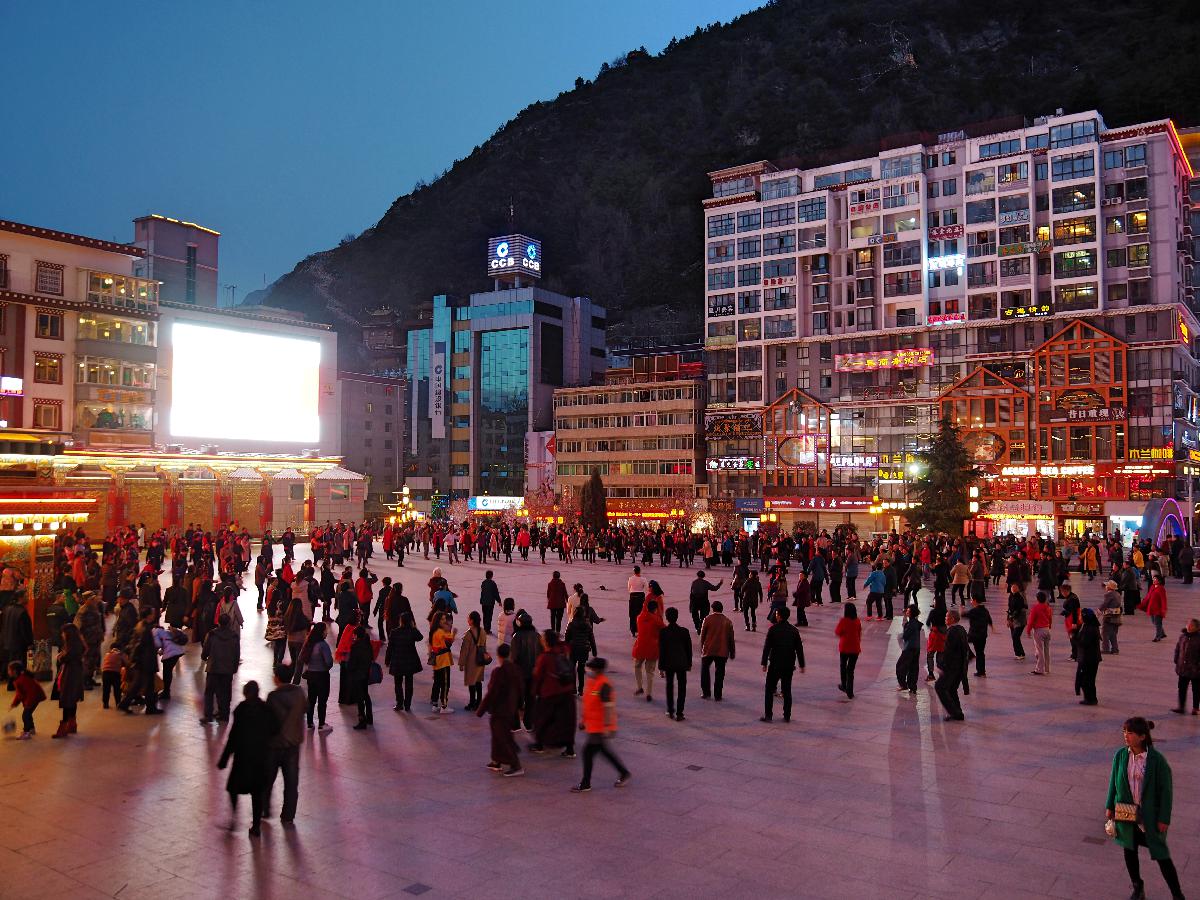
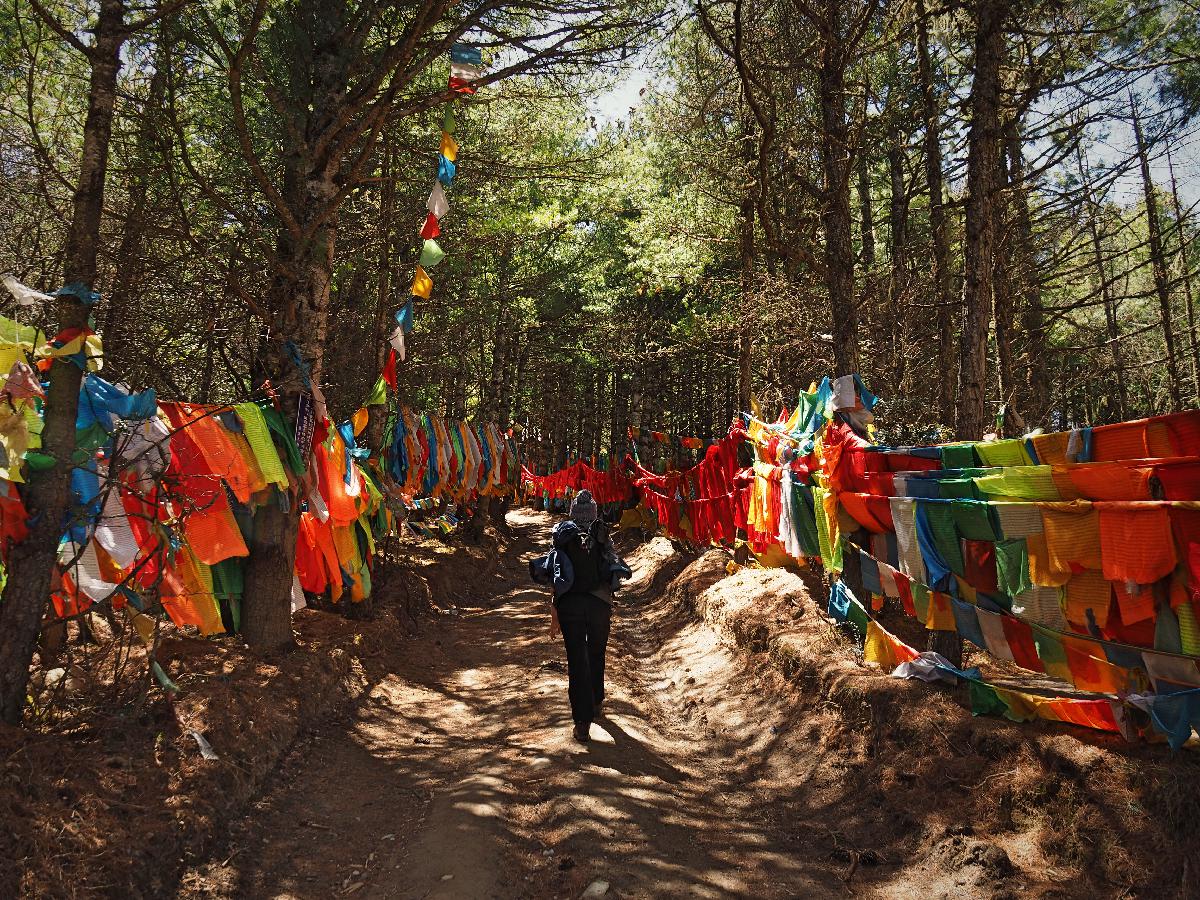
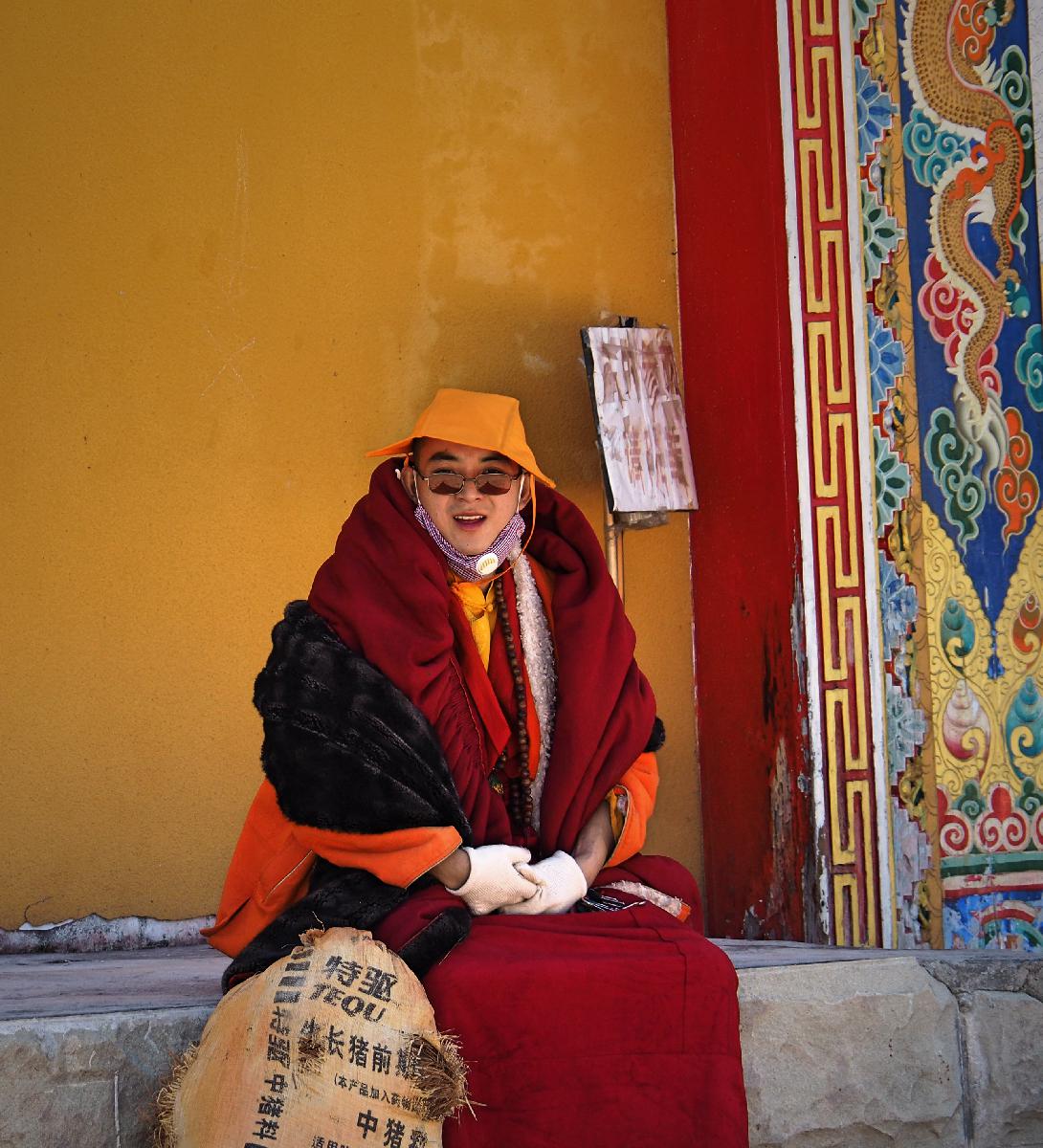
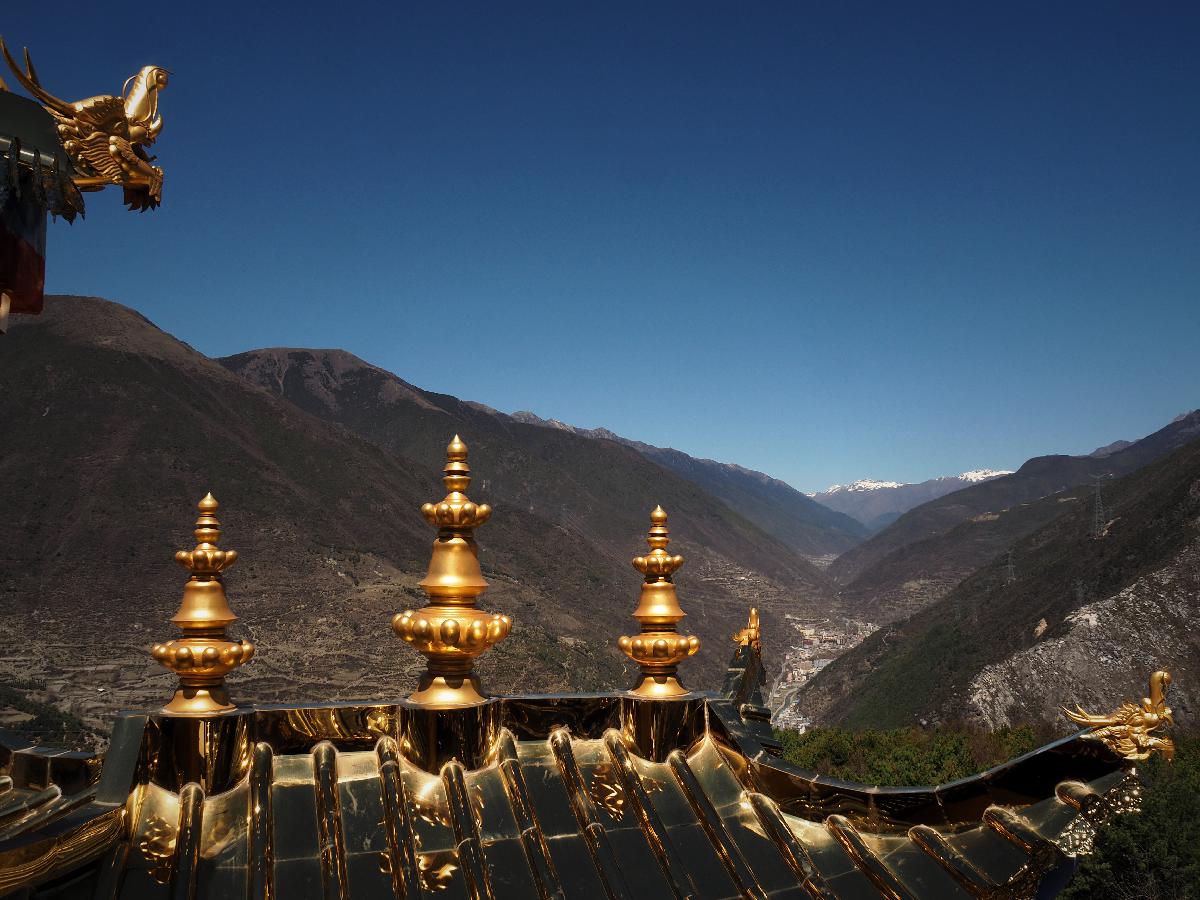
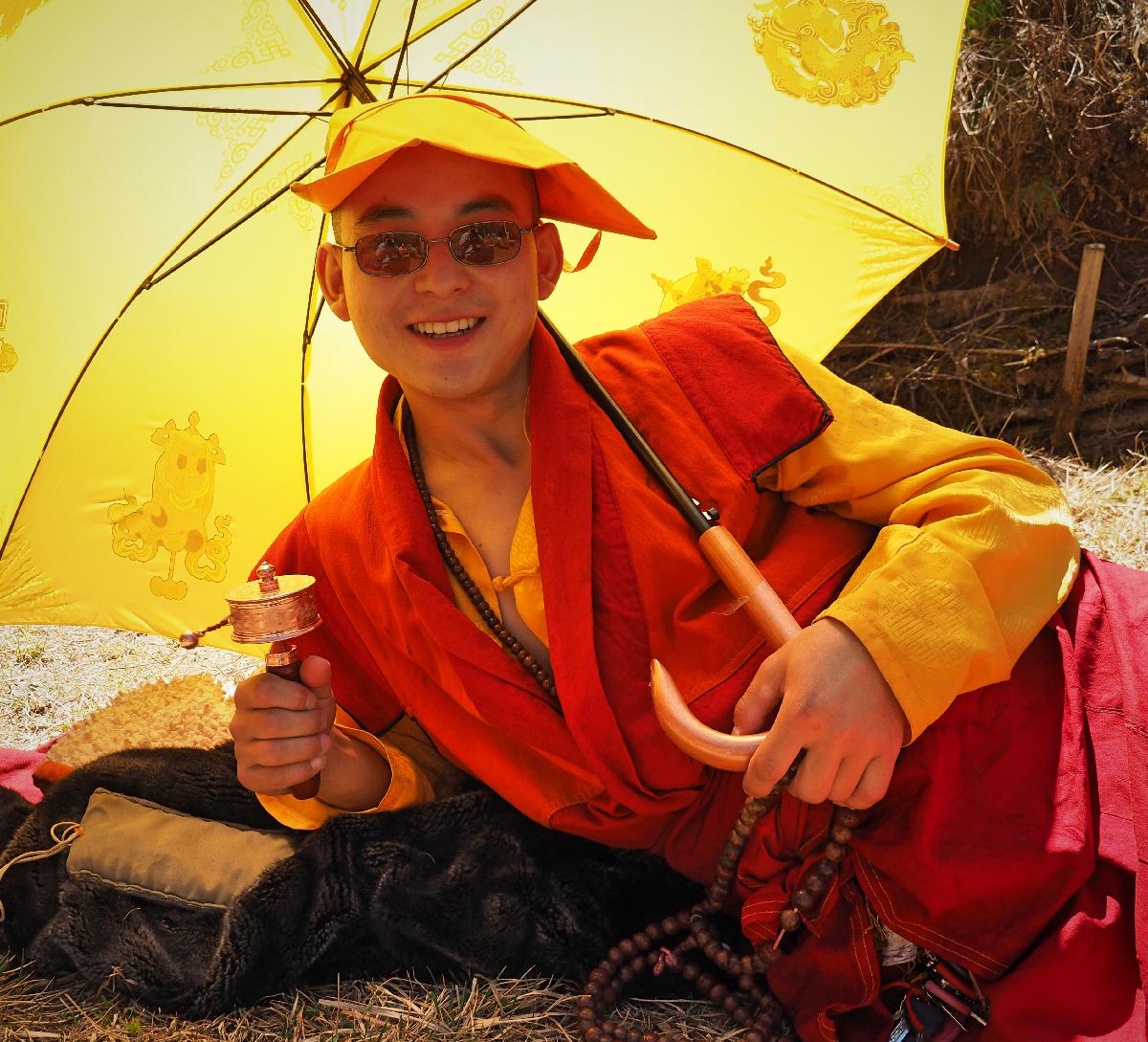
All in all, Dartsendo was a pleasant little city. Every evening the local community would gather on the main town square to dance together. This was a really nice happening to watch after dinner. One day we decided to visit Dentok Rawo (Paoma Shan), located just above the city. Because we were too lazy to walk, we took a really slow cable car to get to the top. On top of the mountain, we saw a small temple and ran into a Tibetan monk. He was really friendly and invited us to have tea on the rooftop of the temple. Although communication was difficult, both parties enjoyed the exchange. It seemed like he had never seen blue eyes before, since he asked whether they were real and almost couldn’t believe they were natural. After a while he led us further up the mountain to a nice hidden garden. There he introduced us to two chubby and extremely friendly nuns. The monk said that they were his best friends and that one of them was a living Buddha. We all lay down in the grass, enjoyed the hot sun and the nuns served yak butter tea and candy – it was a beautiful afternoon. When we left we were both blessed by the living Buddha and the monk escorted us back to the small temple.
Dartsendo:
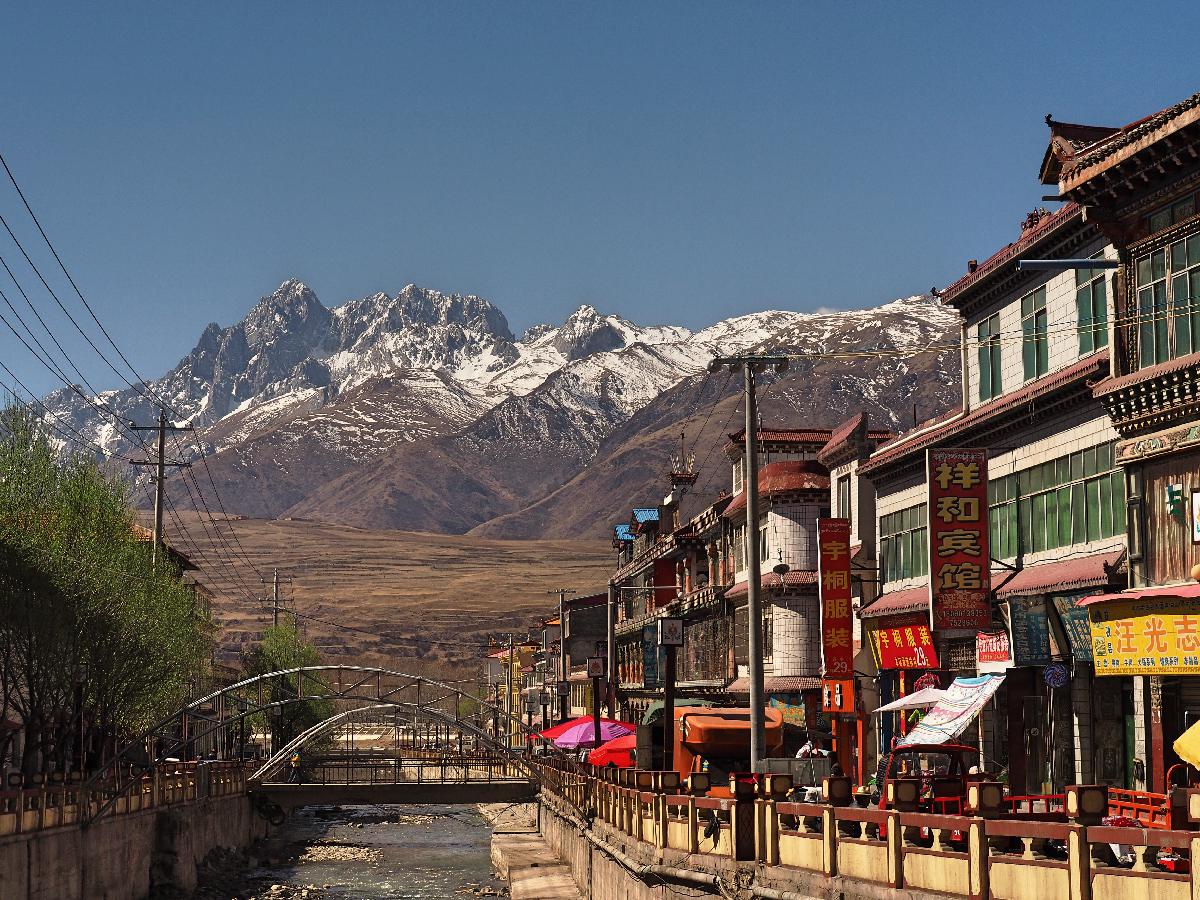
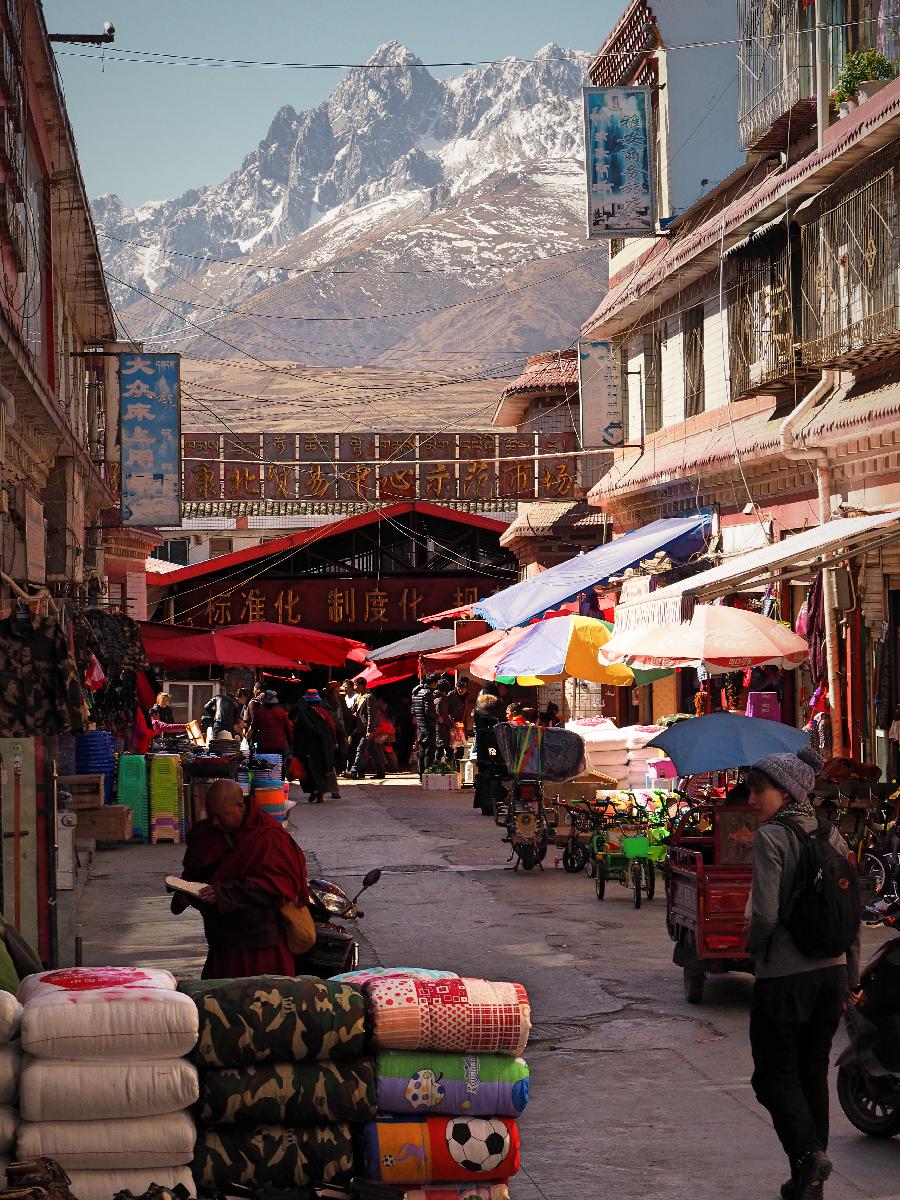
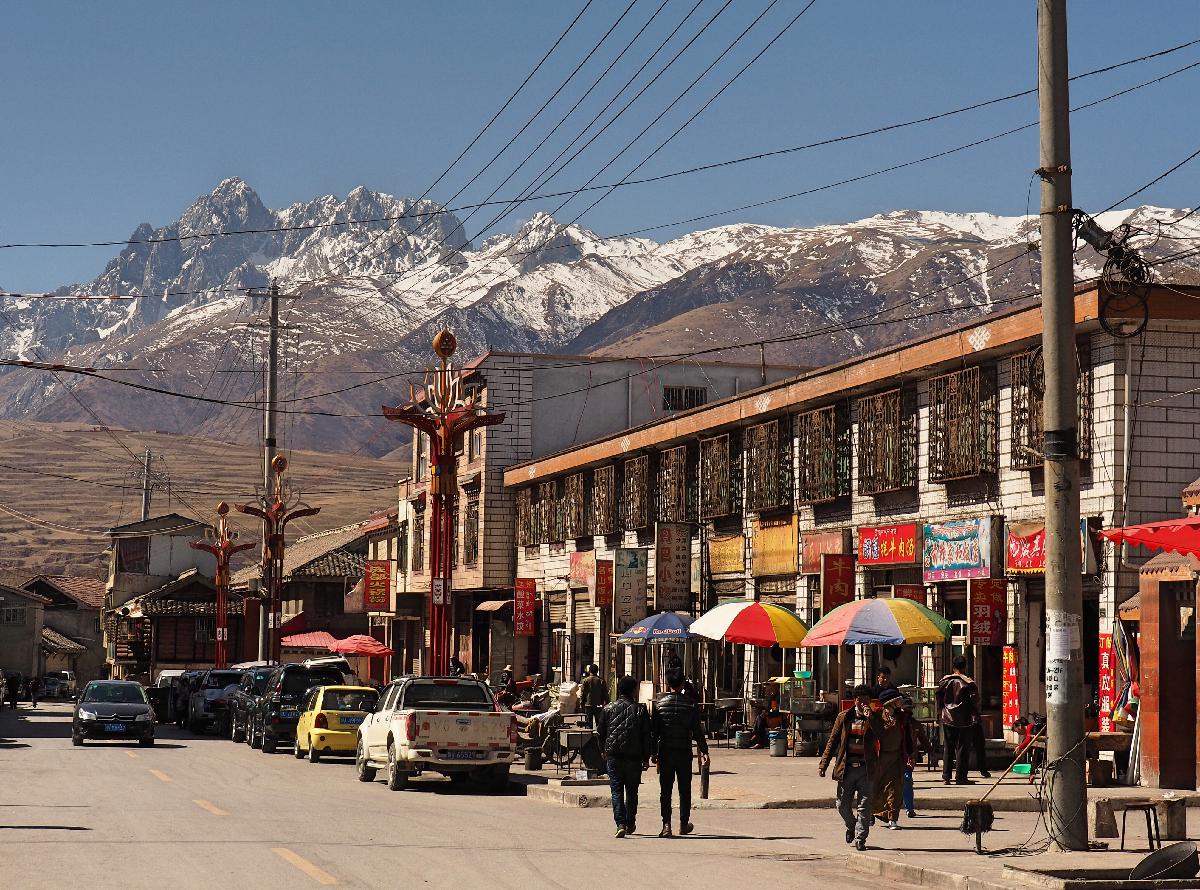
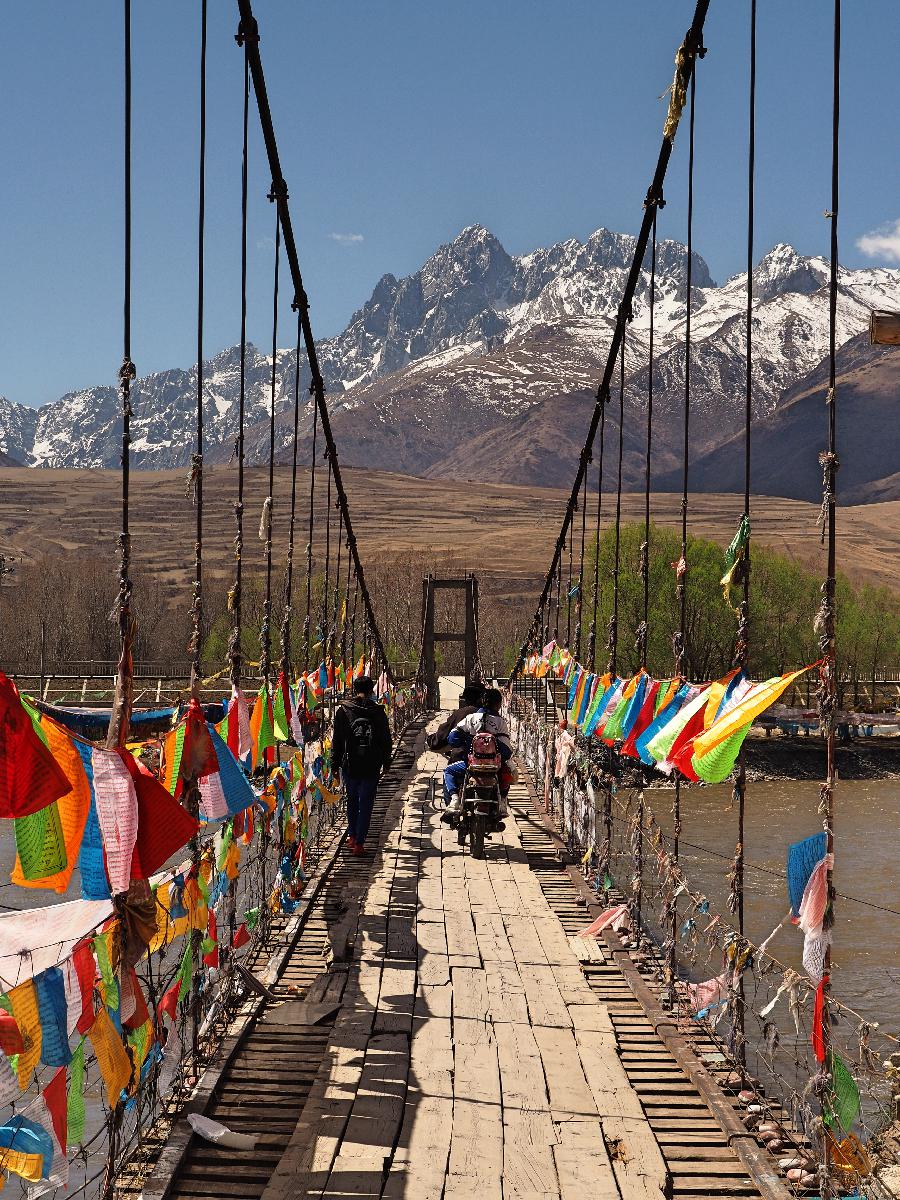
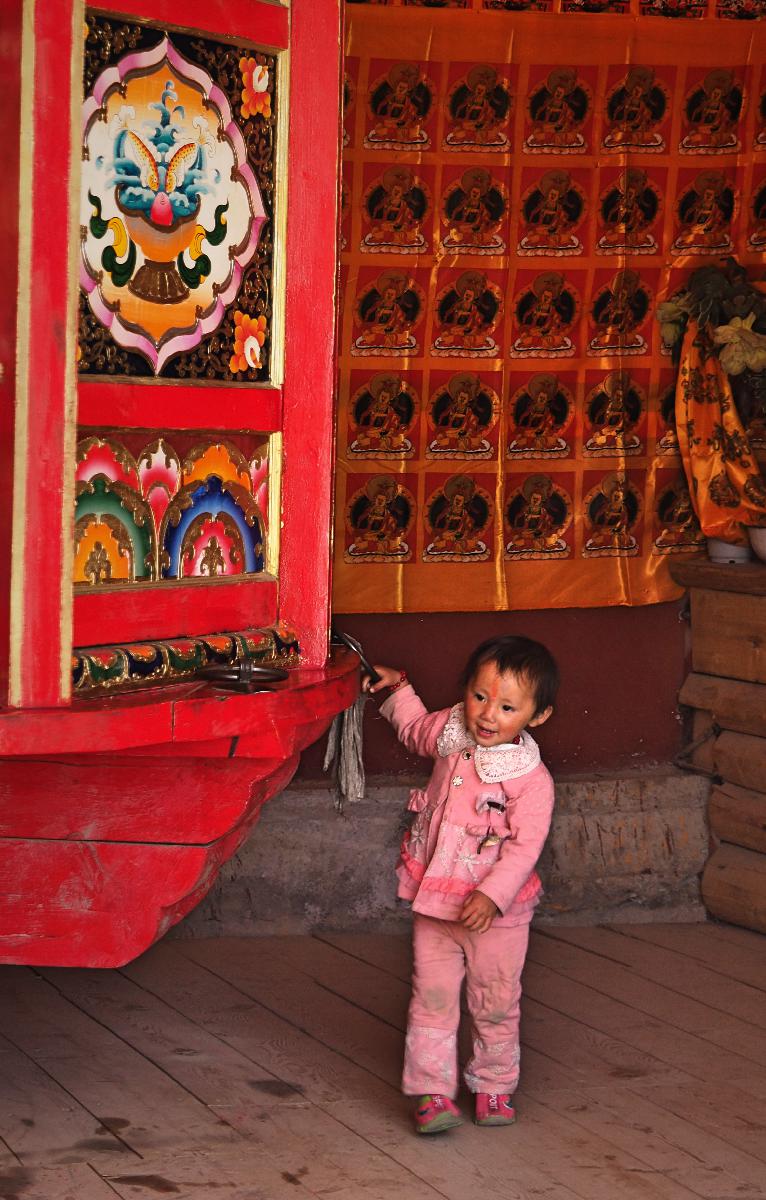
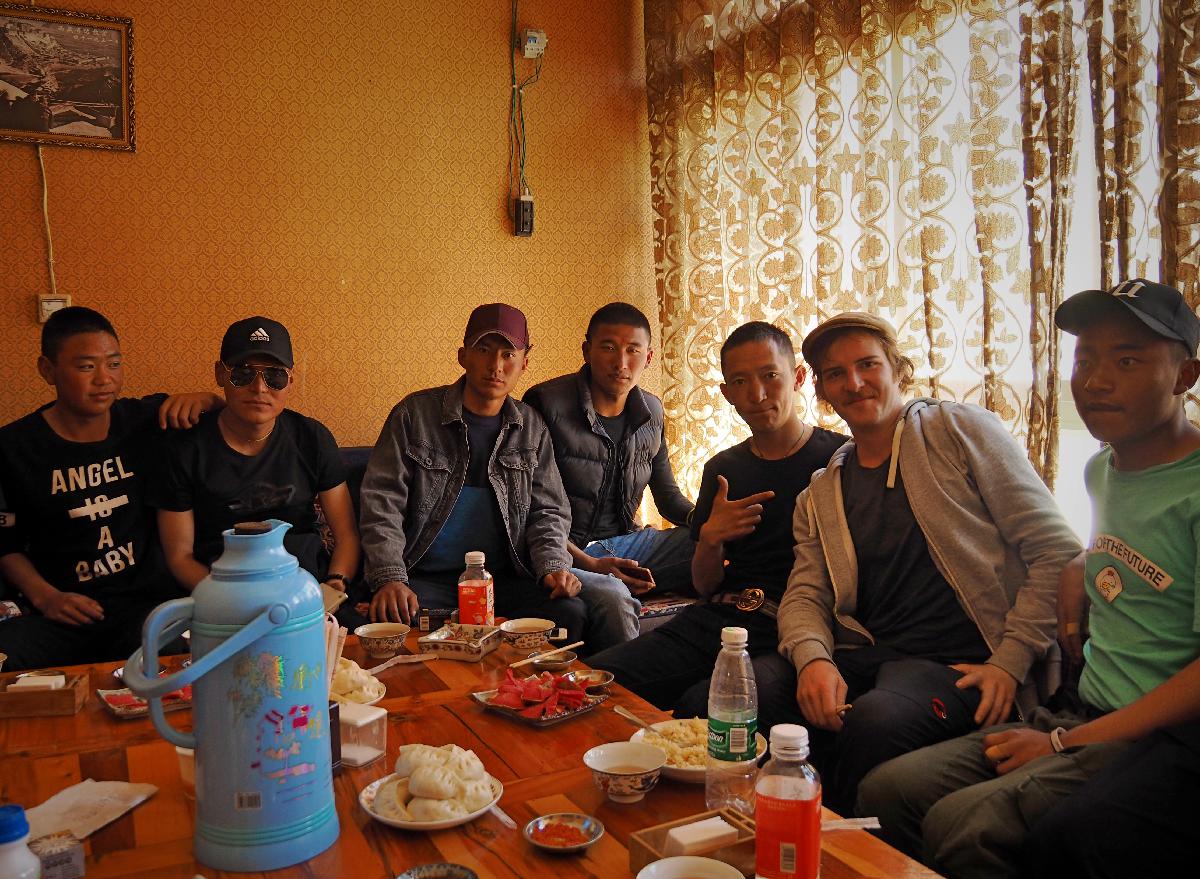
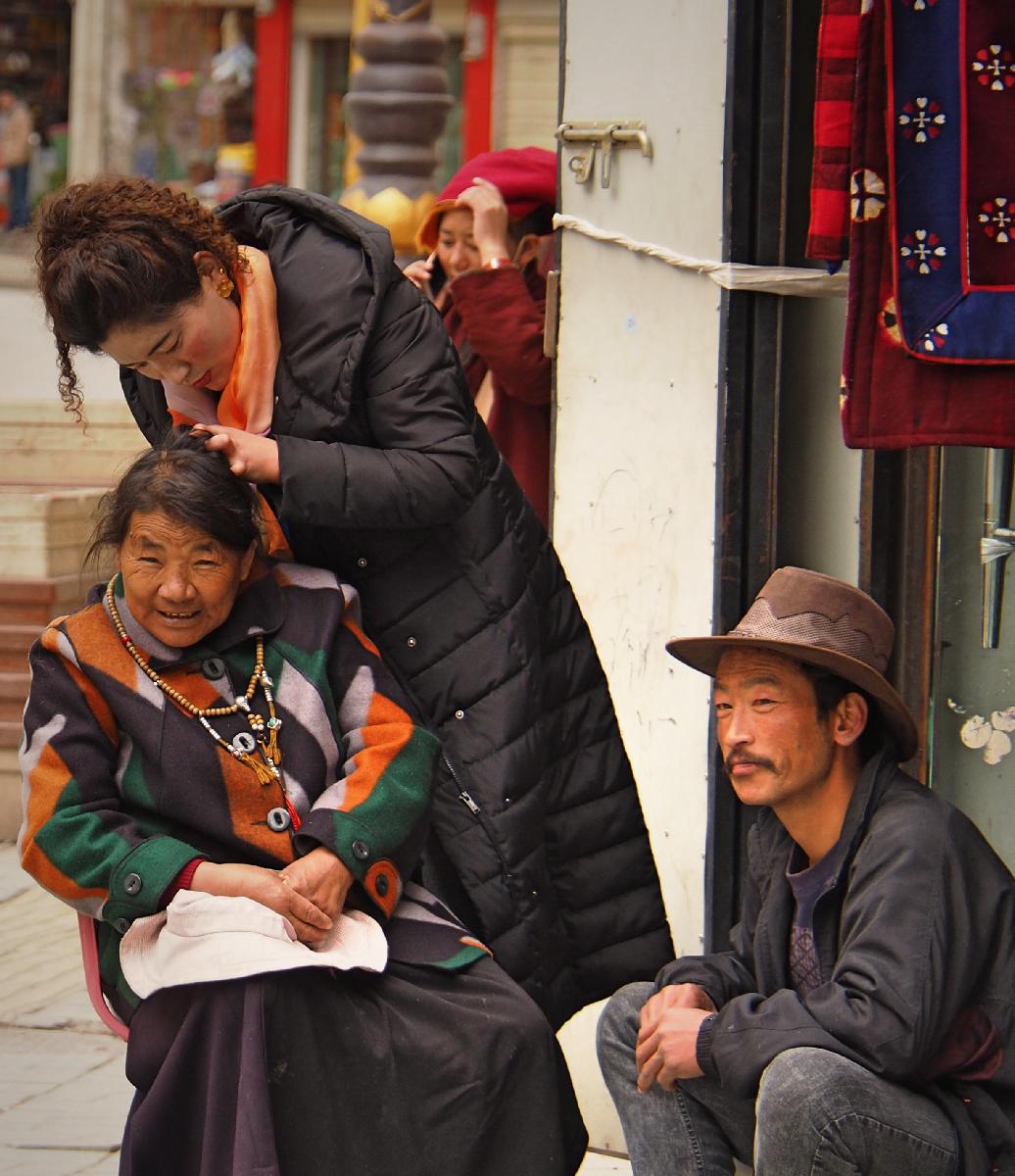
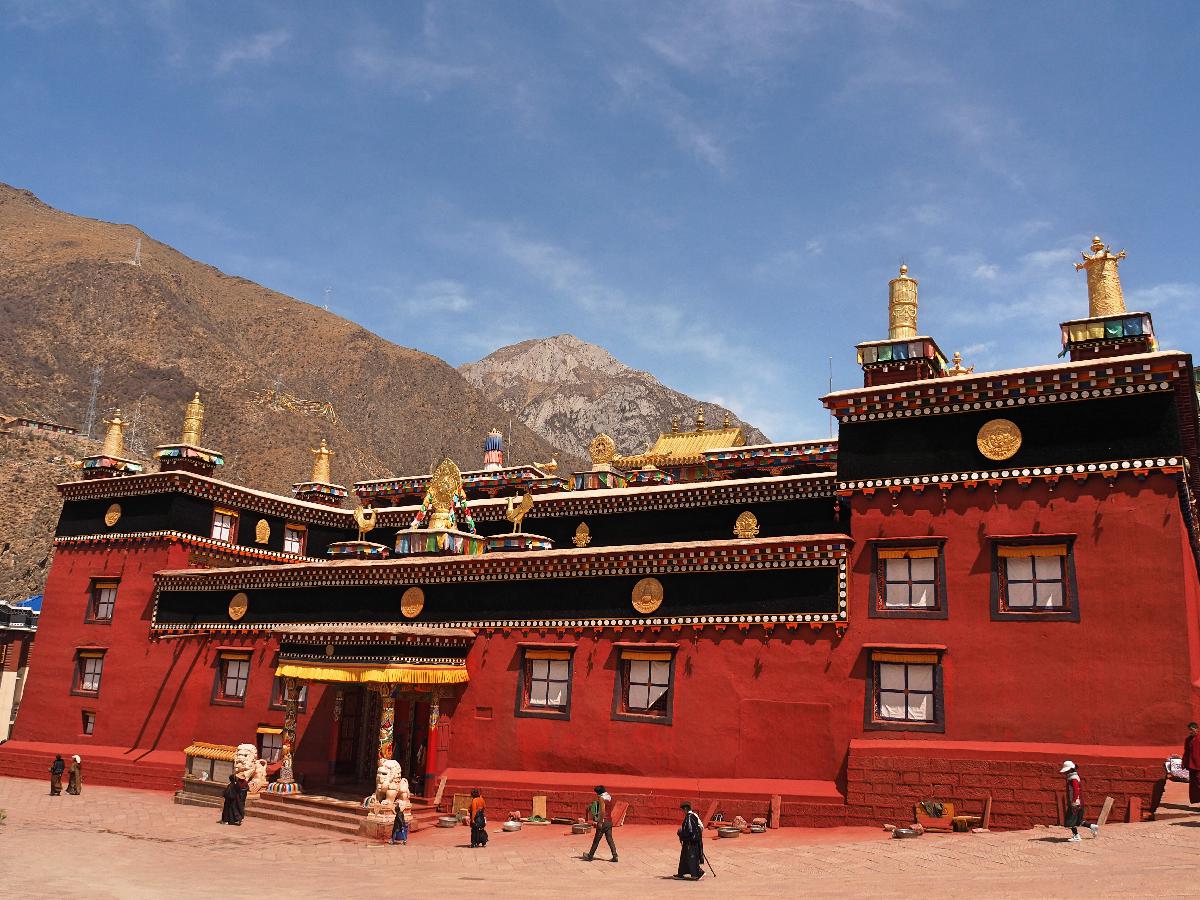
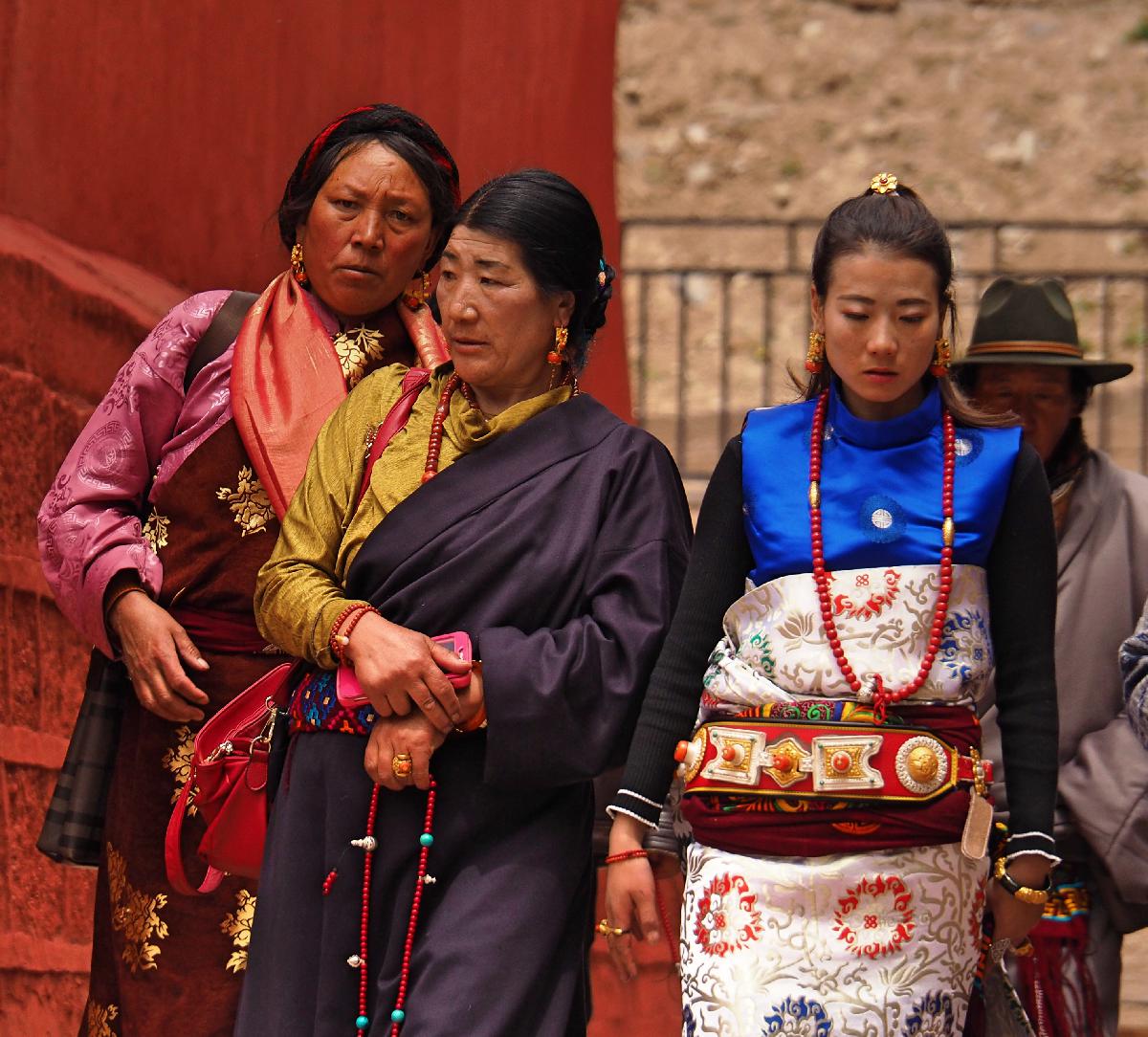
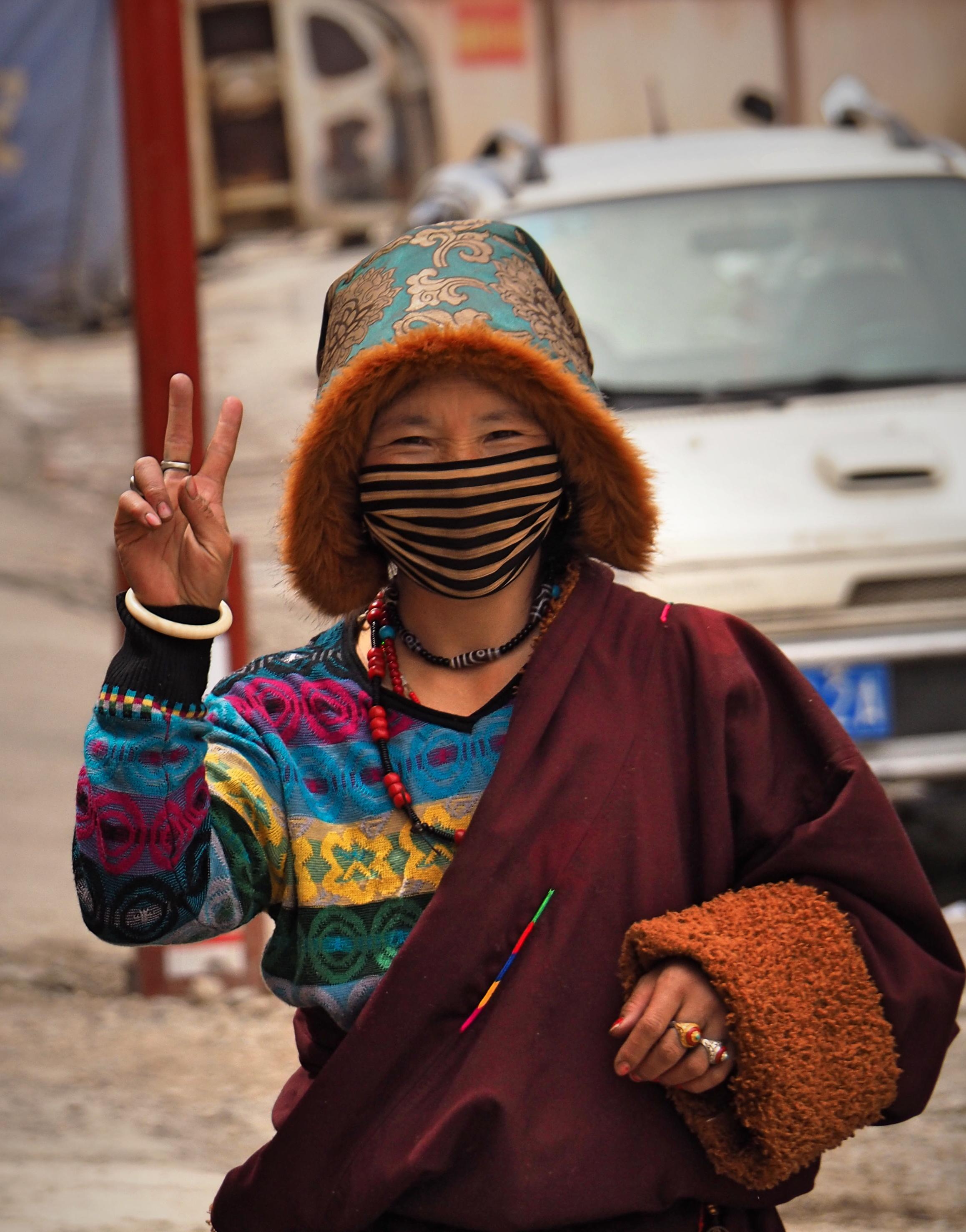
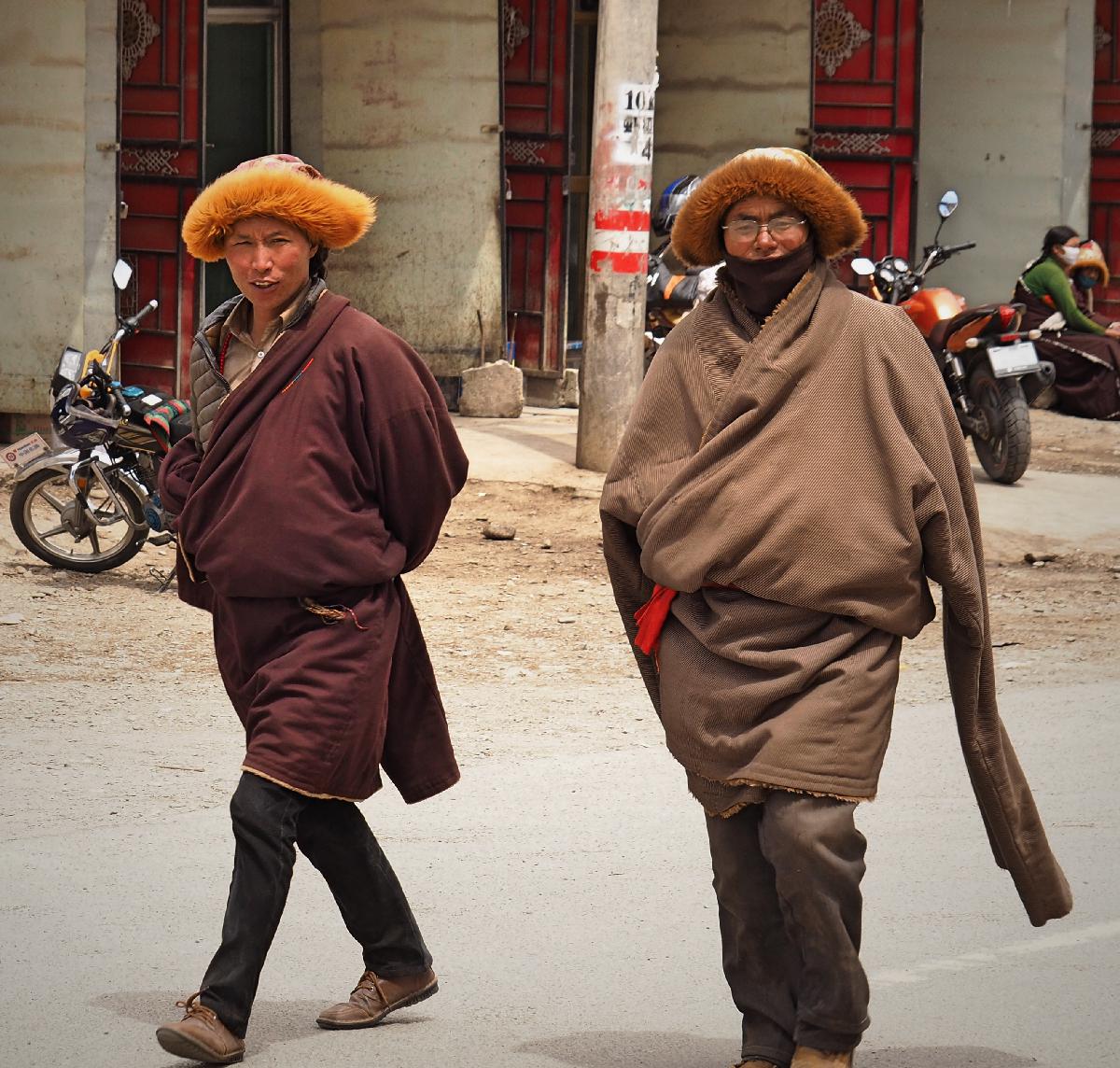
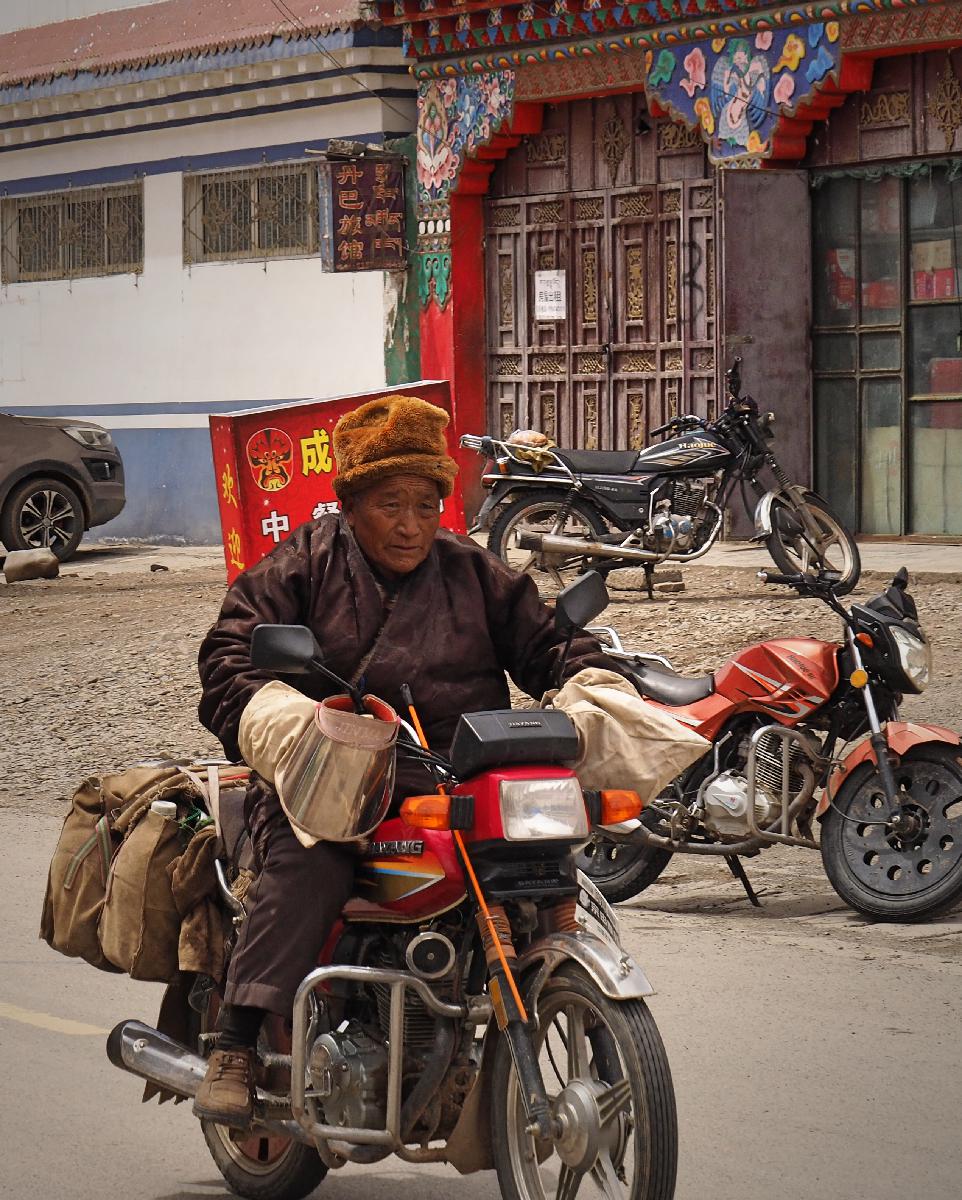
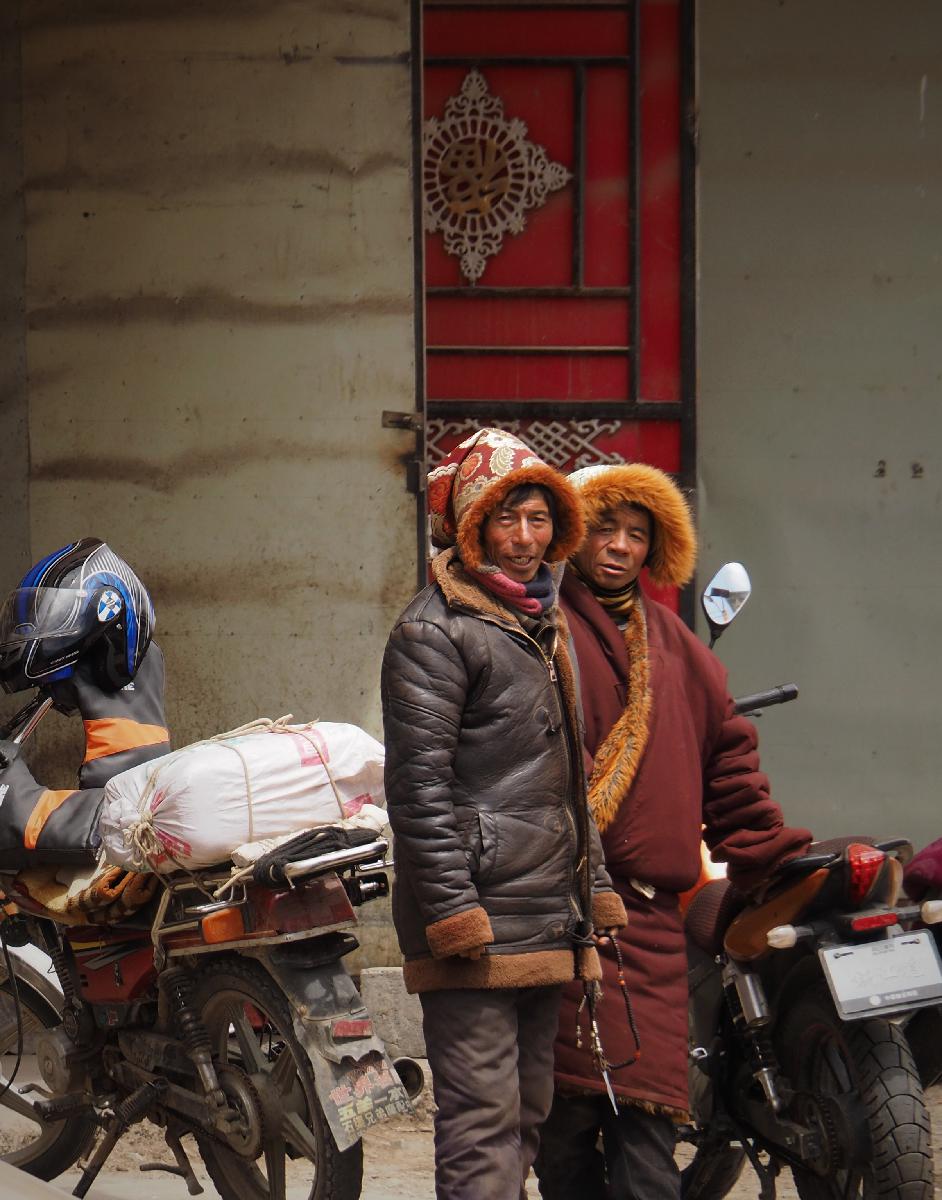
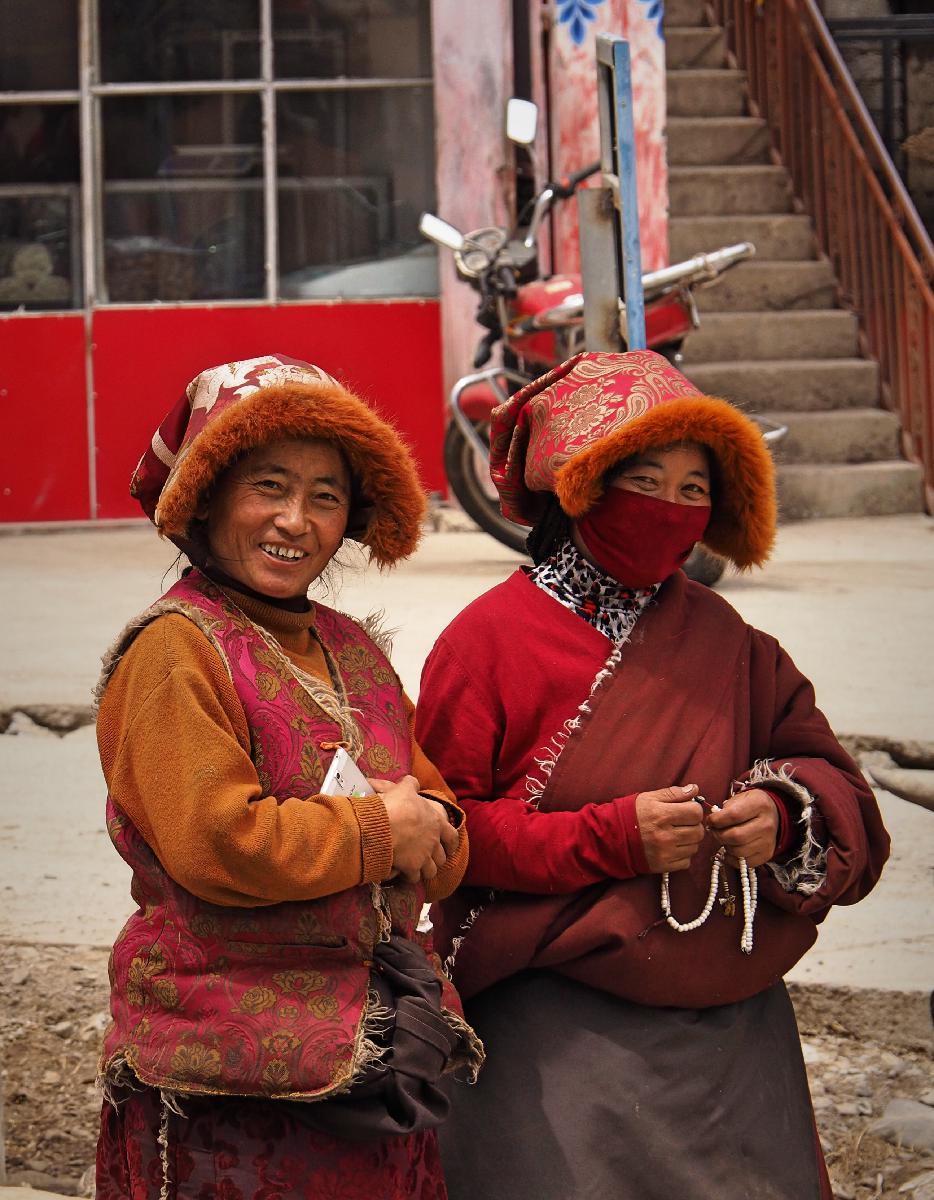
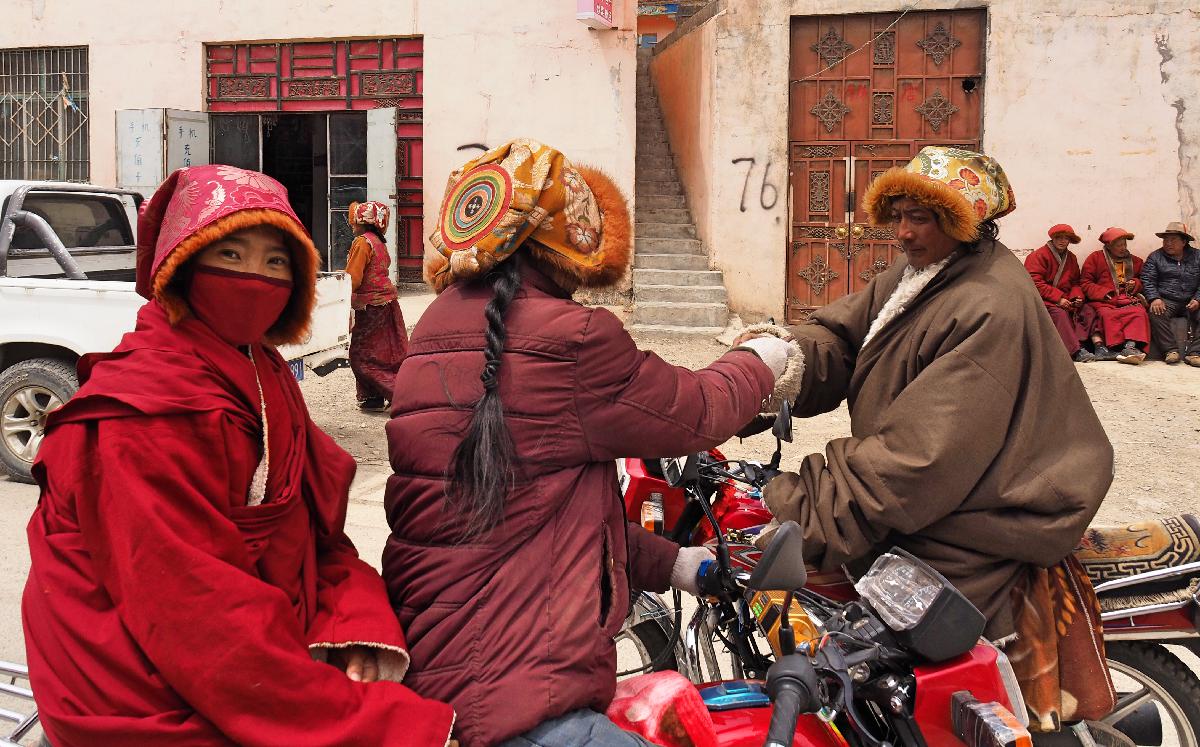
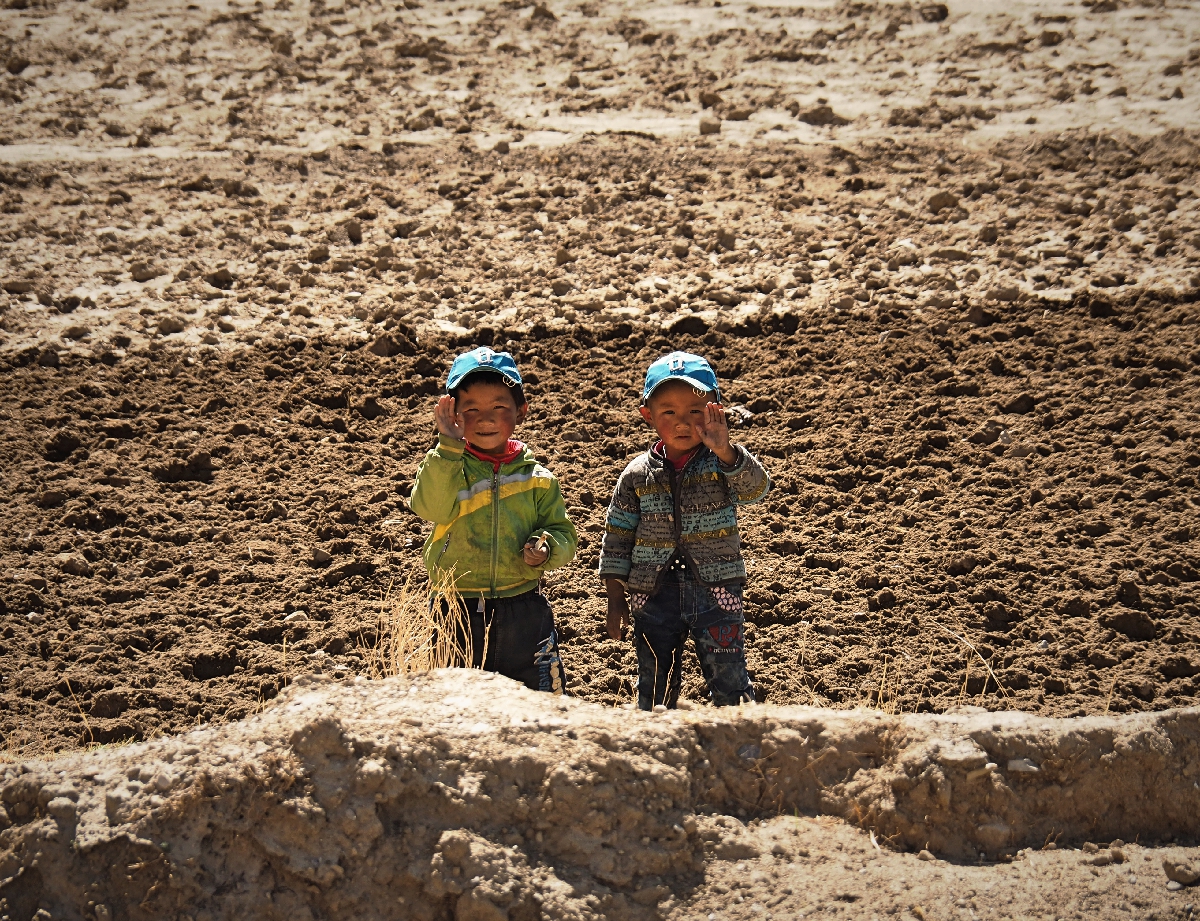
From Dartsendo we took a bus to Garze (Ganzi). It was quite a horrible ride, because the bus was totally overloaded and almost all the passengers started vomiting on the curvy way through the highland. However, it was worth the torture. We really liked Garze, a rough and dusty town, surrounded by magnificent snow mountains. Most of the locals were Tibetans, so for once the Han-Chinese were the minority. Every day we could watch how Tibetan nomads came to town and traded their goods. They were very friendly and curious people, always greeting us with a warm “hello” or “tashi delek”. On top of this, the local children in the streets wanted to shake our hands euphorically. We visited the impressive and 500 year old Garze Gompa monastery and arrived just in time to see how the monks ate lunch in the main prayer hall. Later in the day, we got invited for afternoon tea, raw beef and momos by the local Tibetan SWAT team. One day, in the evening, we ran into a married Thai couple. They wanted to find a way to get to Yarchen Gar, a famous monastery, and we were glad to help them out with our basic Chinese skills. Since there were no more buses available and because we had been planning to go there aswell, we decided to visit the place together the following day.
Garze:
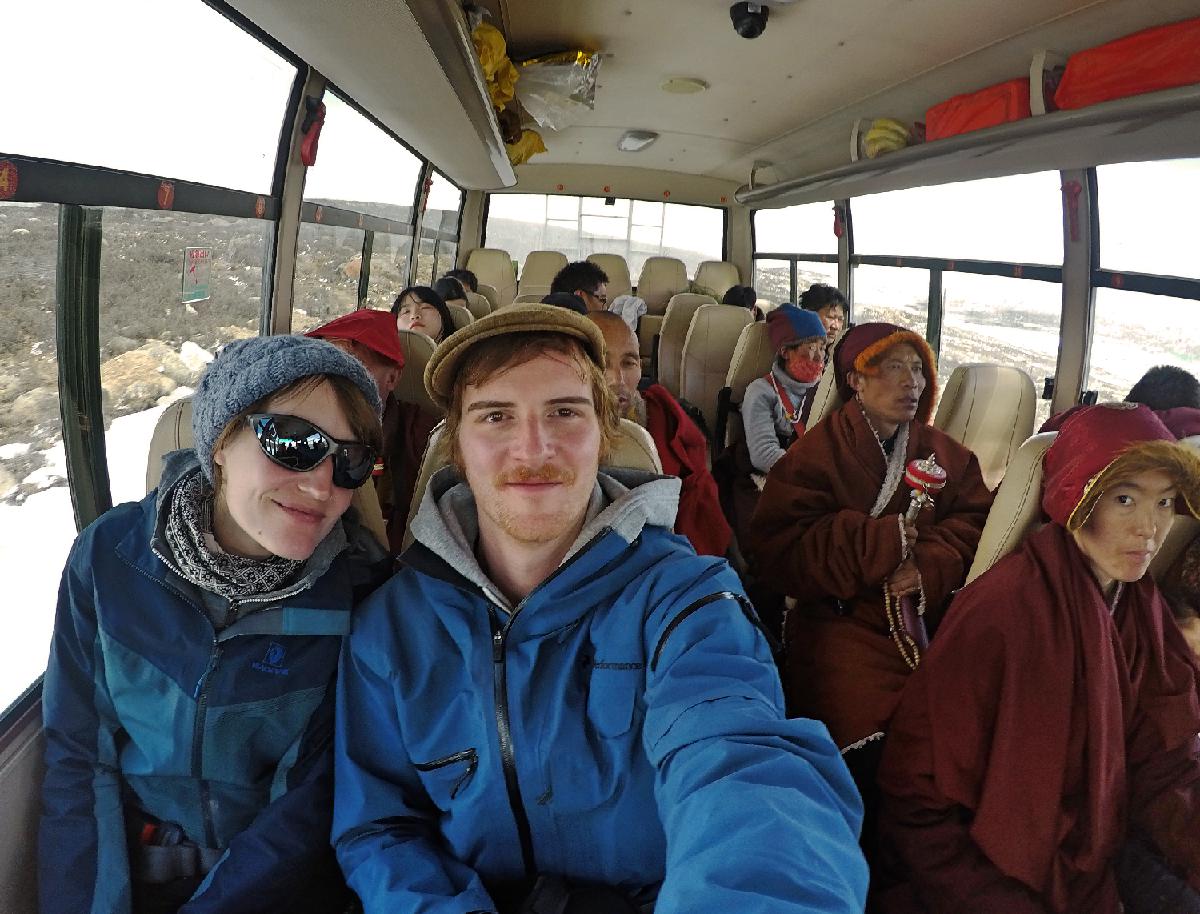
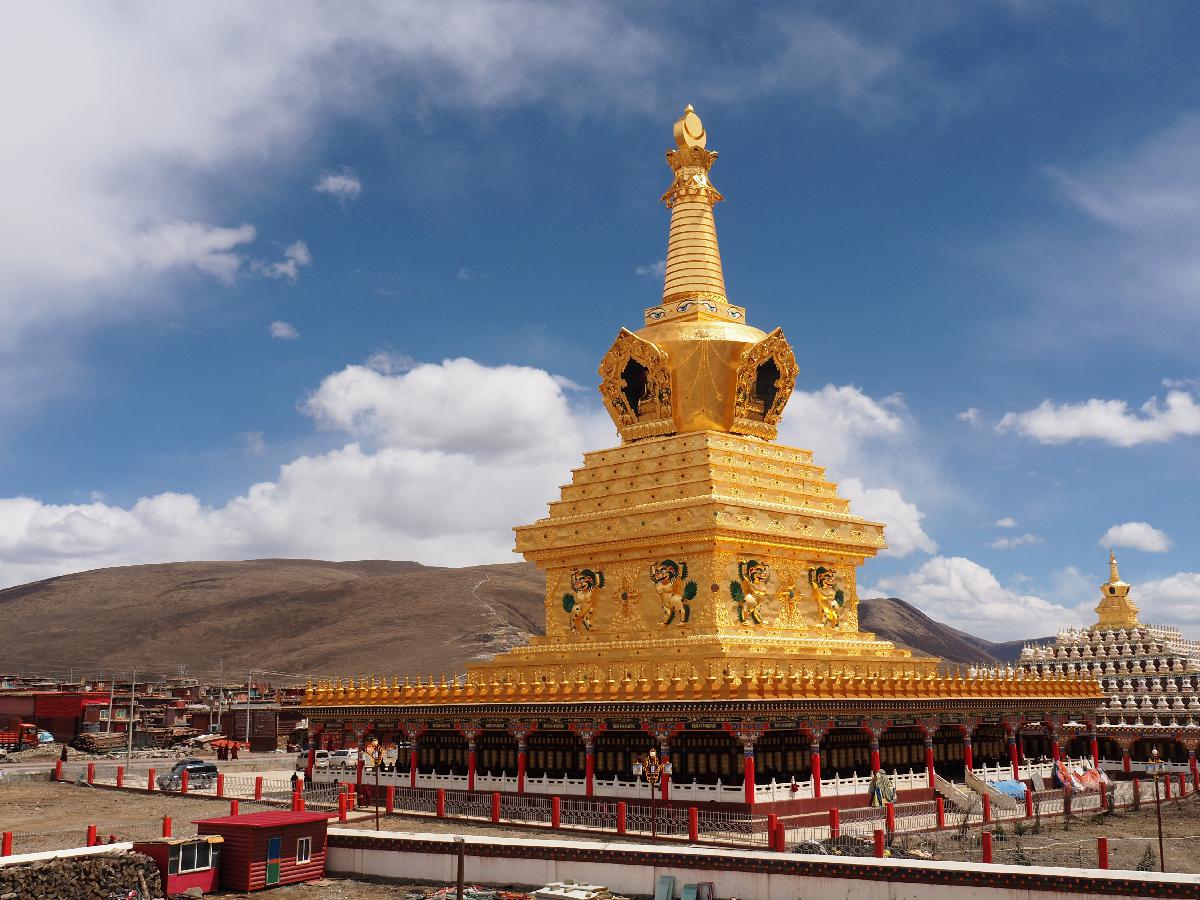
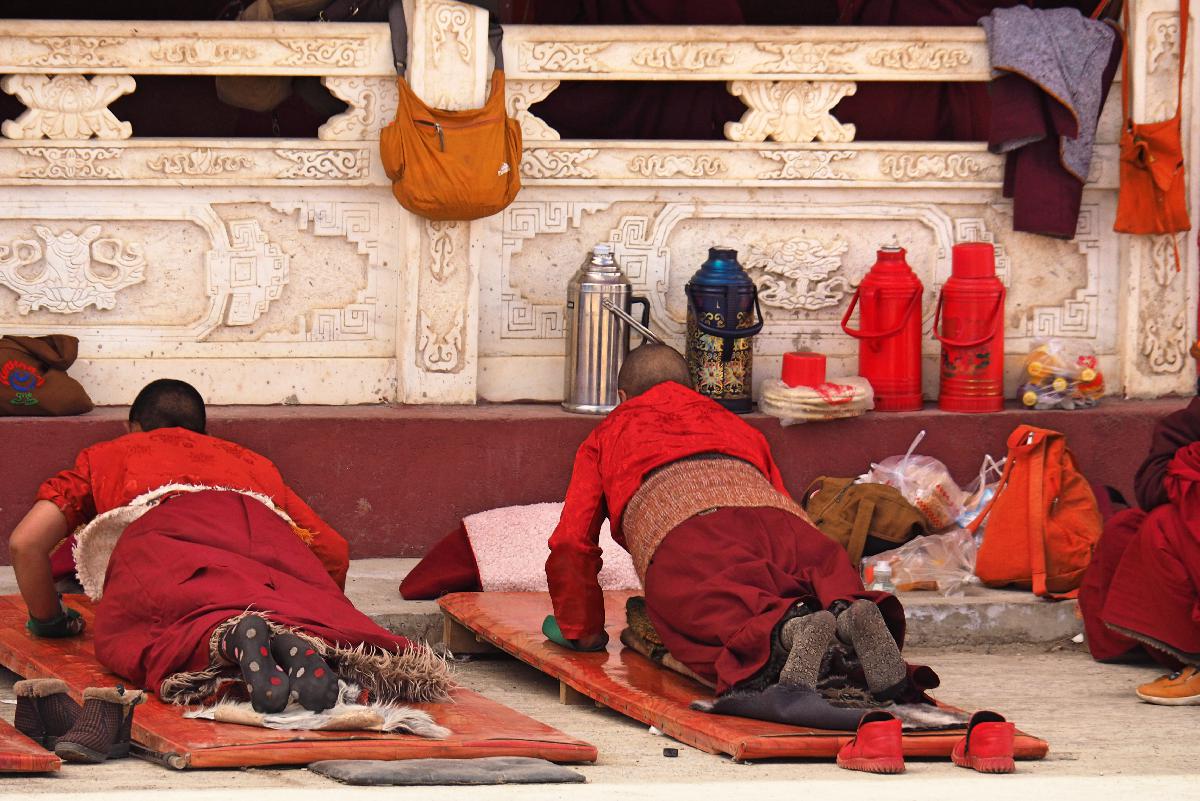
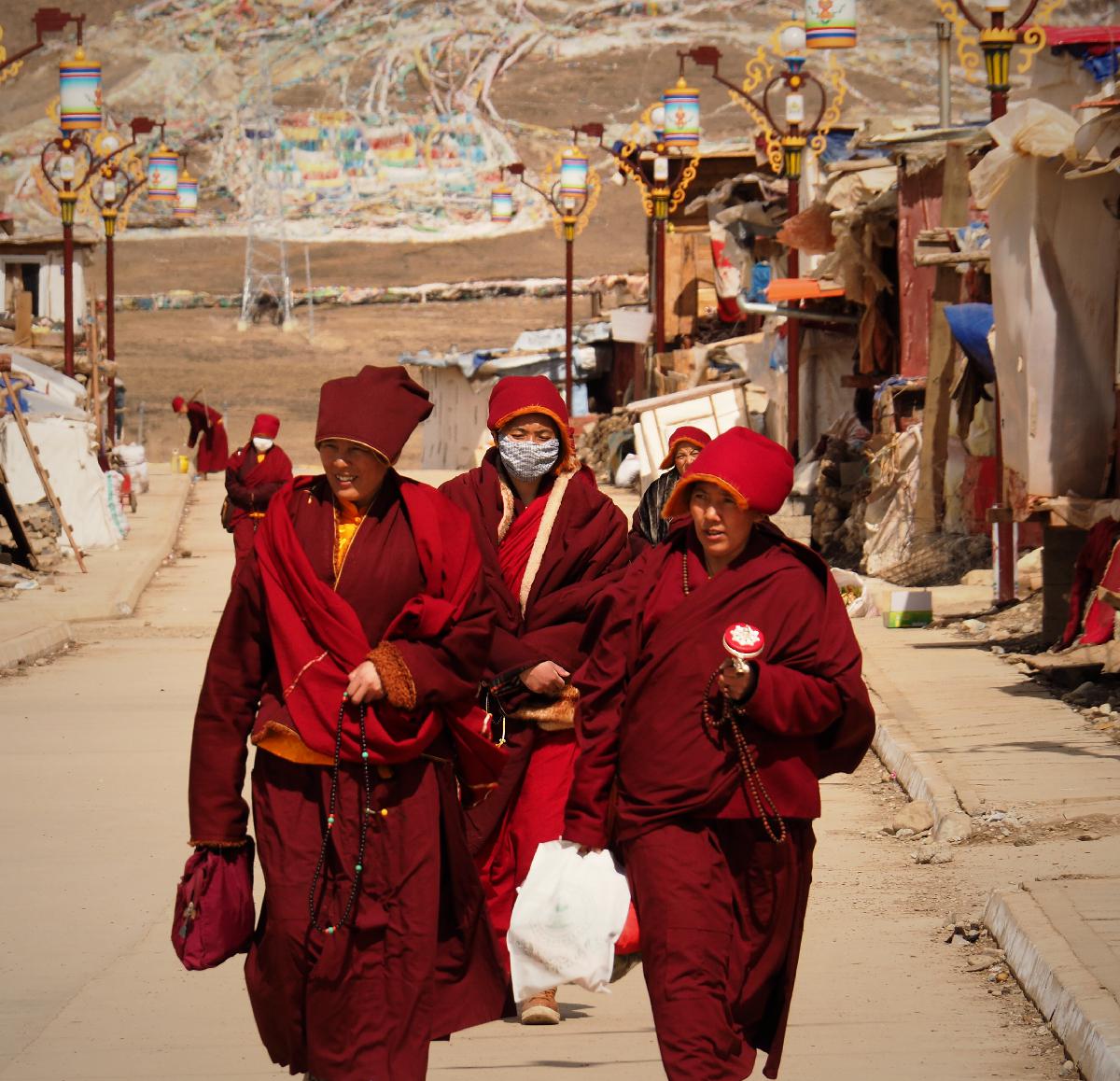
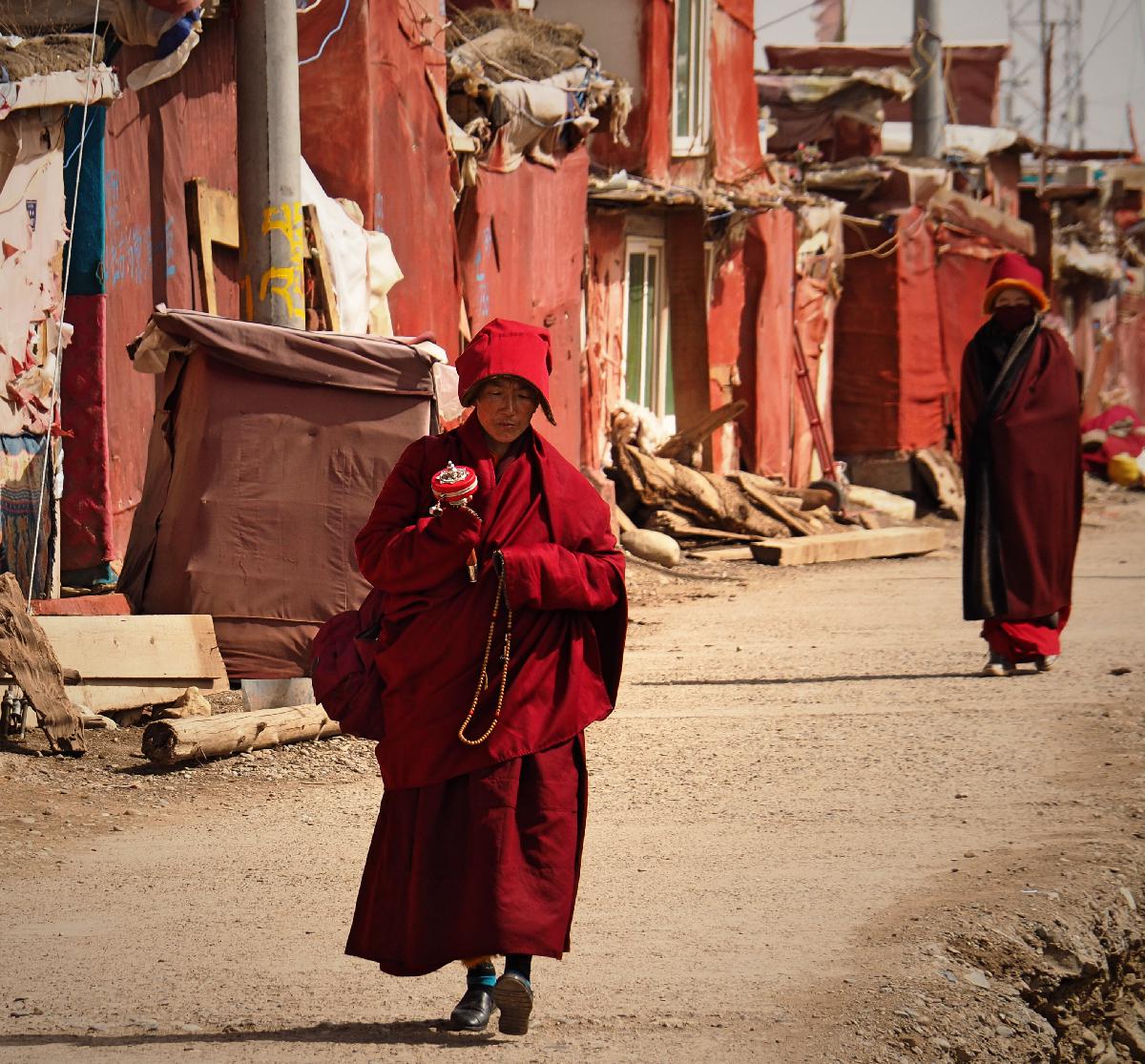
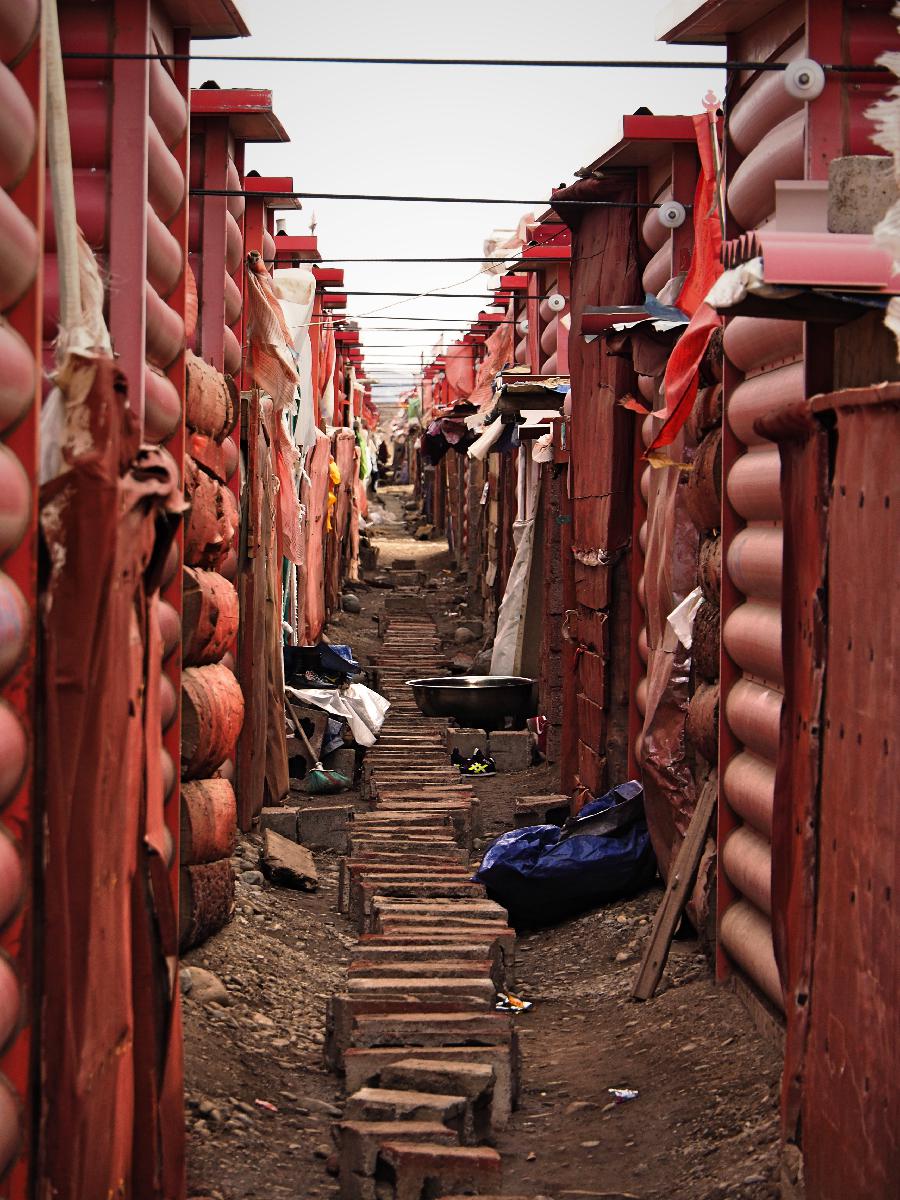
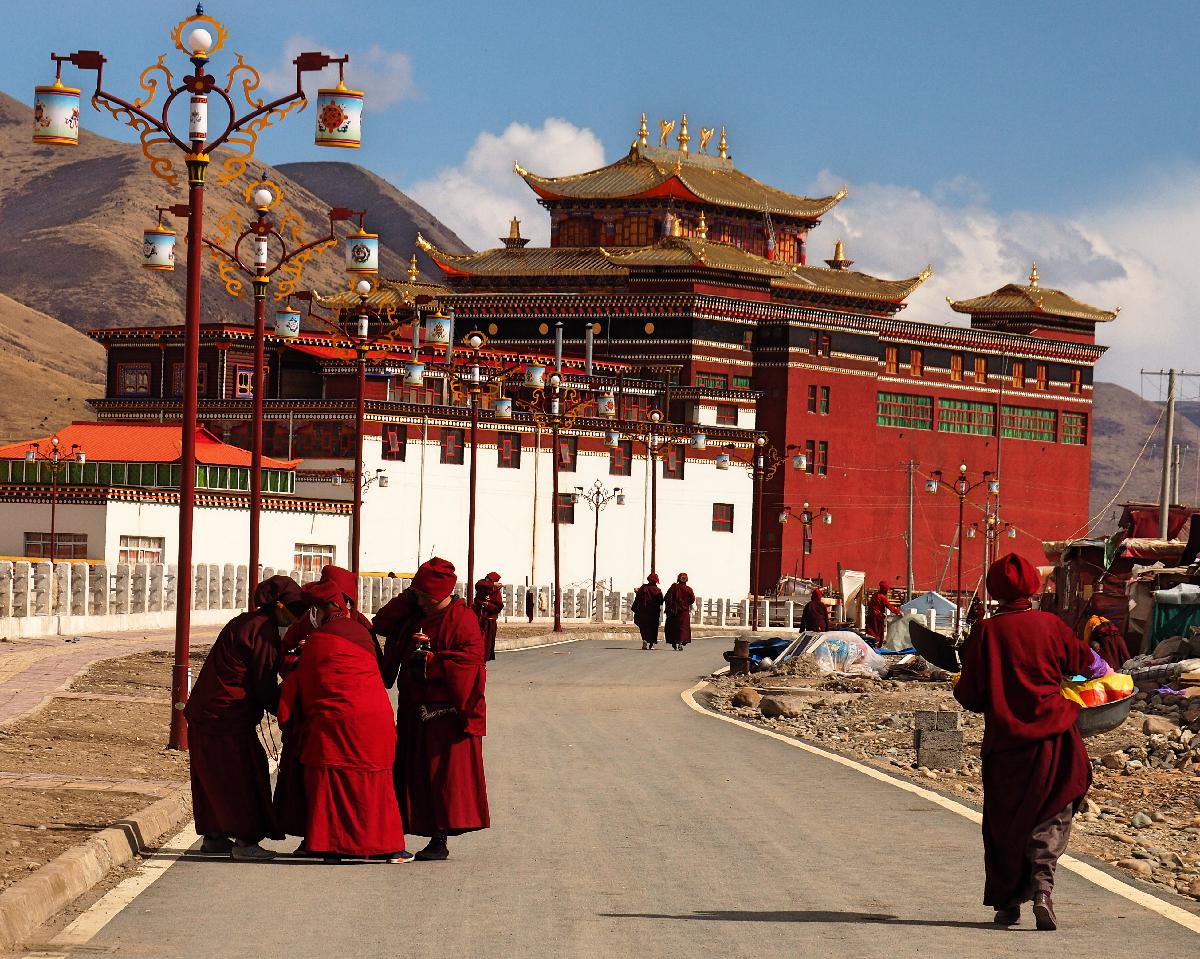
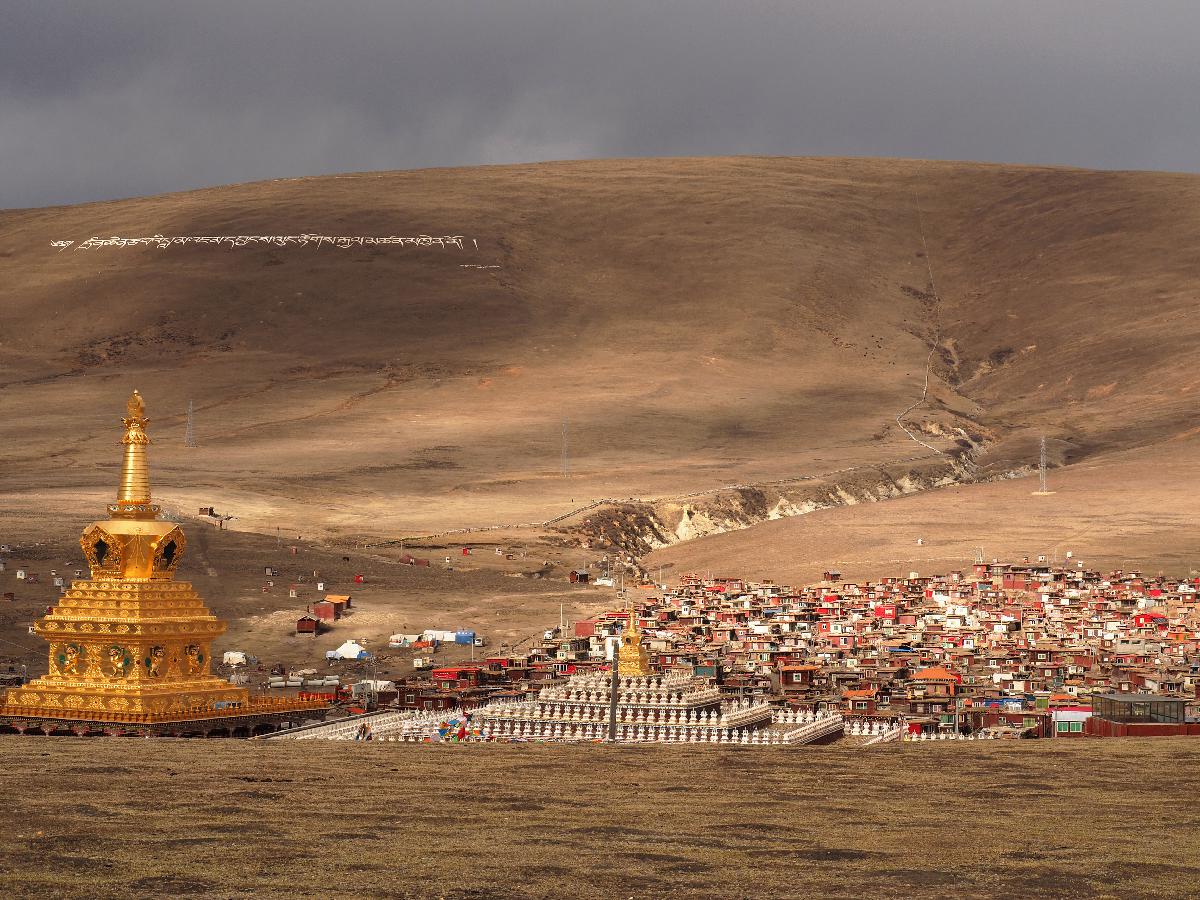
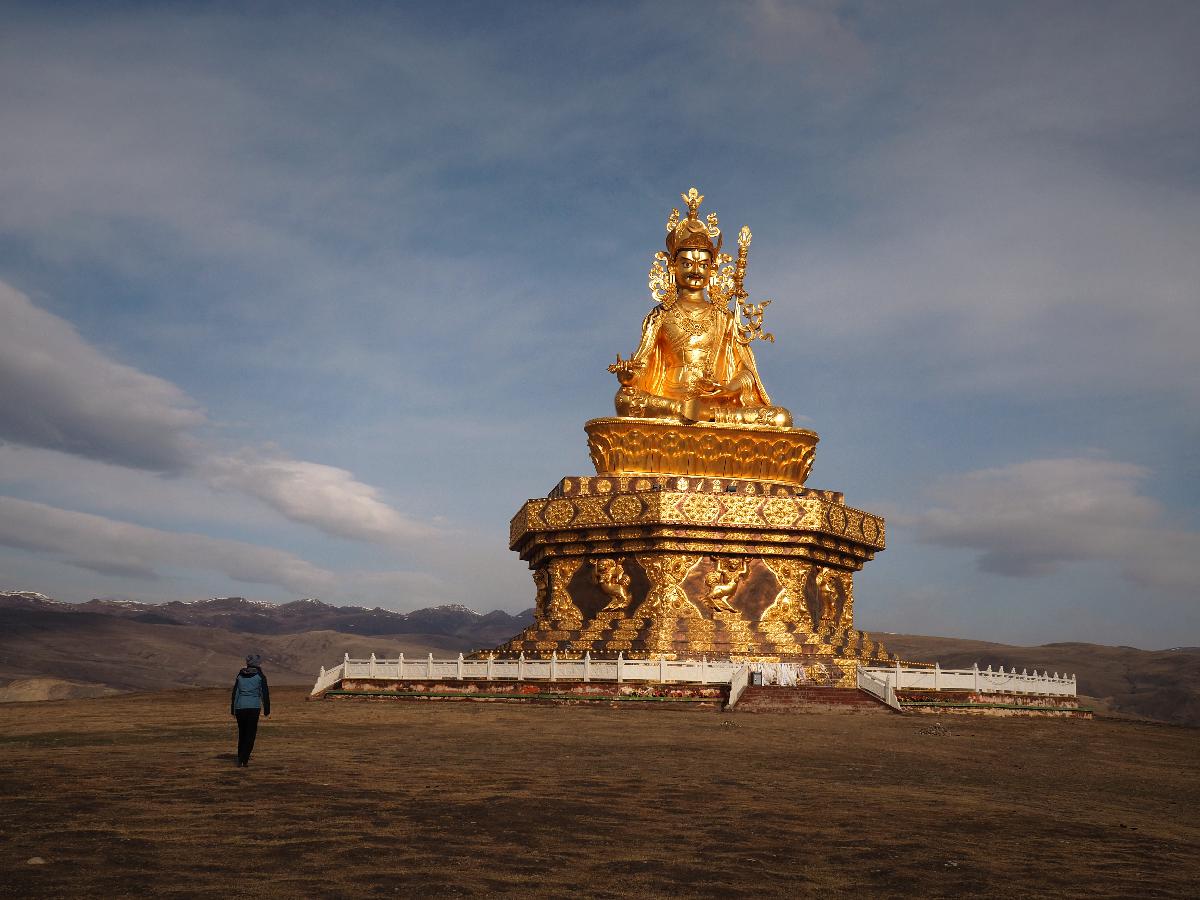
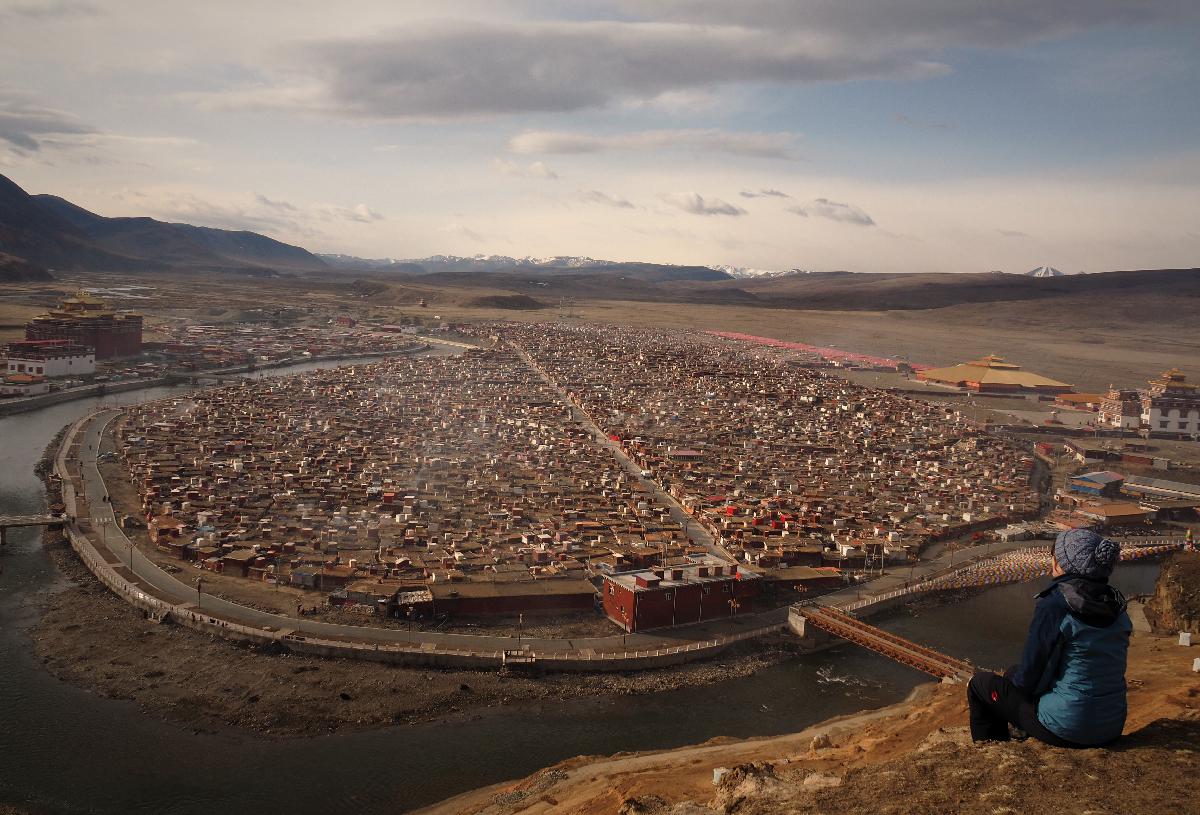
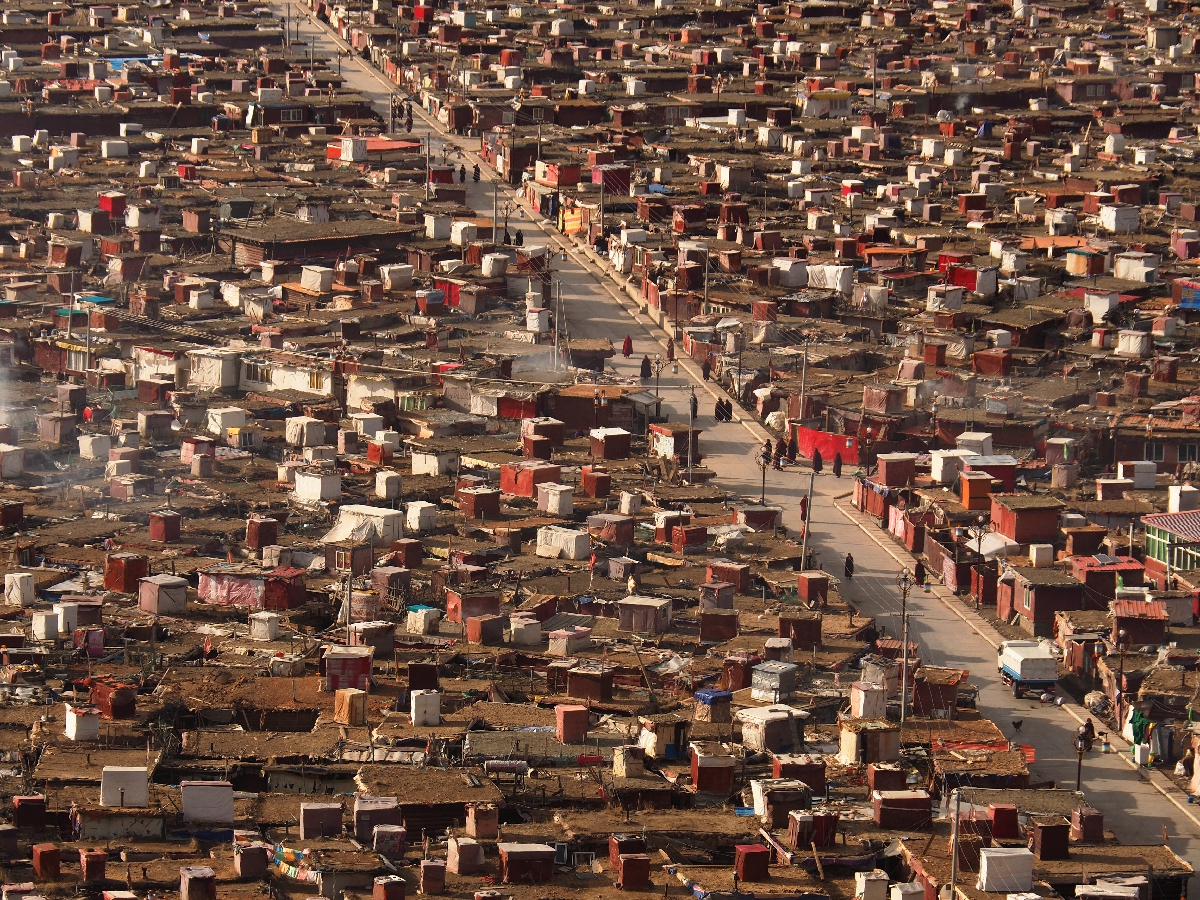
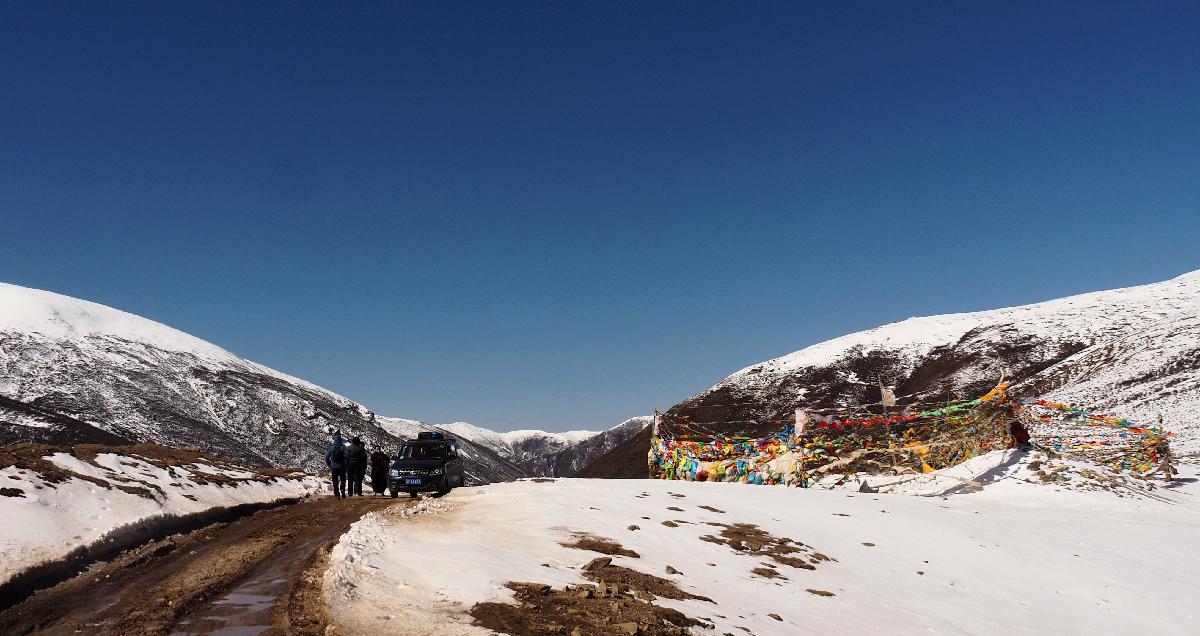
The busride to Yarchen Gar was epic. It was a bus filled with locals, including some monks and nuns and we rode over a 4800masl mountain pass covered in snow. About half way we stopped in a remote Tibetan village and helped to unload wooden panels, which had been tied to the roof of our bus back in Garze. The people in the village looked really wild and but beautiful. Again they were friendly and curious towards us. After another two hours on the bus we finally reached Yarchen Gar. You probably won’t find anything about this place in any guidebook. With a population of 10’000 it’s the second largest settlement of Buddhist nuns and monks in the world, the biggest being Larung Gar. Initially our plan was to visit Larung Gar, but on the way we had learned that foreigners aren’t allowed to go there anymore because the Chinese Government wants to reduce the population of currently 30’000 monks and nuns to 5000. They are tearing down buildings and don’t want foreigners to see this. The married Thai couple confirmed this information. Sadly, we had also heard rumors that the same will happen to Yarchen Gar soon.
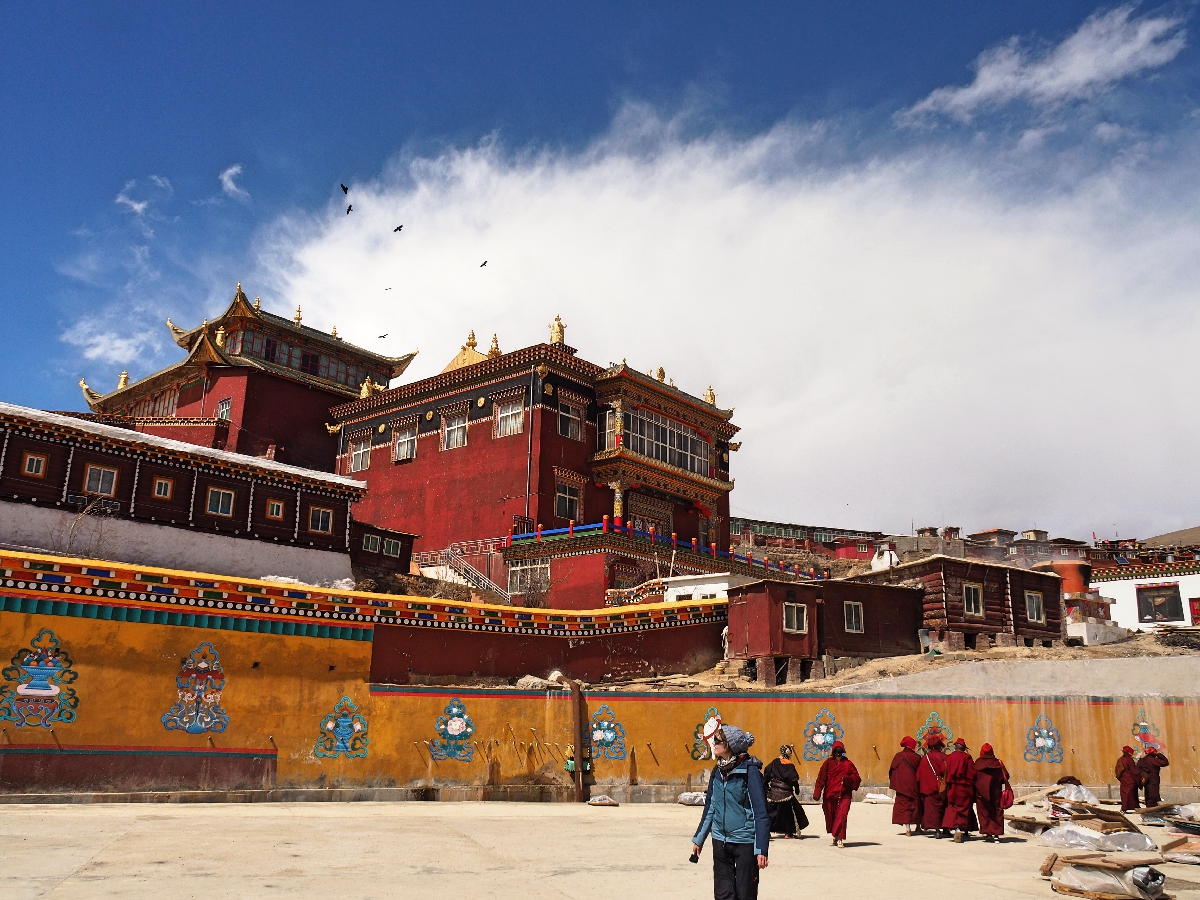
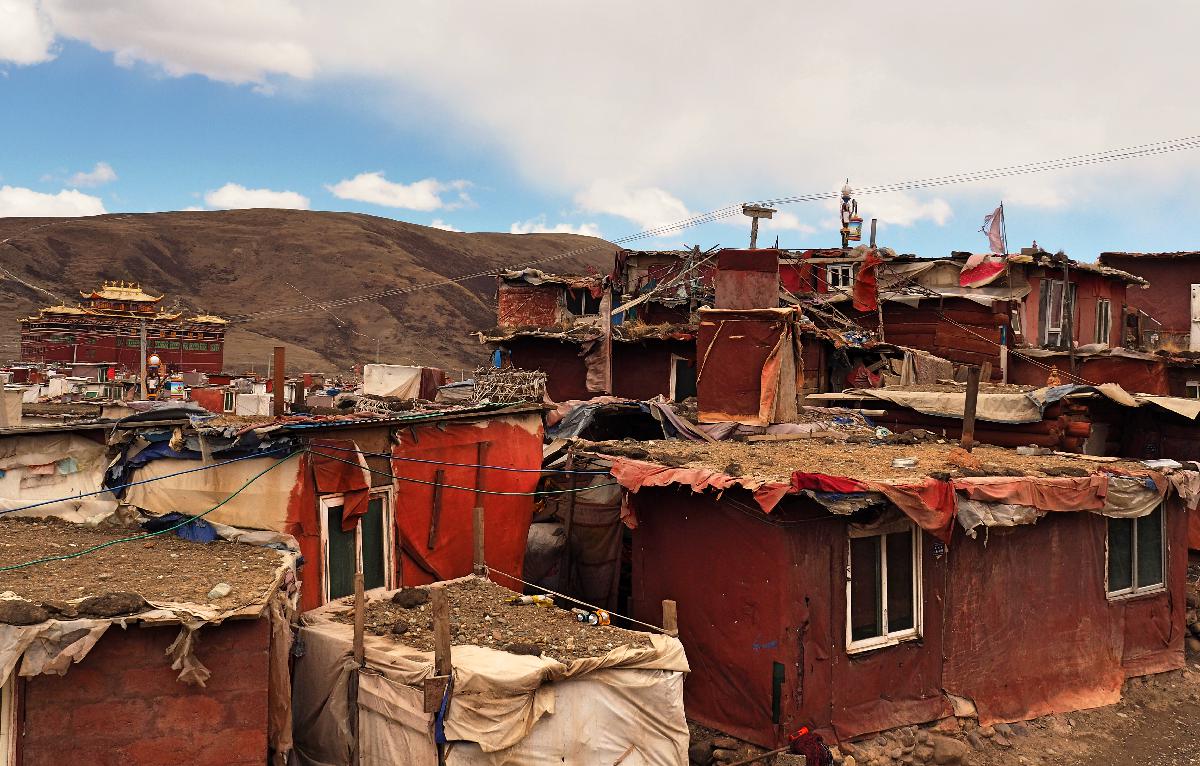
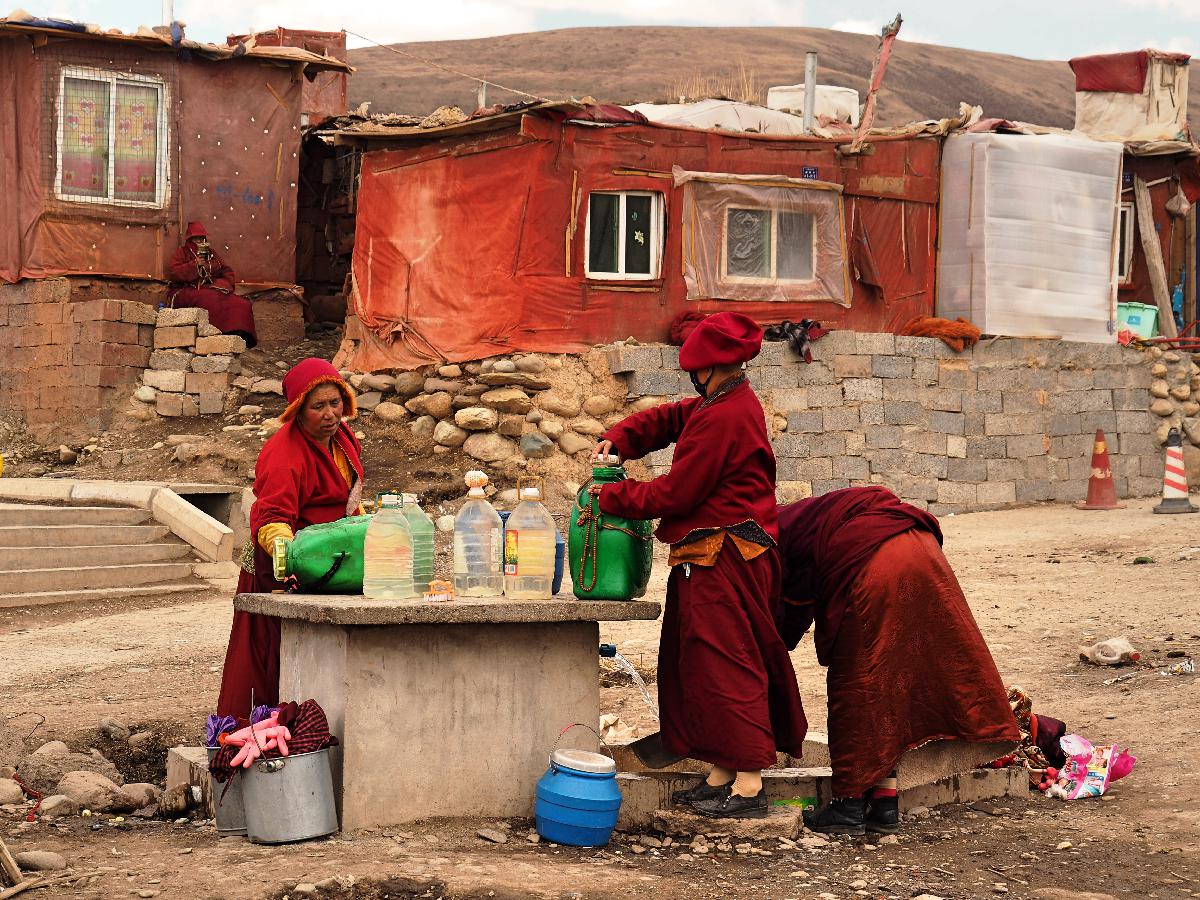
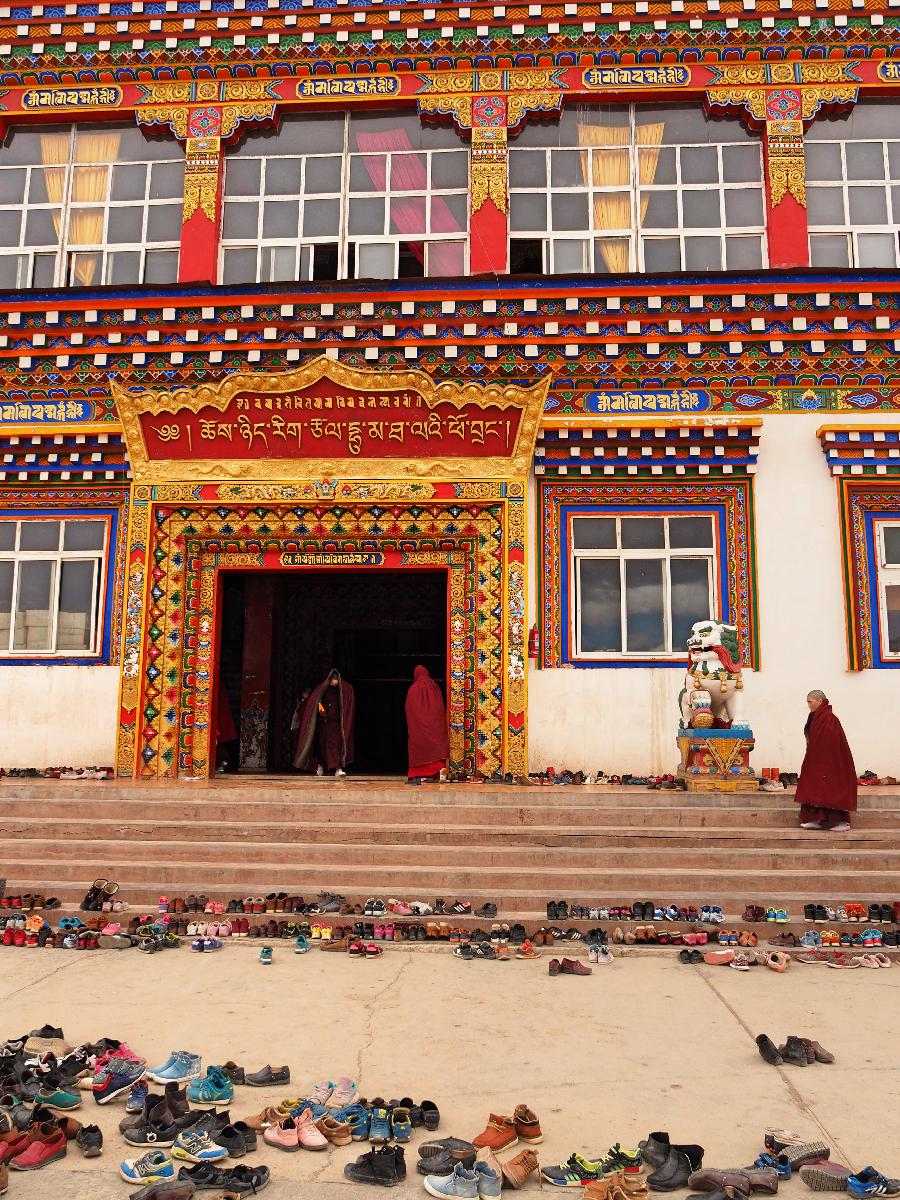
Yarchen Gar was established in the 1980s. It is a place that is difficult to grab with words. It can be described as a huge slum of nuns and monks – but probably the world’s most peaceful slum. We have never seen anything like this before and we almost couldn’t believe our eyes. There was also a “sky-burial” site on the premises, where they hold death ceremonies called “jhator” (a funeral ceremony in which the body is chopped into pieces and fed to wild vultures).
Yarchen Gar:
Our next destination was Pelyul (Baiyu). Because there wasn’t any public transportation available to this remote Tibetan town, we had to organize a private driver. He turned out to be a very nice, hearty guy. During the ride, we started talking together. When we mentioned, that the Dalai Lama had visited Switzerland by plane and that one of us had already seen him in Zurich, he couldn’t help but start crying. It was a very touching moment. He said that the Tibetans were very sad to be separated from their spiritual leader and that the Chinese were suppressing them. When we finally reached Pelyul, he even helped us to find a decent hotel and escorted us to our room.
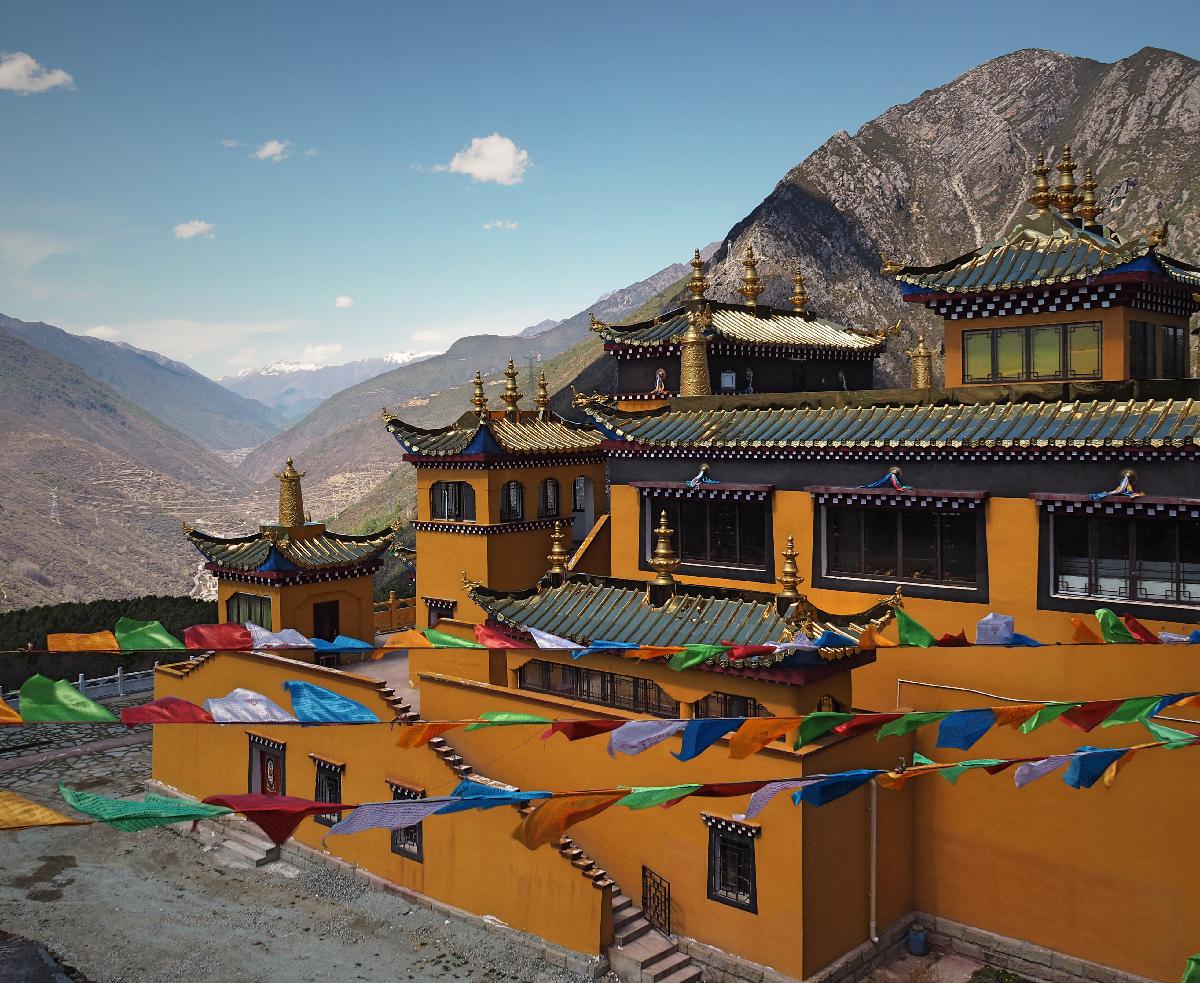
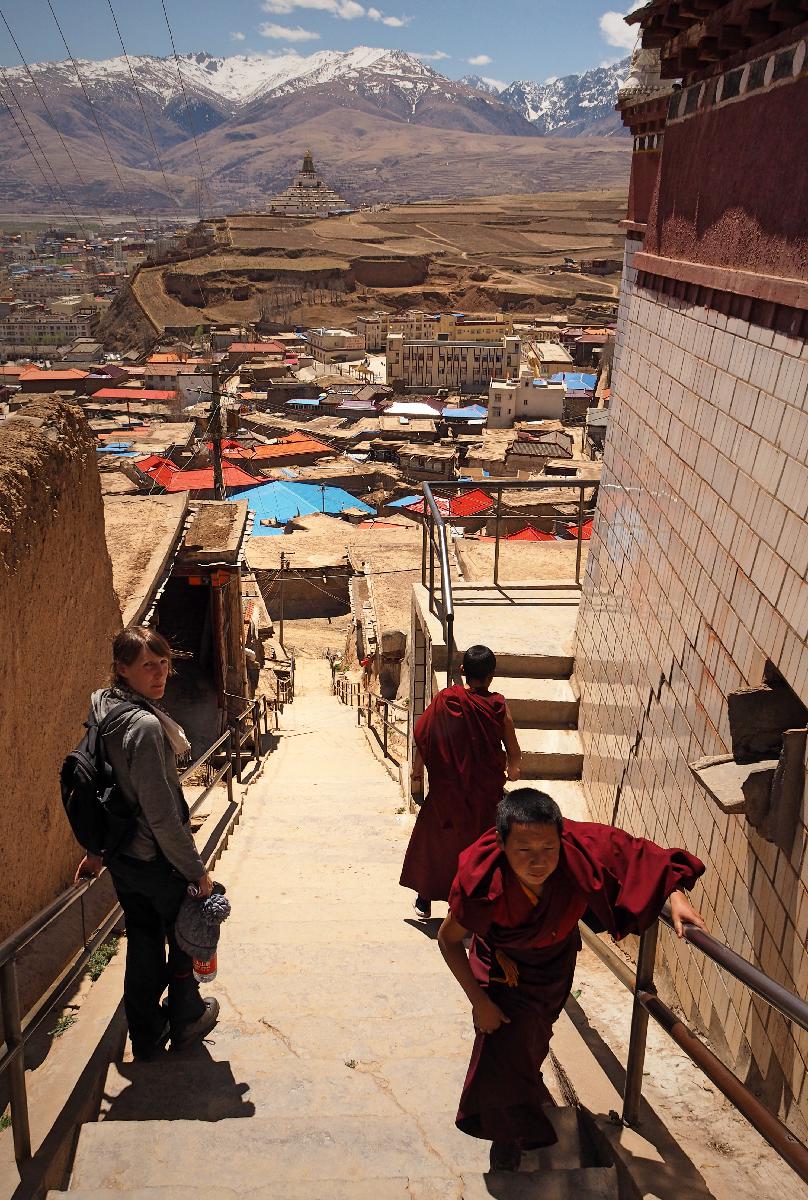
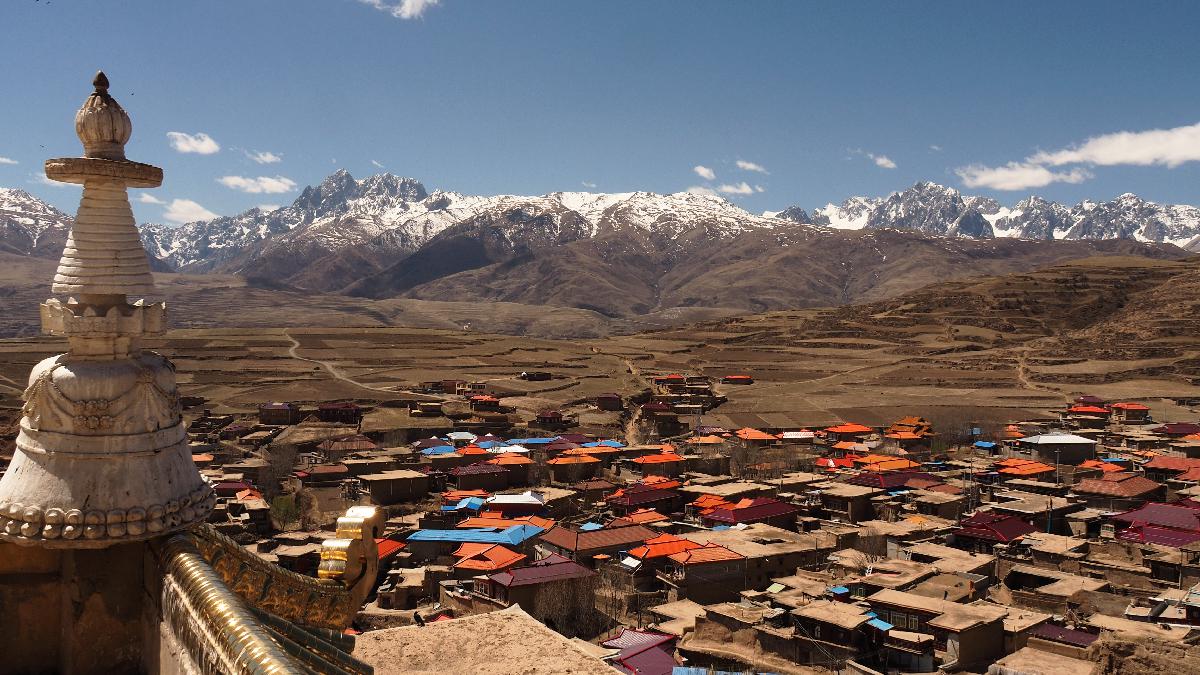
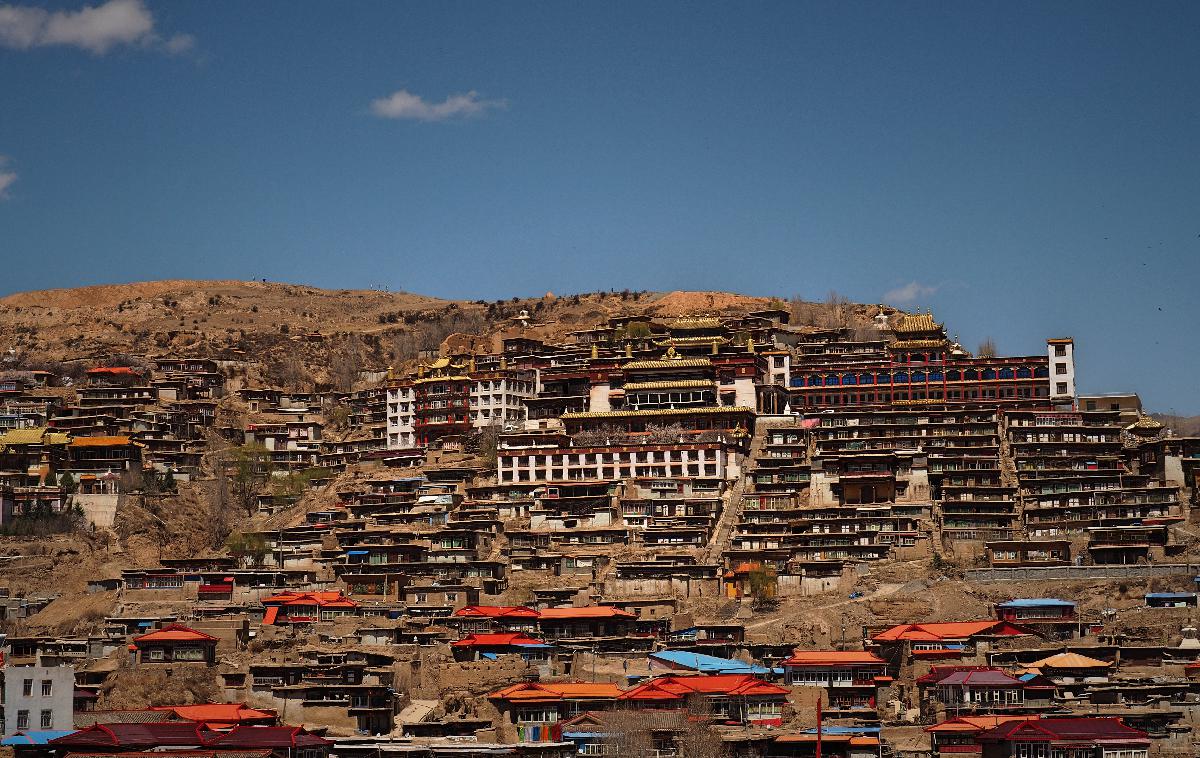
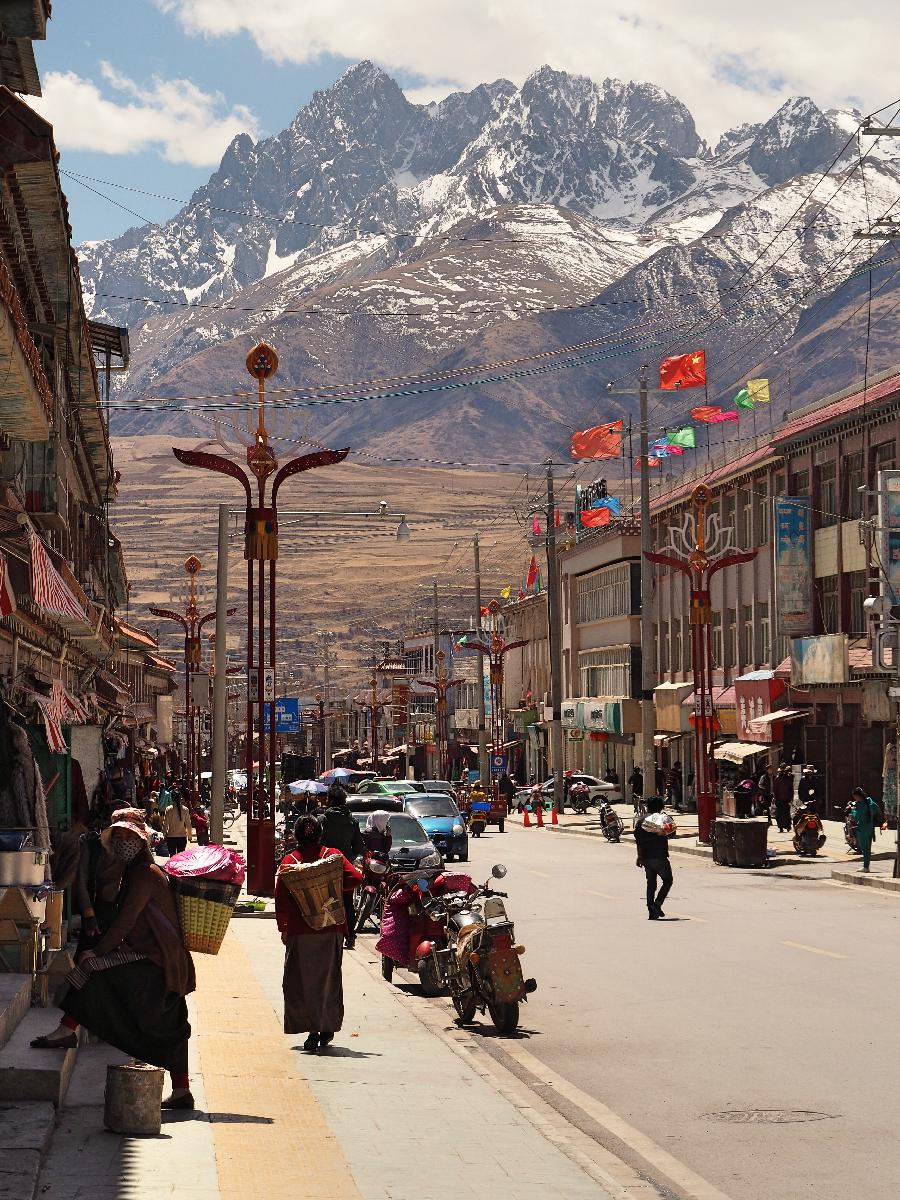
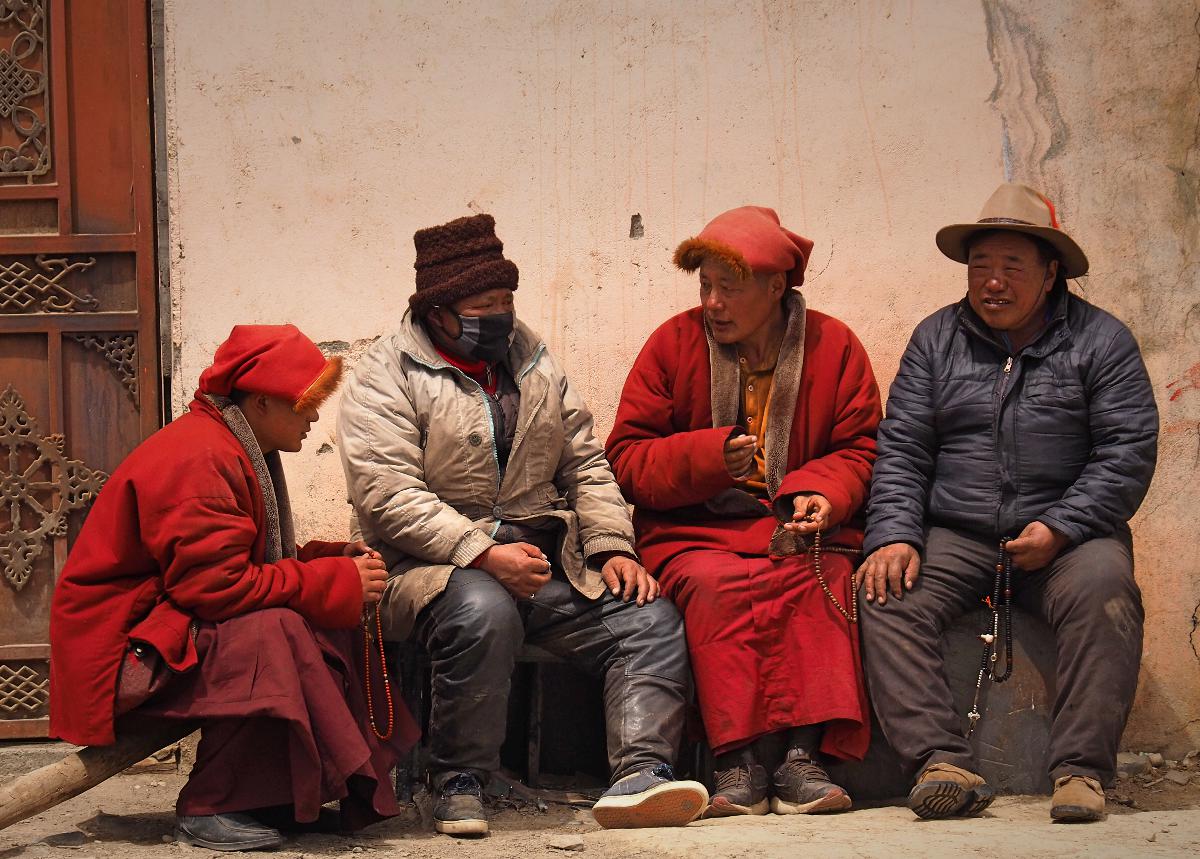
In Pelyul everybody was staring at us (they probably don’t see a lot of foreigners) but whenever we greeted the local Tibetans, they lighted up with joy and greeted us back friendly. We visited the Pelyul monastery. It dates back to the 17th century and is beautifully located on the hillside overlooking Pelyul and surrounded by a picturesque Tibetan old-town. On the top we enjoyed a nice view and on the way back down we had a little chat with some monks, who were all very eager to talk with us.
Pelyul:
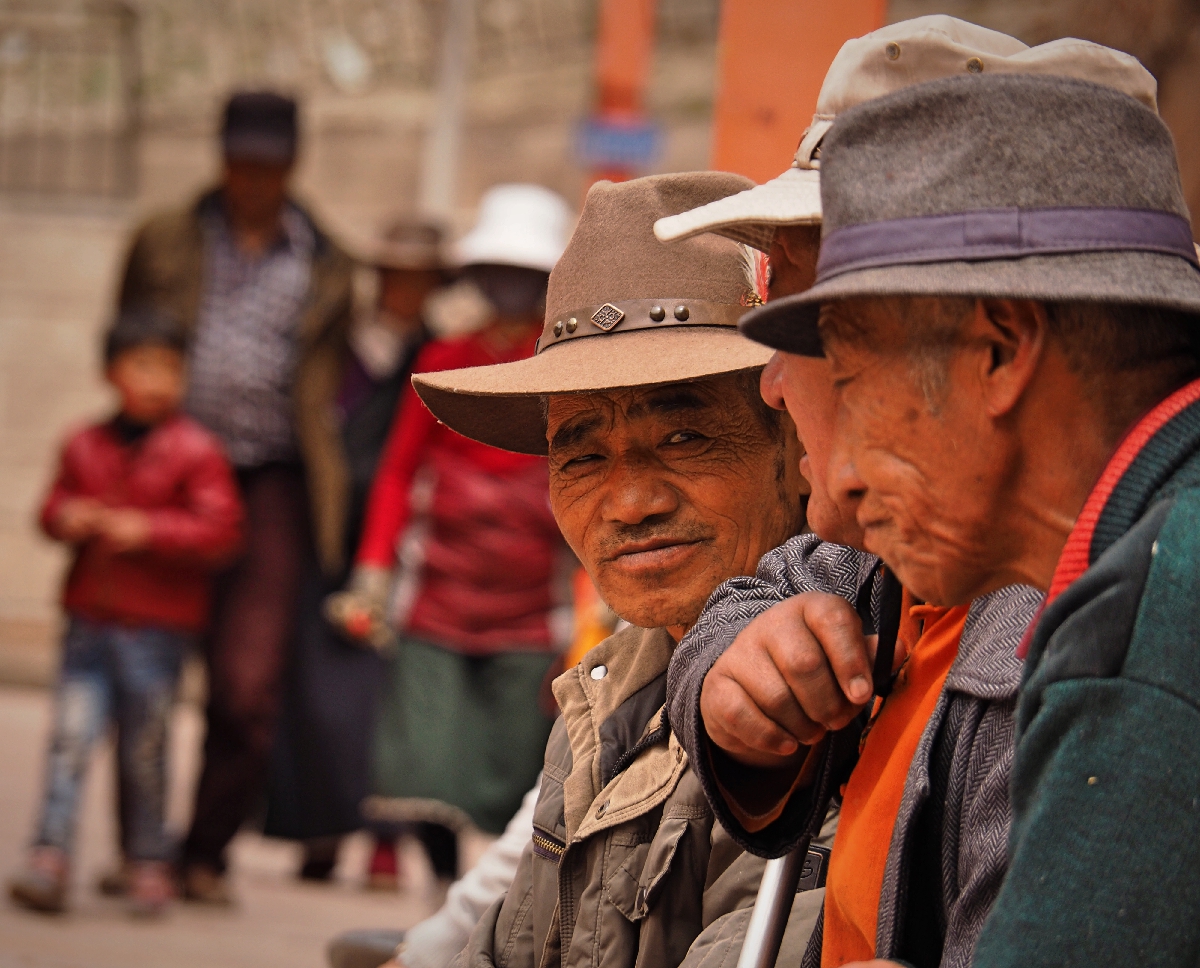
To reach our next destination, Derge (Dege), we also had to organize a private vehicle. The town of Derge itself wasn’t very pretty. But still, beautifully located in a valley, it is renowned all over Tibet for the Bakong Scripture Printing Press Monastery. This ongoing printing operation still uses traditional wood block printing methods and maintains more than 320’000 scripture plates, which represent 70% of Tibets’s literary heritage. It also holds the only surviving copy in the world that describes the history of Indian Buddhism. Of course, we had to pay this impressive building a visit. But the printers would only be back in business at 2pm. That’s why we decided to sit on one of the benches in front of the entrance and watch the local Tibetans doing their “koras” (a clockwise circulation in prayer of holy sites) around the monastery. Suddenly a little Tibetan girl came running to us and asked in very good English whether she could talk with us for a while. It turned out that she and her family had lived in Kathmandu for some years (probably as refugees) and there she had acquired her English skills. It was a very pleasant little chat with this cute girl. She only left us, because school was starting again. This was also the time when the printing monastery opened its doors again. In the monastery, it was very impressive to observe the dozens of printers execute this old handicraft all by hand and to witness how fast it is accomplished by them. They produce more than 2500 prints each day.
Derge:
Again with a private vehicle, and cramped into a minivan with a total of nine people, we left Derge the following day to get to Jyekundo (Yushu). Though uncomfortable, it was a spectacular 10 hour journey over the Tibetan plateau. We rode over a total of four mountain passes over 4200masl and one of them, the Cho La Pass, was even at an altitude of 5050masl! To get over the Cho La Pass, the driver had to take a very bumpy dirt road. It reminded us of the old times, back in Nepal, when roads like this were part of daily life. Halfway, we had a lunch break in Manigango, where we saw wild-looking Tibetan Nomads riding through town on their iron horses.
On the way to Jyekundo:
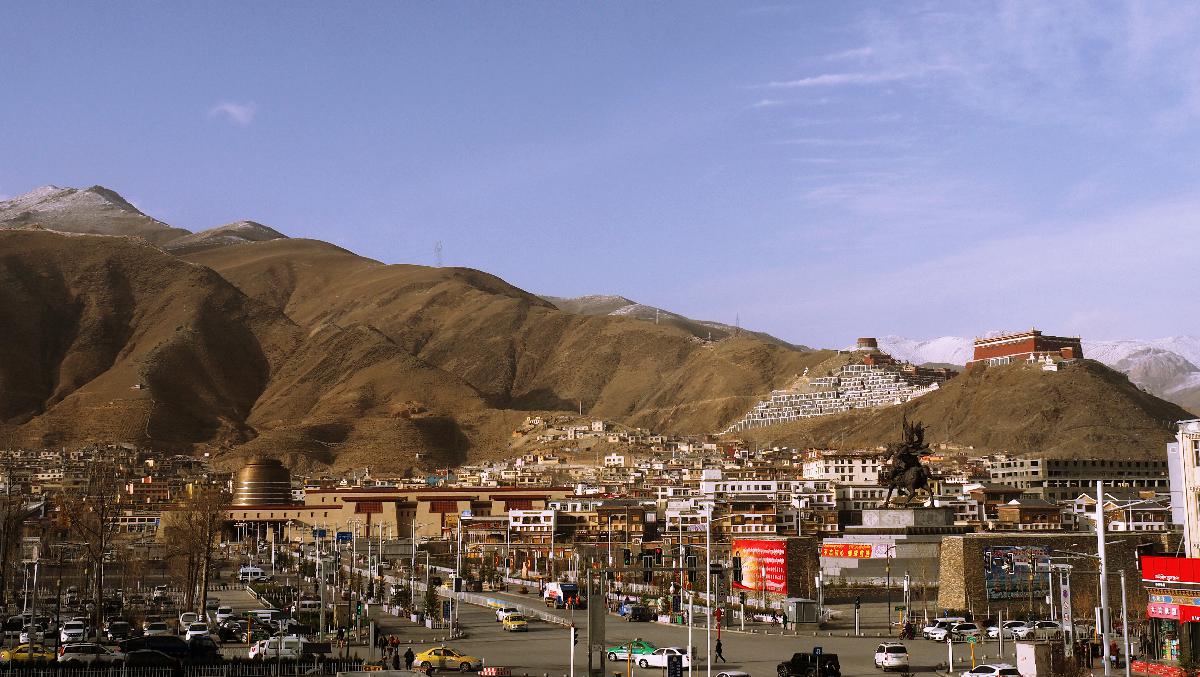
We reached Jyekundo in the evening and wandered through the city, looking for a hotel. We must have made a lost impression, as suddenly a Tibetan guy and his Malaysian wife greeted us in proper English and offered to escort us to a nice hotel. We gladly accepted their offer and were once again struck by the kindness and helpfulness of these beautiful Tibetan people. One night there was a lot of noise coming from the room next to us and we had a very hard time sleeping. The following day we were suprised when we realized that this room was filled with Tibetan monks. The next evening we asked them kindly if they could please keep it down a bit. They all smiled and bowed to us, one even said that they were sorry and another one just came dripping wet out of the shower to see what was going on and said: “what are you doing here, welcome to Tibet”.
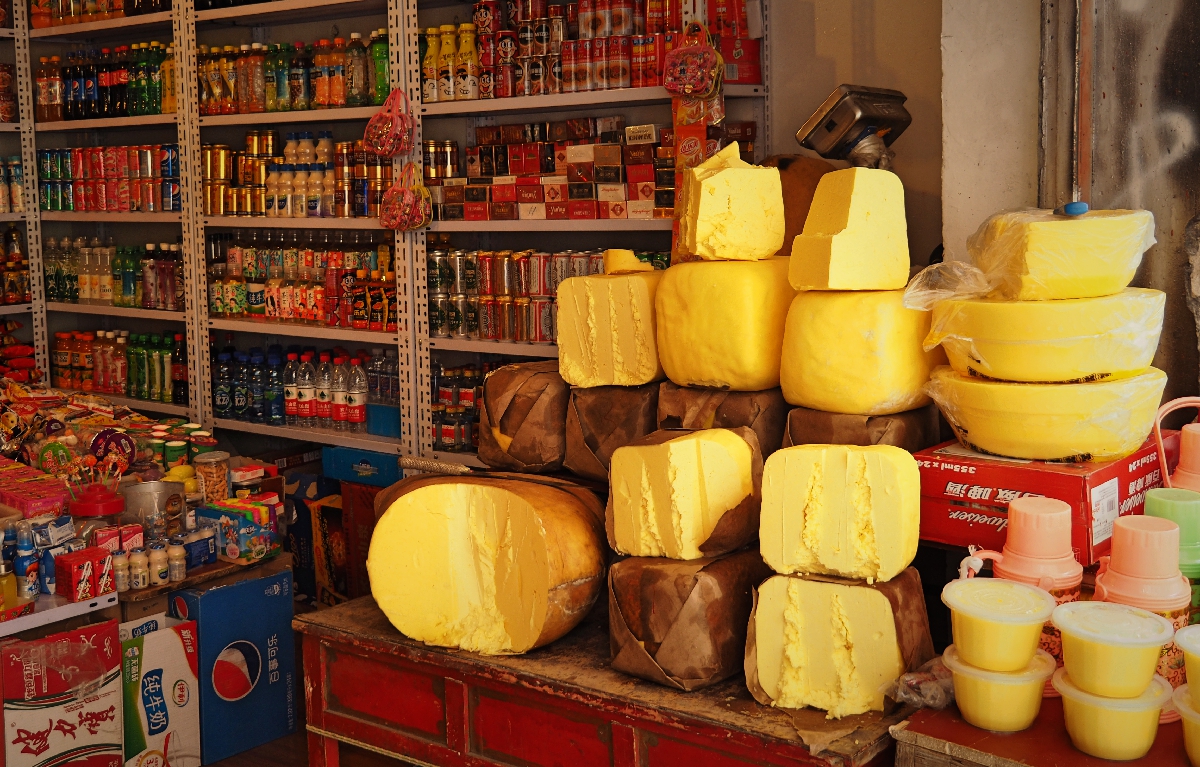
As a little souvenir we bought two authentic, but new “dzi”-stones. The ancient ones are unaffordable and are considered to be among the most precious things you can by in Tibet. Strangely enough, nobody knows where they are coming from and how they are craftet – it’s a big myth. The Tibetans value them for their spiritual and protective powers and also the Chinese are crazy about them, although they buy mostly fake ones. It so happened that the Tibetan guy and his Malaysian wife were also dealing with those stones, so they offered to show us around and help us with the purchase. We started on a local market, where people would sell the stones right off their necklaces. Whenever we showed interest in a stone, a huge group of people gathered around us to see what was going on. However, they never got pushy or impolite. Tibetans are very pleasant business people. Finally, in a small shop, we found two stones, which couldn’t be bought separately as their spiritual powers only work when they stay together – which sounded prefect for us 😉
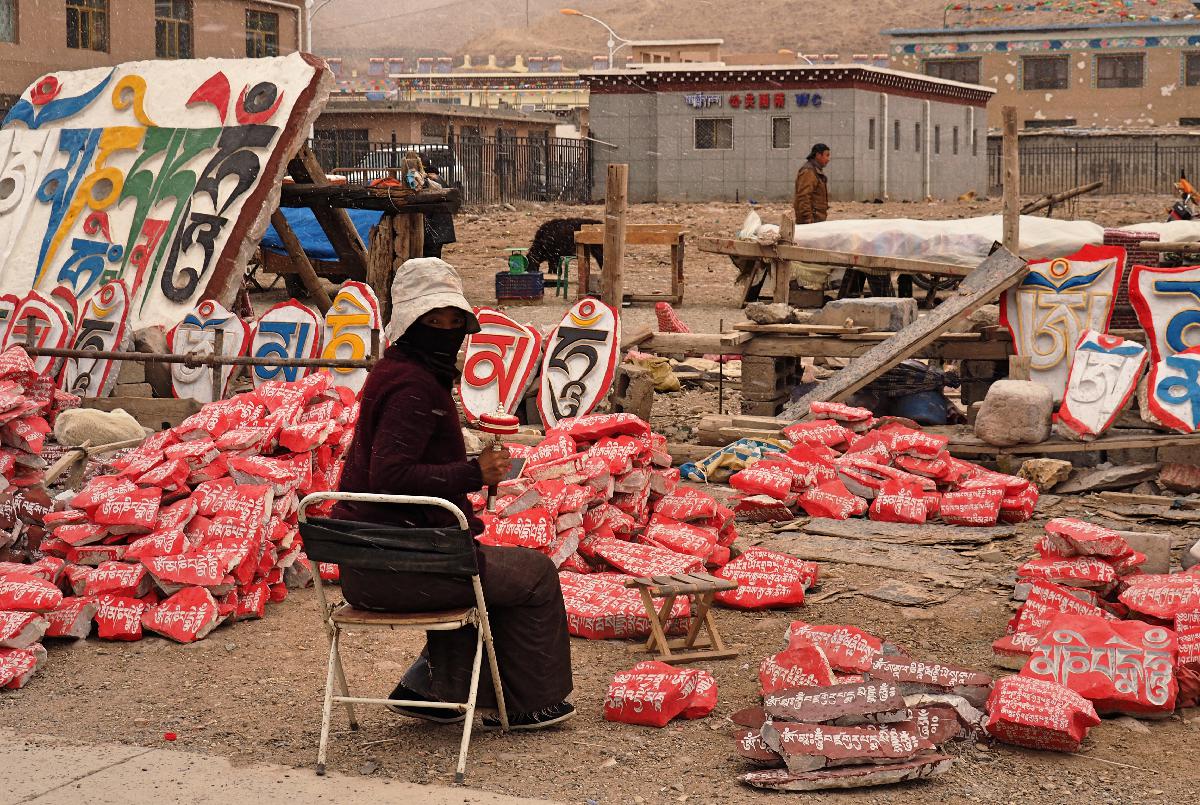
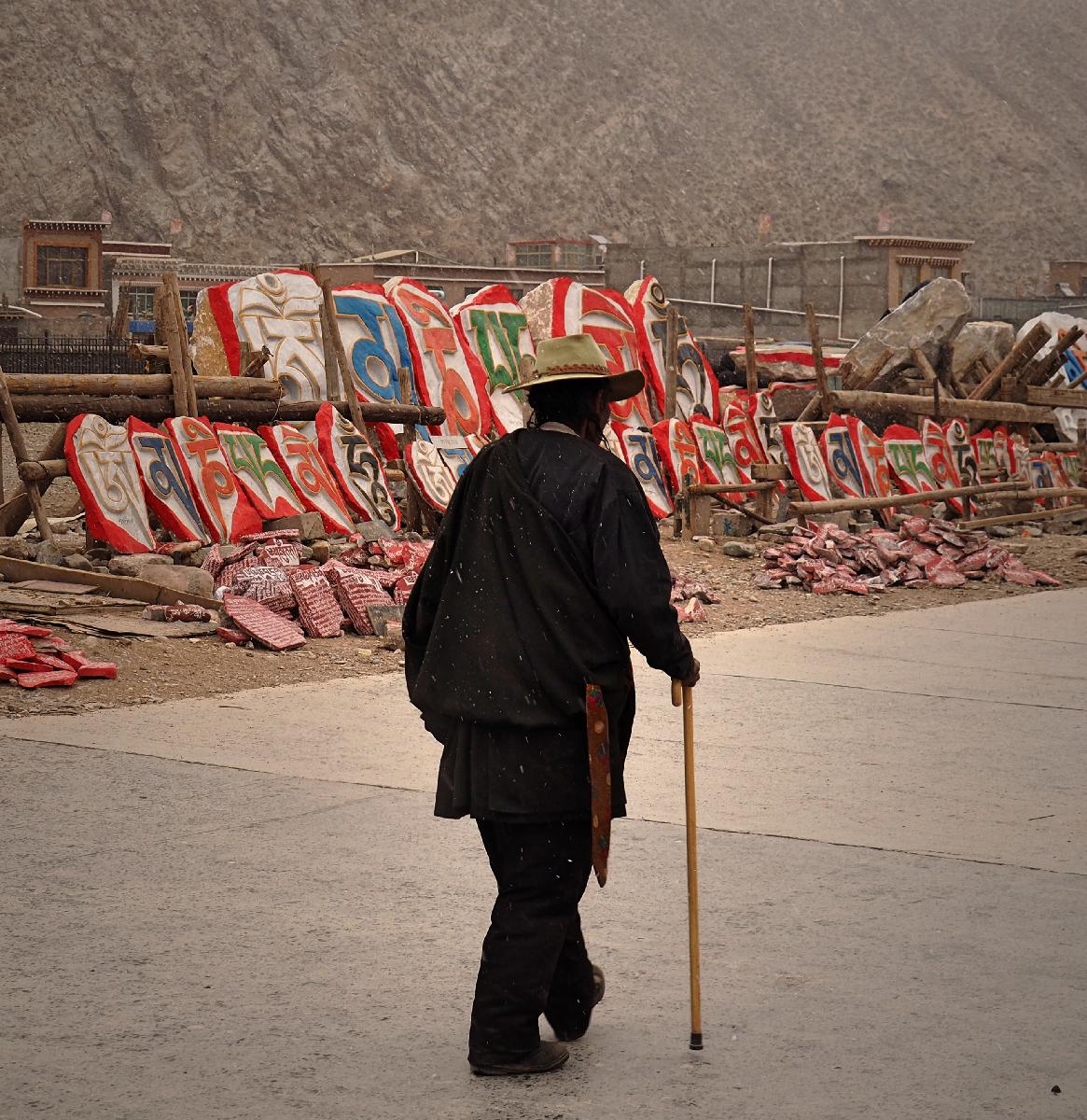
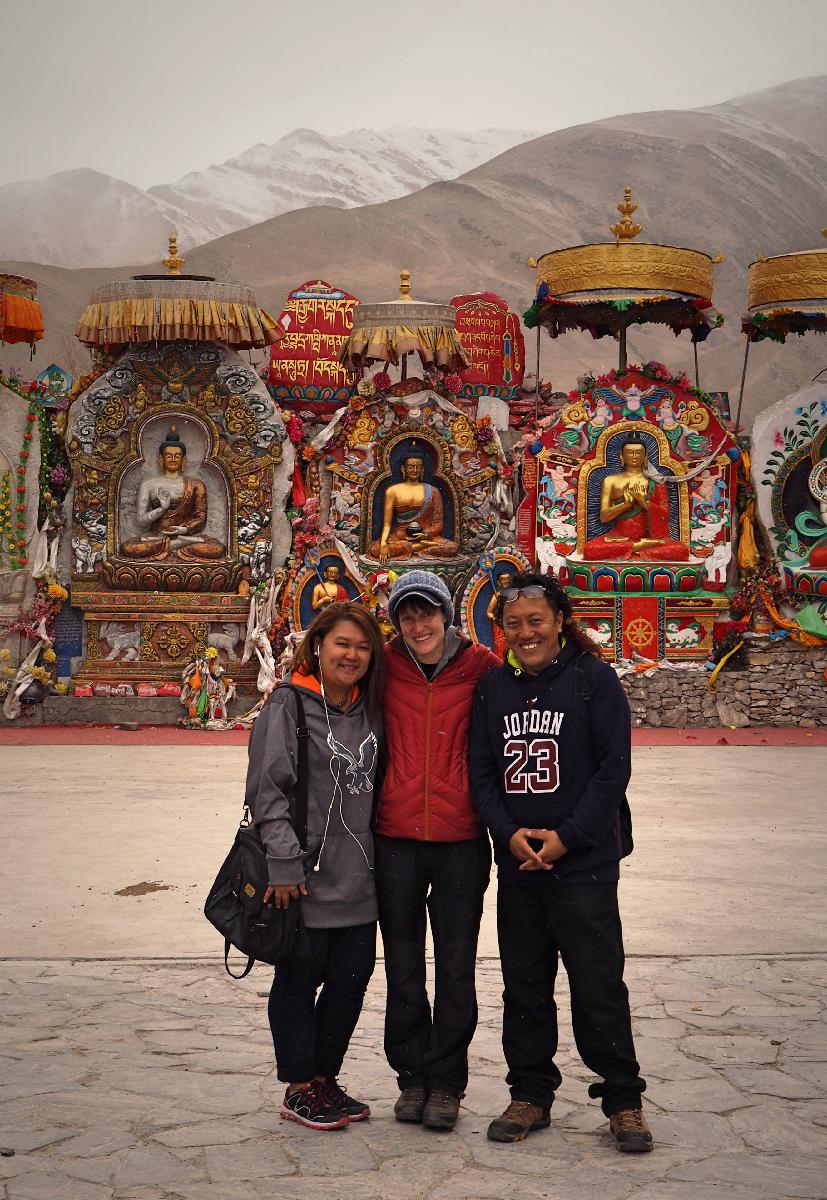
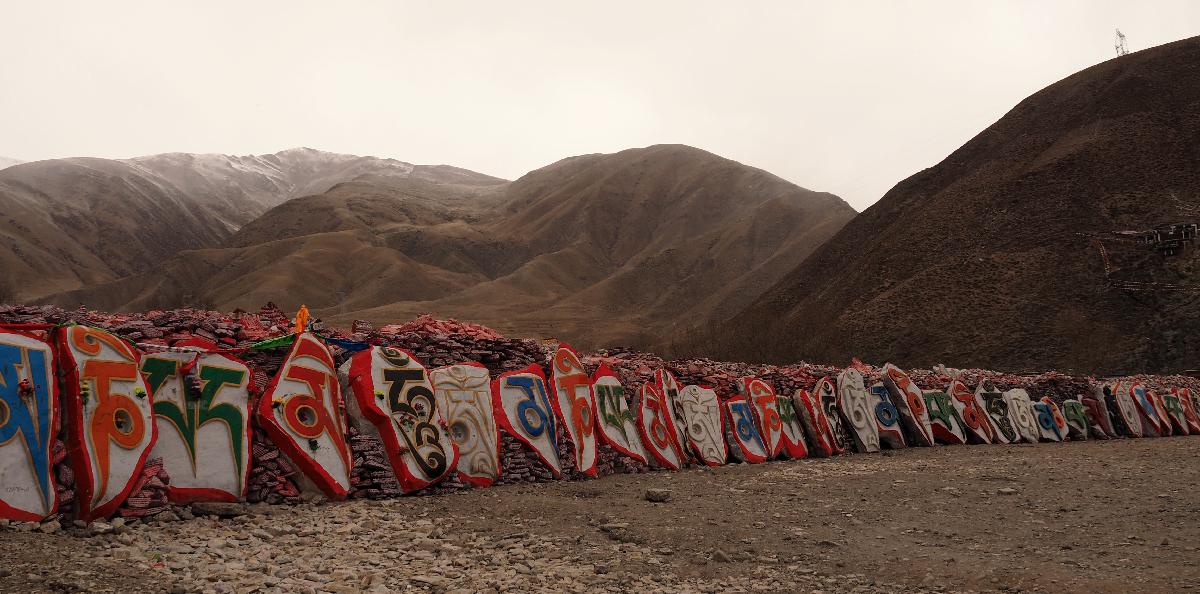
Together with the Tibetan guy and his Malaysian wife we also visited the Seng-Ze Gyanak Mani Wall, a collection of an estimated 2.5 billion carved mantra stones. Although it was cold and snowing, it was still an impressive sight.
There aren’t many foreigners visiting Jyekundo and that’s why the Tibetan people of Jyekundo were just amazing, always curious, honest, friendly and joyfully open towards us. We really enjoyed our 3 days in this hidden town unknown to foreigners.
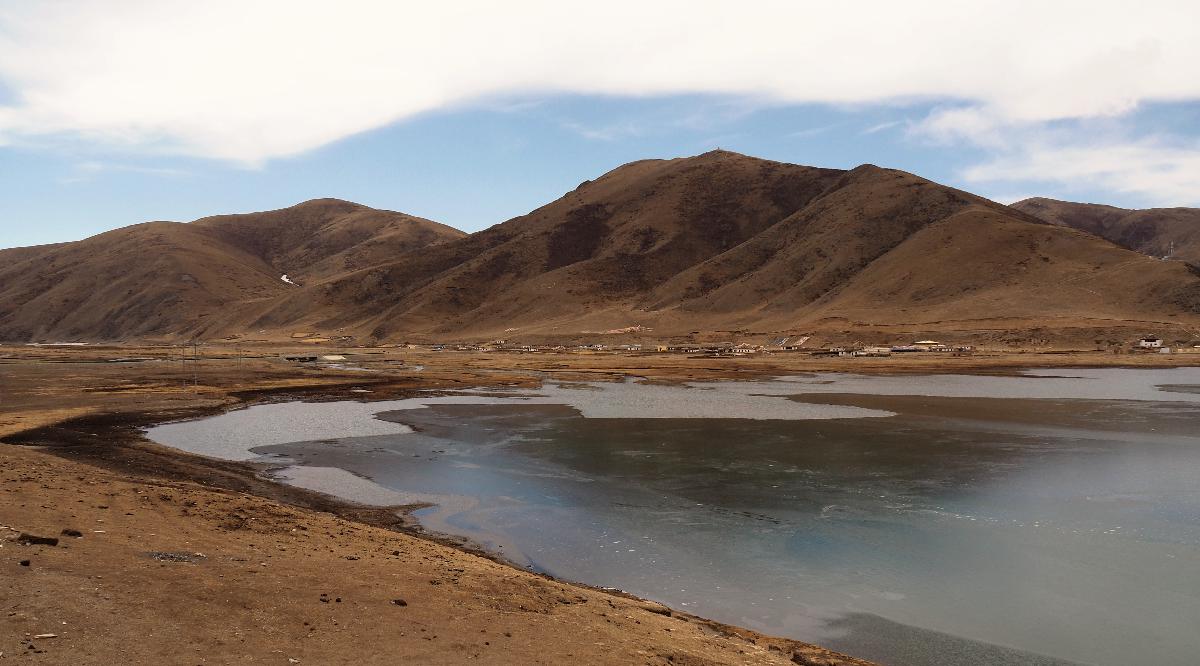
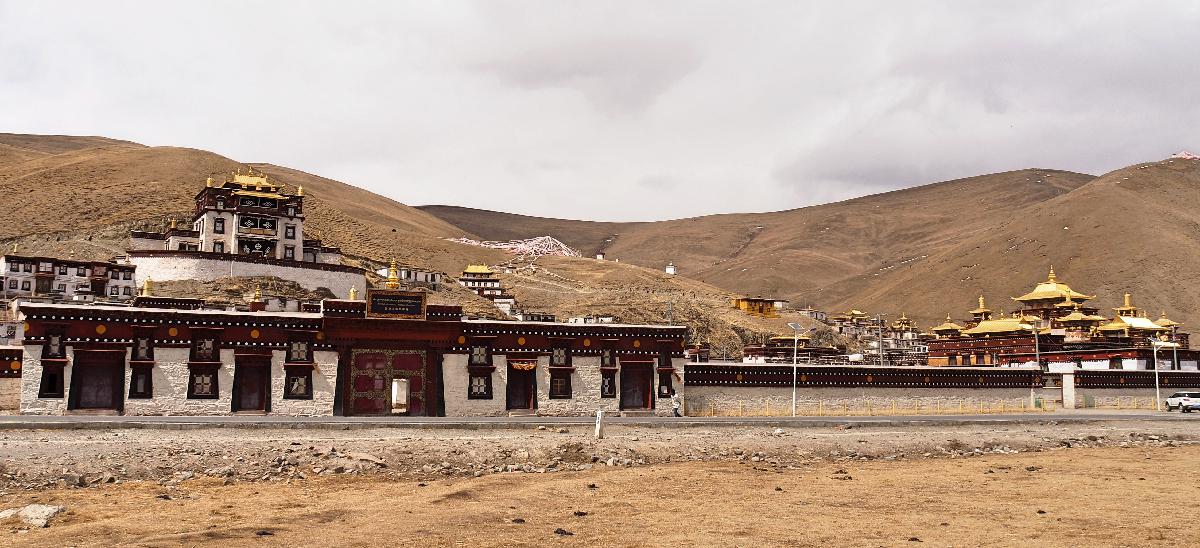
Jyekundo:
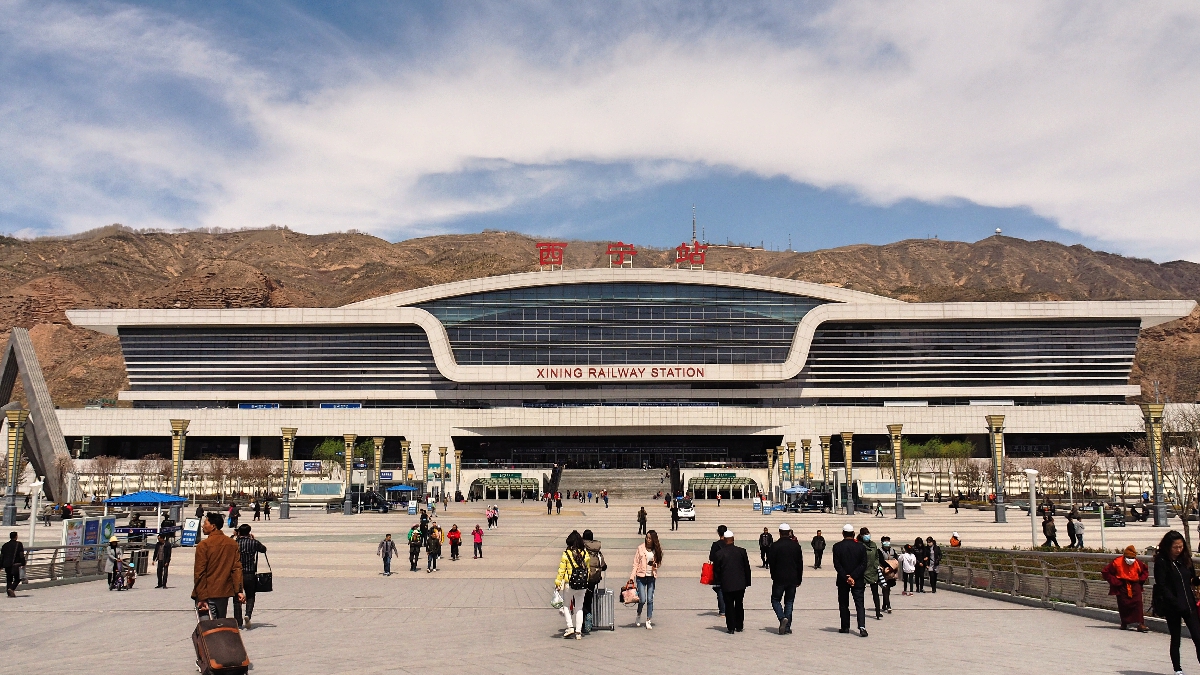
From Jyekundo we took a 12h busride through a desertlike landscape above 4000masl to Xining. Again on the way we crossed a 4830masl and a 4620masl mountain-pass. Xining was a pleasant but not too beautiful big city. We did our laundry, cleaned our gear and waited for our Tibet Travel Permit in order to board the train from Xining to Lhasa.
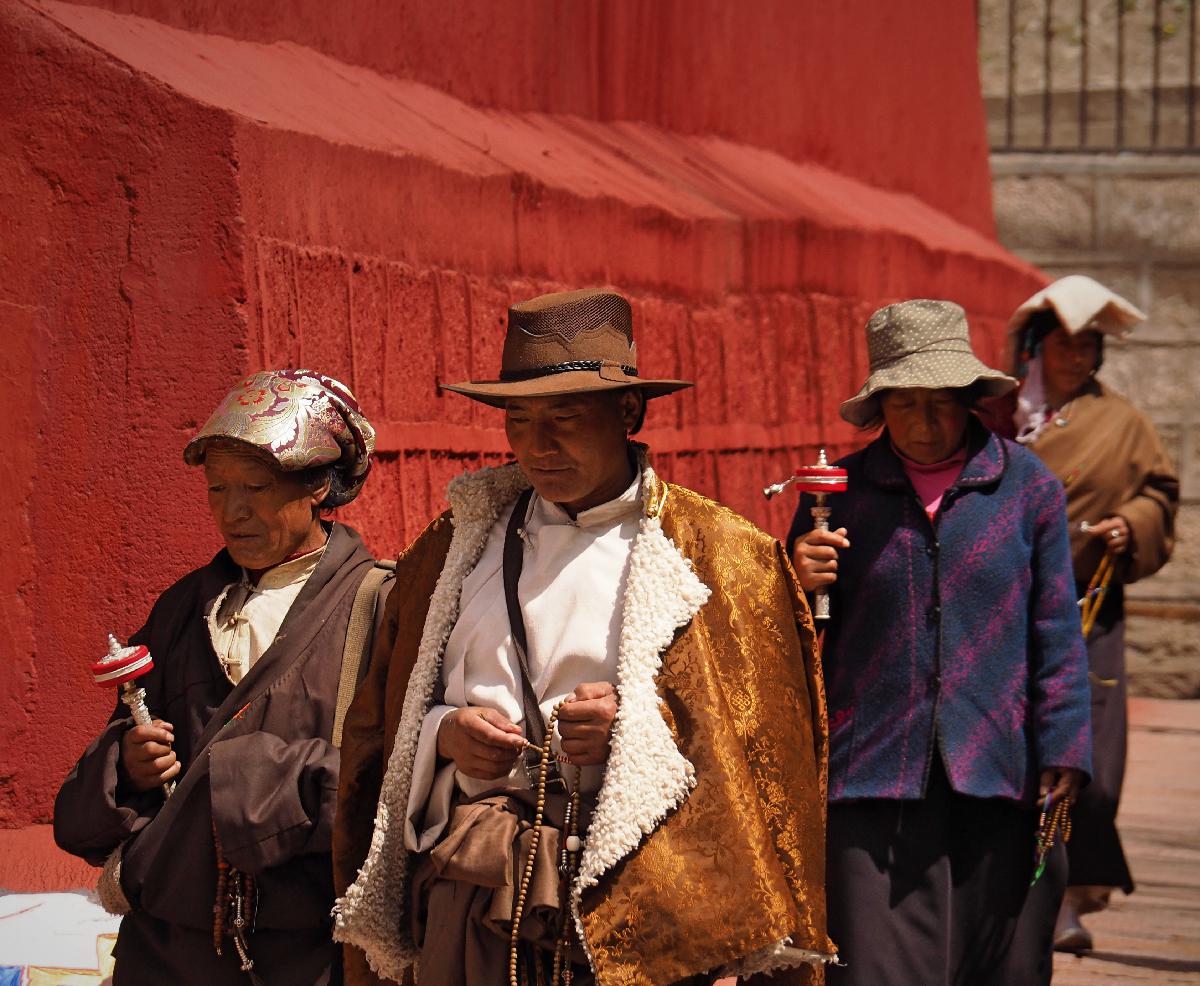
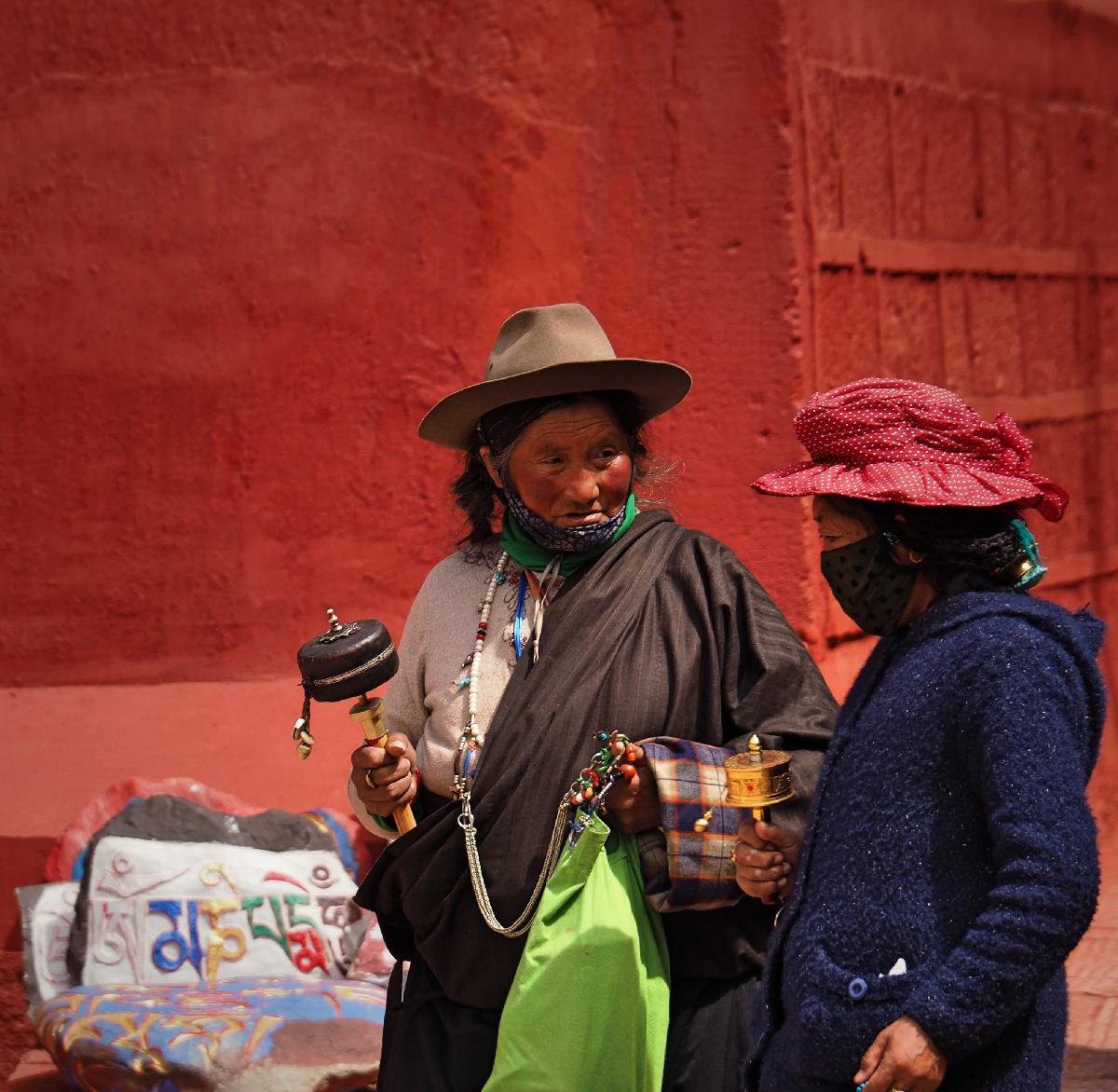
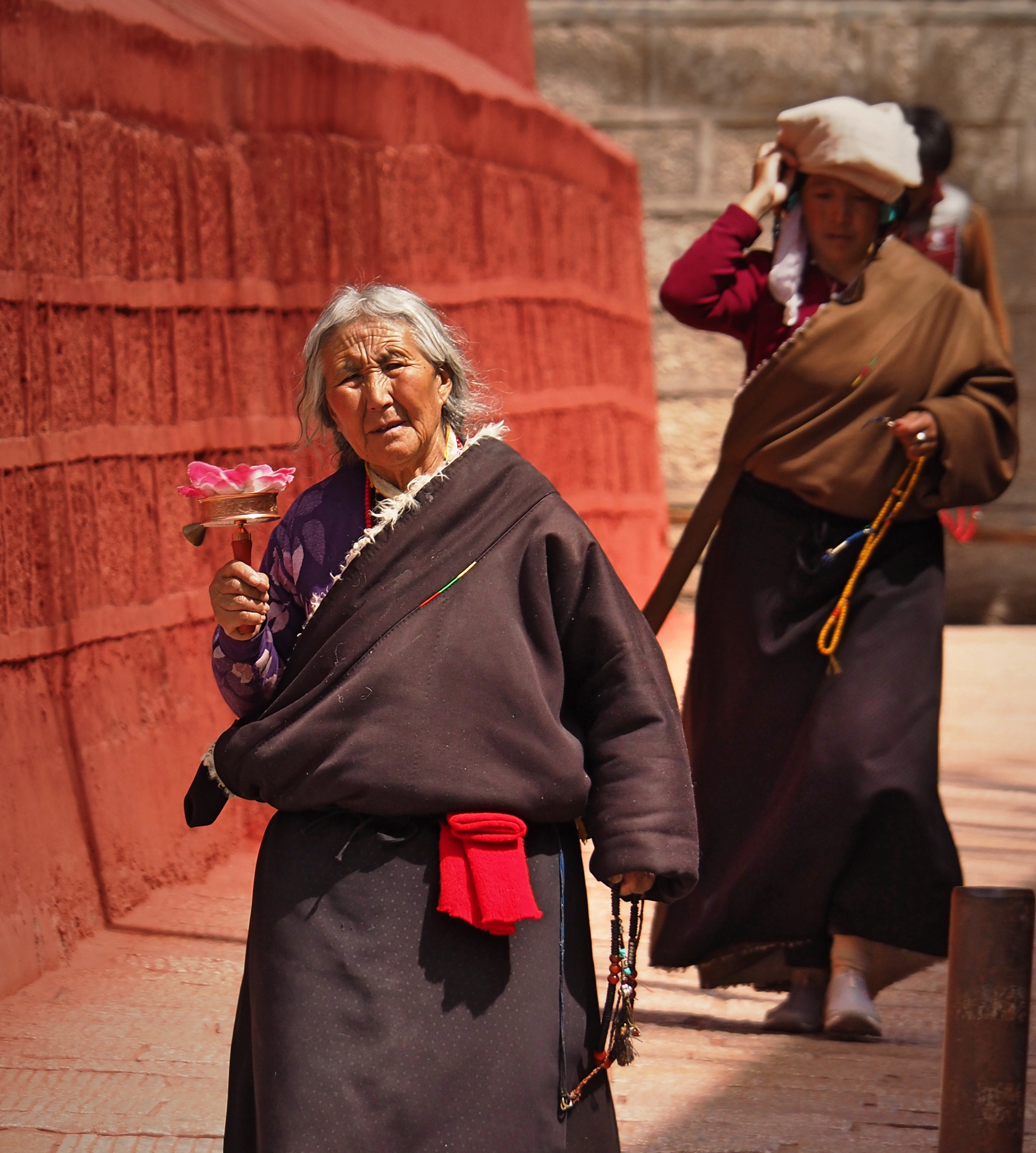
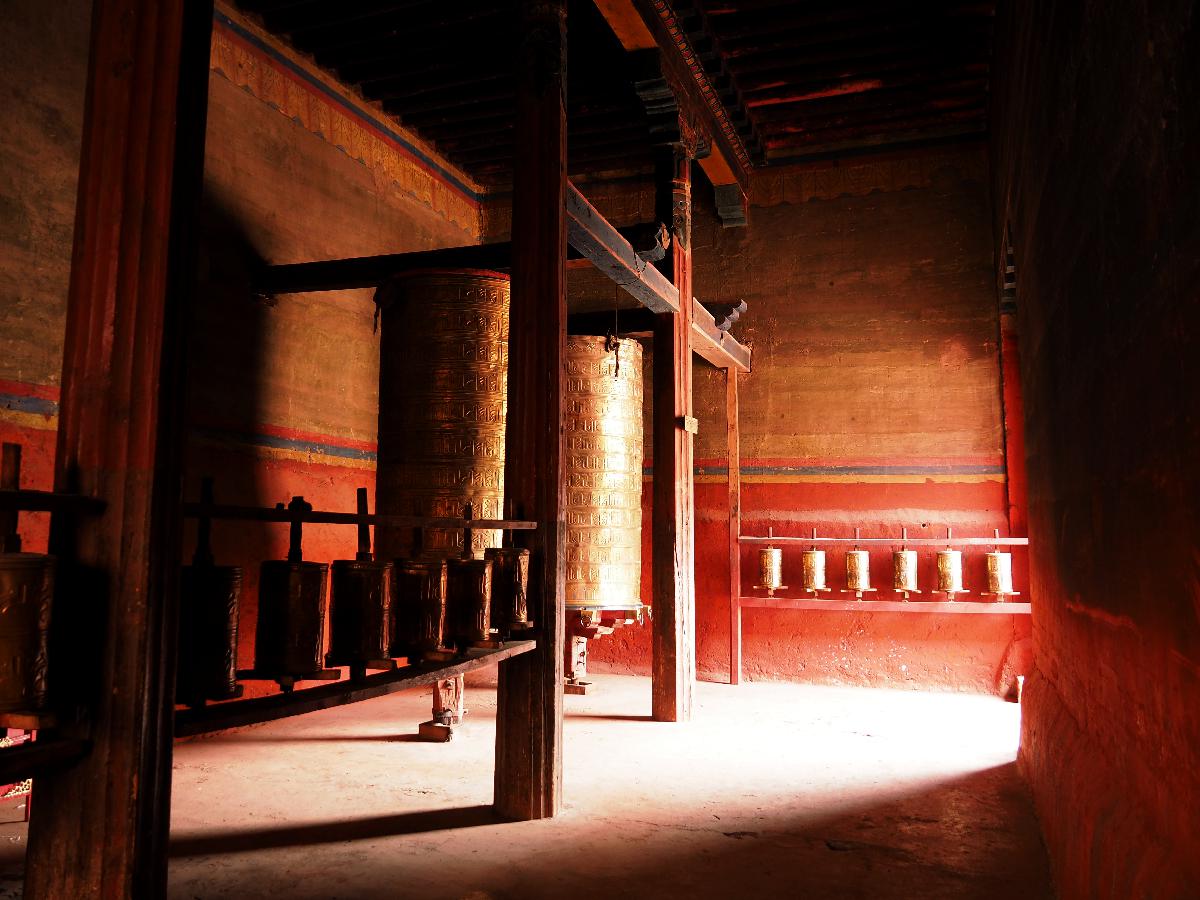
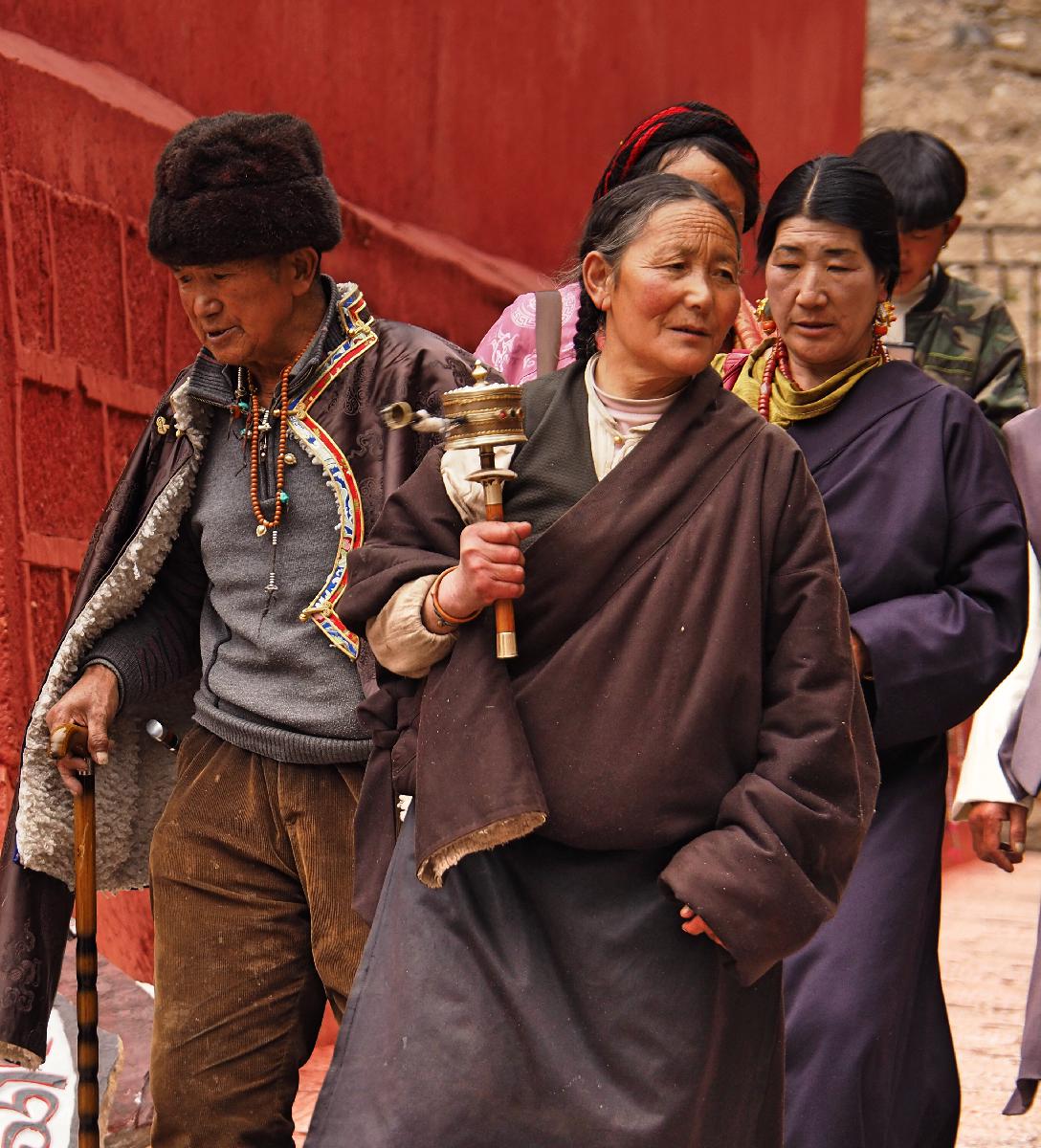
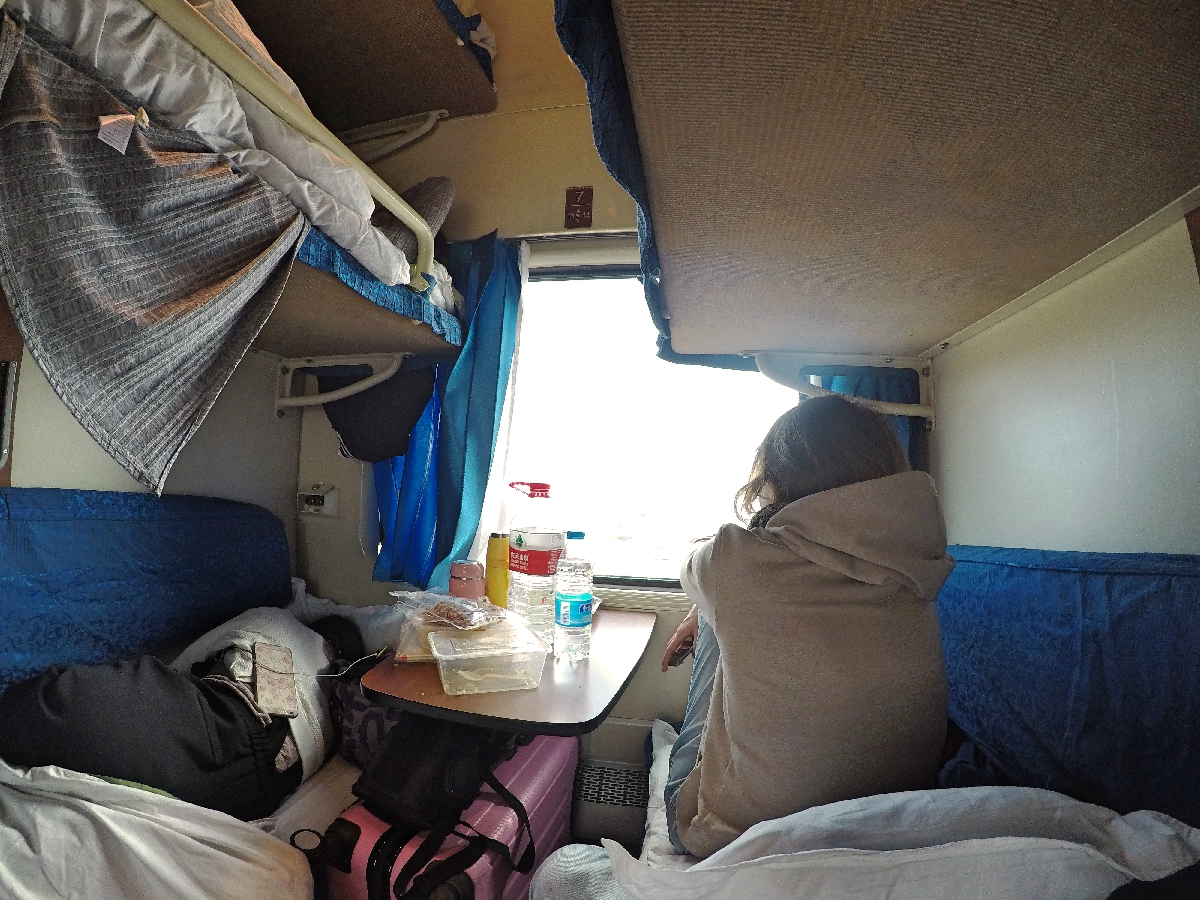
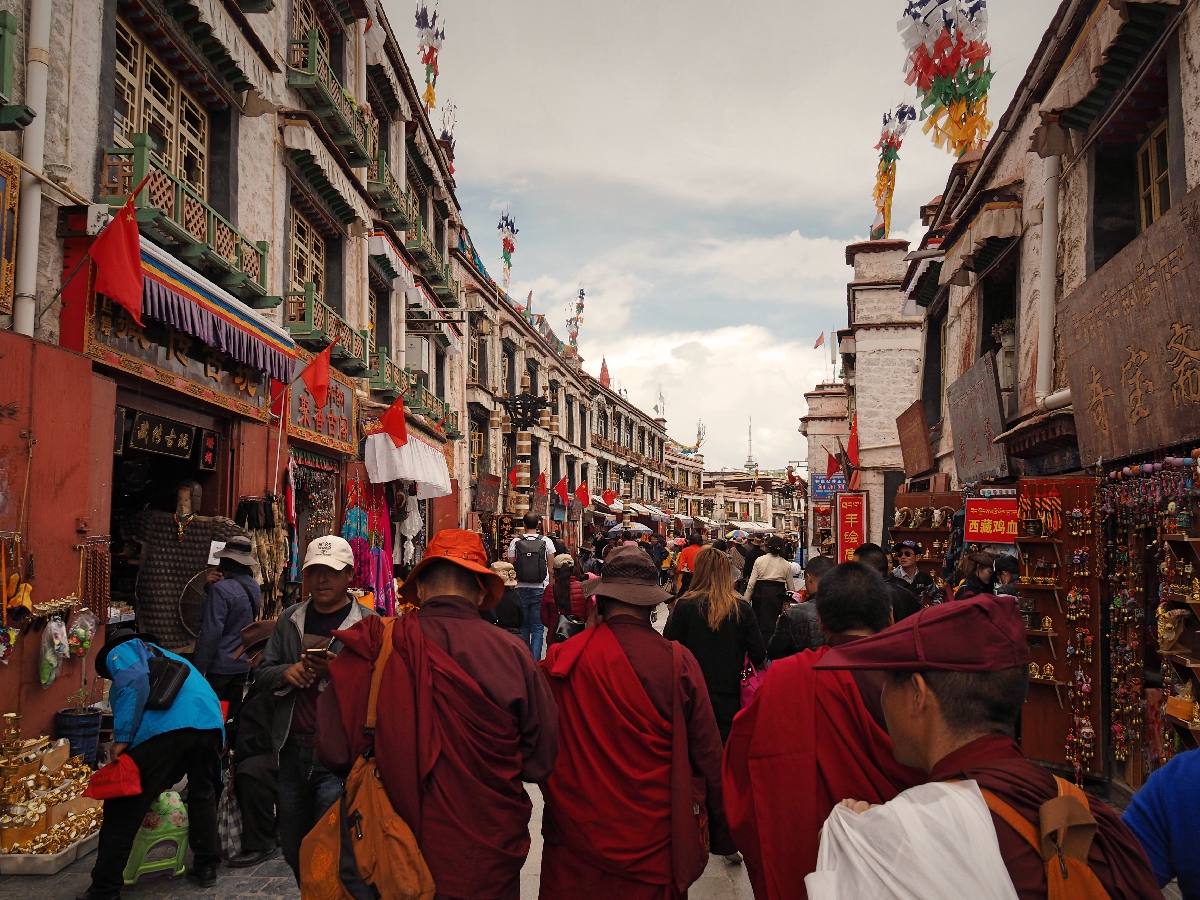
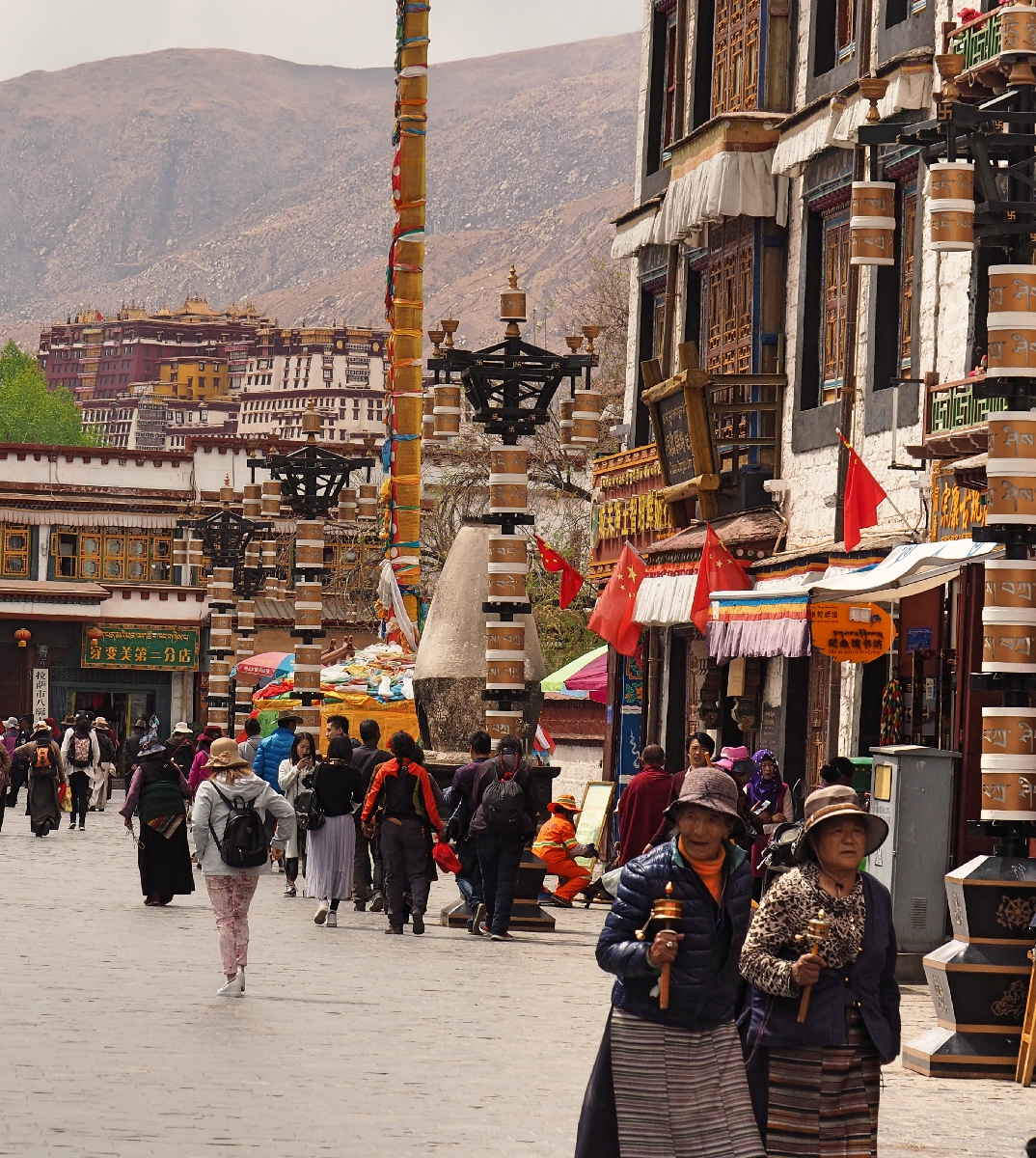
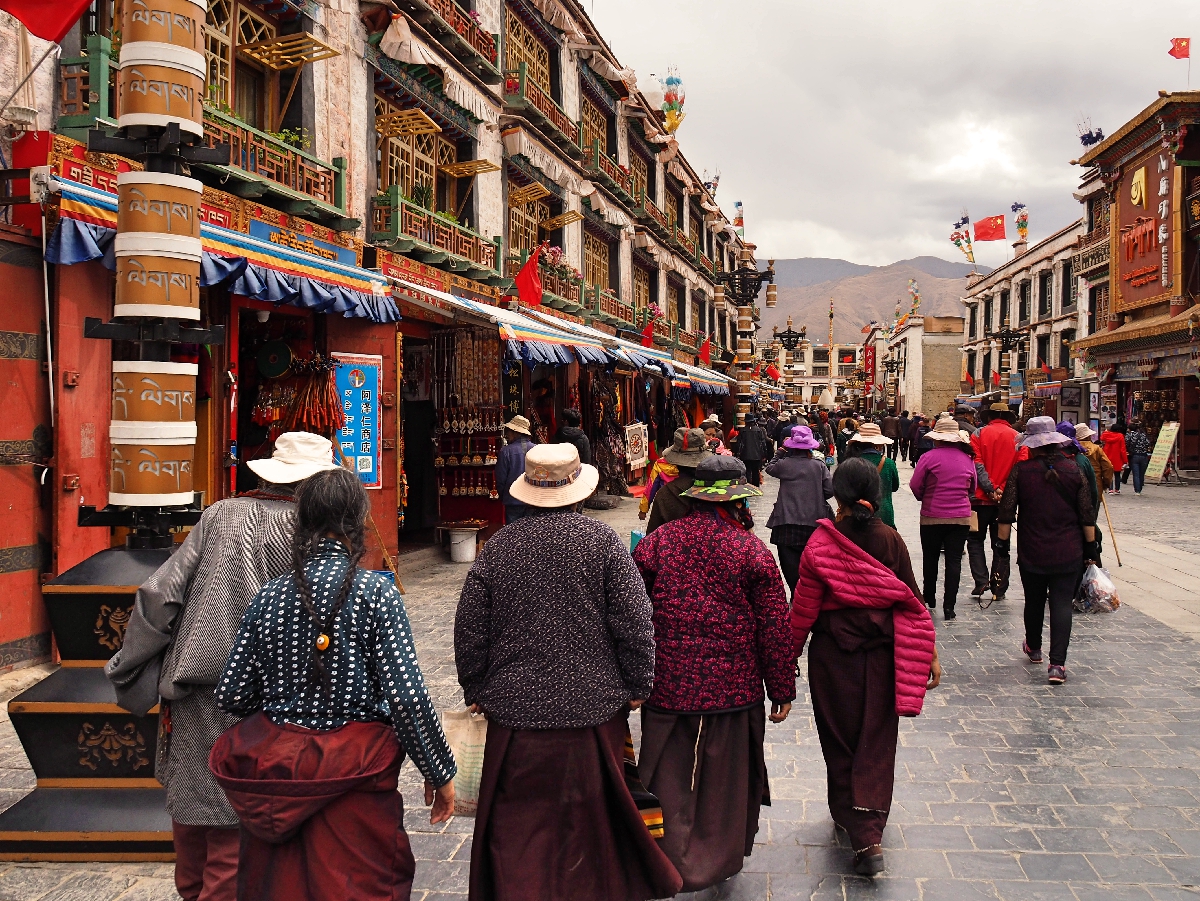
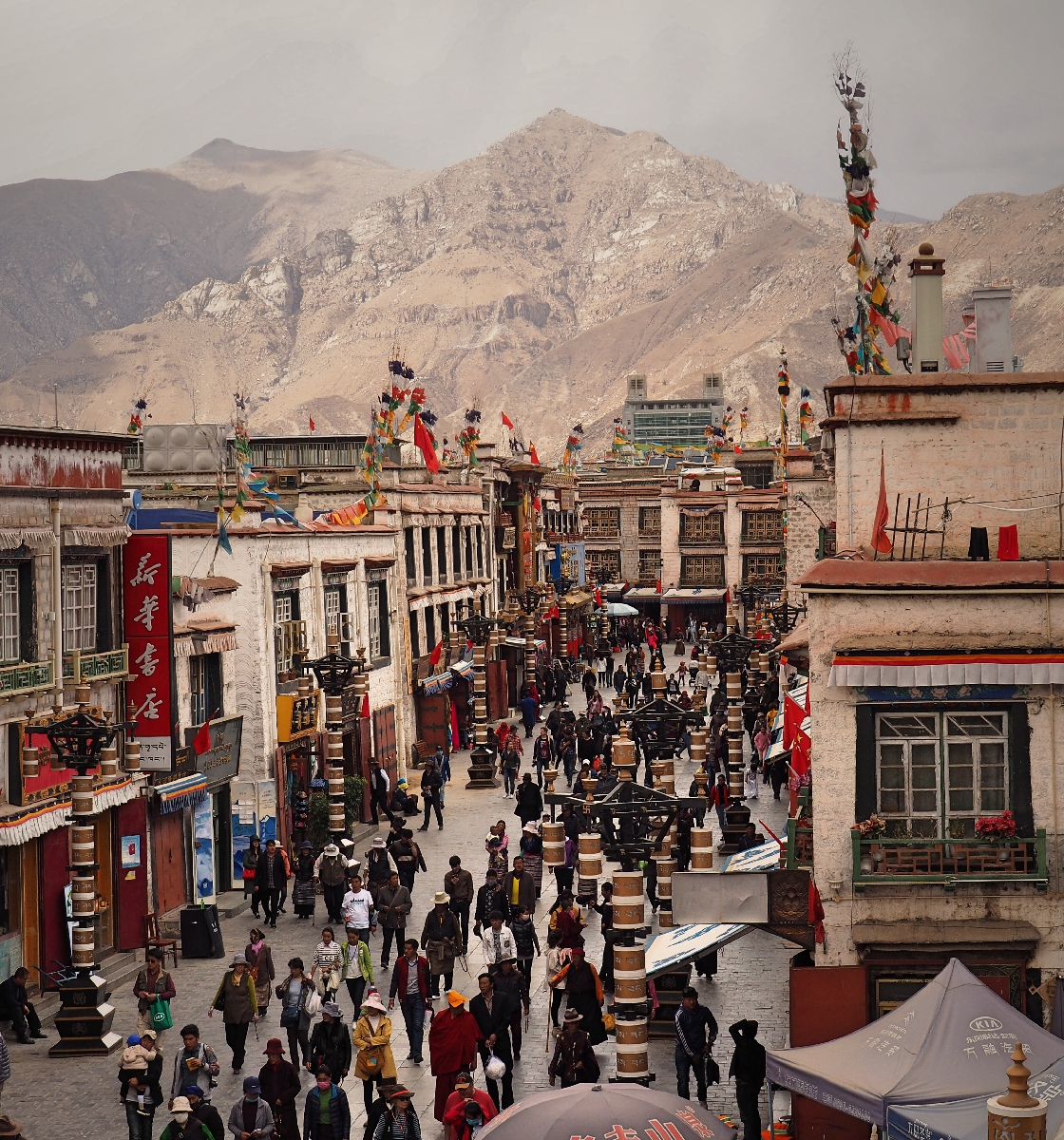
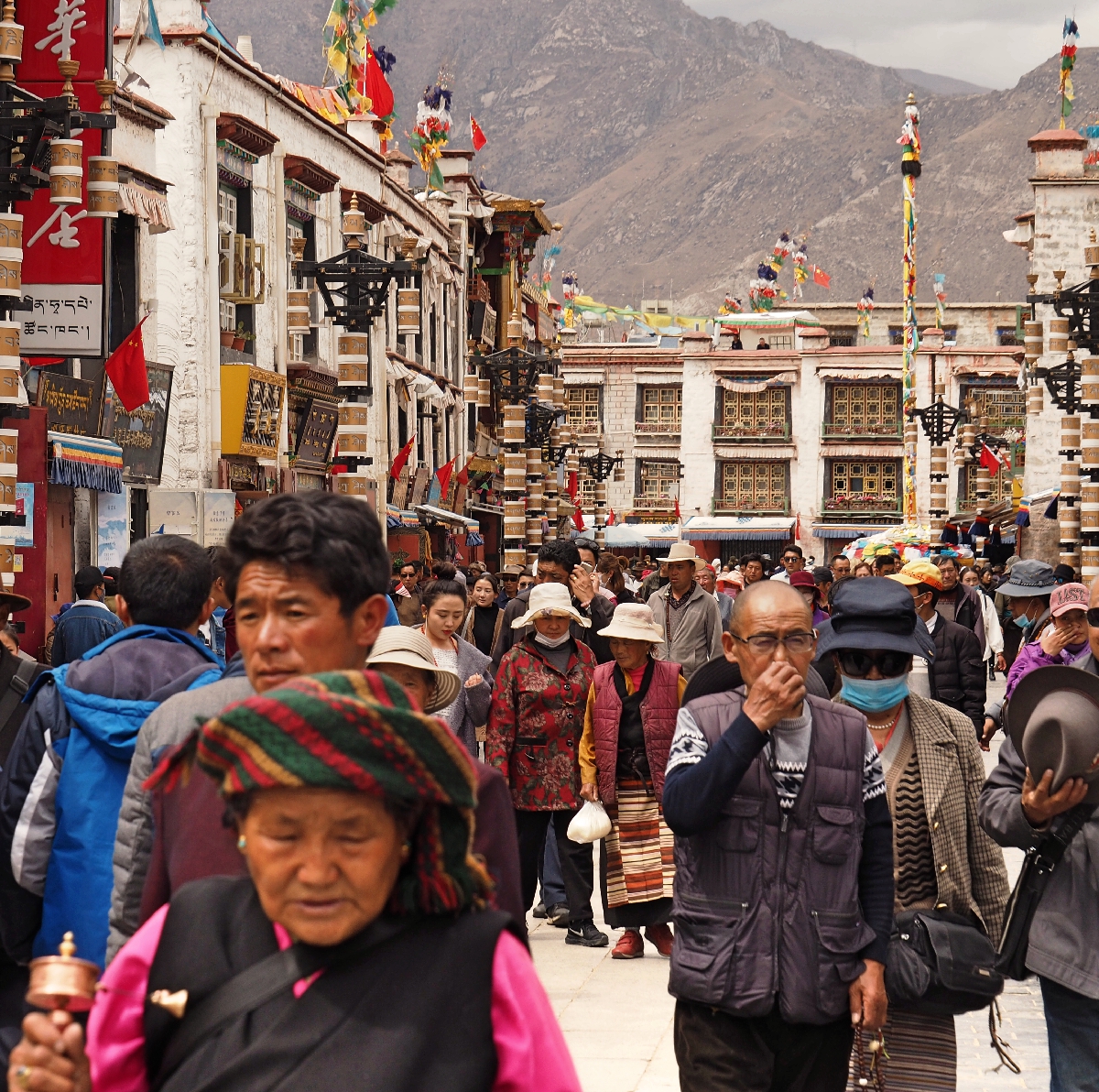
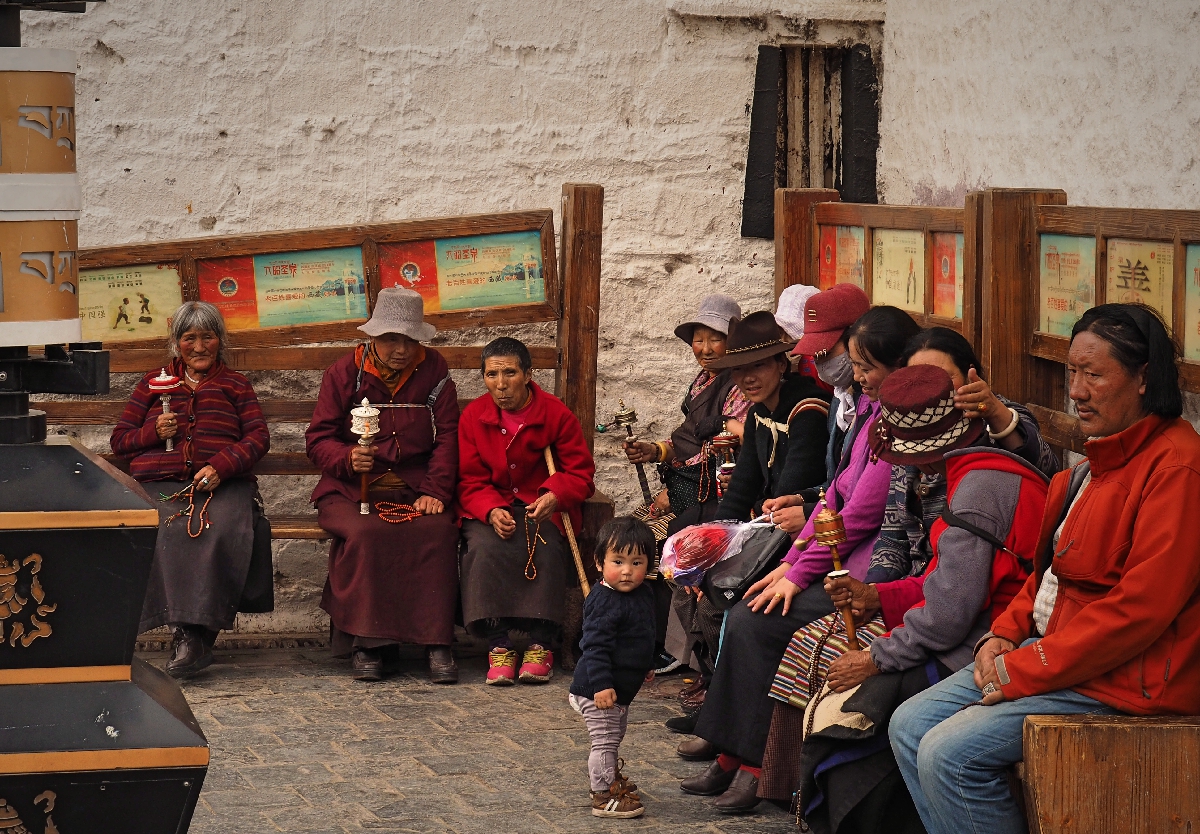
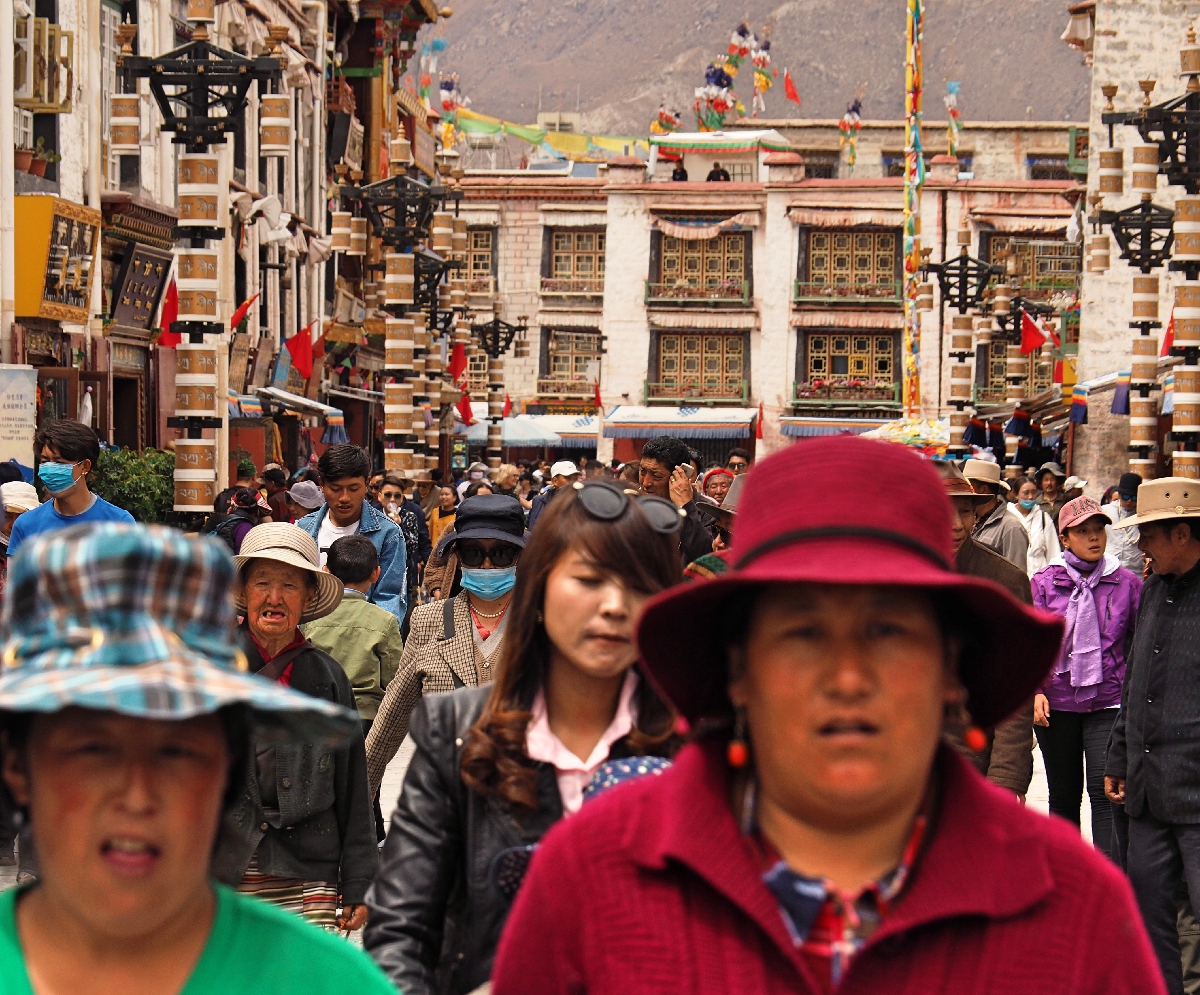
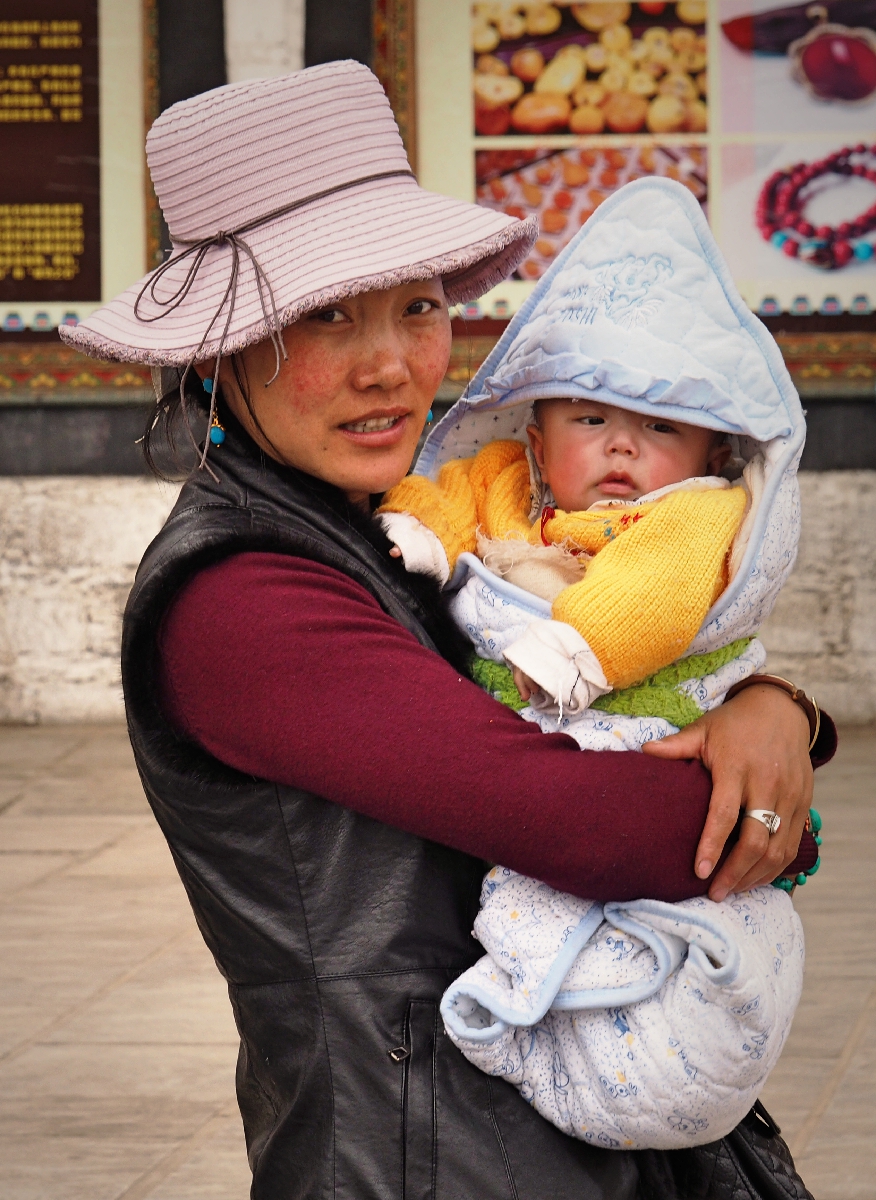
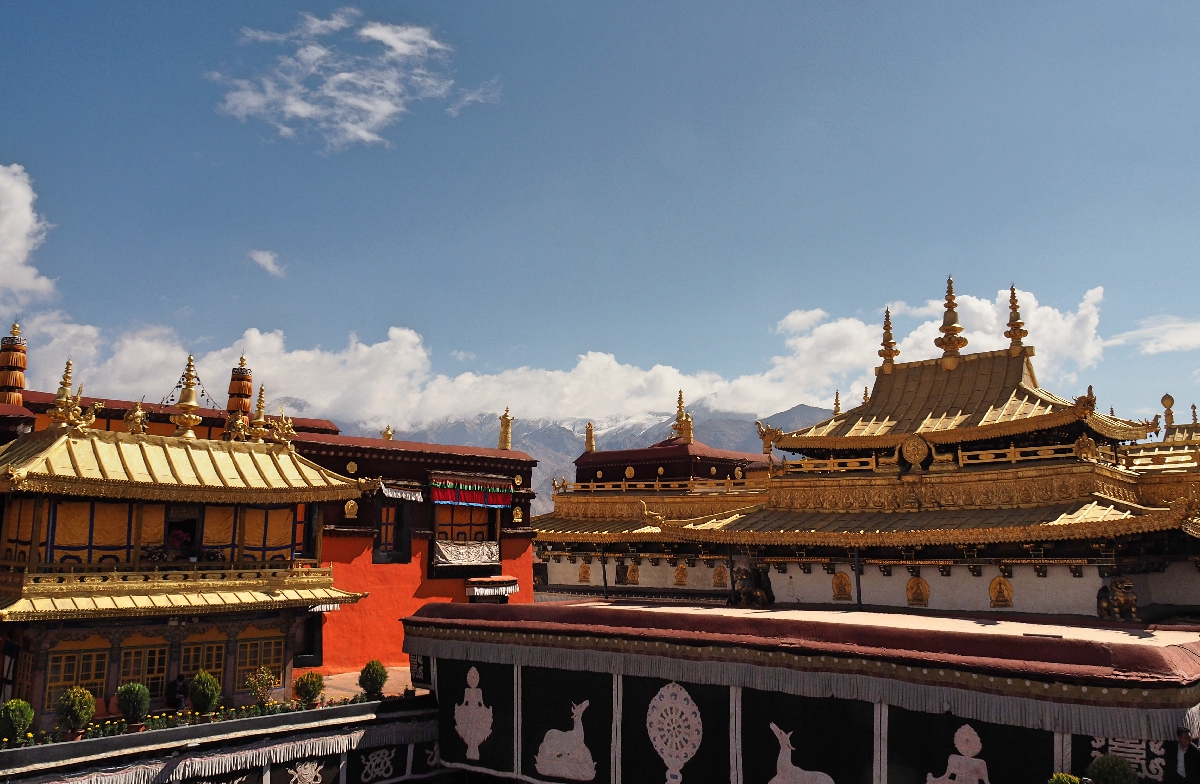
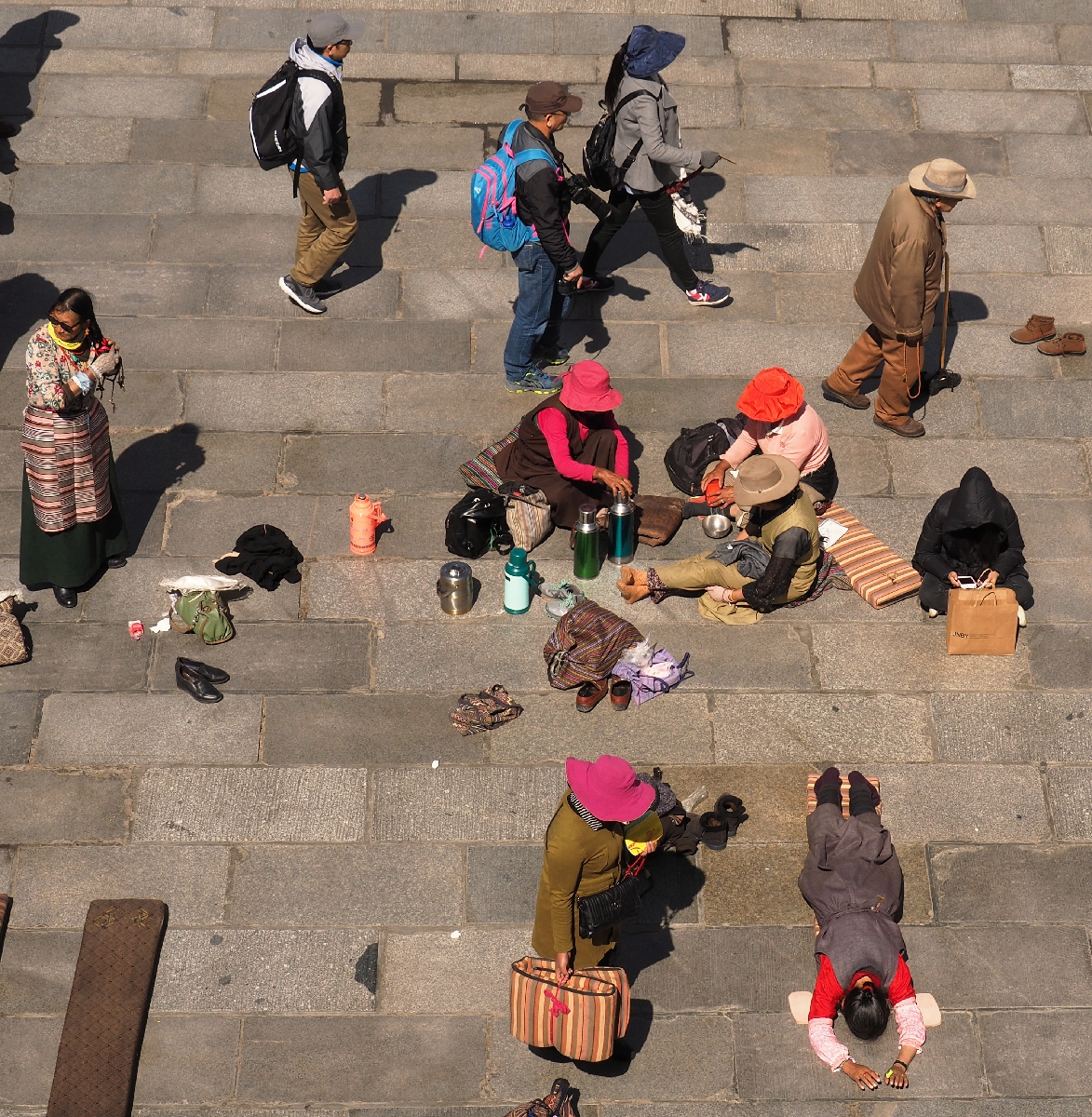
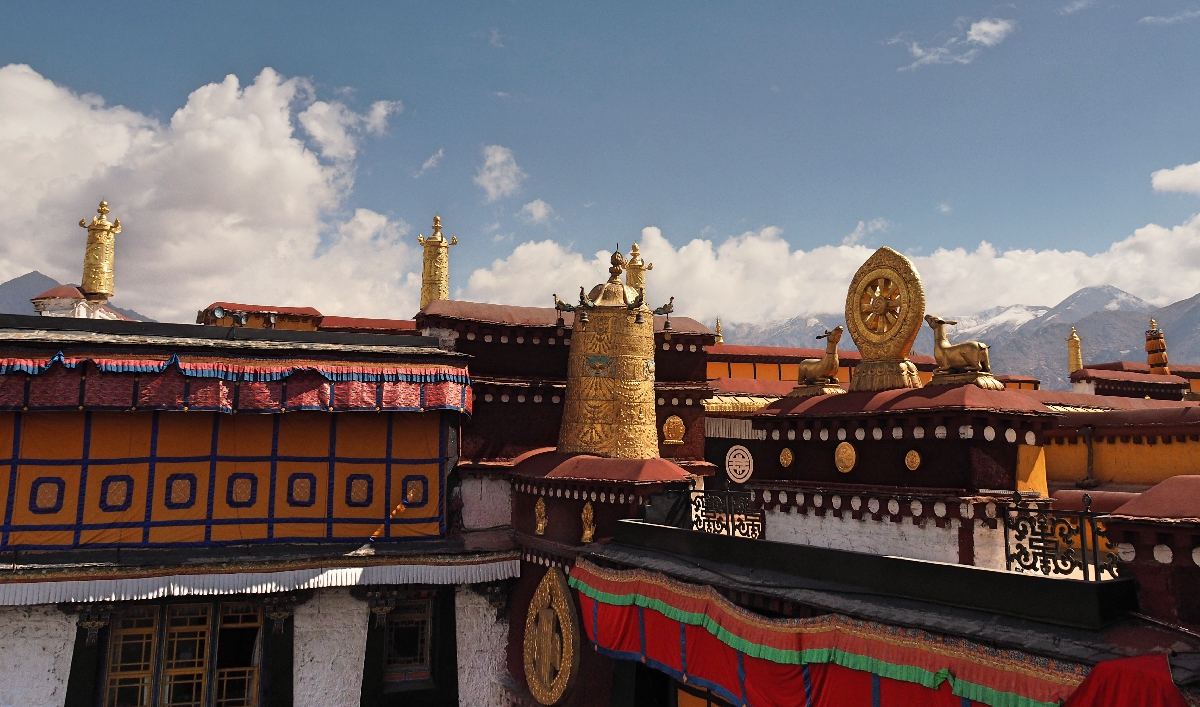
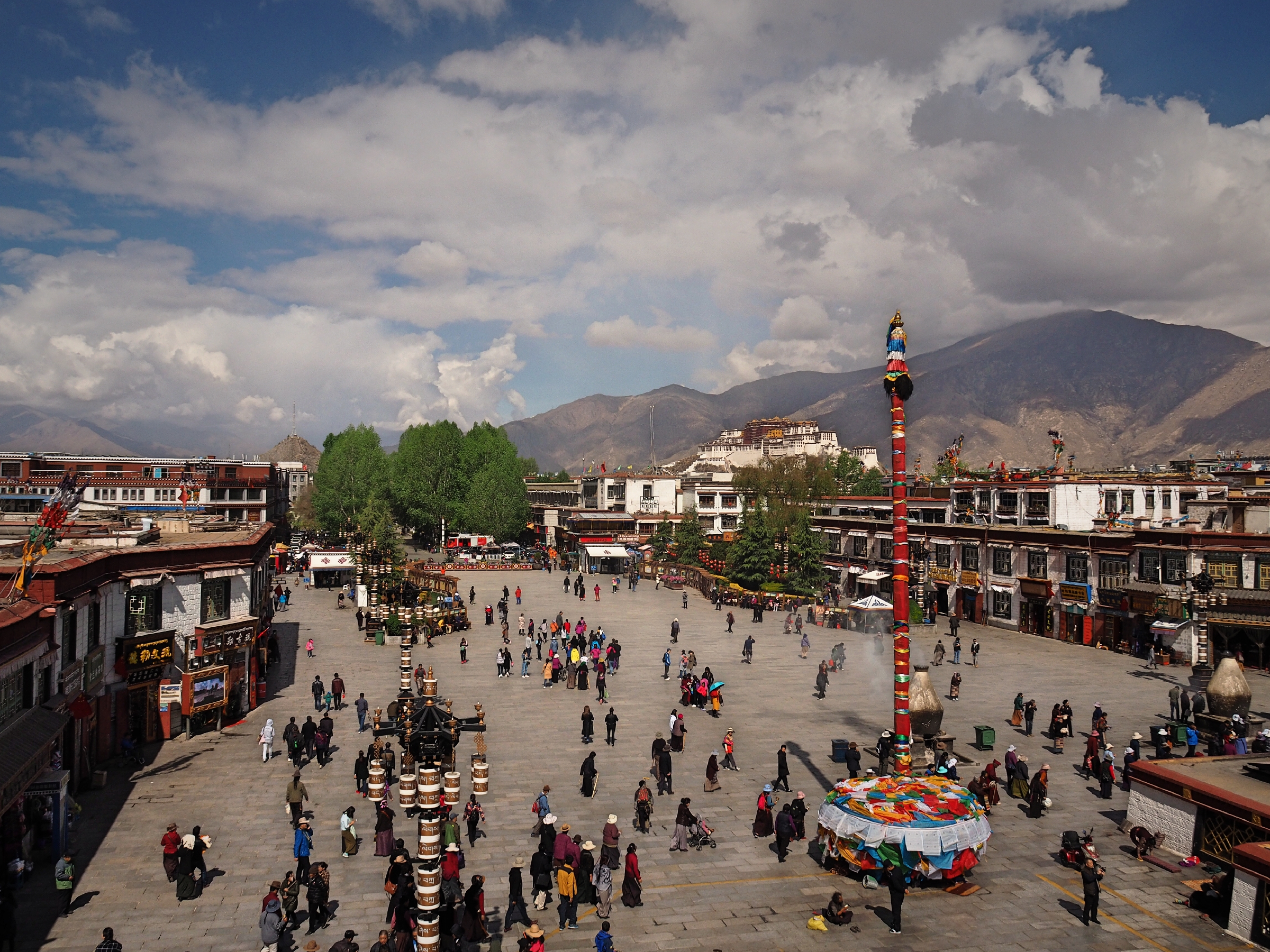
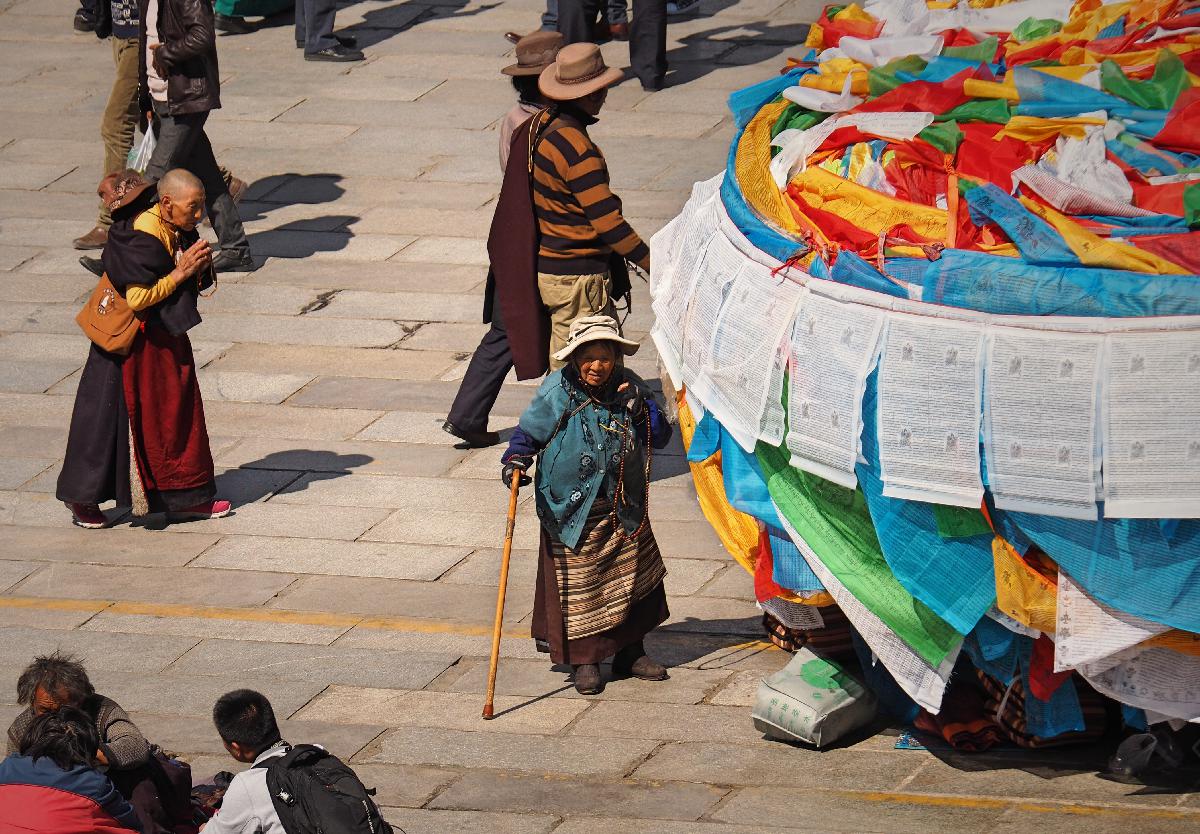
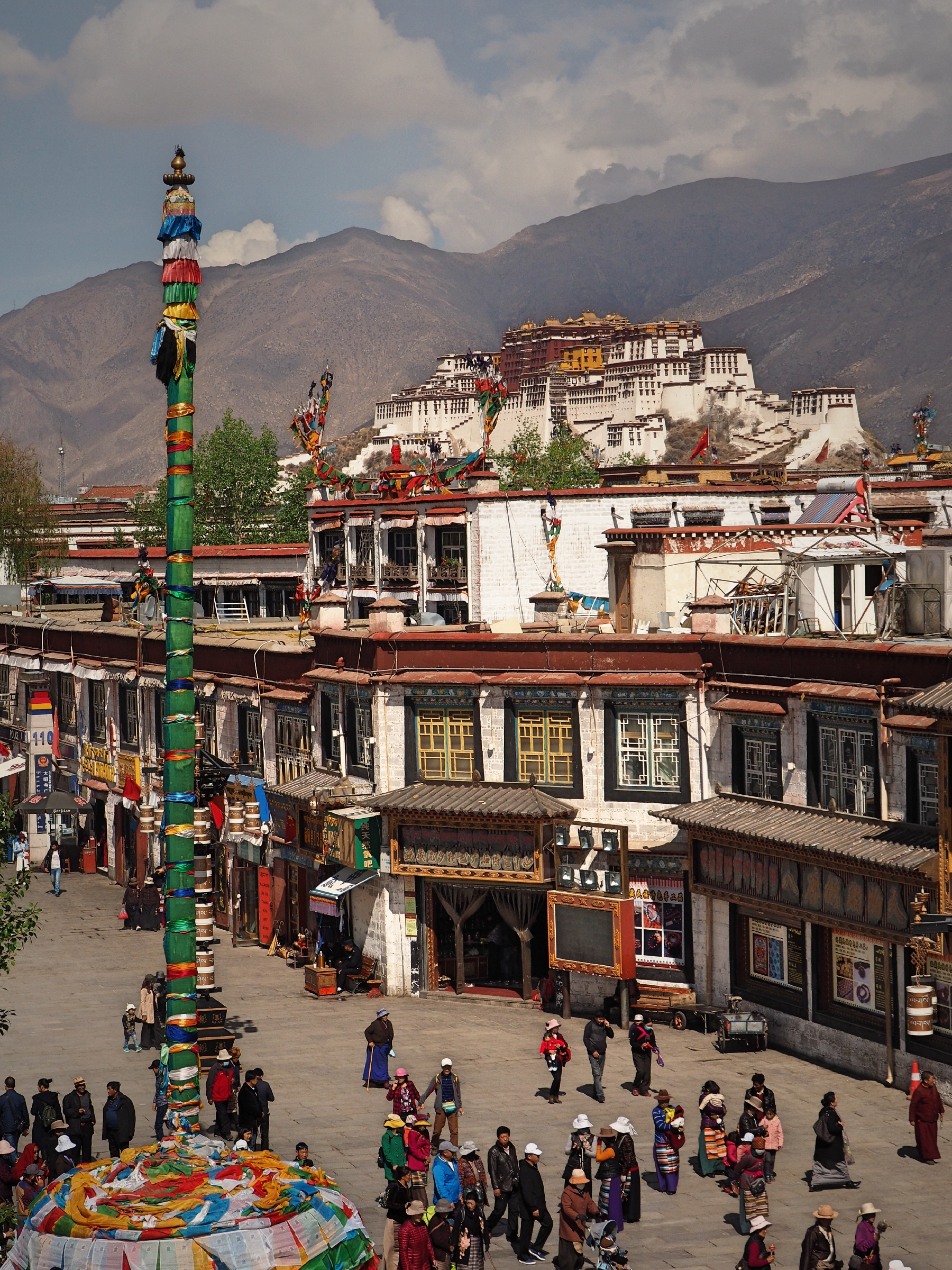
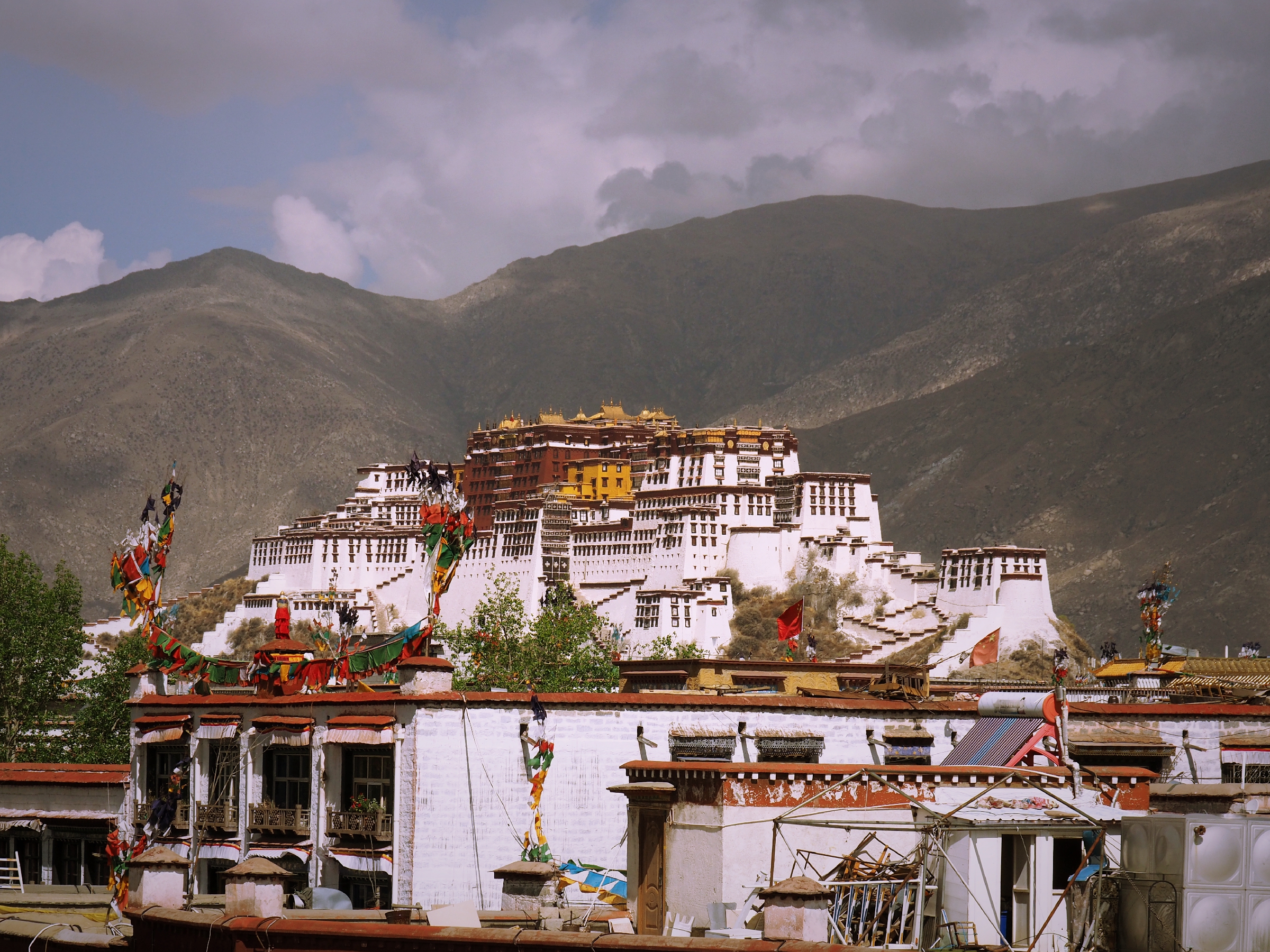
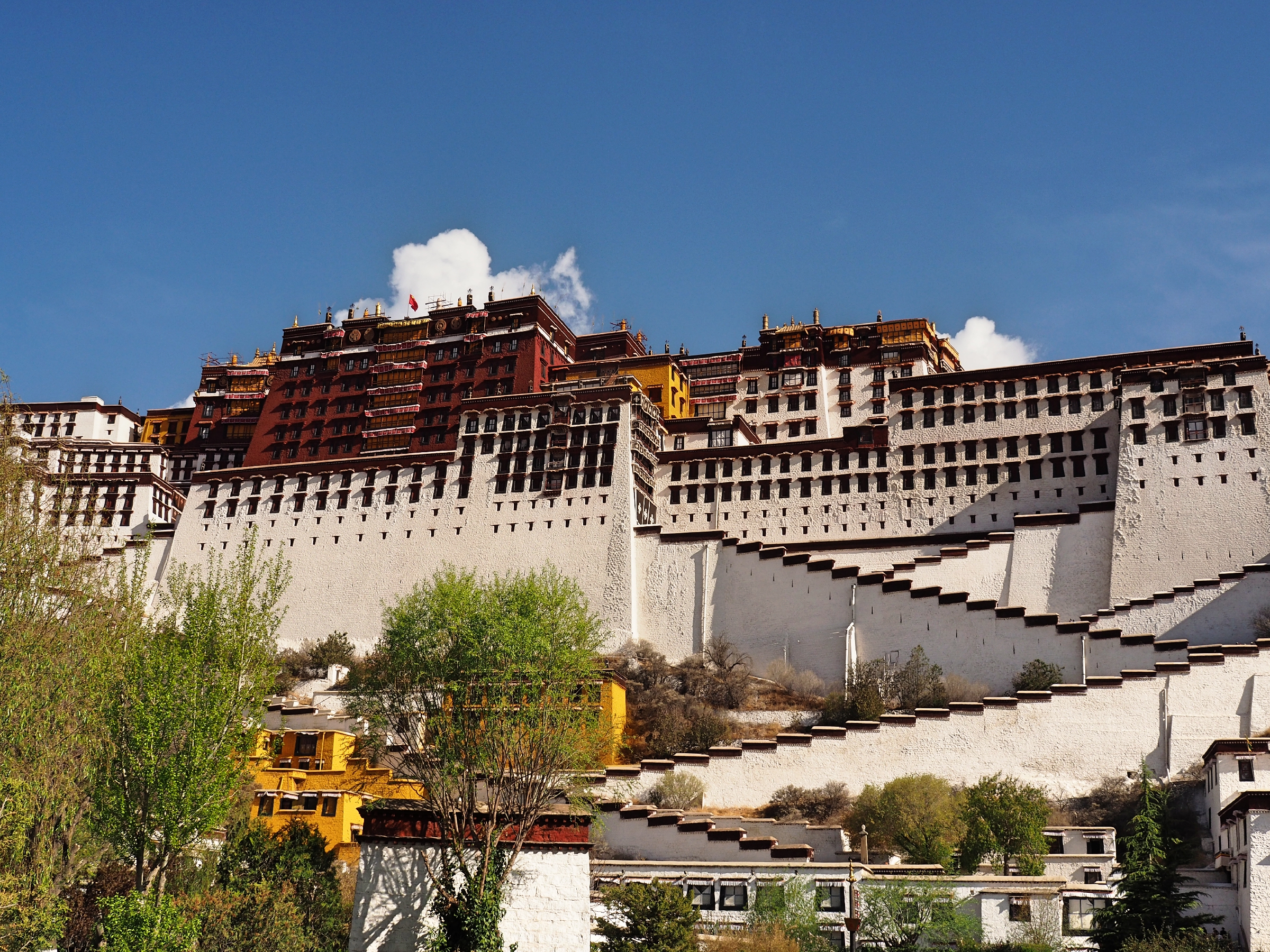
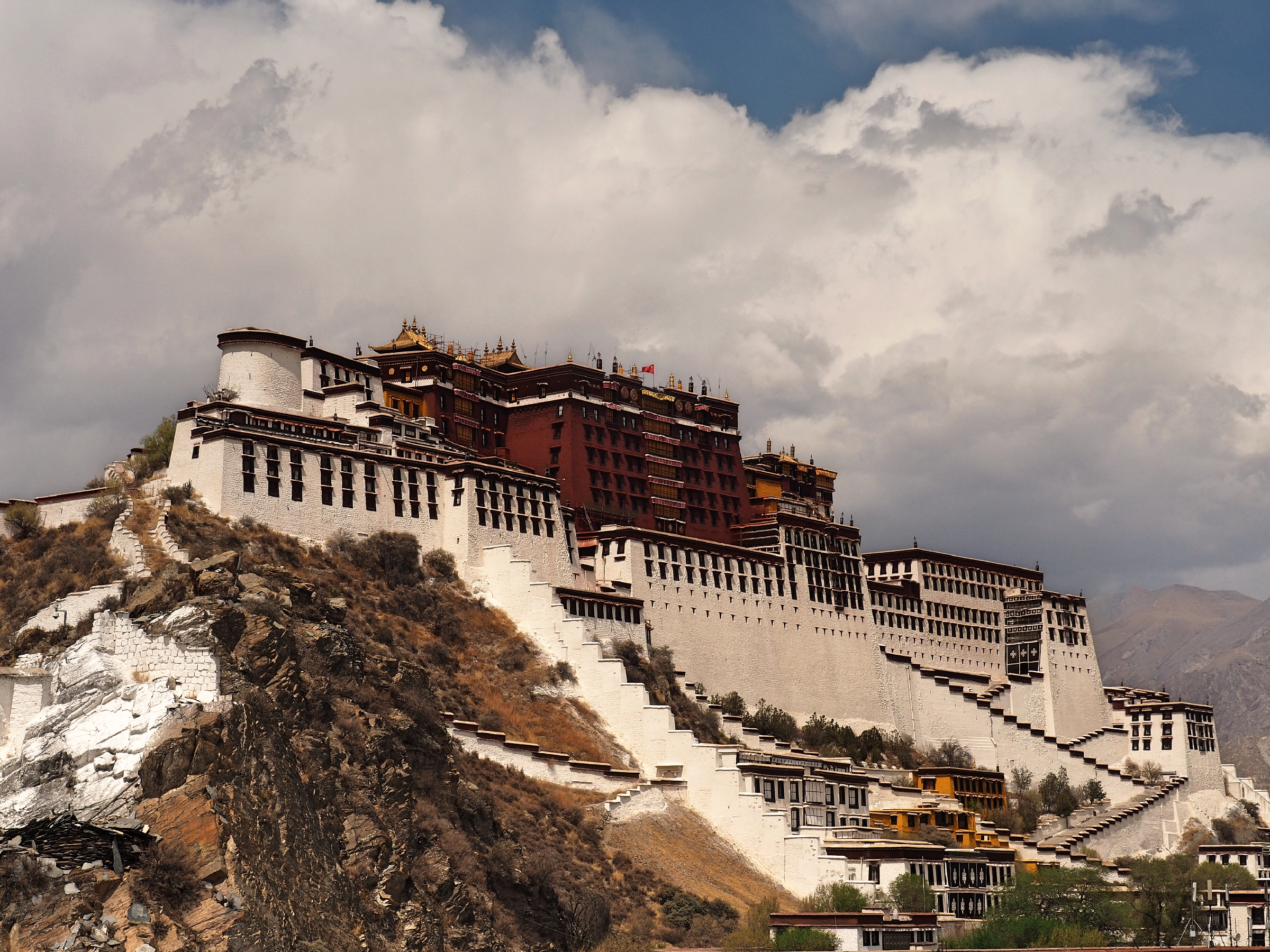
With the permit in our hands we were able to get on the highest train ride in the world, with a maximum altitude of 5206masl. The journey to Lhasa took us 22 hours and we slept in a six bed compartment together with four other Chinese. When we arrived in Lhasa, our passports and our Tibet Travel Permit were checked thoroughly by Chinese authorities. As a foreigner you can only visit this part of Tibet when travelling with an organized tour. After the checking procedure we met up with our travel guide Damdul and he drove us to our hotel next to the old town in the middle of the city. Finally we had arrived in the holy city of Lhasa! We had the afternoon to ourselves and used it for a first exploration. We went straight for an up close view of the Potala Palace and walked a kora around it. There we also had a nice little chat with some Tibetan pilgrims. Then we headed for the old town, also known as Barkhor, where we did a couple of koras around the Jokhang temple. This is considered the holiest temple in all of Tibet and every Tibetan must come here once in his or her life. We really enjoyed the special atmosphere of this beautiful place and kept on doing koras together with the locals. Although Lhasa is probably the most touristy place in all of Tibet, the Tibetans were still very open and friendly towards foreigners. They were always eager to have a little chat with us.
Lhasa:
The following morning the official tour program started and, together with our guide and our group, we visited the inside of the Jokhang temple as well as the Ramoche temple. Both were quite impressive and busy with Tibetan pilgrims.
Jokhang temple:
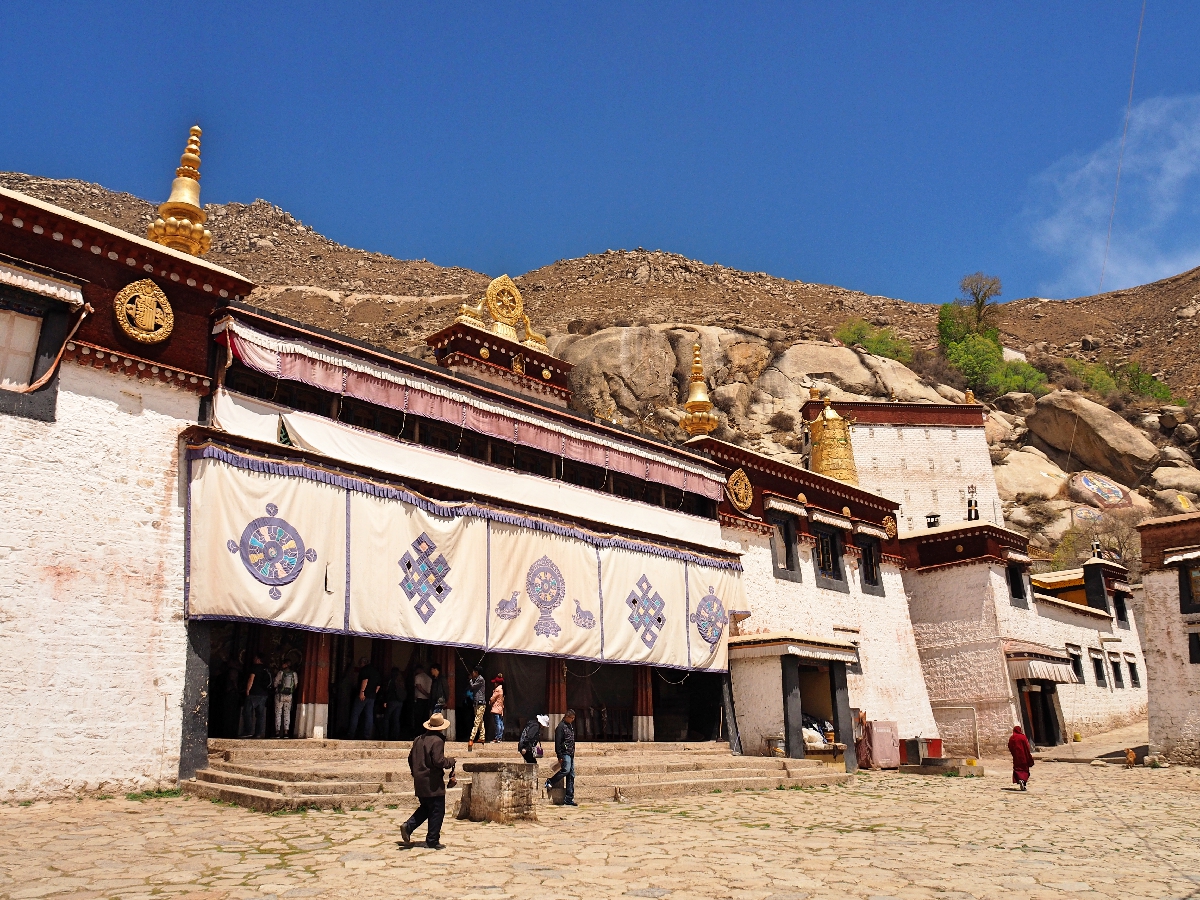
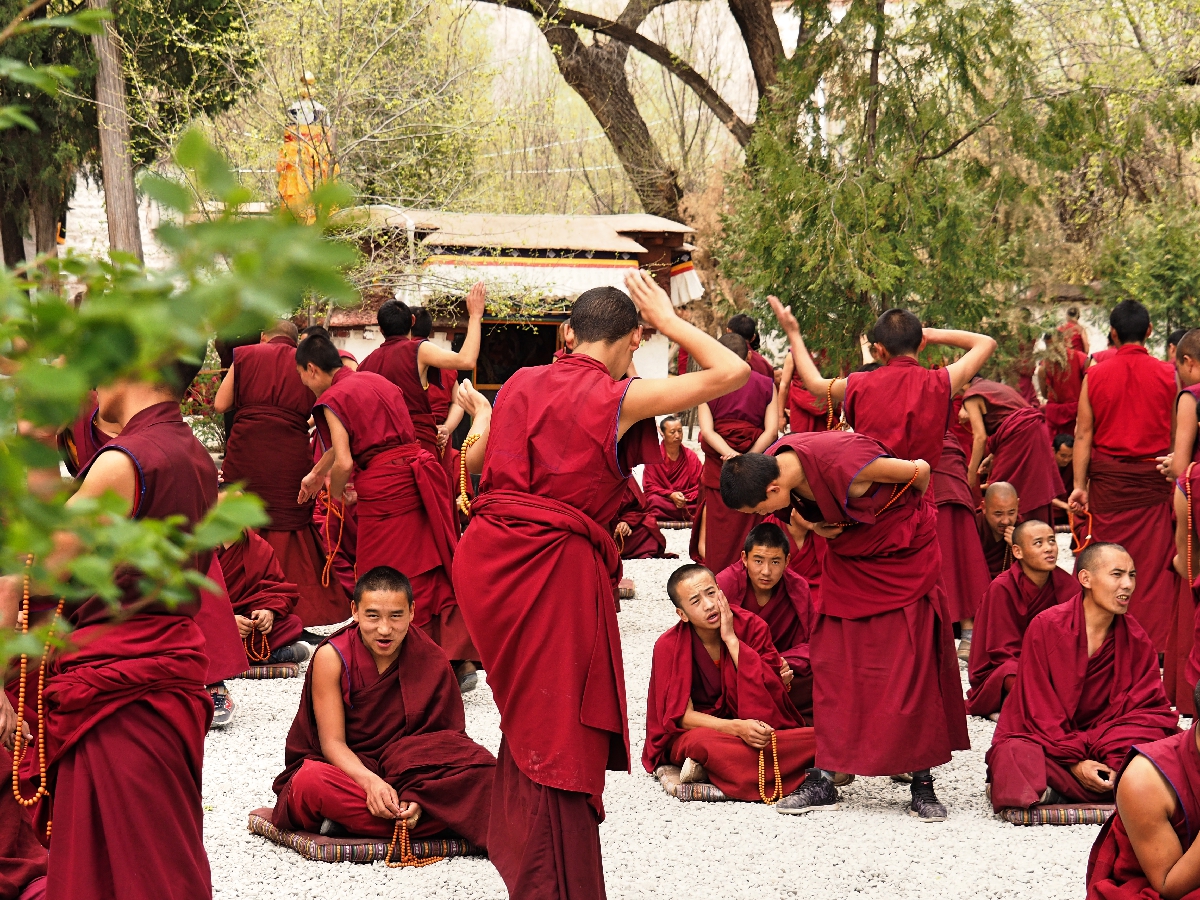
The next day started with a visit of the Potala Palace. After reading the book “Freedom in Exile” by the 14th Dalai Lama, it was nice to finally see his study- and livingroom in reality. Of course, we weren’t allowed to take pictures of the inside, as it is a very holy place. Afterwards we visited the famous Sera Monastery, where we could observe monks debating. For us this looked like an ordinary fight between two persons, but in Tibet it is considered a high art, in which the monks duel each other by exchanging philosophical phrases.
Potala Palace:
Sera Monastery:
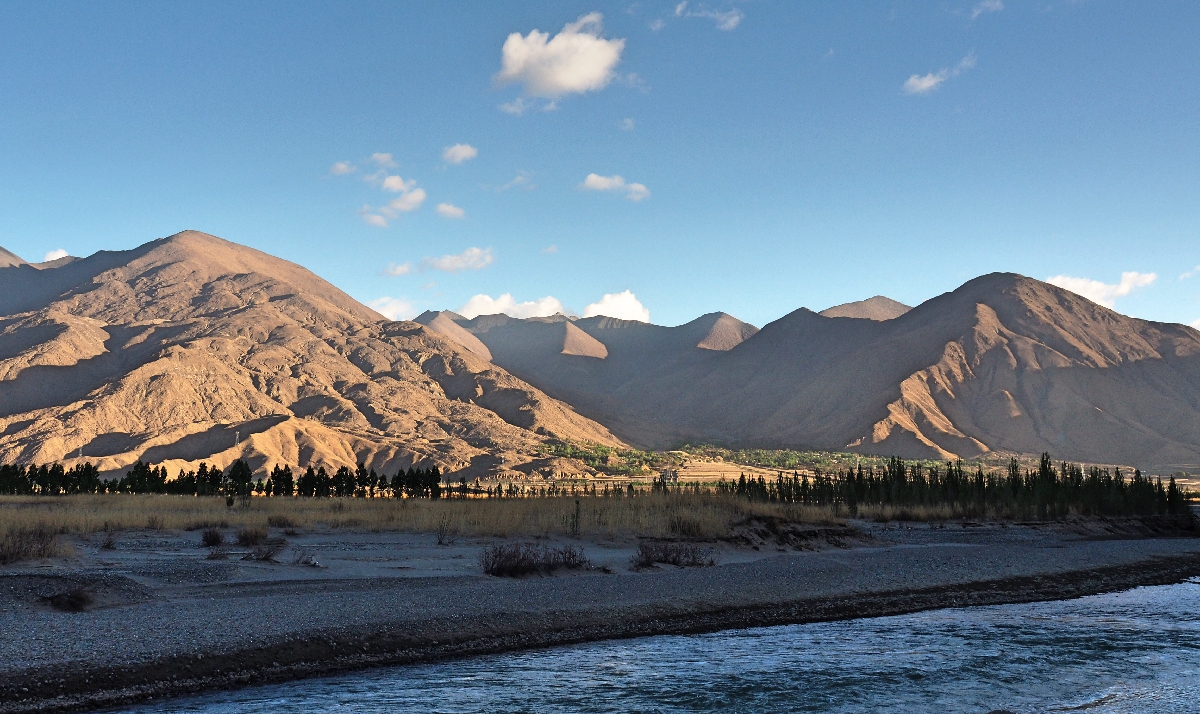
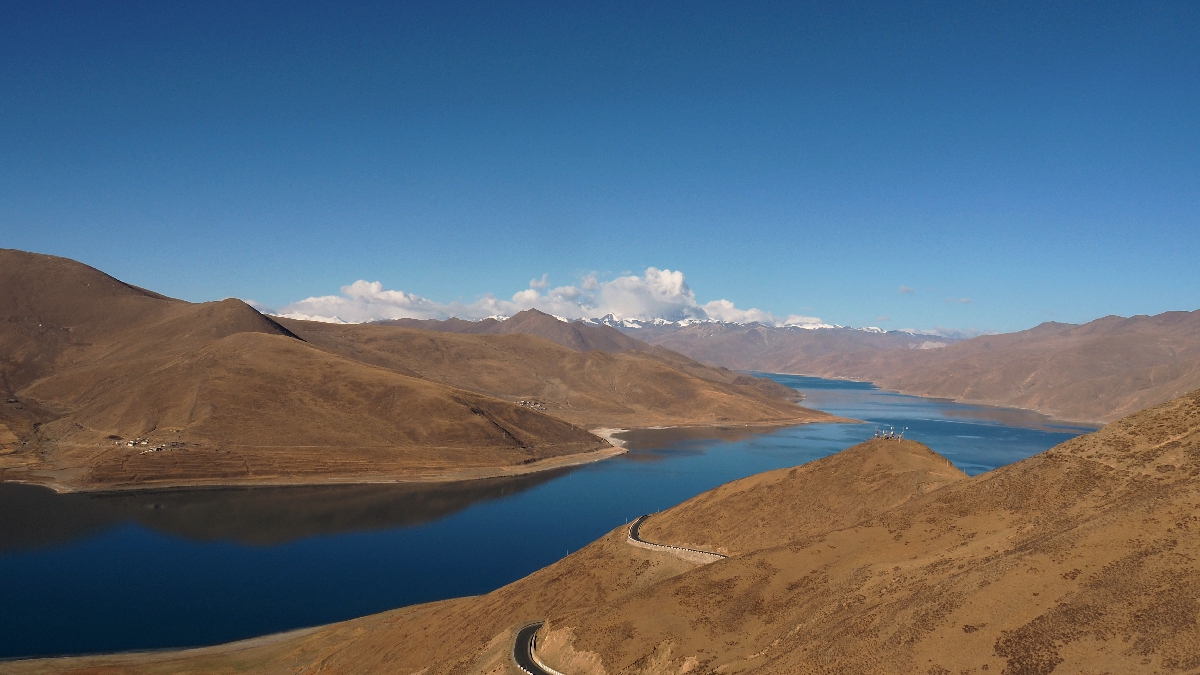
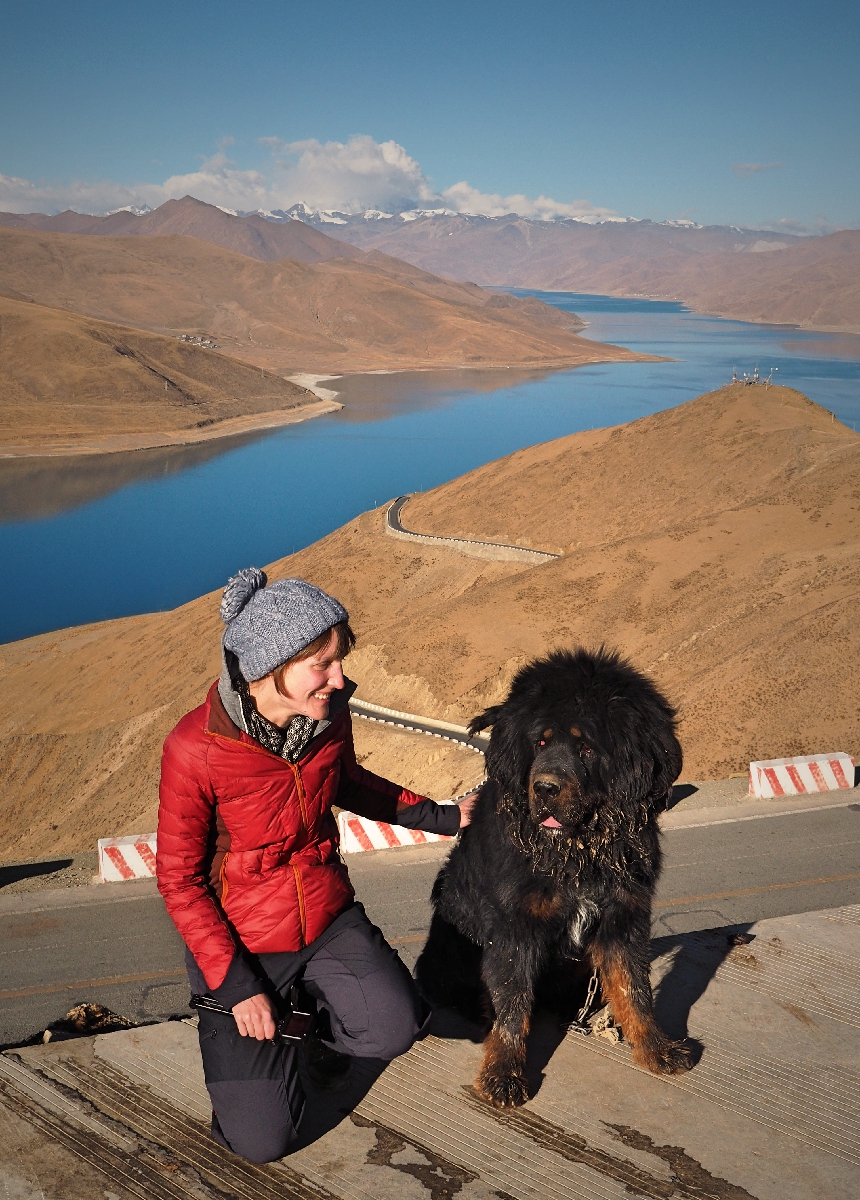
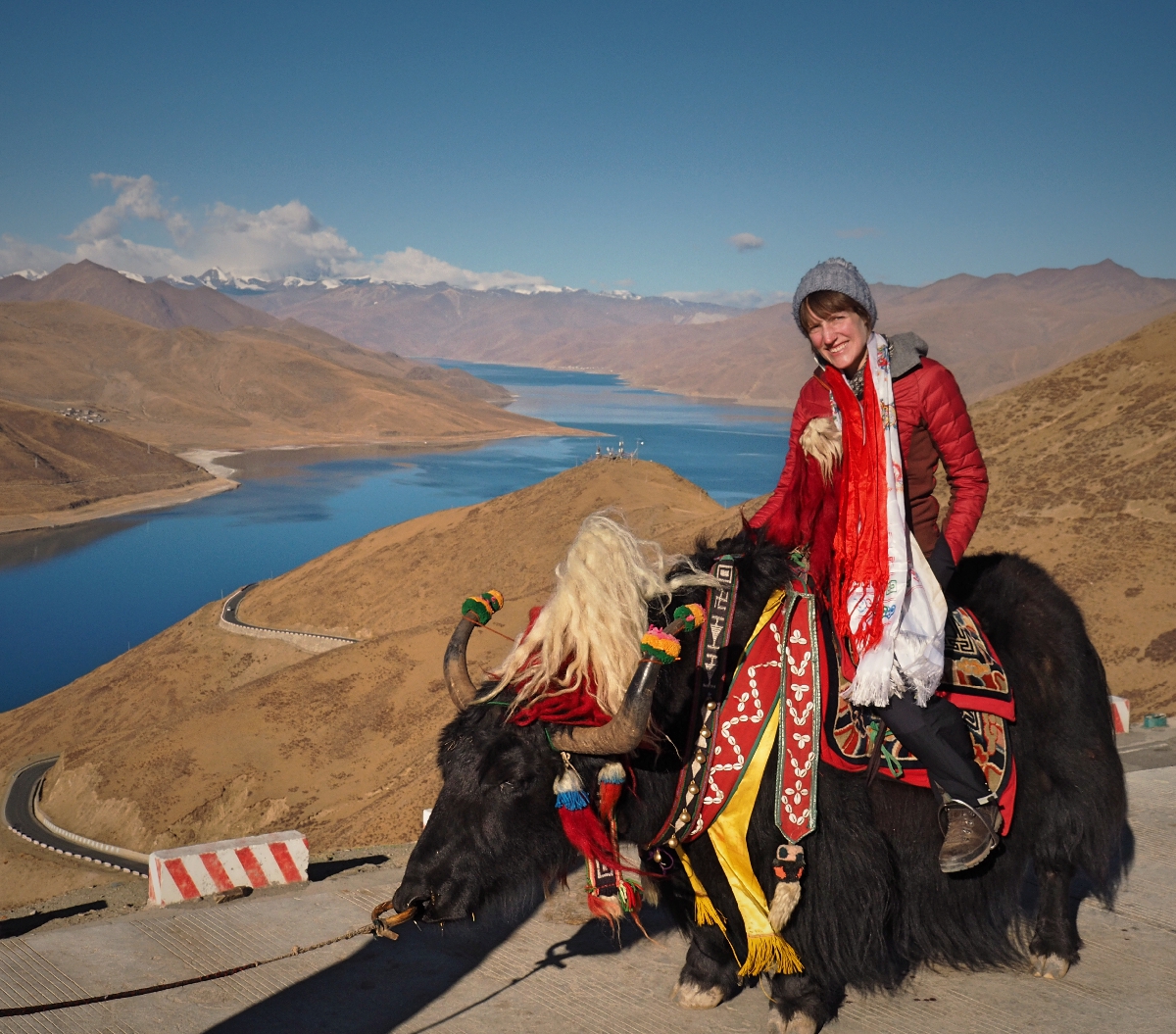
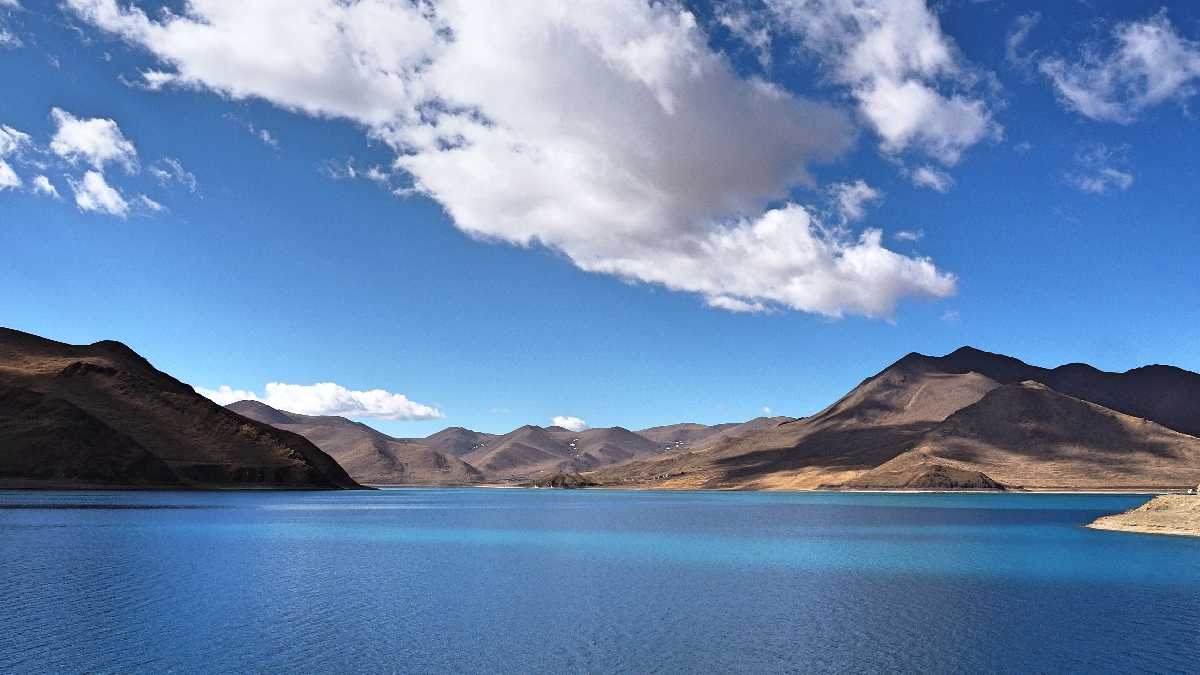
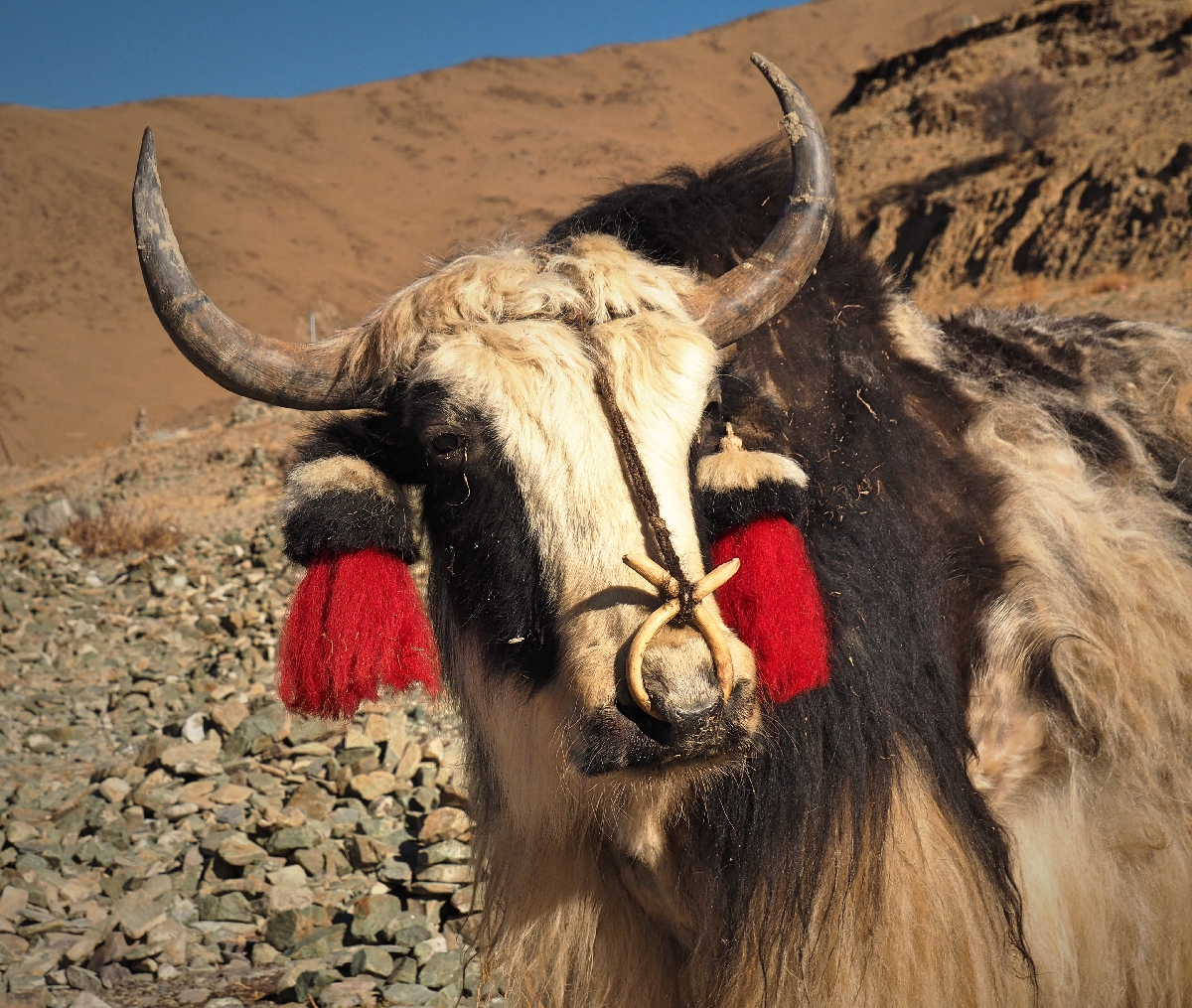
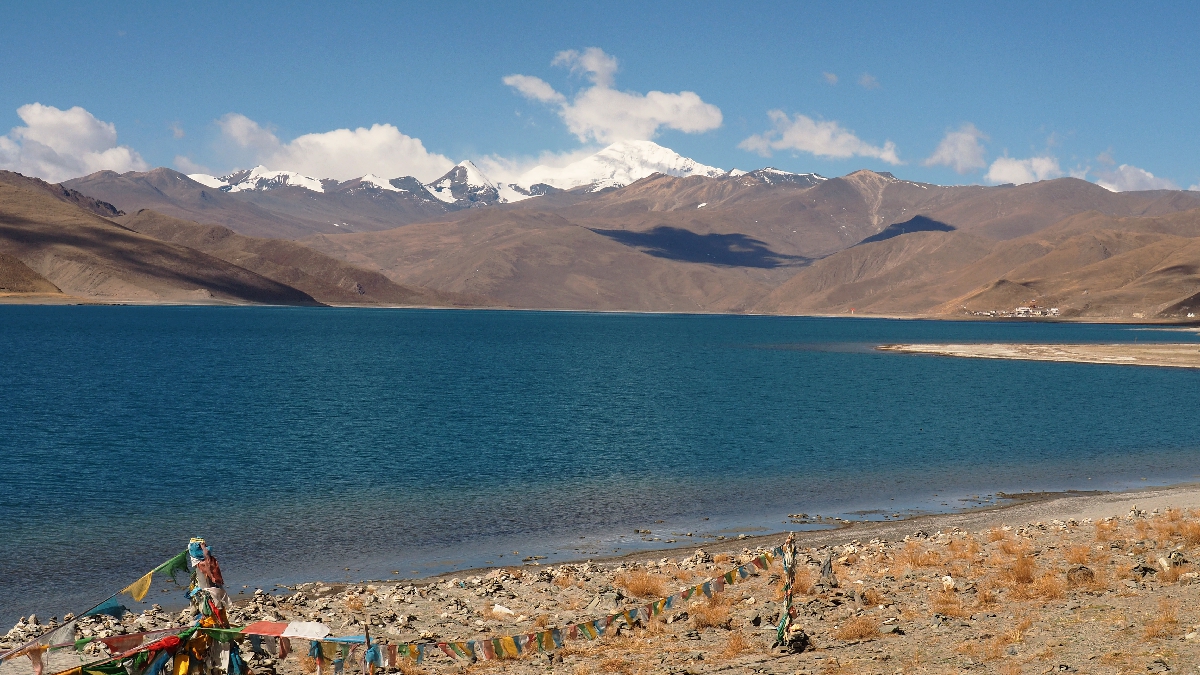
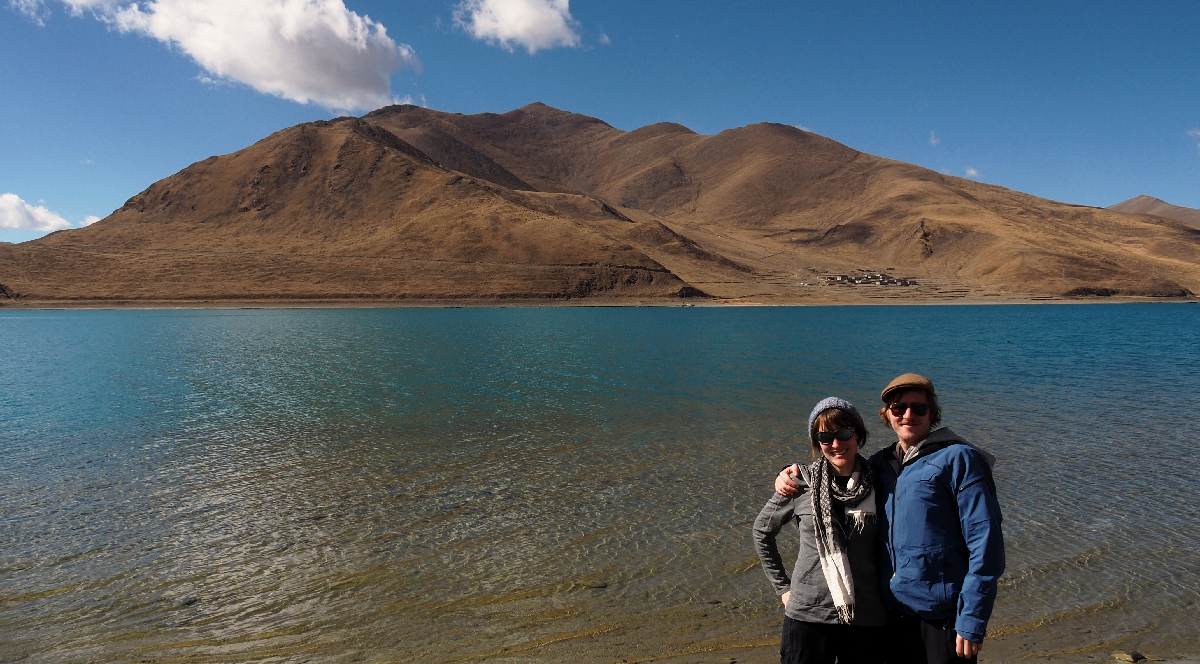
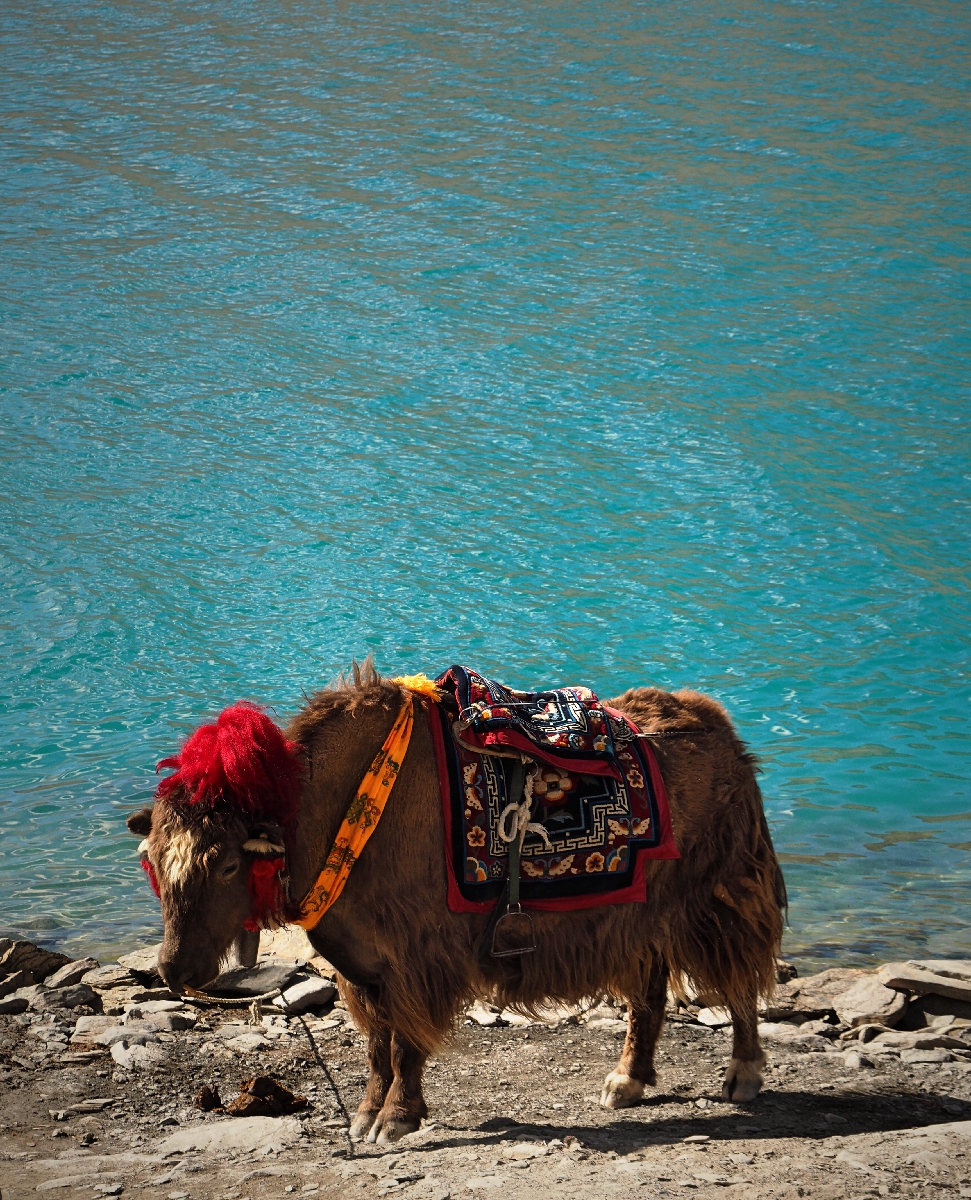
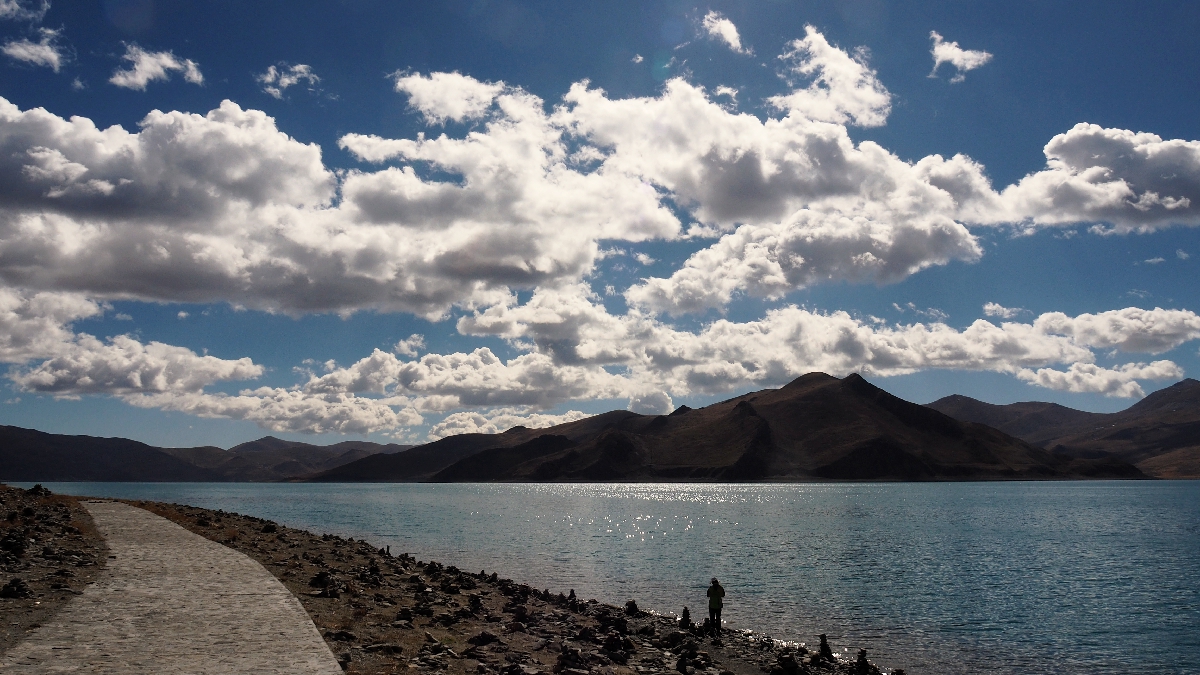
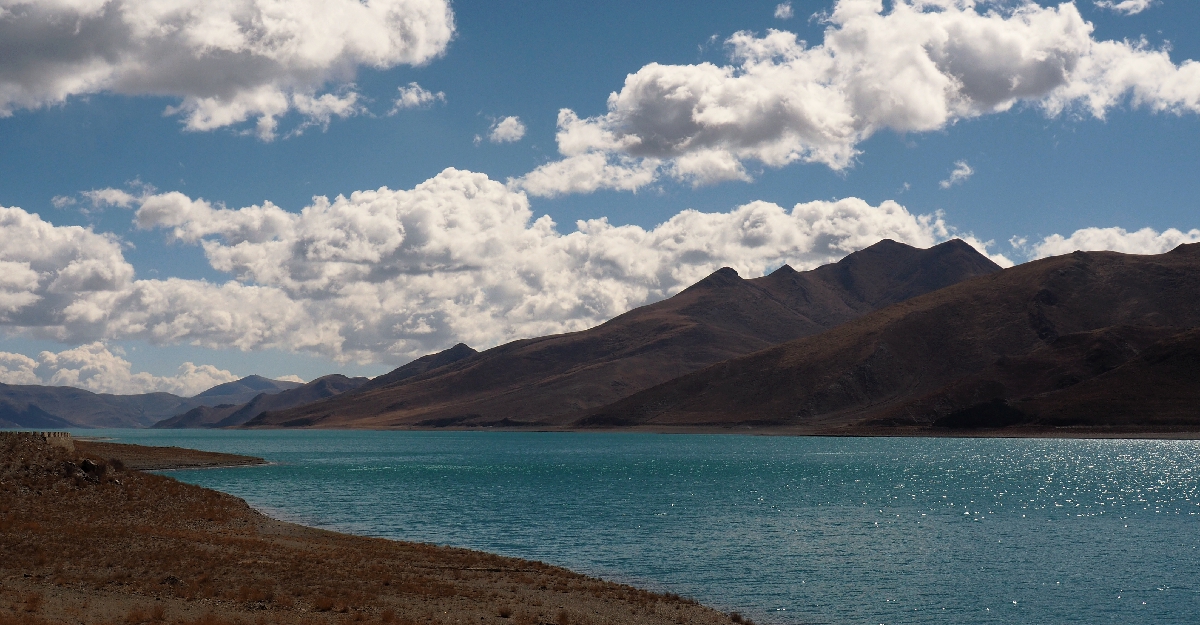
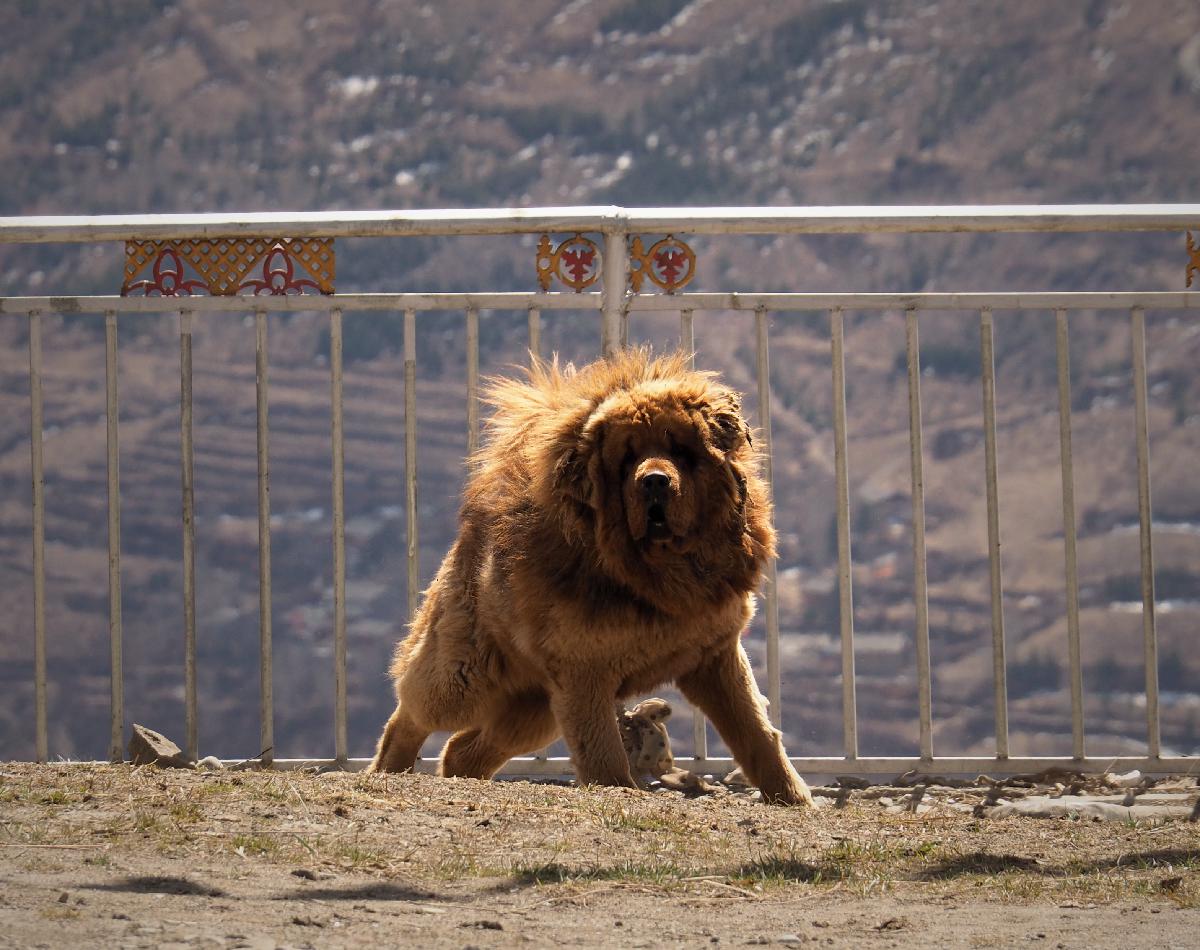
The following morning we headed off early and drove over a 4840masl pass and along the beautiful Lake Yamdrok. Along the way we saw huge Tibetan Mastiff dogs and couldn’t resist taking a picture with them. Usually they are used to protect the yak and sheep herds from wolves and bears and they are considered to be the king of the dogs. We crossed another pass of 5100masl where we stood next to a glacier with an altitude of 7500masl. In the afternoon we visited the Pekor Chode Monastery in Gyantse and stayed overnight in Shigatse.
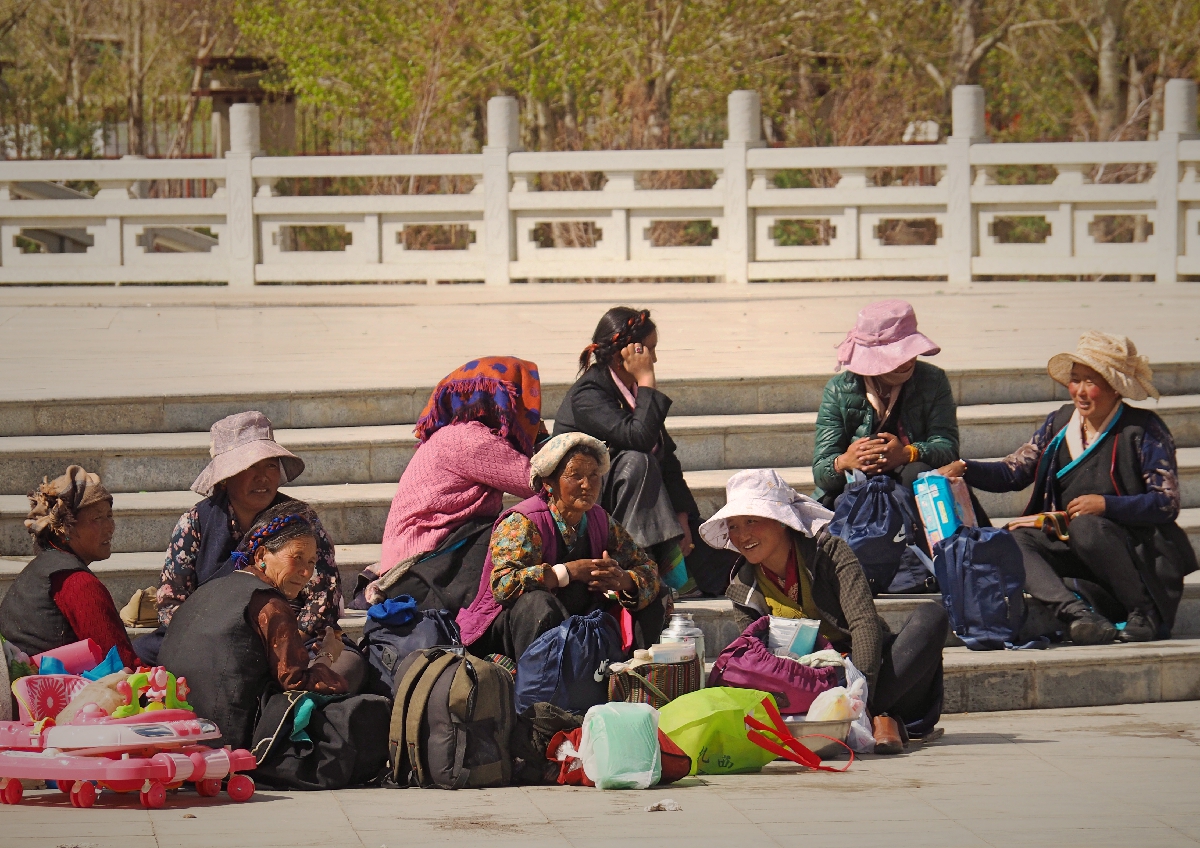
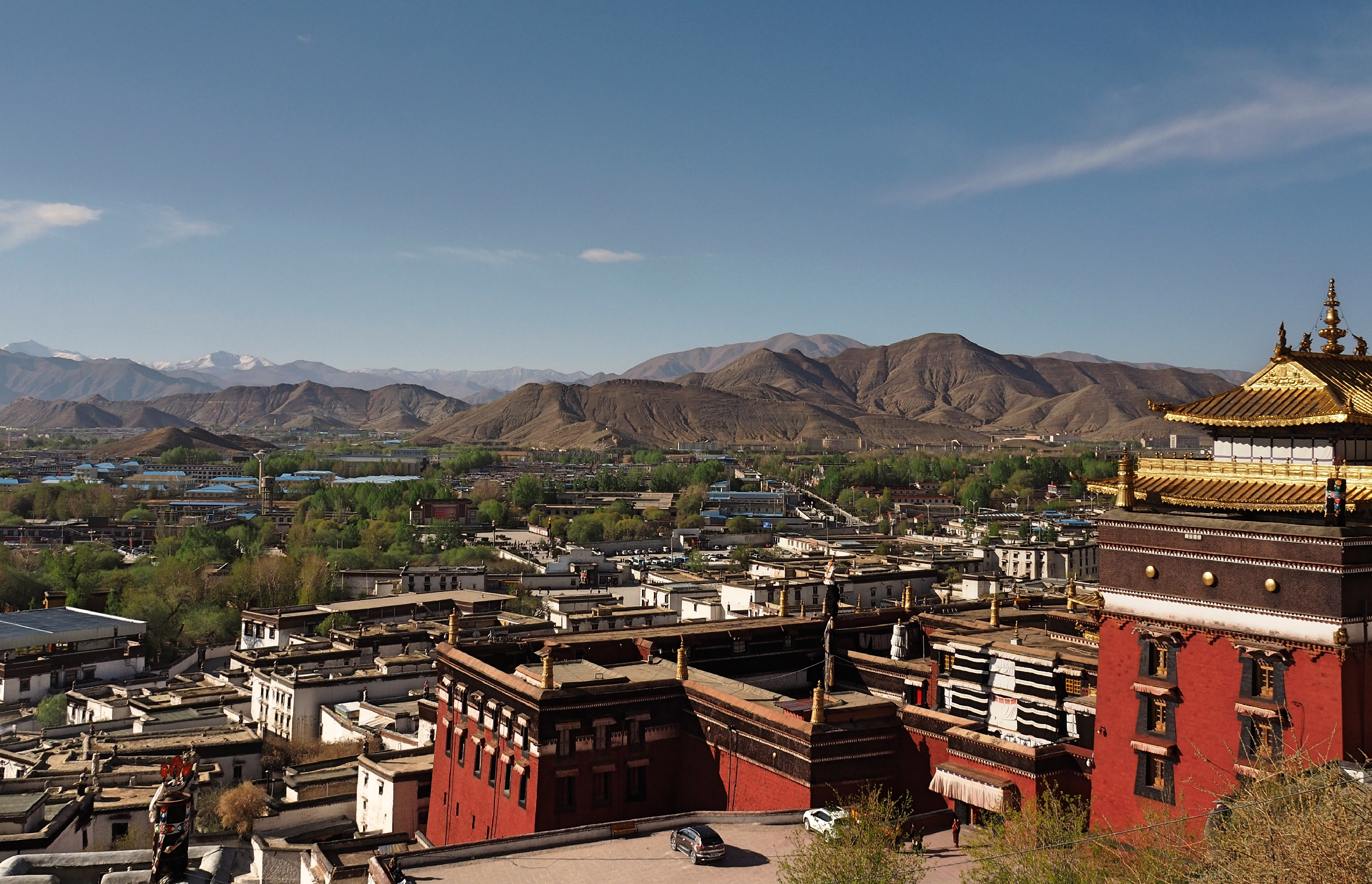
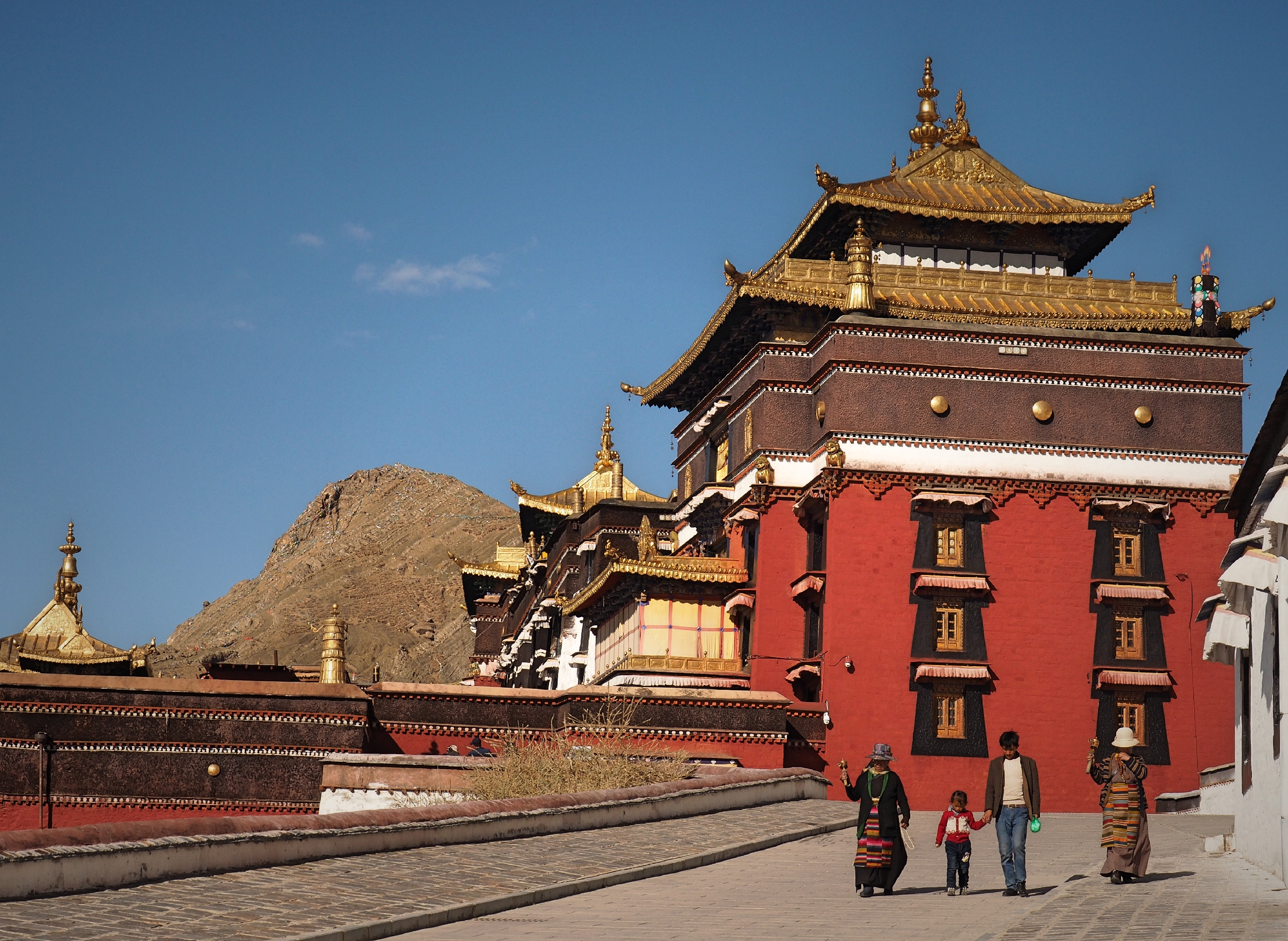
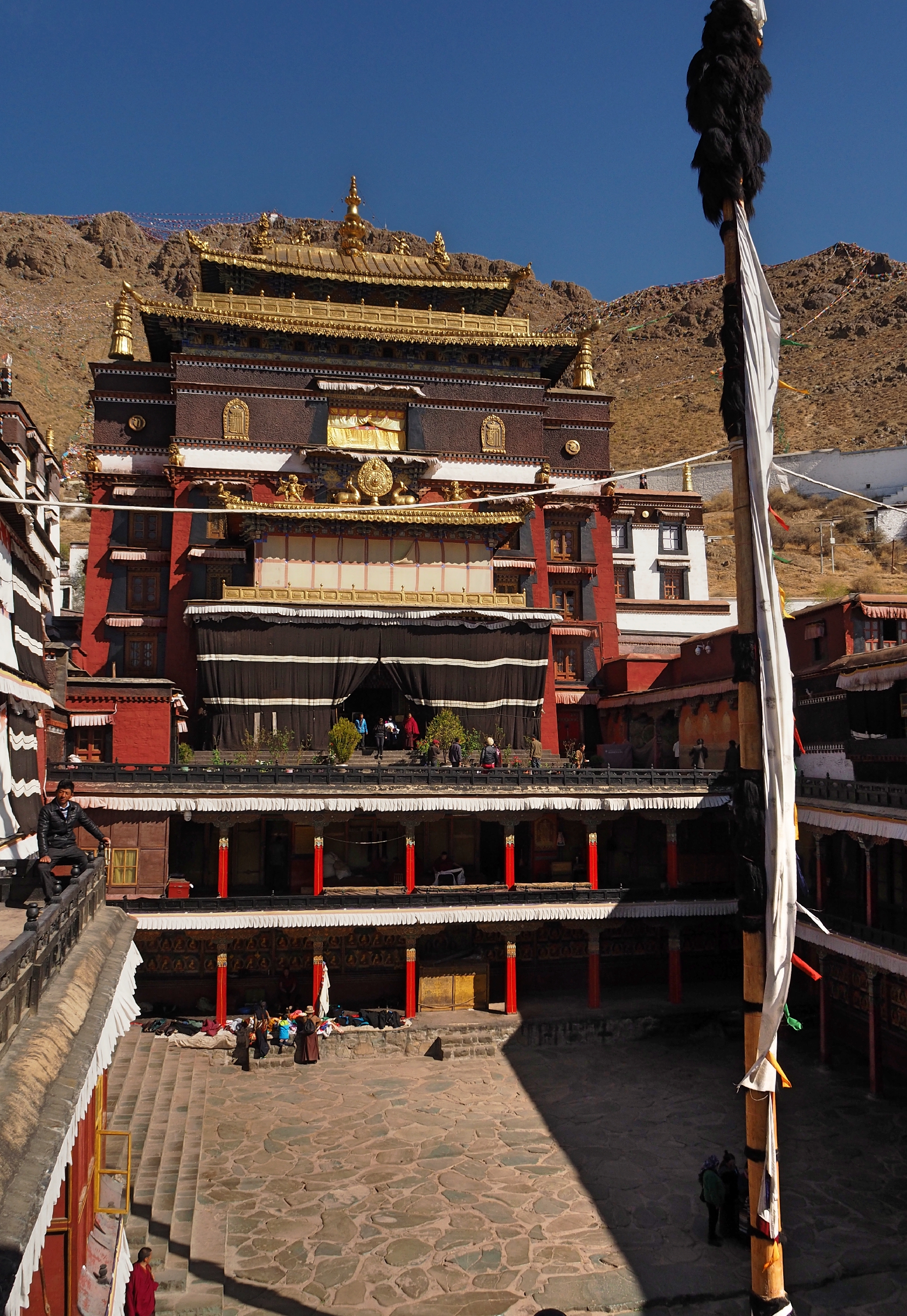
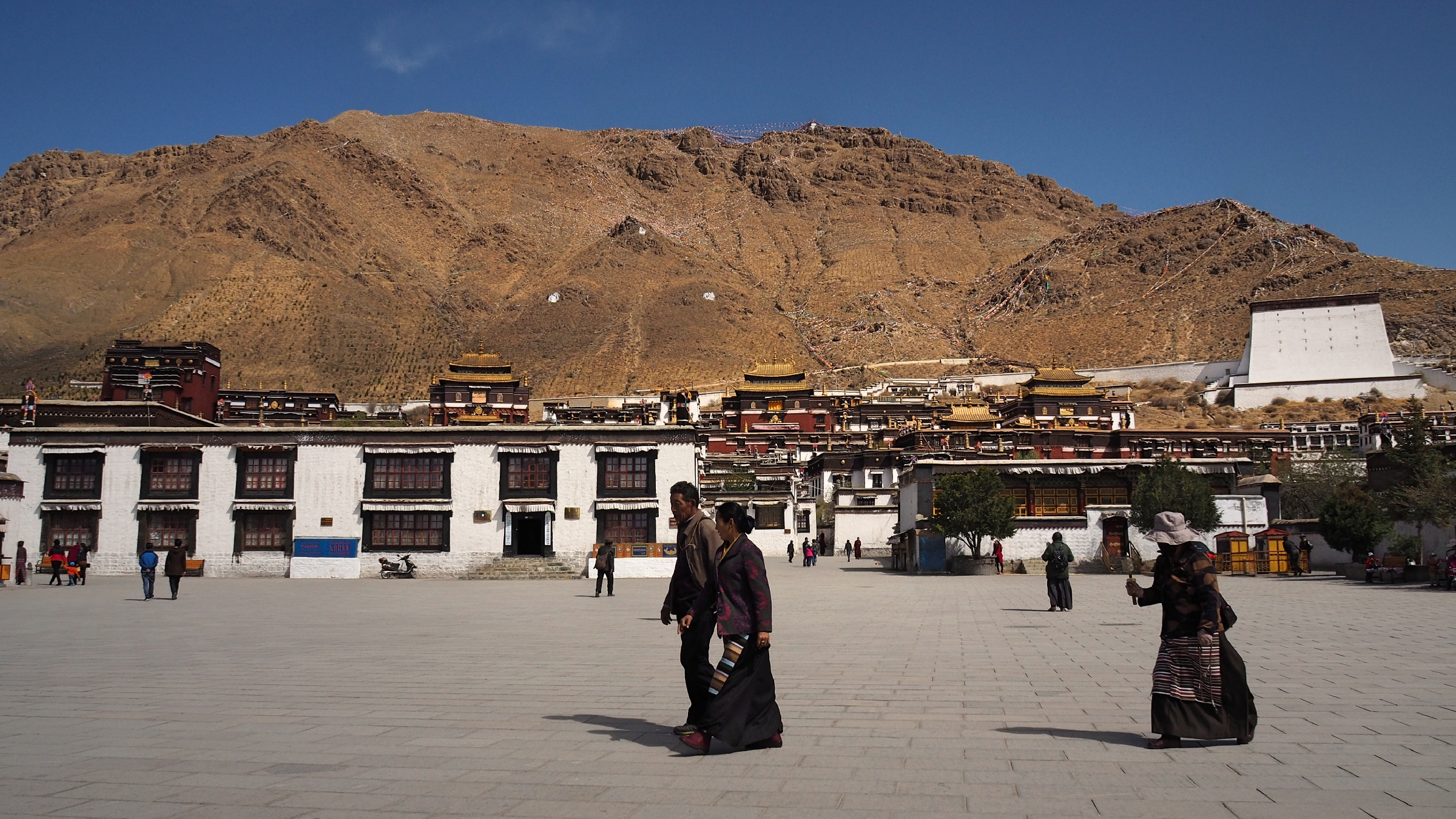
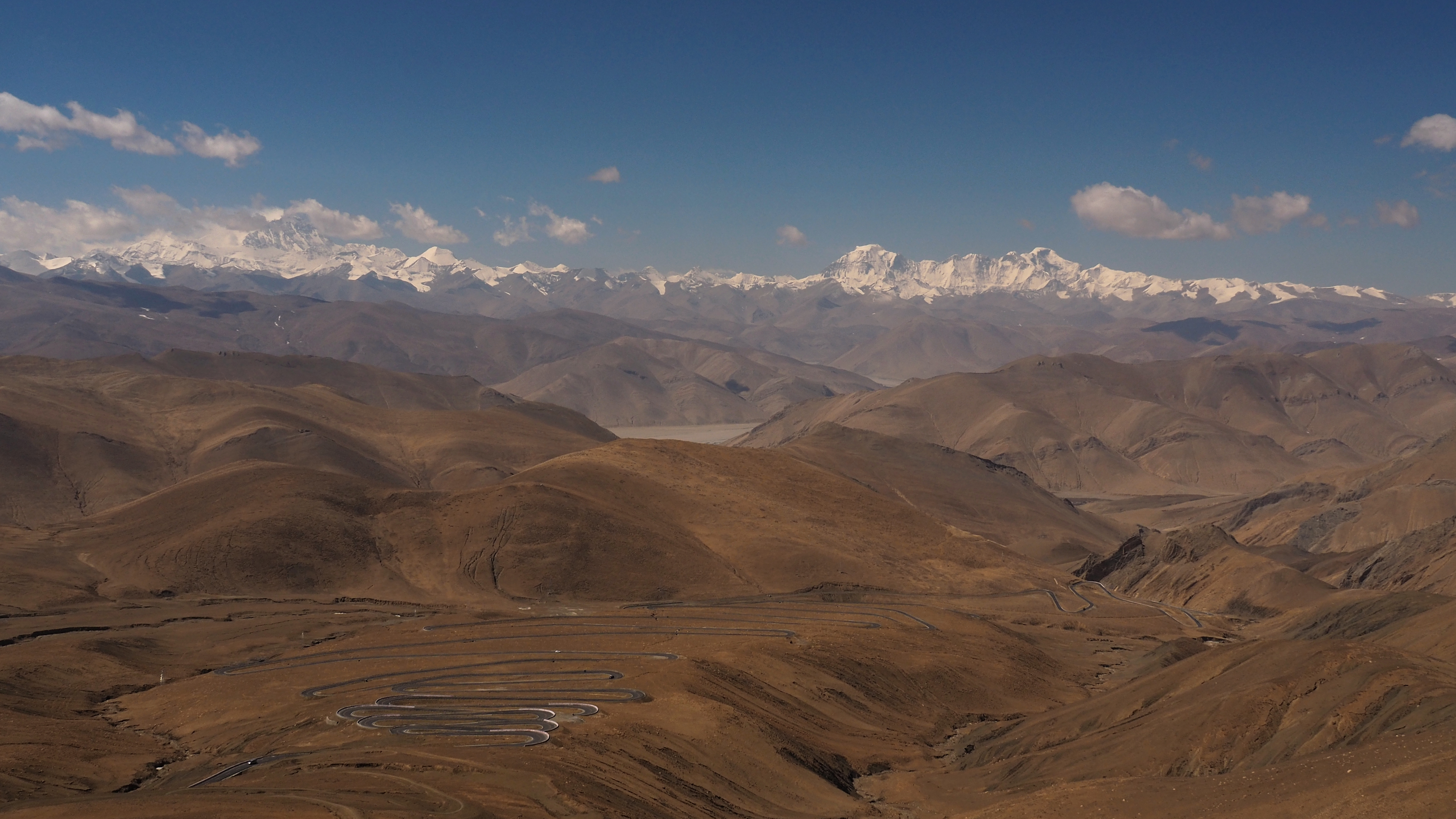
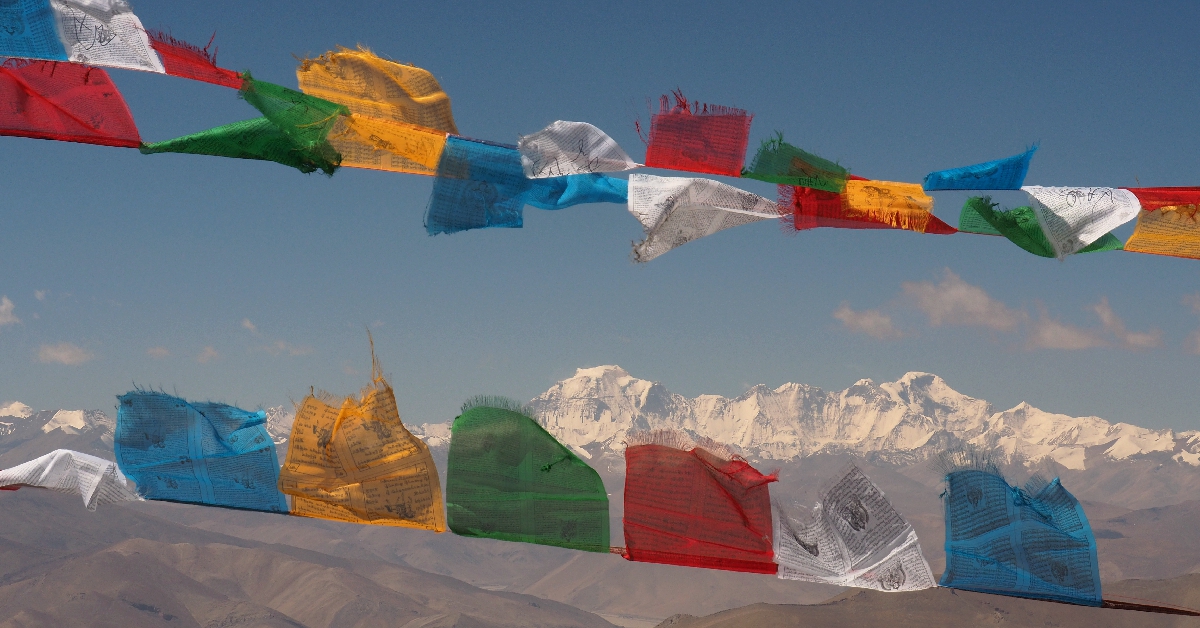
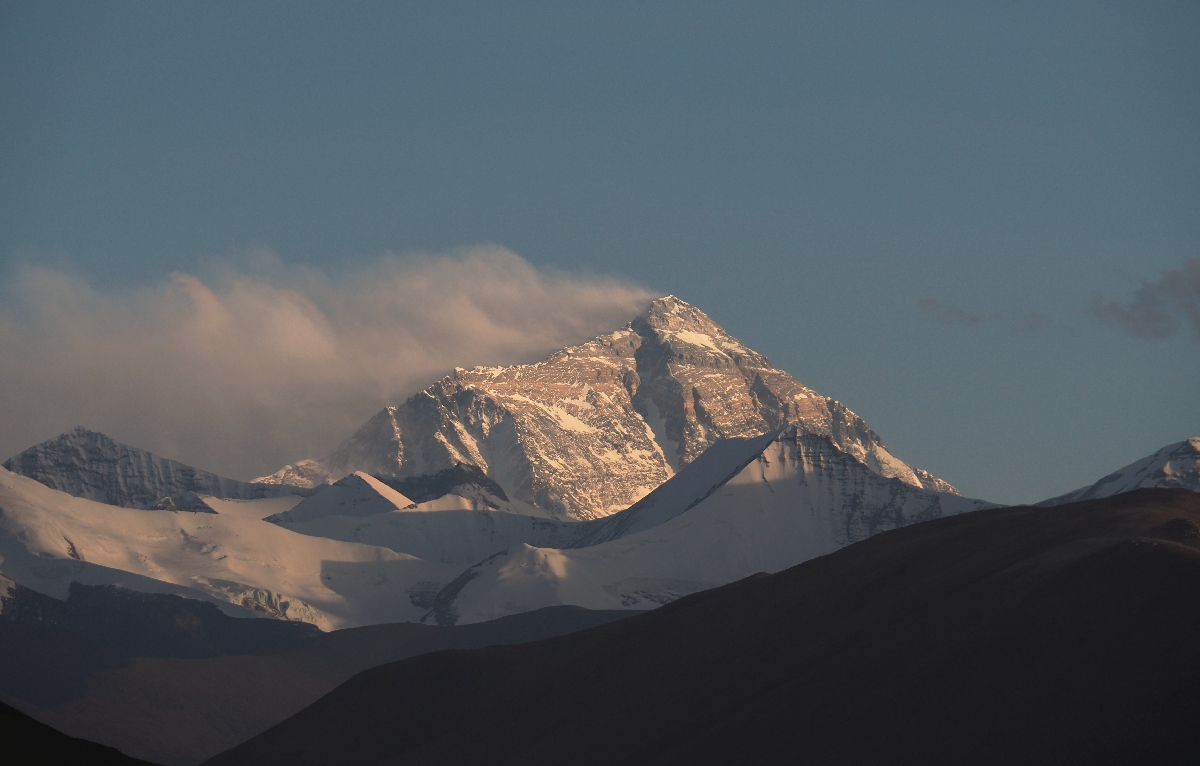
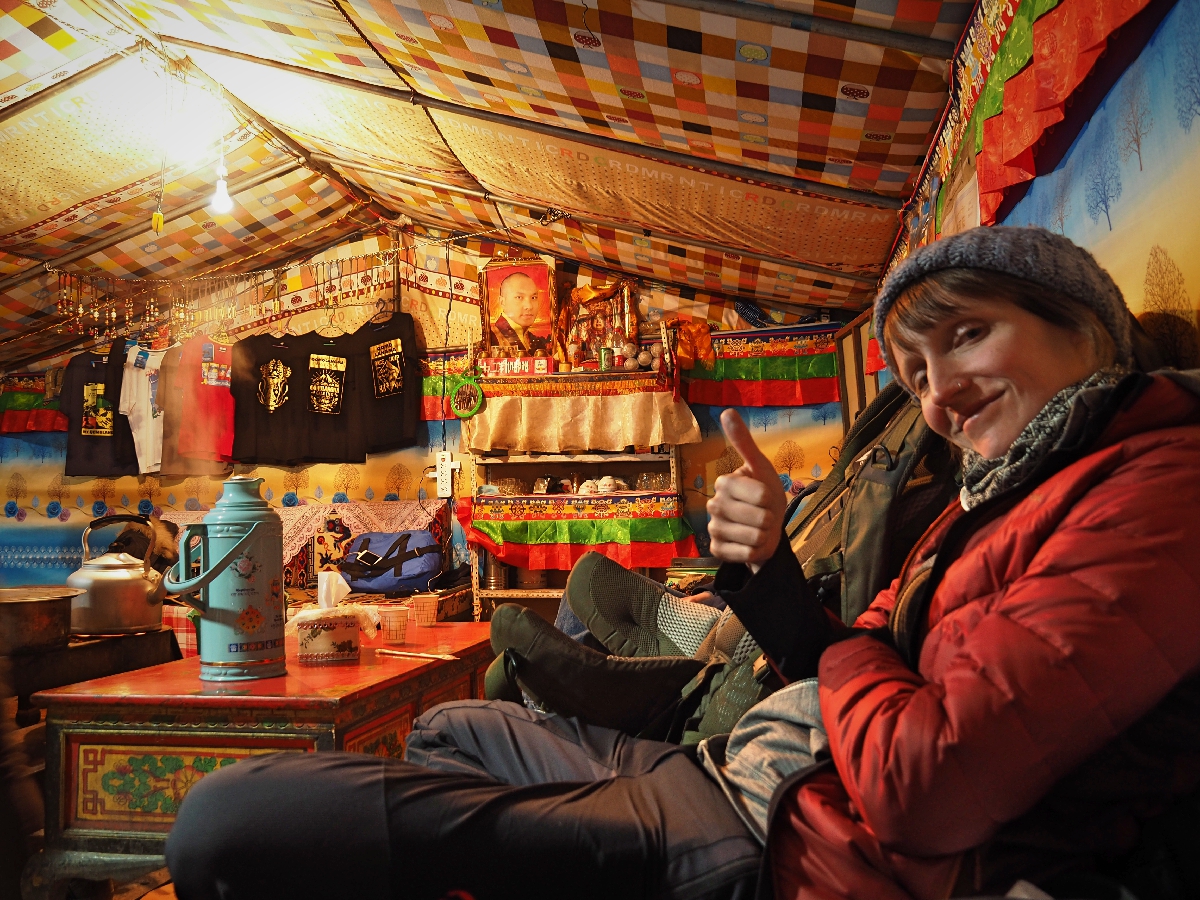
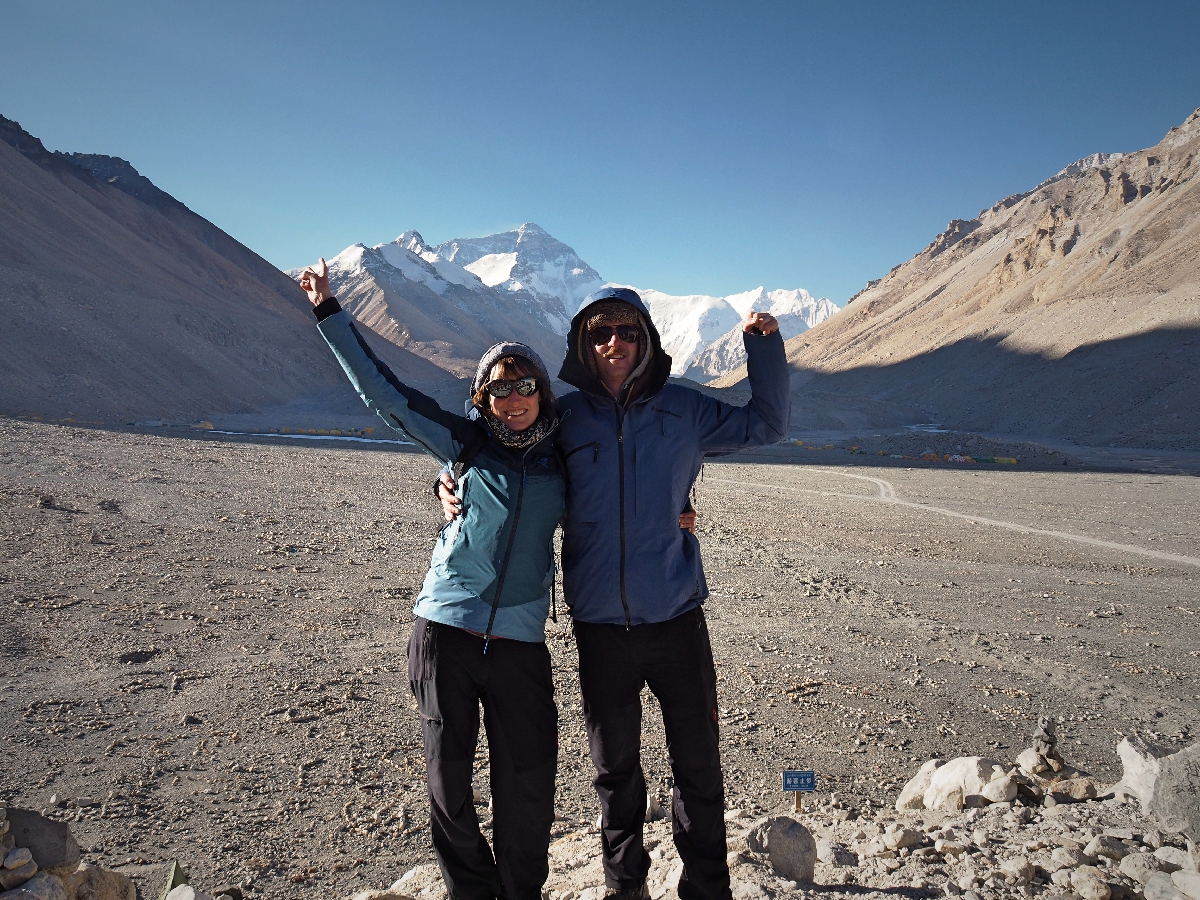
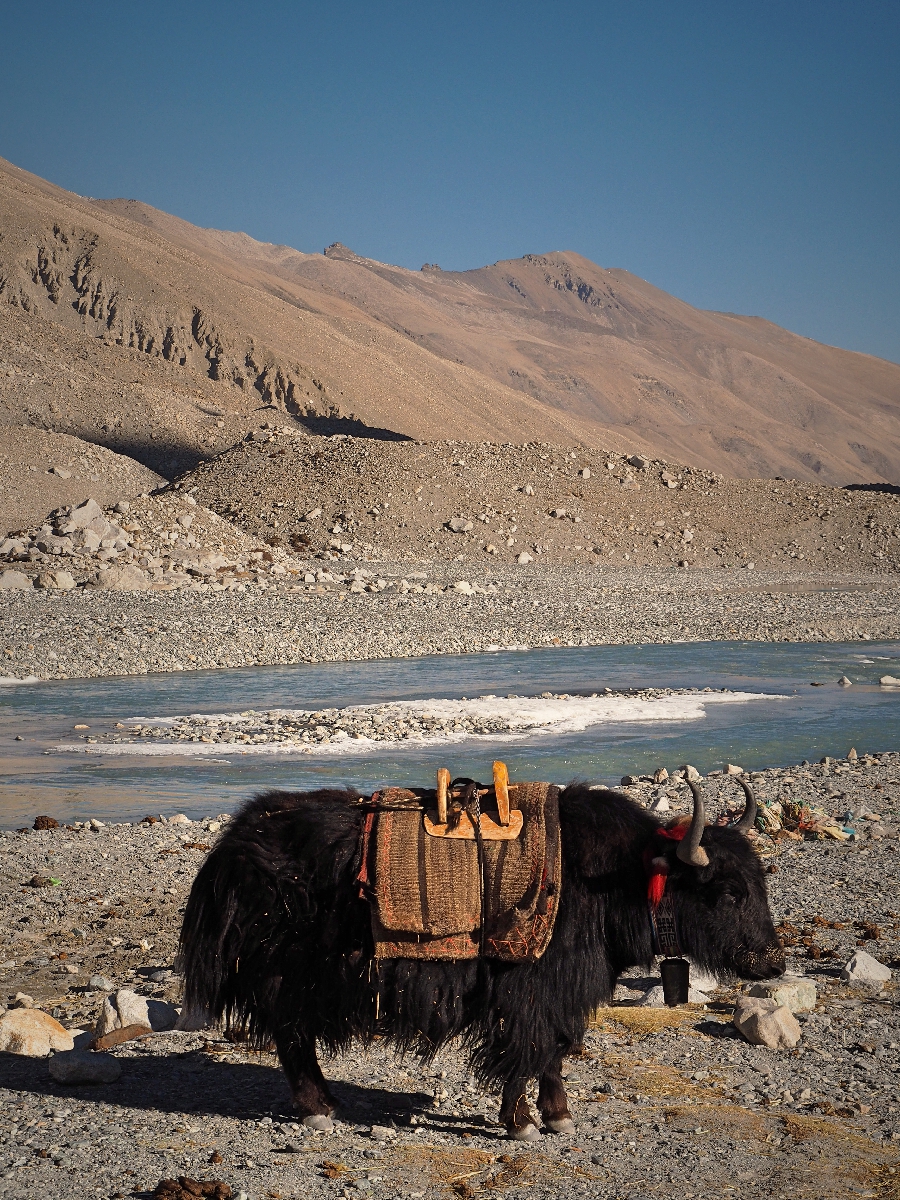
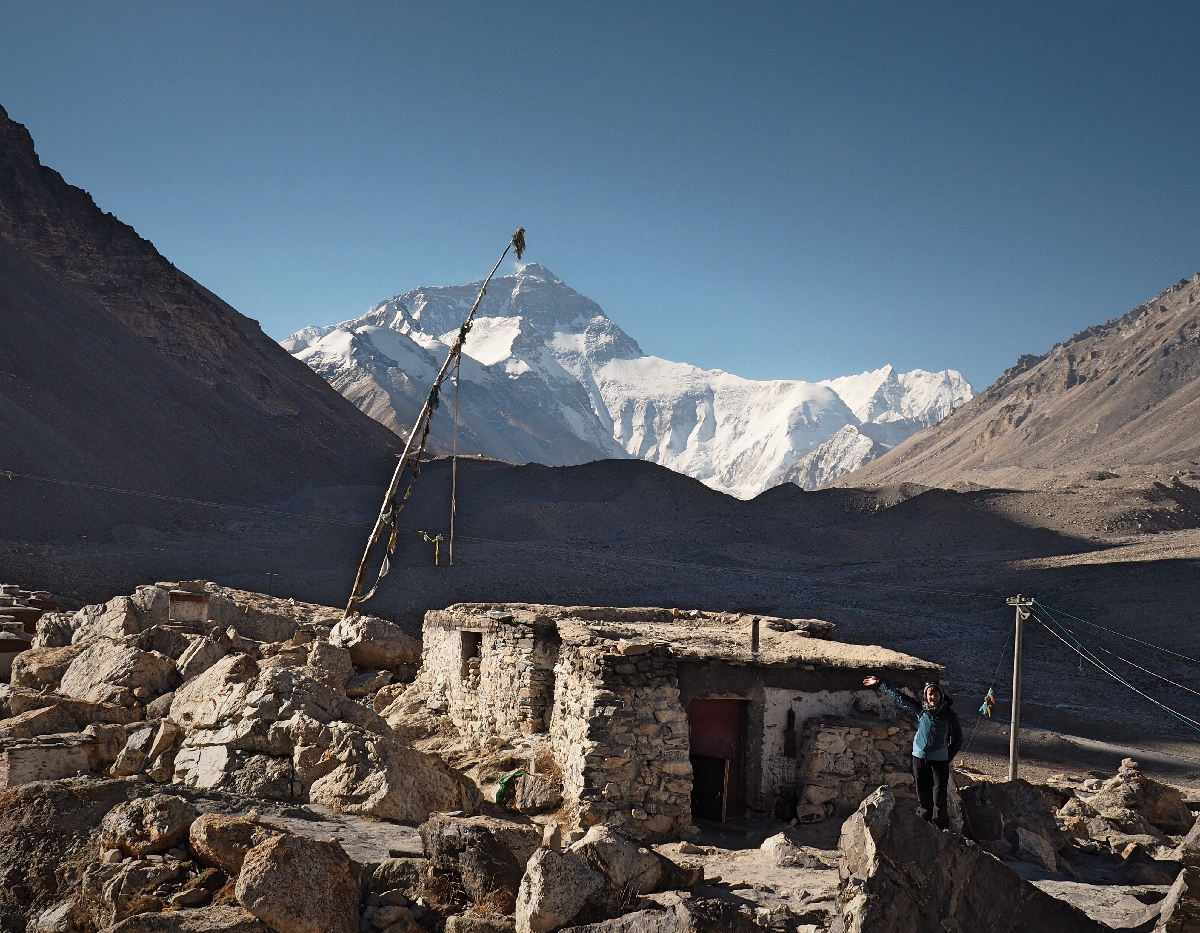
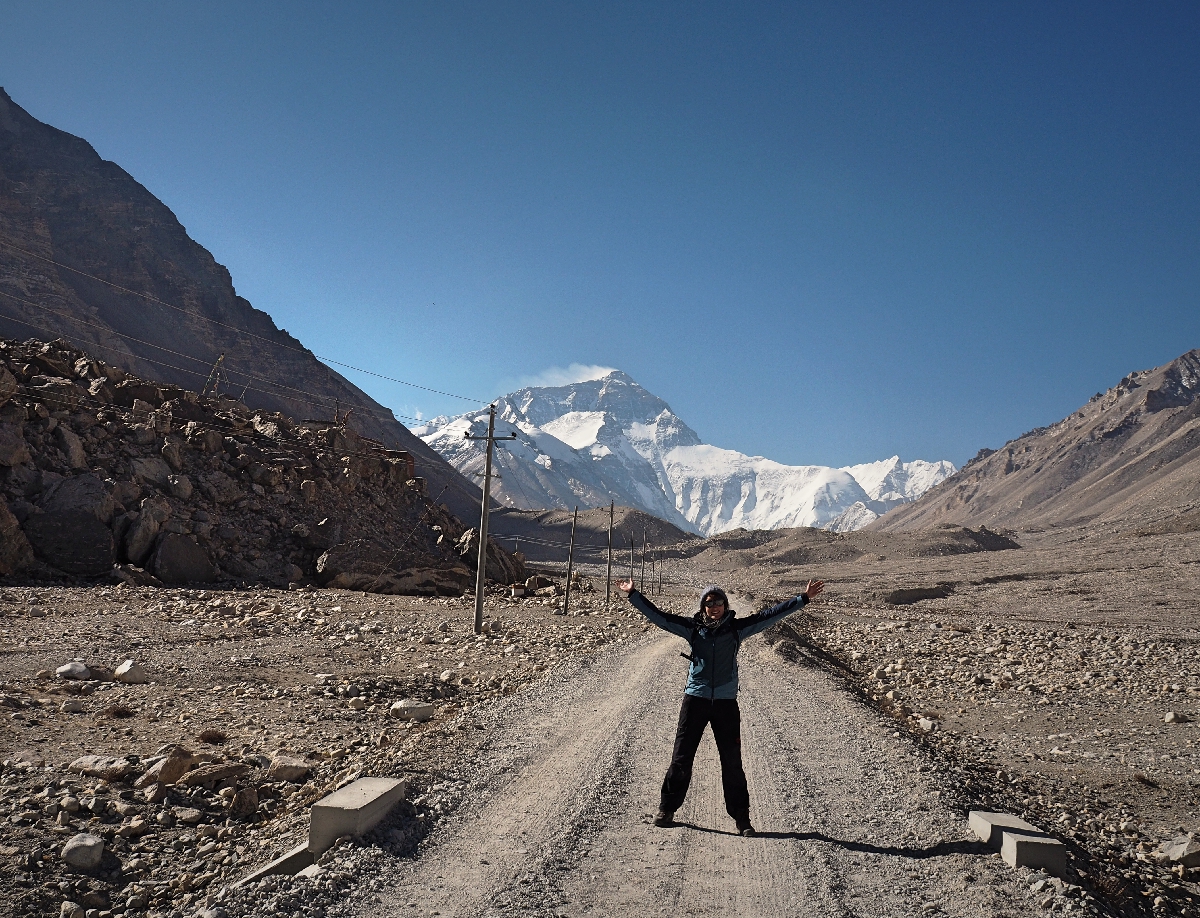
The next morning in Shigatse, we visited the Tashilhunpo Monastery. Then we drove over two mountain passes. The second was the Gyatso La Pass with an altitude of 5248masl. From the top we had a fine view of 5 of the 10 highest mountains in the world (Mount Makalu with 8463masl, Mount Lhotse with 8516masl, Mount Qomolangma with 8844masl, Mount Cho Oyu with 8201masl, and Mount Xixiabangma with 8012masl)! By nightfall we reached the Everest base camp. There we slept in a tent at an altitude of 5100masl. Even though it was bitter cold outside, we felt quite cozy next to an oven fuelled with dried yak shit.
Panoramic view of 5 of the world’s 10 highest mountains:
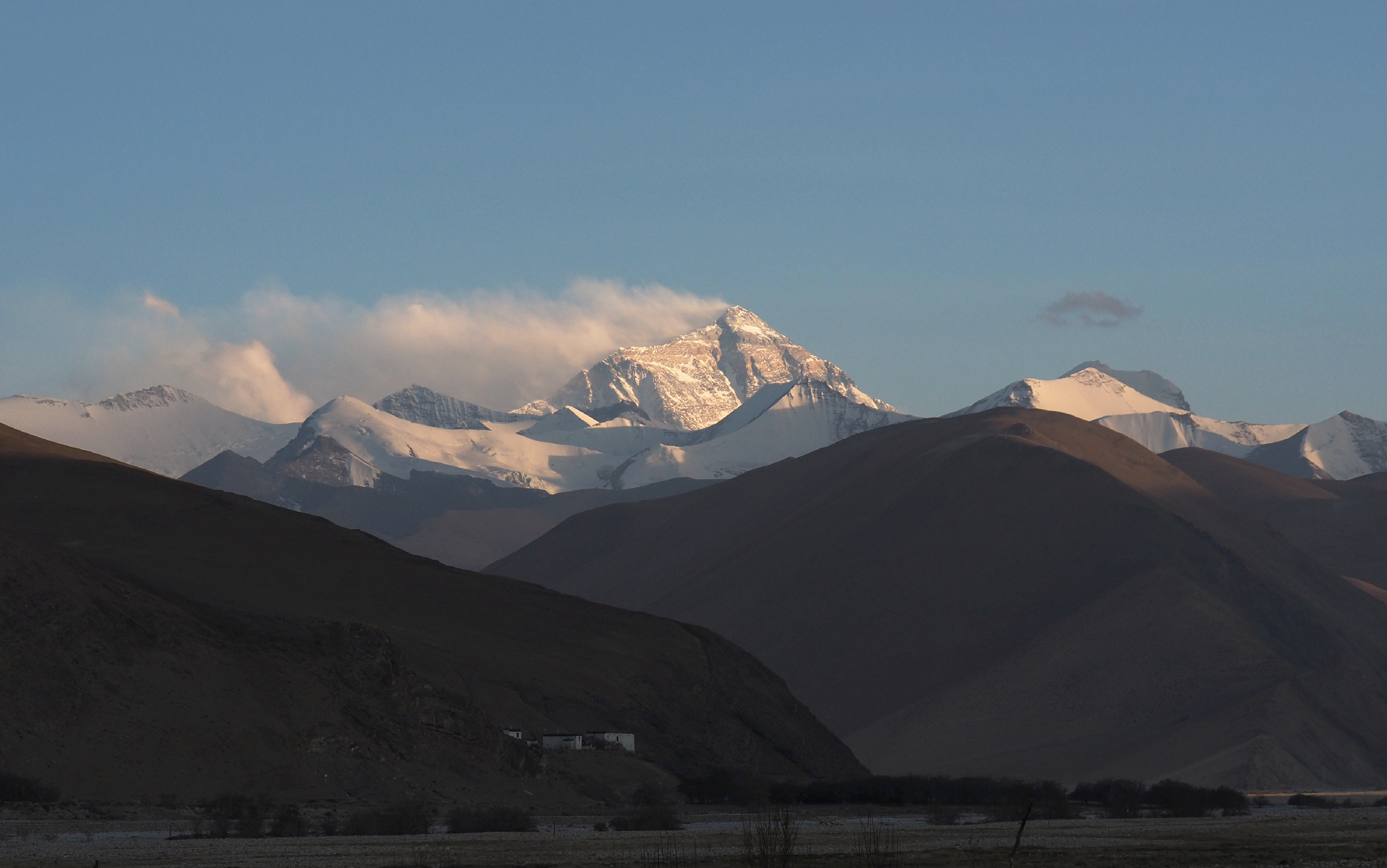
Mount Everest at sunset:
In a cozy tent at Everest basecamp:
The next morning we got up early to see the sunrise over Mount Everest (or as the Tibetans call it, Qomolangma). We were impressed to see this natural spectacle at the world’s highest mountain. Before we headed back to Shigatse, we took a look at the small Rongphu Monastery. At an altitude of 5000masl it is the world’s highest monastery.
From Shigatse we drove through the countryside straight back to Lhasa, where we enjoyed our last afternoon among the locals and did our final koras around the Potala Palace and the Jokhang Temple.
Now our great “Journey to the West” has come to an end. Currently we are in Beijing, where we’ll visit the Great Wall, the Forbidden City, Tian’anmen Square and other sights, before we’ll leave China for another country…
What we will miss about China:
The low number of western tourists, which gave our travel experience a very authentic feel.
The amazing food variety. Food is a very important part of Chinese culture and is highly valued. The Chinese restaurants back home don’t even come close to this.
How often we got invited to share a meal with complete strangers.
The mess on the table after a feast of hotpot.
The curiosity and friendliness of the local people towards foreigners. Wherever we went, we ended up on numerous selfies with Chinese people. We were often greeted with the phrase: “Welcome to China”.
Chinese people lighting up whenever we tried to say something in Chinese.
Its natural beauty and cultural diversity.
The contrast between modern megacities and sleepy countryside villages.
Above all: TIBET and its beautiful people.
What we won’t miss about China:
The public toilets, especially on bus rides. These are the worst we’ve ever seen.
The epic crowds on weekends and at top tourist attractions.
The impatience of the Chinese (the custom of standing in line doesn’t exist in China).
The entrance fees. There are fees for everything, be it lakes, valleys, summits or old towns. But at least everybody, even the Chinese, have to pay them equally.
The habit of honking rather than breaking while driving.
Vomiting Chinese right next to us during curvy bus rides.
Finally we would like to give you some concluding thoughts about our experiences in China. After the third time we’ve been here, we are still fascinated by this country. It offers everything from modern mega cities to small provincial villages, from rich millionaires to poor farmers and its natural beauty as well as its cultural diversity is simply striking.
First of all we would like to point out, that we’re not experts in Chinese culture and history, so the following remarks are solely based on our travel experience, reading of various books and conversations with locals.
We grew up in a free democracy where the power belongs to the people and when you’re not content with something you have the possibility to organize yourself and fight for your rights. However this is not true for China. The Chinese government or the Communist Party (CP) is still ruling the country with totalitarian methods from Communist times. They control everything and everyone. Above all the CP is controlling the media and is making sure that every Chinese gets the impression that China is the best country in the world. The CP also controls the internet and blocks websites like google, youtube and all western social media, which might show China or its government from a bad perspective. In everyday life everything is captured on camera or on photos and every time you check into a hotel, the staff has to send your information to the People’s Security Bureau (PSB), meaning that they always know where you are. Chinese people are well aware of this and they are still traumatized by many decades of suppression and the tragedies of the Cultural Revolution. They will mostly avoid talking about their government in a bad way. Usually they will just say that they are not interested in politics. That way they won’t get into trouble. However, they seem willing to accept this lack of freedom, as long as their economy is growing and their living standard is rising. In that sense, the Chinese seem to be very materialistic people.
The rise of China is clearly visible. There are construction sites everywhere, from huge highways to train stations, skyscrapers to whole settlements of empty buildings. Modernizing an enormous country with a population of 1.3 billion is an endeavor never before undertaken in the history of mankind.
And now to the part, that saddens us the most: the Tibet problem. Tibet and its people are violently occupied by the Chinese since the 1950’s and are at best, second class citizens in their own country. They are deprived by all basic democratic rights and freedoms and must exist under a colonial administration of the CP and the so called ‘Peoples Liberation Army’. Tibetans don’t own a passport, which means they’re trapped in China, although it seems that in certain areas they start issuing Chinese passports for Tibetans now. The Chinese government has encouraged the migration of Han Chinese to Tibetan settlements for many years now, so that the Tibetans have become a minority in their own country. In worst case they will remain nothing more than a mere tourist attraction. Even now the CP is still tearing down Tibetan settlements and chasing away Tibetan monks. Besides violating human rights, this strongly threatens their cultural heritage and traditional lifestyle. The people of Tibet have suffered and gone through a lot in the past decades. Especially the separation from their spiritual leader the Dalai Lama is an almost unbearable burden for these deeply spiritual people. The Tibet problem is a big taboo throughout China and the Dalai Lama is the public enemy number one.
Despite their tragic history, the Tibetans are among the friendliest and kindest people we’ve ever met. We highly admired and were deeply touched by their determination in clinging to their community and their faith which is something the Chinese can’t take away from them.
However, we hold no grudge against the Chinese people as they are most likely not truthfully informed and educated about the Tibet problem. But we are fed up with the CP and their policies concerning Tibet. Under the current circumstances it’s hard to believe in a free Tibet, but we hope that someday China will grant the Tibetans more self-determination.
Hello everybody, here are some news from the western front:
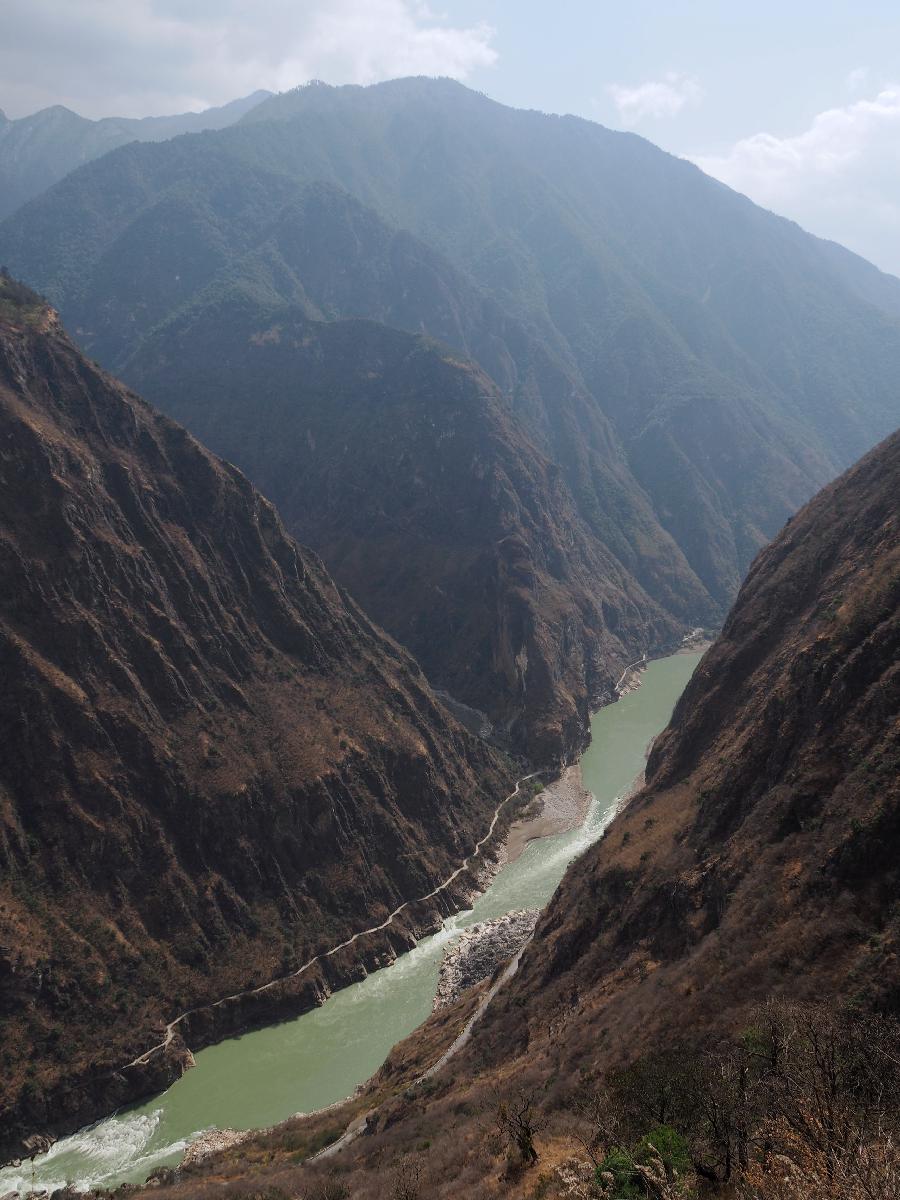
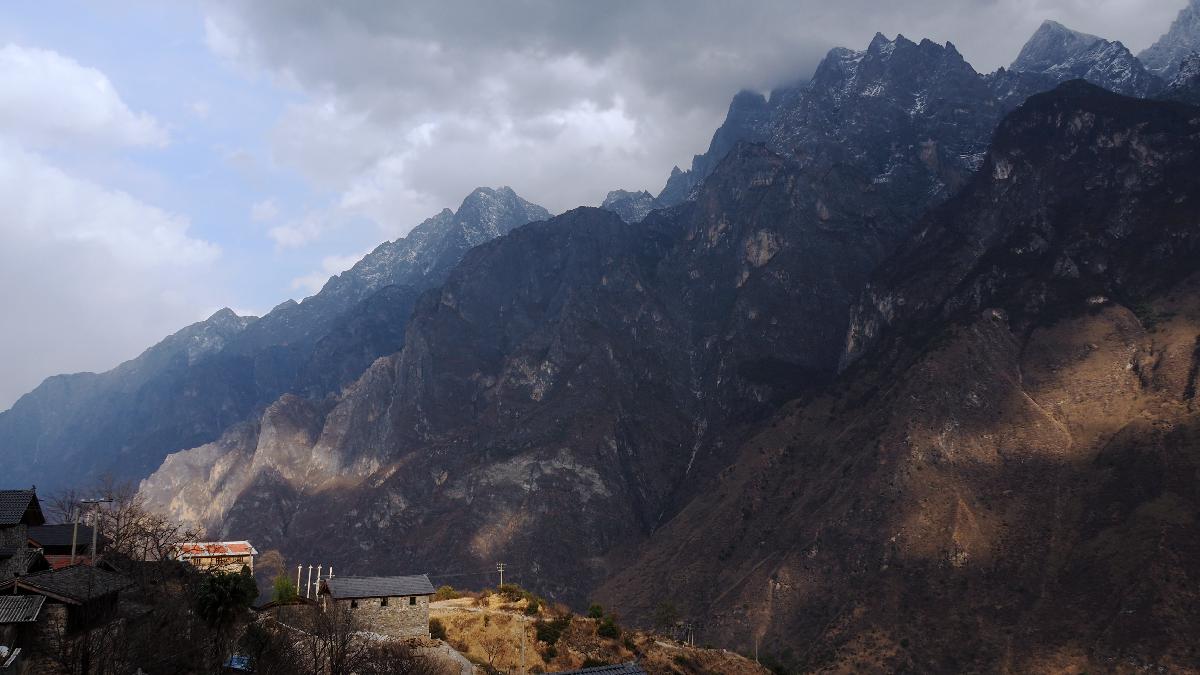
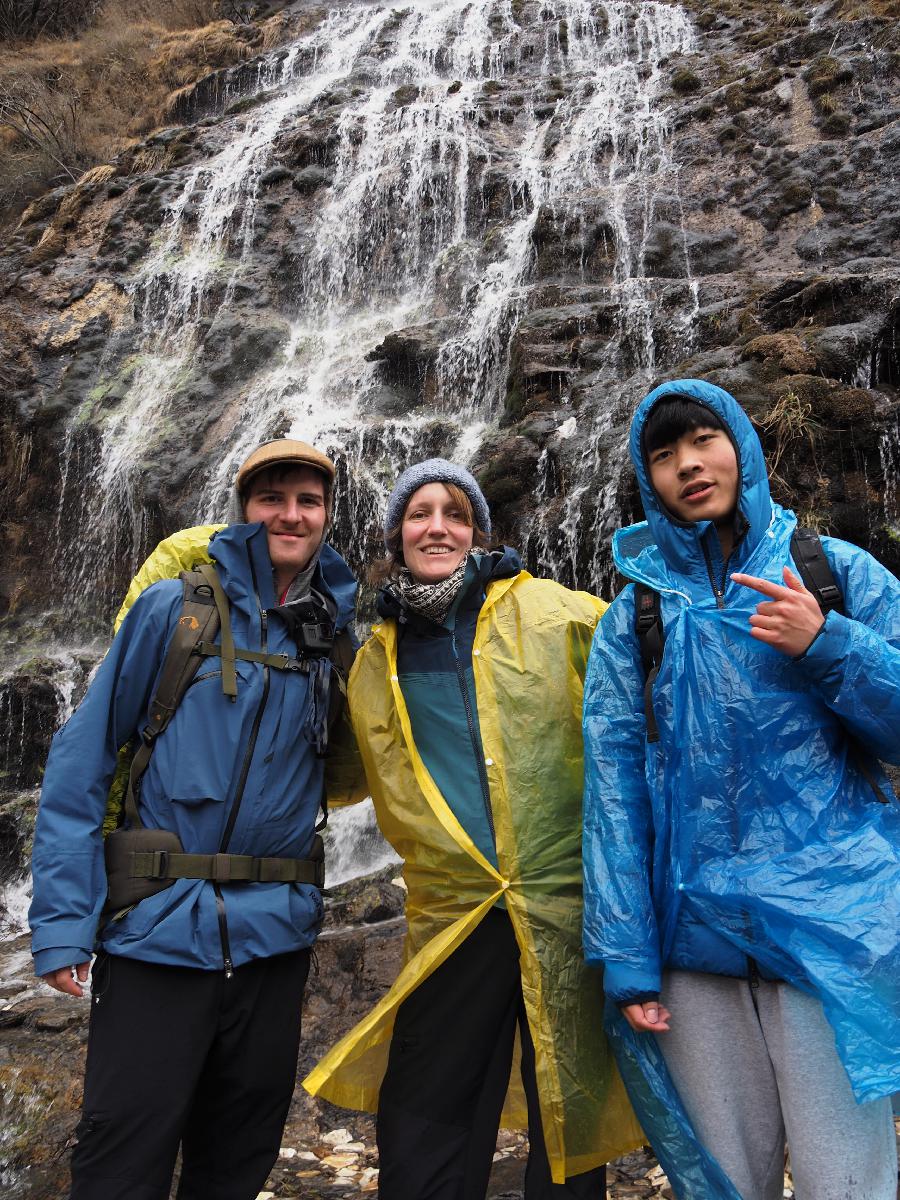
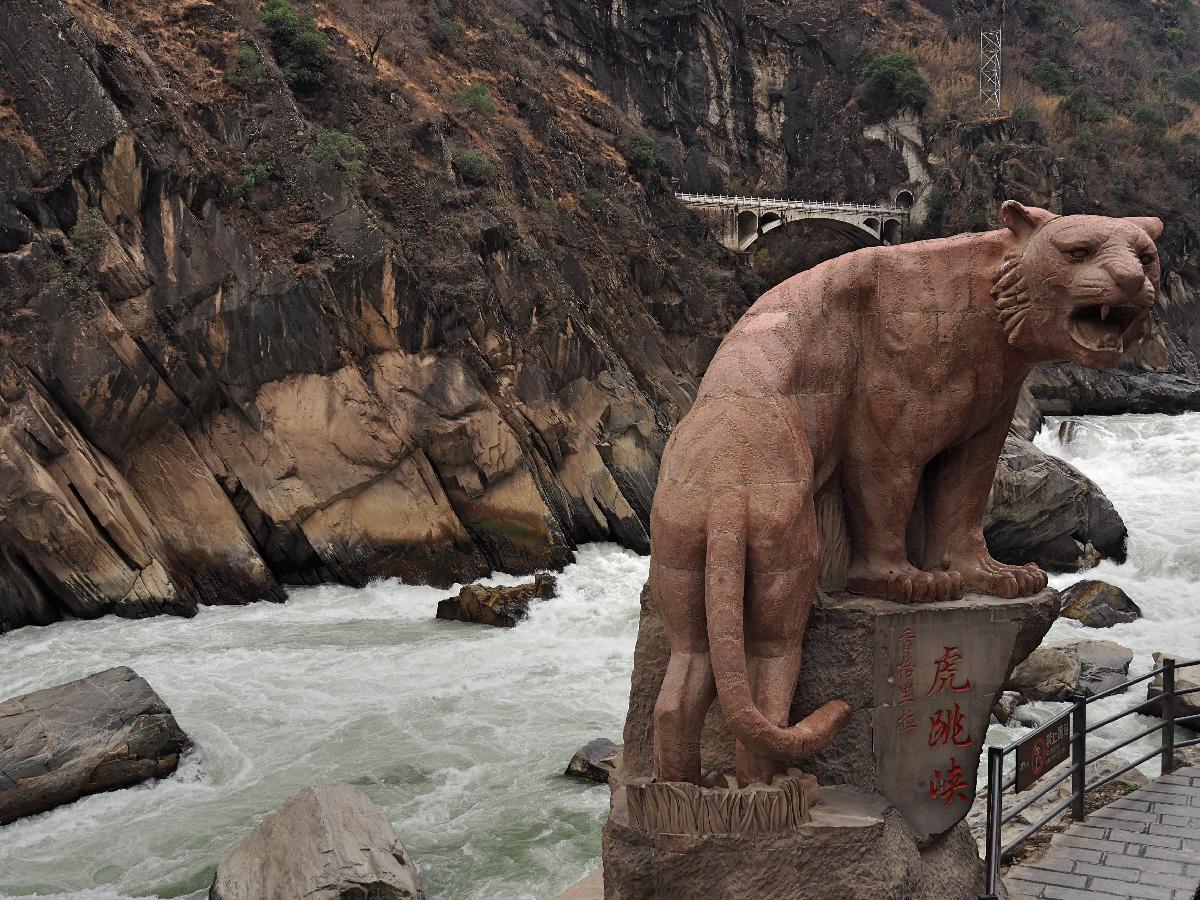
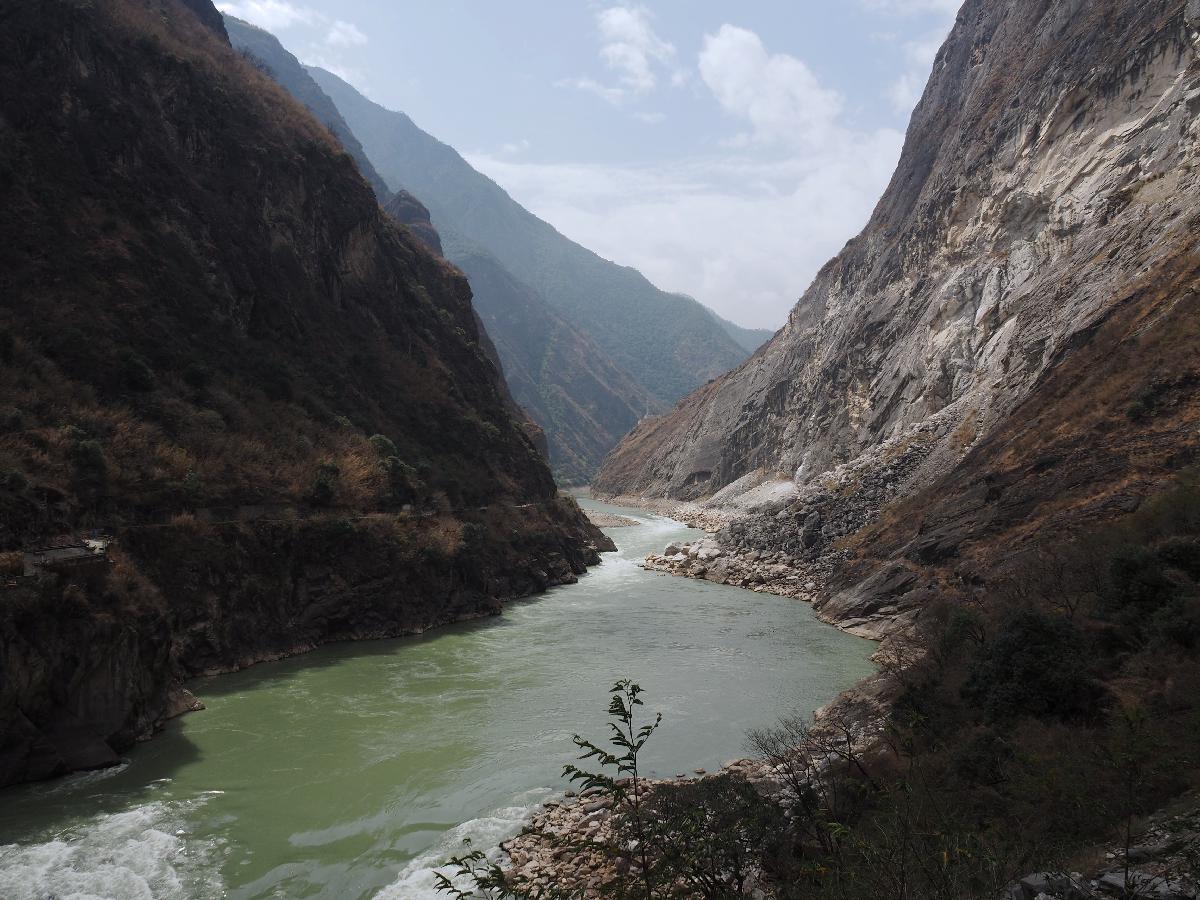
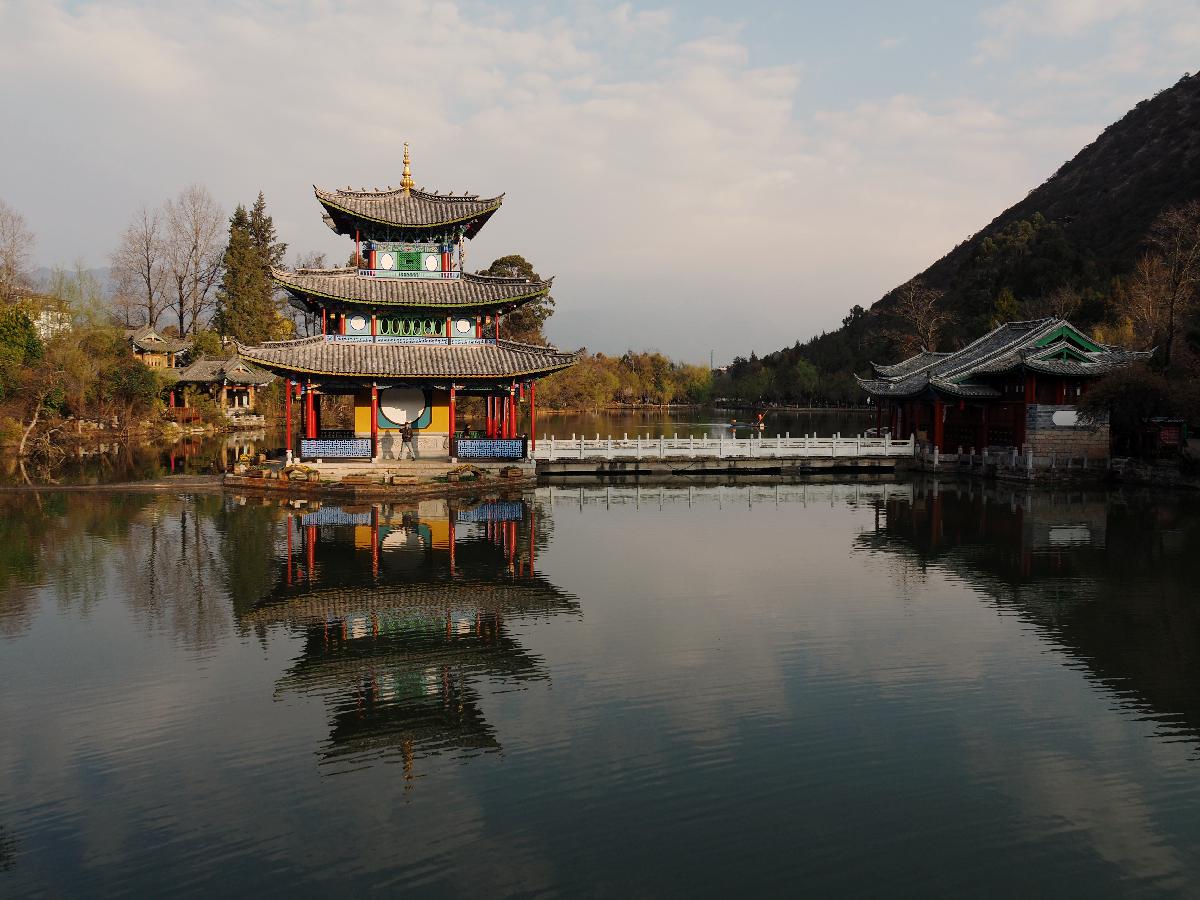
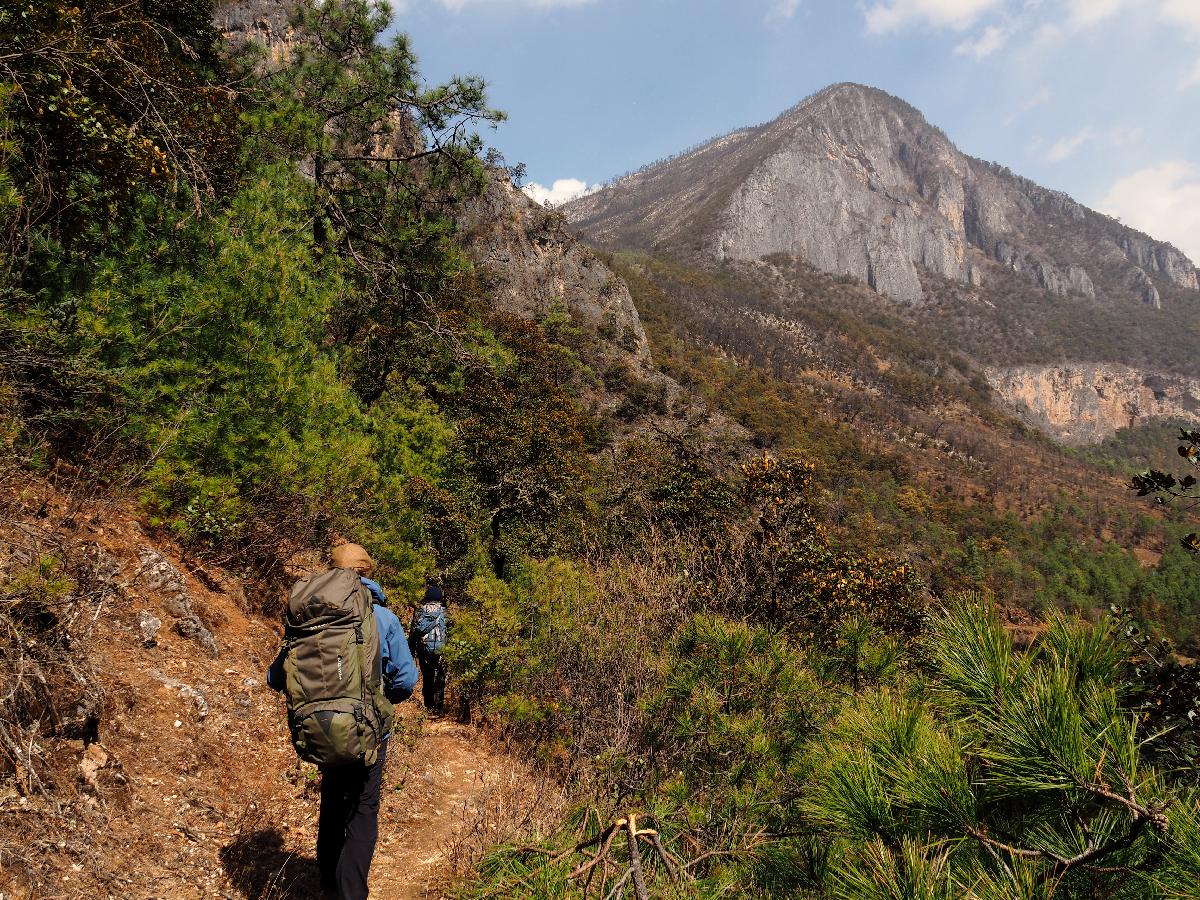
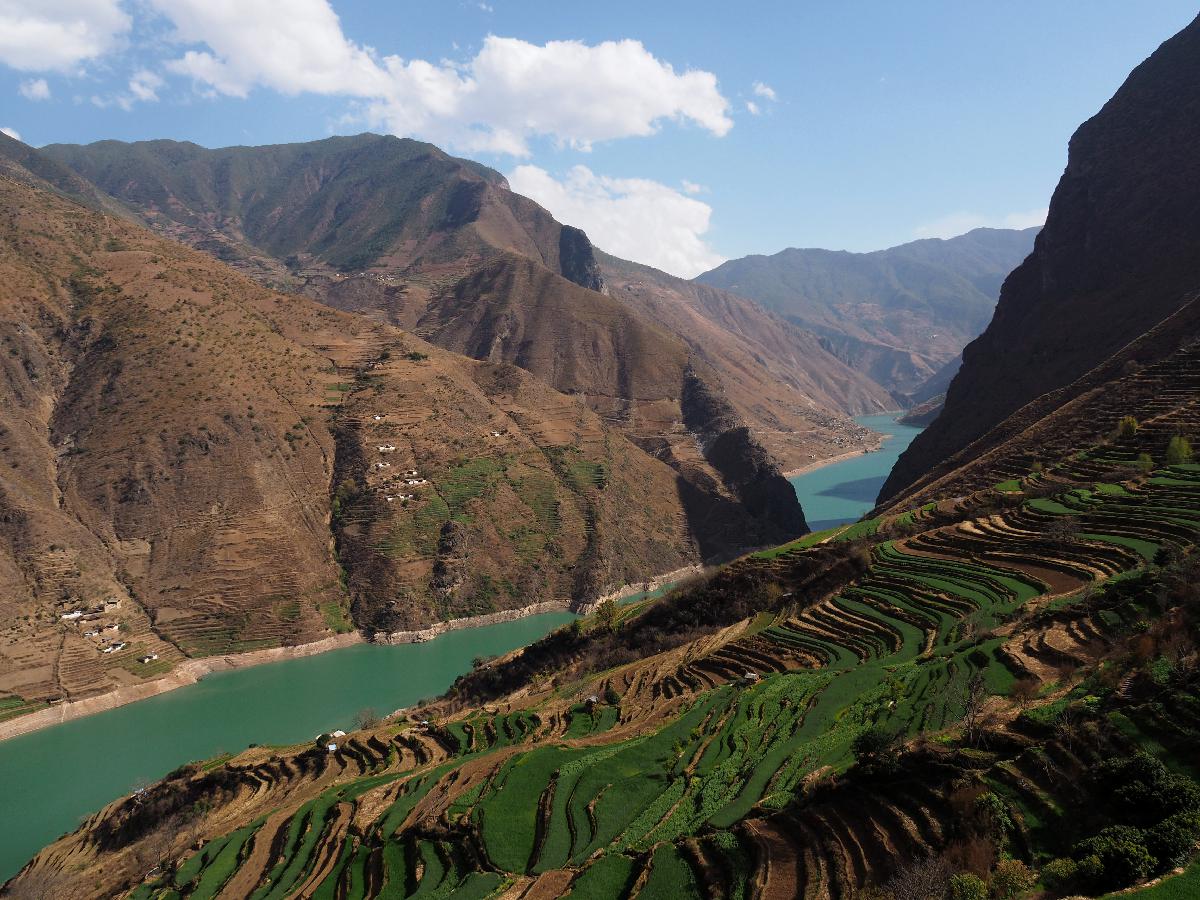
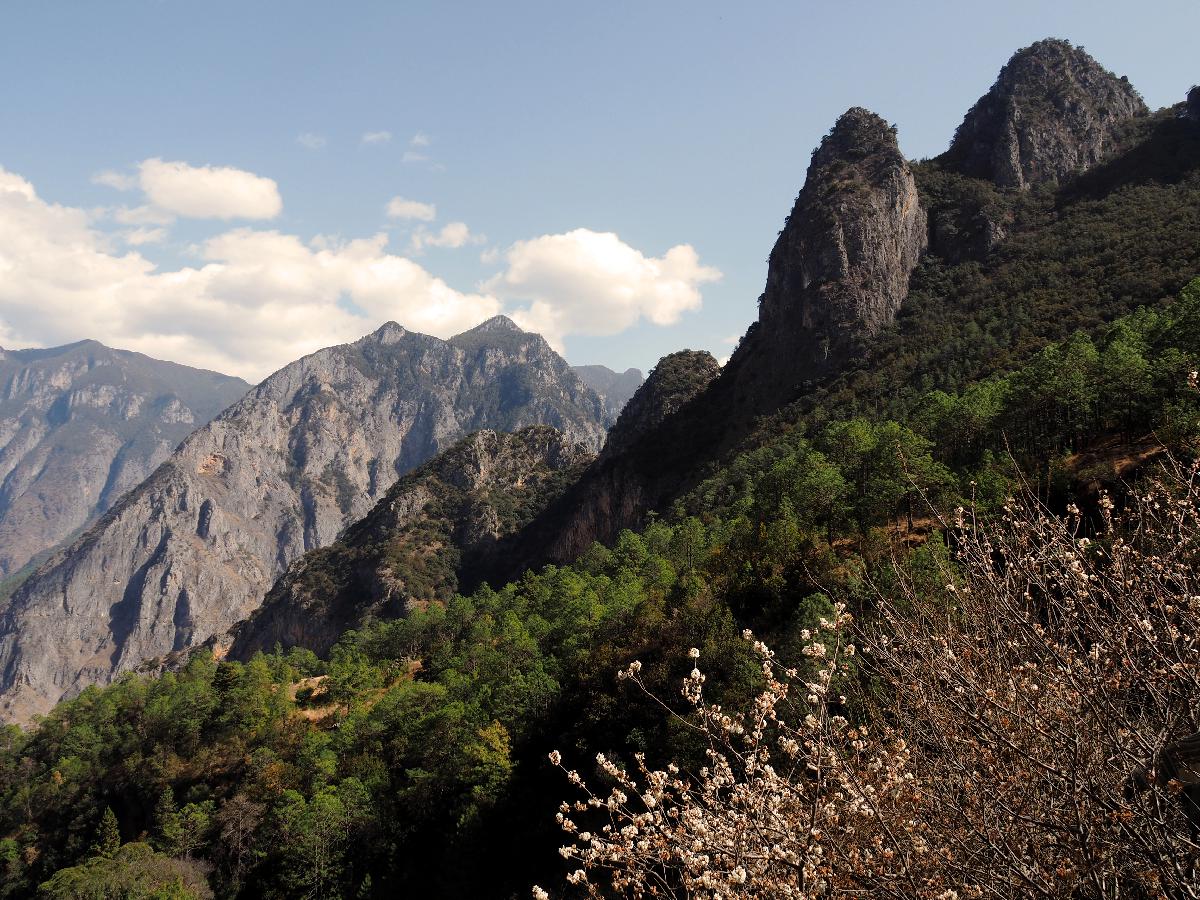
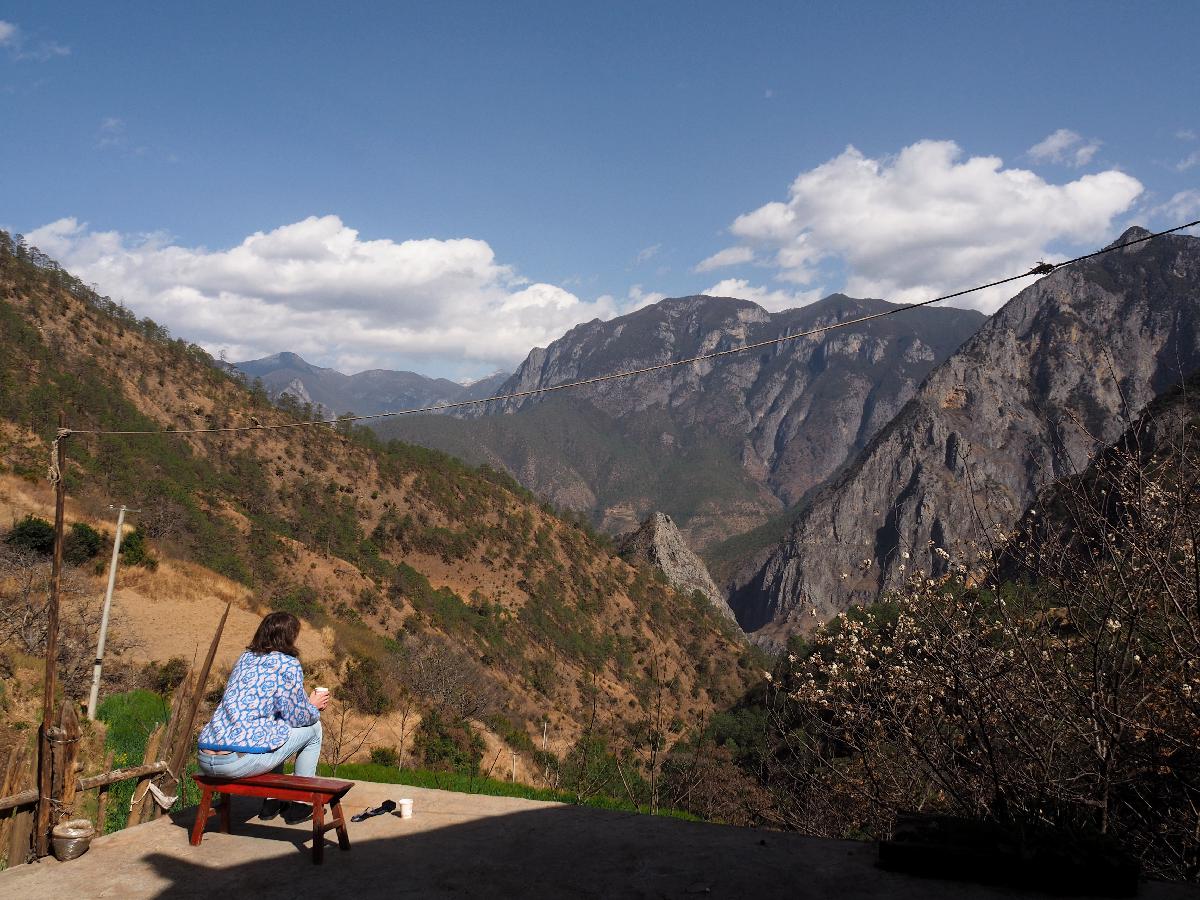
From Lijiang we headed to the Tiger Leaping Gorge to do a popular two day trek. On the first day, just when we were looking for a restaurant to have a good lunch, we met Mr. Mu again, who was accompanied by his 14 year old son. We decided then and there, that we would spend a couple of more days together. Although the weather wasn’t perfect, the scenery was still quite impressive. But compared to the five day trek to Lugu Lake, this one felt much more overrun by domestic tourists and for us, just like a walk in the park.
Tiger Leaping Gorge:
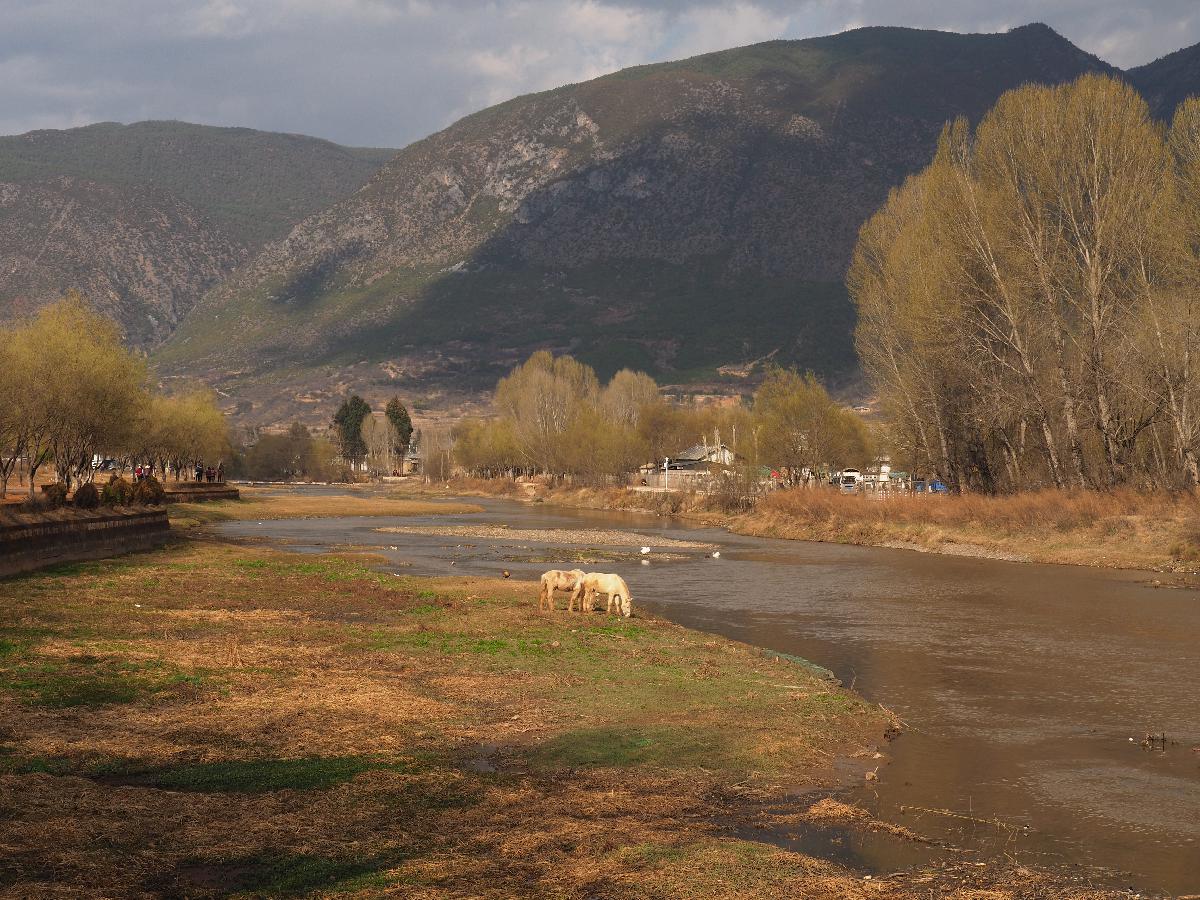
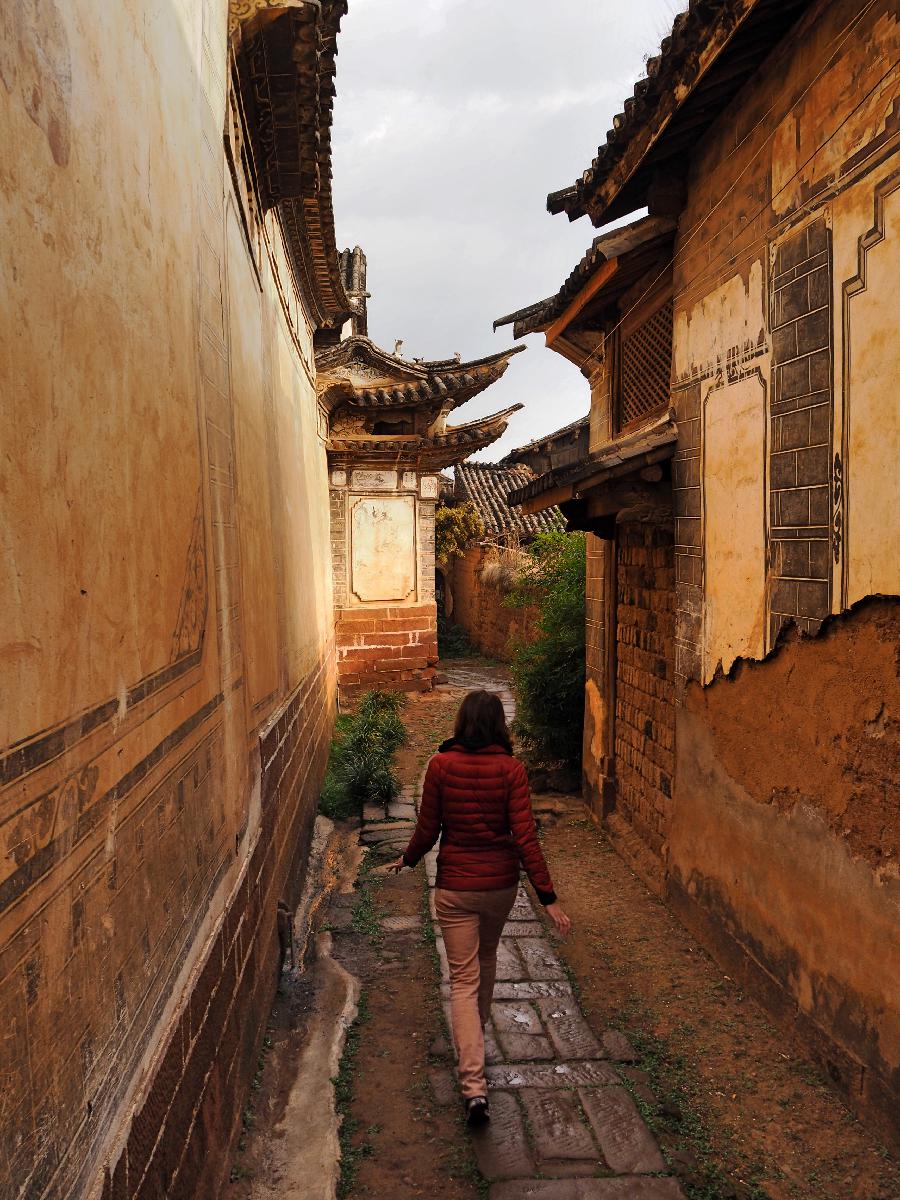
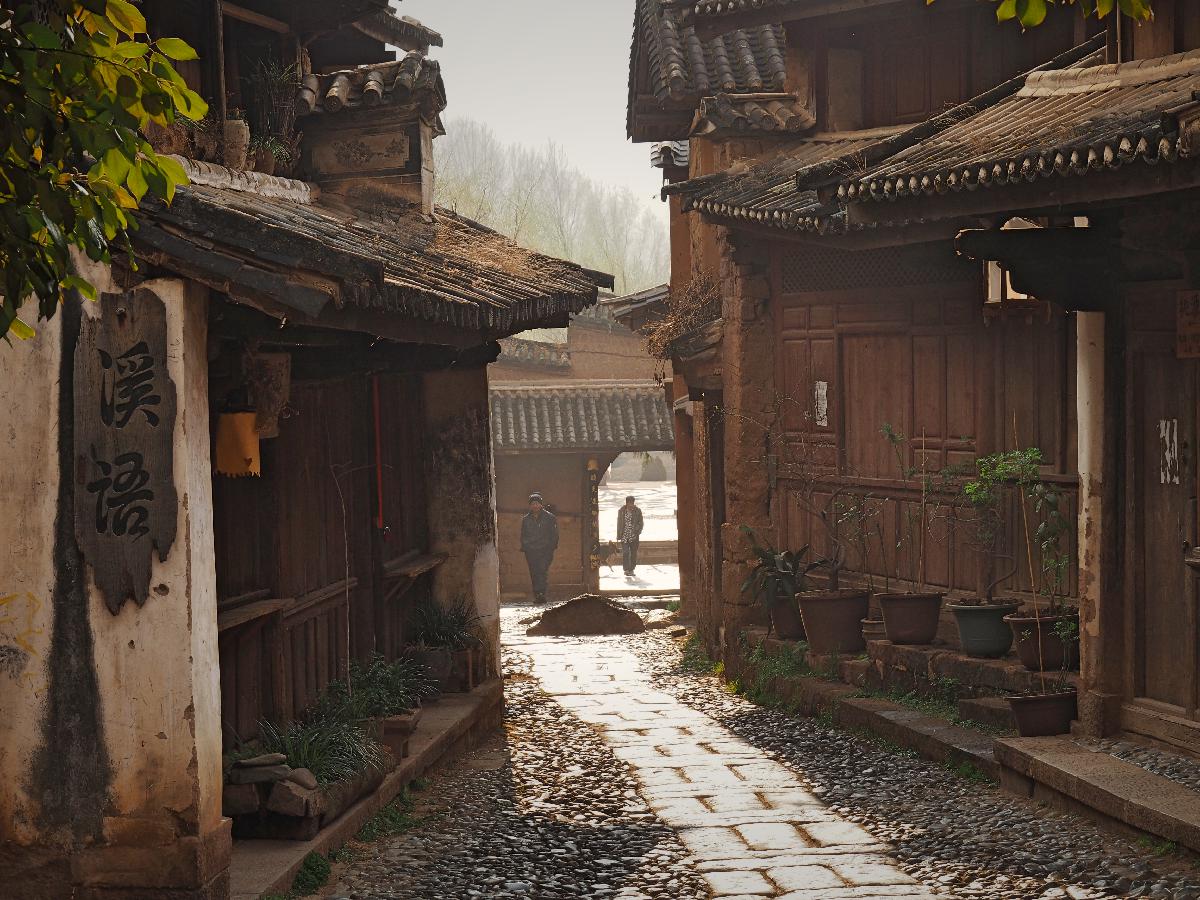
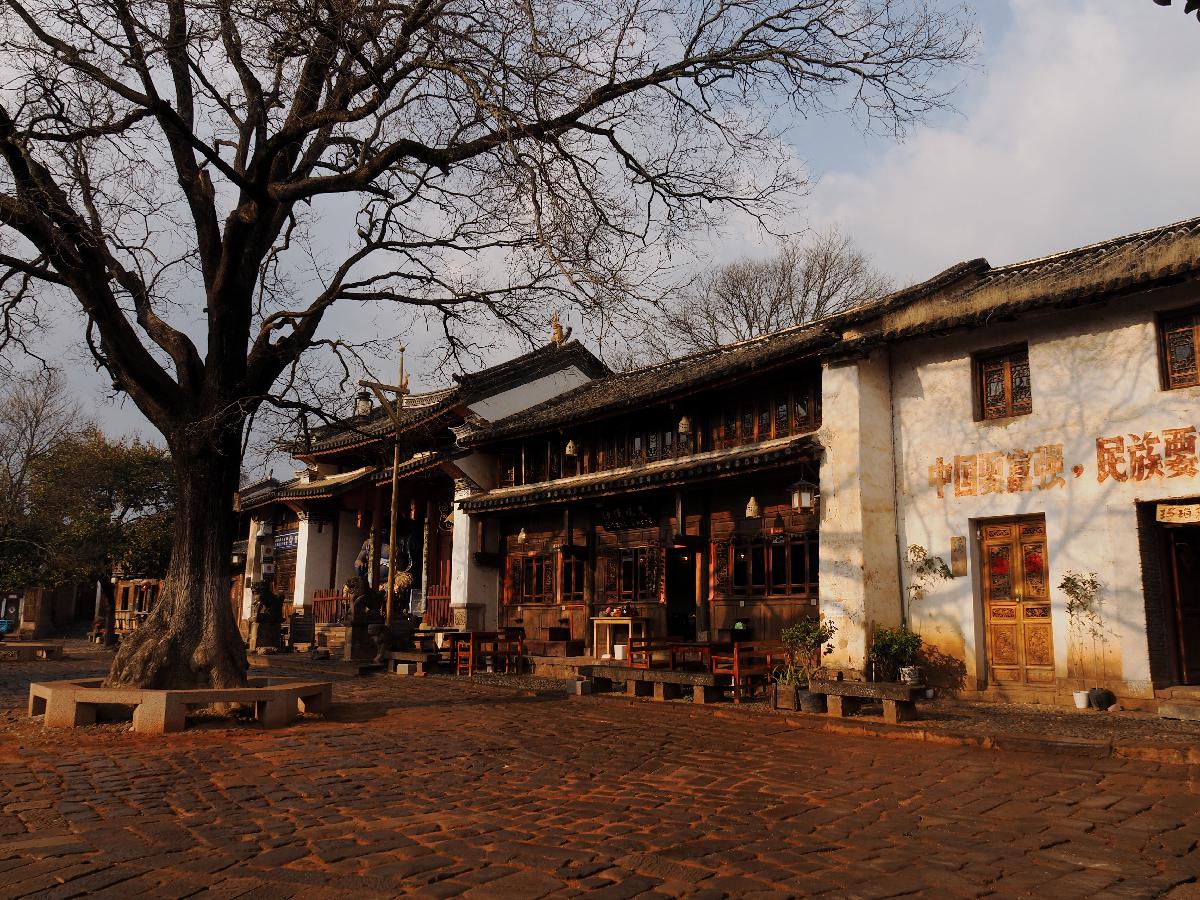
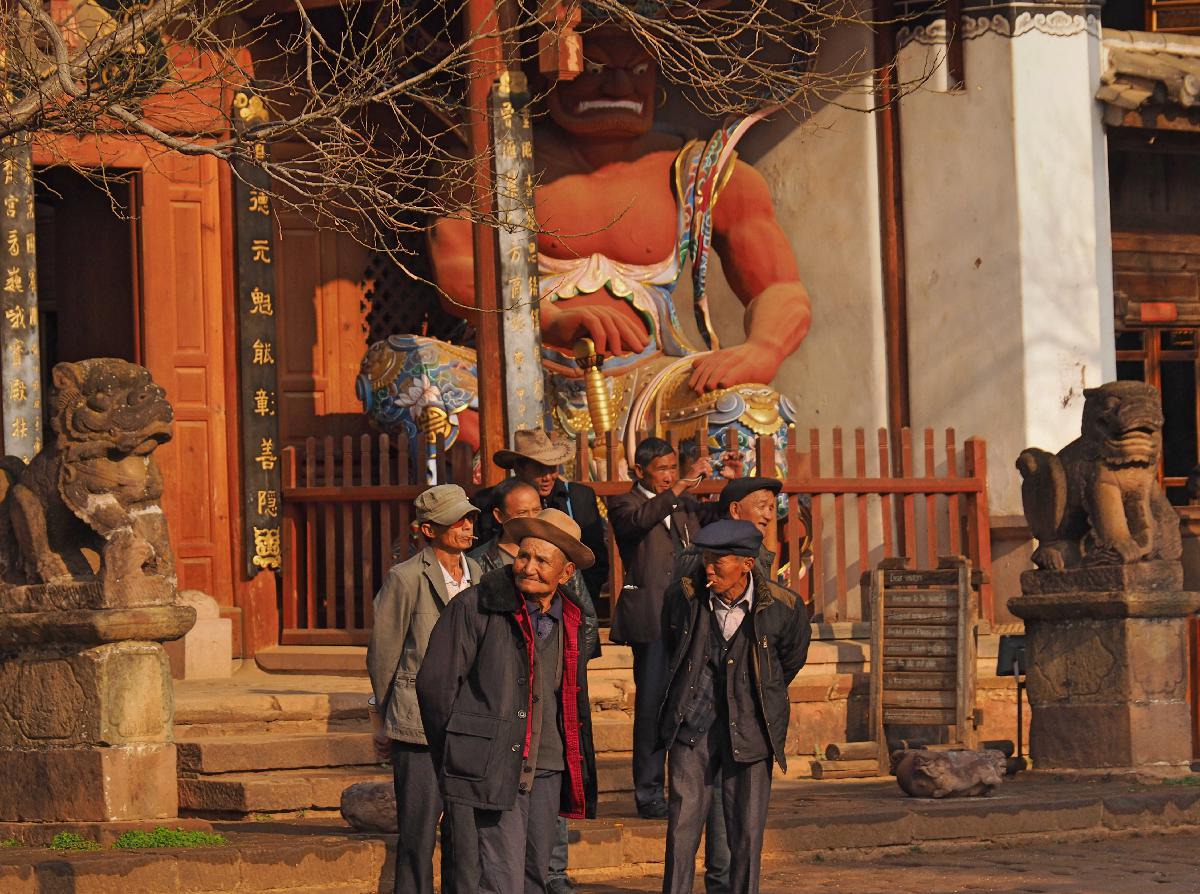
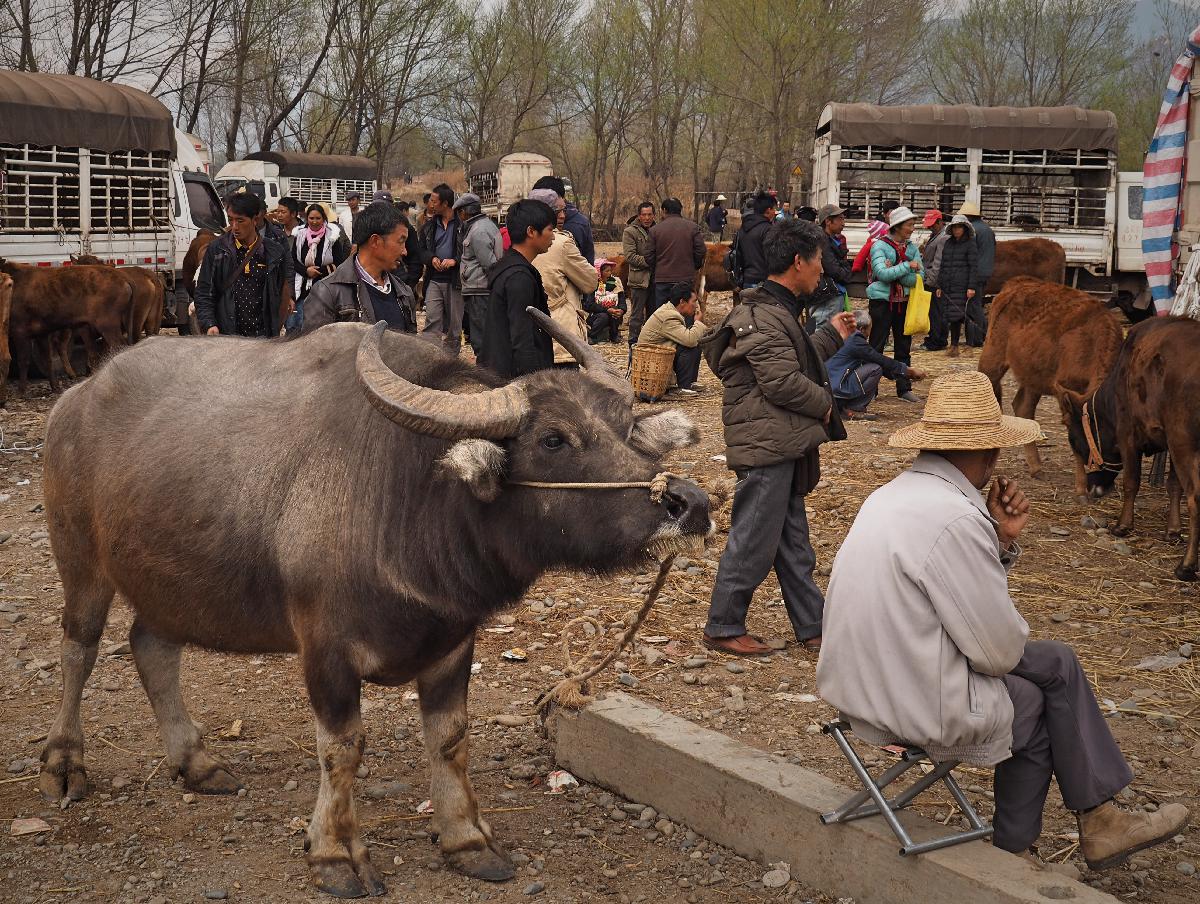
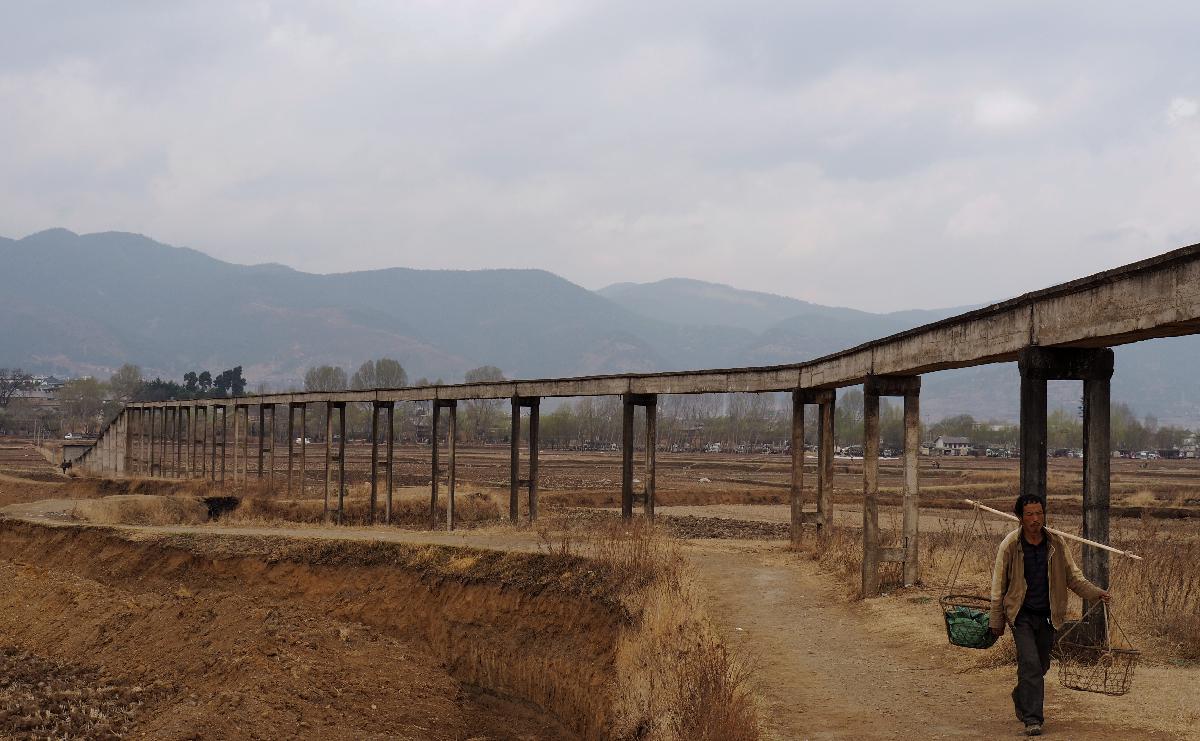
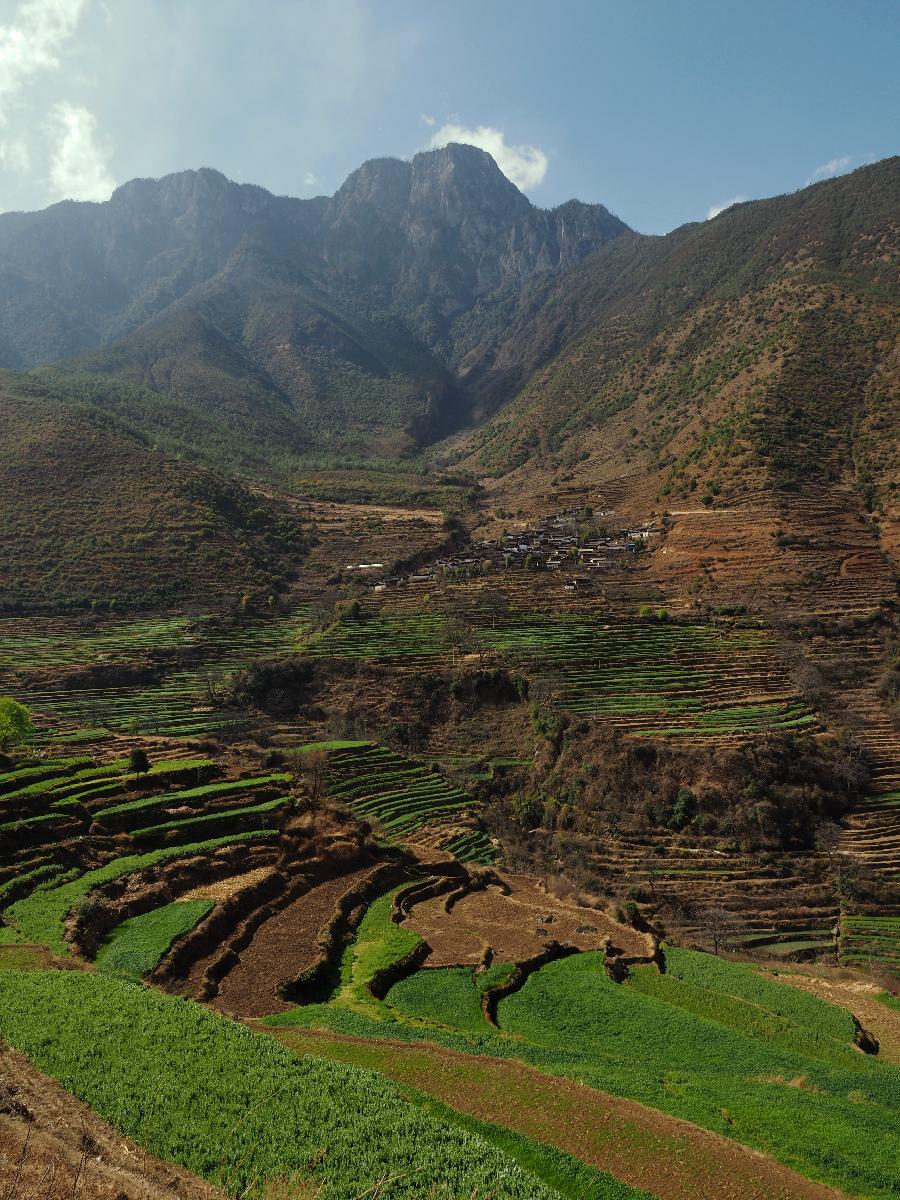
Mr. Mu suggested that we should visit Shaxi, a small authentic ancient village close by Lijiang, to recharge our batteries after the trekking. The place was much less crowded and not as commercial as Lijiang. We hung around with the locals on the village square, roamed through the nearby countryside and visited a local cattle market.
Shaxi:
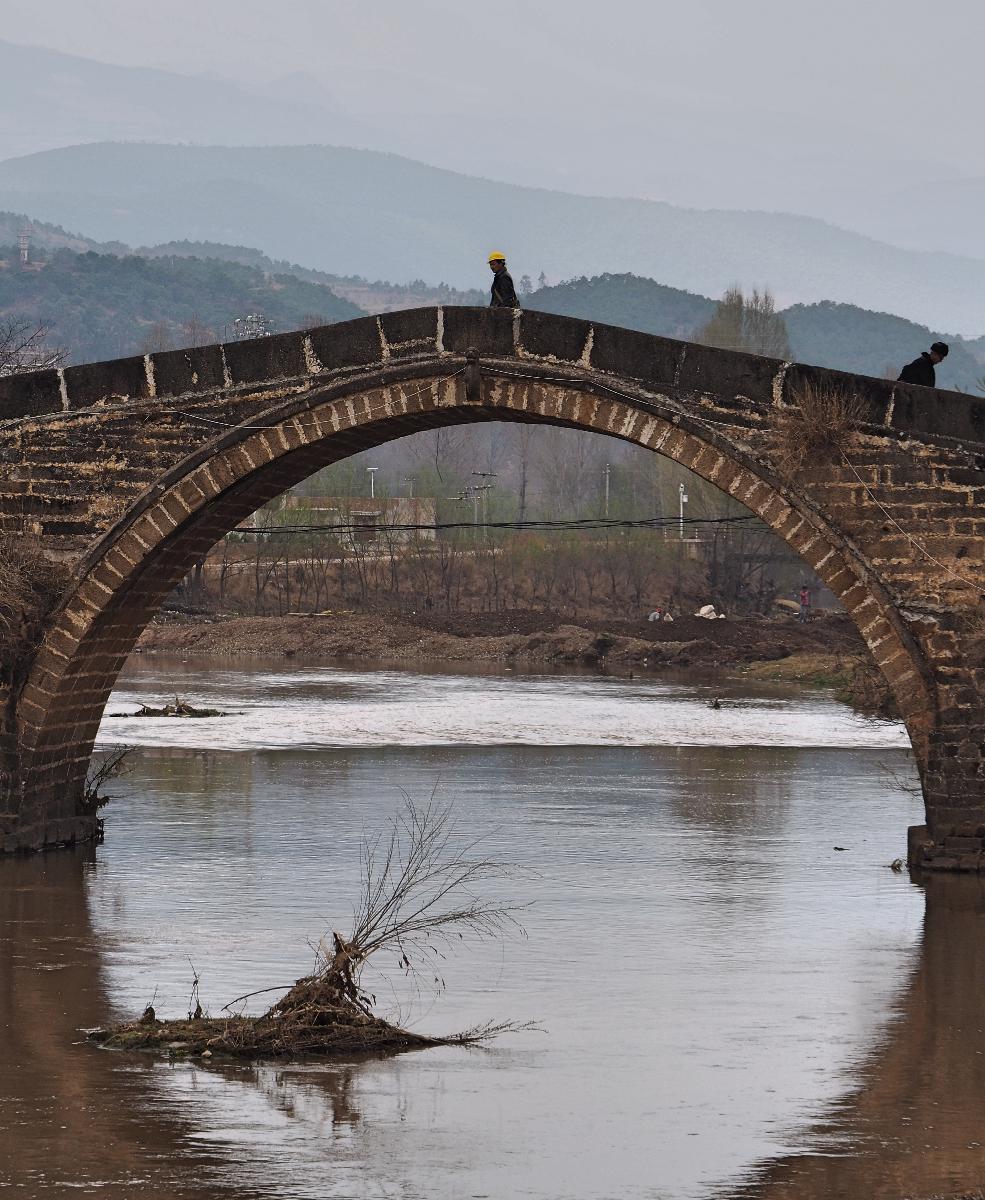
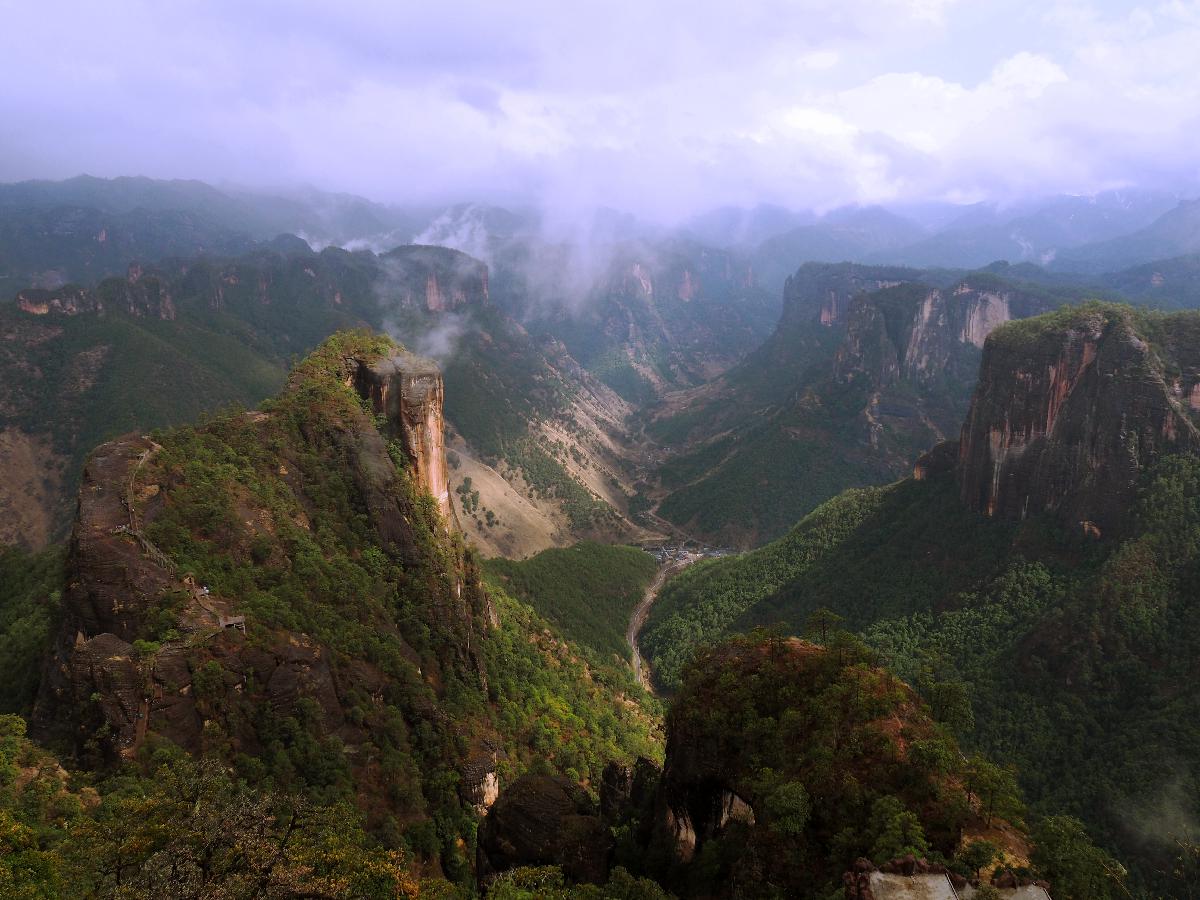
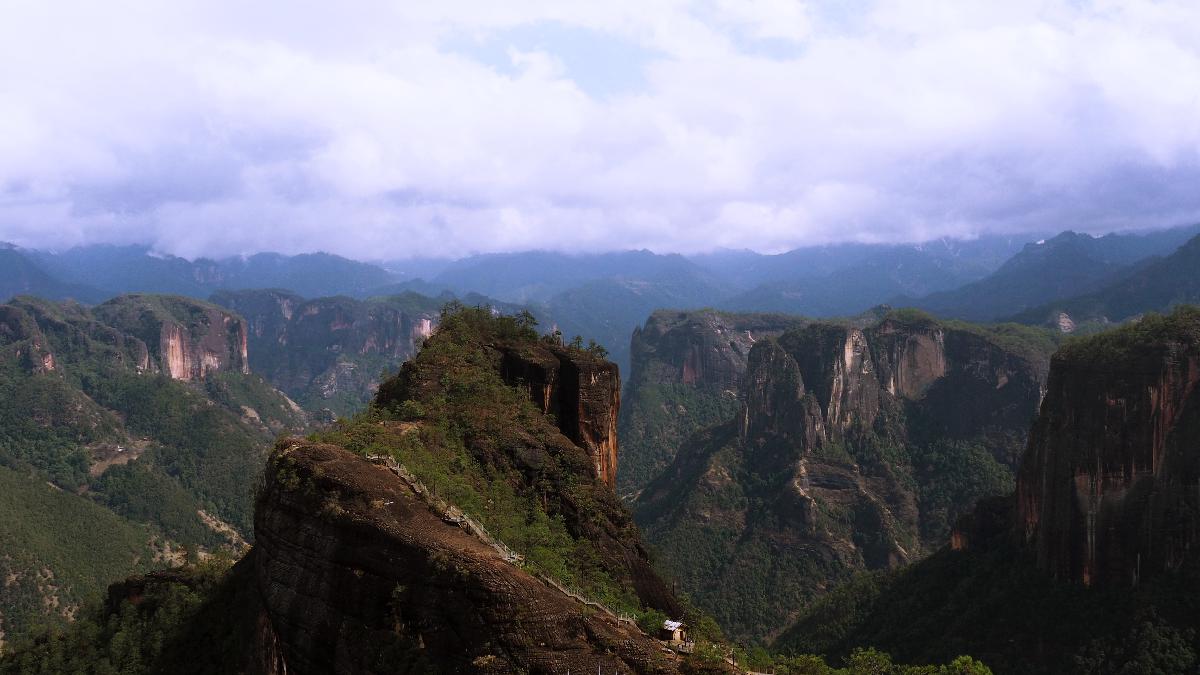
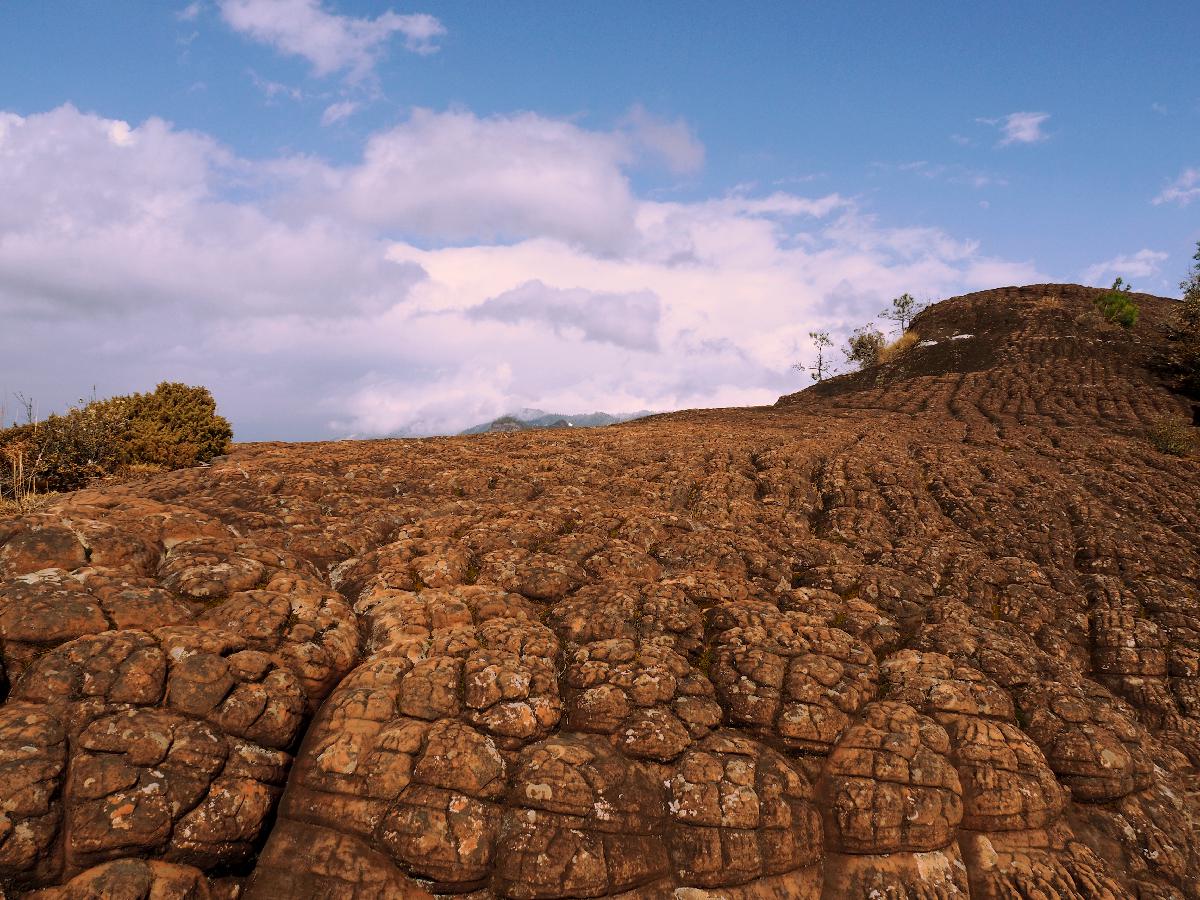
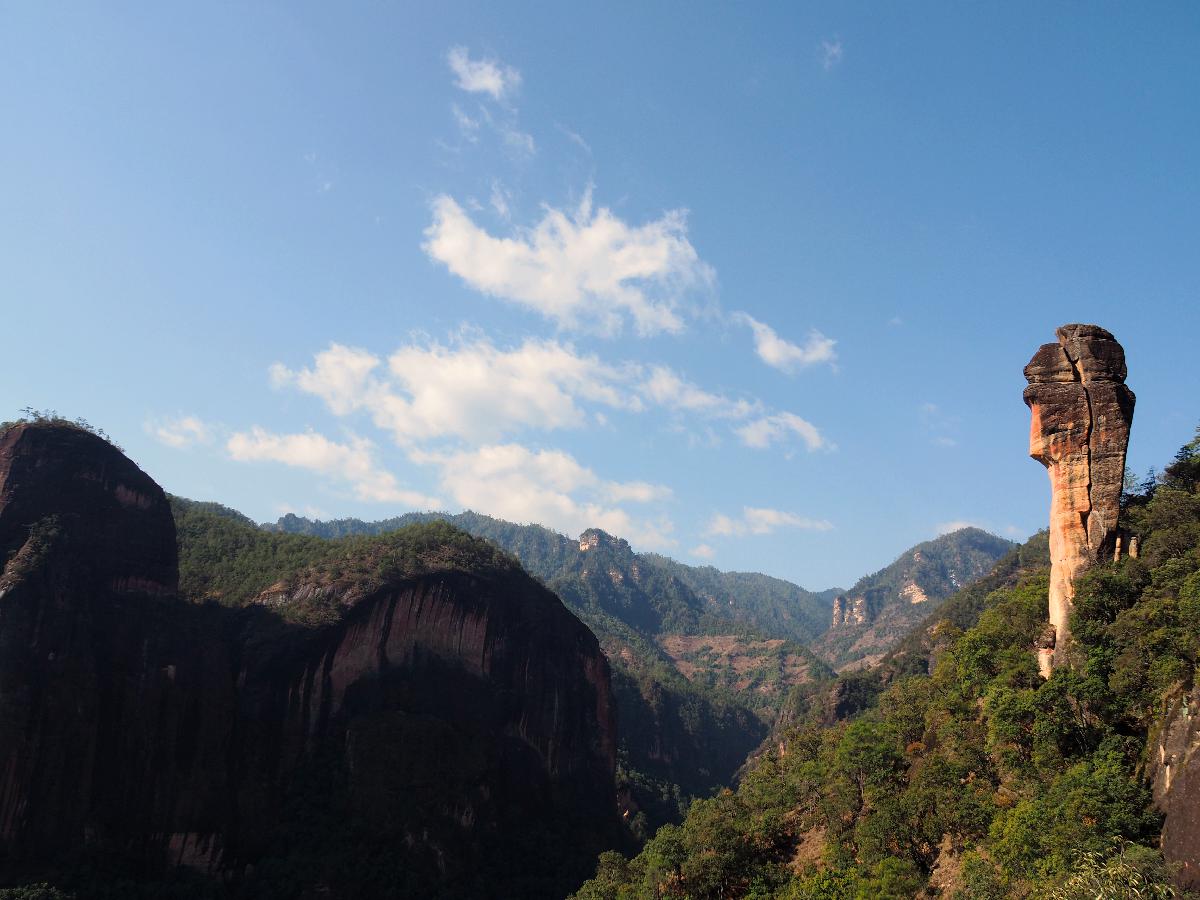
Next stop was Liming, with its fascinating red cliffs and canyons. We were lucky and got there on International Women’s Day, so that we could profit from a big discount on the entrance fee. Just when we got on top of the mountain the clouds started to clear off and revealed a spectacular view. For the next day we had initially planned to climb a via ferrata, but Chinese bureaucracy/security regulations made the endeavor impossible. First of all, they wanted us to show them a certificate to prove our ability to climb the via ferrata alone, which we didn’t have, of course. Then they wanted us to take a guide, which probably wouldn’t have been a match to our experience, since we do a lot of via ferratas back home in Switzerland. Irrespective of all those issues, it would have been too expensive anyway. Instead we did another hike through the park’s beautiful scenery.
Liming:
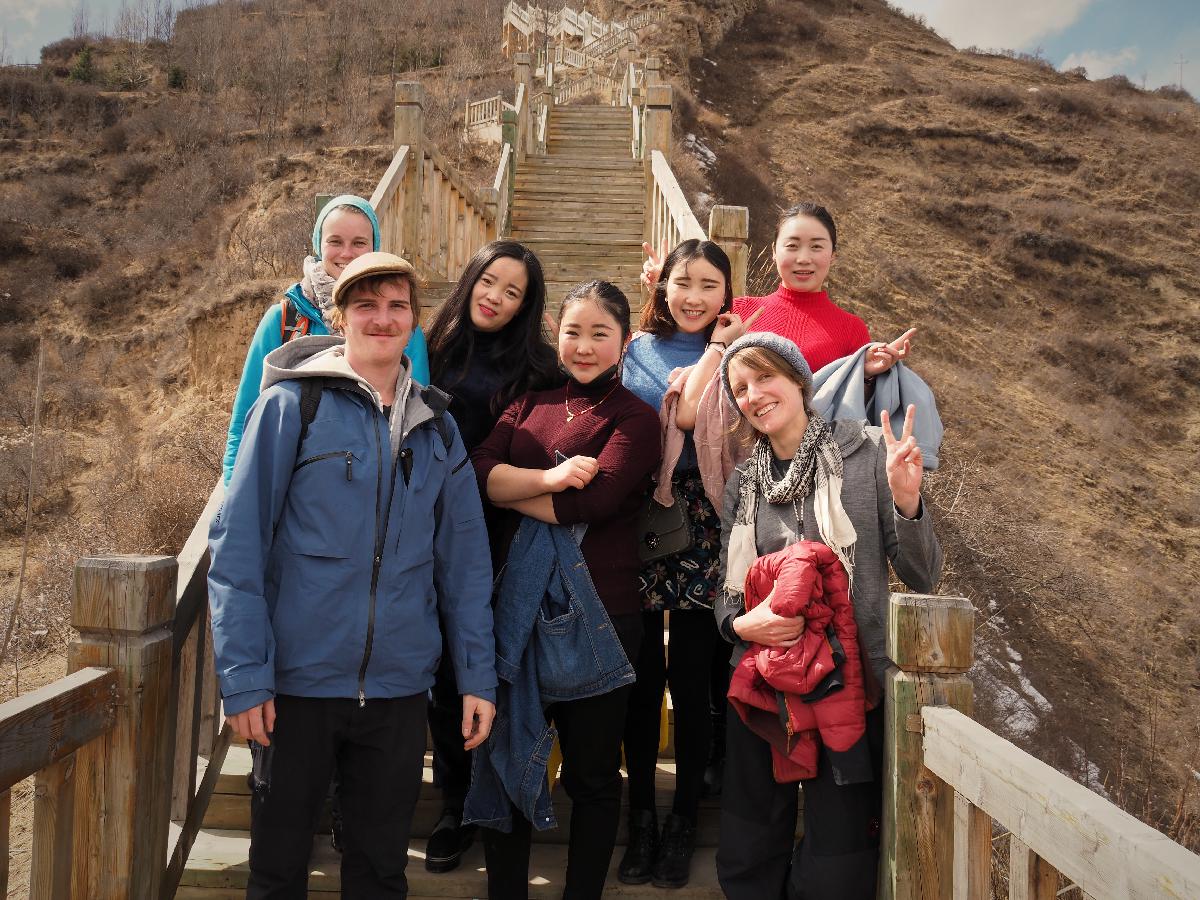
After another night in Lijiang and saying goodbye to Mr. Mu, his son and our dear Chinese friend Curtis from the Hotel, we took a flight to Chengdu (the capital of Sichuan Province), instead of travelling on to Shangri-La as we originally intended (Shangri-La is almost 4000masl and would have been too cold and isolated during this season). There we met up with Tanja, whom we knew from the Chinese language course we did back home. We decided to travel together for the following three weeks. Her advanced reading skills of Chinese characters combined with our speaking skills would prove to be a great match for most coming situations!
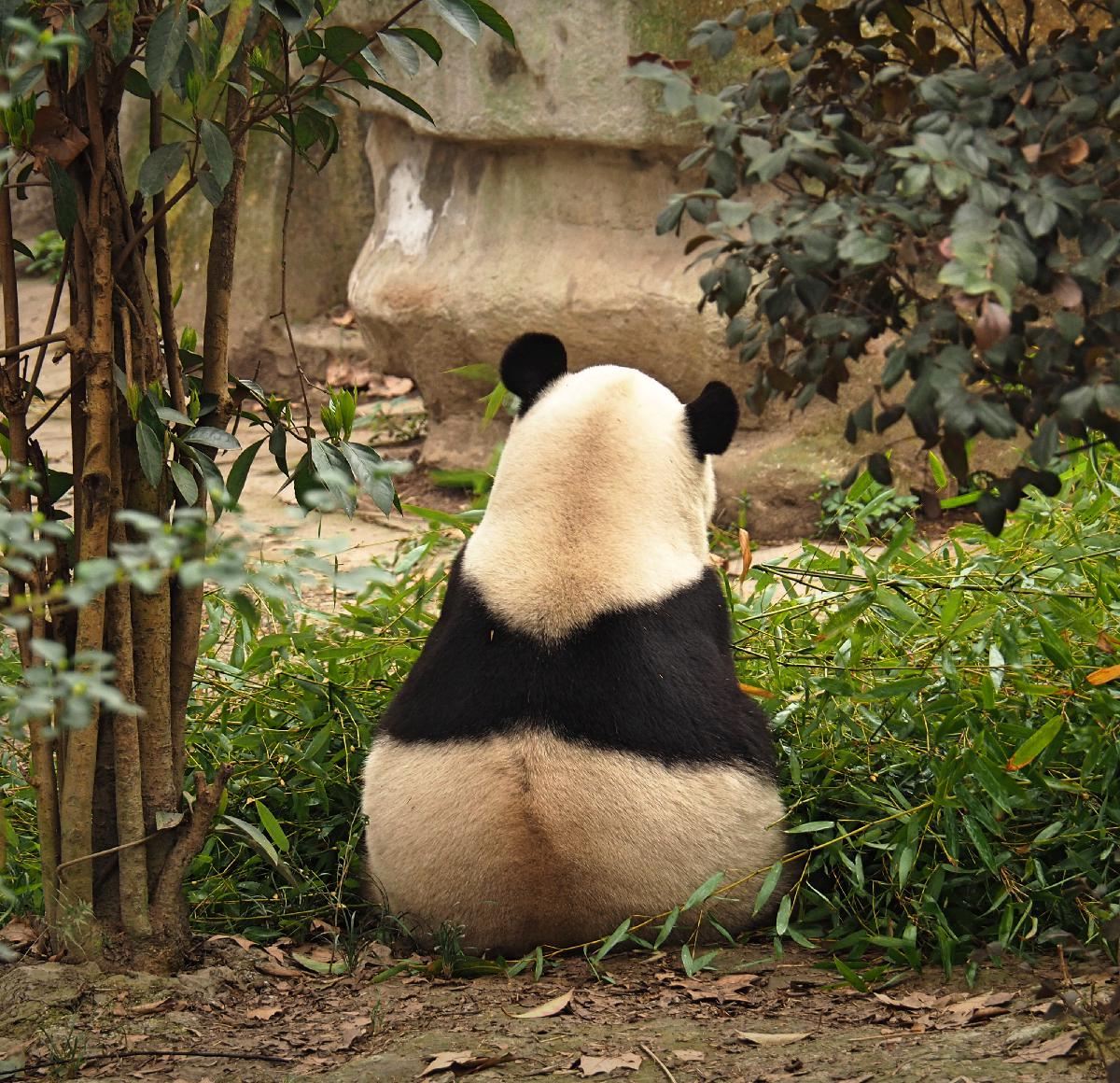
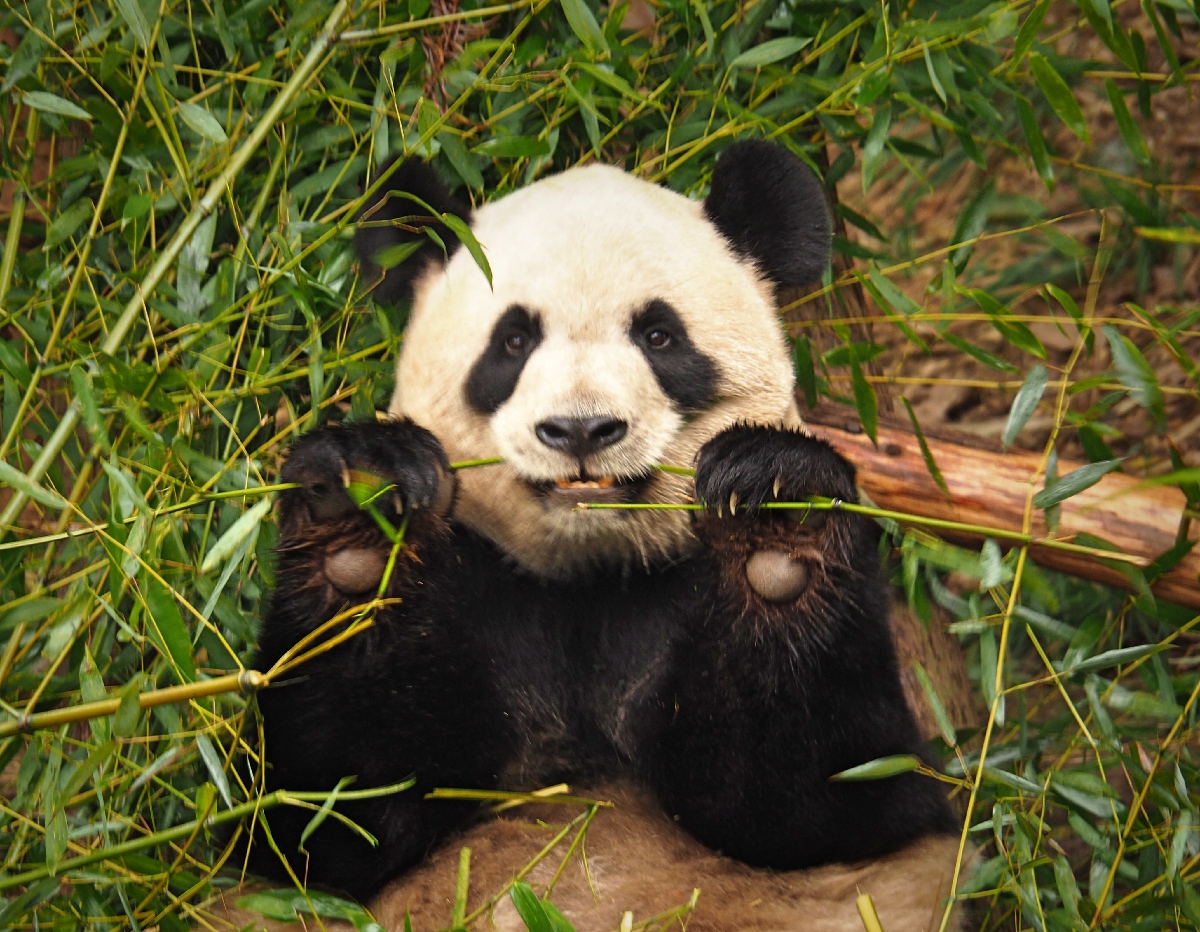
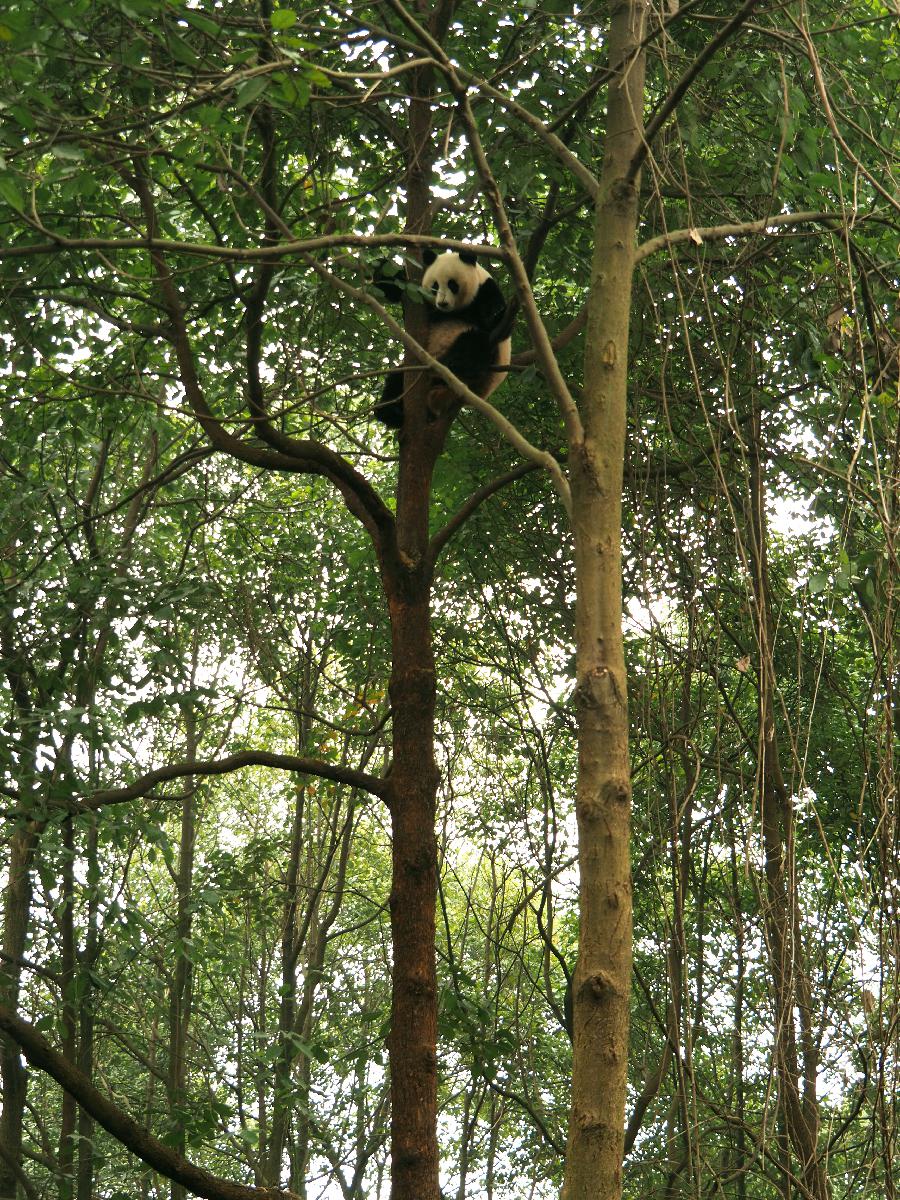
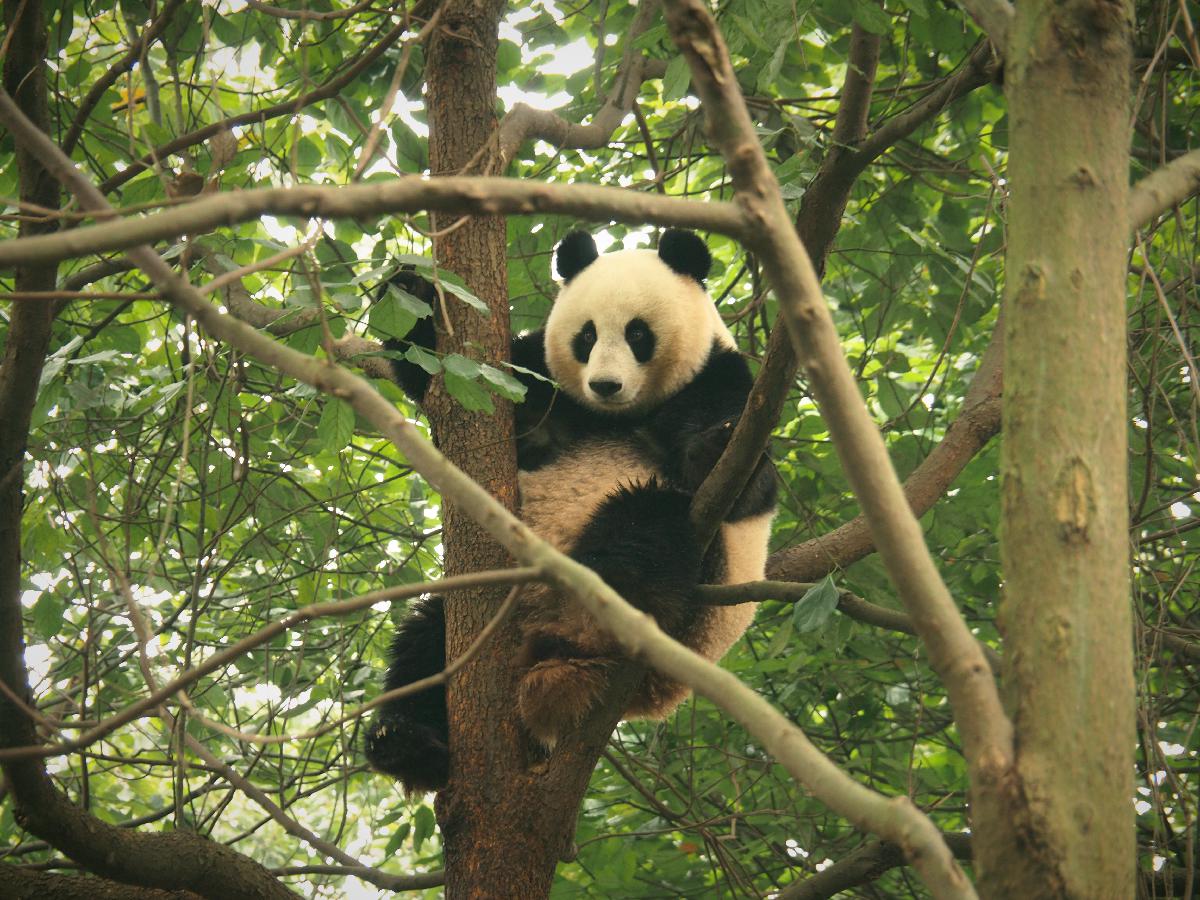
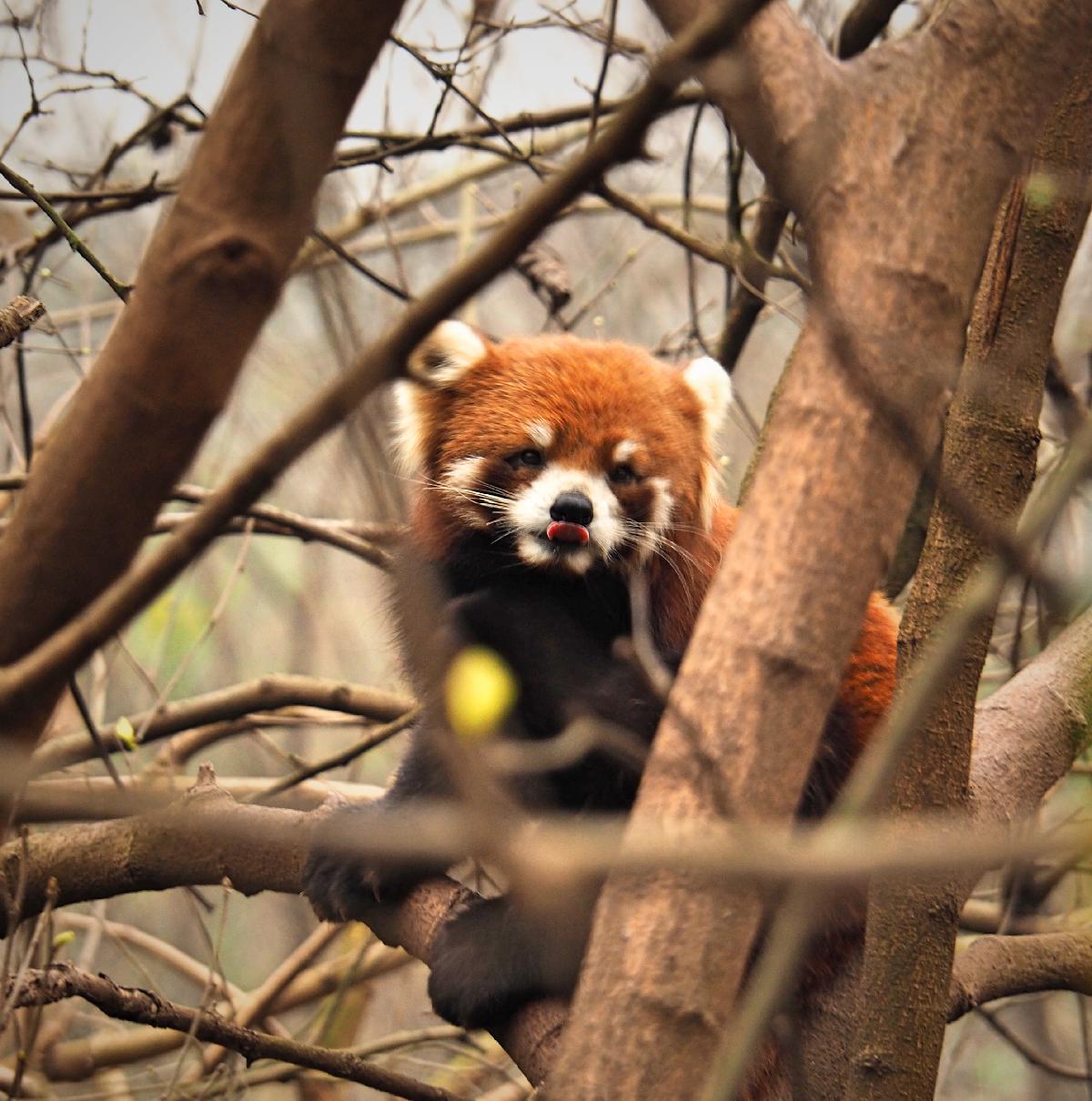
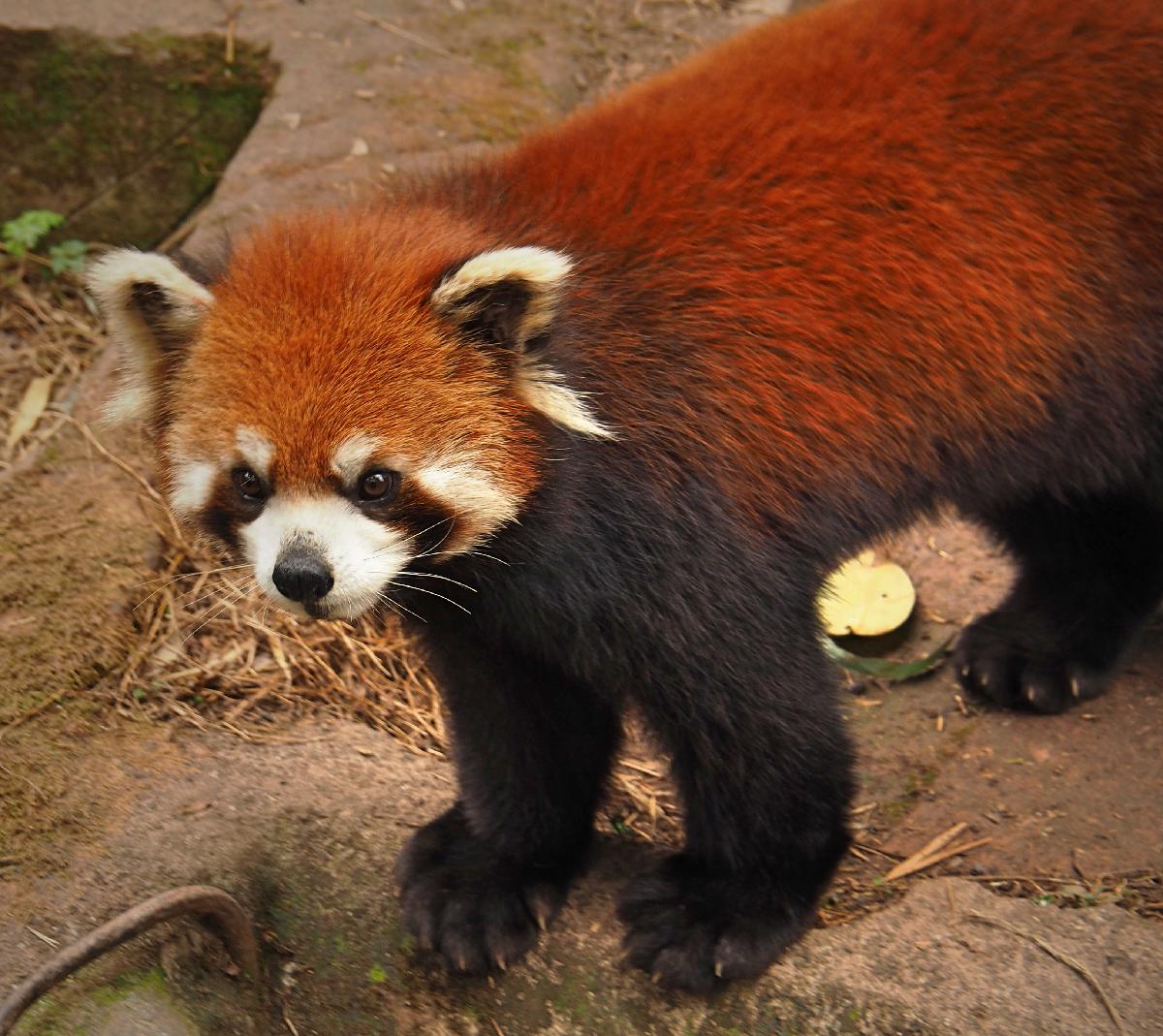
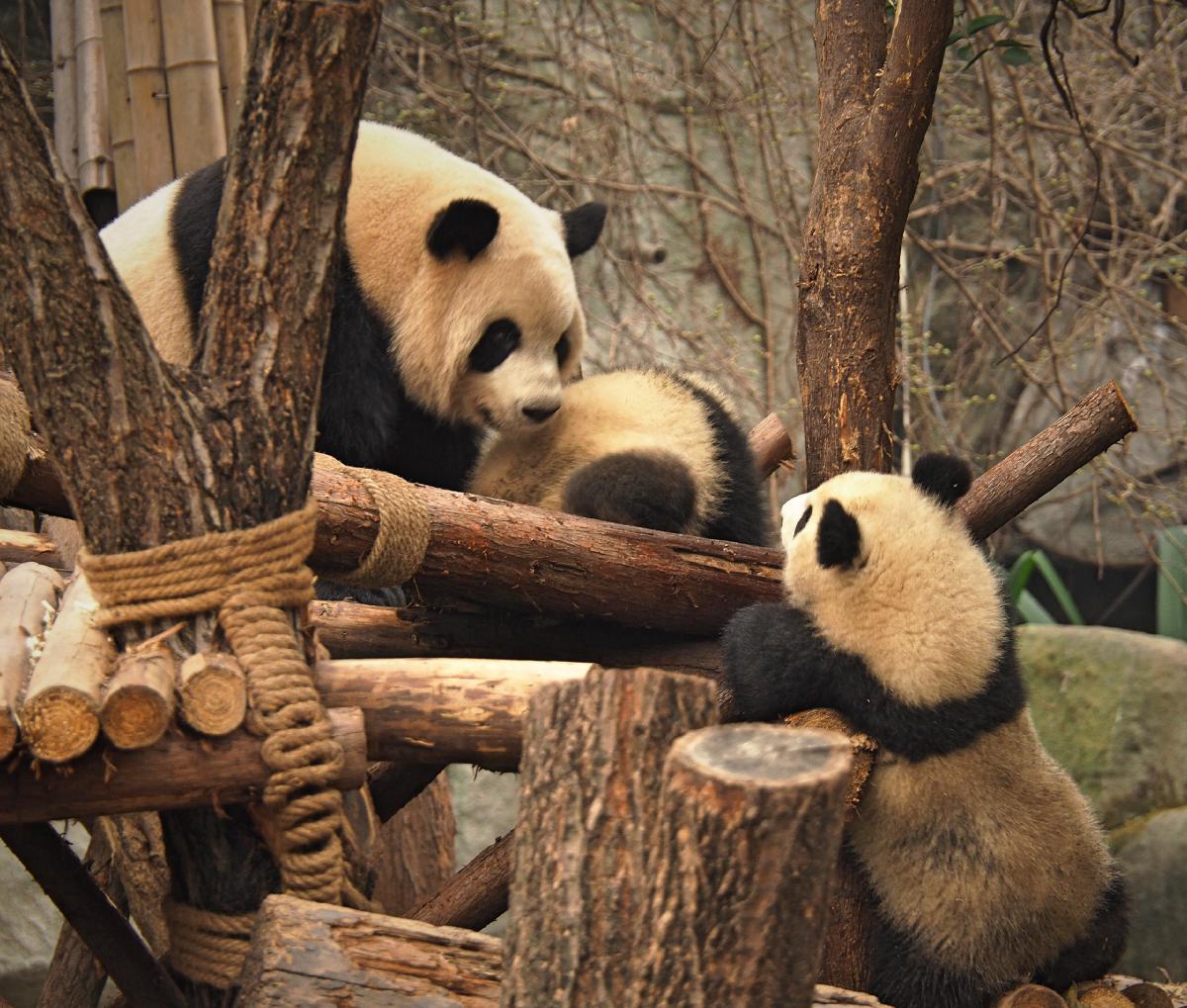
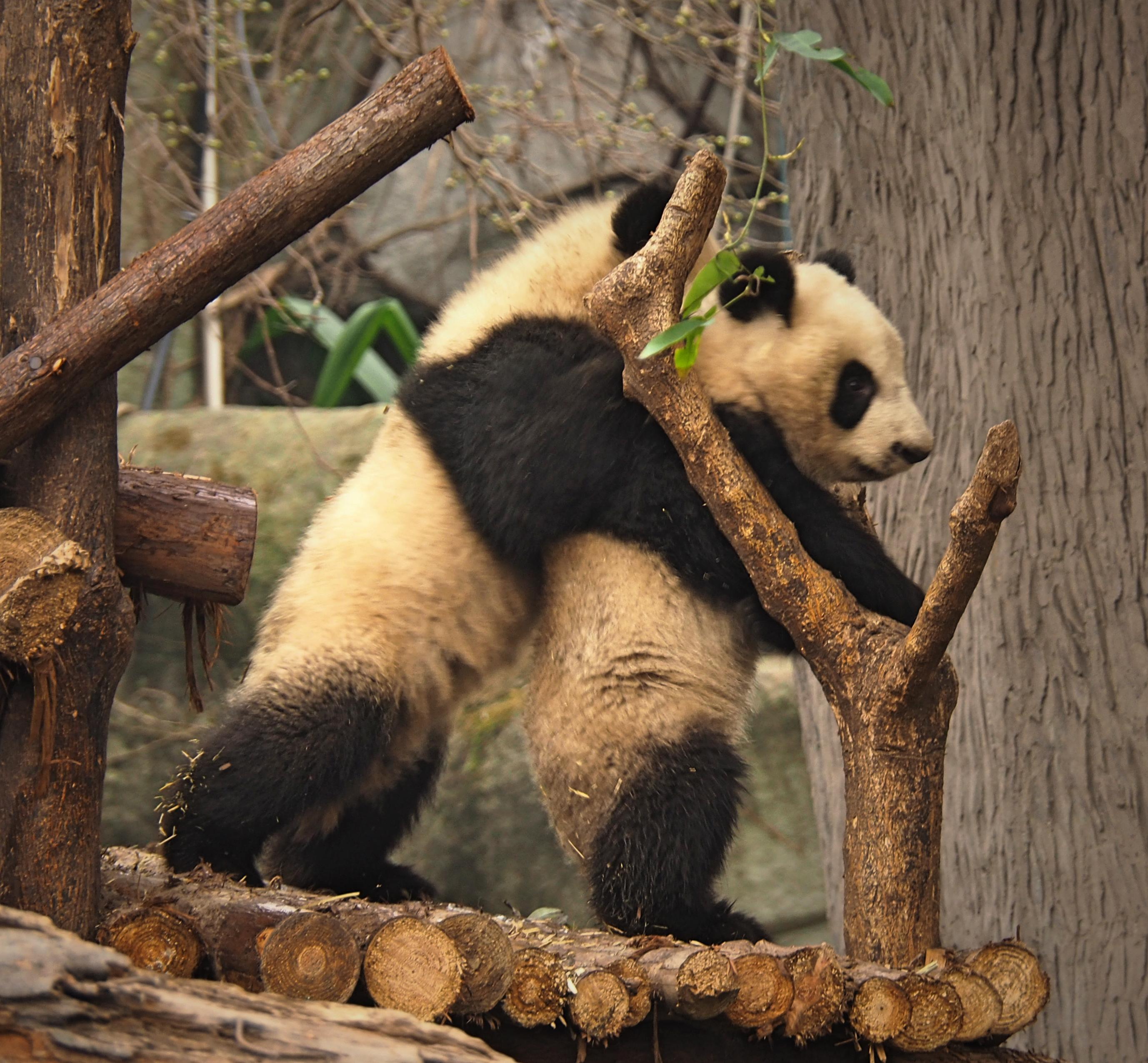
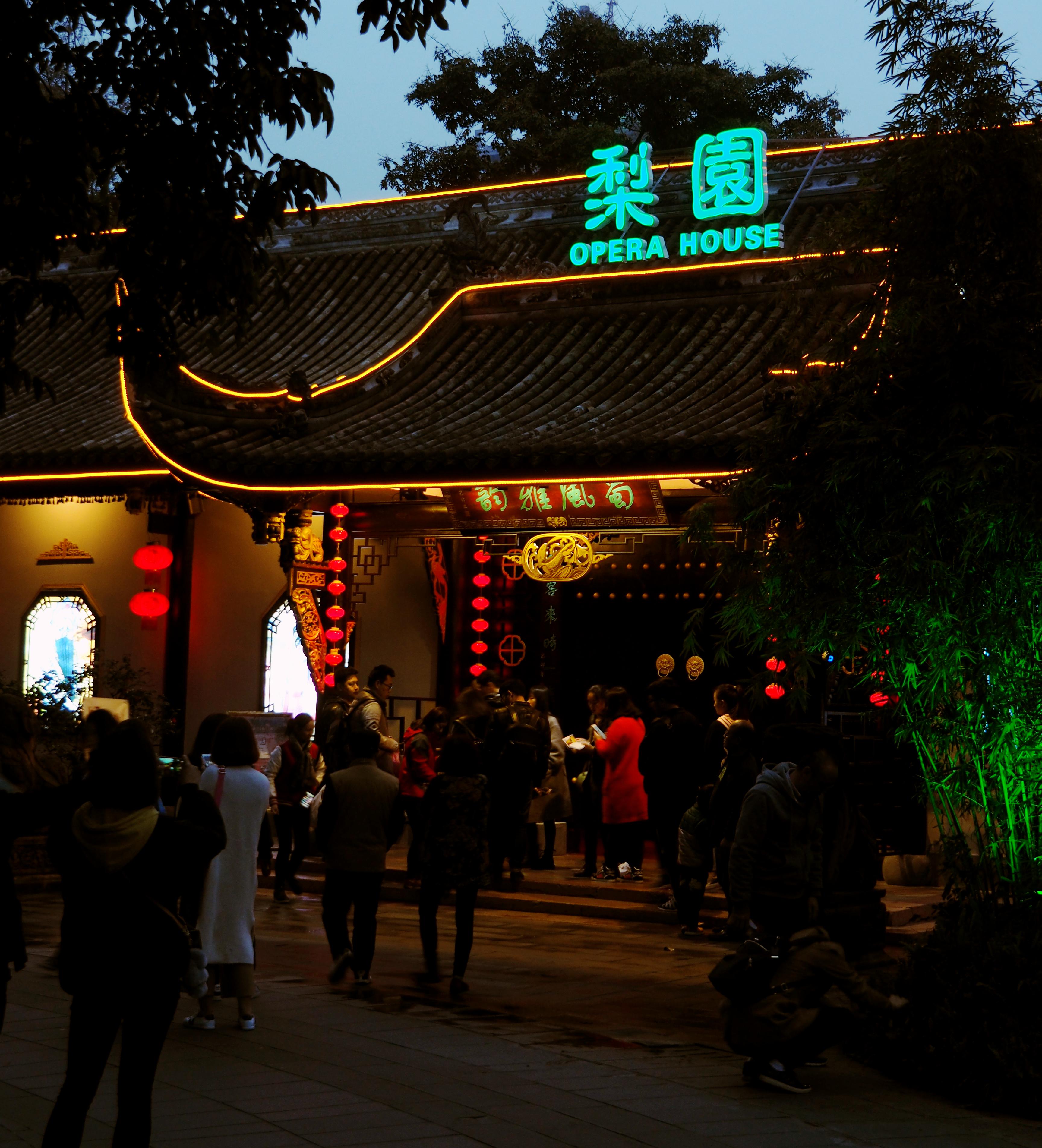
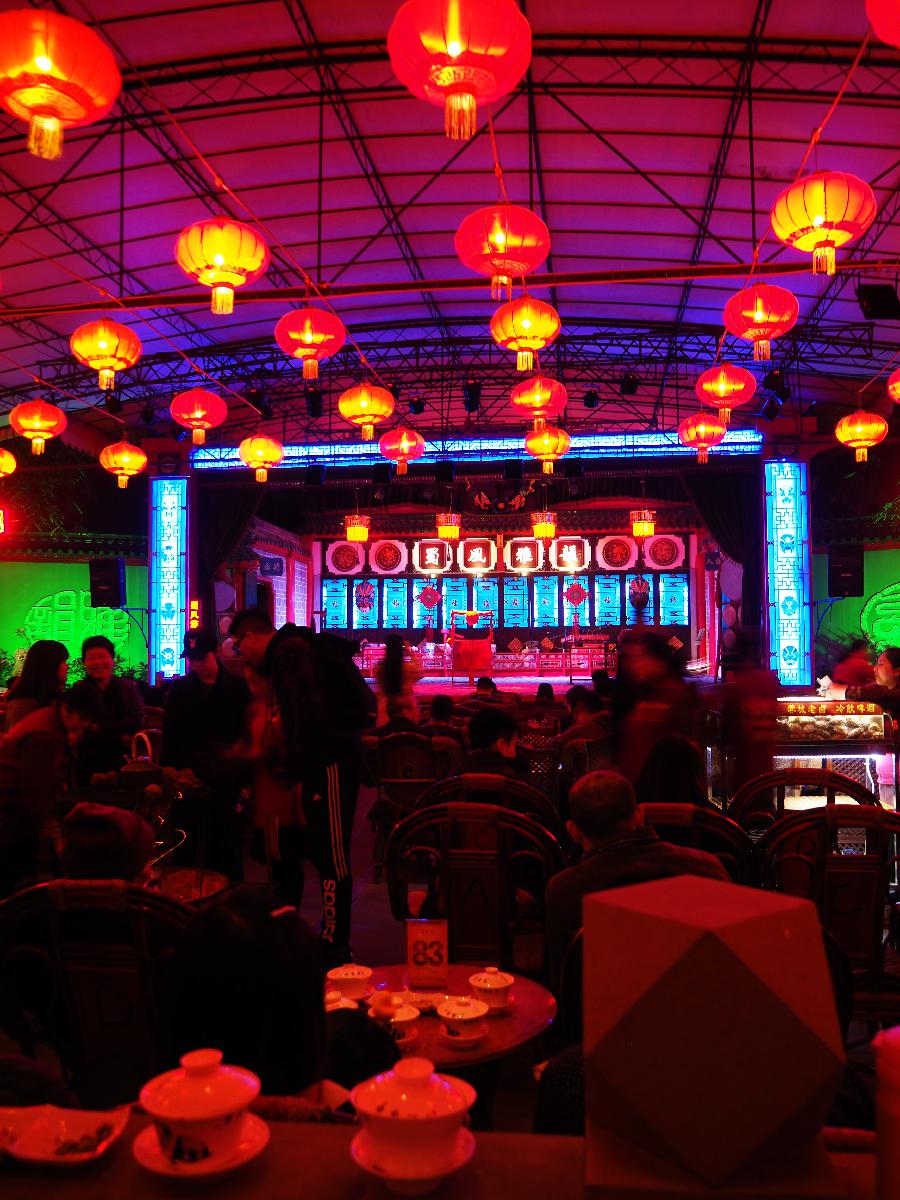
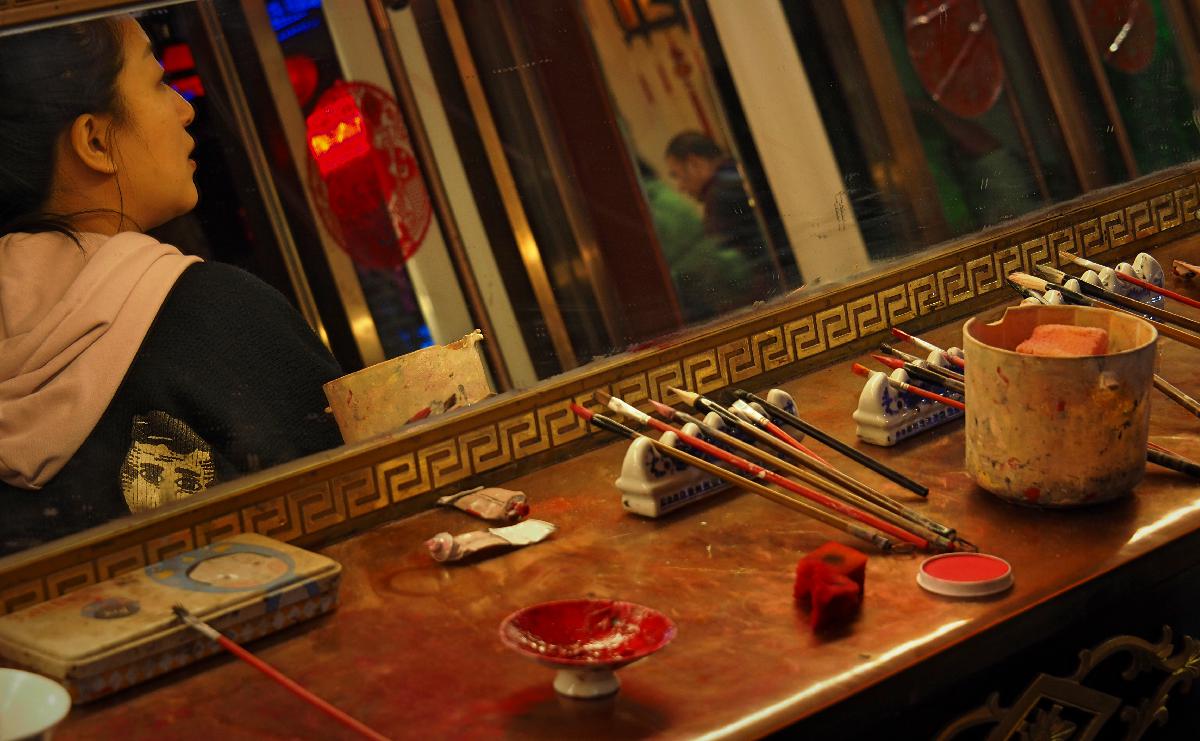
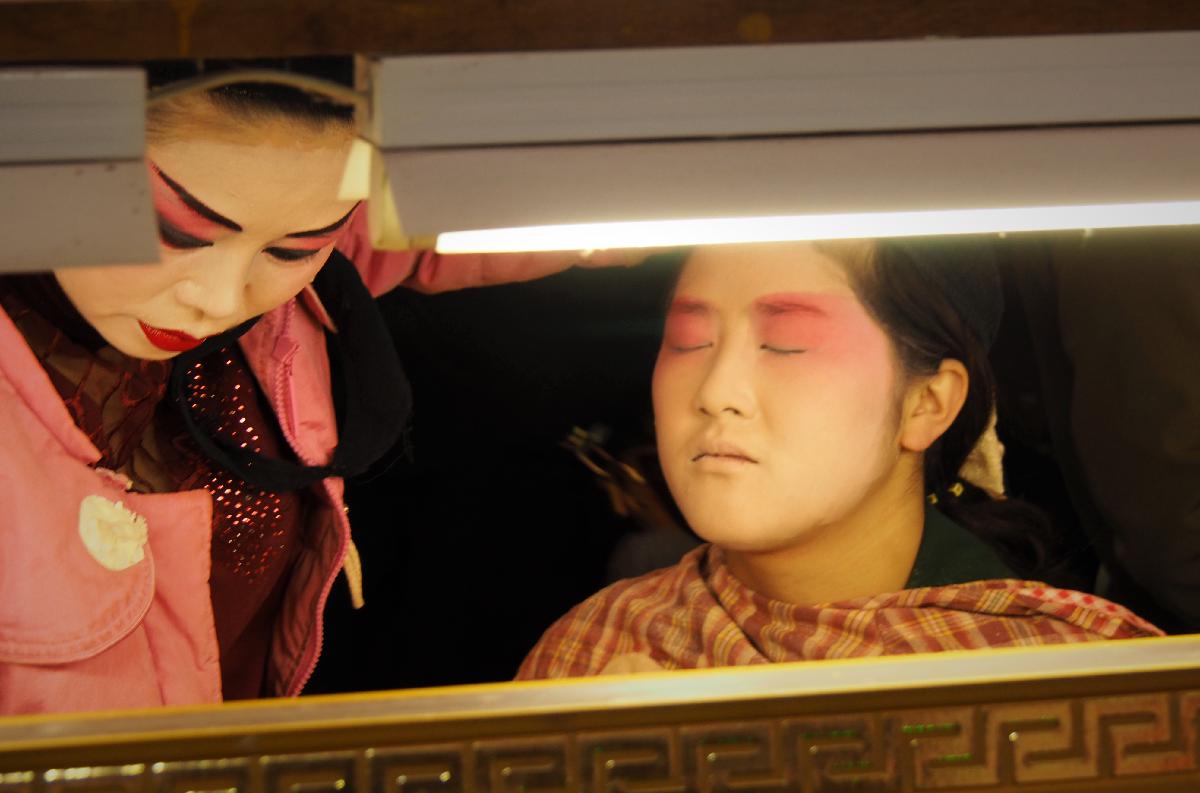
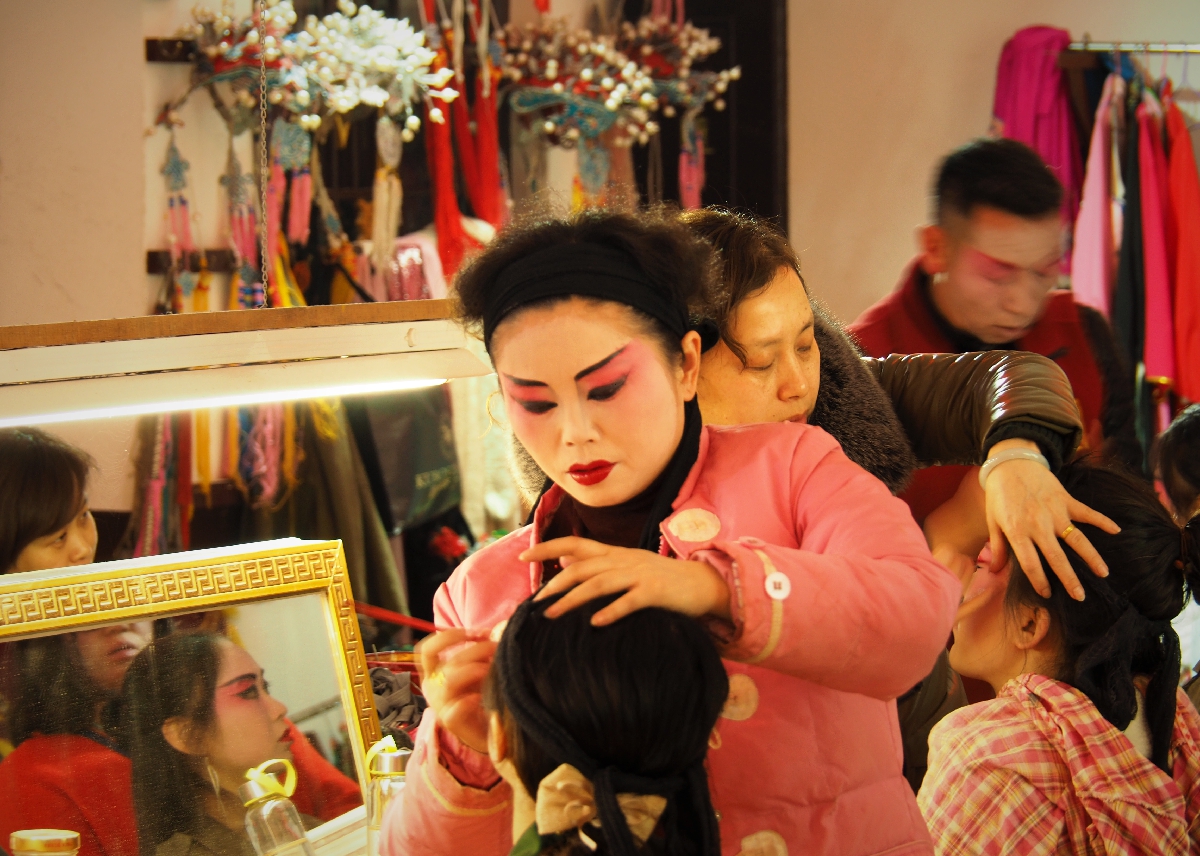
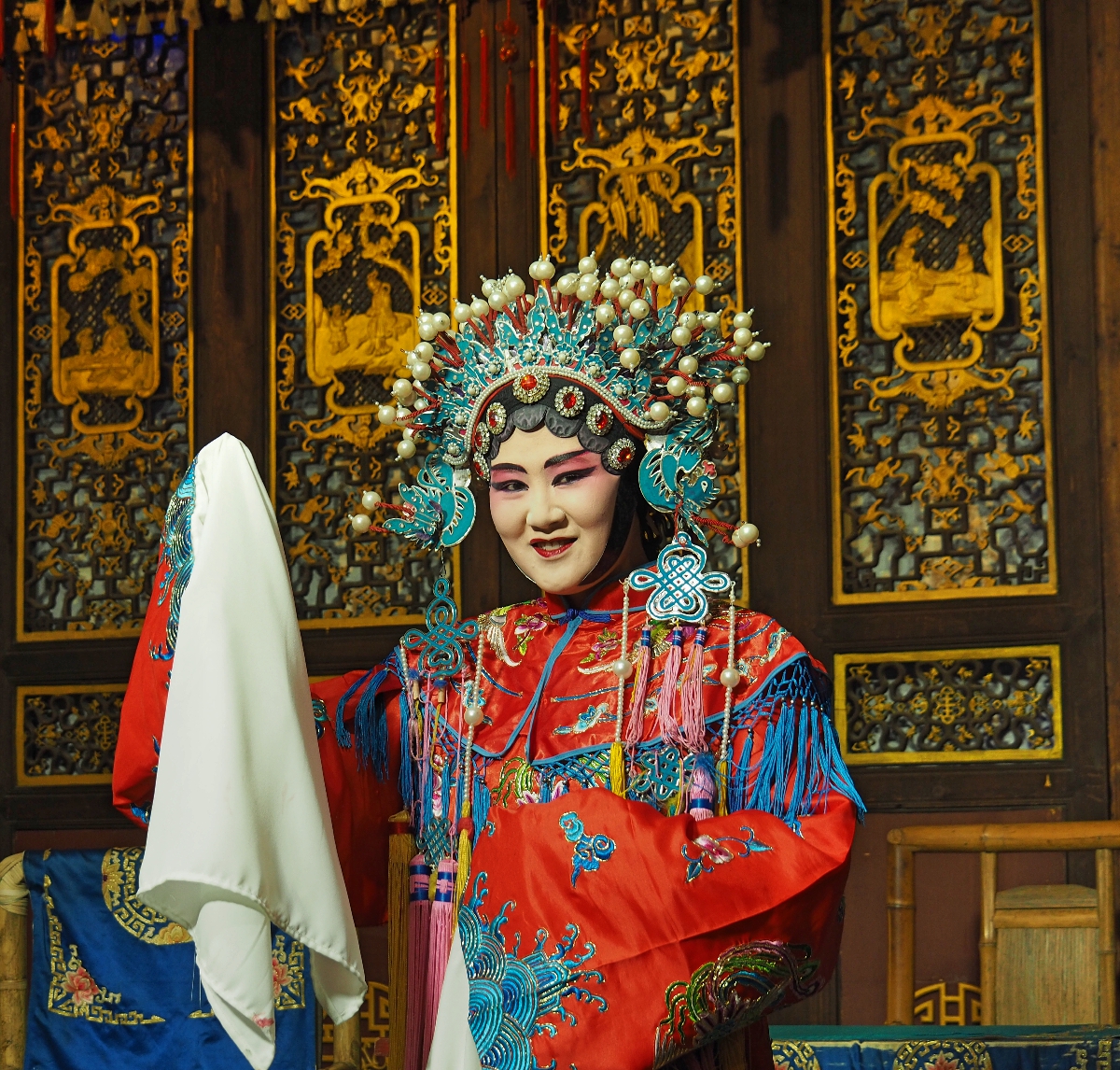
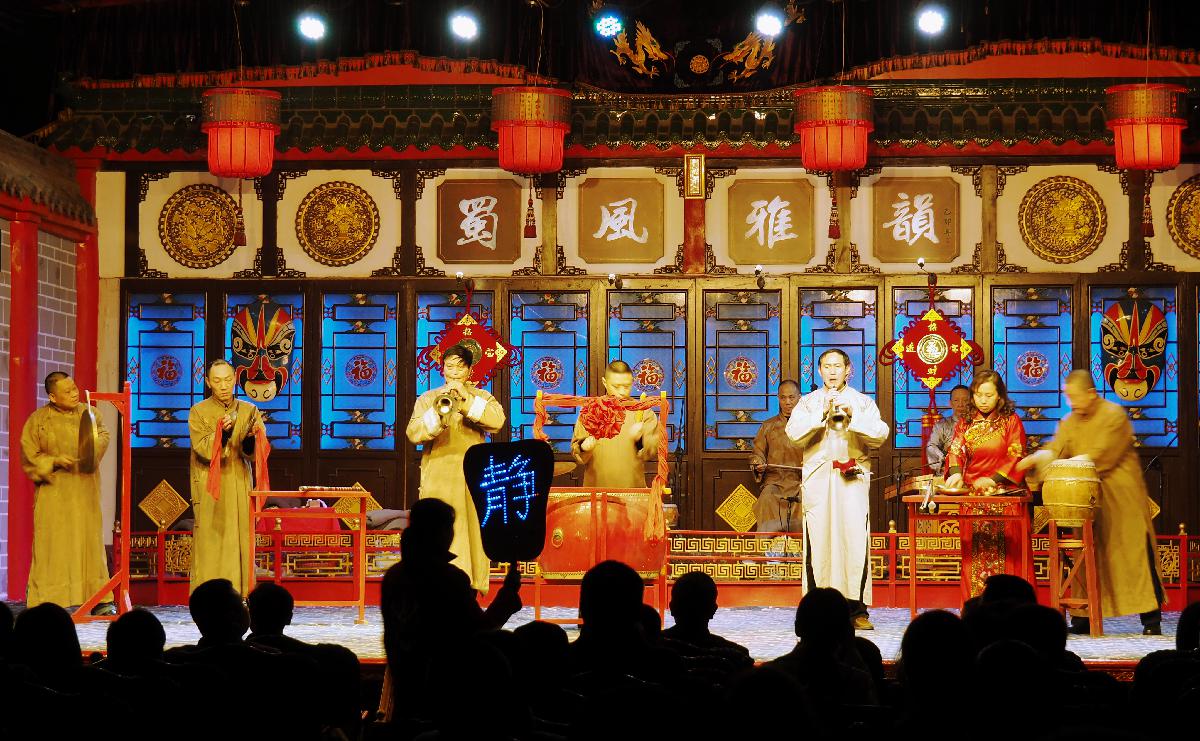
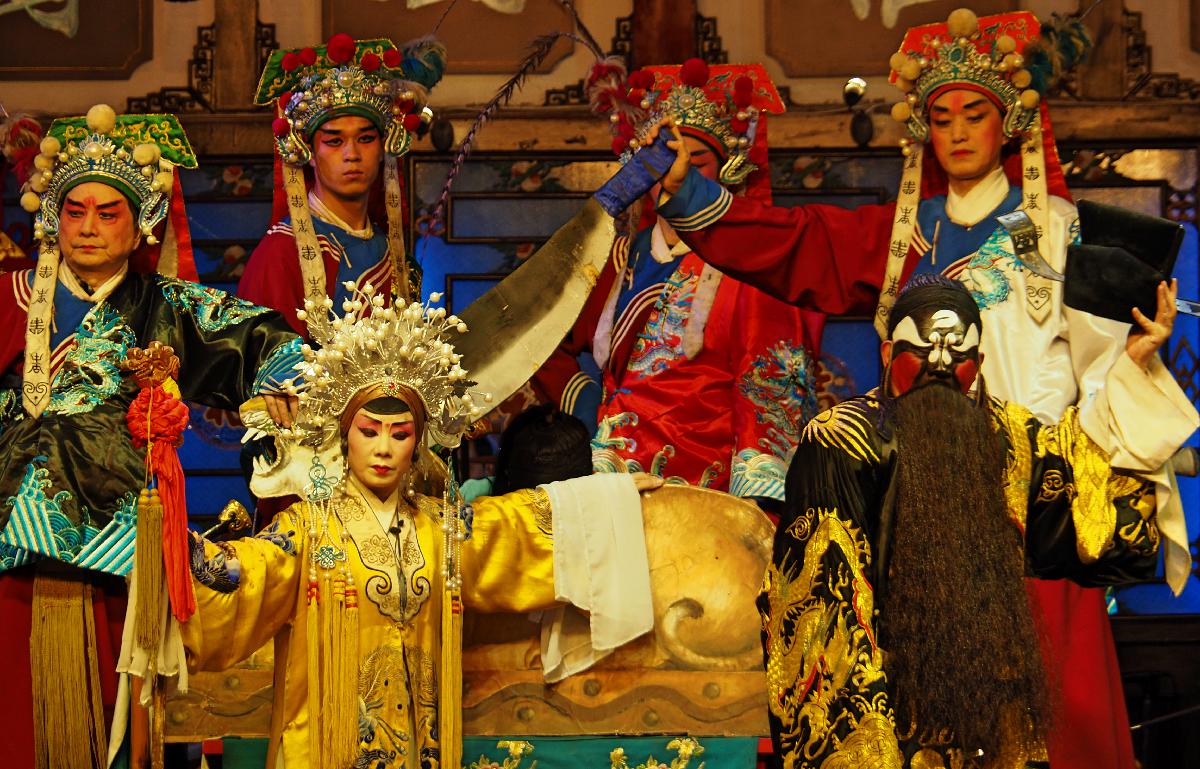
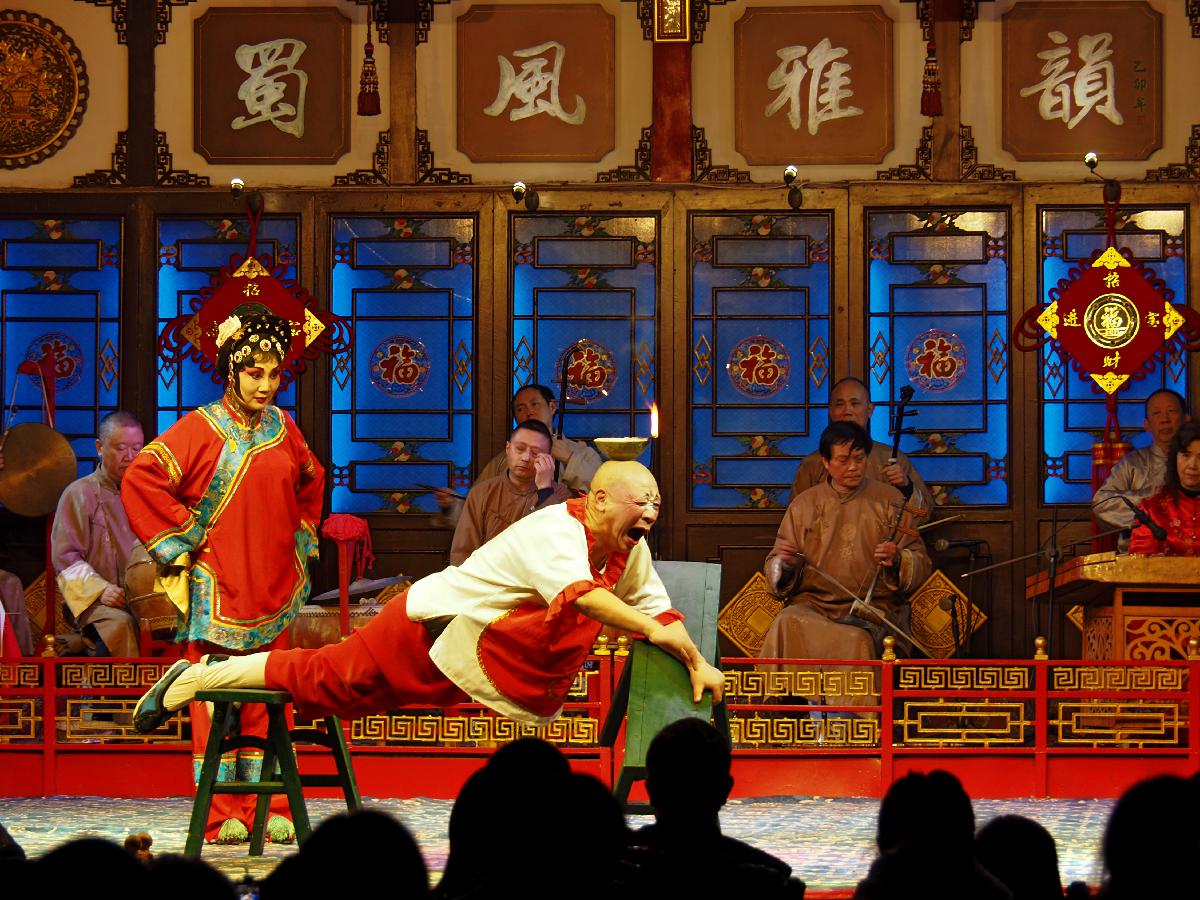
In Chengdu we visited the Giant Panda Breeding Research Base to see the incredibly cute Panda Bears and Red Pandas. One evening, we went out to eat one of the infamous and amazingly spicy Sichuan hot pots. Another evening we went out to see the Sichuan Opera. Before the show we were able to watch the performers getting ready, putting on make-up and slipping in their dresses. The show itself was a captivating display of dancing, singing, live music, puppet and shadow theater, comedy, fire spitting and the famous changing of masks performance – time just spun away!
Chengdu:
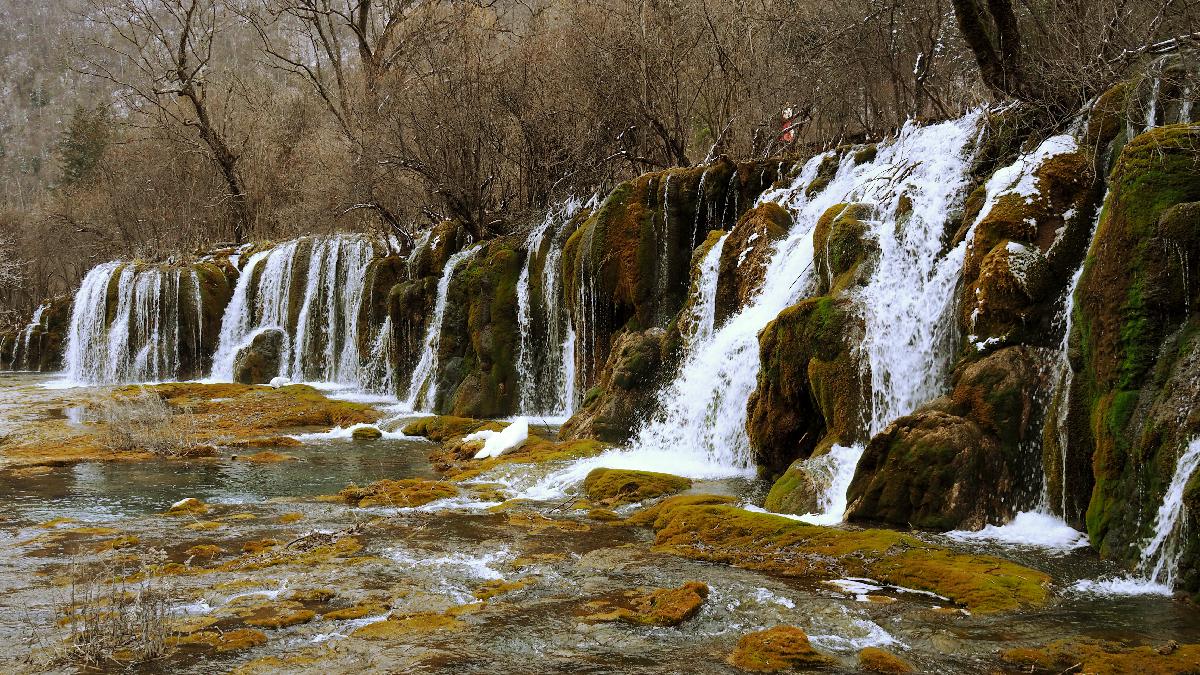
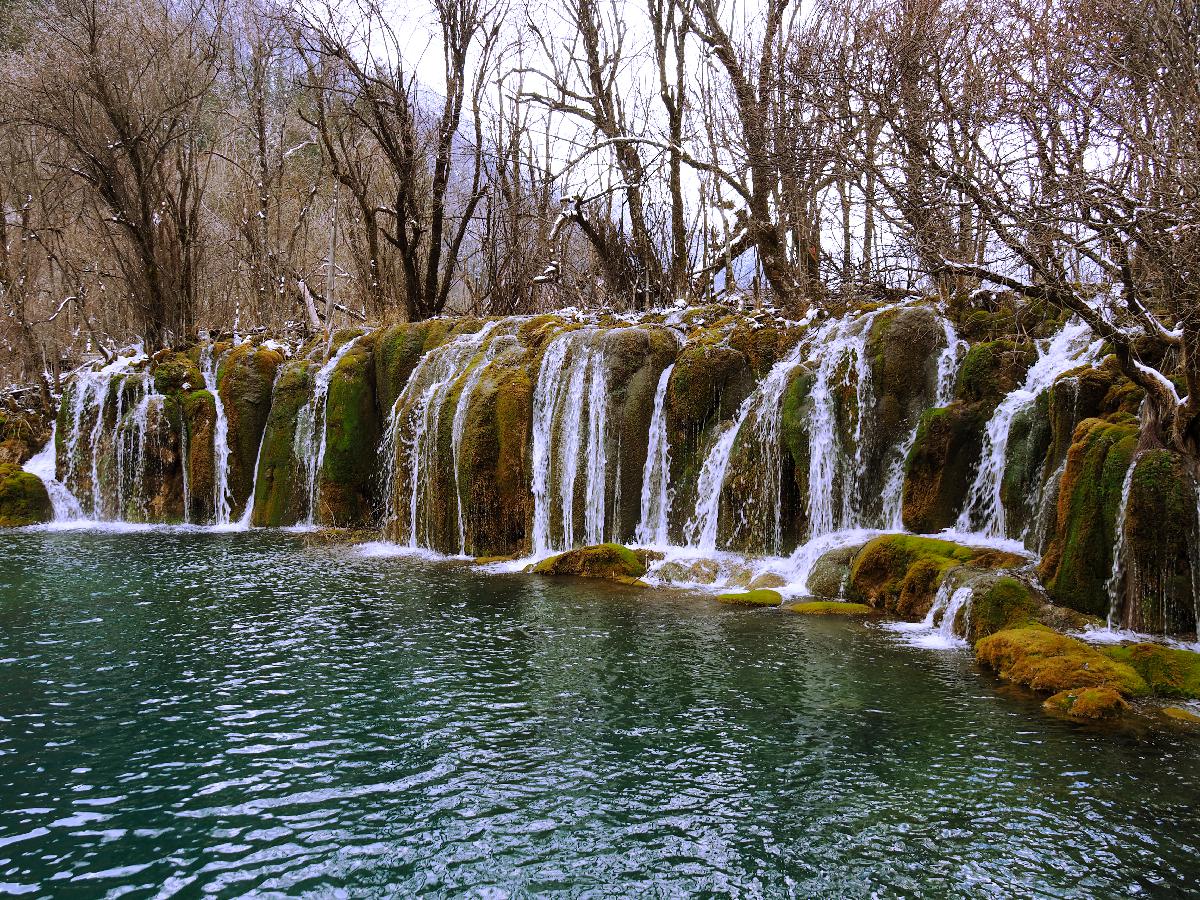
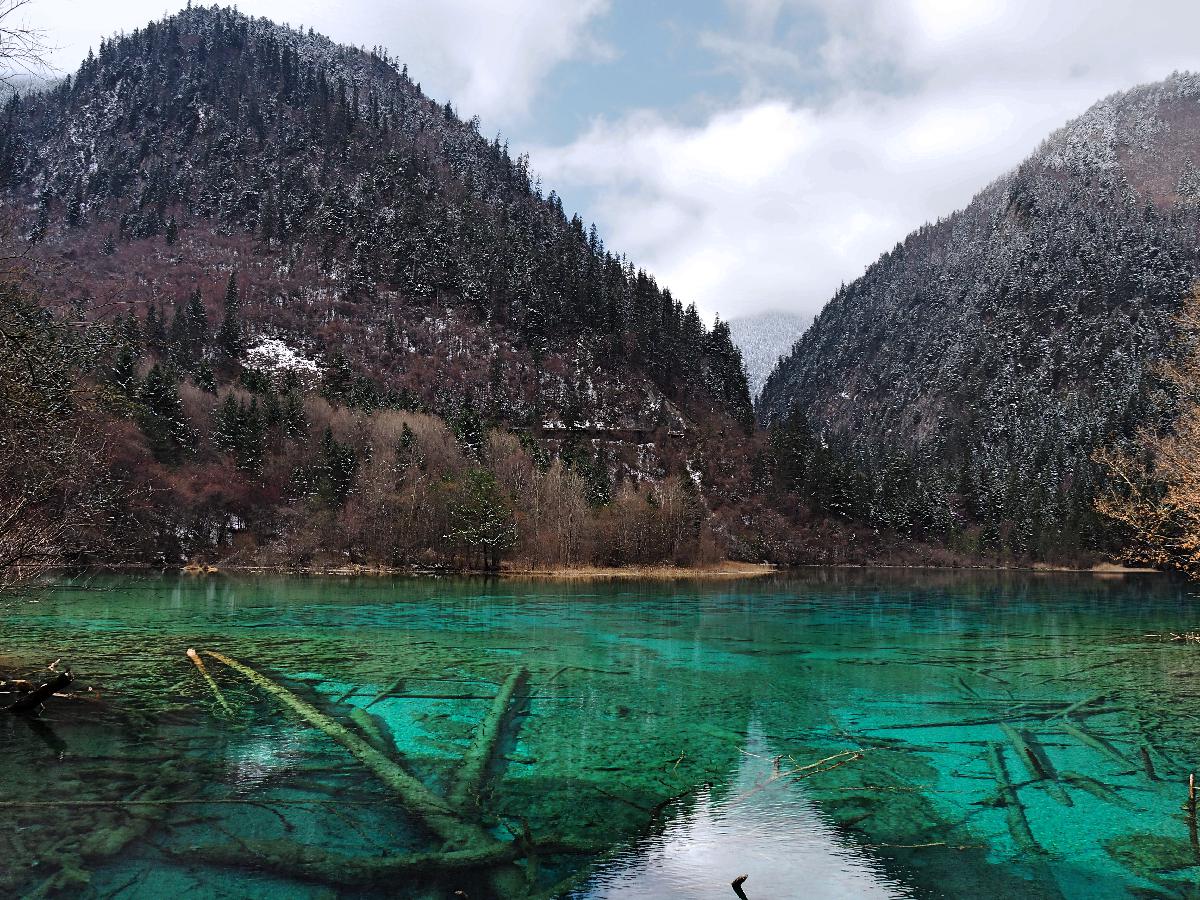
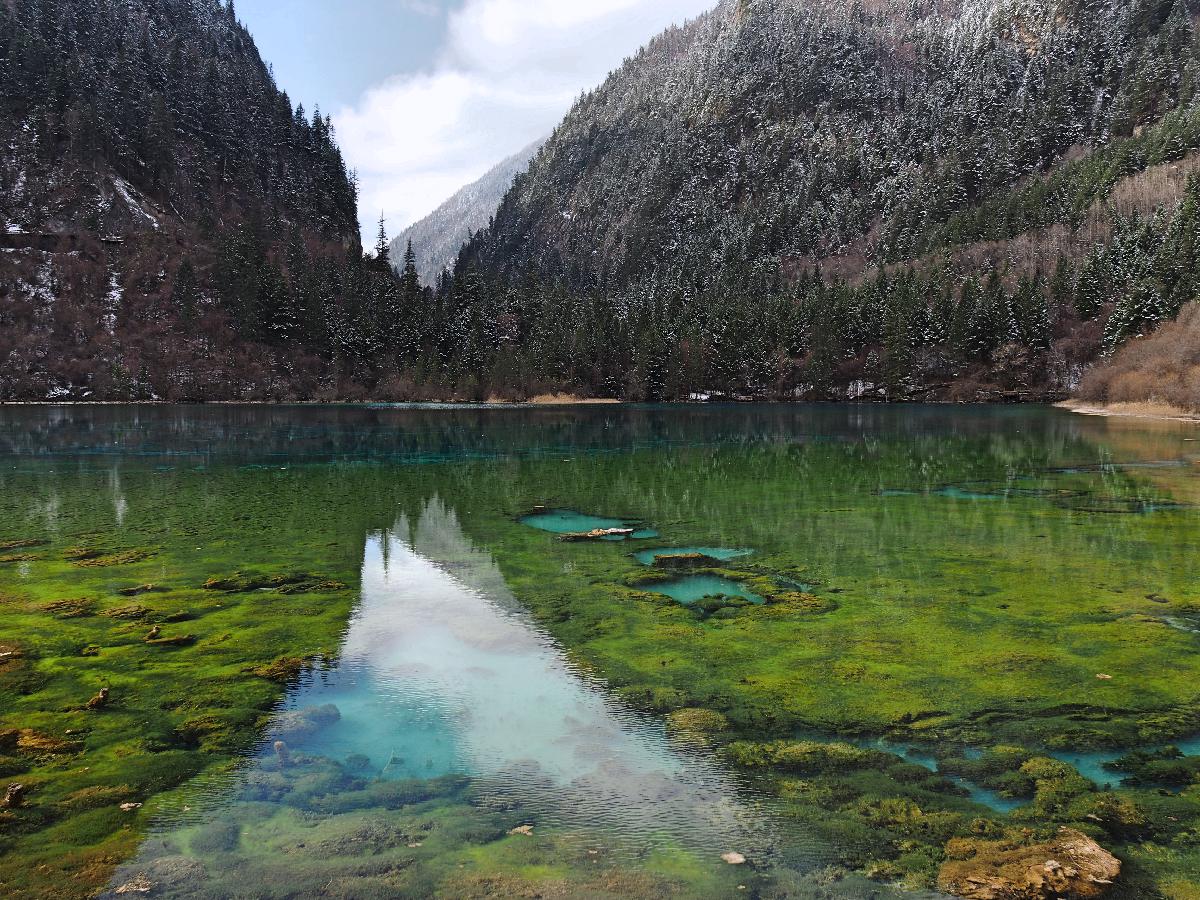
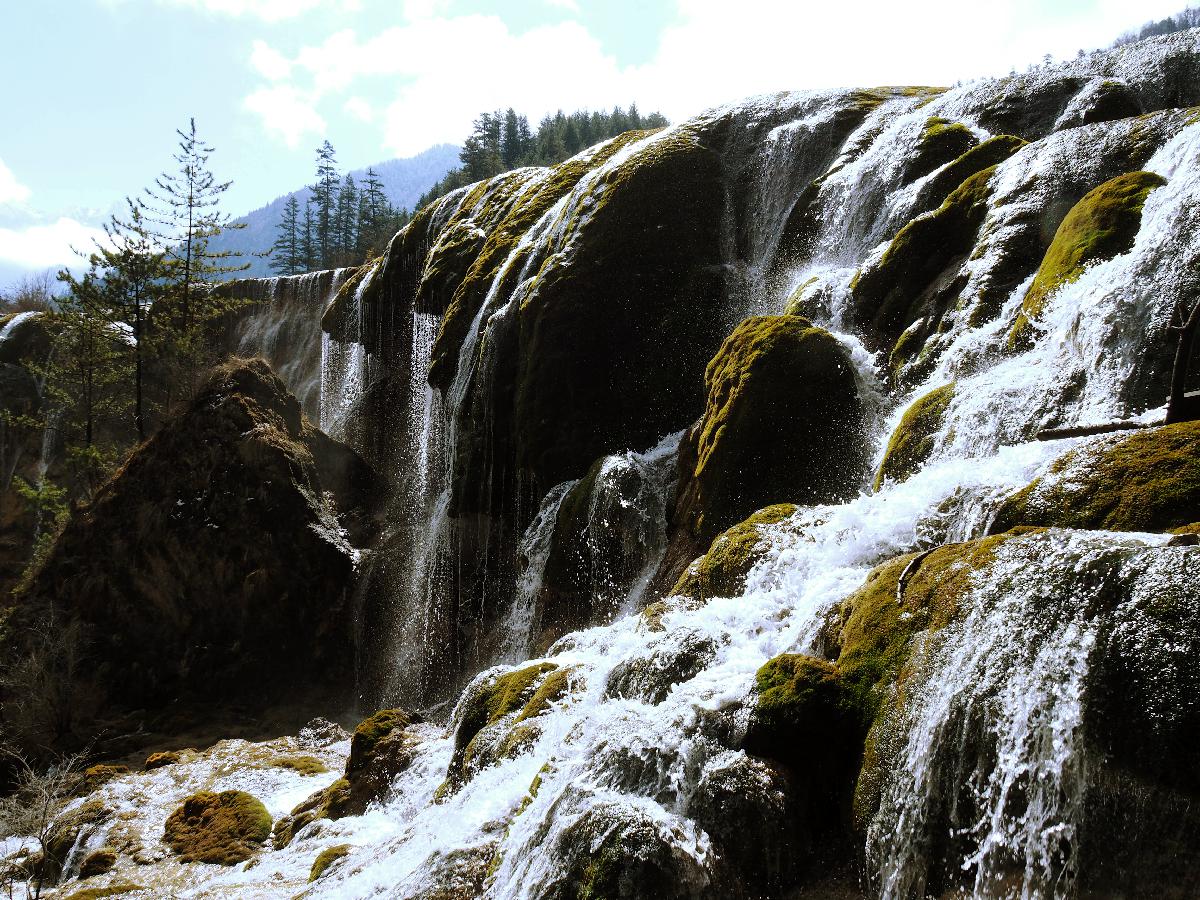
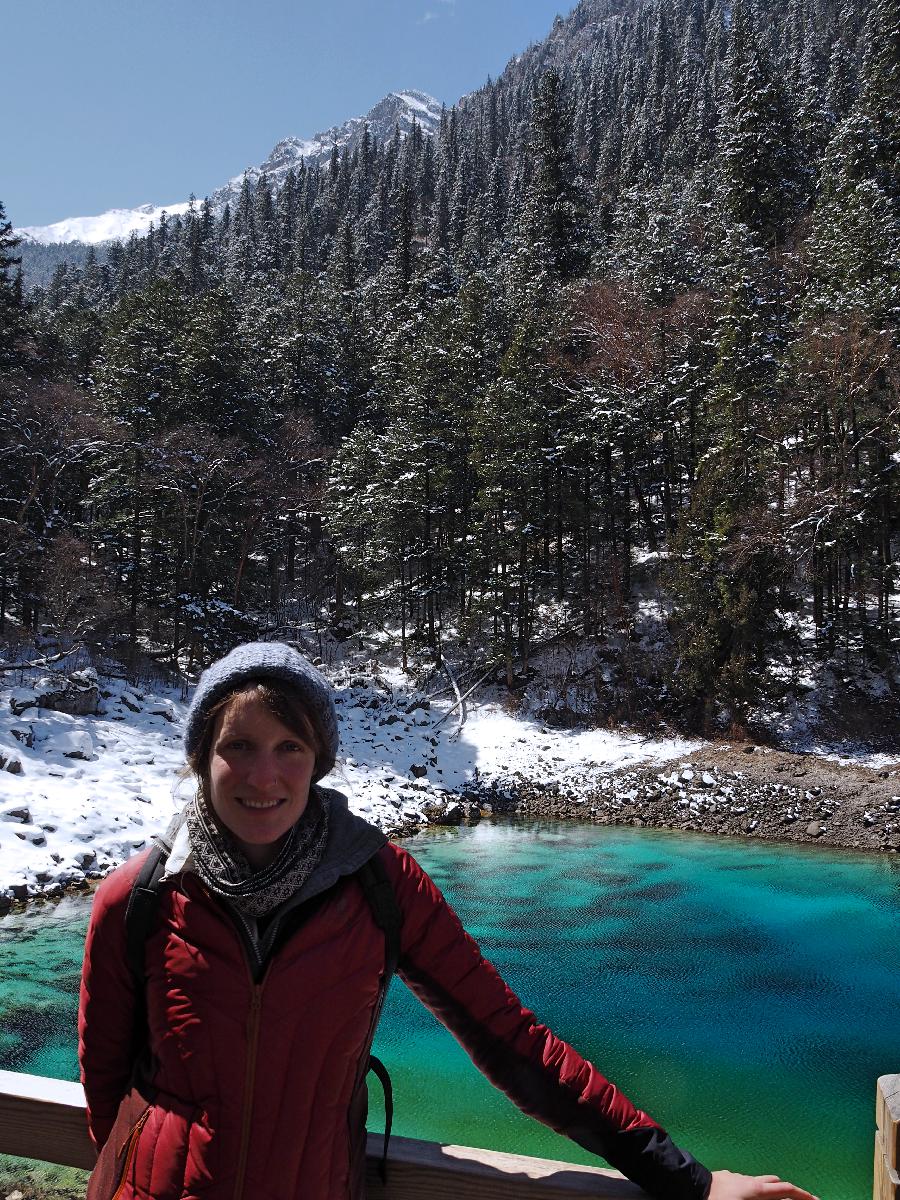
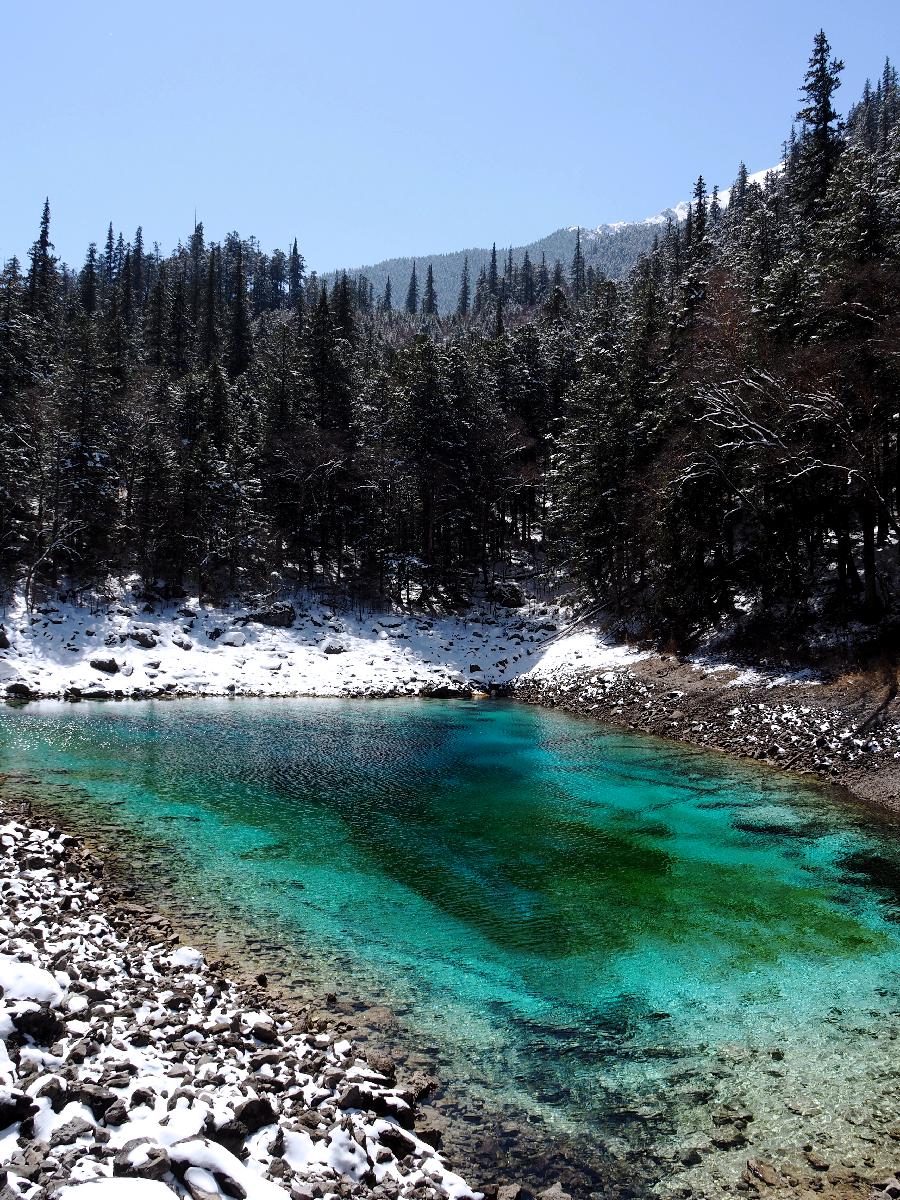
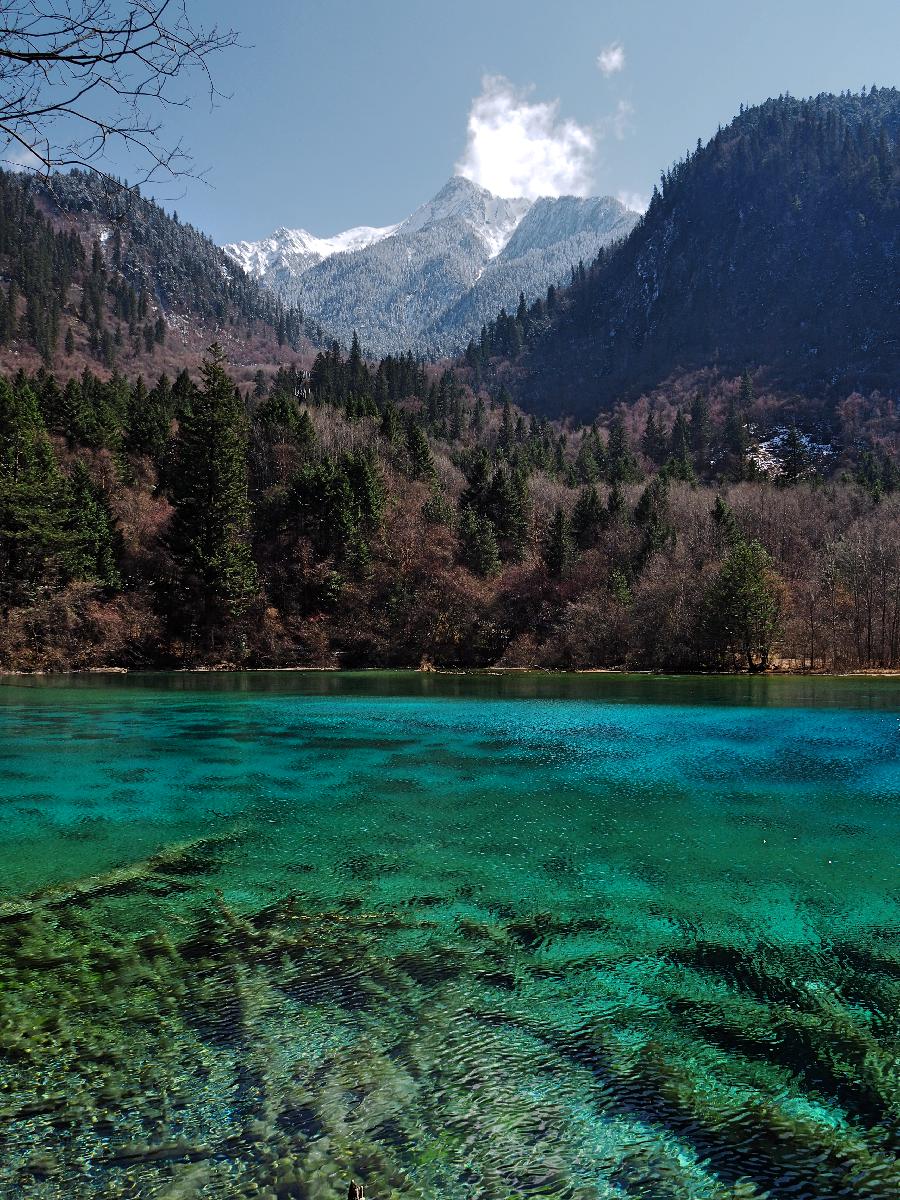
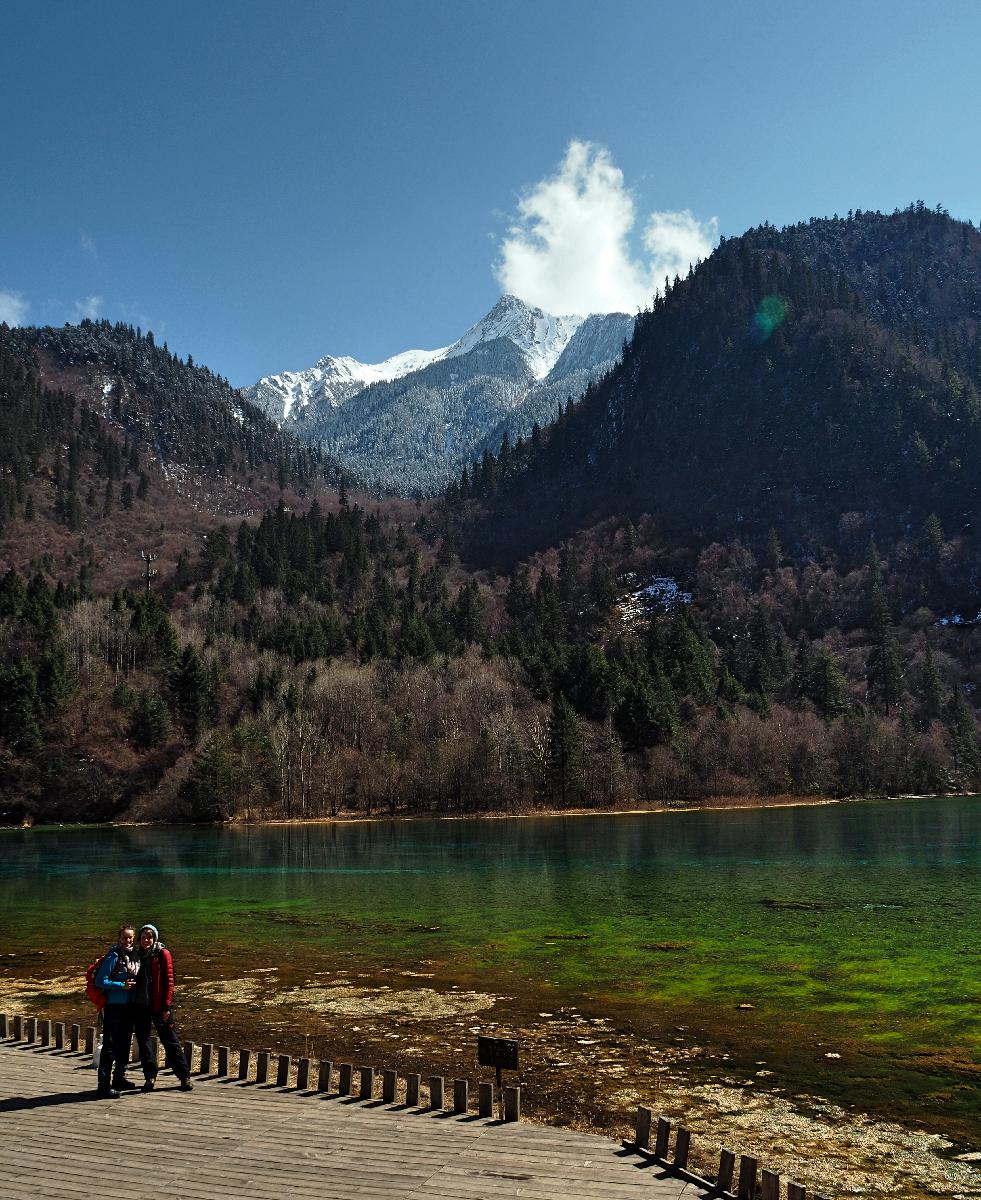
Our next destination was Jiuzhaigou in the northern part of Sichuan. It is one of the most touristy places you can go in China, every Chinese wants to go there once in his or her life. That’s why it was very crowded even in low season. But the reason for this obsession is quite obvious. Jiuzhaigou means ‘Nine Village Valley’ and according to a Tibetan legend it was created when the goddess Wunosemo dropped a magic mirror to the ground, which shattered into 114 shimmering turquoise lakes. The natural beauty of this place was simply astonishing.
Jiuzhaigou:
After Jiuzhaigou we moved on to Songpan, which had a nice old town with some parts of it going back 600 years to the Ming-dynasty.
Songpan:
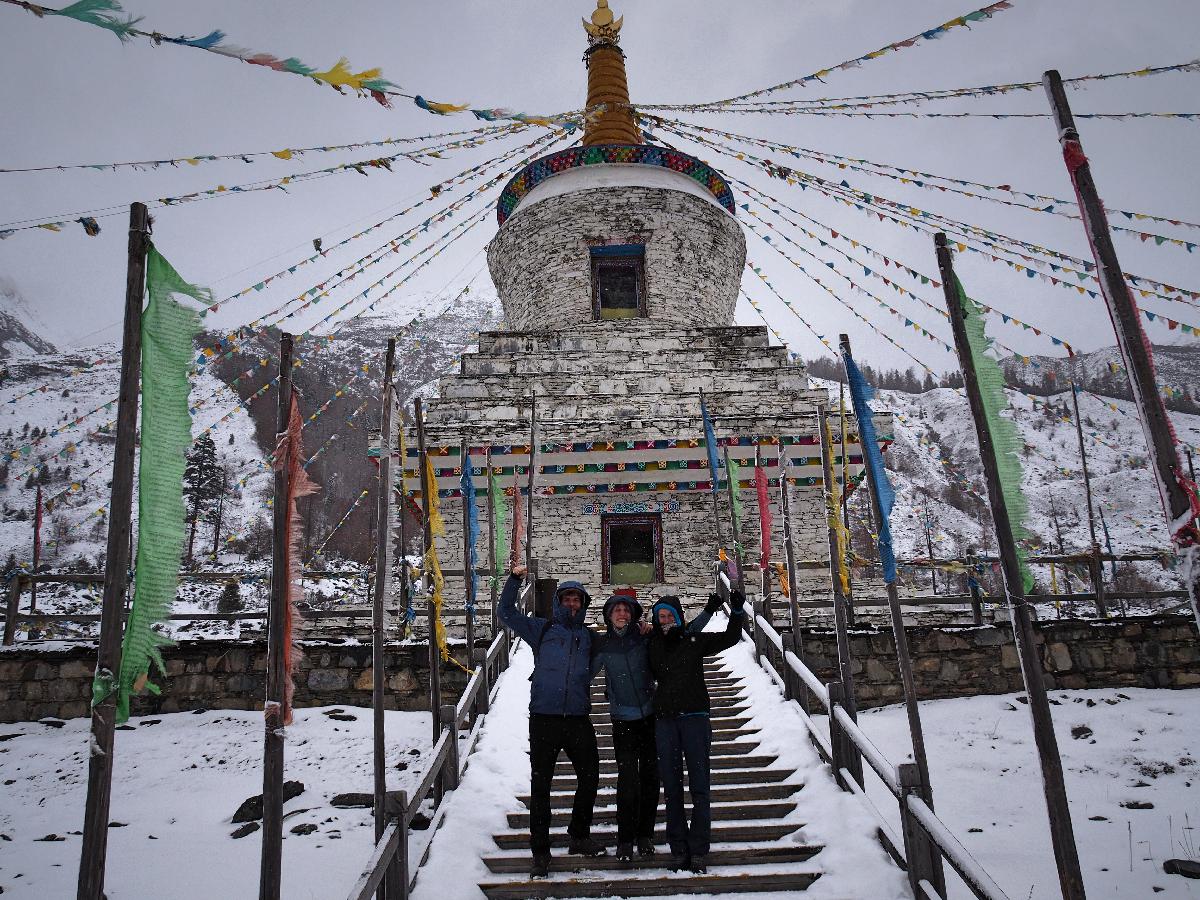
From Songpan we organized a homestay in a nearby Tibetan village, where we stayed for three nights with a Tibetan family. They were very warm and welcoming and stuffed us with Tibetan foods, such as tsampa-yak-butter porridge. Unfortunately, we couldn’t speak any Tibetan and the family members had a very strong Tibetan accent when they spoke Mandarin, so it was quite difficult to communicate with them. But generally, the people in the village were very kind, curious and outgoing. They tried to strike up a conversation whenever they met us. To our amusement, nobody seemed to understand our intention of hiking through the surrounding mountain ranges. On these aforesaid hikes, we reached summits up to 4000masl. All in all it was a very enriching experience off the beaten track.
Tibetan Village:
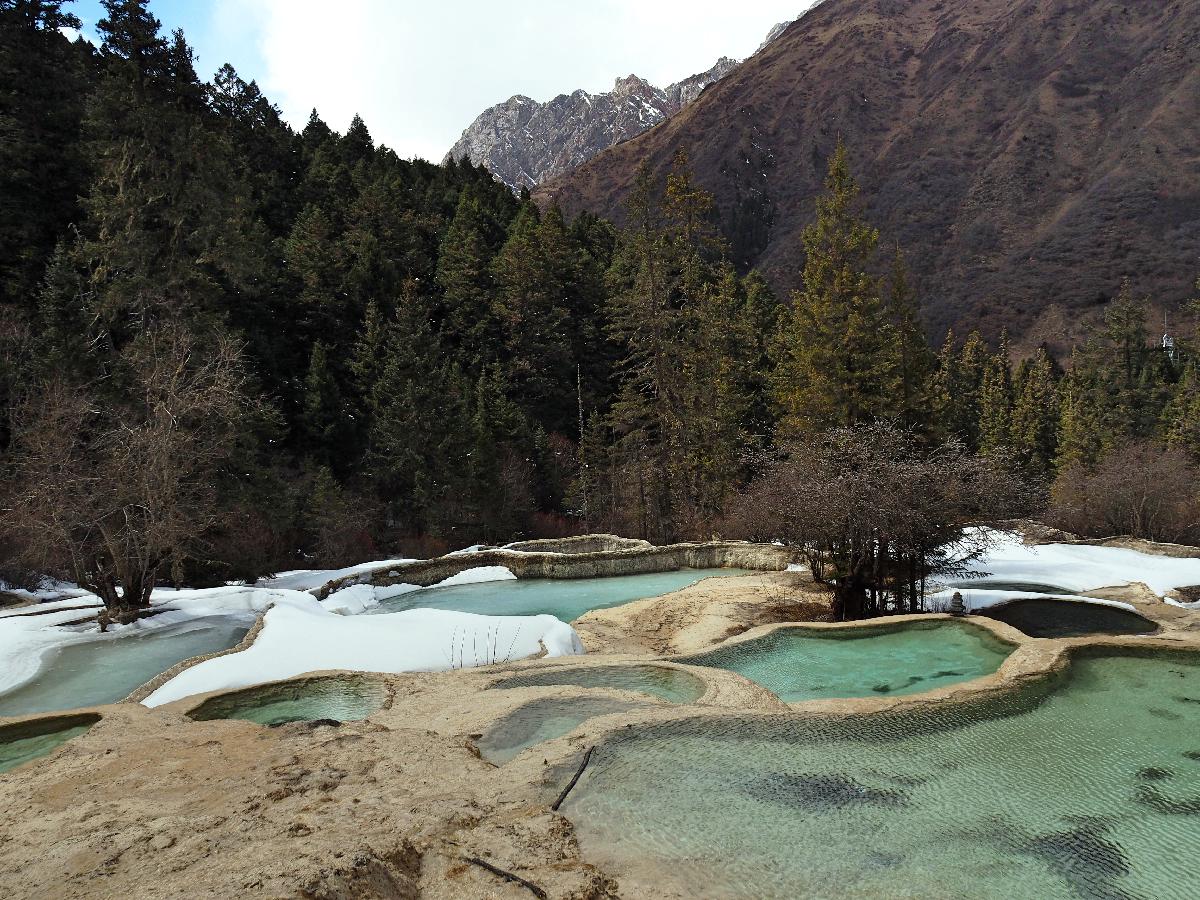
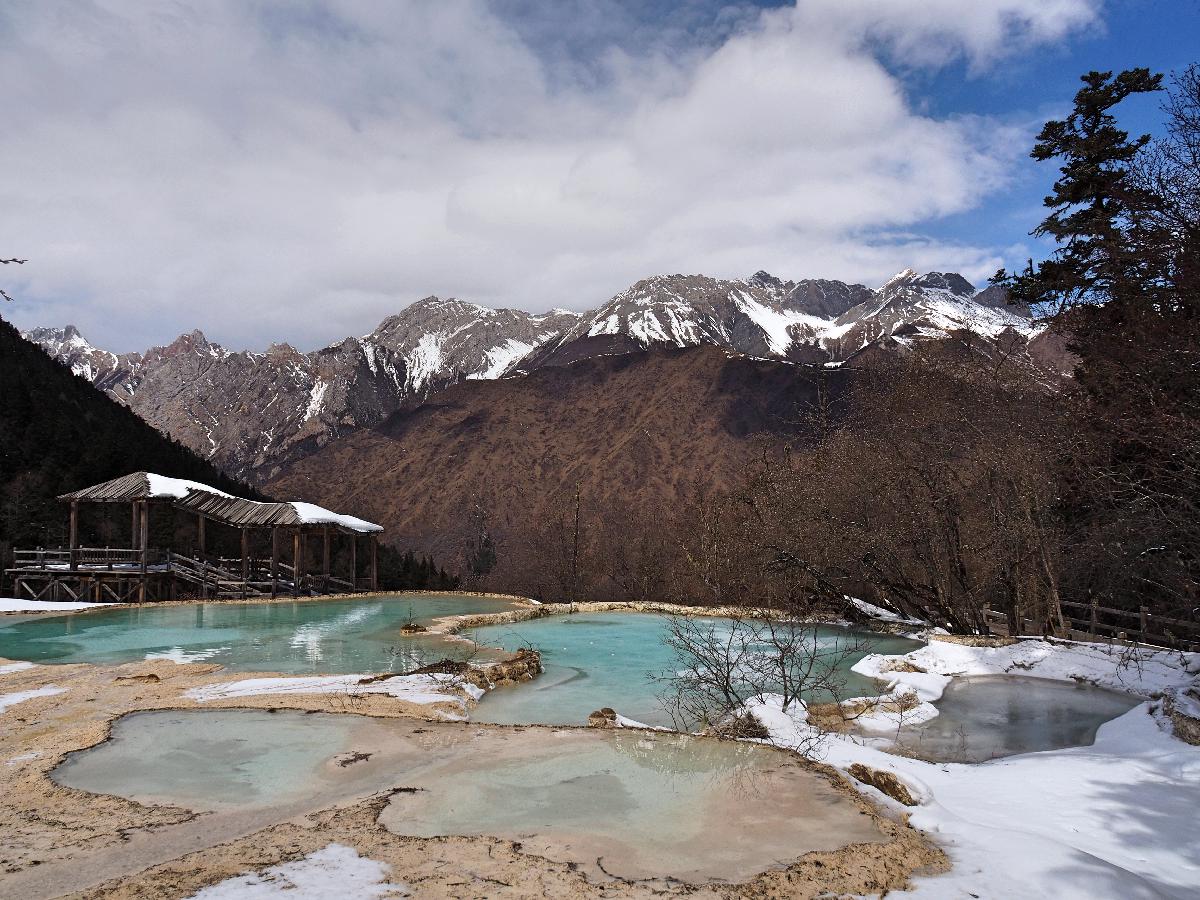
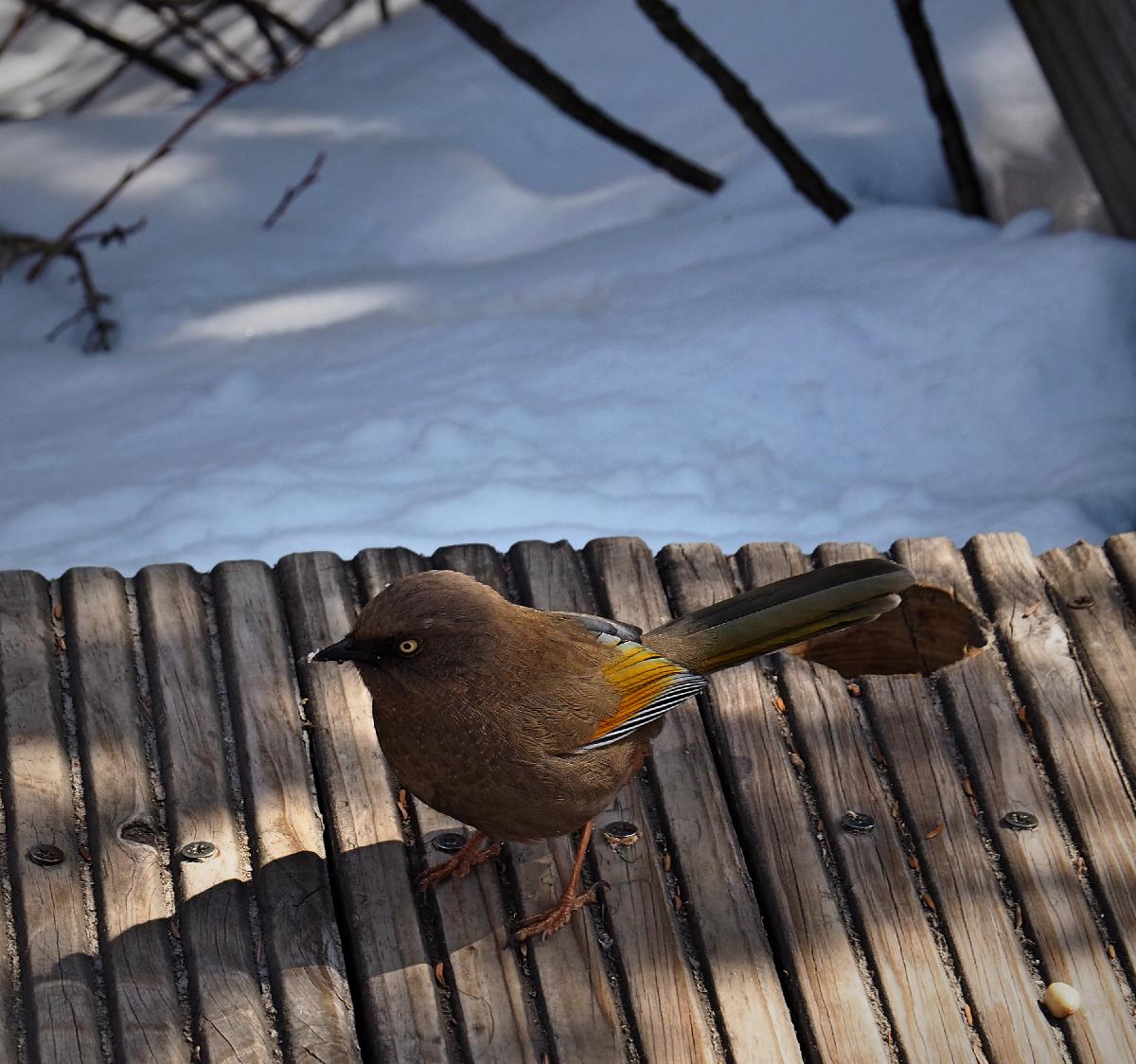
After another night in Songpan, we took a taxi ride to Huanglong over a mountain pass covered in snow. It was totally the wrong season to visit the park, since the usually exquisite terraces of multi-colored limestone ponds were mostly empty or covered with snow. Nevertheless, as we were almost the only visitors, we enjoyed a nice walk through a beautiful winter landscape and were able to observe various wild animals.
Huanglong:
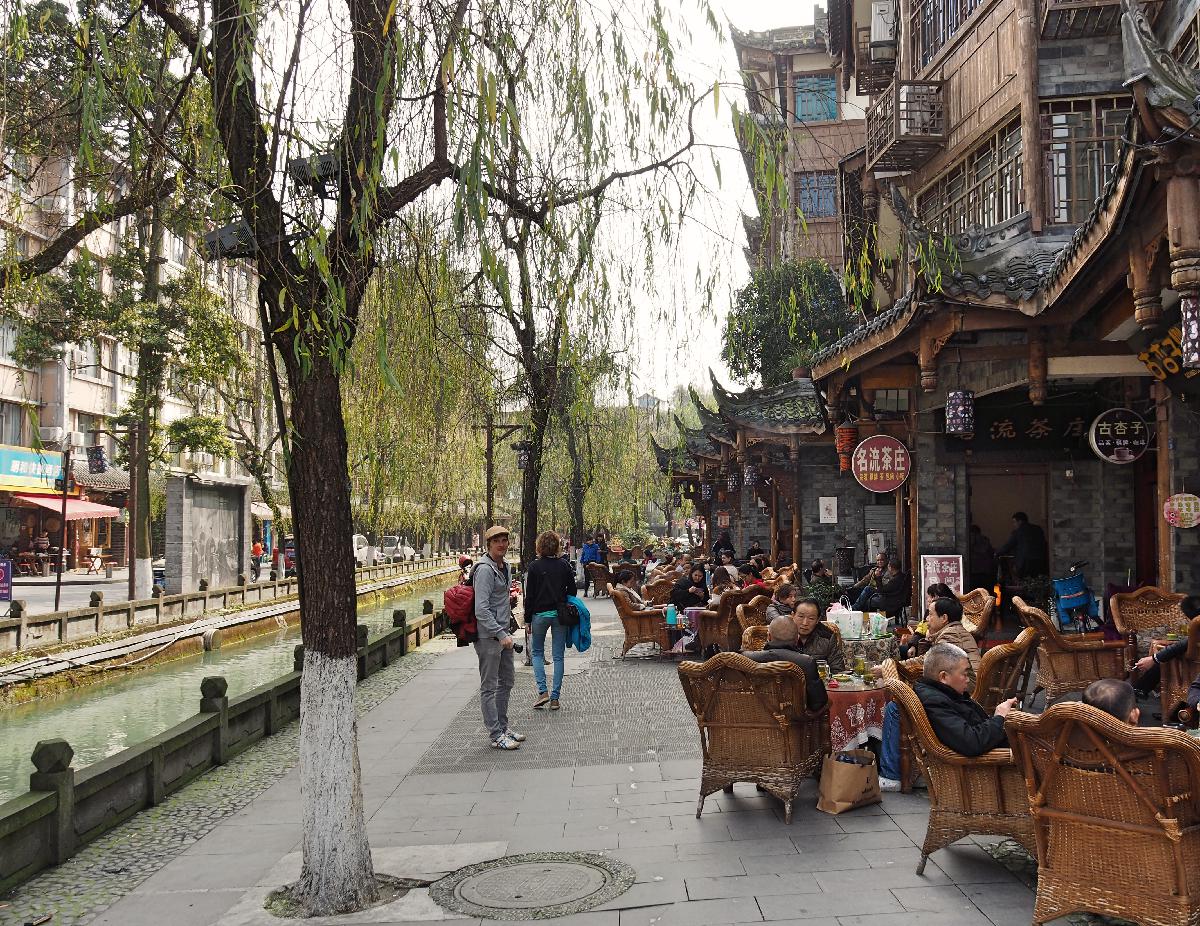
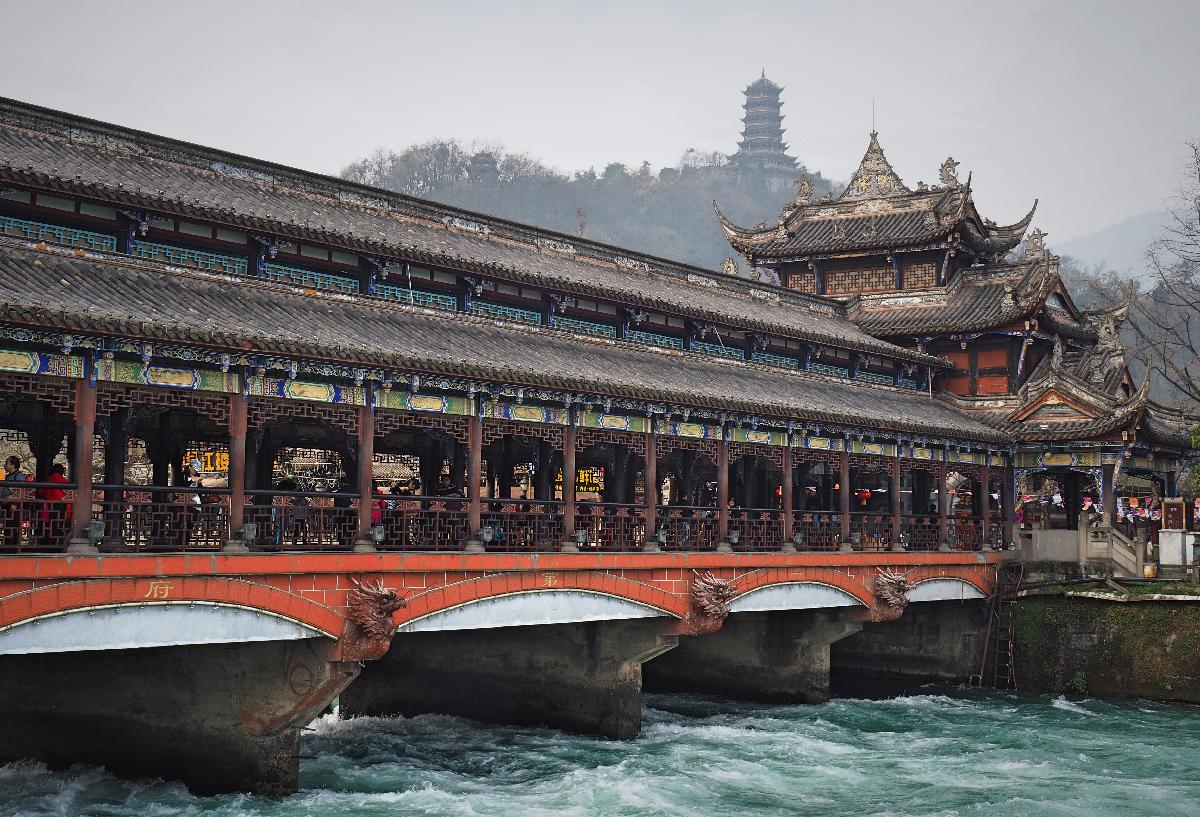
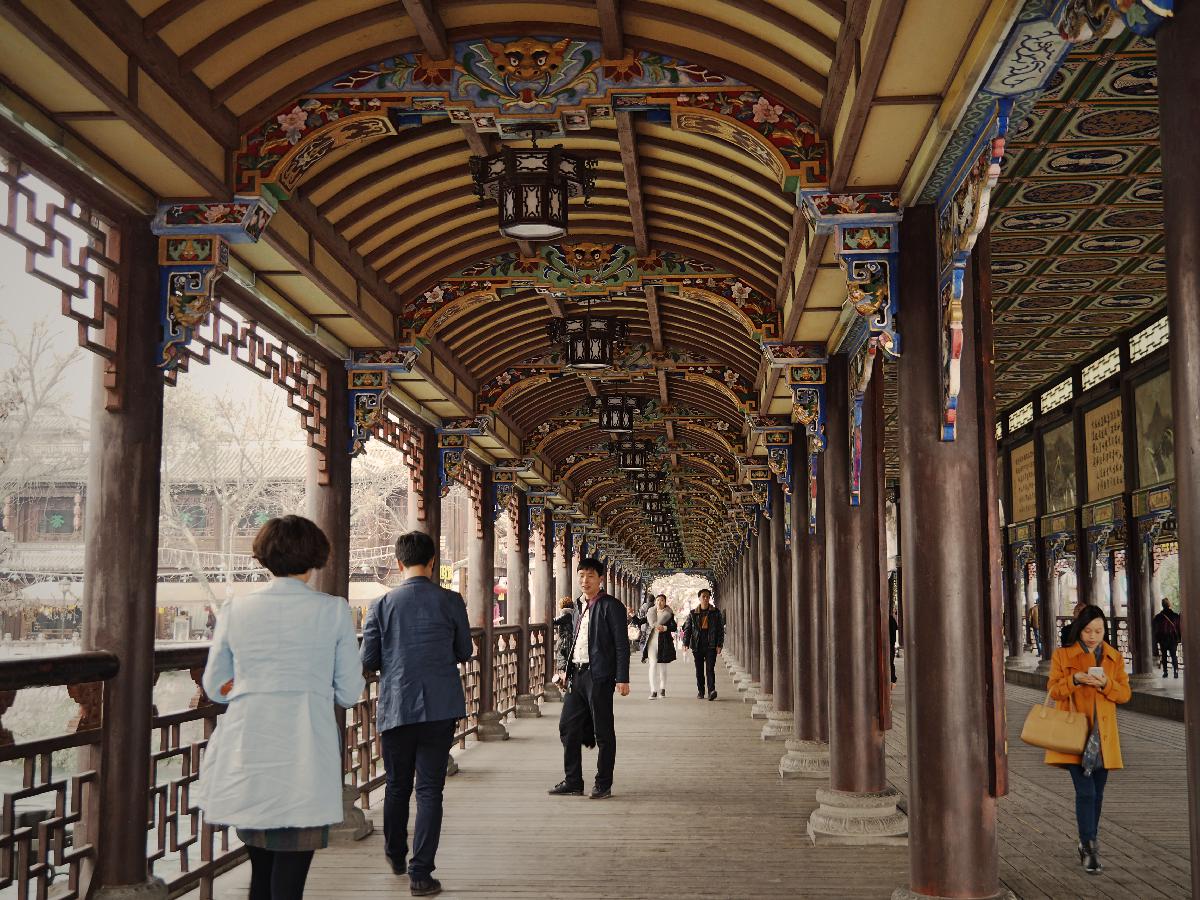
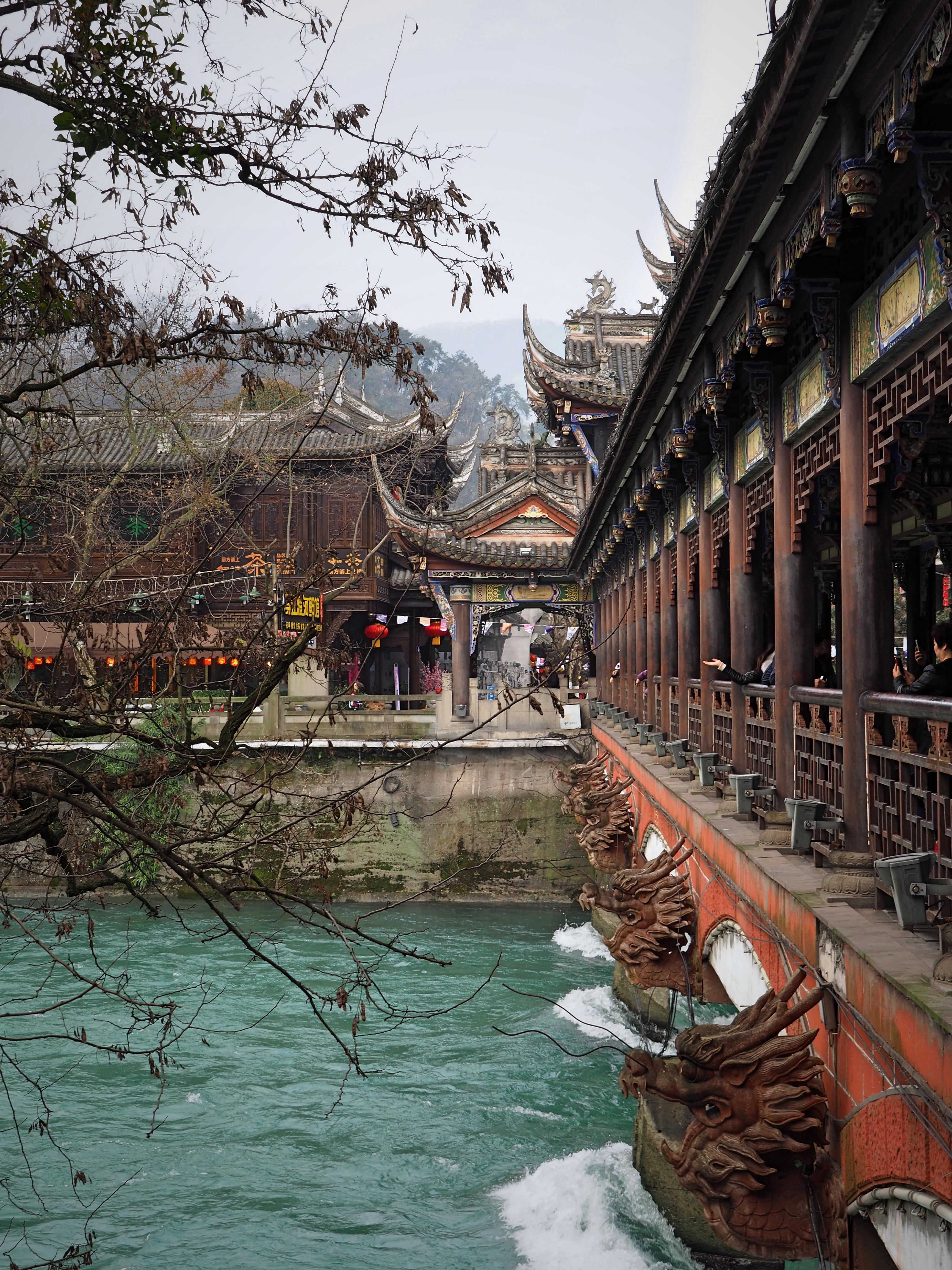
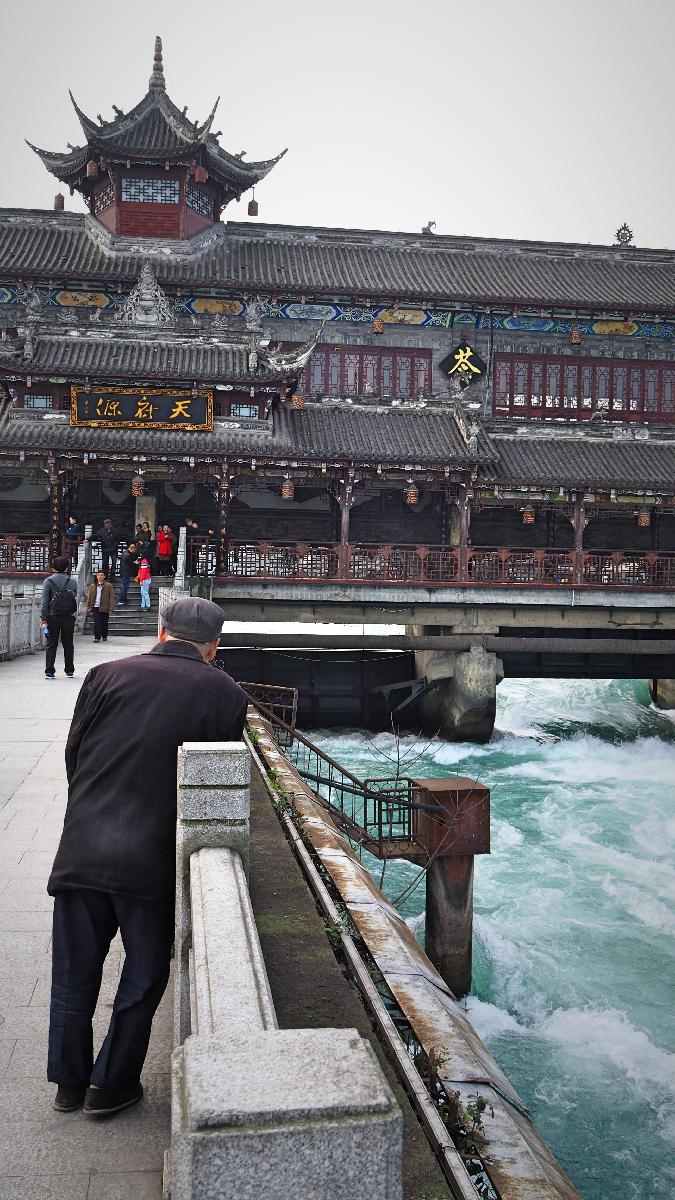
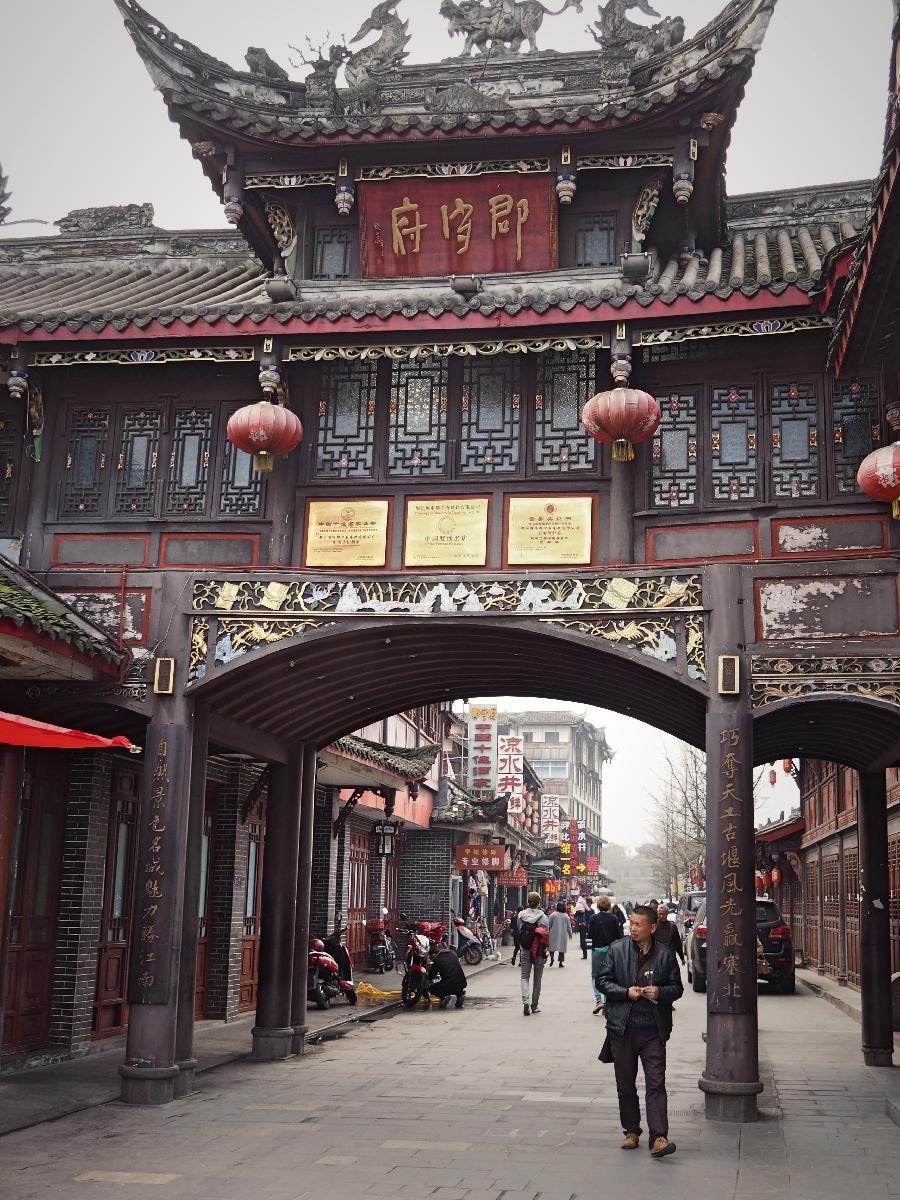
Our next planned destination was Rilong, but we had to take a stopover in Dujiangyan. This turned out to be a surprisingly good location due to its nice old town containing the oldest existing irrigation system in the world. We didn’t take a look at the irrigation system though, because we wanted to continue our journey to Rilong.
Dujiangyan:
We arrived in Rilong the following day. Here we wanted to visit the three valleys of Siguniang Shan (Four Girls Mountain). All of the three valleys were located above 3400 masl and all of them were stunningly beautiful. Due to the high elevation the nights were bitter cold. Luckily our hotel had a cozy living room with a wood stove, where we could complete our exhausting days of hiking with hot tea and a game of cards.
Mount Siguniang National Park:
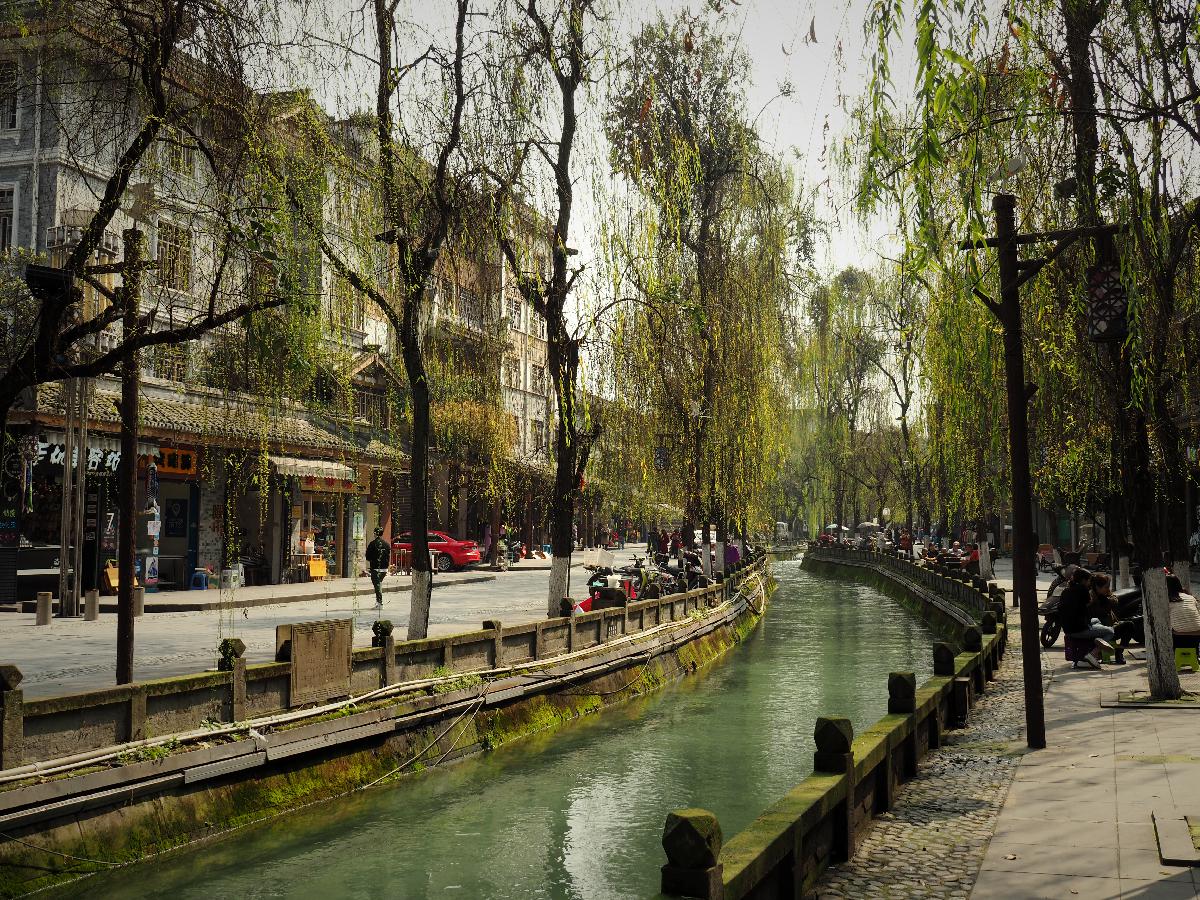
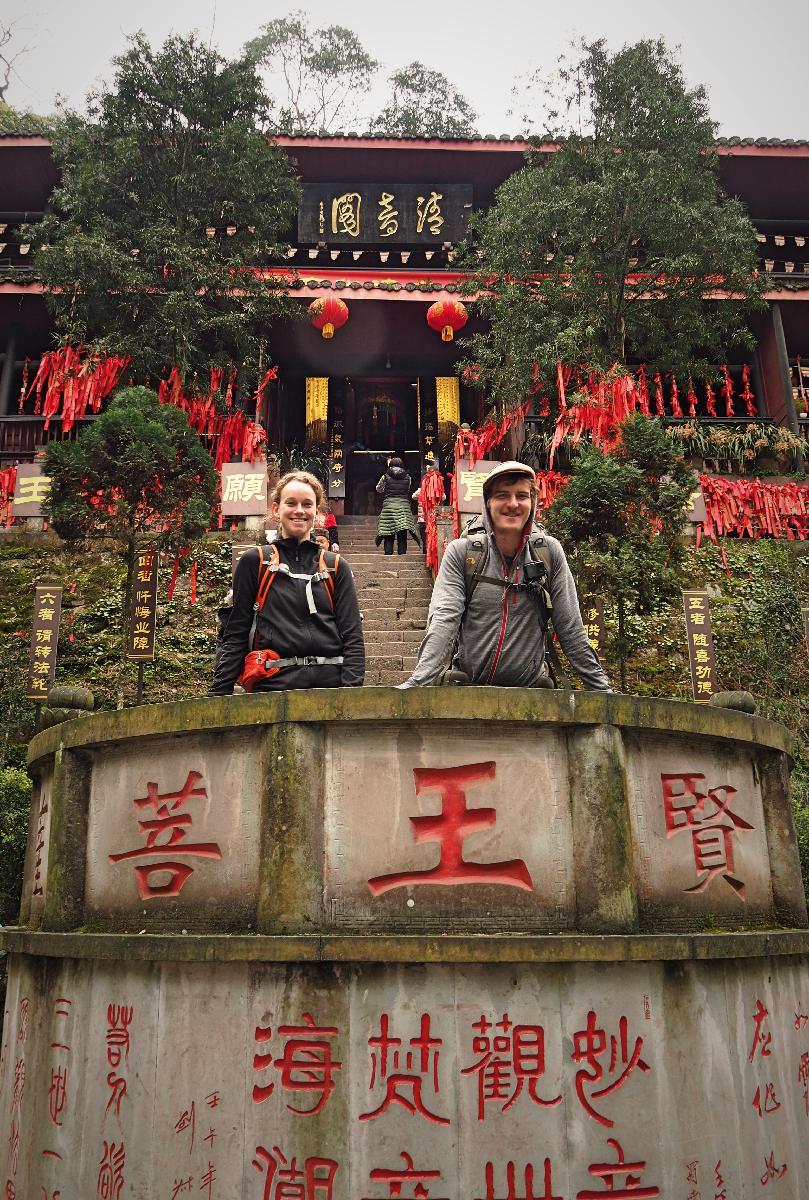
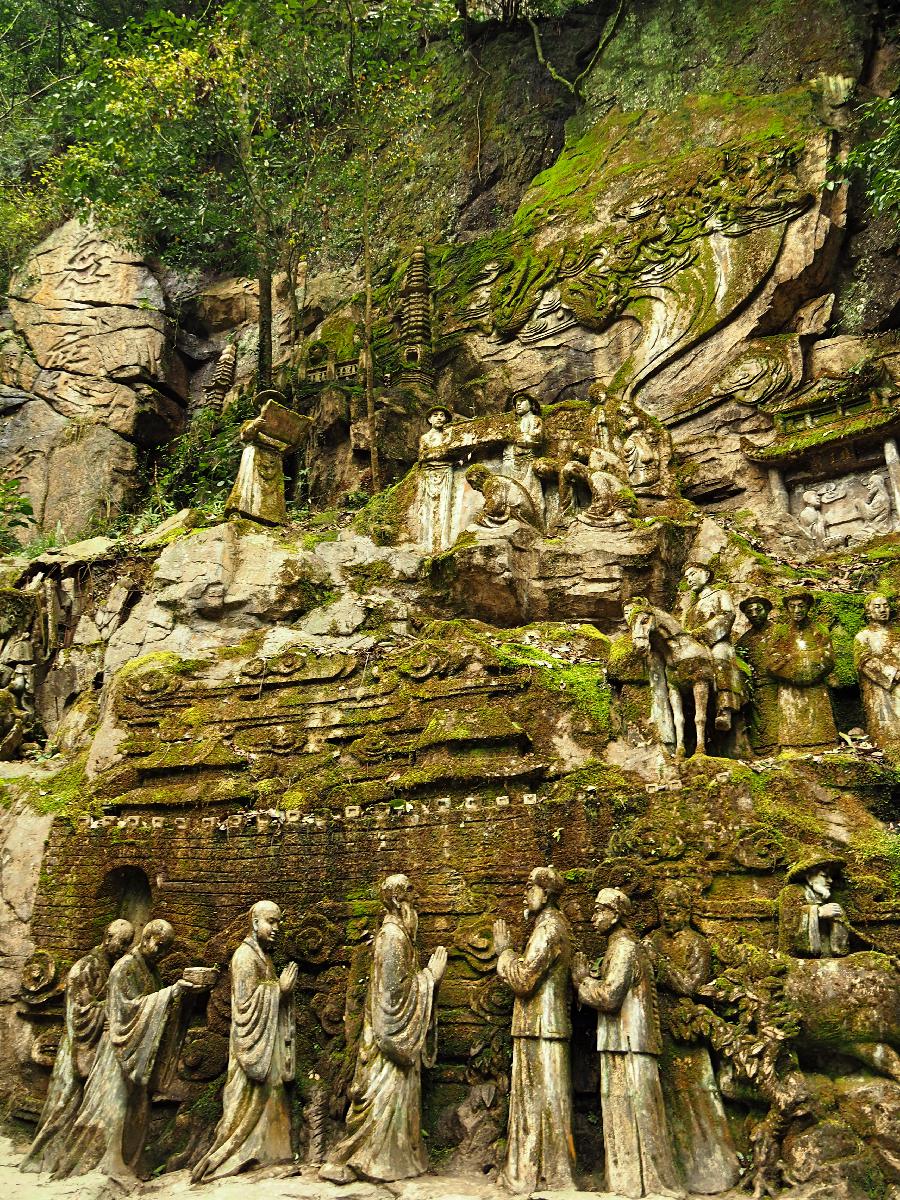
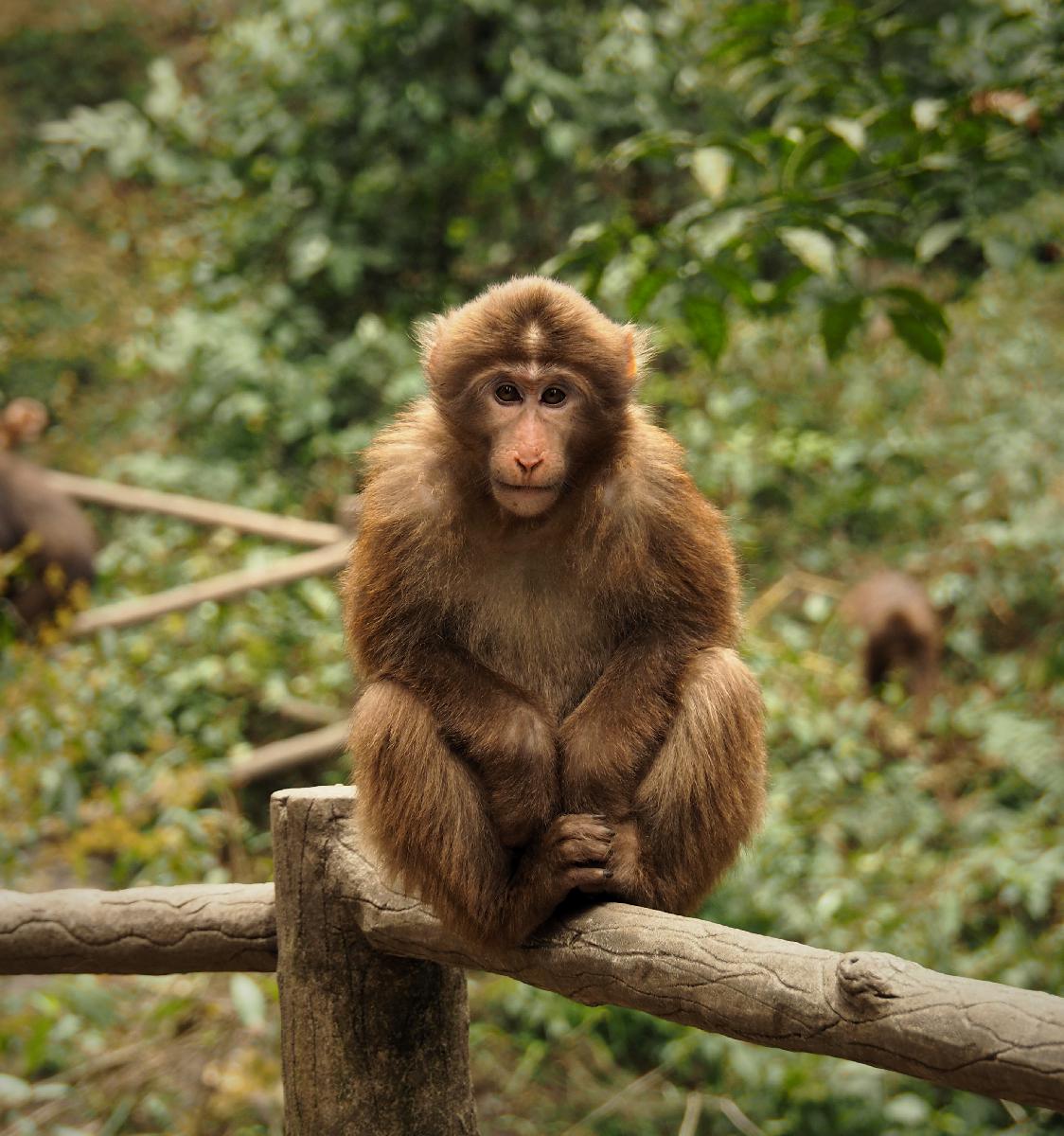
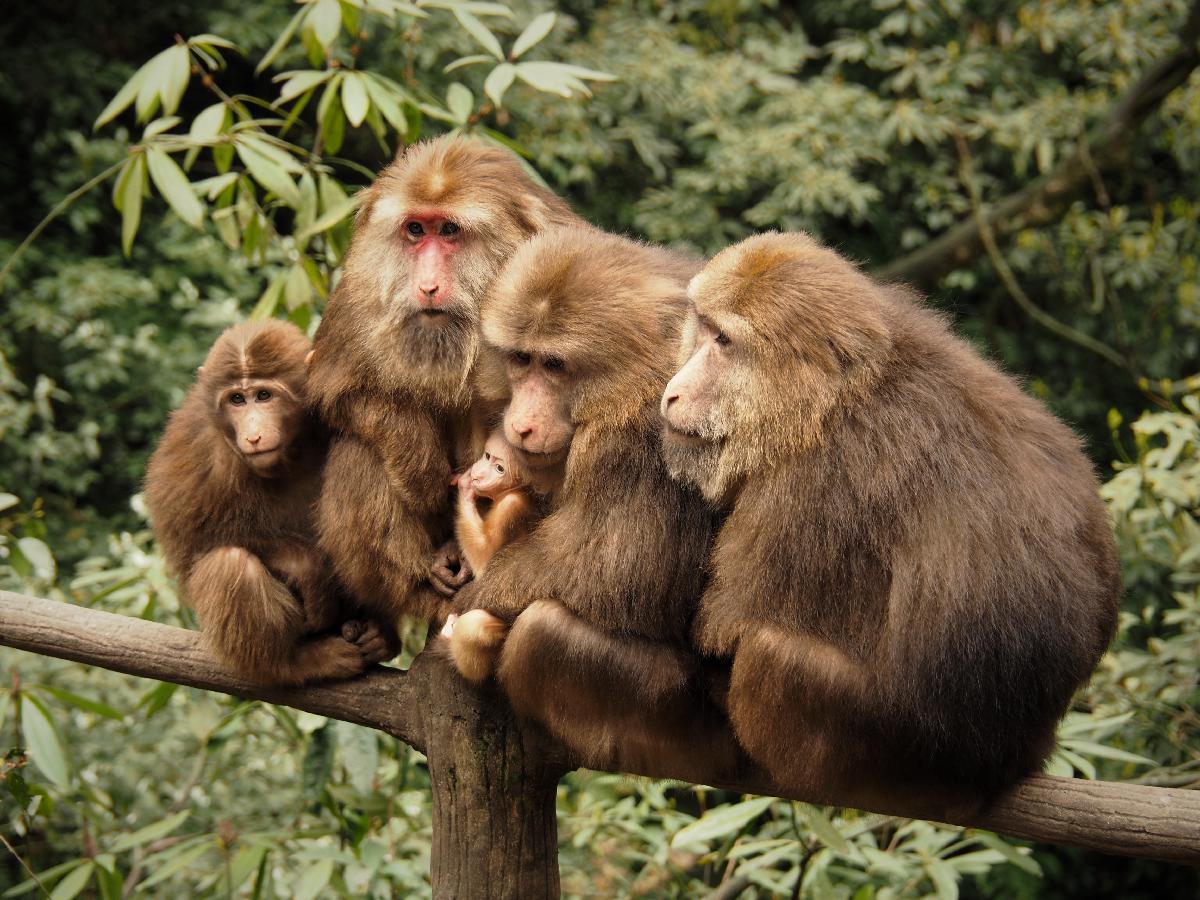
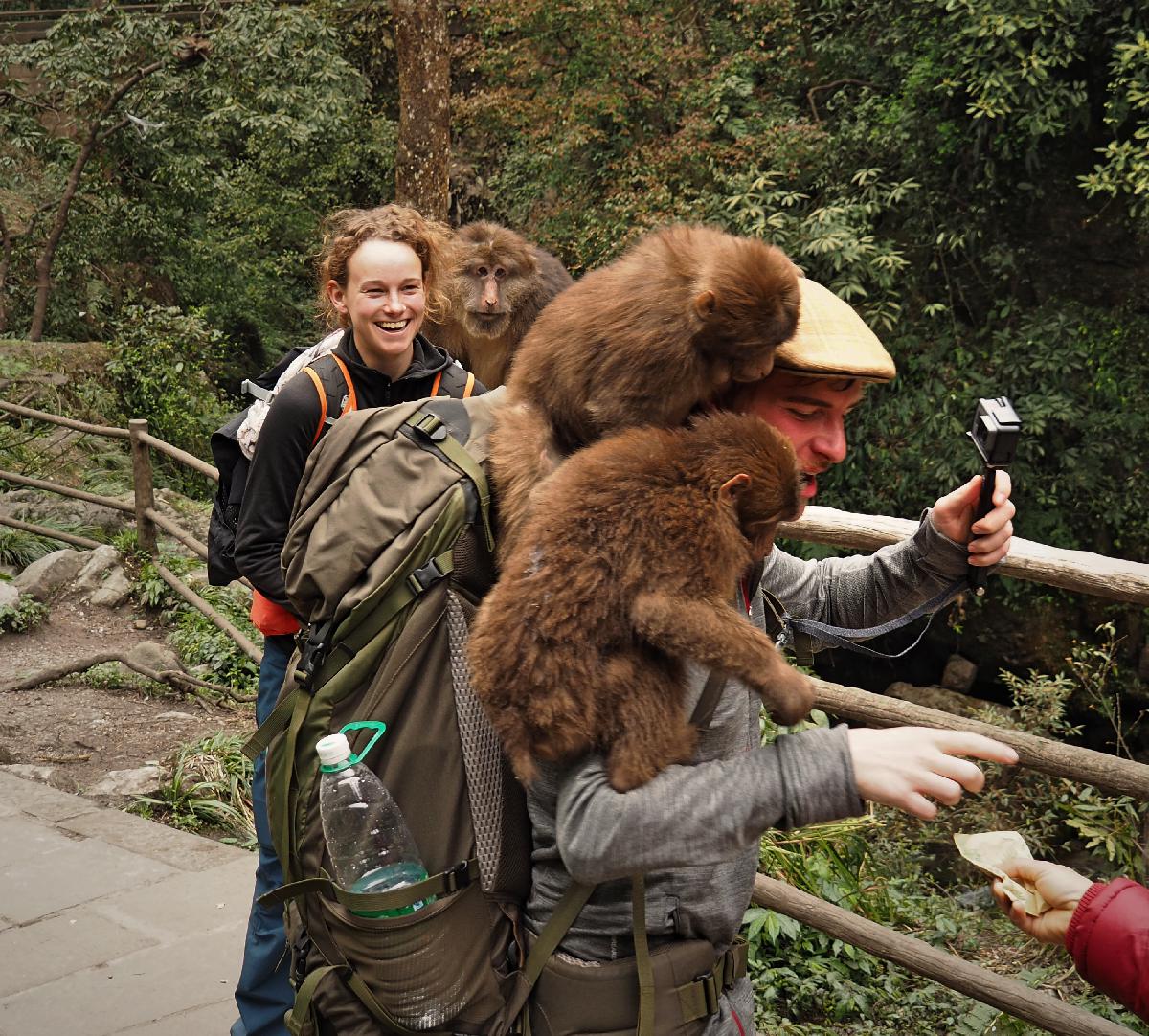
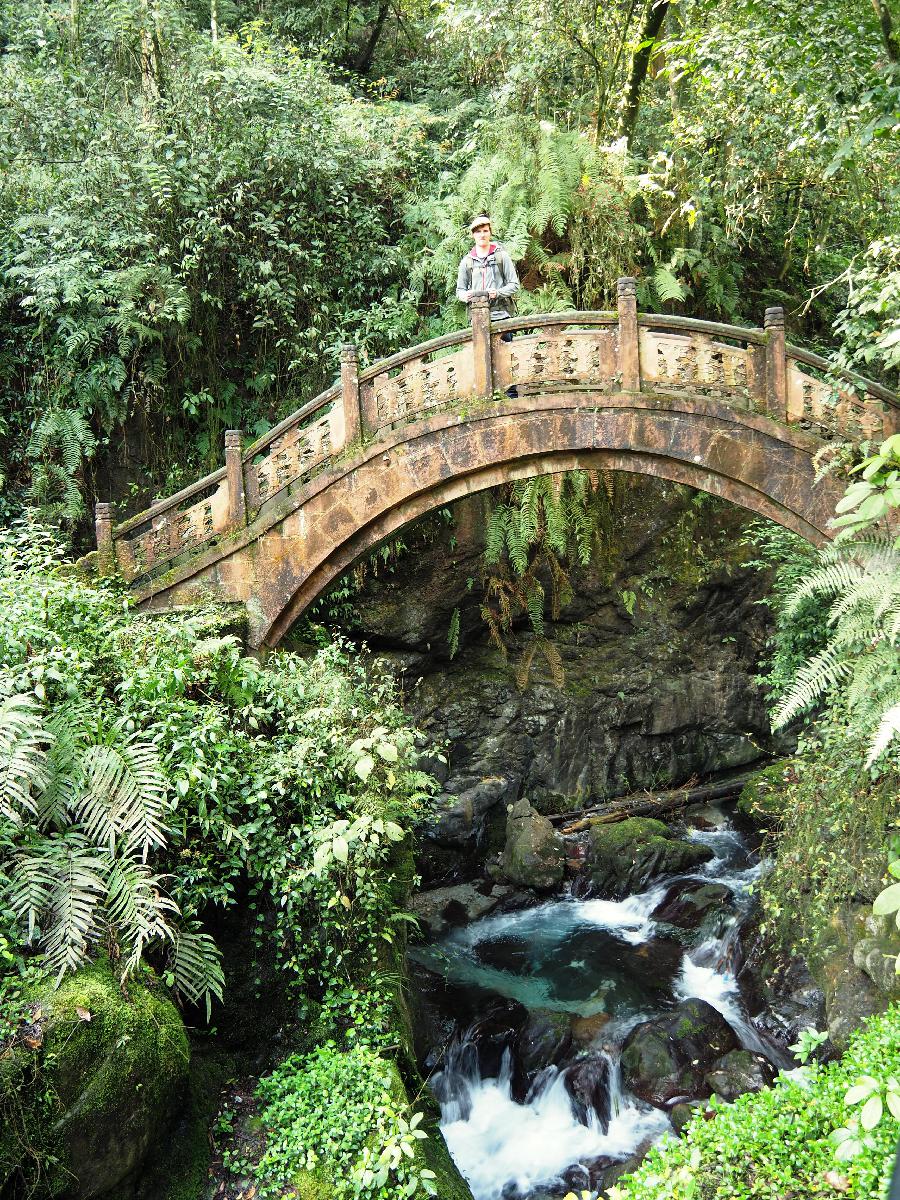
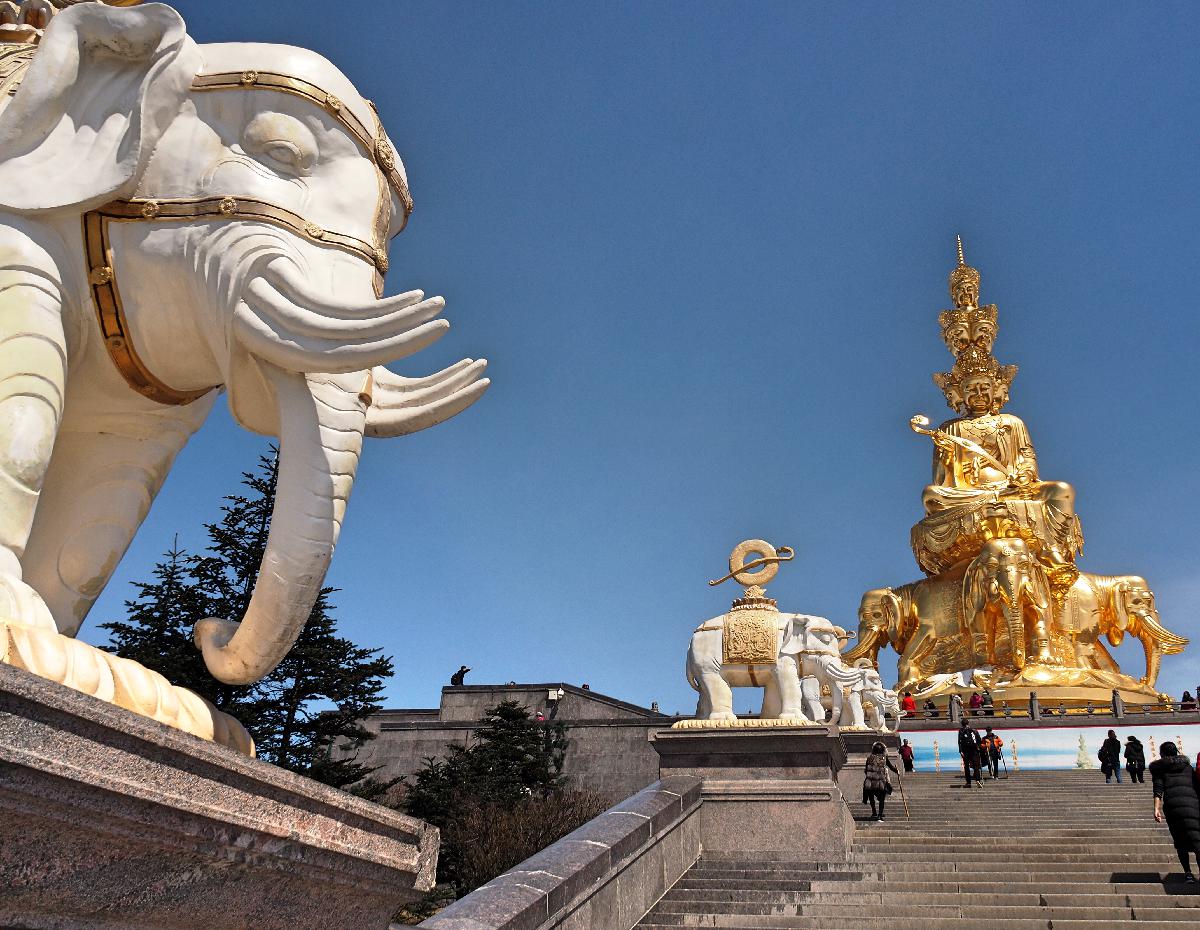
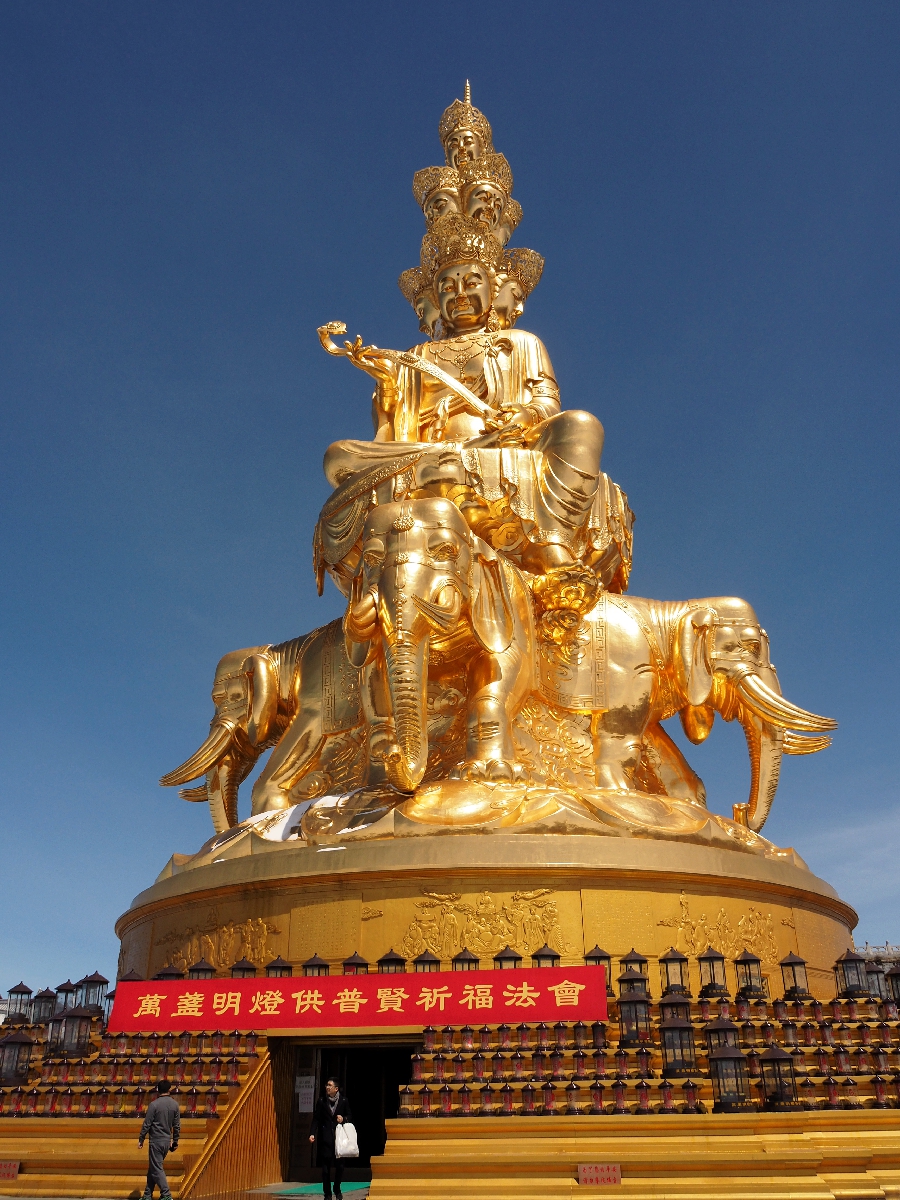
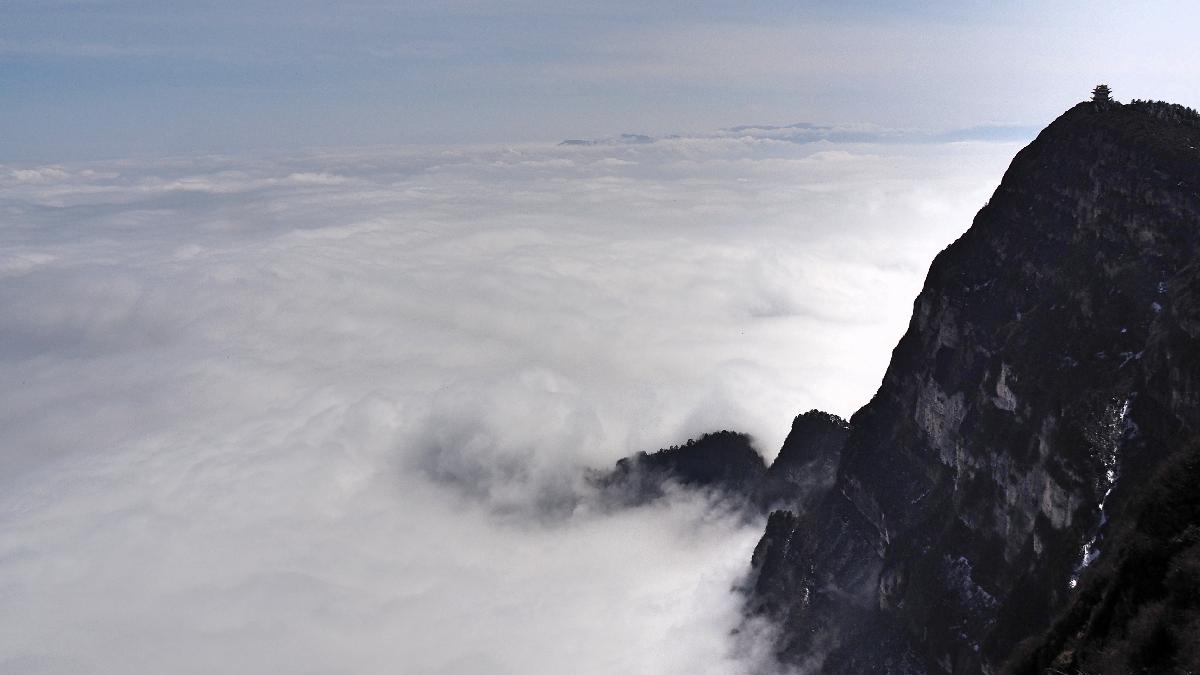
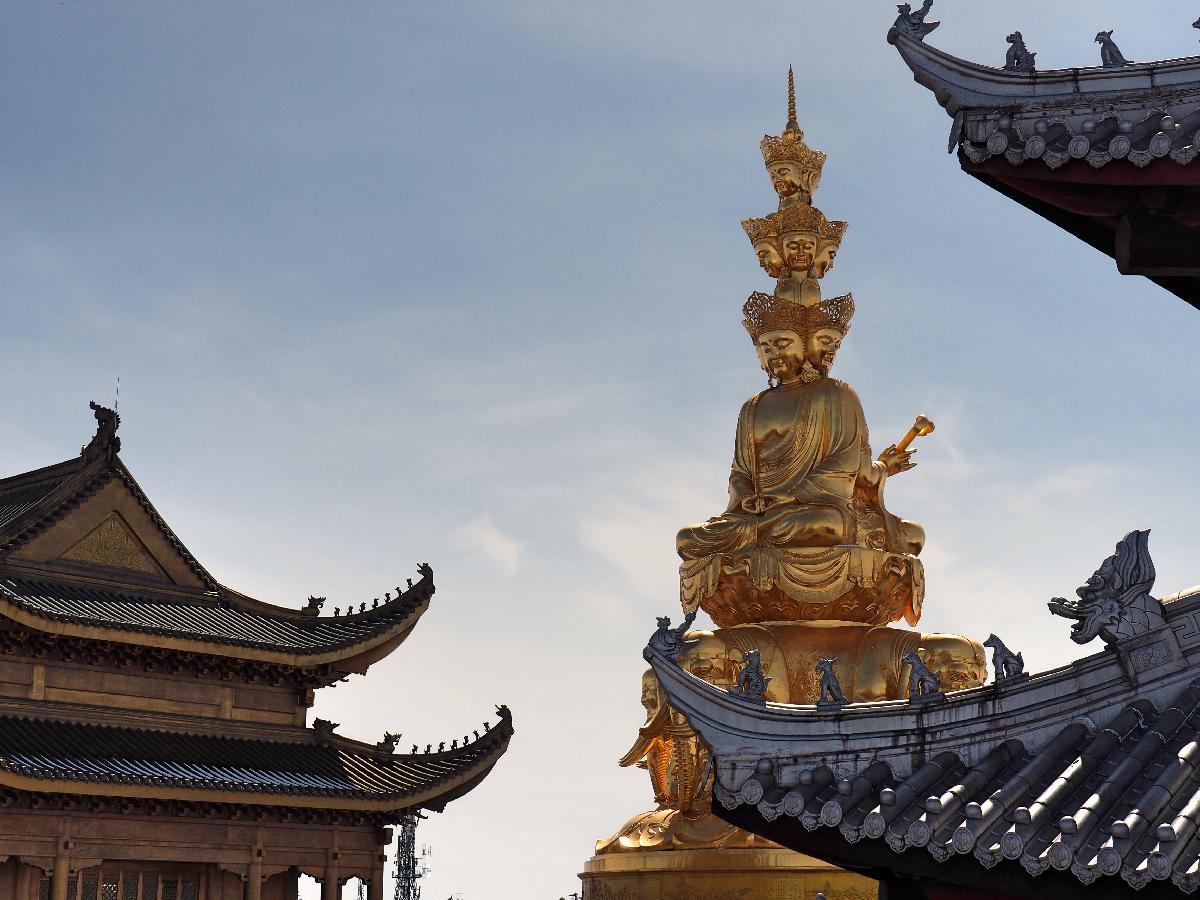
After another stopover in Dujiangyan, we finally arrived in Baguo next to the holy buddhist mountain Emei Shan. Here, the climate was much more humid. We hiked three days on this mountain with its seemingly endless stairs and spent one night in a monastery. On the way up, we were ambushed by wild and naughty Tibetan macaque-monkeys. Our initial plan was to hike all the way up to the summit in two days. Unfortunately, due to a landslide, we weren’t able to continue our ascent and had to go all the way down again. There, instead of walking, we took a bus to the top. When we reached the Golden Summit at an elevation of 3077masl, we found ourselves above the clouds and face to face with the world’s tallest golden Buddha statue – what a sight!
Emei Shan:
With soar muscles, we left Mount Emei behind us and travelled on to Le Shan, where we stayed for one night. There we went to the People’s Security Bureau (PSB) to get an extension of our visas. The whole thing turned out to be much less bureaucratic than we expected.
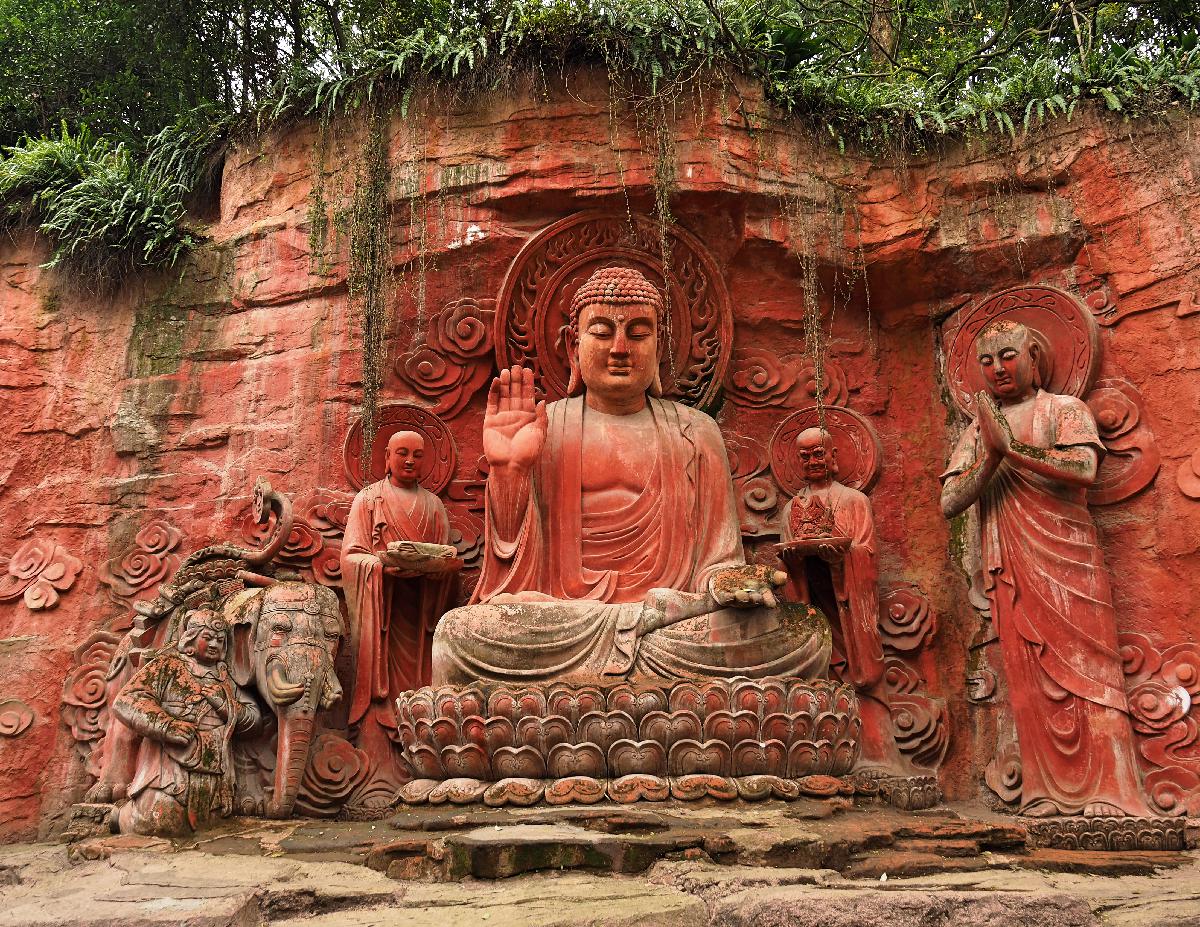
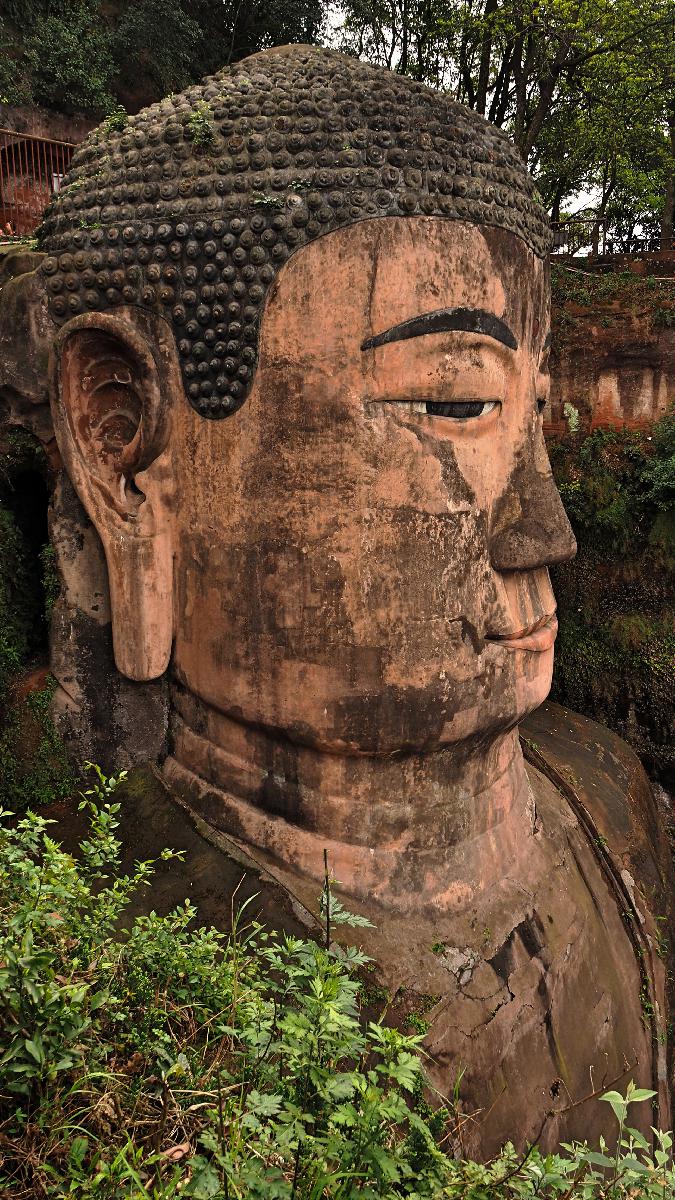
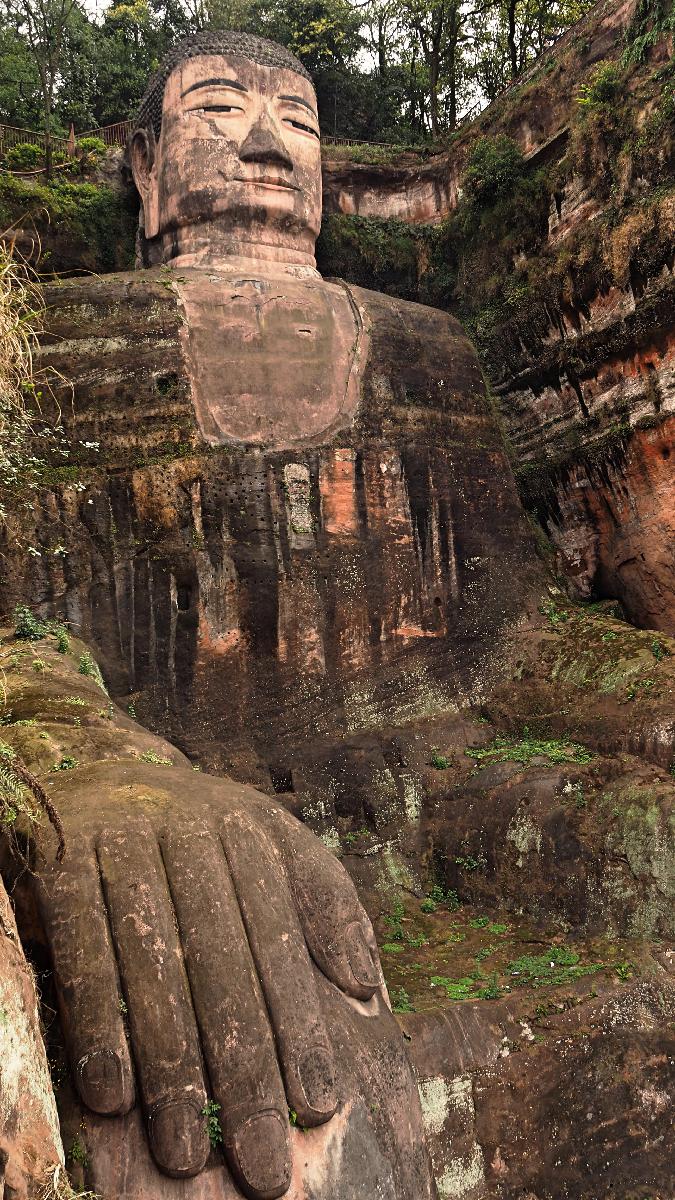
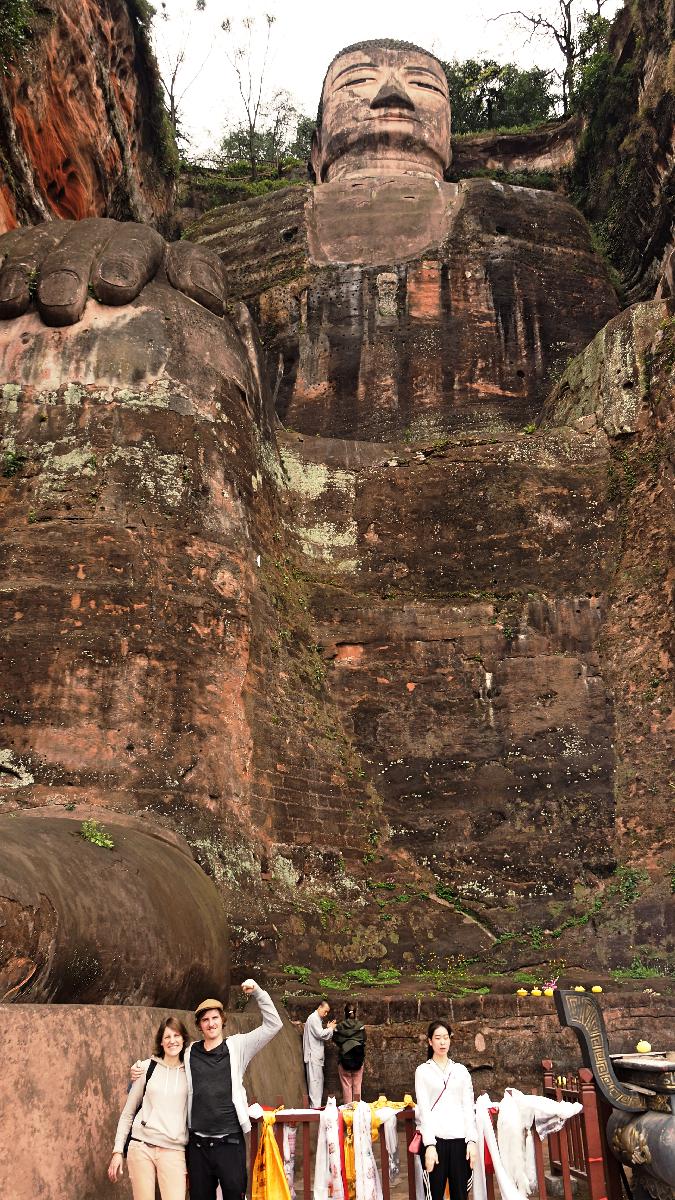
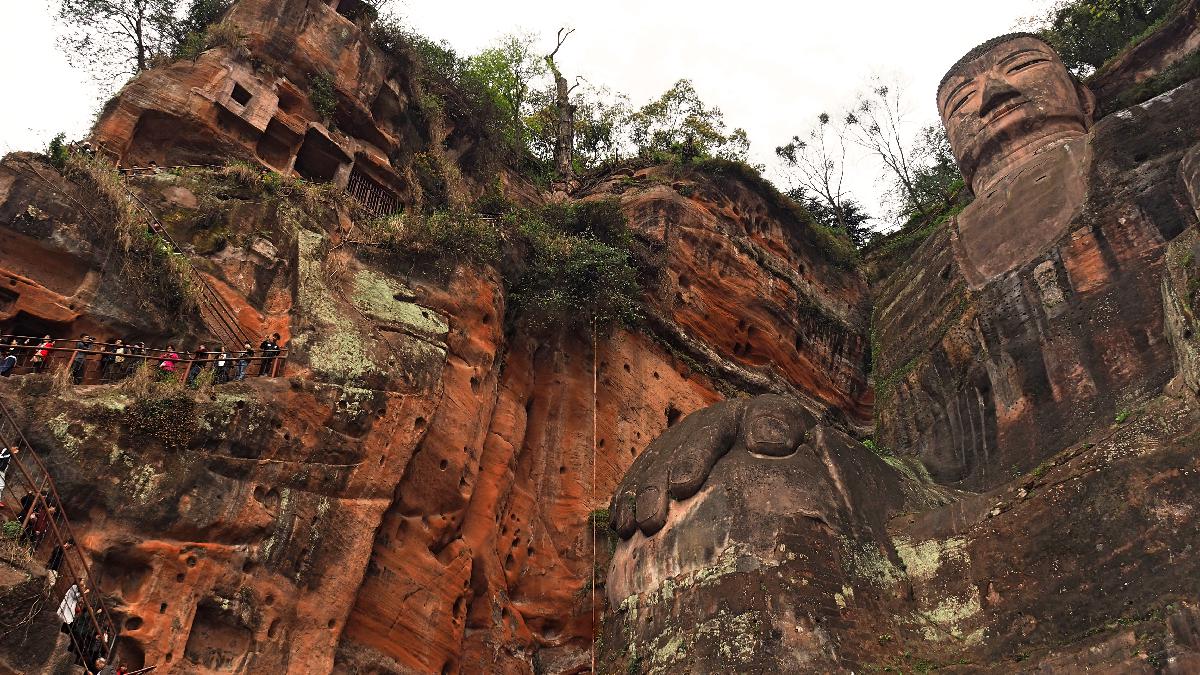
Since we were already in Le Shan, we used the chance of visiting the Giant Buddha and its sorroundings. Sadly, this was also the last thing we did together with Tanja. From here our ways would part again. Tanja will travel on to Yunnan Province, where we have already been. We spent some amazing three weeks together, really enjoyed ourselves and became good friends. We’re sure that we’ll meet up again as soon as we’re back in Switzerland.
Le Shan Giant Buddha:
Now we’re back in Chengdu, enjoying the amenities of a big, modern city. In the following weeks our journey will lead us further into the west, all the way across the Tibetan plateau…
Some of you might be wondering why in the world we chose the title 西遊記 (Journey to the West), although from a European perspective, we’re travelling in the east. Let us explain ourselves. We chose this title for two reasons: One reason is, that our journey focuses on the western part of China. The other reason is, that ‘Journey to the West’ is one of the great classic novels in Chinese literature. It is an important part of Chinese culture and we are reading it while travelling here. You got it now?
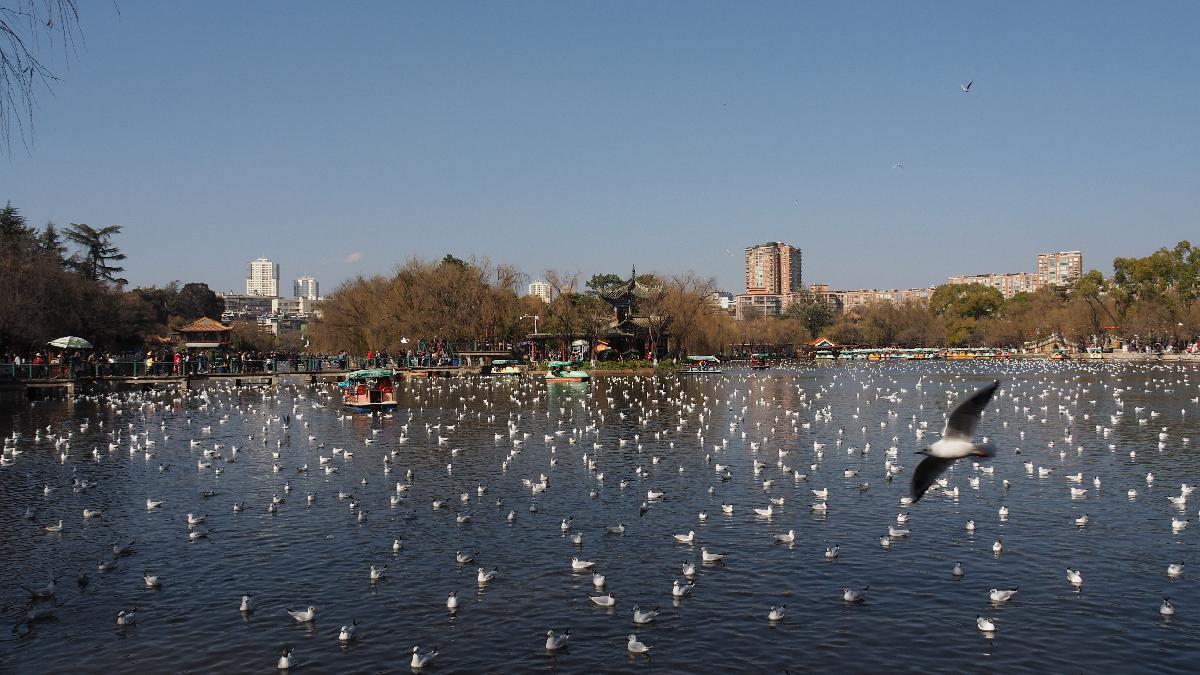
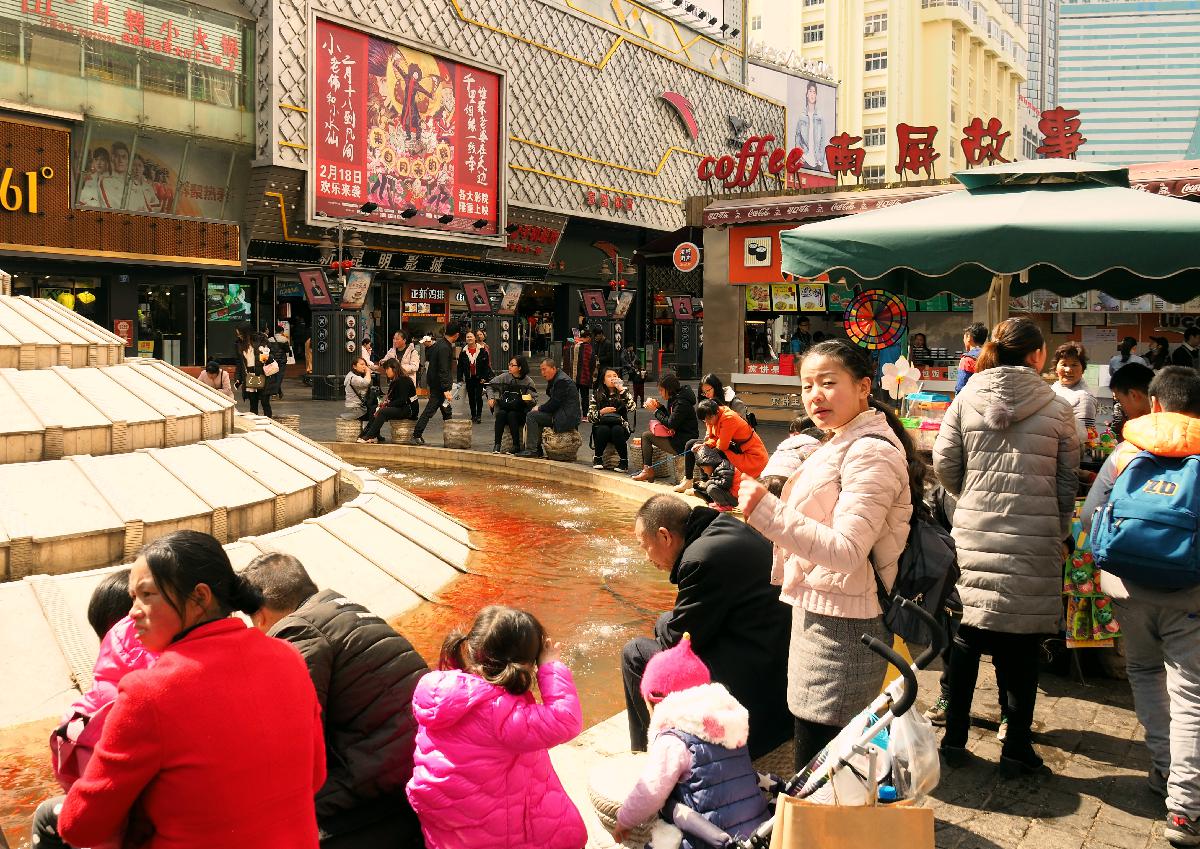
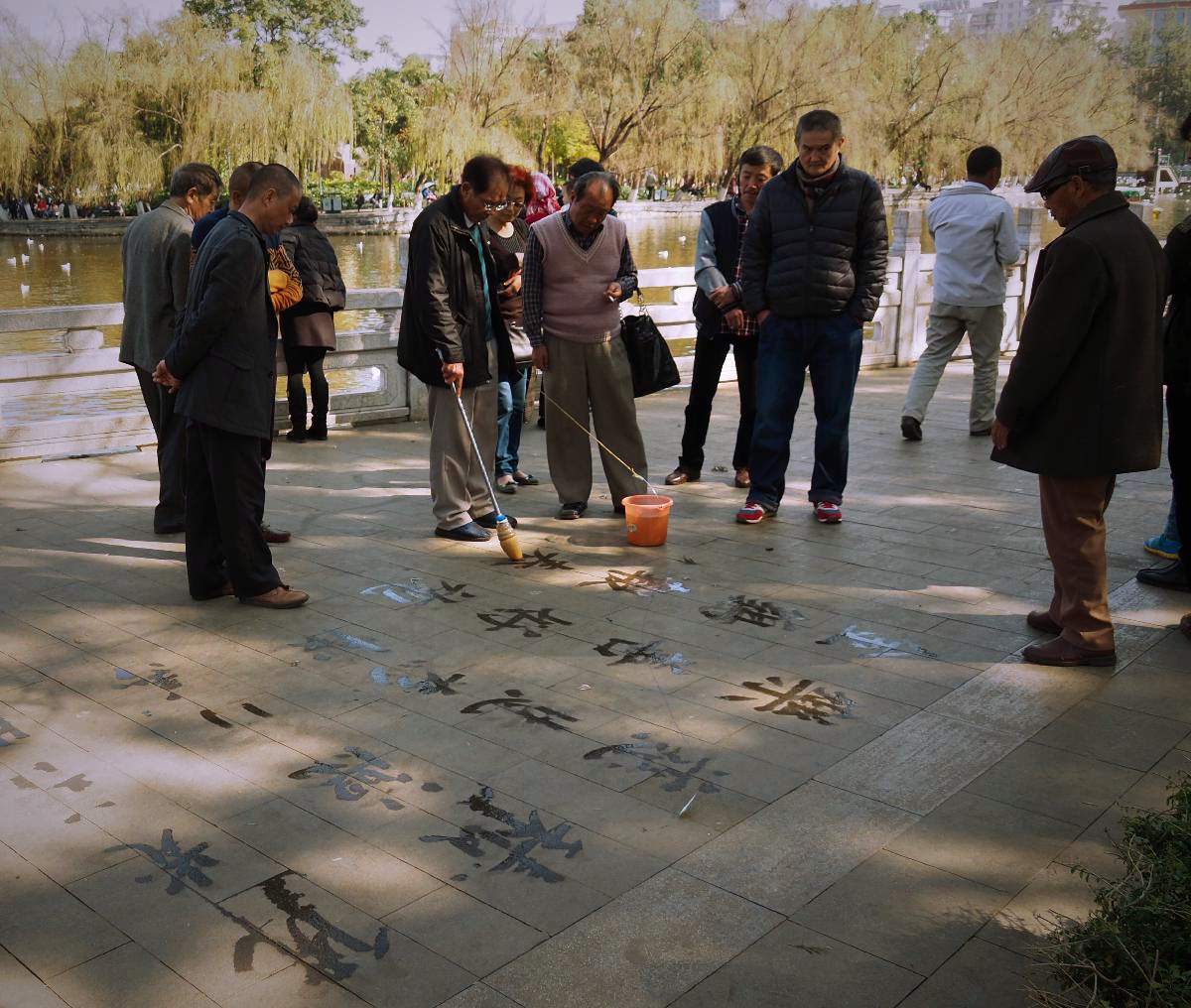
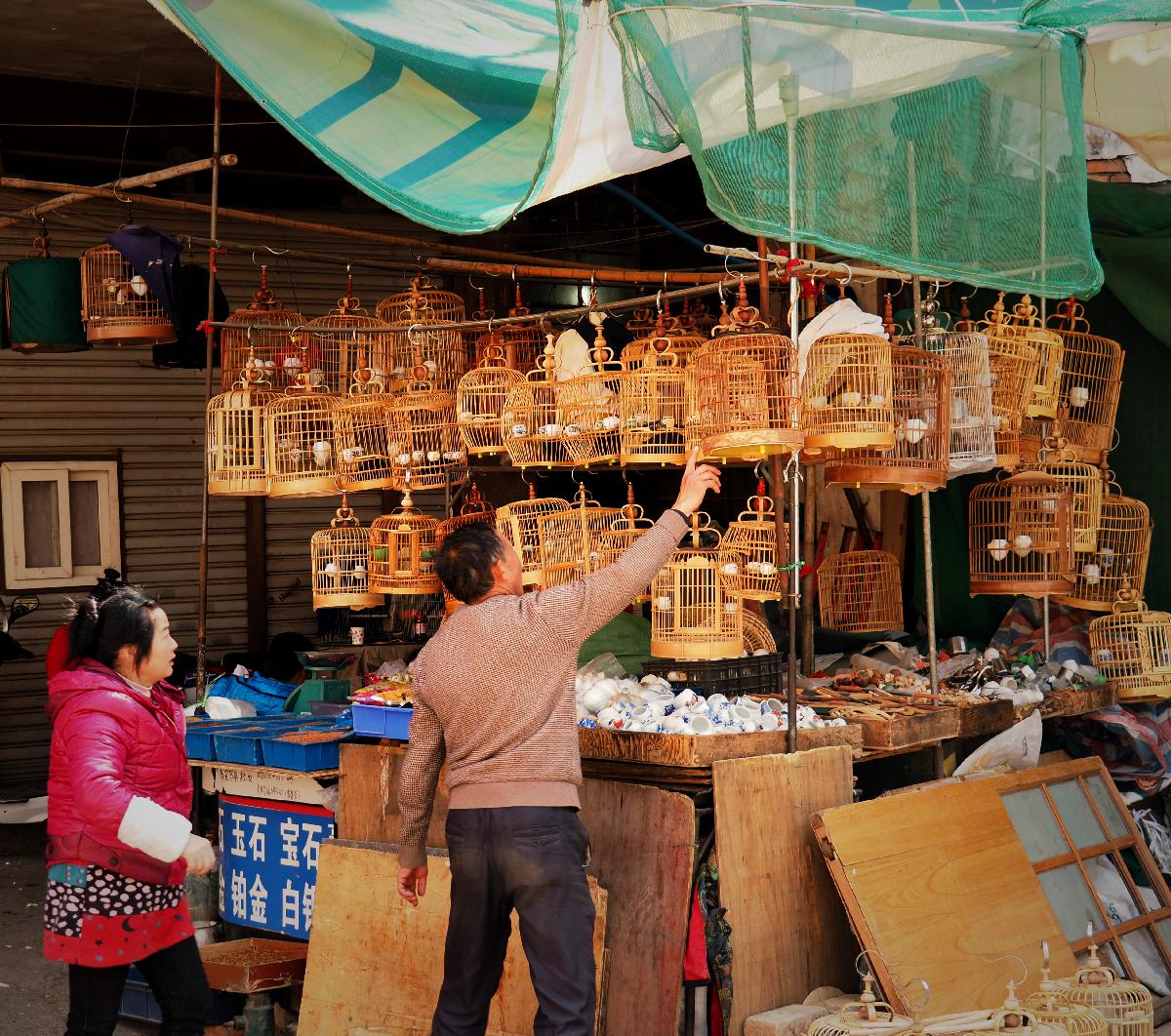
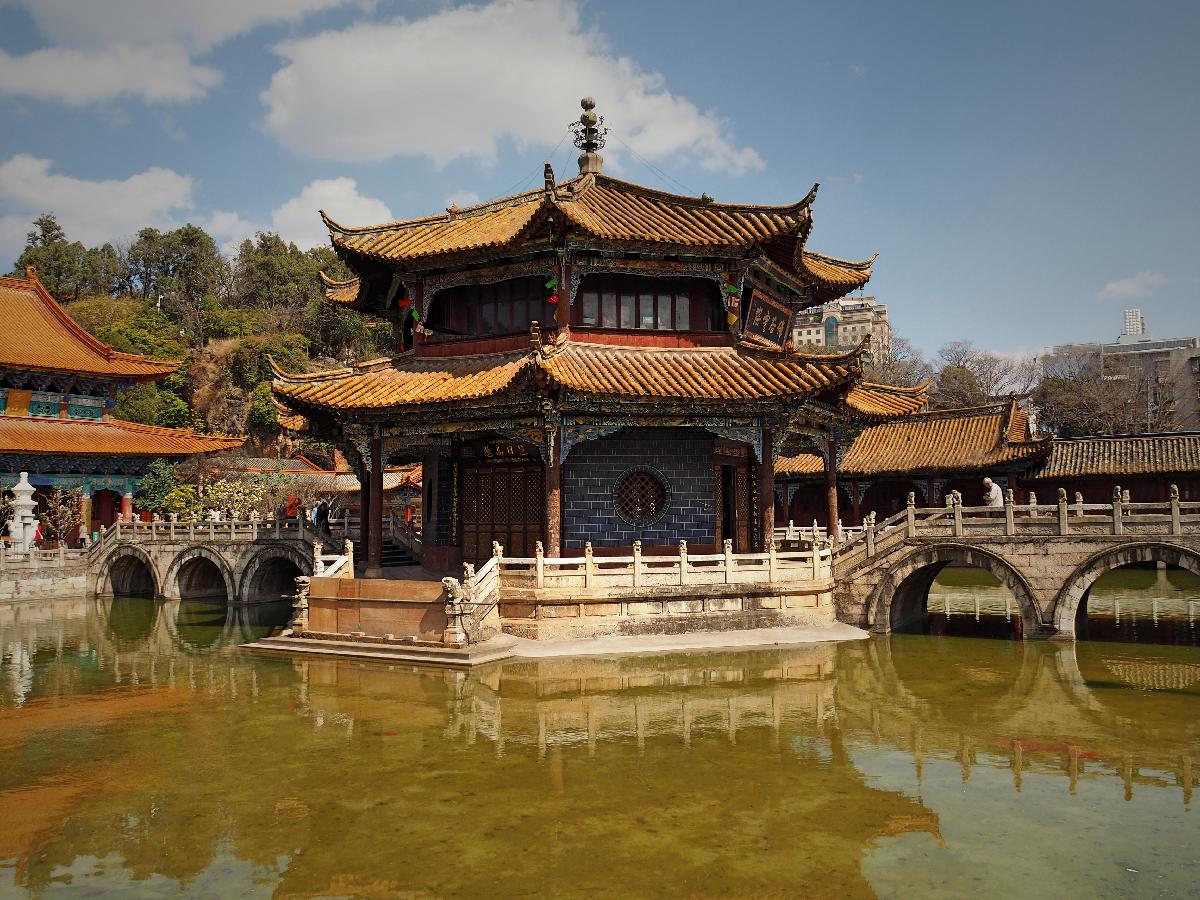
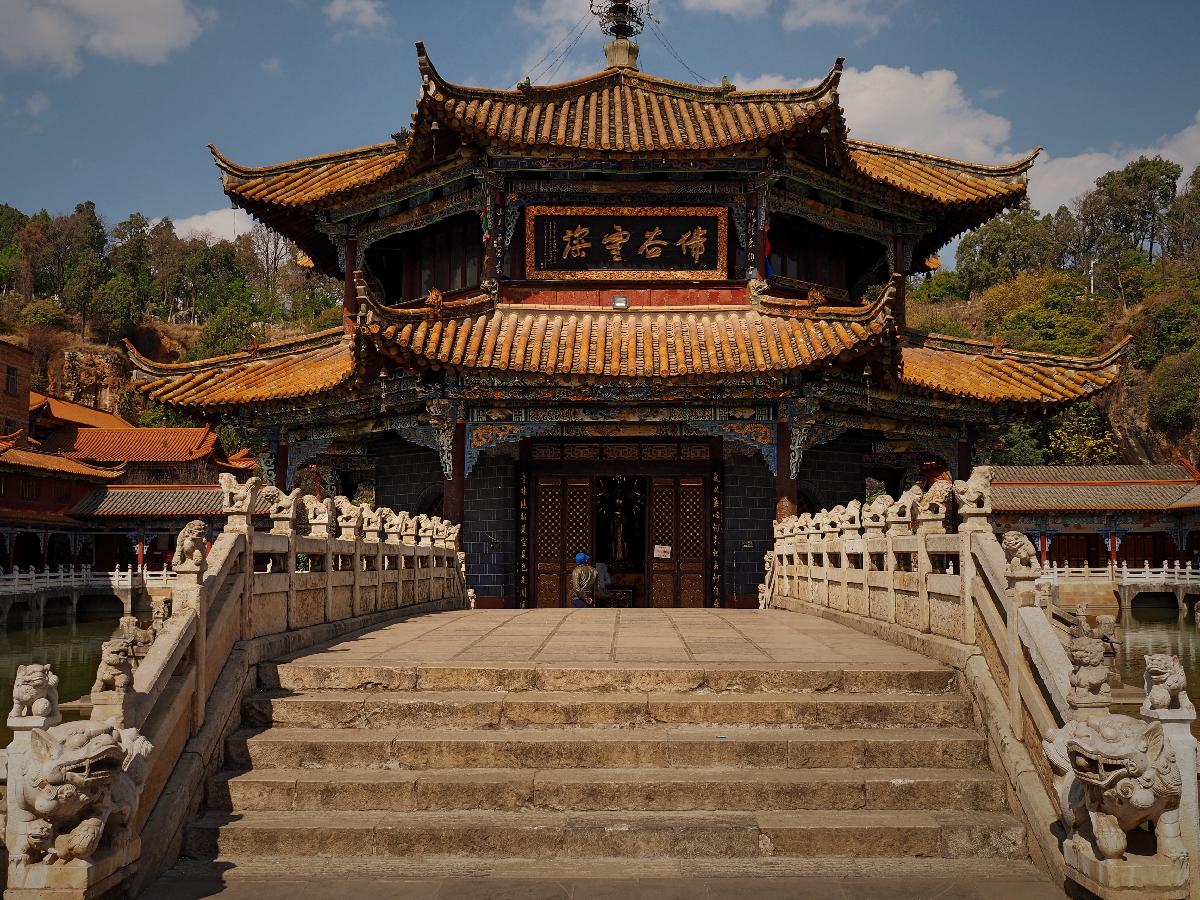
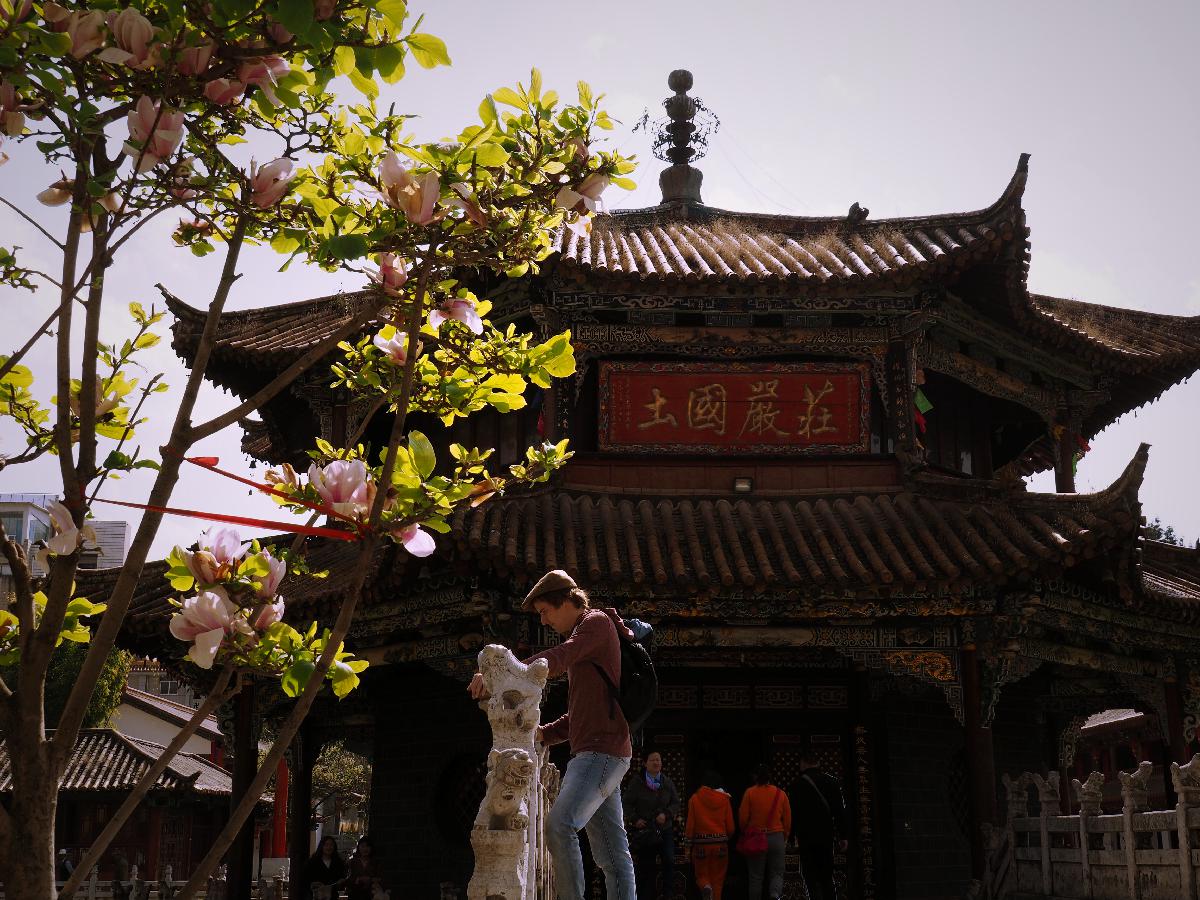
After leaving Kathmandu and a flight of almost 3 hours, we finally arrived in Kunming, the capital of Yunnan province, in the middle of the night. We were surprised how bright the lights and how wide the highways are. We took a taxi to the city center and realized that we weren’t used to driving over a 100 km/h anymore. Everything seemed just so much bigger and more modern than back in Nepal. In Kunming, also known as ‘Spring City’ due to its mild climate, we enjoyed 3 relaxing days. We spent most of these days strolling around in the city center and watched the Chinese fishing goldfishes out of the city fountains, which seemed to be a common way of passing time. We also really liked ‘Green Lake’ park, as it is a very peaceful place and a perfect spot for people watching. The Yuantong Buddhist temple was also quite impressive.
Kunming was surprisingly clean. Most buses and all scooters run electrically. This keeps the air pollution and the noise on a very low level. You just have to be very careful not to get run over by those silent vehicles!
Kunming:
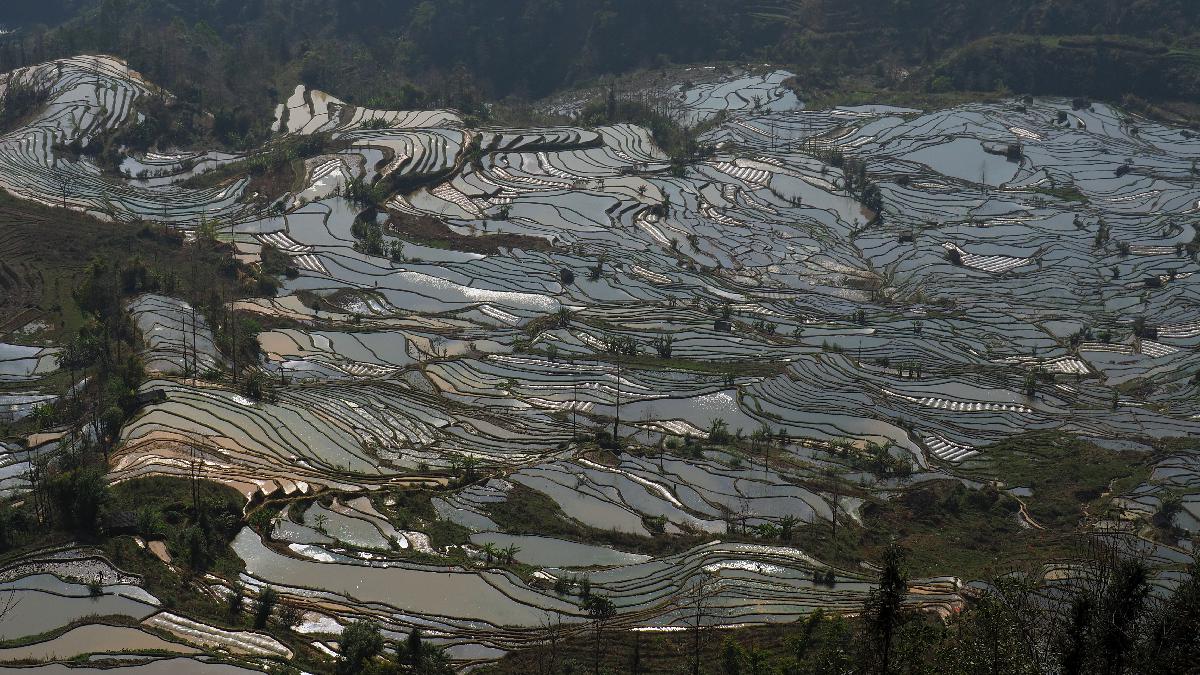
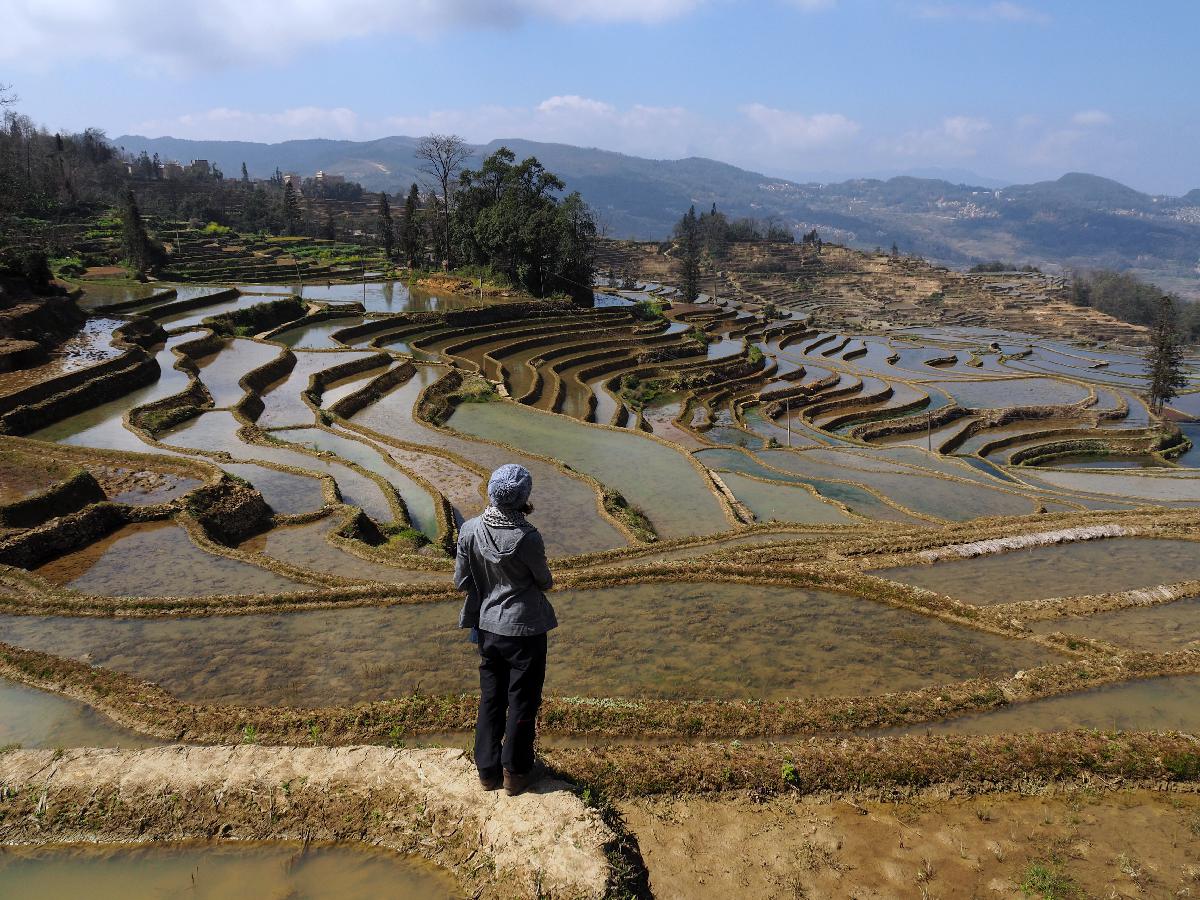
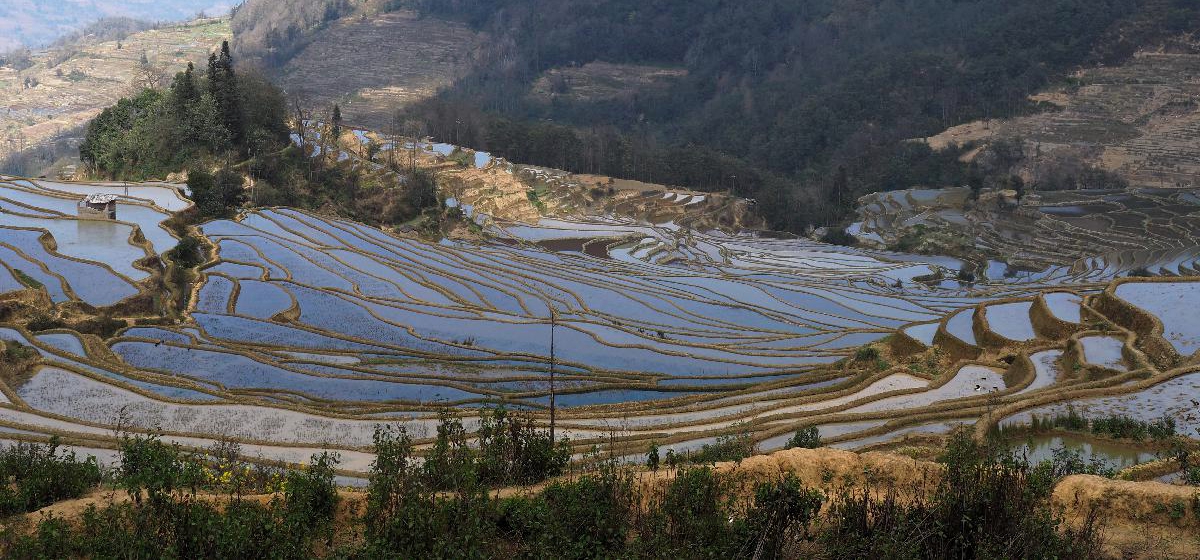
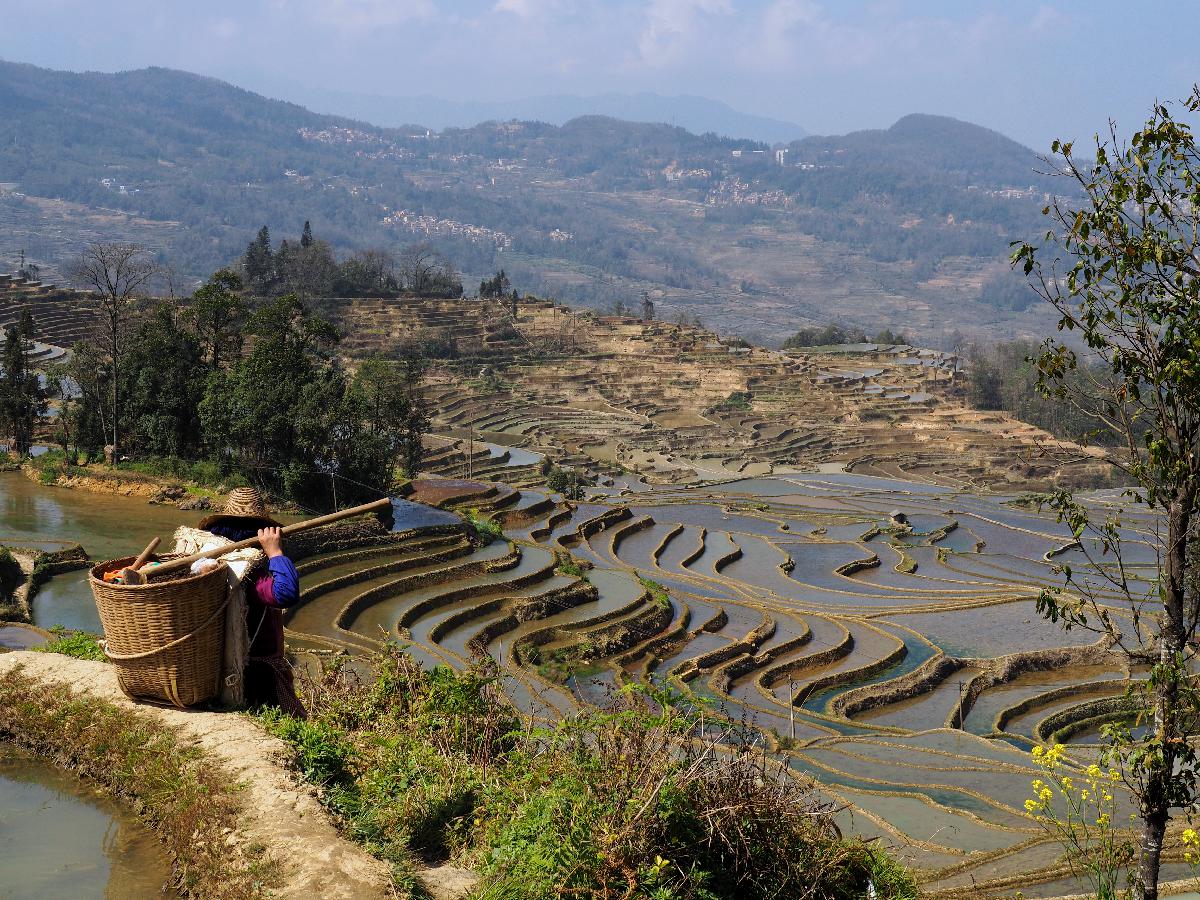
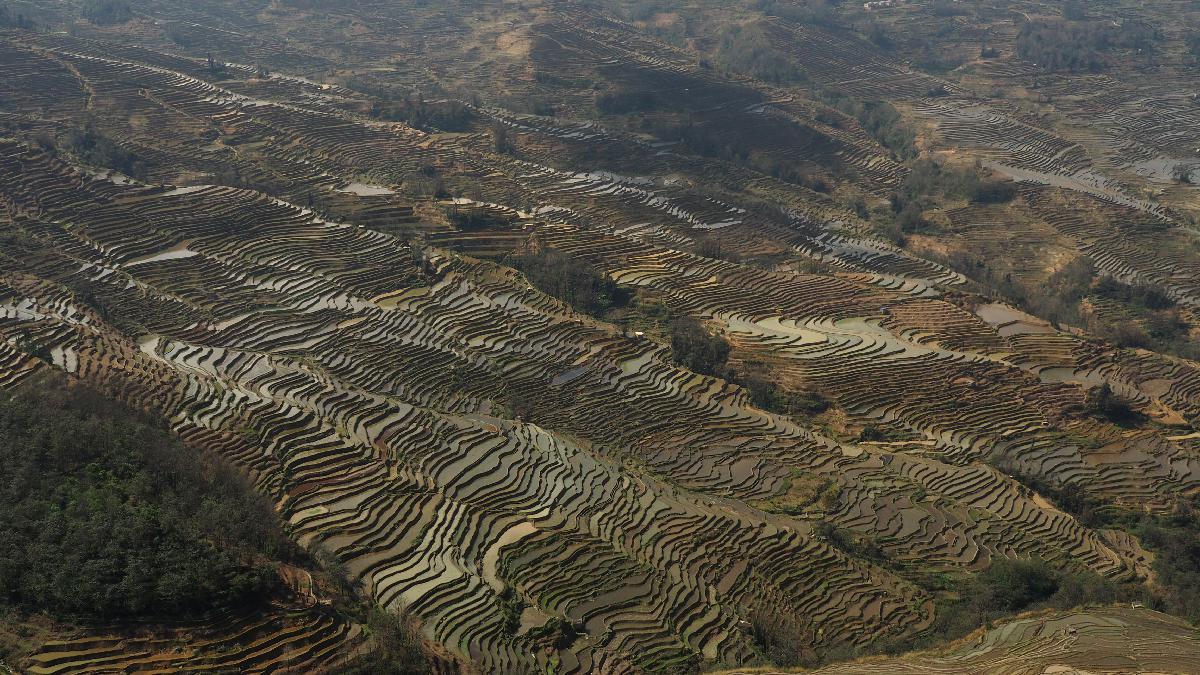
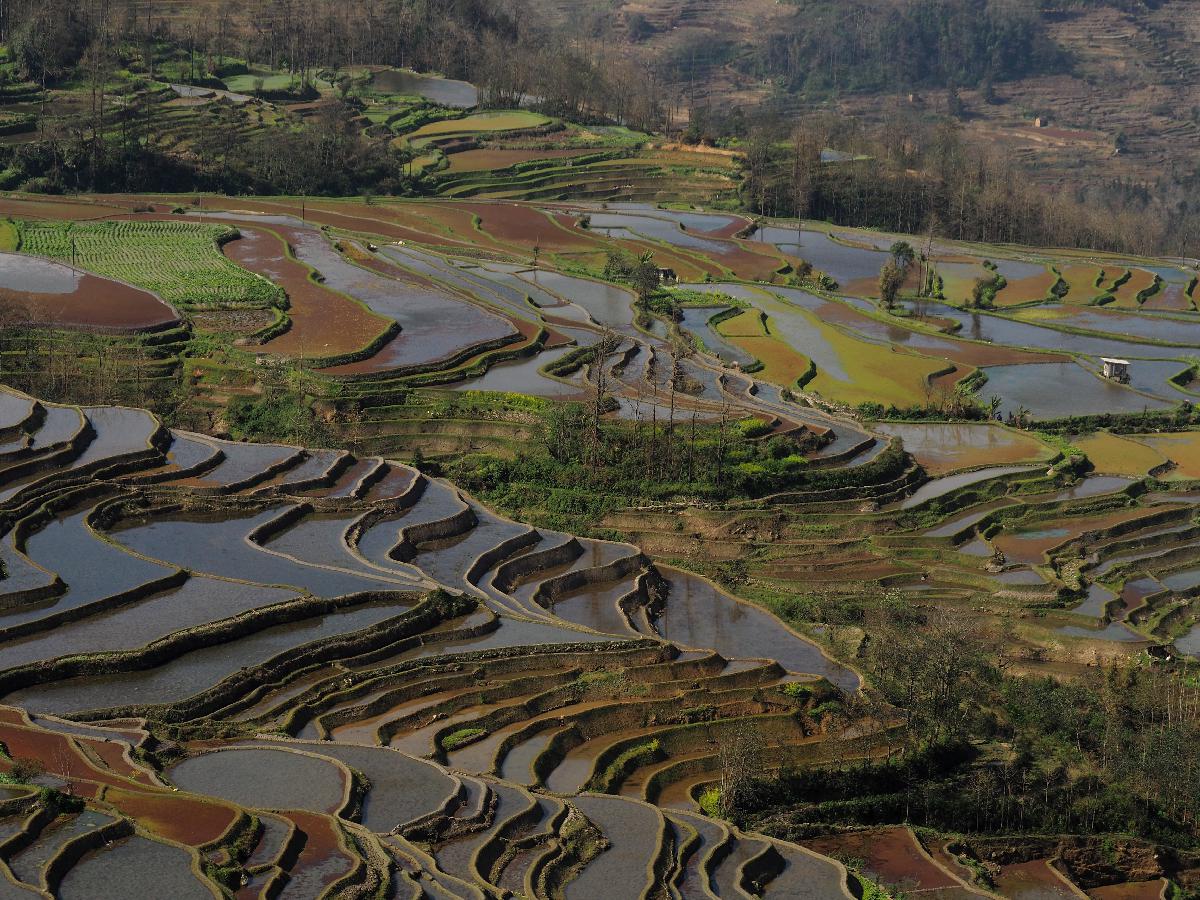
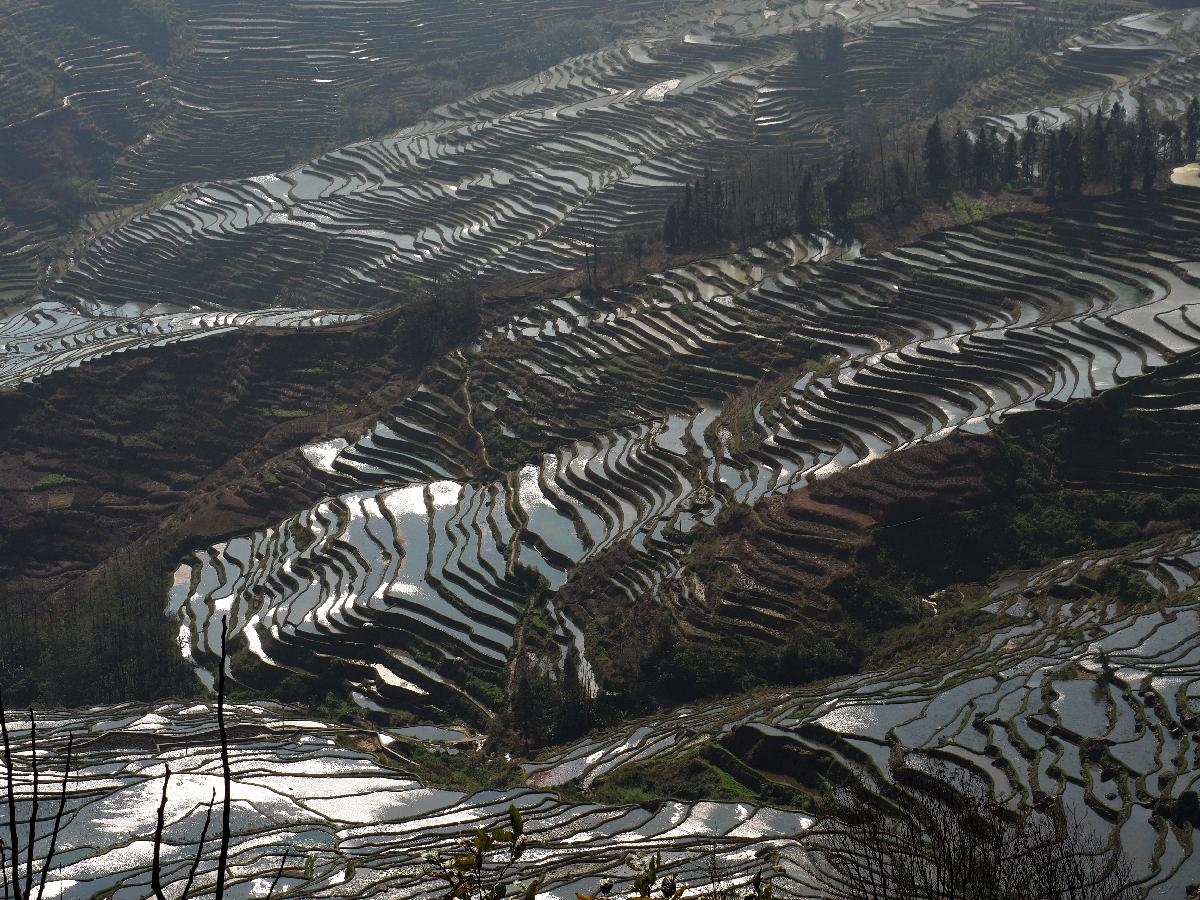
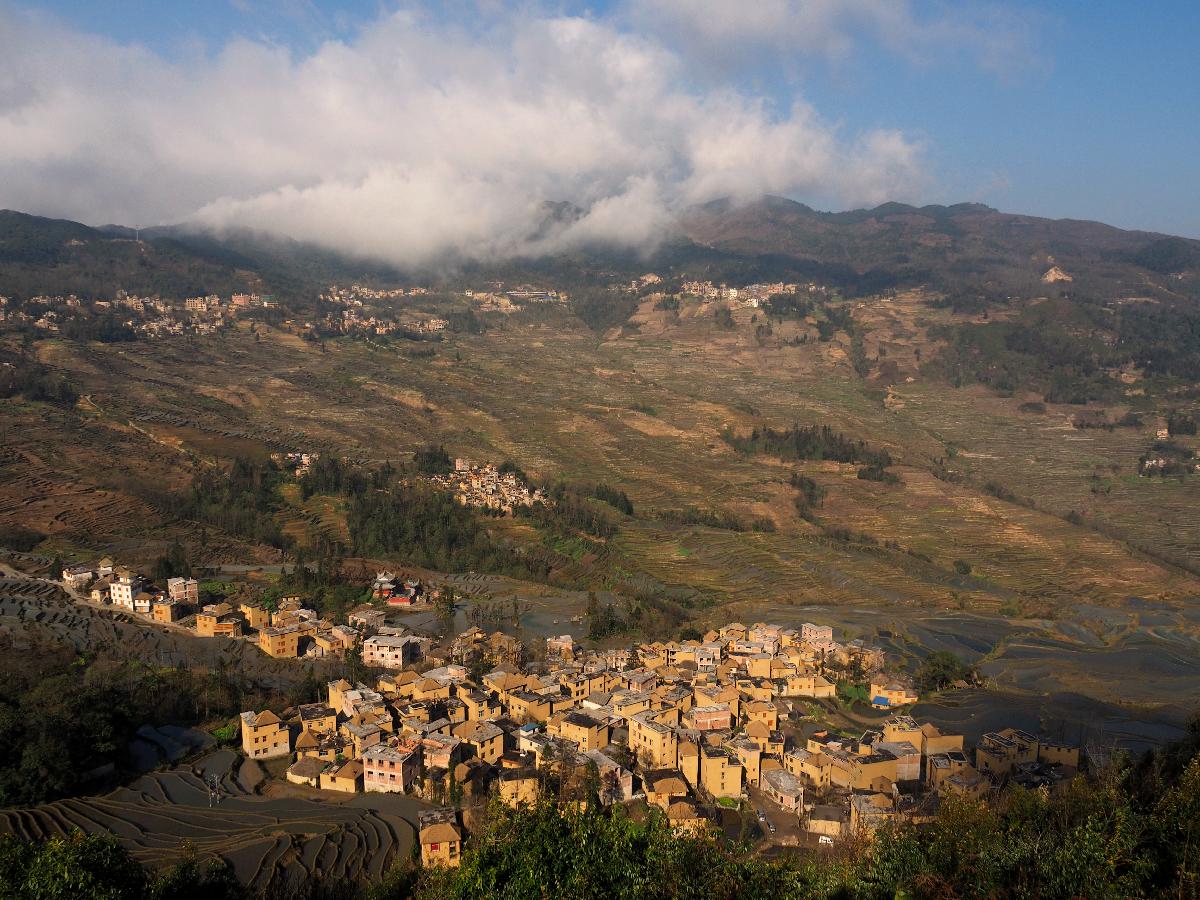
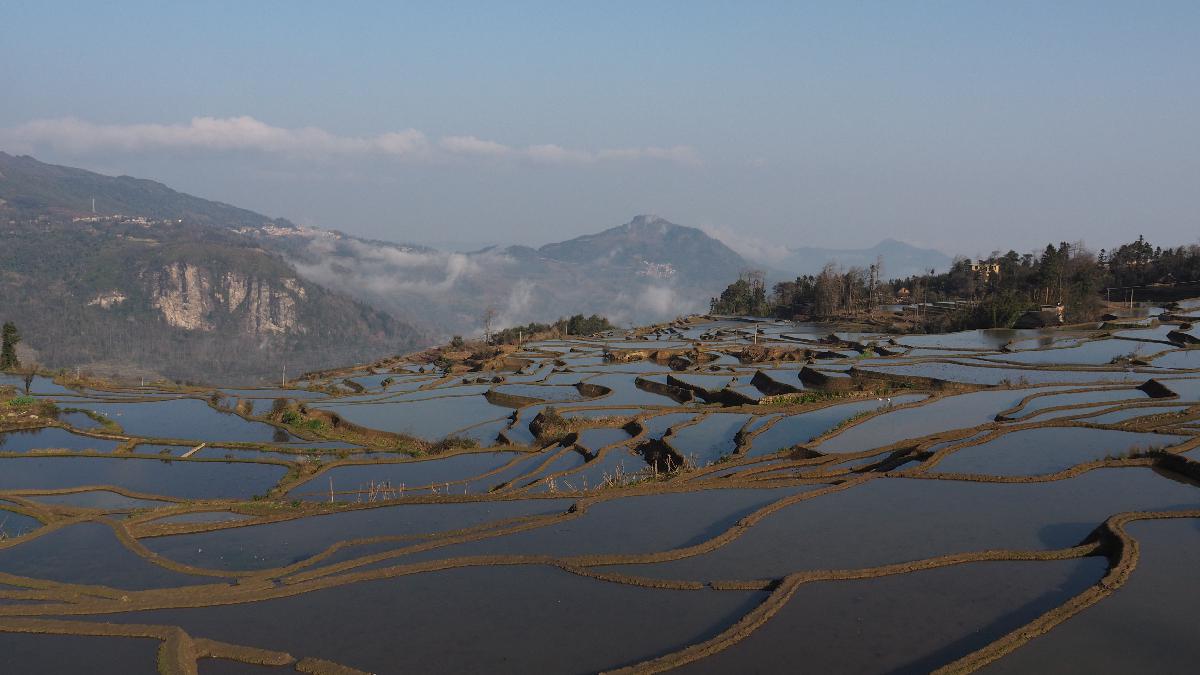
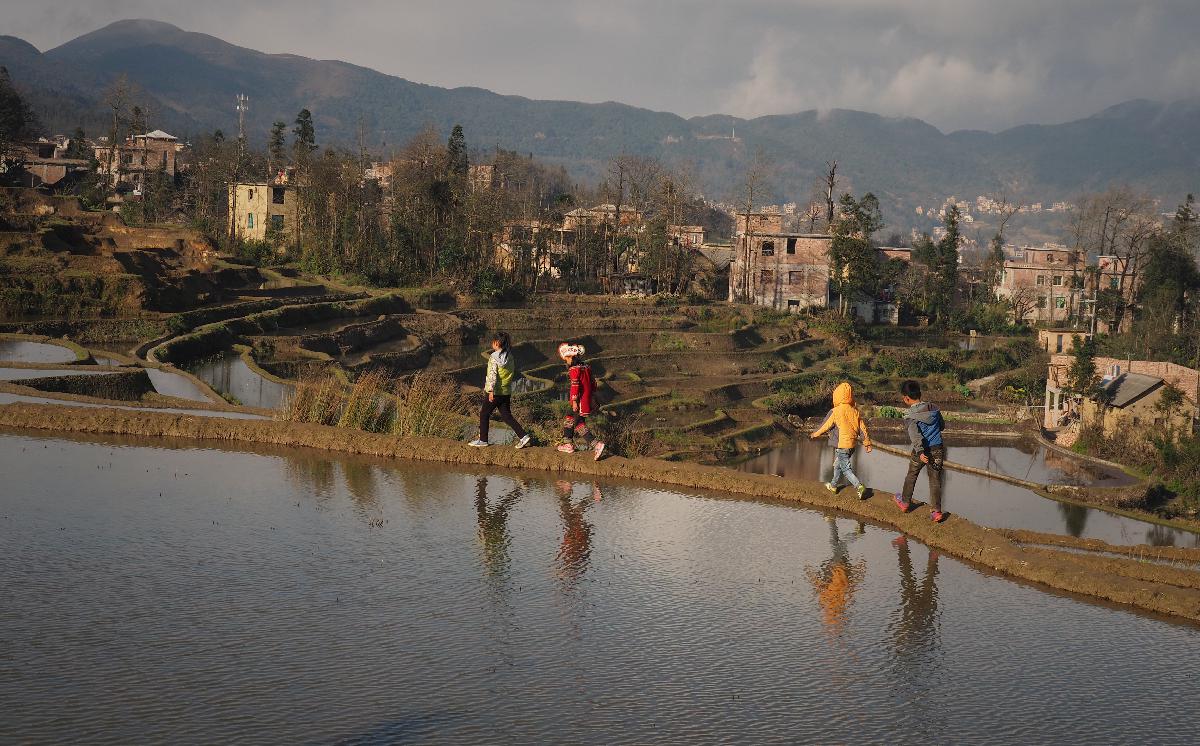
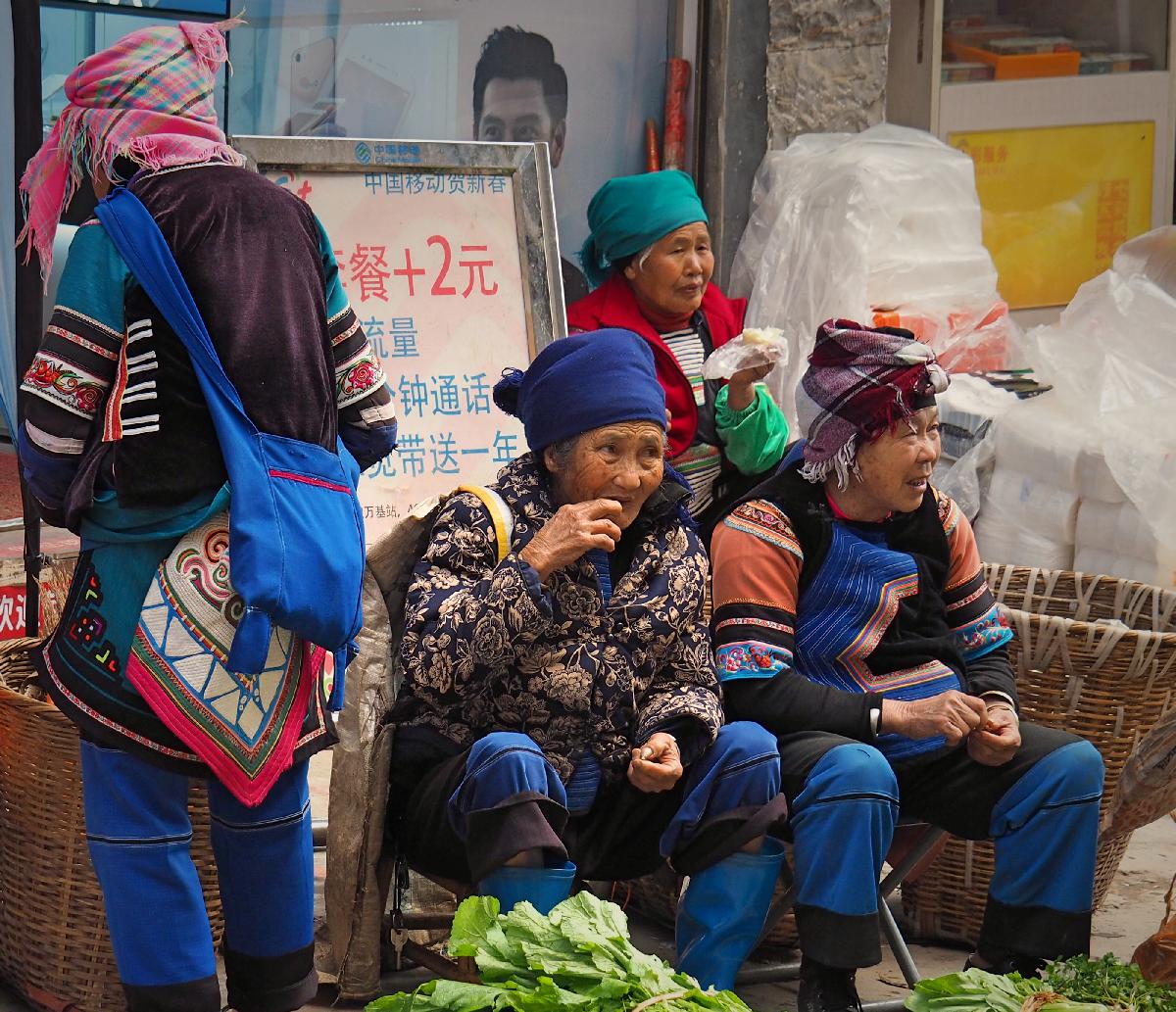
After Kunming, we took a seven hour bus ride to the Yuanyang Rice Terraces in the south of Yunnan. We were very lucky with the weather and got a marvelous view of the centuries-old rice terraces, where the light bounces off in spectacular and colorful fashion. There we also met a very charming older married couple. Rob, a retired attorney who was born in Burma and is distantly related to Aung San Suu Kyi, and Feng, a former Chinese English teacher, were a great company and very helpful while we visited this beautiful scenery. Rob had a very good sense of humour, never ran out of clever remarks (Quote: ”We need chairman Mao to hit them with a stick, otherwise nothing works in this country…”) and always made sure that things worked out properly. Feng was a sunshine and organised everything for us, be it a nice and cheap hotel room, a good meal or a private driver through the rice terraces.
Yuanyang Rice Terraces:
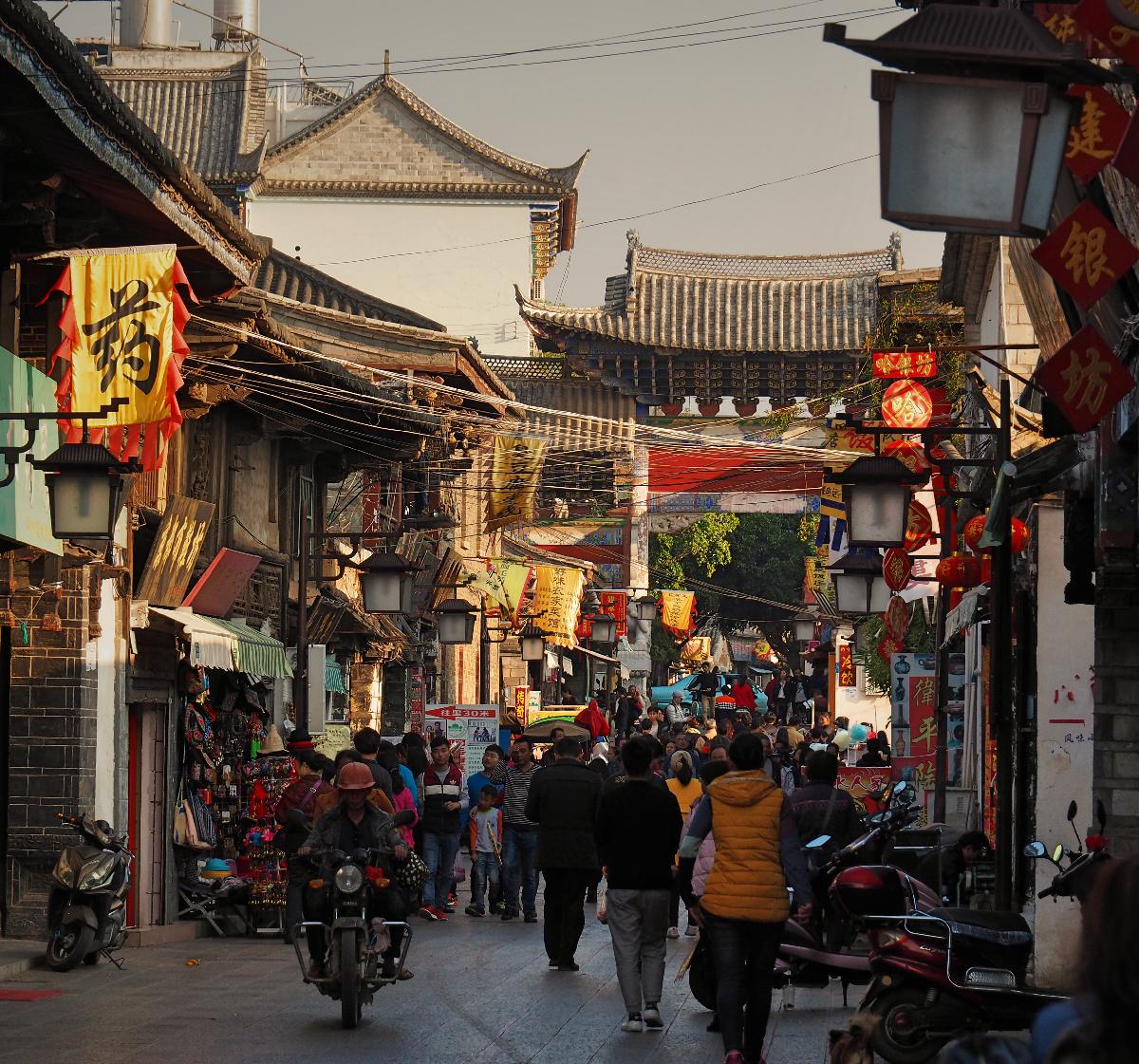
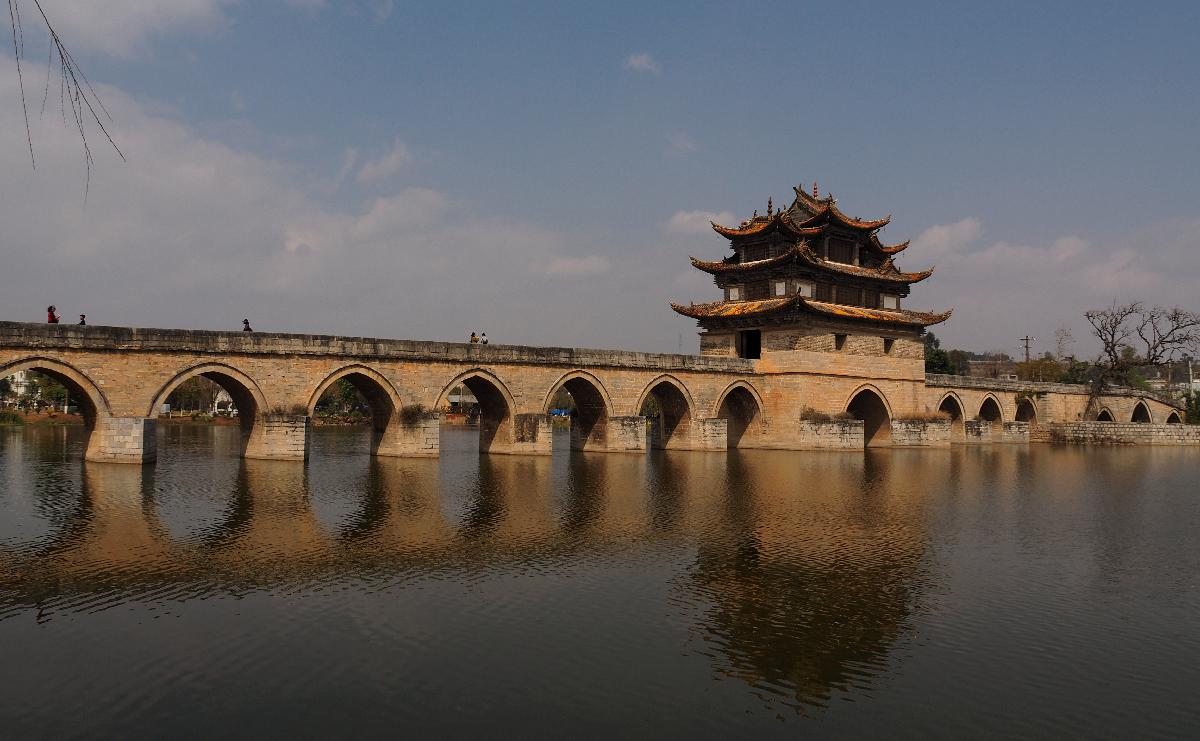
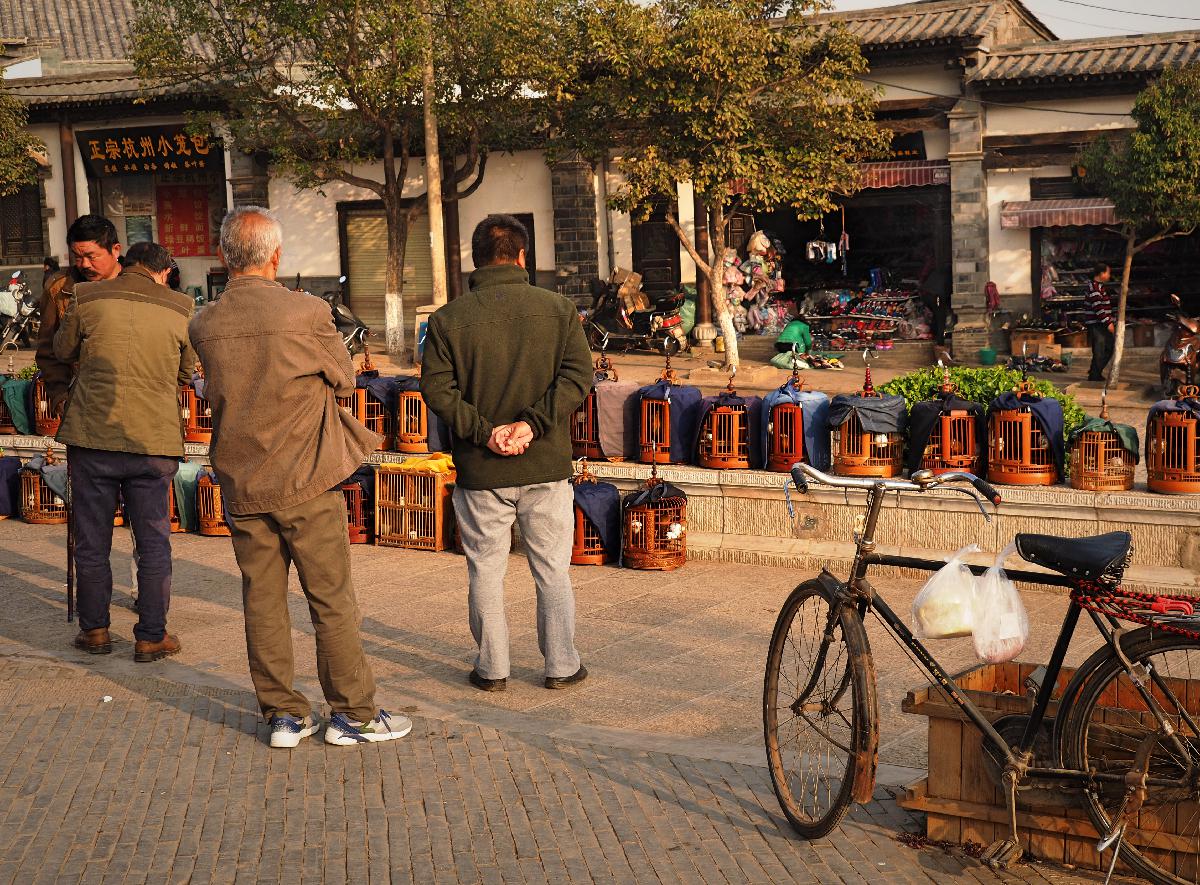
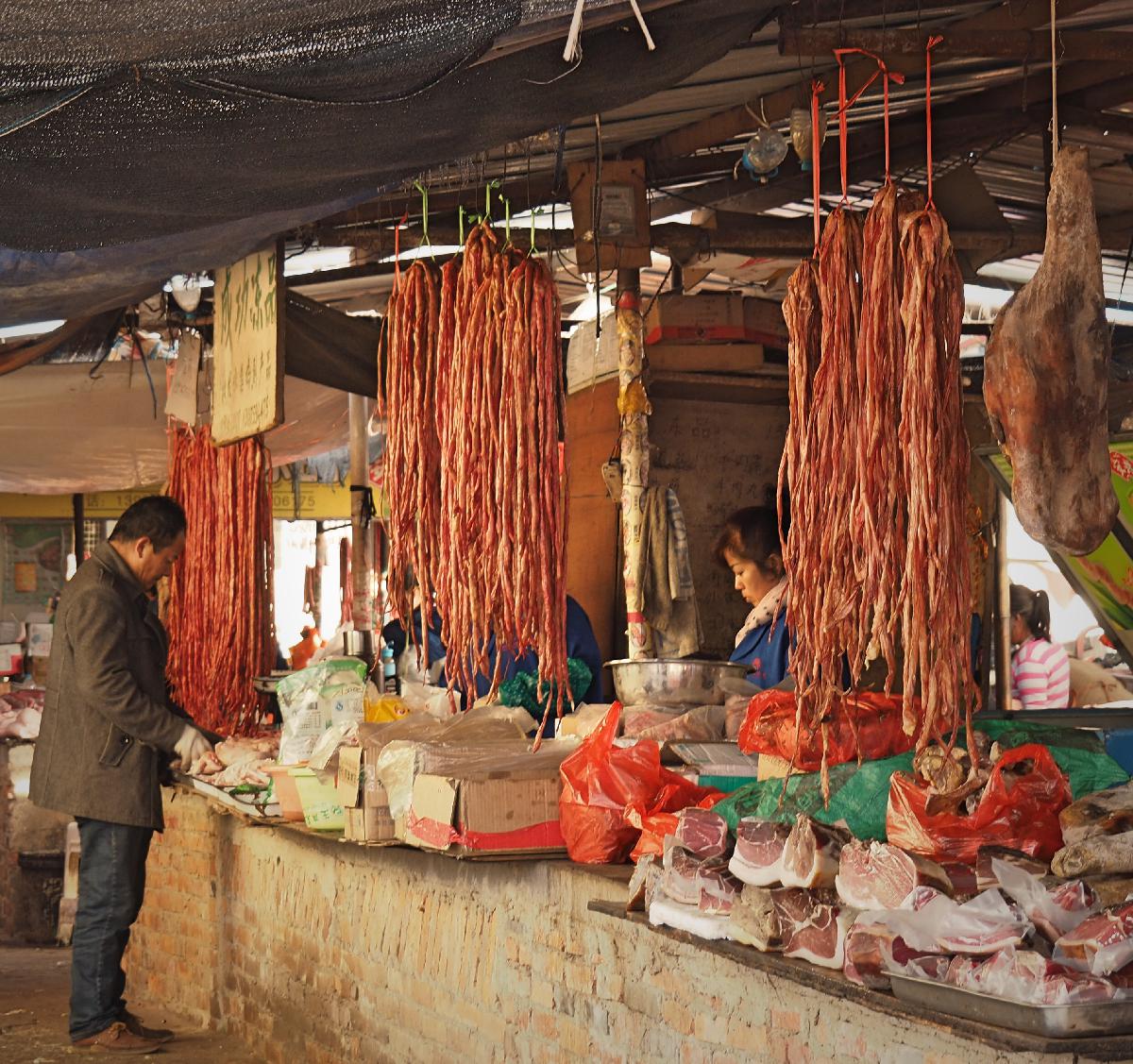
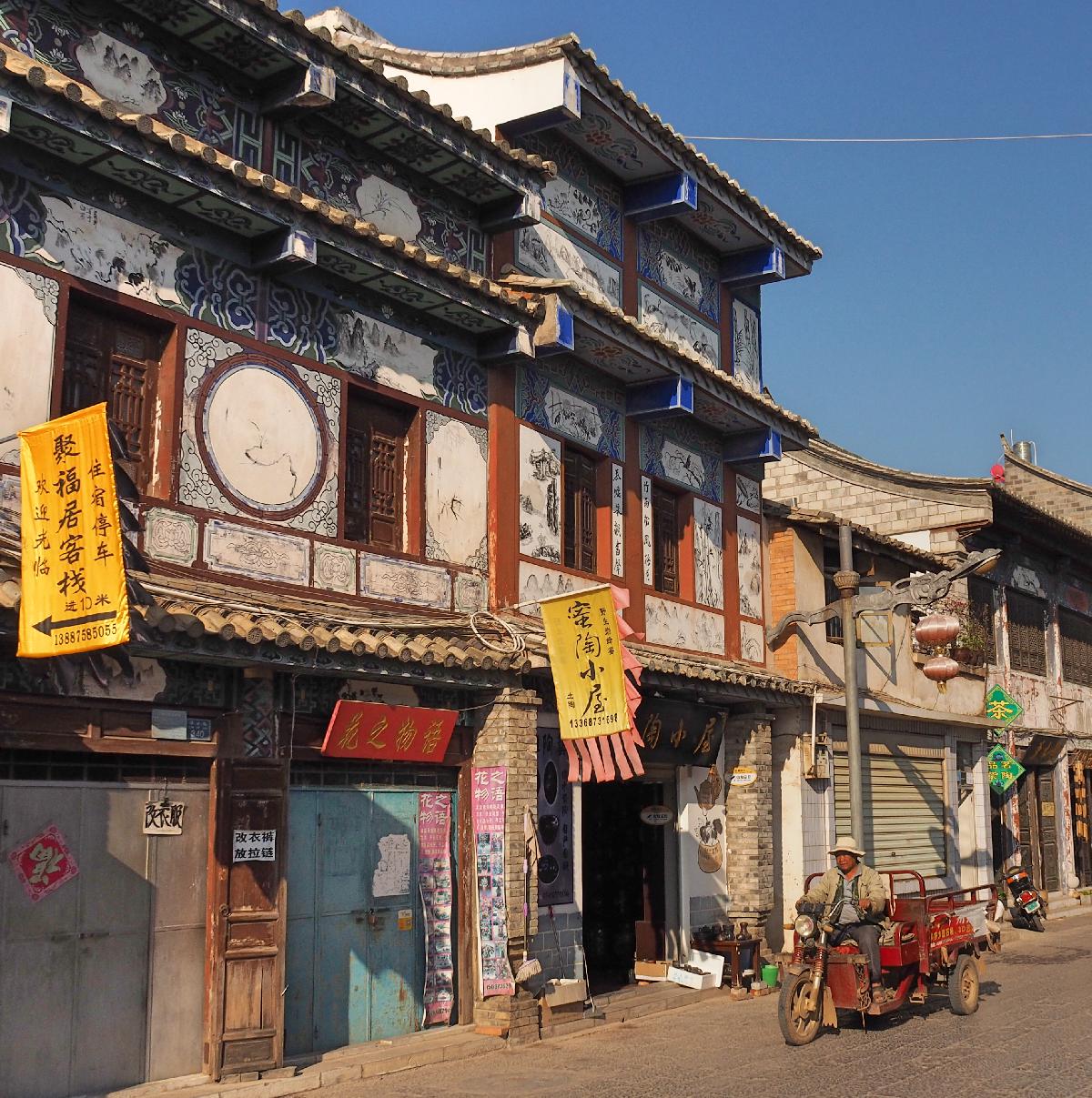
Heading back to Kunming we took a stopover in Jianshui, mostly because we didn’t want to be in the bus for another seven hours. Jianshui has quite a nice old-town, a laid back atmosphere and its people are very friendly. There we visited a very authentic local market, where we could have bought roasted dog meat.
Jianshui:
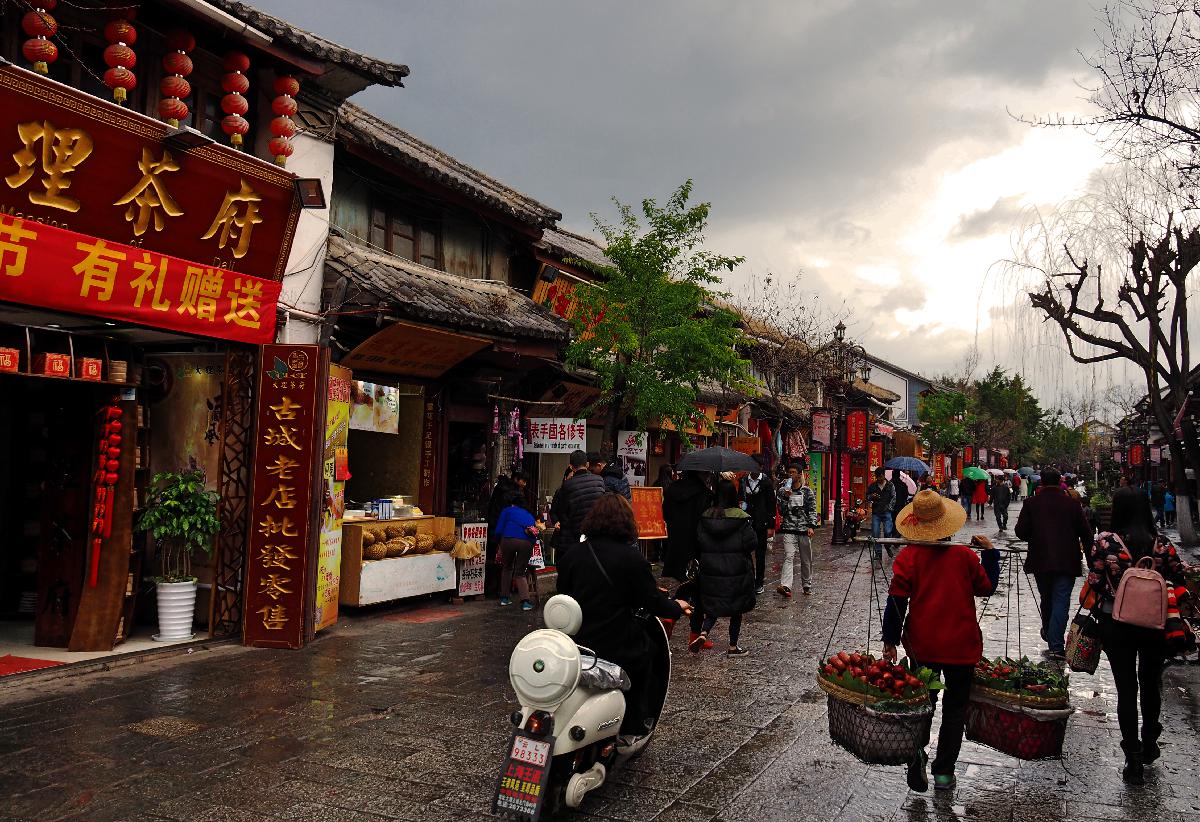
After another night in Kunming, we took a bus to Dali, famous for its old town. As soon as we arrived there, it started raining. One evening when we were just going out to get some dinner, it really started pouring down. A very nice Chinese man allowed us to take shelter in front of his house and while we were waiting for the rain to stop, his 5-year-old son brought us a small bench to sit on and two bowls of hot rice. Once again we were amazed by the Chinese kindness!
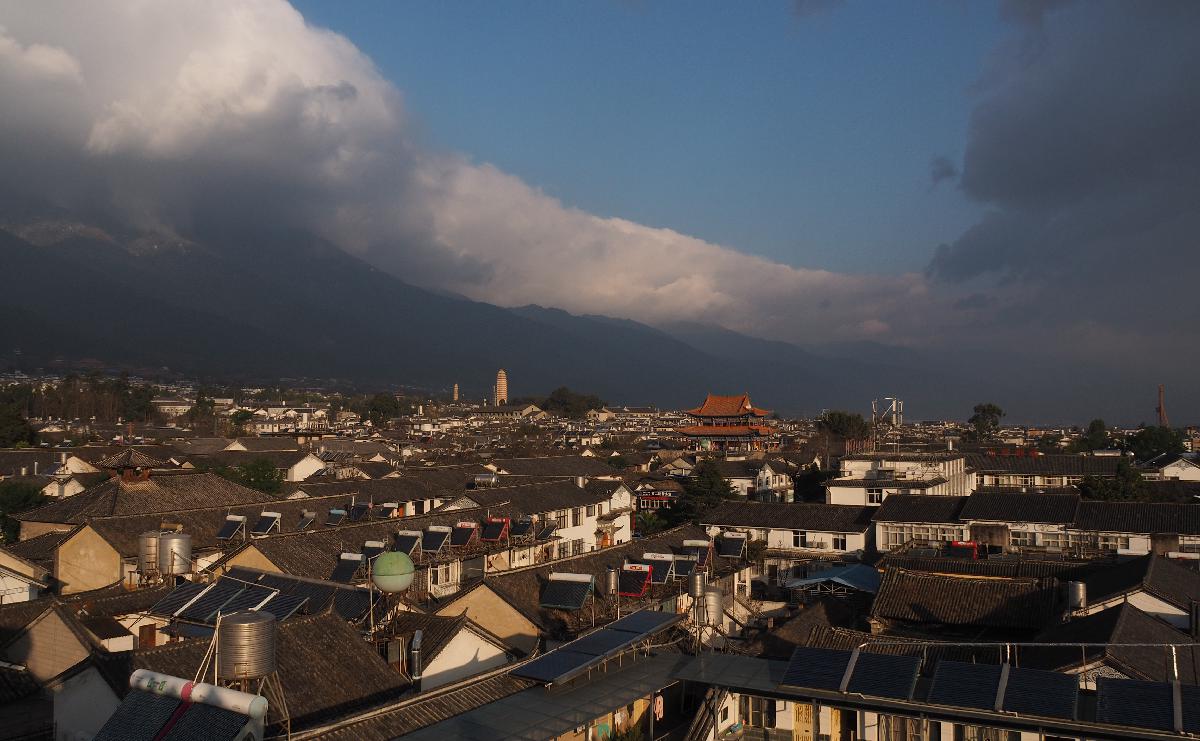
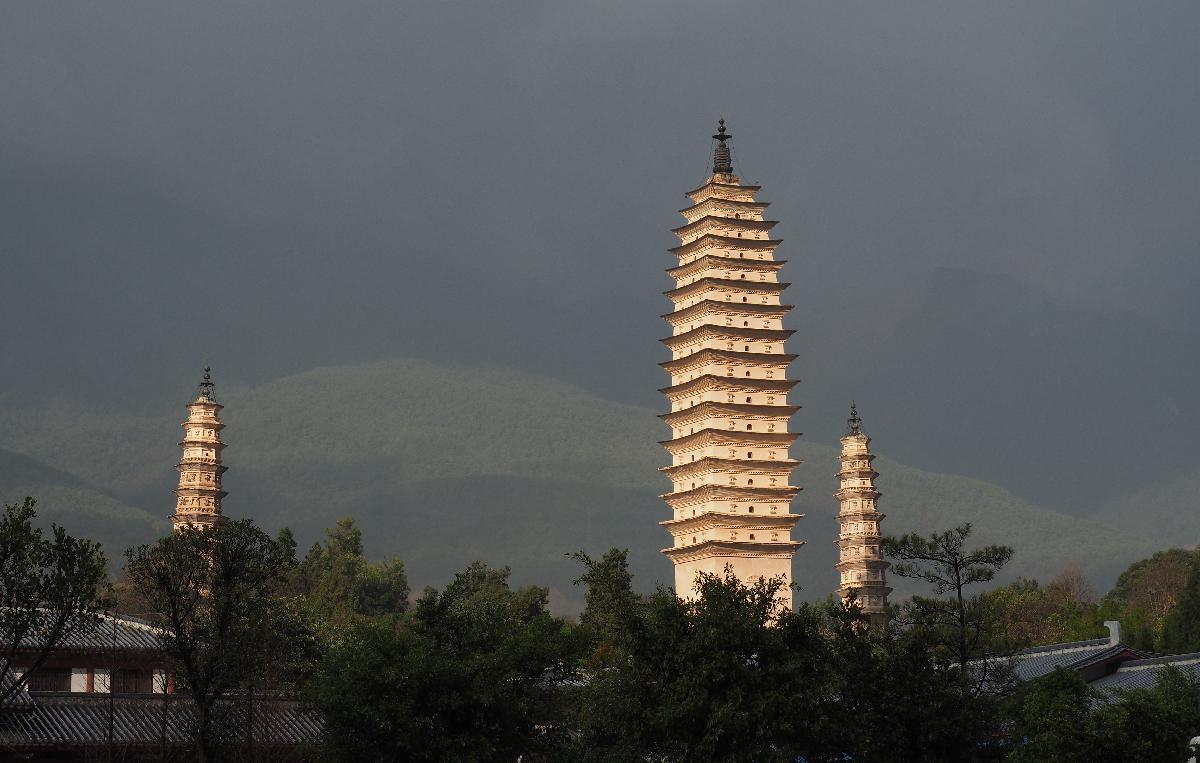
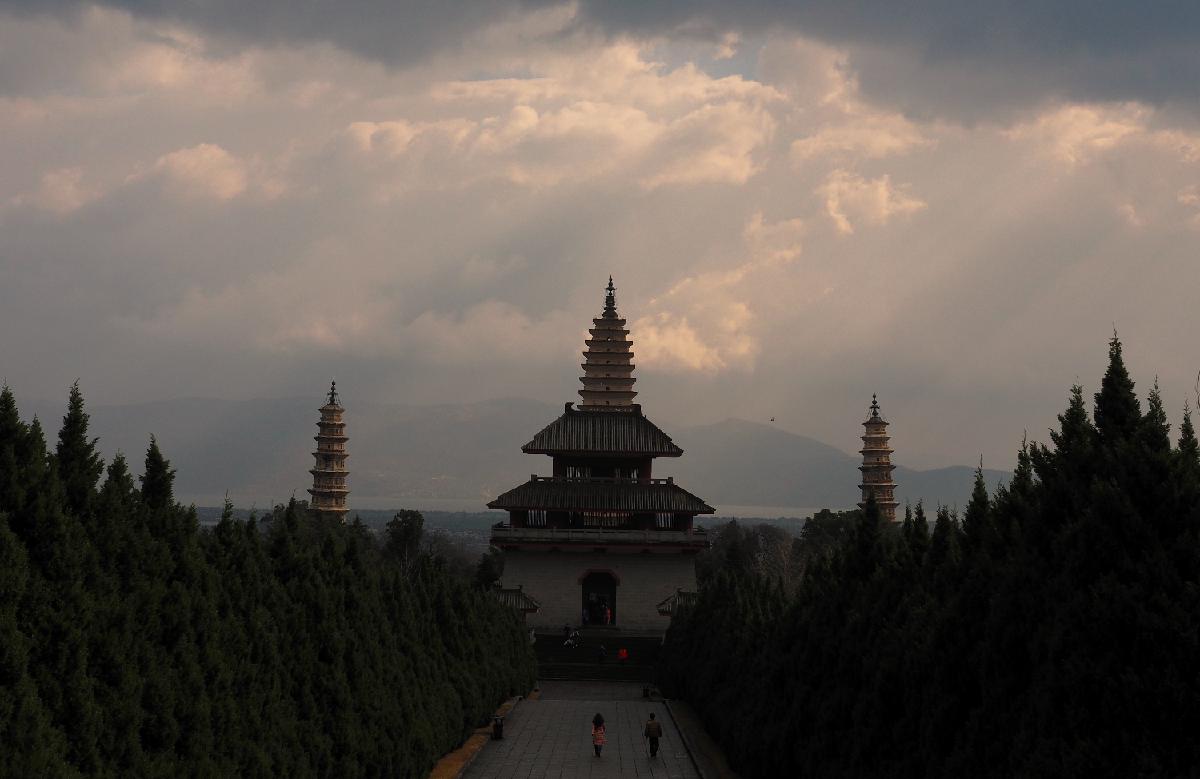
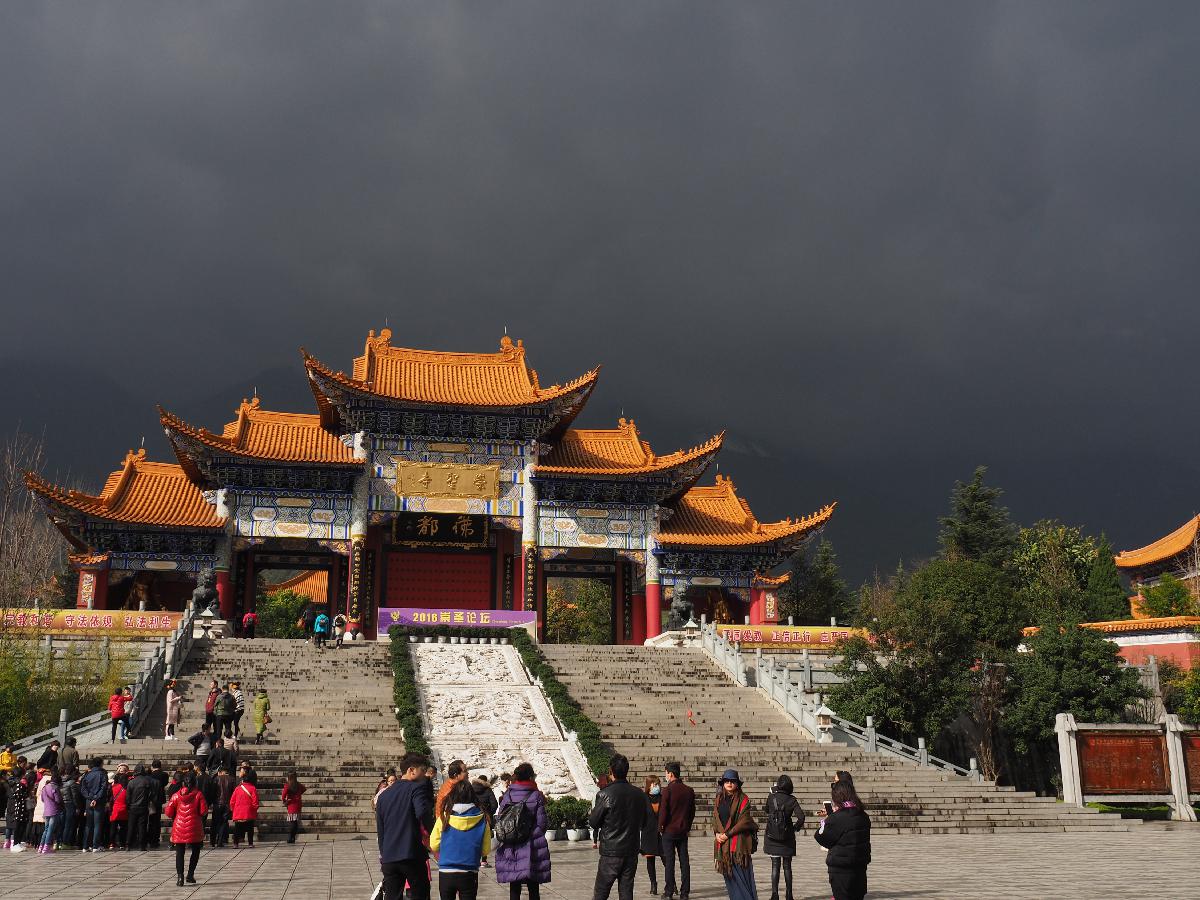
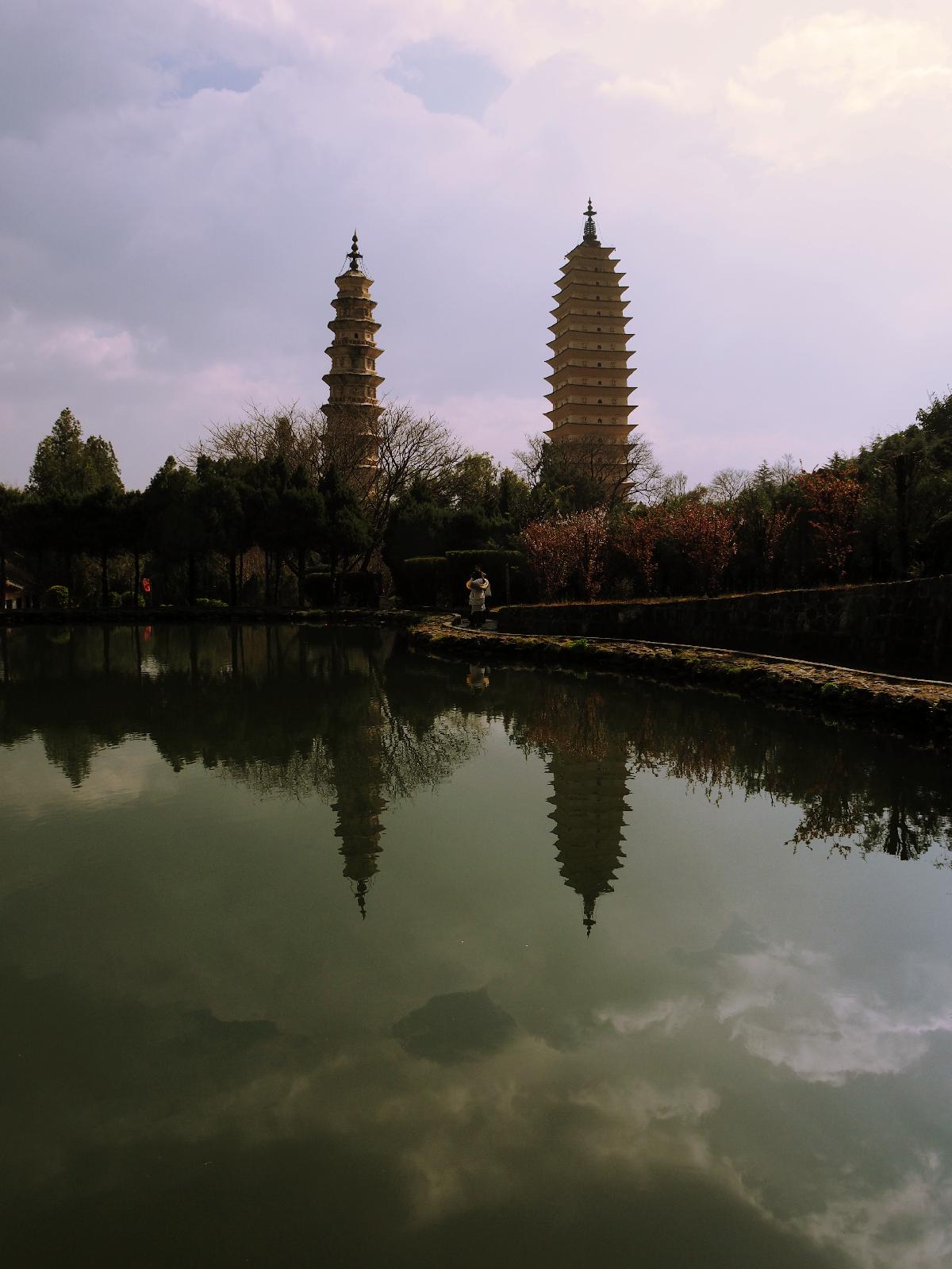
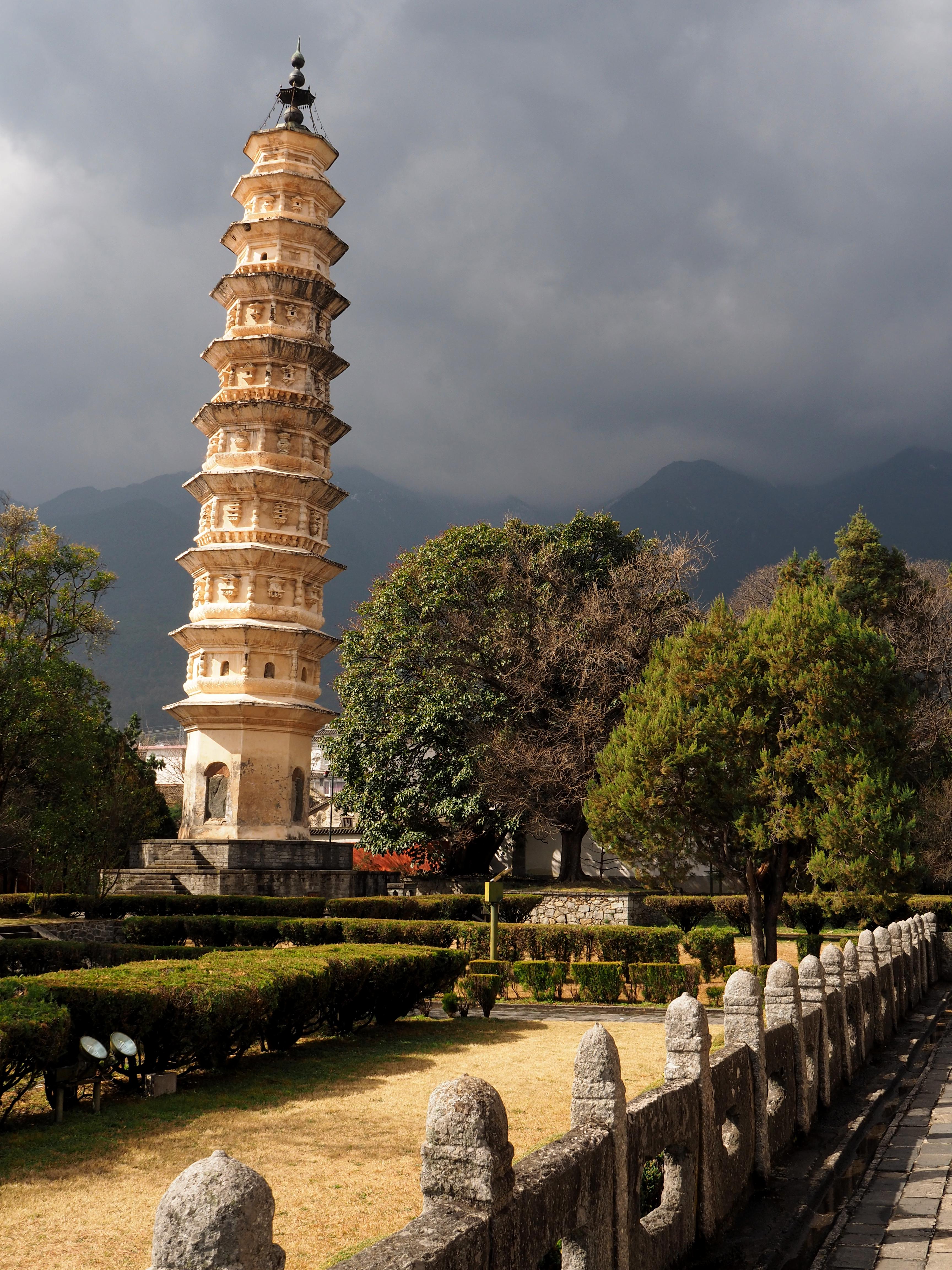
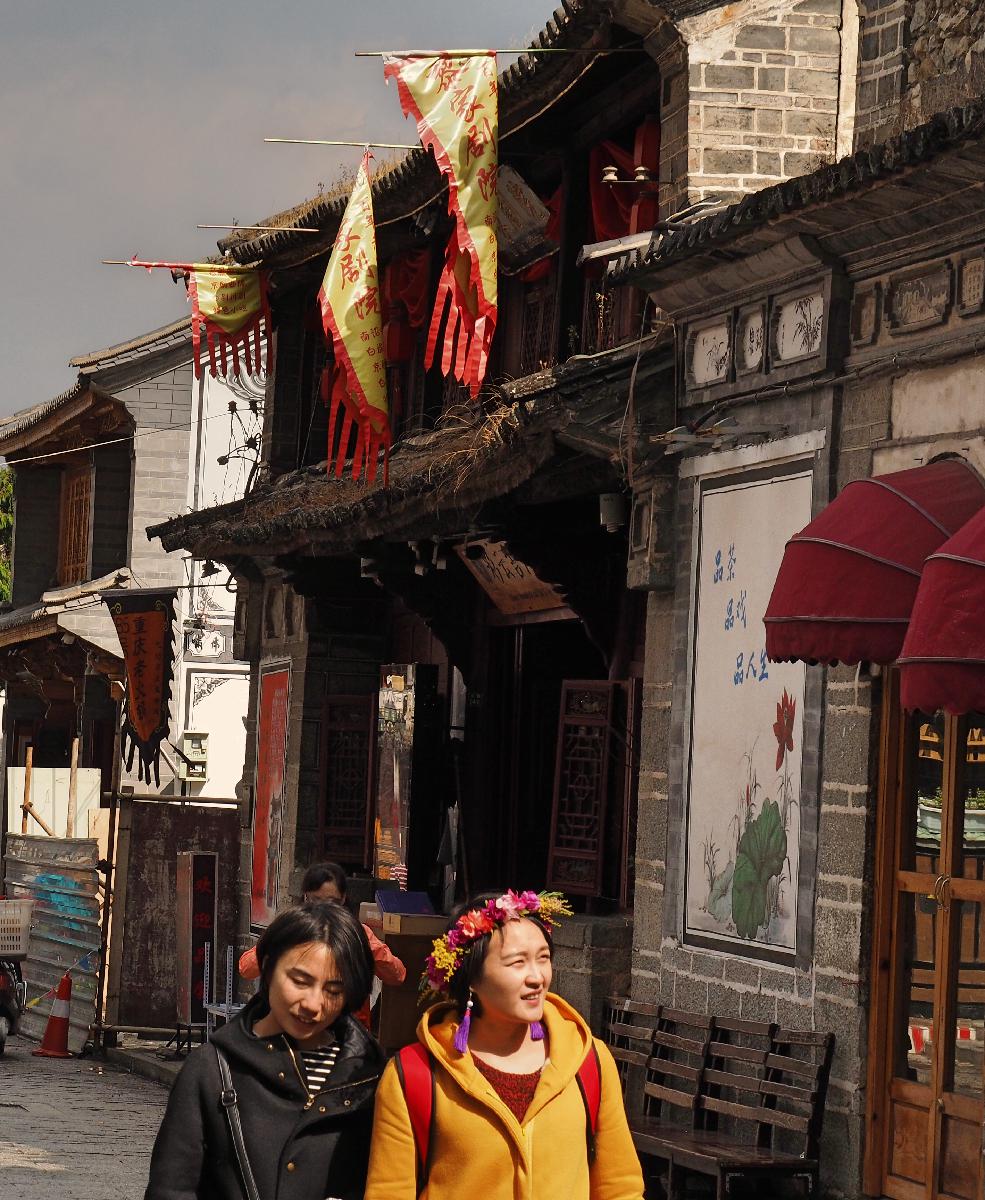
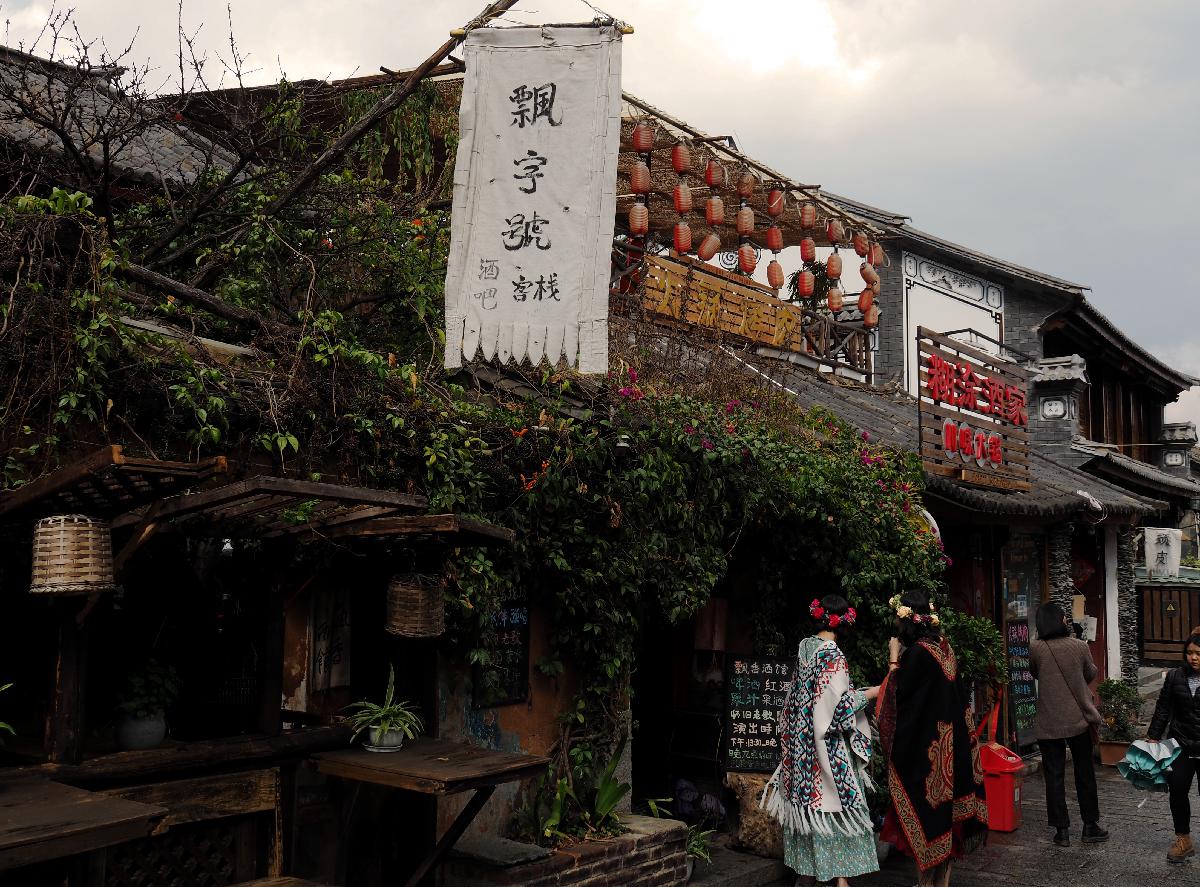
While in Dali, we visited the ‘Three Pagodas’ park and got just enough sunshine to get a few nice shots of these impressive towers. The old town still has a relaxed vibe and the hippie groove from former days is still in the air. So ‘if you’re going to Dali, be sure to wear some flowers in your hair’, as most young Chinese girls do.
Dali:
Our next destination was Lijiang. To get there, we took a 4 hour train ride. Still the weather was miserable. Since one of us was bitten by two ticks back in the jungle of Nepal and because those bites were still itching, we finally decided to get them checked by a doctor (just to be on the safe side). Luckily, Curtis, a very friendly English speaking Chinese guy from our hotel was willing to escort us to the ‘People’s Hospital of Lijiang Prefecture’. This turned out to be a very interesting experience. First, we had to register and figure out what kind of treatment would be necessary. Then, everything had to be paid in advance. After payment, you could finally see a doctor. He was in a room full with impatient patients, all trying to push to the front. Once it was your turn, he examined you in front of everybody – it seemed that the Chinese don’t care about doctor-patient-confidentiality. He ordered a blood test and an ultrasonic brain scan. For these we had to go to another building, register and pay everything in advance again. In the end, we spent the whole afternoon in the hospital, but luckily everything turned out fine. And thanks to Curtis who stayed with us the whole time, everything went smoothly!
Lijiang:
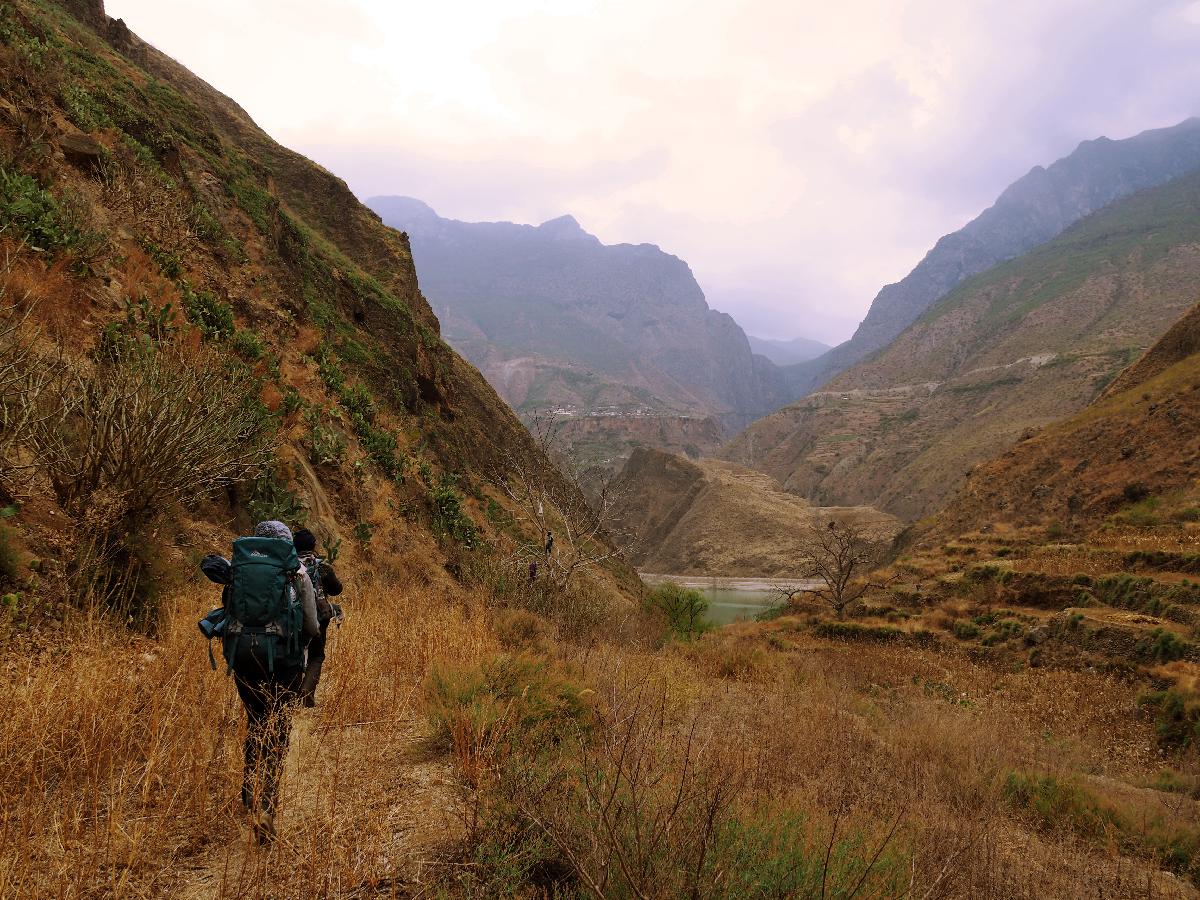
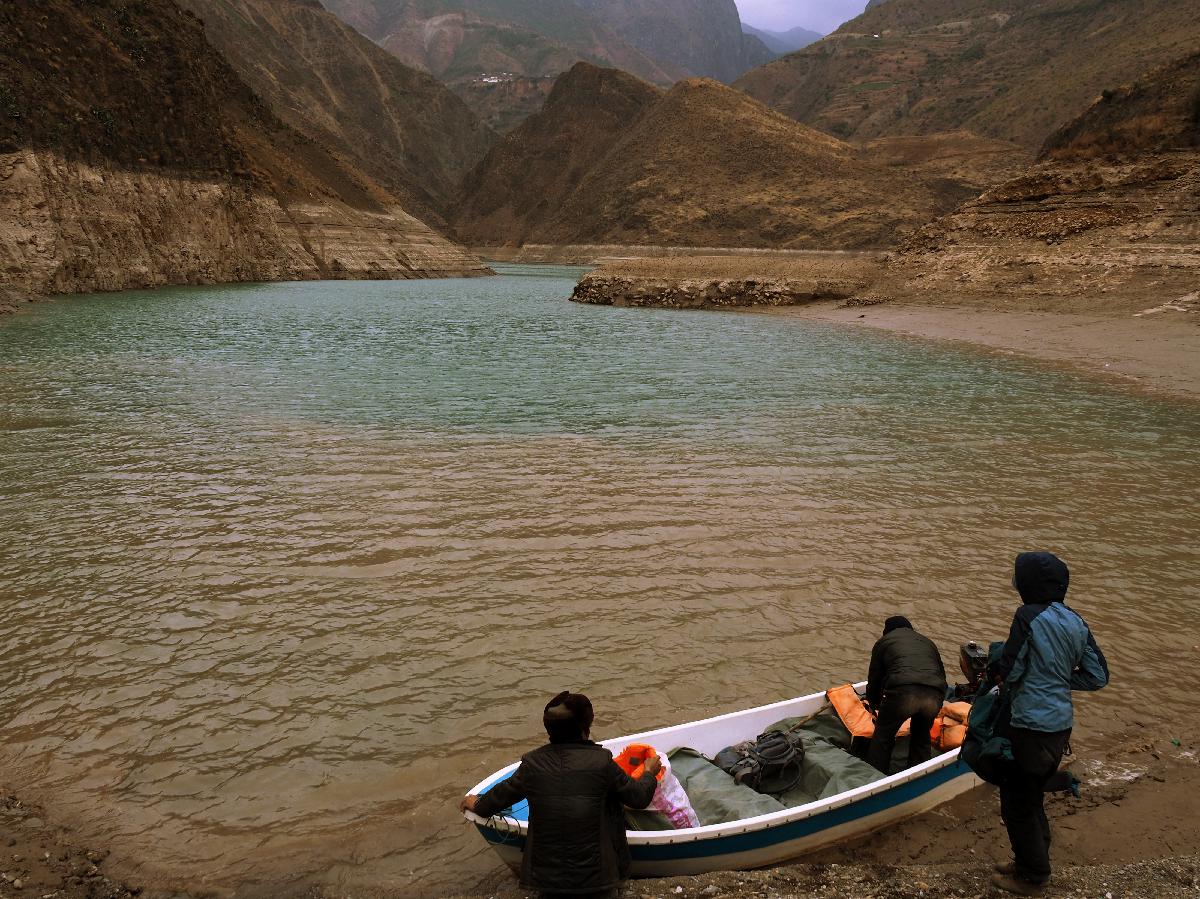
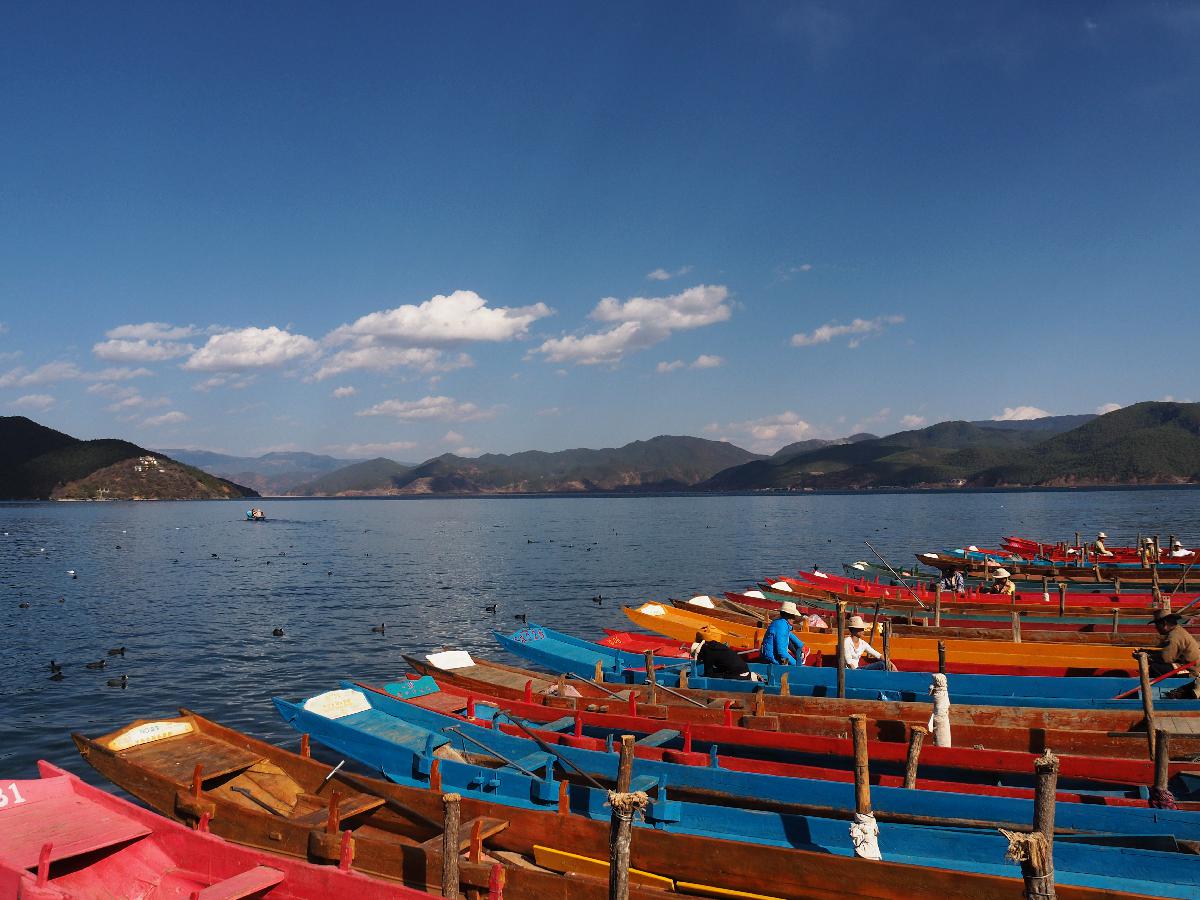
Two days later we embarked on a 5 day hiking trip from Baoshan to Lugu Lake. This time, we needed a guide, not only because the trail wasn’t as obvious as the trail on the Annapurna trek, but also because we visited 5 different minorities who all spoke a different language (besides Mandarin and Cantonese, there are 56 other languages in China!). Our guide, Mr. Mu, who turned out to be a very gentle and kind man, became a good friend in those 5 days we spent together. We hiked 91 km, crossed a pass of 3600m above sea level and visited the Naxi, the Mosuo, the Lisu, the Pumi and the Yi people. Every night we stayed in a different homestay, ate local dishes and drank homemade bai jiu (strong Chinese liquor). All in all, it was a wonderful and authentic experience off the beaten track!
Minority Trek:
Now we’re back in our favorite hotel in Lijiang, relaxing, writing postcards and washing our clothes. In two days we’ll embark on another 2 day trek (Tiger Leaping Gorge) and from there we’ll travel further north to Shangri-La. We will also meet Mr. Mu again.
Even though this is the third time we are visiting China, we are still amazed and surprised by this country and its people. There is so much to discover and the food is just delicious (and an adventure in itself). We are glad that we took a Chinese language course back home in Switzerland. We try to speak as much Chinese as possible. As you can imagine it’s quite difficult, but every day we learn something new. So far our efforts always earned us some extra sympathy points!
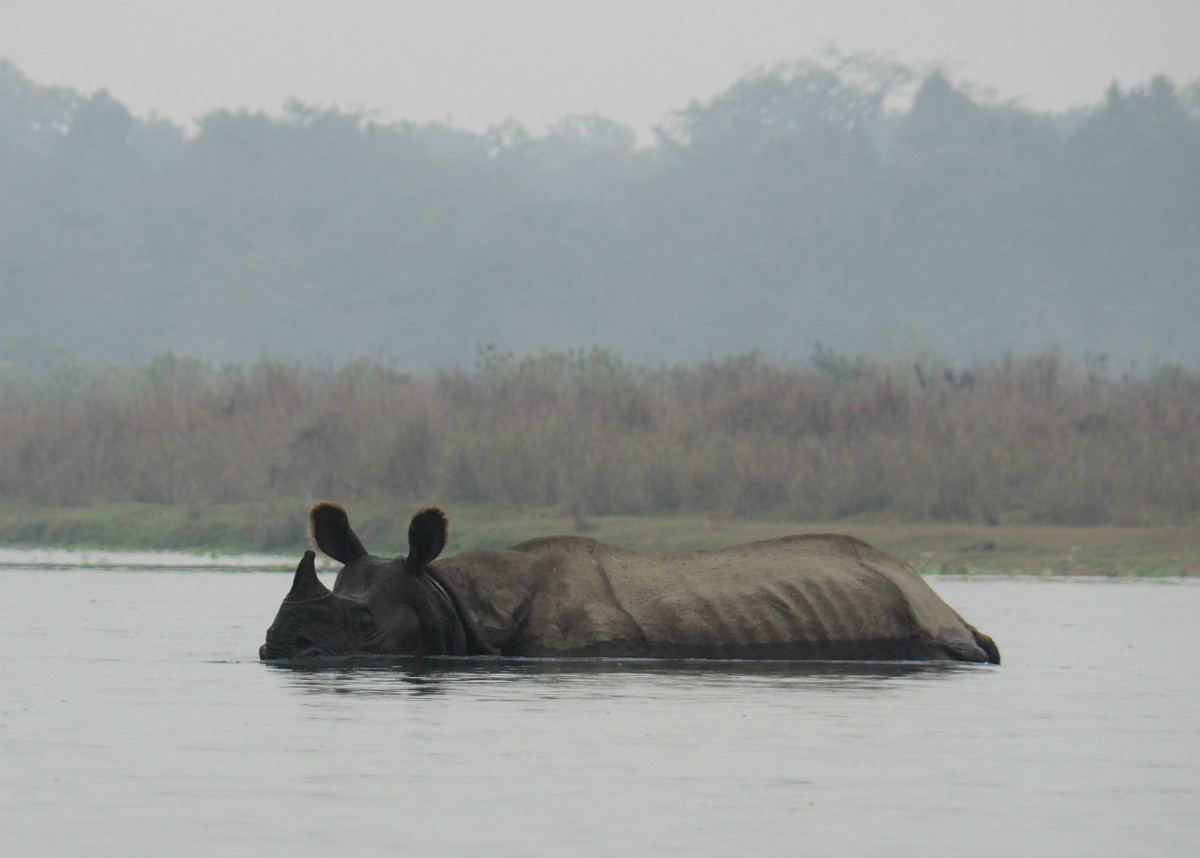
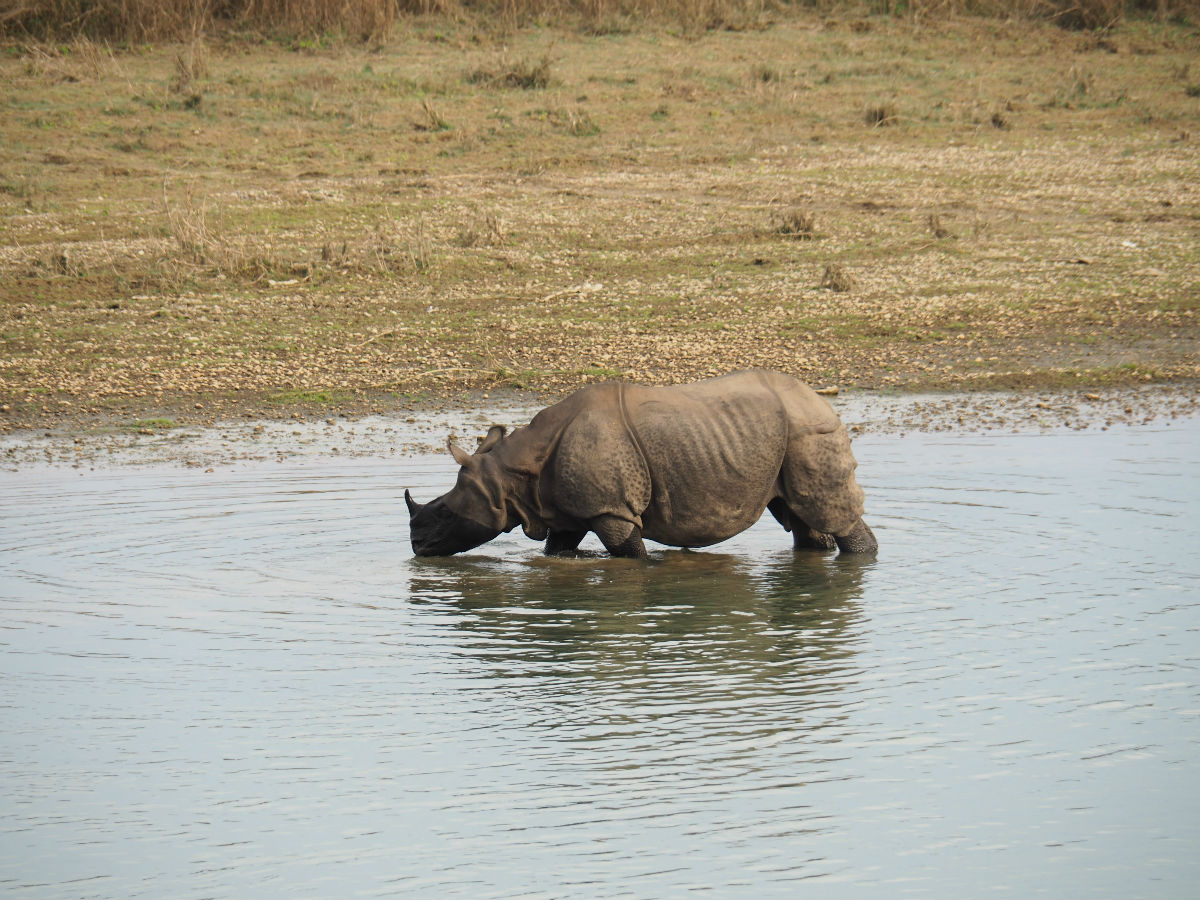
After a couple of relaxing days in our beloved Pokhara, we took a bus to the southern plains of the Terai region to visit the jungle of the Chitwan National Park. Perry, aka ‘the Flying Dutchman’ also joined us on this trip. We stayed two nights in Sauraha, which is situated right next to the park. The day after our arrival we did a jungle walk with two local guides. It started early in the morning with a canoe trip following the stream of the river. As soon as we arrived at the starting point of our trek, there was already a huge rhino waiting for us in the middle of the river, feeding on aquatic plants for breakfast. This ‘jungle tank’ made quite an impression on us. Amazed by its appearance we started our jungle tour, on which we saw the following wildlife: vultures, white spotted deers, sambal deers, a snake, crocodiles, another rhino and two flirting sloth bears (you probably all know Balu from the Jungle Book). Luckily we only spotted footprints of leopards and the great Bengal tiger – you know, the one that’s on top of the food chain!
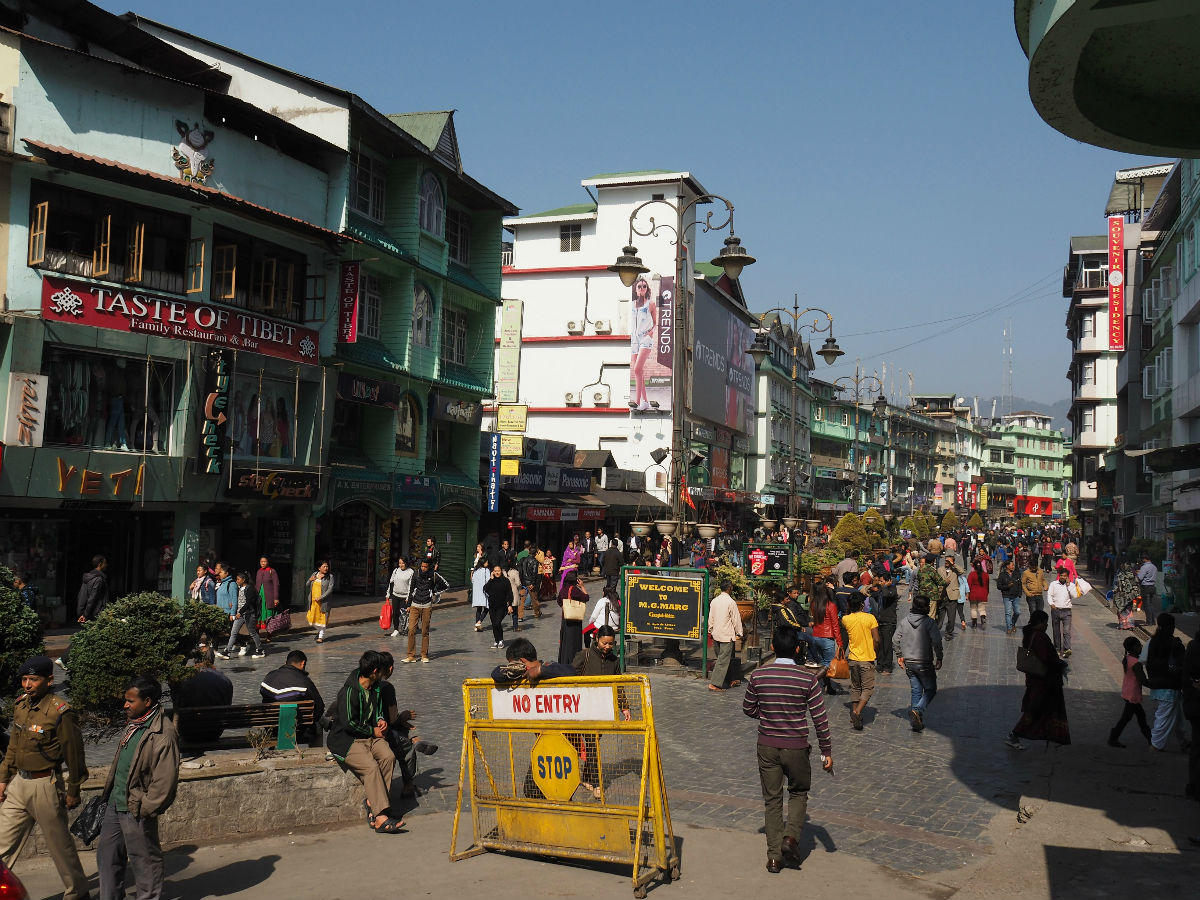
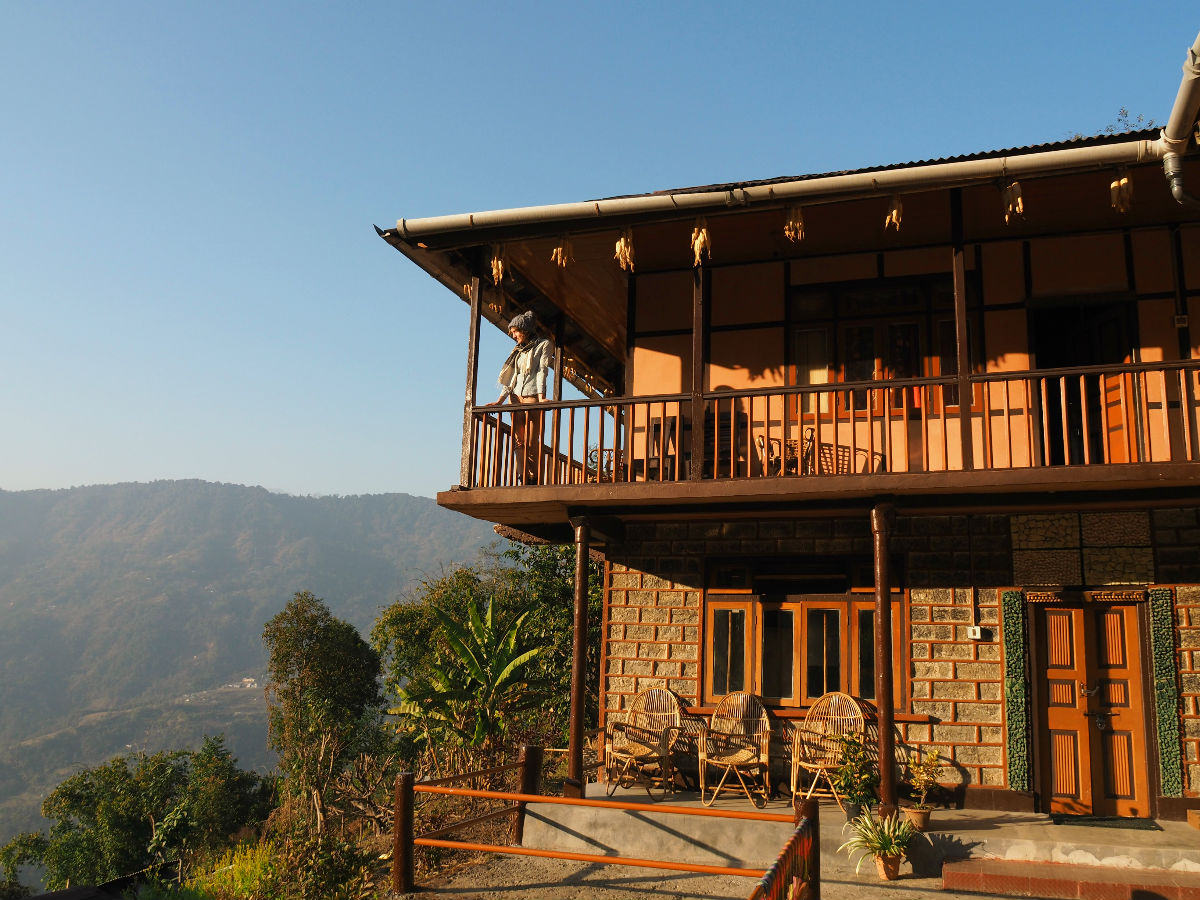
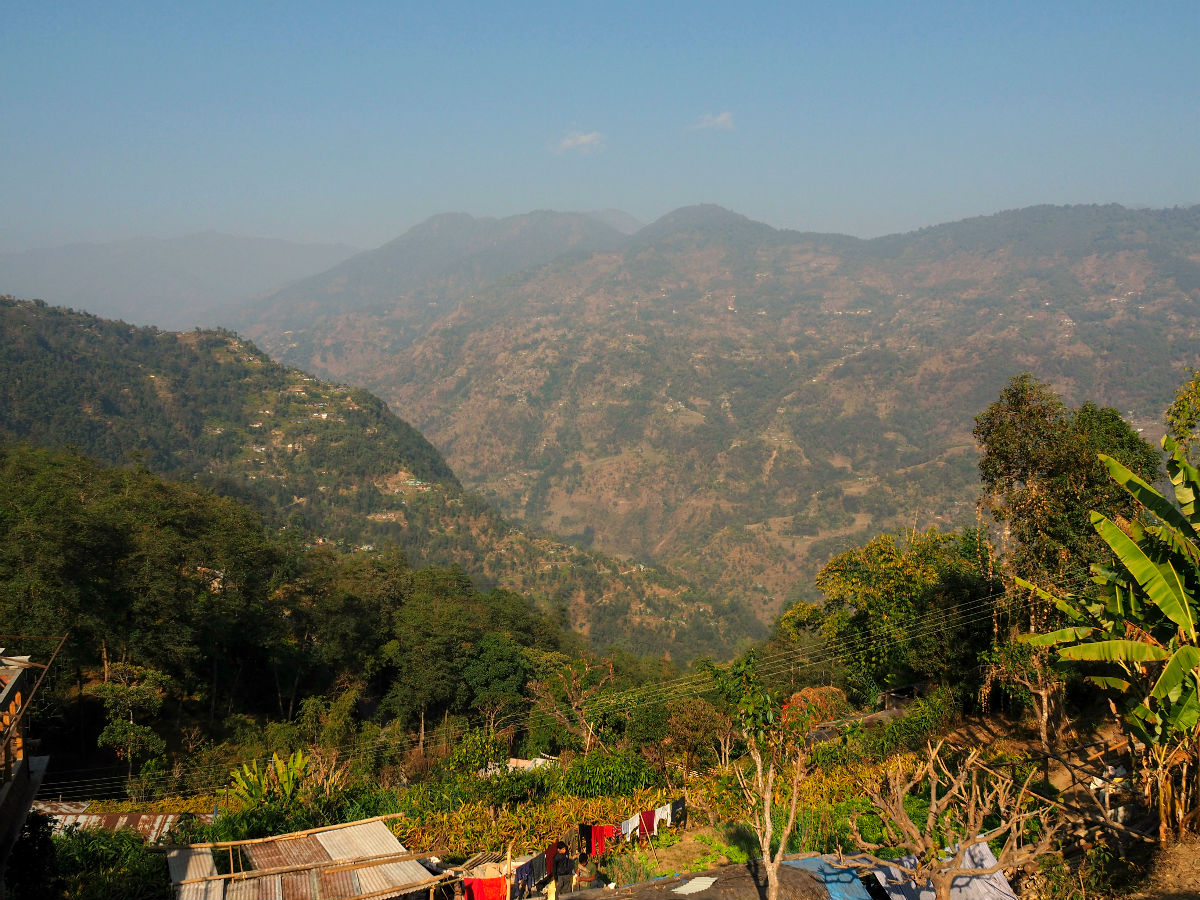
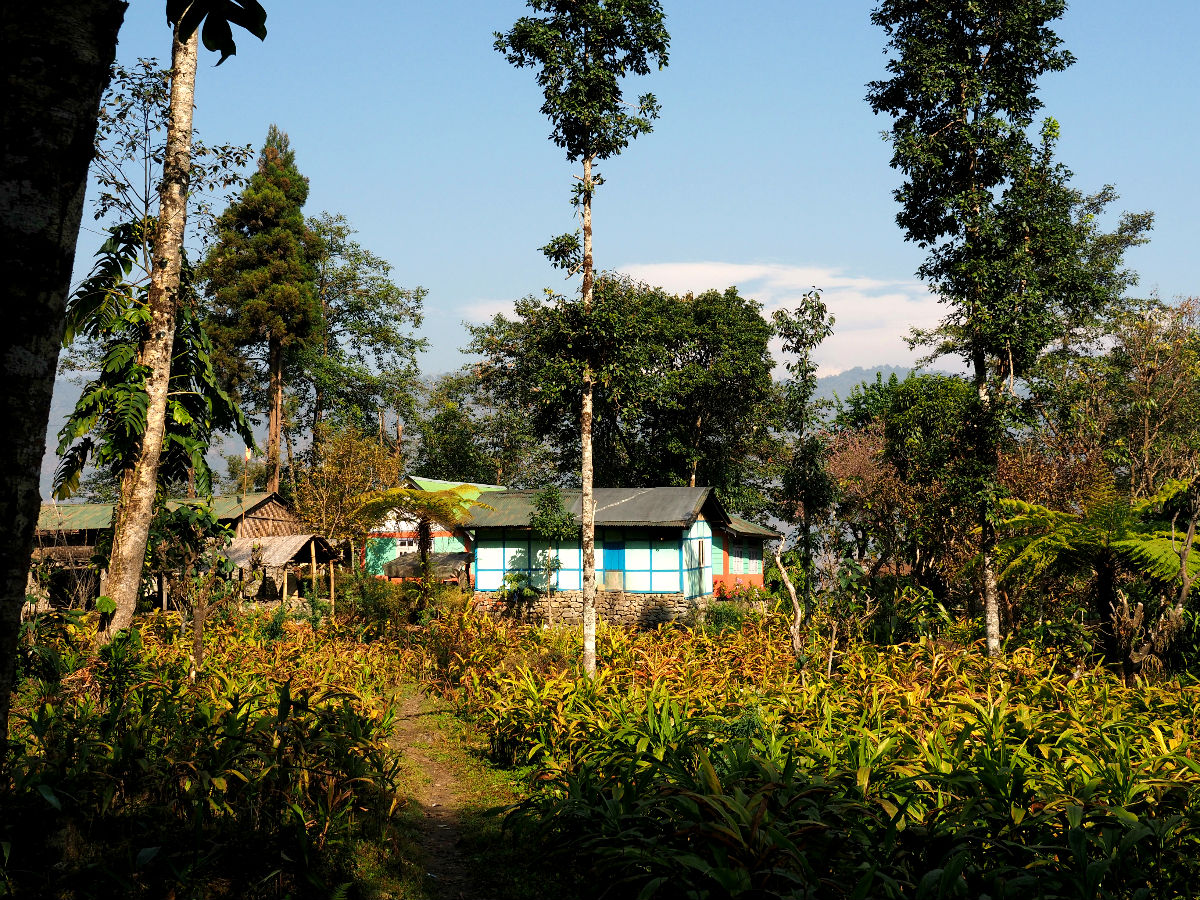
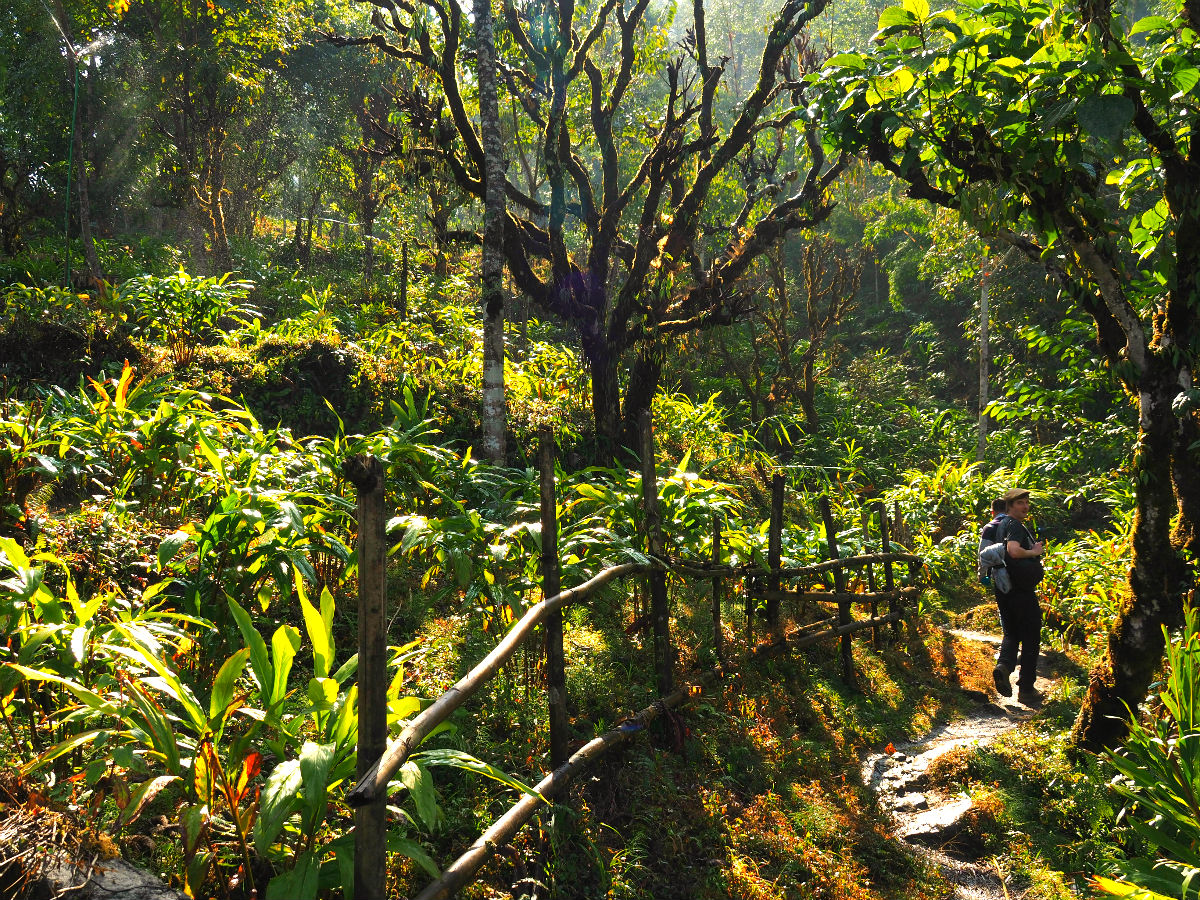
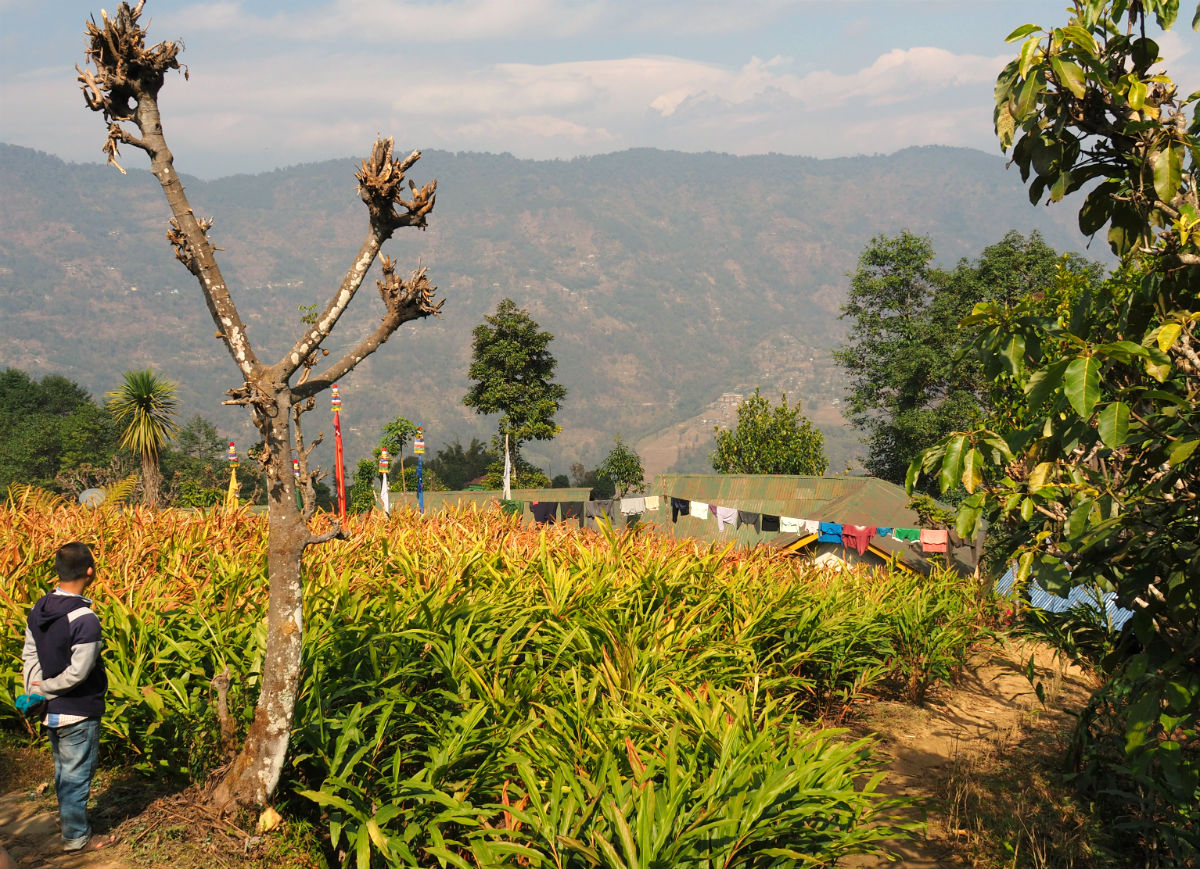
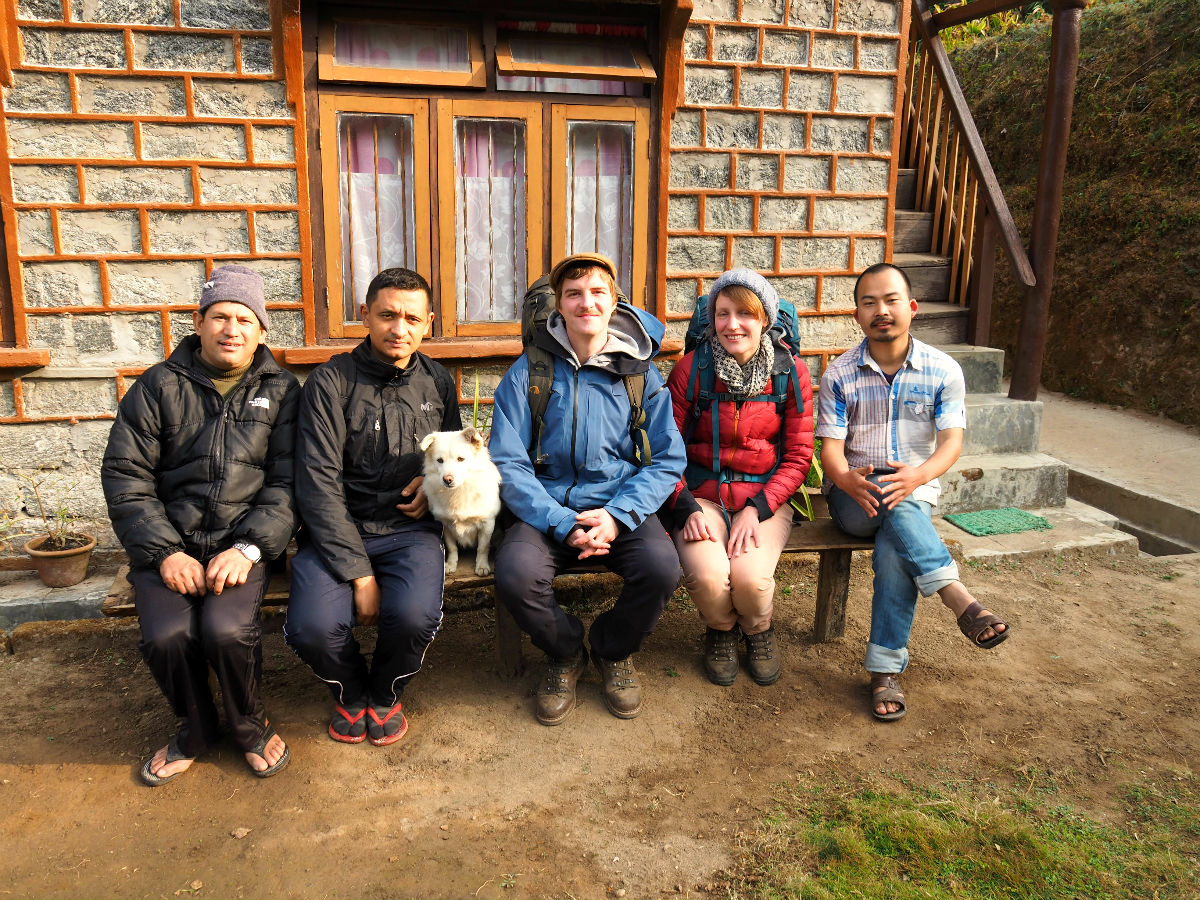
Back in Pokhara , we decided spontaneously to visit the autonomous region Sikkim, located between Nepal and Bhutan in the hilly outskirts of the Himalaya. Once a Kingdom of its own, it now belongs to India. Because we messed up with our Indian visas, we first had to take a flight to New Delhi before we could finally move on to the border of Sikkim. There we had to register at the foreigners check point in order to enter into the region. With all the formalities behind us, we were finally ready to explore Sikkim. First, we travelled to the eastern part, to the capitol city Gangtok. Then we moved on to the South, where we visited several sacred Buddhist sites. Finally, we did a home stay at the Dunghay farm in the western region in Hee Bermoik. The family treated us very friendly and we enjoyed delicious dishes made of homegrown vegetables and self-butchered goat meat. During the day we hiked uphill through cardamom fields and were invited to visit several local homes. In the evening, we rounded up the day by trying ‘chang’, a local alcoholic beverage made of millet and yeast.
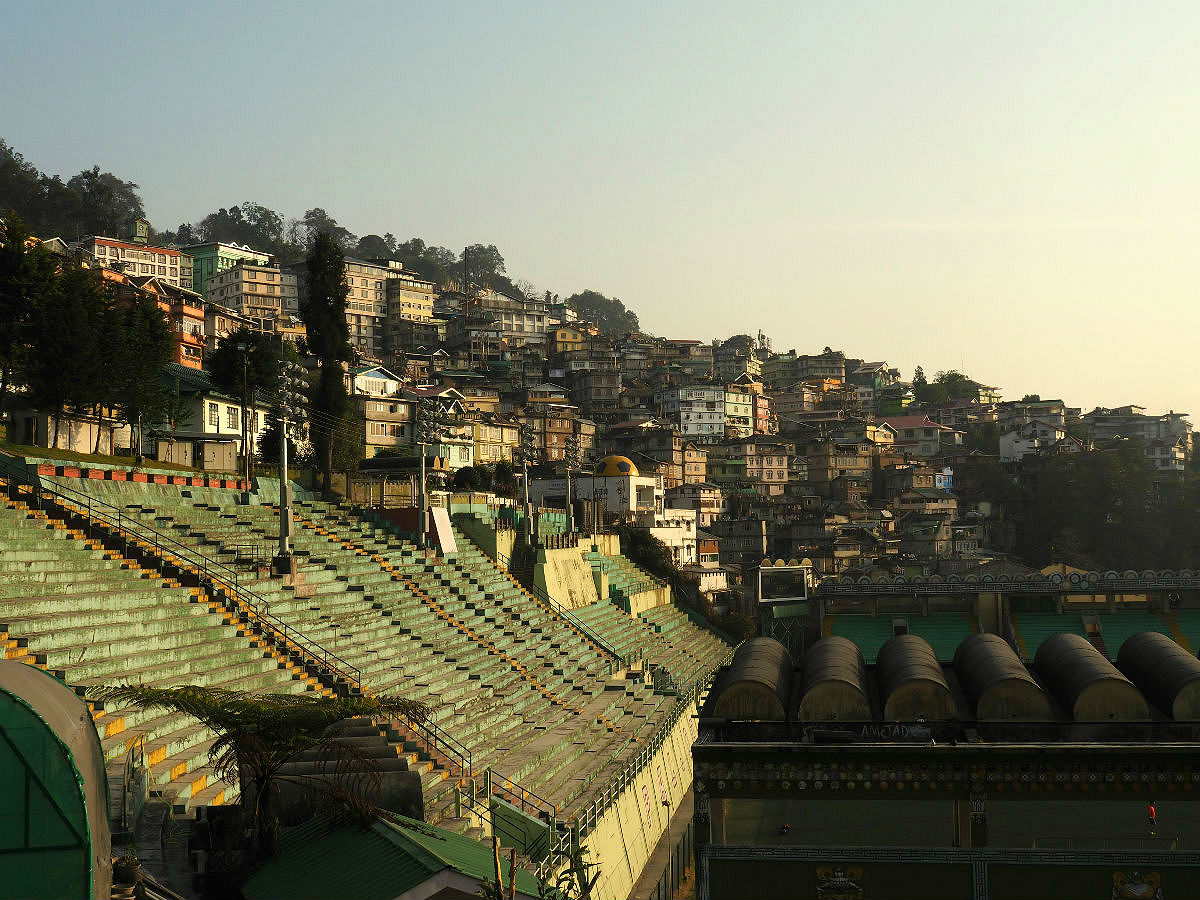
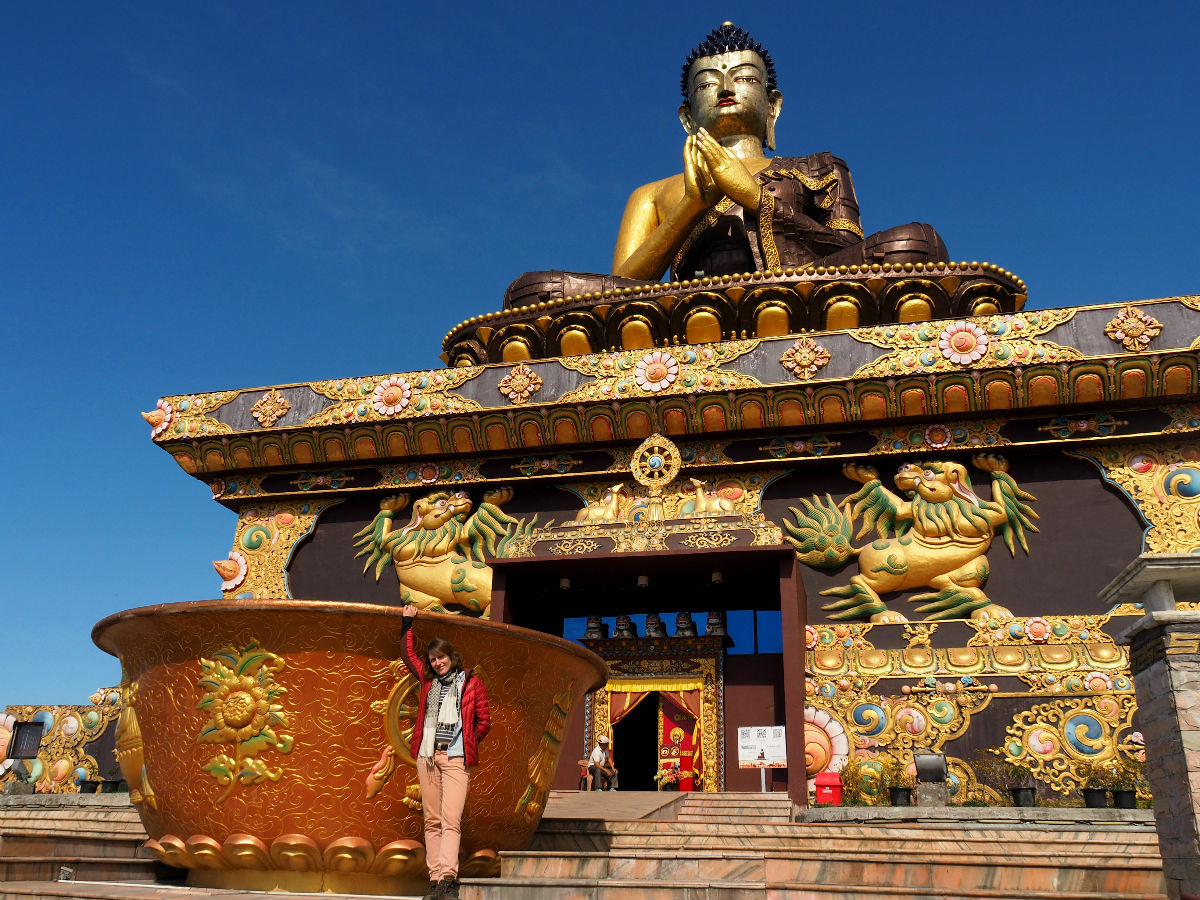
Gangtok:
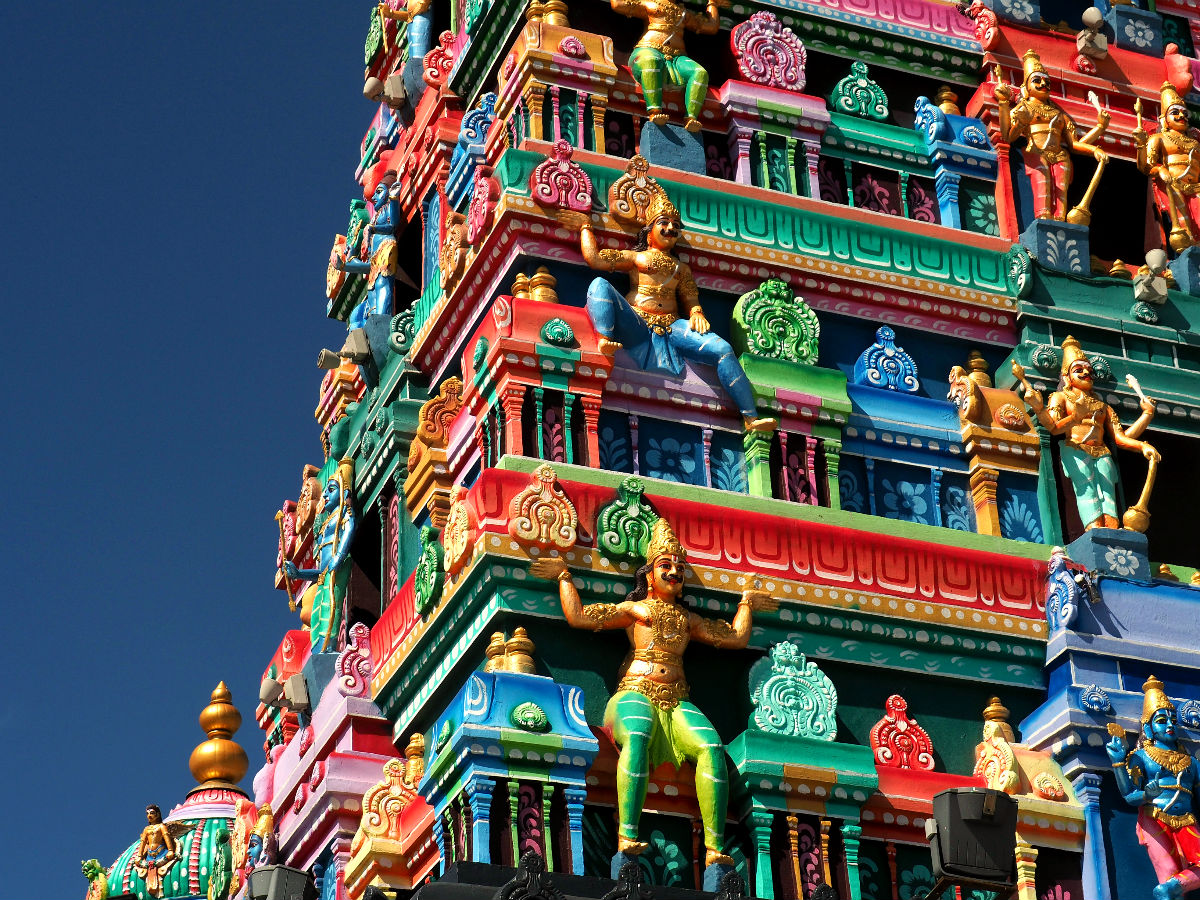
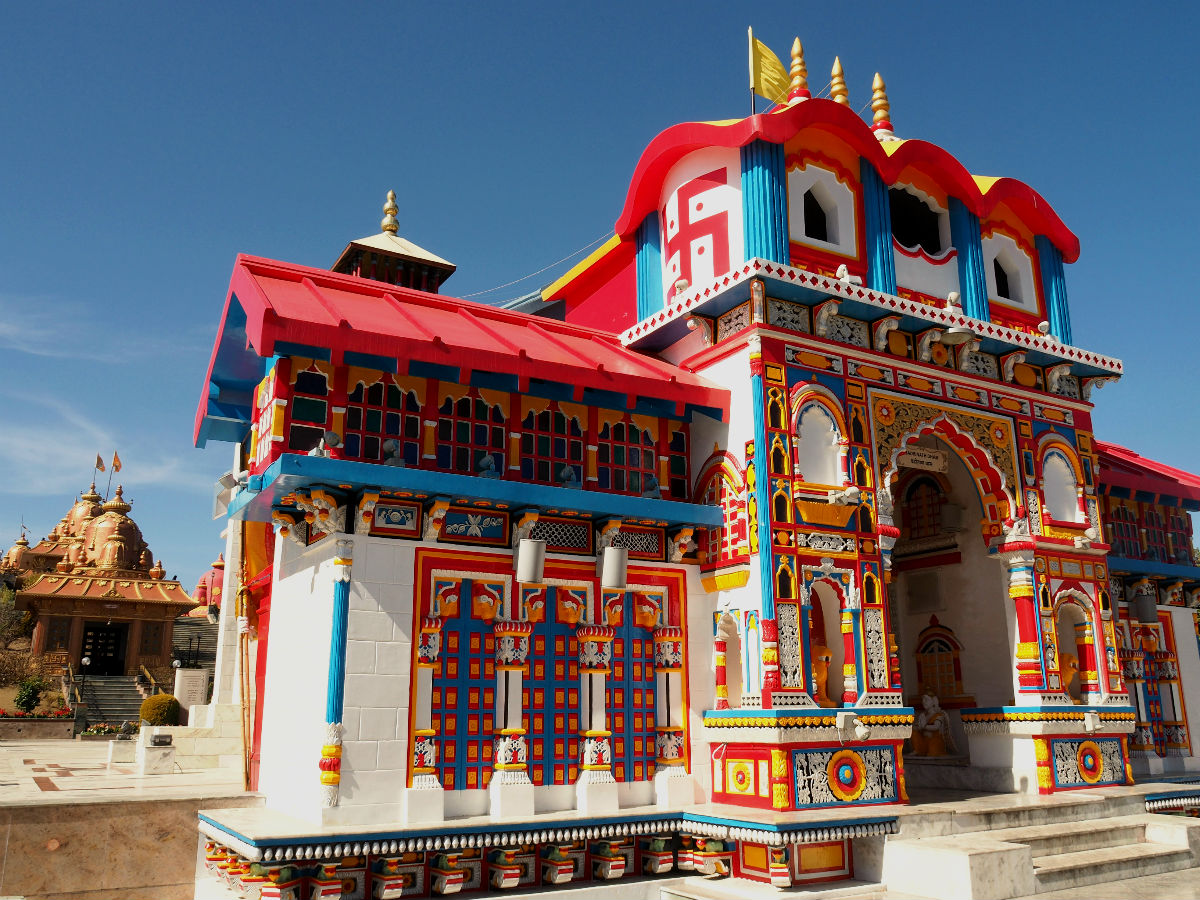
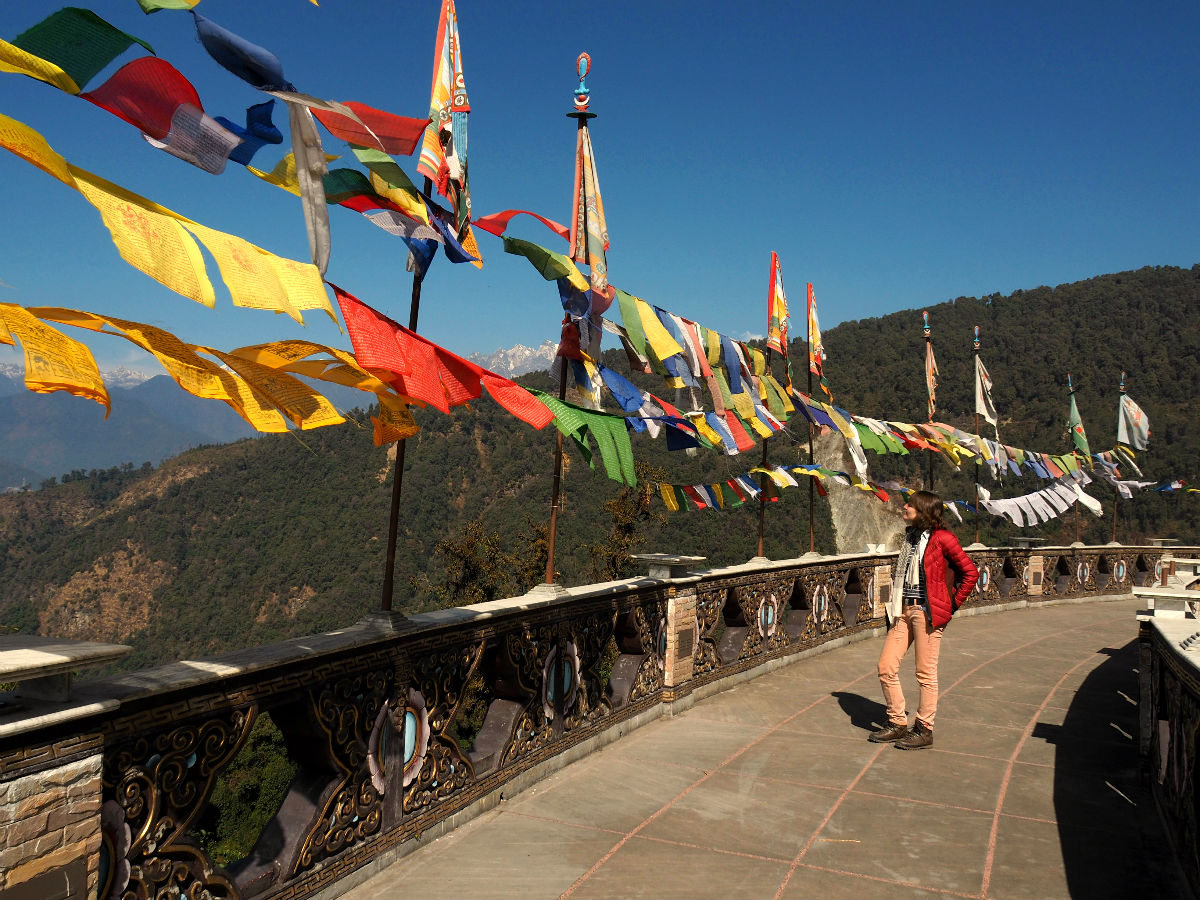
Chardham:
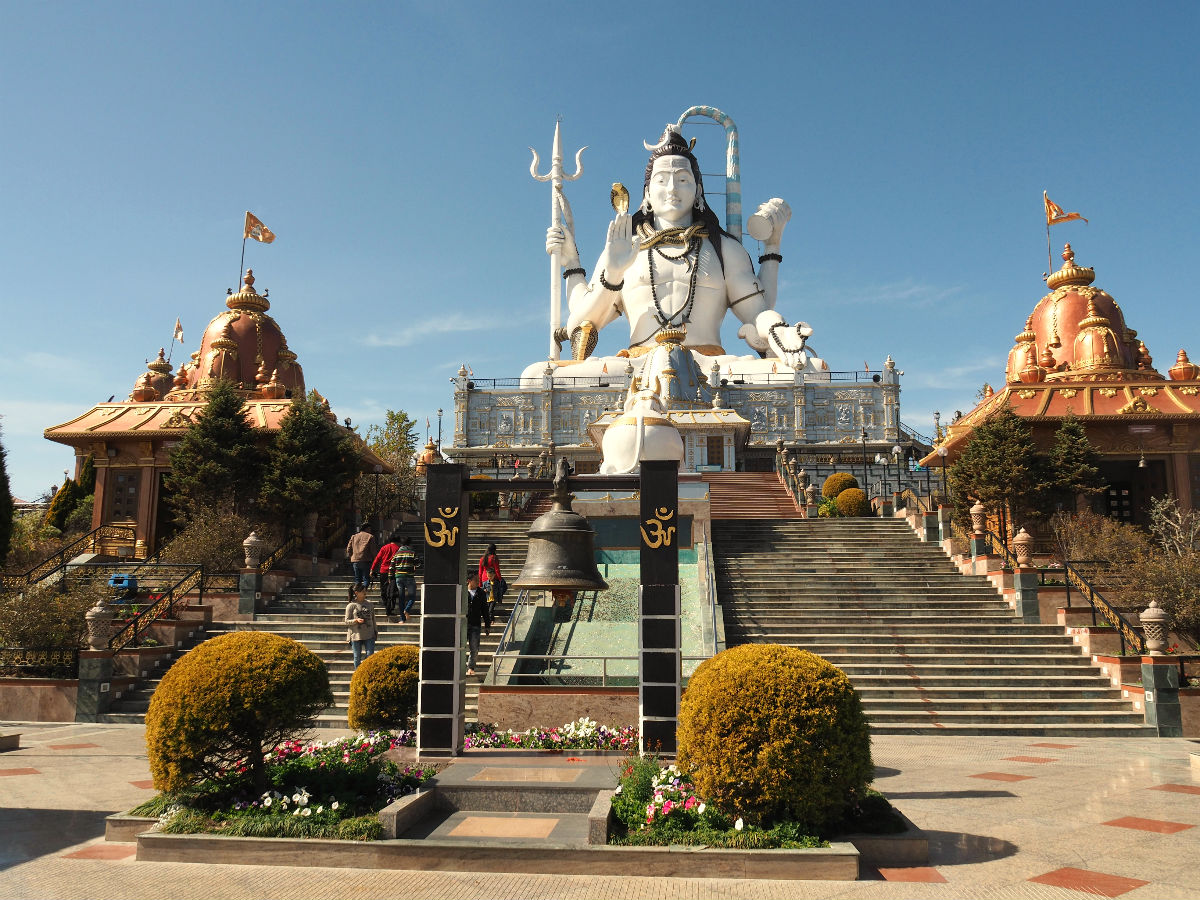
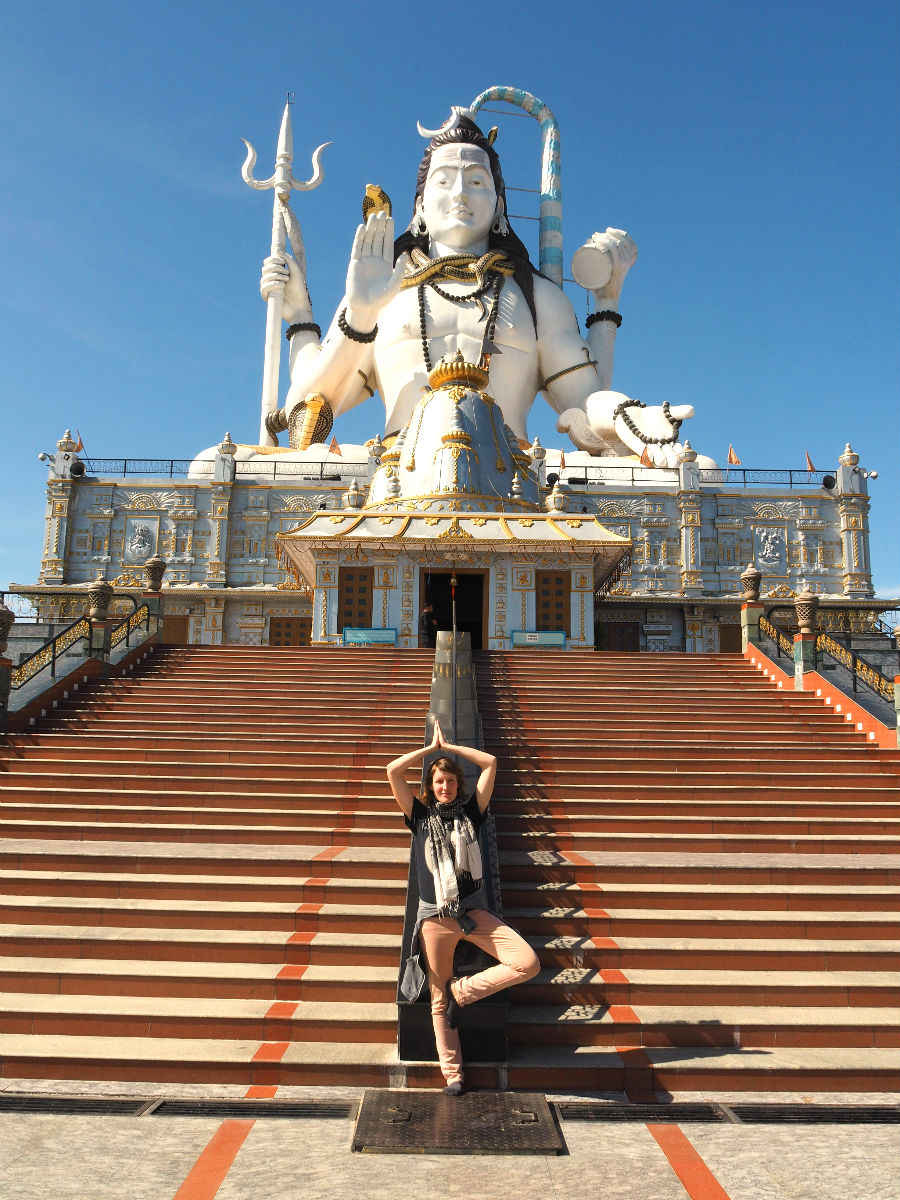
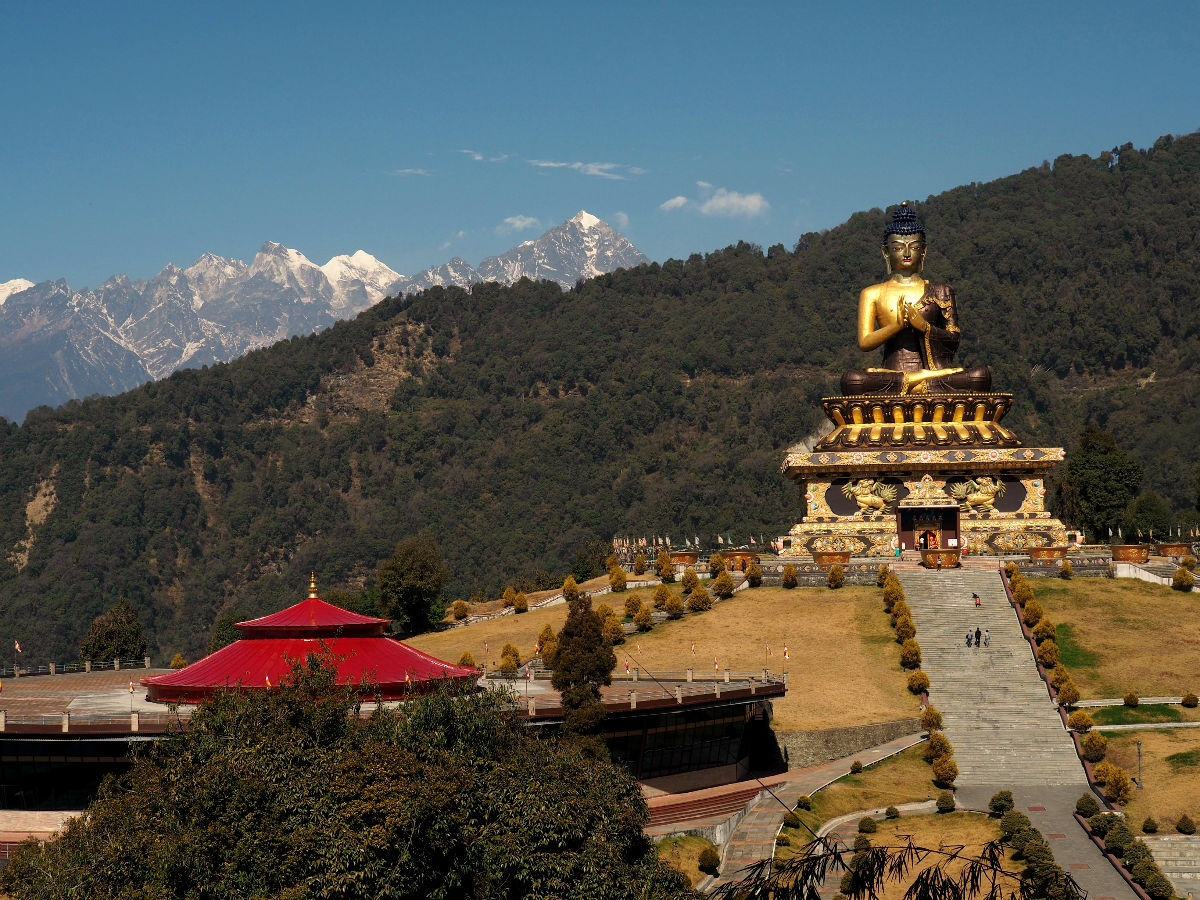
Buddha Park:
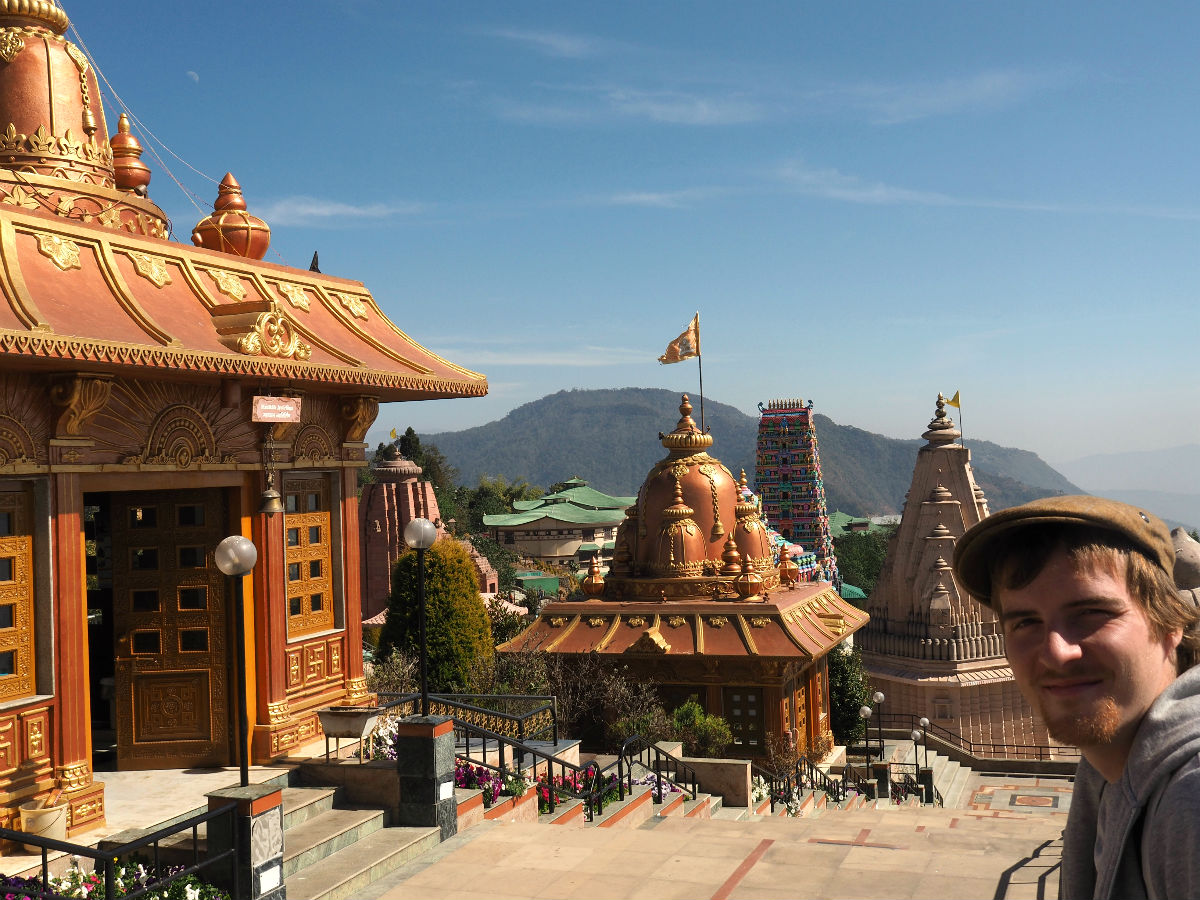
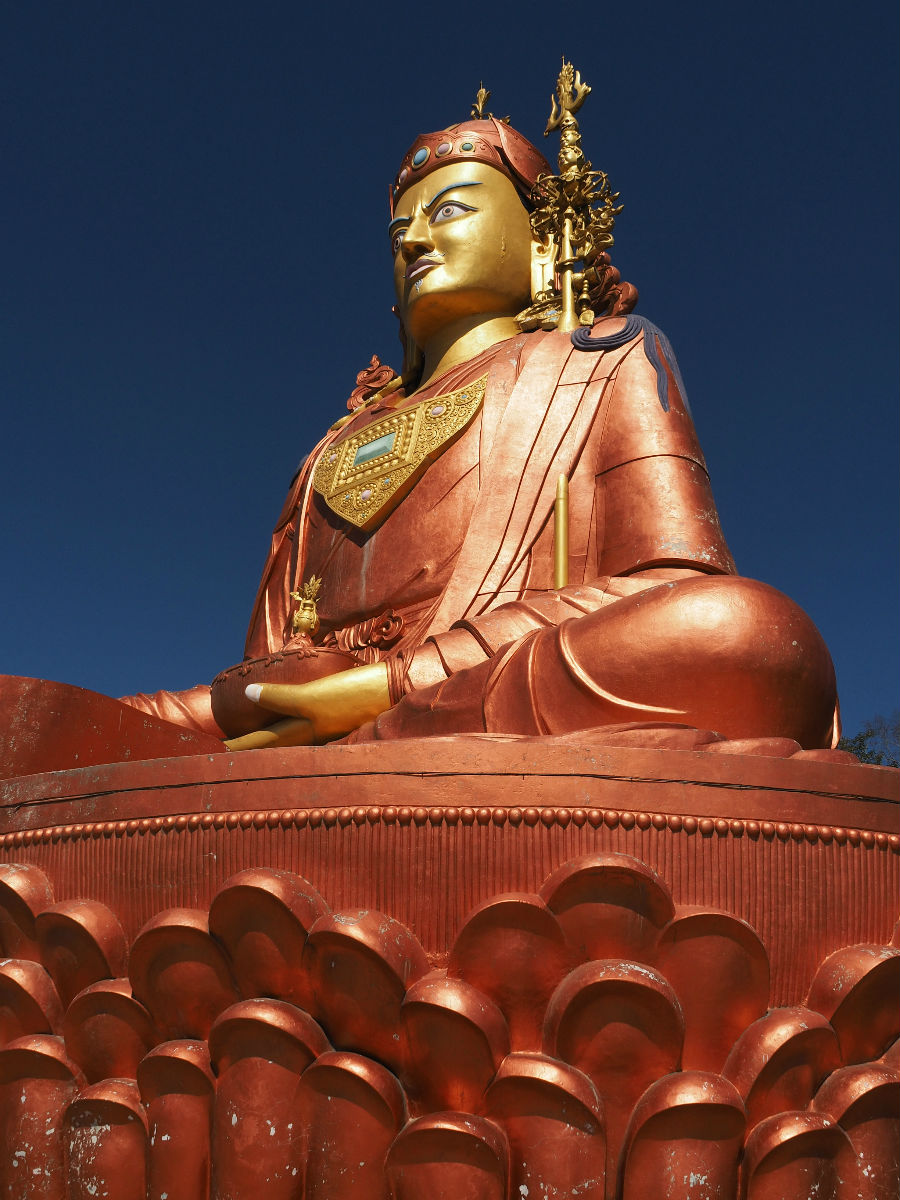
Samdruptse:
Dunghay Homestay:
Overall, the trip to Sikkim was a nice experience, but there were some disappointments too. Originally, we intended to do some more trekking, but this turned out to be very complicated, as you always need a guide and most tours aren’t available during winter time. Furthermore many touristic spots aren’t accessible to foreigners, because they are too close to the Chinese border (Tibet). We only learned about these obstacles, when we arrived at a certain location, which sometimes was very frustrating. In general, individual travelling seems to be quite difficult, because there are no local buses, let alone trains. Since it’s a very hilly area, the only means of transportation are shared 4×4-vehicles or small taxis. The 4×4-vehicles never depart unless they are fully packed with people and stop countless times along the way, which takes a lot of time. Private taxis are time effective, but very costly and the drivers sometimes get lost and are afraid of ‘long distances’. In addition to this, the Indian government had just recently decided to demonetize the country, which made it sometimes difficult to get cash from the ATM’s.
Nevertheless we liked Sikkim, especially the western part (we didn’t visit the northern part, due to winter season). For us this region has an abundance of unspoiled nature, as globalization and industry haven’t yet arrived here and, according to locals, people don’t want this kind of progress. The people of West Sikkim, which are mostly of Nepali origin, were always very curious about us and eager to have a little chat (and countless selfies). We haven’t met any western people for several days, which made this whole experience very authentic.
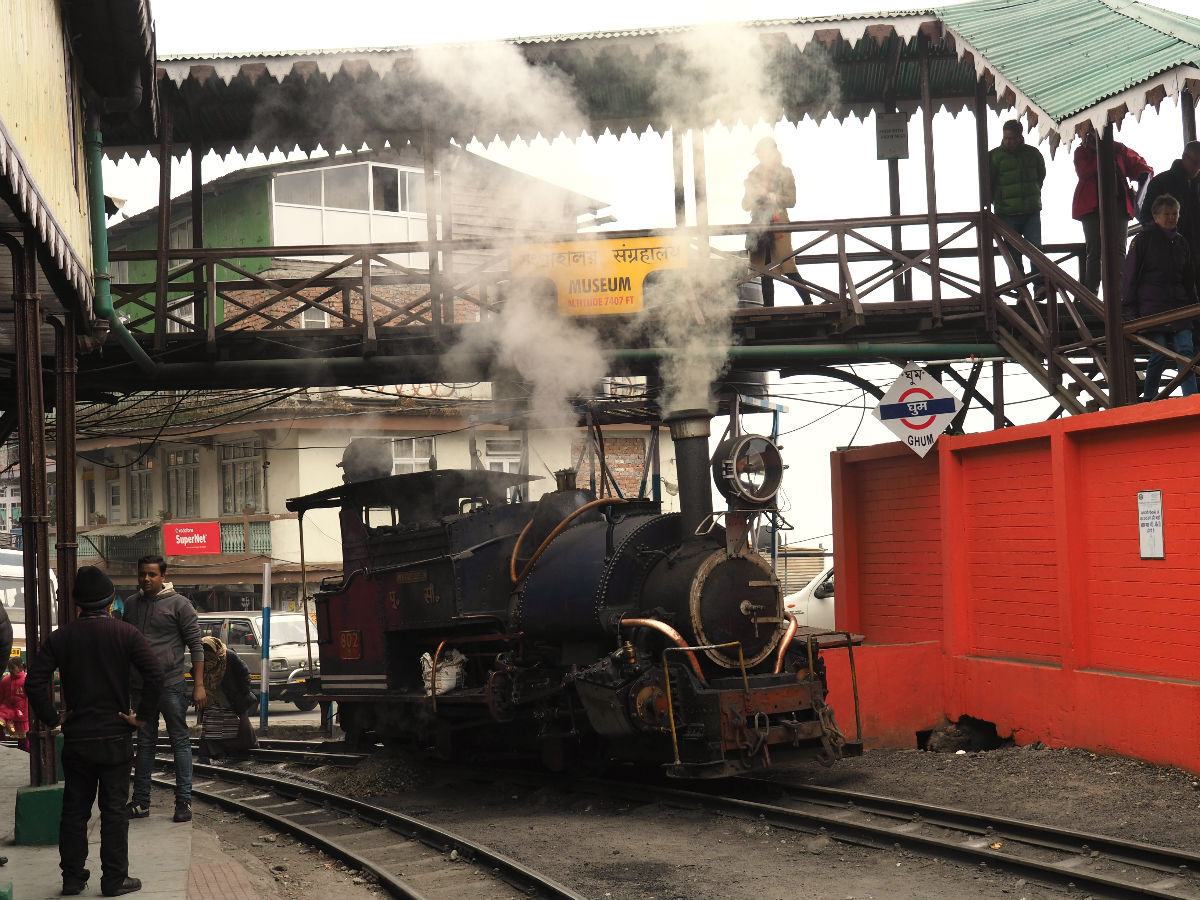
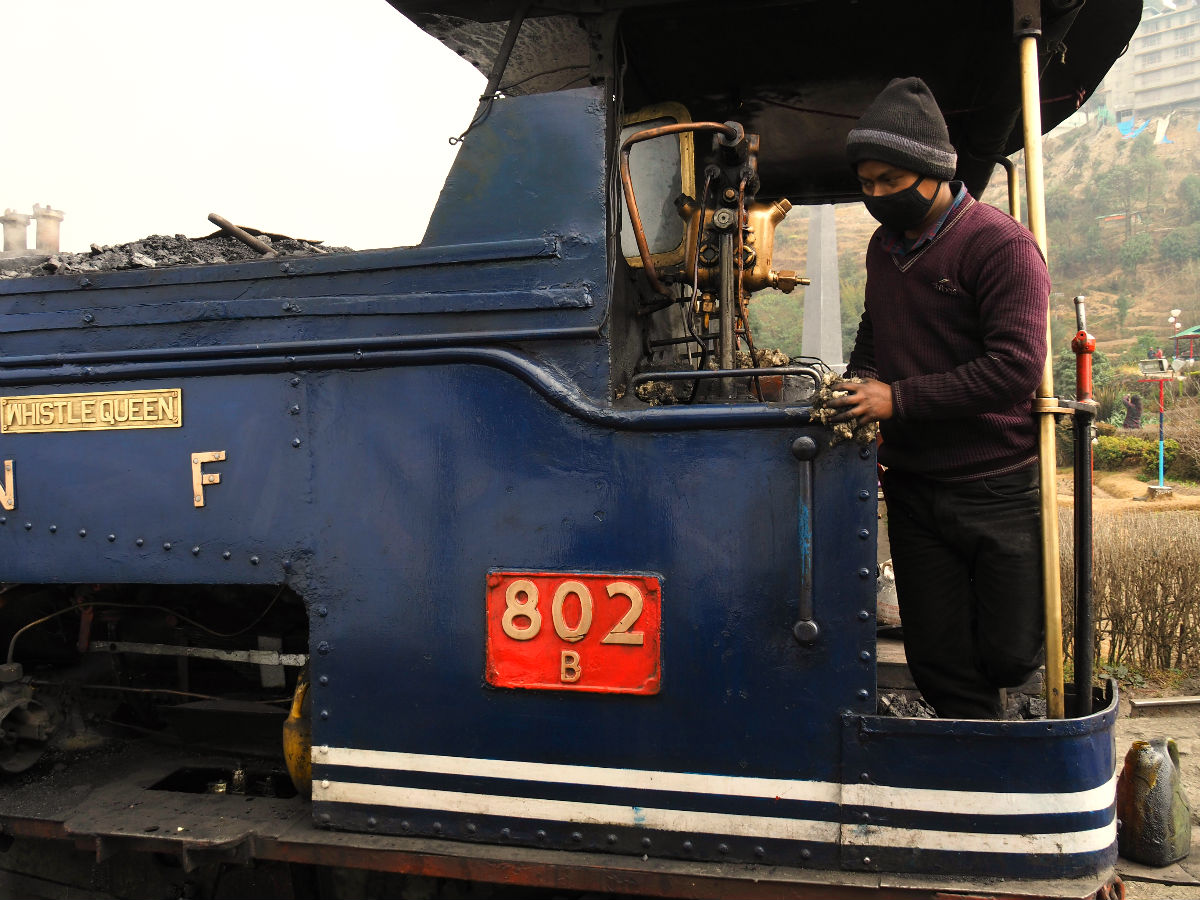
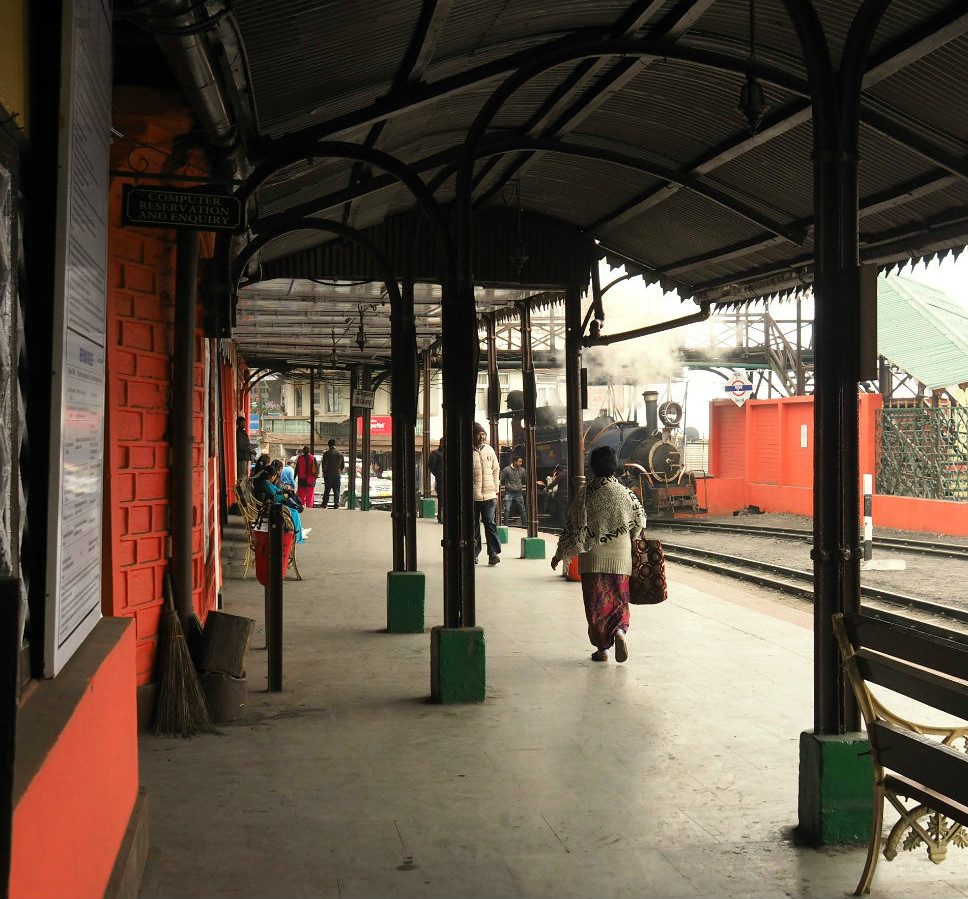
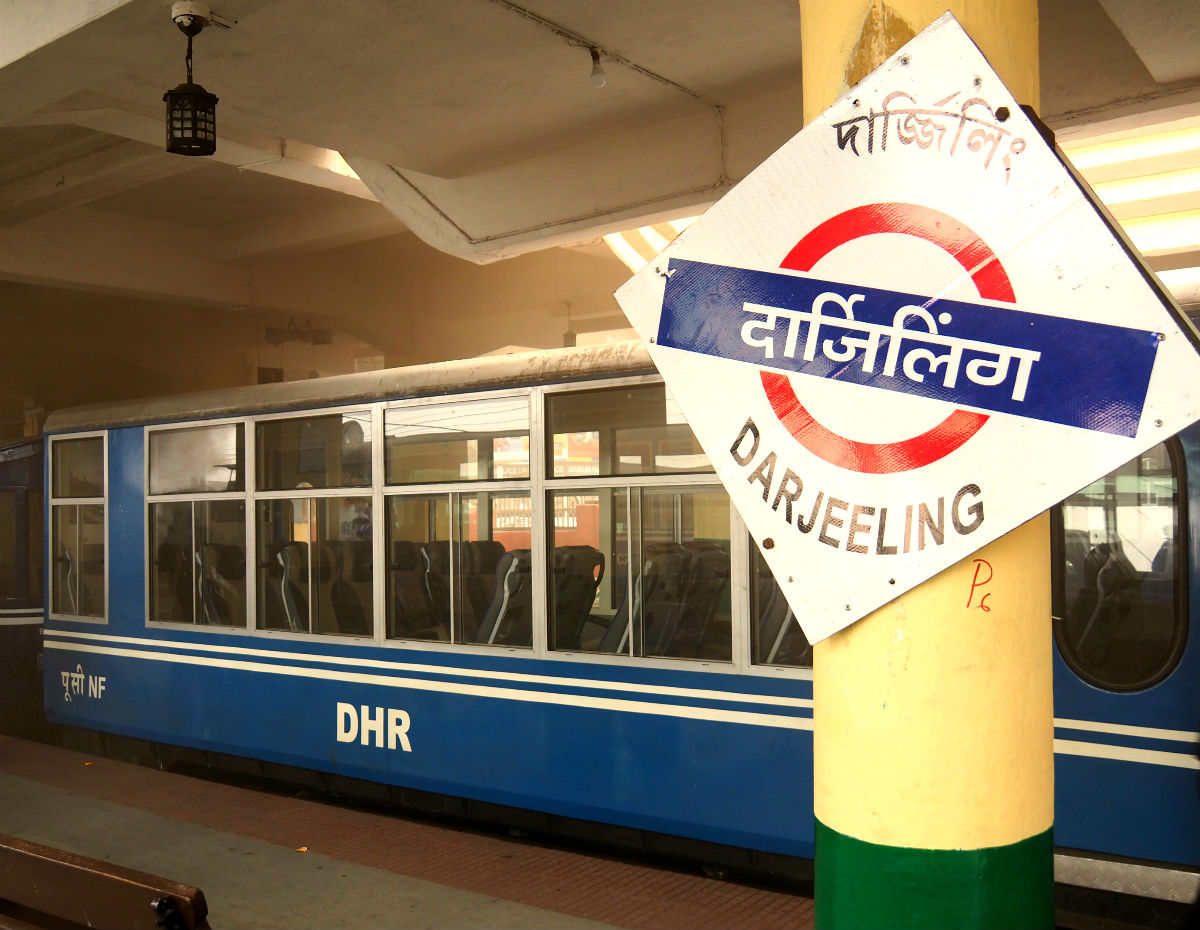
After Sikkim we travelled to Darjeeling in West Bengal, which is world famous for its tea. There we stayed for three nights, drank tea and took a joyride on a steam train.
Darjeeling:
Afterwards we crossed the border back into Nepal, stayed one night in Badrapur and took a domestic flight back to Kathmandu. Today we might pay another visit to the Bodnath Stupa, before another flight will take us into China.
At last we would like to give you some concluding thoughts about Nepal and its people:
It took some time at first, but now we can truly say that we fell in love with Nepal. Before we came here, we didn’t know much about the country, except that a lot of people come here for trekking. That’s why we were quite shocked about the persisting poor state of development. We have never seen worse road conditions (and we already did a lot of travelling…). Mostly it’s still dirt roads, but the concrete roads are in bad shape too. Daily power shortages are nothing uncommon in Nepal, and this is true for remote villages as well as the capital city.
One reason for these circumstances is that Nepal is ‘lost in transition’. In the past decades, Nepal has gone through many experiments – from absolute monarchy to constitutional monarchy, to governments run by Communists, Maoists and Royalists as well as multiparty democracy. Recently the country is struggling with the transformation into a federal system and they still seem undecided about whether they want a mixed market economy or a socialist economy. * Whenever we talked with Nepali people, we felt that they are not content with their government.
(* The conclusions expressed in this paragraph are inspired by the book ‘Lost in Transition’ by Kul Chandra Gautam)
However Nepali people are still very friendly and ready to smile. They seem to accept their situation and try to make the best out of it. We got the impression that Nepali are very though and hardworking people (and seem to have the world’s best driving skills). They always stayed calm and treated us heartily.
Although it may sometimes be difficult to get reliable information and travelling feels exhausting, if you have the time and patience everything seems possible in Nepal. We are thankful for the great experiences we made in this country and we’ll definitely be back.
Namaste! (which literally means „I salute the god in you“)
After a long and exhausting journey, we finally arrived in Kathmandu. This city that seemed fascinating at first, got very tiring after only a short while. So far we have never seen a more polluted capital, the smog is almost unbearable and wearing a mask is a must if you don’t want to get a sore throat. And the traffic is crazy too! You’ll find every vehicle from a riksha to big busses and there seem to be no rules for driving, except that you drive on the left side. Everybody is honking all the time, which makes it very difficult to sleep at night. Our hotel was situated in the heart of Thamel, a very busy quarter of Kathmandu and for this area it was quite alright. Still we had to struggle with bedbugs and an annoying travel agent, who ripped us off by selling us overpriced trips to overrated places in and around Kathmandu. This is why after three days we were very happy to leave this place.
Thamel Kathmandu:
Durbar Square:
Swayambhunath aka Monkey Temple:
Bodhnath Stupa:
We were looking for a quiet place, so we decided to go to a little village called Bandipur. After only three hours on the bus, we got in a huge traffic jam because of an accident with two casualties. So we were stuck in traffic for about two hours. We were already thinking about walking the rest of the way, when finally our bus moved again. Bandipur was a really nice little village on the top of a hill with a beautiful view of the surrounding area. We stayed at a guesthouse, where we met Perry, a really funny guy from the Netherlands, whom we would meet a lot in the coming days. In Bandipur we did our first little hike to a nearby village called Ramkot. It was a nice opportunity to see the everyday life of simple farming people and we finally got our silence. But even in Bandipur, far away from big cities it was impossible to find some sleep because of dogs barking the whole night!
Ramkot:
After two nights we took a local bus to Pokhara, the second biggest city of Nepal situated on a lake below the impressive Annapurna Range. Since Nepali people are quite small, there was almost no leg space between the seats and it was a rather uncomfortable ride. Perry, who was on the same bus, was suffering quite a bit. In Pokhara we stayed at the Pokhara Choice Inn, a really fantastic hotel with a nice view over the nearby lake. We were looking forward to having a good night’s sleep in this relaxed and laid back city. But then, in the middle of the night we heard the shattering of glass and people screaming. At first we feared that there might be a riot going on, so we went out on our balcony to see what was going on. We couldn’t believe what we saw! A nearby building was completely in flames. BOOM! We witnessed and felt the vibrations of several huge gas explosions and were shocked by this traumatizing sight. That’s when we started to panic. We knew that most Nepali households were cooking with gas and in our heads we were already seeing pictures of this fire taking over the whole city. So we quickly went inside, packed our stuff and ran out to observe what would happen from a safe distance close to the lake. It took almost one hour until the firefighters arrived. Their truck was really old and must have been from the fifties. They had to leave the scene several times to get more water, but luckily, after a while the fire was under control. During the whole incident, the locals stayed surprisingly calm and soon we felt like we were totally overreacting. So we went back to our hotel to finally get some sleep. Apart from this incident we really enjoyed our stay in Pokhara. We did a boat trip on the Phewa Lake and visited the World Peace Pagoda, from where we enjoyed the magnificent view of the Annapurna Range. Furthermore, we made all the necessary preparations for trekking the Annapurna Circuit.
World Peace Pagoda:
First we took a bus from Pokhara to Besisahar. From there we started our trekking. It was an amazing experience: the views, the changing natural beauty and scenery, the cultural life in the small villages we passed along the way and the feeling that you’re far away from it all! Fully equipped with our backpacks we walked a total of 125km in 11 days and reached an altitude of 5416m above sea level, when we crossed the Thorung La Pass. On our trek we met many other trekkers from different countries, such as China, France, Russia, England, Belgium, Germany and a cool Danish guy called Mars. But usually and due to the low tourist season, we were mostly by ourselves. In some lodges we could stay for free and in others we just had to pay one hundred rupies (= CHF 1.-). The downside of choosing wintertime was the severe coldness at night. Temperatures reached a maximum of -22 degrees and all our liquids froze regularly. Under these harsh conditions you start to appreciate the simple things, like a warm fireplace!
Nowadays we’re back in Pokhara, doing our laundry, cleaning our gear and organizing further adventures.
Since we are not yet travelling, there isn’t much to tell. But we’d like to brief you about the preparations, that had to be done before embarking on our eight months journey. Some examples:
Quit our jobs: it’s easier than you might think…
Terminate the tenancy of our appartement.
Quit several monthly paid contracts (insurance, electricity, internet etc.).
Attend a language course in Chinese: Because we’ve already been to China twice, we know how hard it is to communicate only in English.
Buy equipment: Since we know how it is to climb 4000m+ mountain summits in only jeans and sneakers, we took this point very seriously. For the first time, we took professional advice on technical clothing, appropriate footwear and ergonomically designed backpacks.
Get the necessary vaccinations.
Obtain a Nepalese visa: very easy and uncomplicated.
Obtain a Chinese visa: very difficult and complicated, because we want to stay in China for at least 60 days. We had to appear personally in the embassy four times in order to present all the necessary documents, which include a round-trip ticket (partially cancelled by now), a list of all the places we want to visit as well as 34 hotel reservations matching the travelling route (all cancelled by now).
Say good-bye to friends and family: that’s the hardest part.